Irrevocable Trust Form For Medicaid
Description
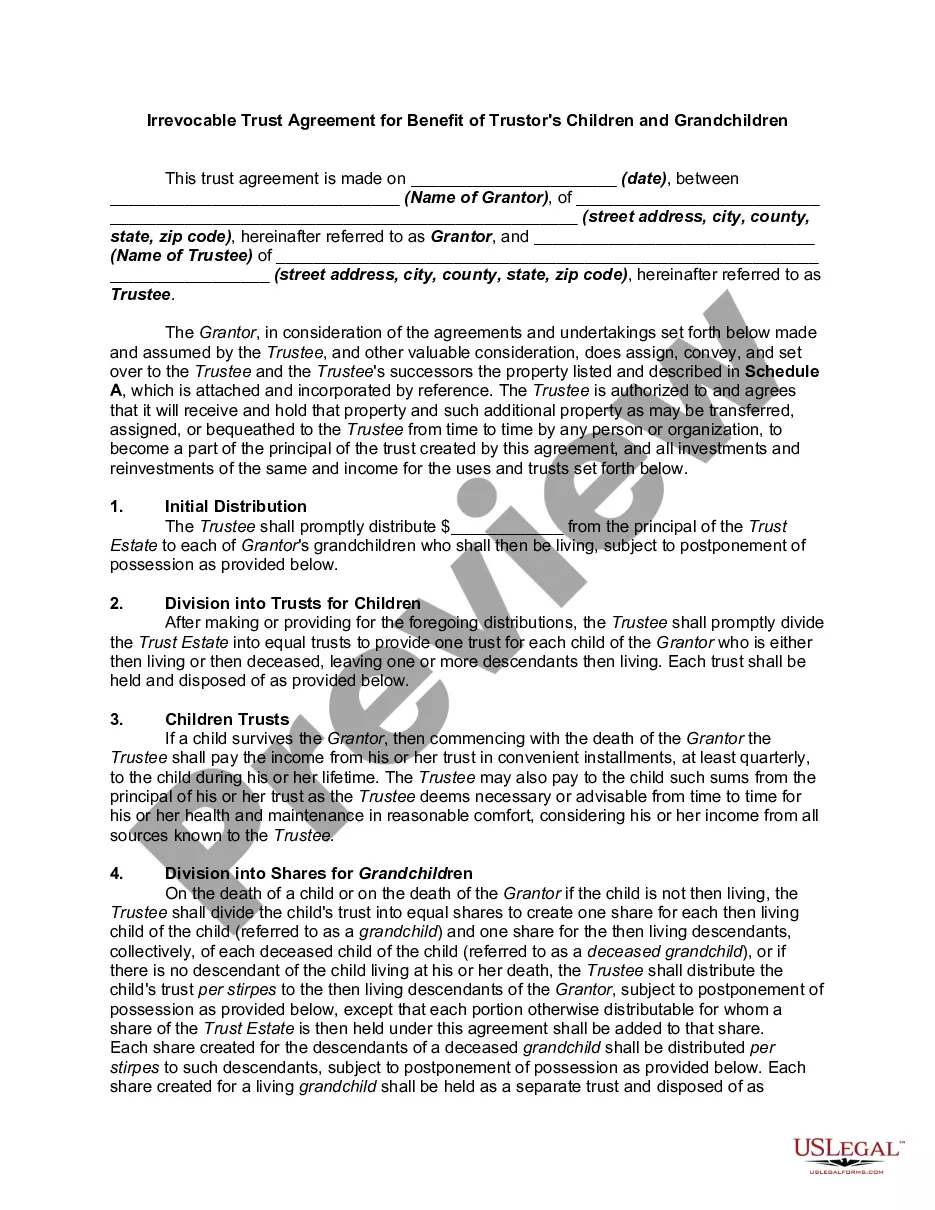
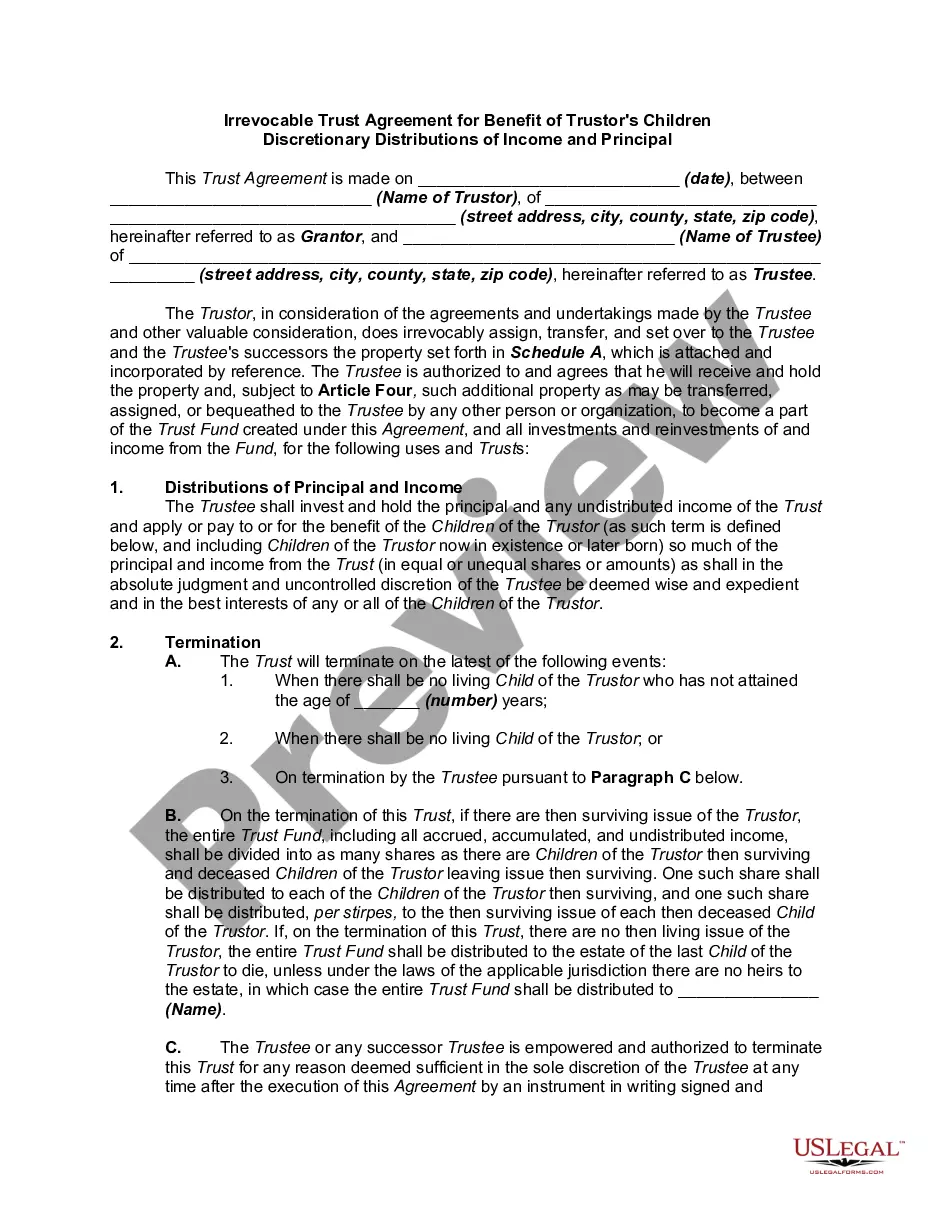
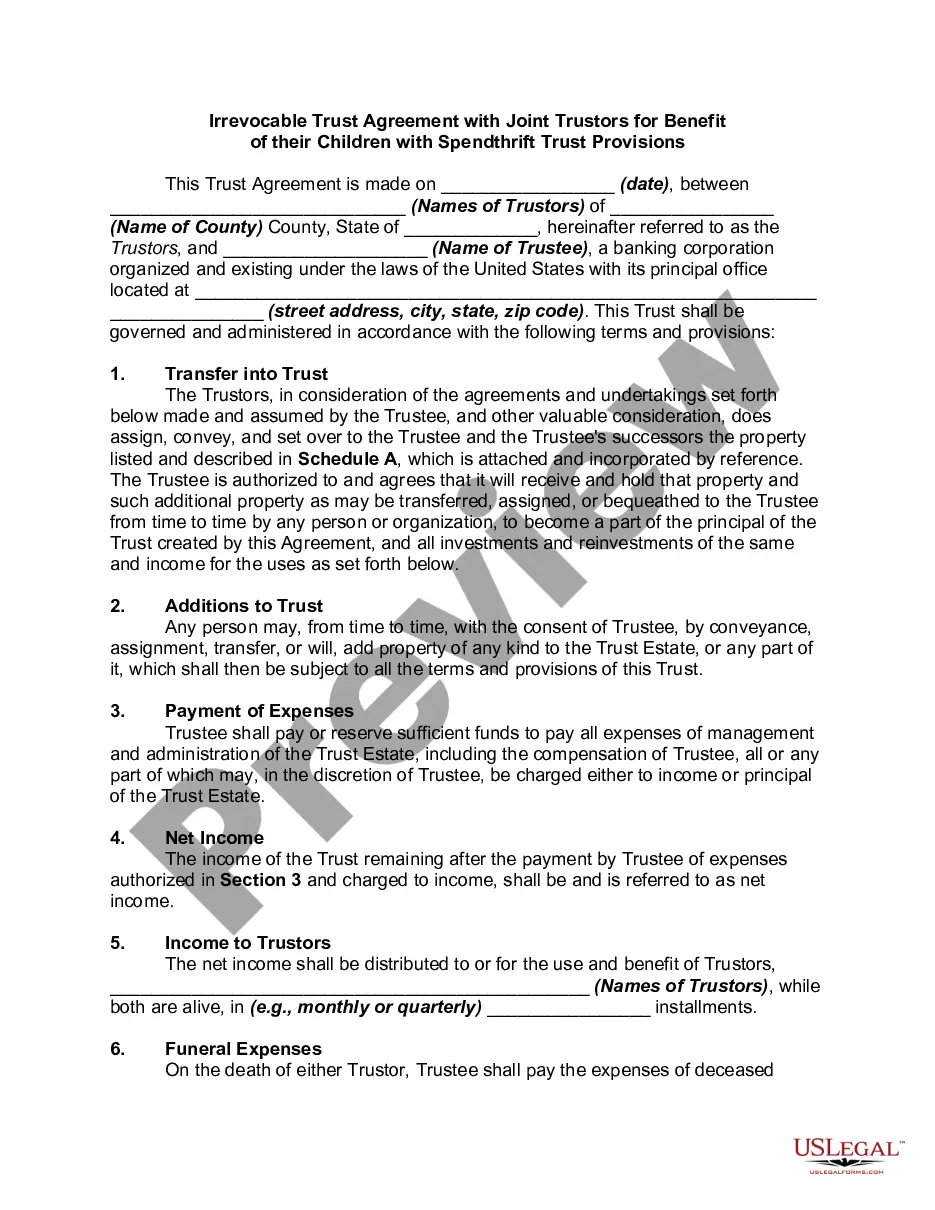
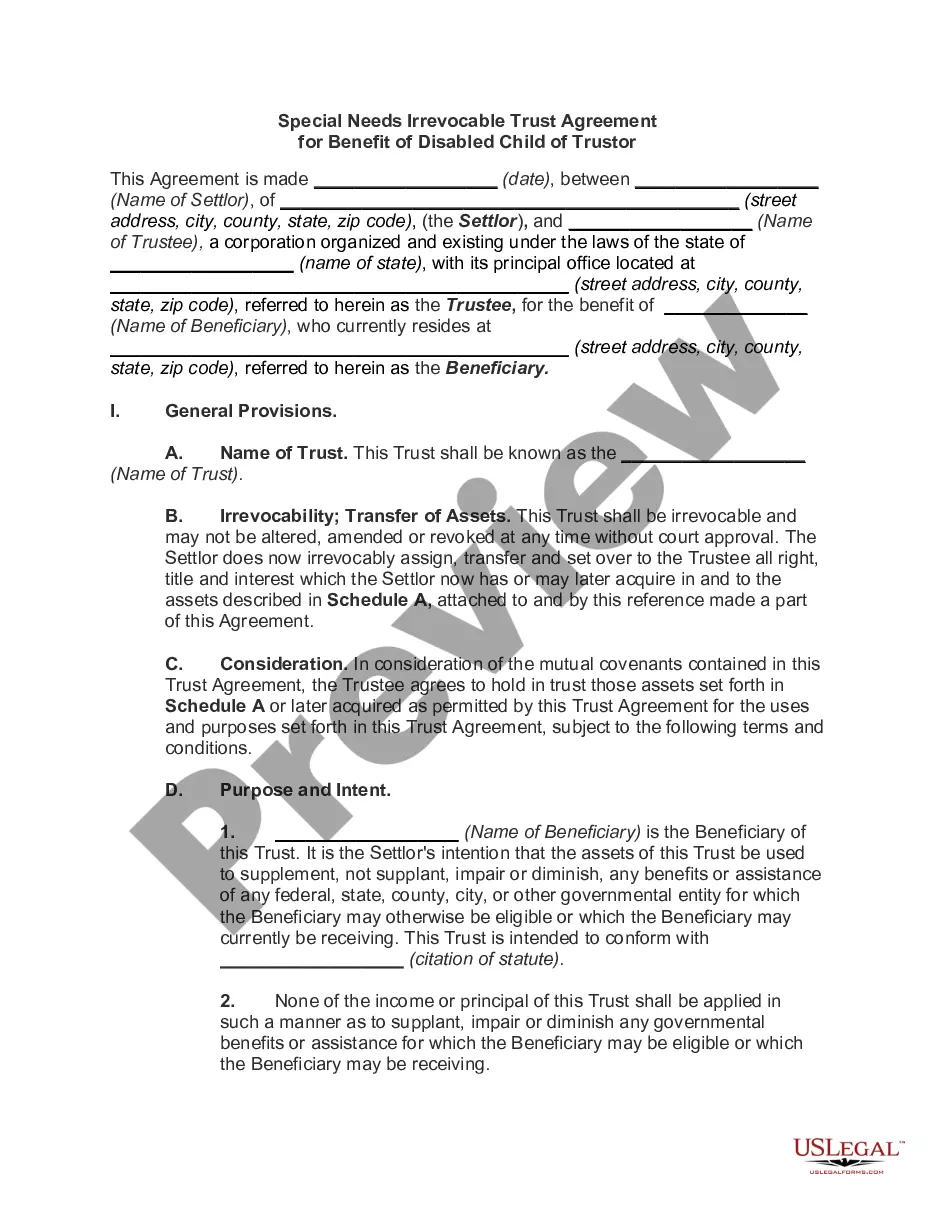
Get your form ready online
Our built-in tools help you complete, sign, share, and store your documents in one place.
Make edits, fill in missing information, and update formatting in US Legal Forms—just like you would in MS Word.
Download a copy, print it, send it by email, or mail it via USPS—whatever works best for your next step.
Sign and collect signatures with our SignNow integration. Send to multiple recipients, set reminders, and more. Go Premium to unlock E-Sign.
If this form requires notarization, complete it online through a secure video call—no need to meet a notary in person or wait for an appointment.
We protect your documents and personal data by following strict security and privacy standards.

Make edits, fill in missing information, and update formatting in US Legal Forms—just like you would in MS Word.

Download a copy, print it, send it by email, or mail it via USPS—whatever works best for your next step.

Sign and collect signatures with our SignNow integration. Send to multiple recipients, set reminders, and more. Go Premium to unlock E-Sign.

If this form requires notarization, complete it online through a secure video call—no need to meet a notary in person or wait for an appointment.

We protect your documents and personal data by following strict security and privacy standards.
Looking for another form?








Form popularity
FAQ
Recent IRS regulations have focused on transparency and compliance regarding irrevocable trusts, especially concerning tax obligations. This includes stricter reporting requirements for income generated by these trusts. Staying informed about these rules can help you maintain the benefits of an irrevocable trust. Opting for an irrevocable trust form for Medicaid that aligns with current IRS guidelines can optimize your trust’s effectiveness.
The IRS typically cannot seize assets held in an irrevocable trust unless there are specific tax liabilities associated with the grantor. If the trust generates income, it may be subject to taxation, which could lead to IRS claims in cases of unpaid taxes. To ensure your trust remains compliant with tax laws, it’s wise to utilize a well-structured irrevocable trust form for Medicaid and seek expert guidance.
In most cases, the government cannot directly pursue assets within an irrevocable trust. However, it can take action if it determines that the trust was created to avoid tax obligations or settle debts. Keeping your irrevocable trust compliant can help in maintaining its asset protection features. Using the right irrevocable trust form for Medicaid can safeguard your resources and reduce risks.
One primary concern with an irrevocable trust is the loss of control over the assets placed within the trust. Once established, the grantor cannot modify or revoke the trust, which may bring about unwanted situations. Additionally, if not properly managed, these trusts could complicate your estate plan or create tax liabilities. It’s essential to use an irrevocable trust form for Medicaid that aligns with your specific goals.
Yes, it is possible to qualify for Medicaid while holding an irrevocable trust, provided that the trust meets specific guidelines. The assets held in the trust are generally protected from Medicaid, as long as they meet the necessary conditions. Properly structuring your irrevocable trust form for Medicaid can help navigate eligibility requirements effectively. Be sure to consult with a professional for tailored advice.
Generally, the government cannot seize an irrevocable trust, as its assets are no longer considered part of the grantor's estate. However, certain conditions and debts can affect this status. For instance, if the trust was established with the intent to defraud creditors, legal action might ensue. Using an irrevocable trust form for Medicaid can help protect assets while complying with legal obligations.
To protect your assets from Medicaid in New York State, you may consider establishing an irrevocable trust form for Medicaid. This trust allows you to transfer assets in a way that they are exempt from Medicaid’s asset limits. By doing so, you help ensure that your funds can support your care while still receiving Medicaid benefits. To navigate this process effectively, platforms like US Legal Forms can provide the necessary resources and templates to create an optimal trust.
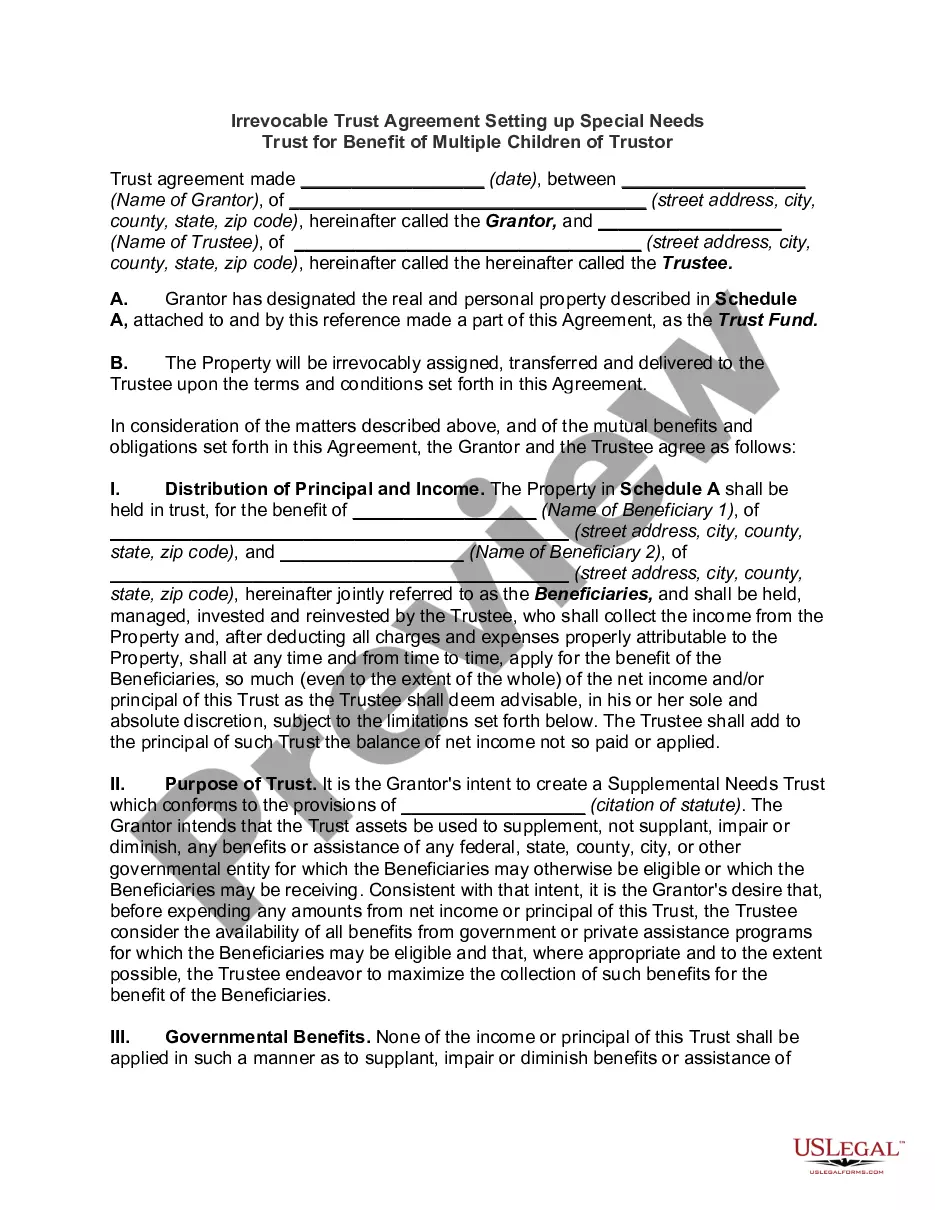
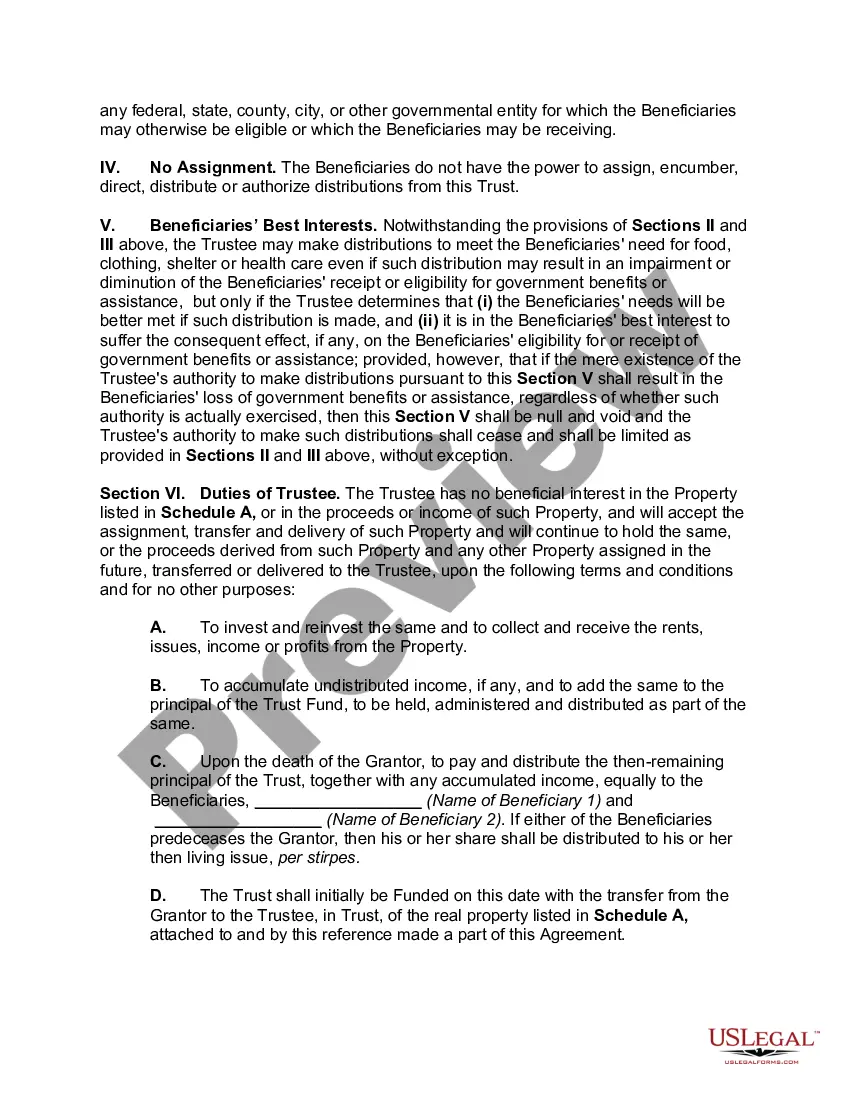
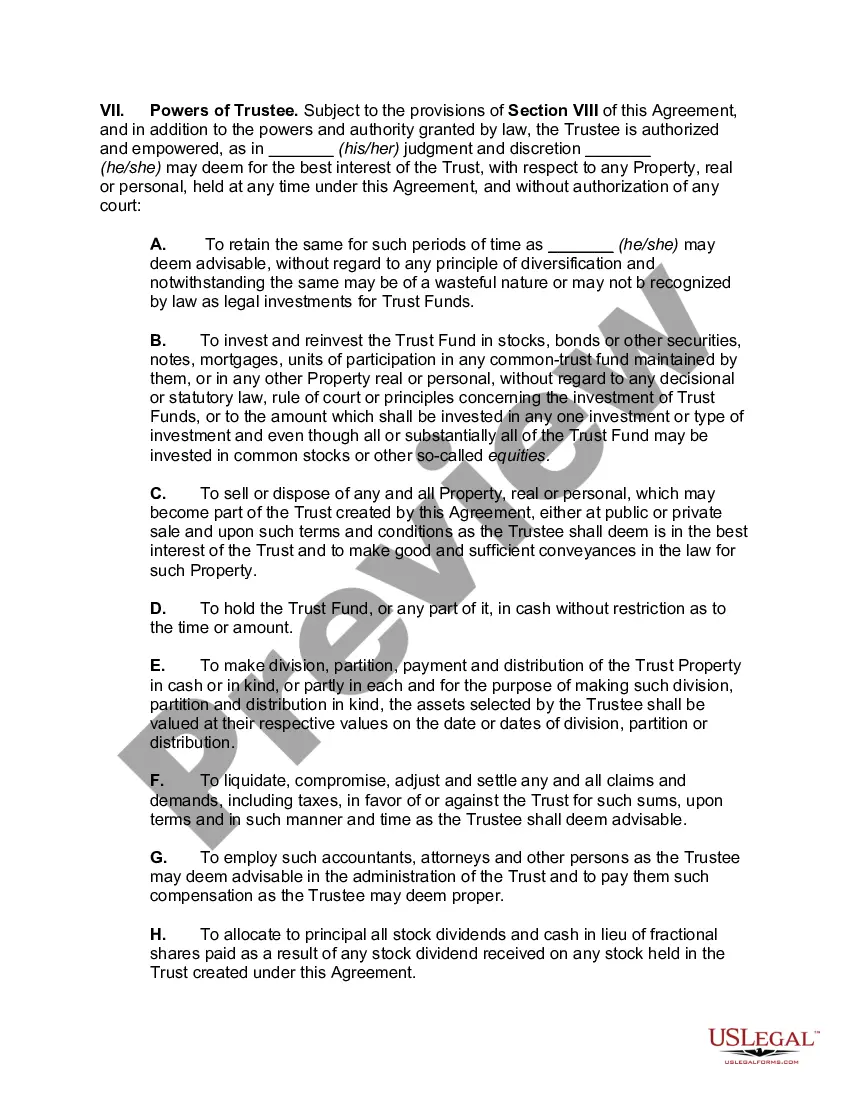
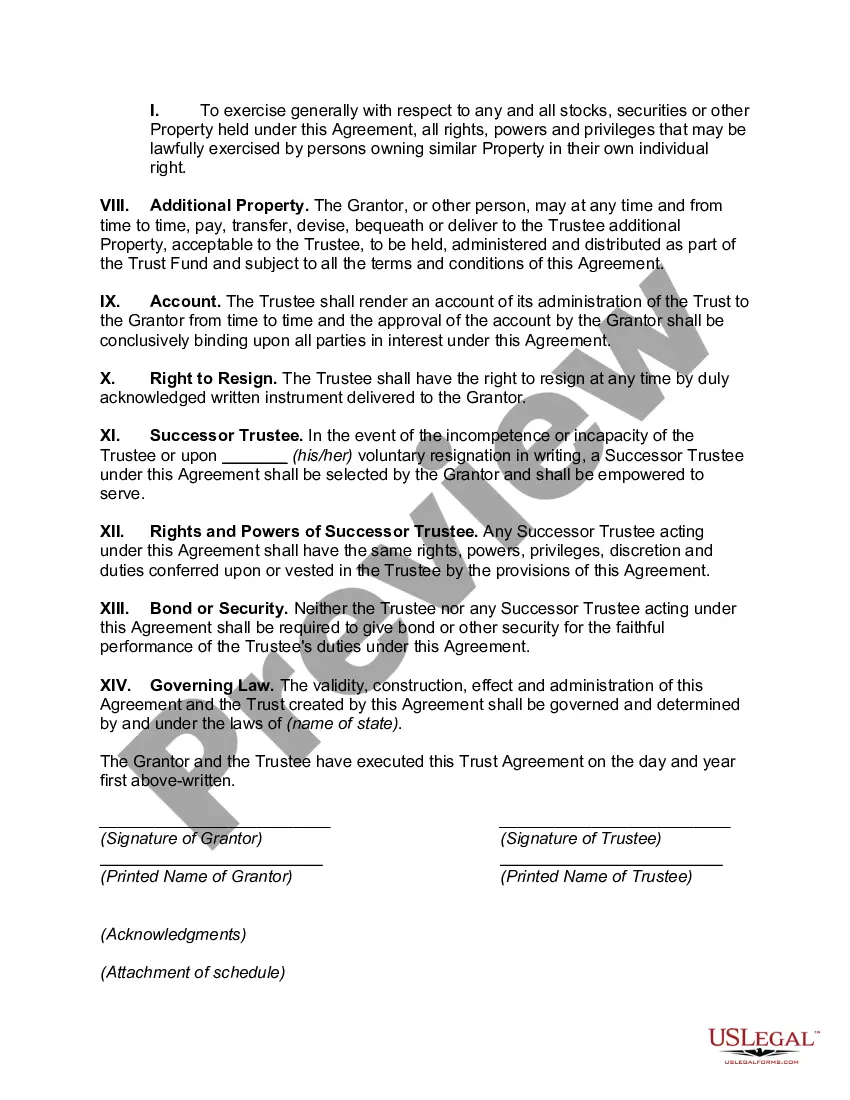
An example of an irrevocable trust form for Medicaid is a special needs trust. This type of trust allows you to set aside funds for a person with disabilities without affecting their eligibility for government benefits. These trusts ensure individuals can receive necessary care without the risk of losing their essential Medicaid support. By using this option, you can protect assets while still maintaining access to crucial assistance.
One of the main downsides of an irrevocable trust form for Medicaid is its inflexibility. Once you establish this trust and transfer assets into it, you cannot easily change or revoke it. This means you lose control over your assets, which can be a concern if your financial situation changes. Additionally, if you don't plan correctly, you might face unintended tax implications or issues with eligibility for assistance programs.
Indeed, there is a look back period for irrevocable trusts, specifically set at five years for Medicaid eligibility. If you transfer assets into an irrevocable trust form for Medicaid within this timeframe, Medicaid may review these actions. Understanding this rule can help you make informed decisions about your estate planning. A qualified attorney can provide insights into structuring your trust effectively to minimize risks.
