Living Trust Foreign Beneficiary
Description
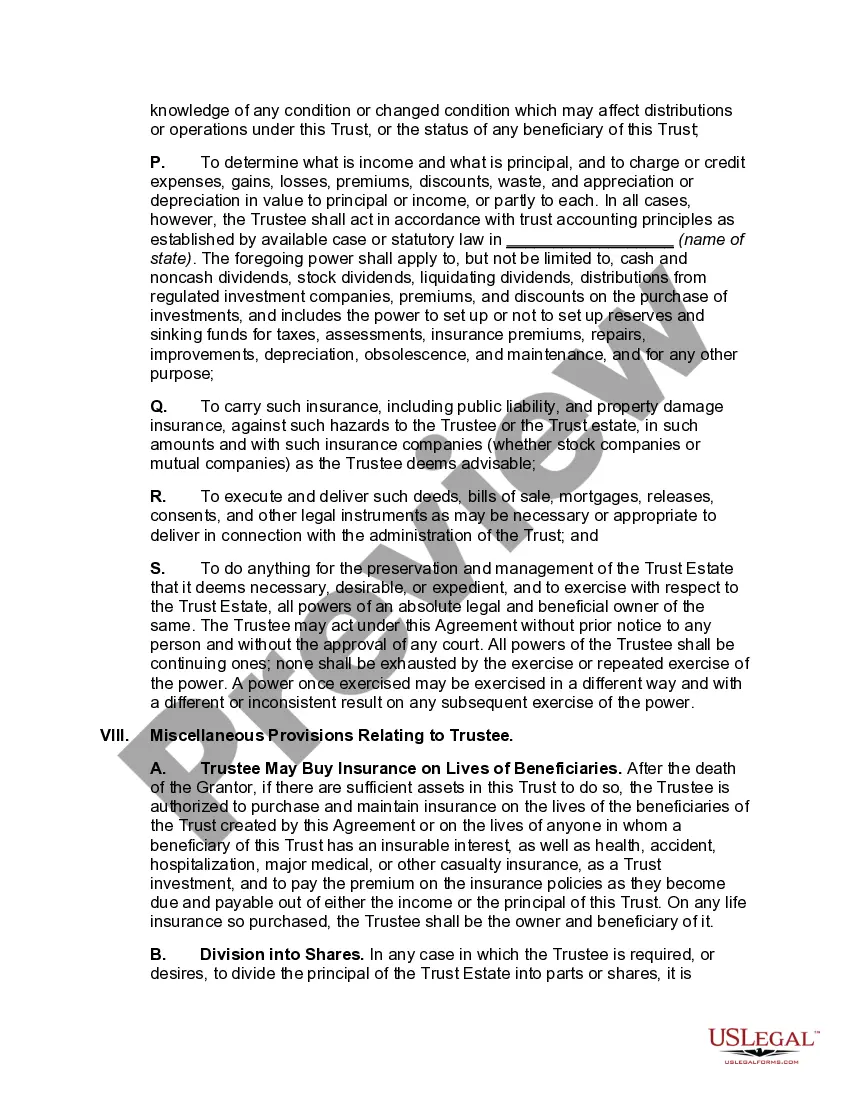
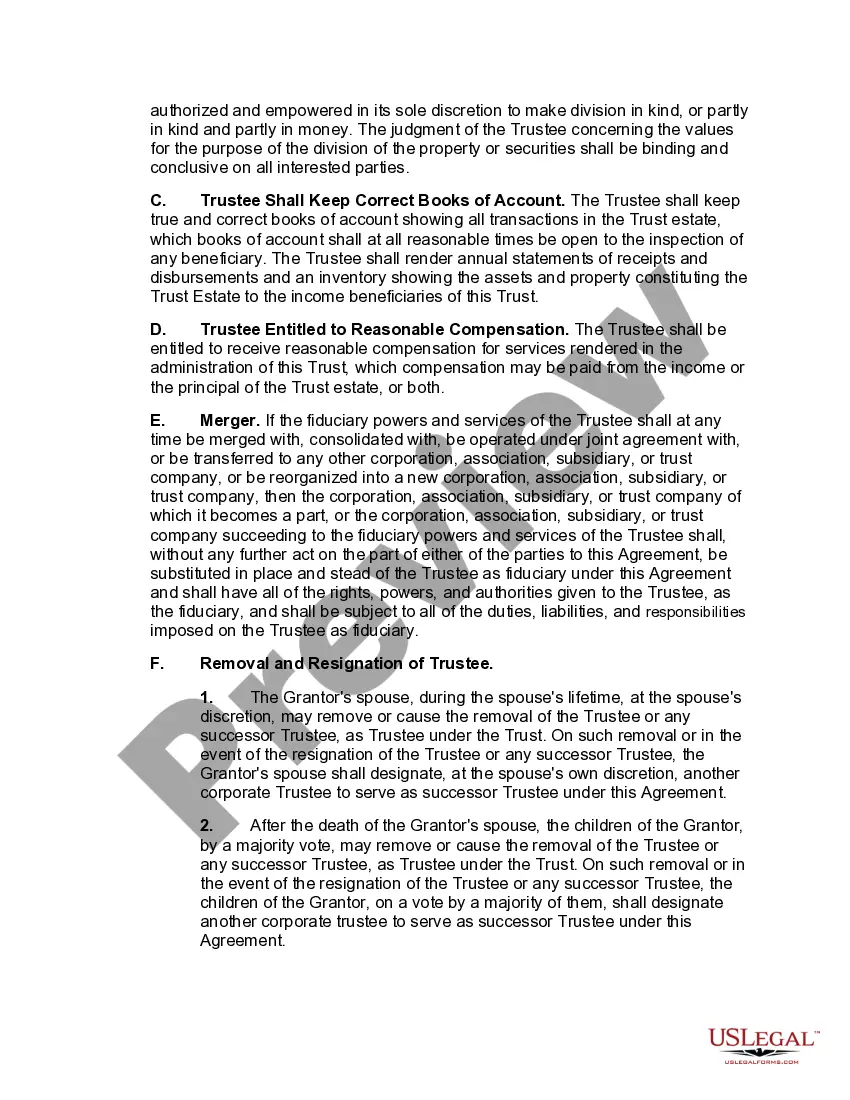

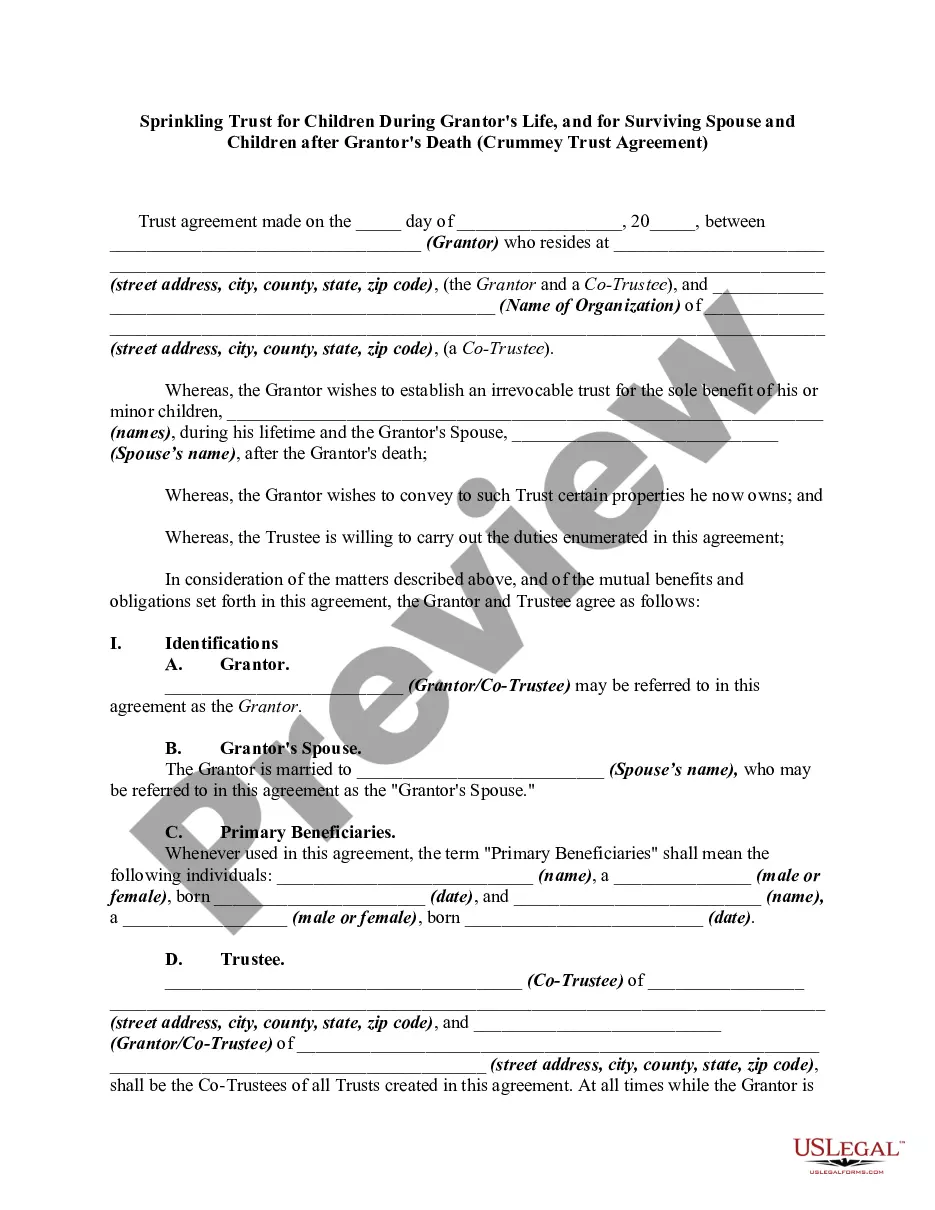
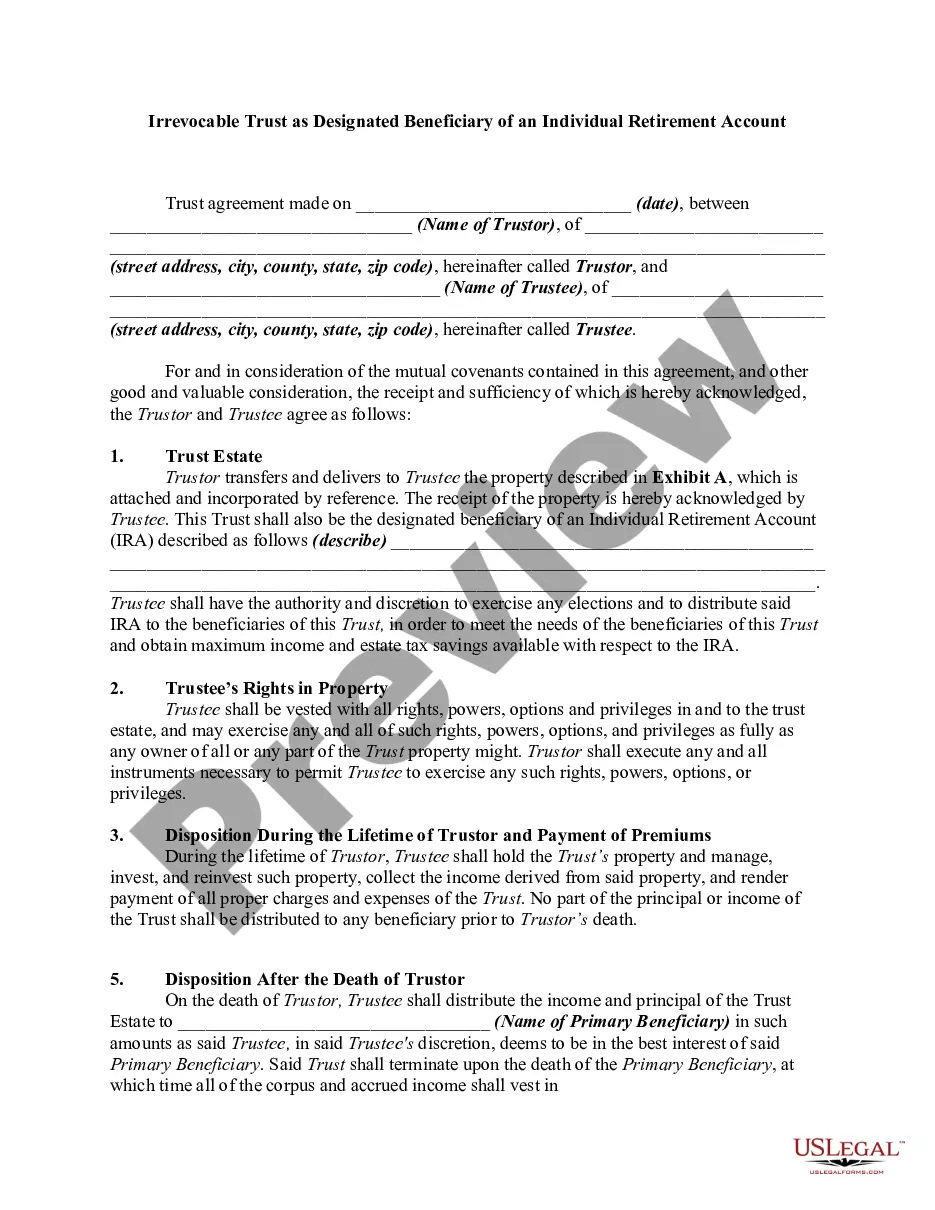
Get your form ready online
Our built-in tools help you complete, sign, share, and store your documents in one place.
Make edits, fill in missing information, and update formatting in US Legal Forms—just like you would in MS Word.
Download a copy, print it, send it by email, or mail it via USPS—whatever works best for your next step.
Sign and collect signatures with our SignNow integration. Send to multiple recipients, set reminders, and more. Go Premium to unlock E-Sign.
If this form requires notarization, complete it online through a secure video call—no need to meet a notary in person or wait for an appointment.
We protect your documents and personal data by following strict security and privacy standards.

Make edits, fill in missing information, and update formatting in US Legal Forms—just like you would in MS Word.

Download a copy, print it, send it by email, or mail it via USPS—whatever works best for your next step.

Sign and collect signatures with our SignNow integration. Send to multiple recipients, set reminders, and more. Go Premium to unlock E-Sign.

If this form requires notarization, complete it online through a secure video call—no need to meet a notary in person or wait for an appointment.

We protect your documents and personal data by following strict security and privacy standards.
Looking for another form?

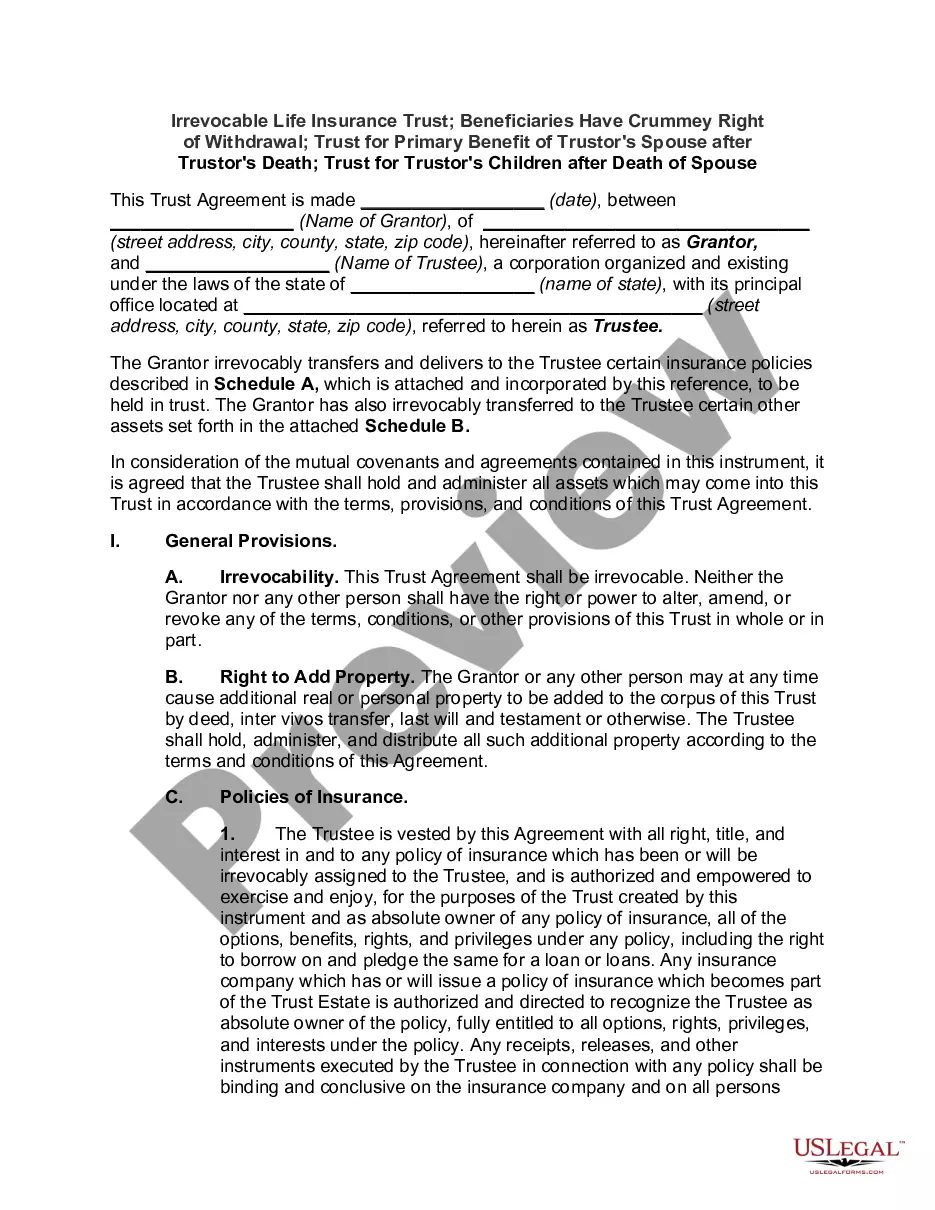
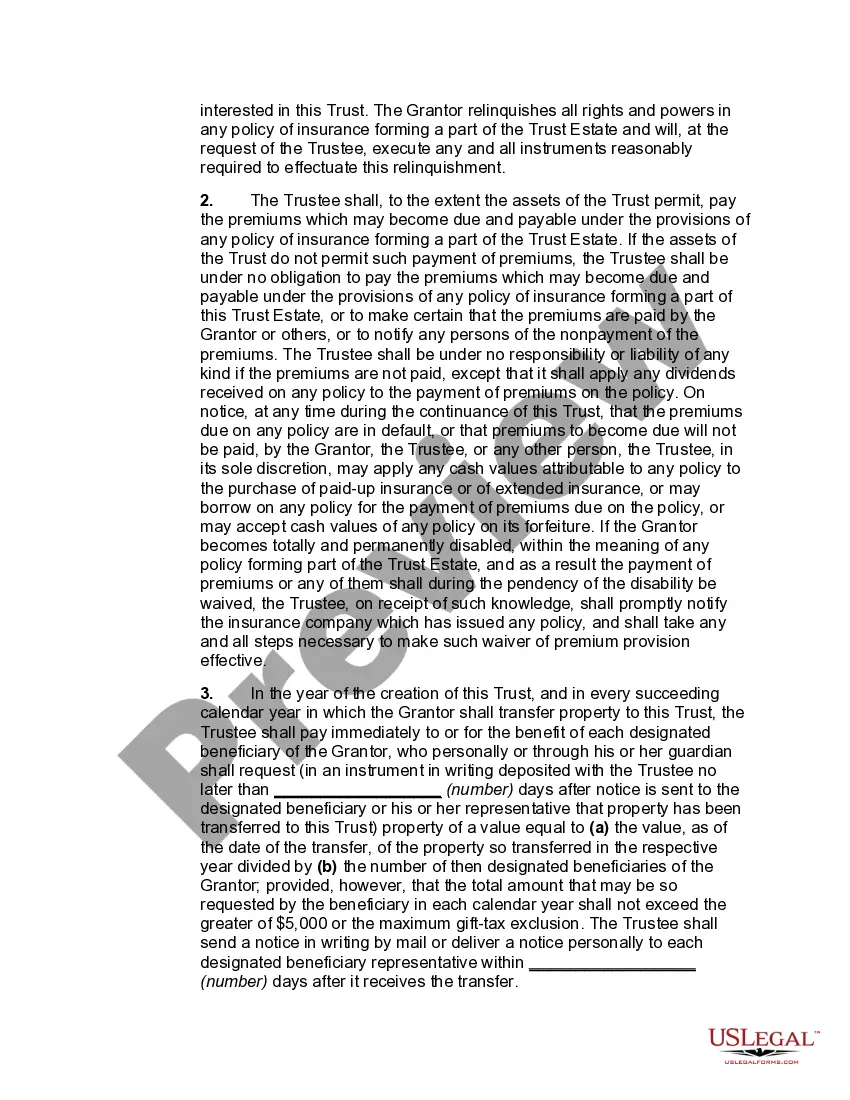
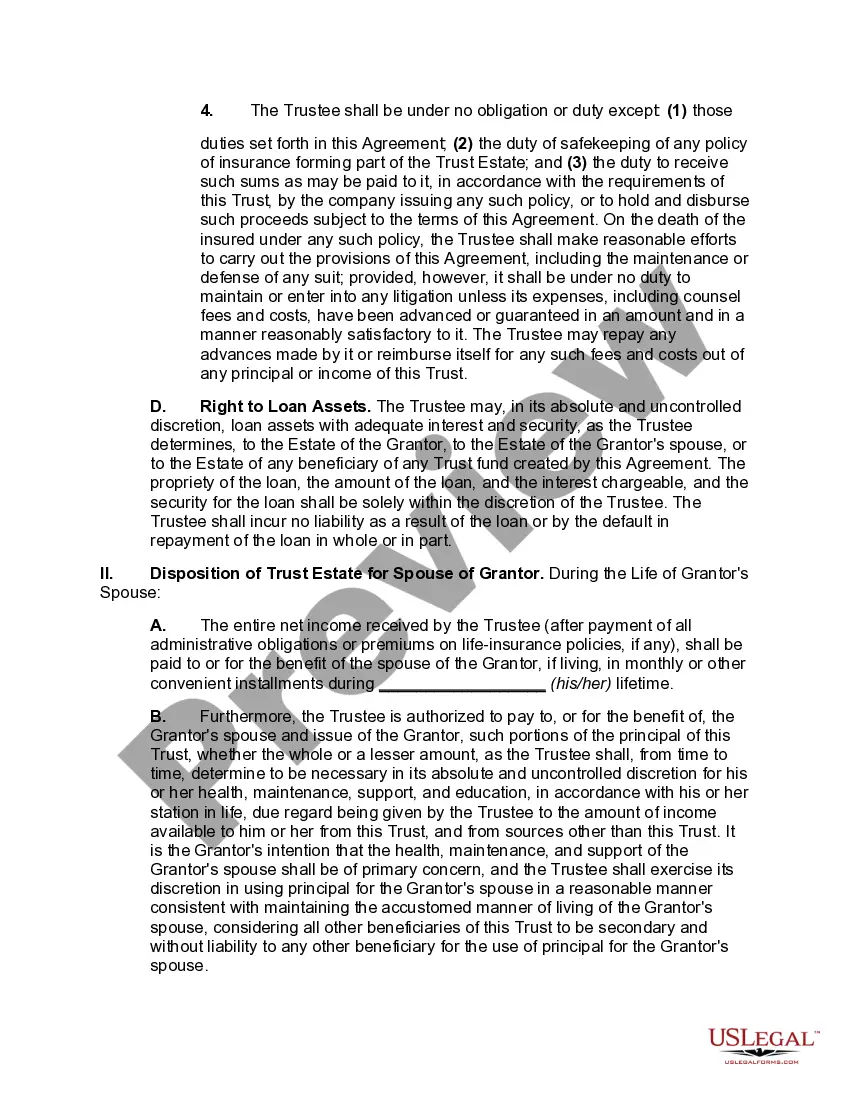
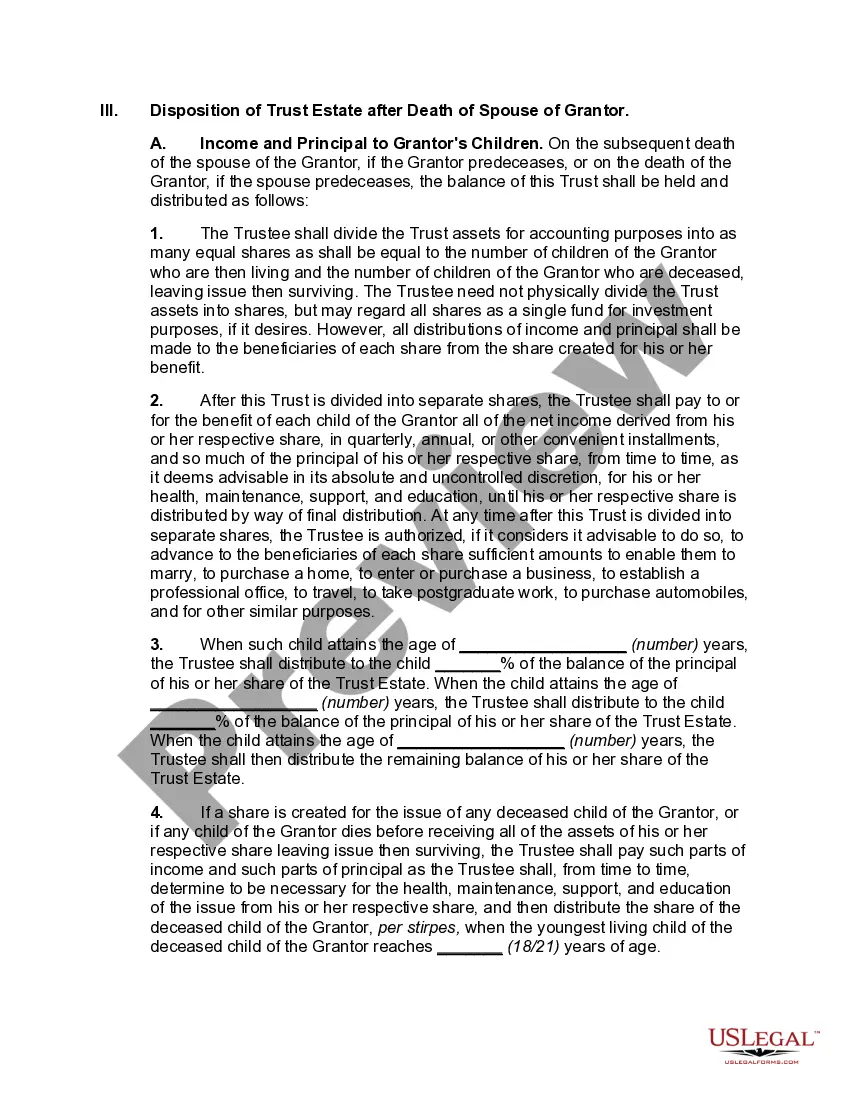
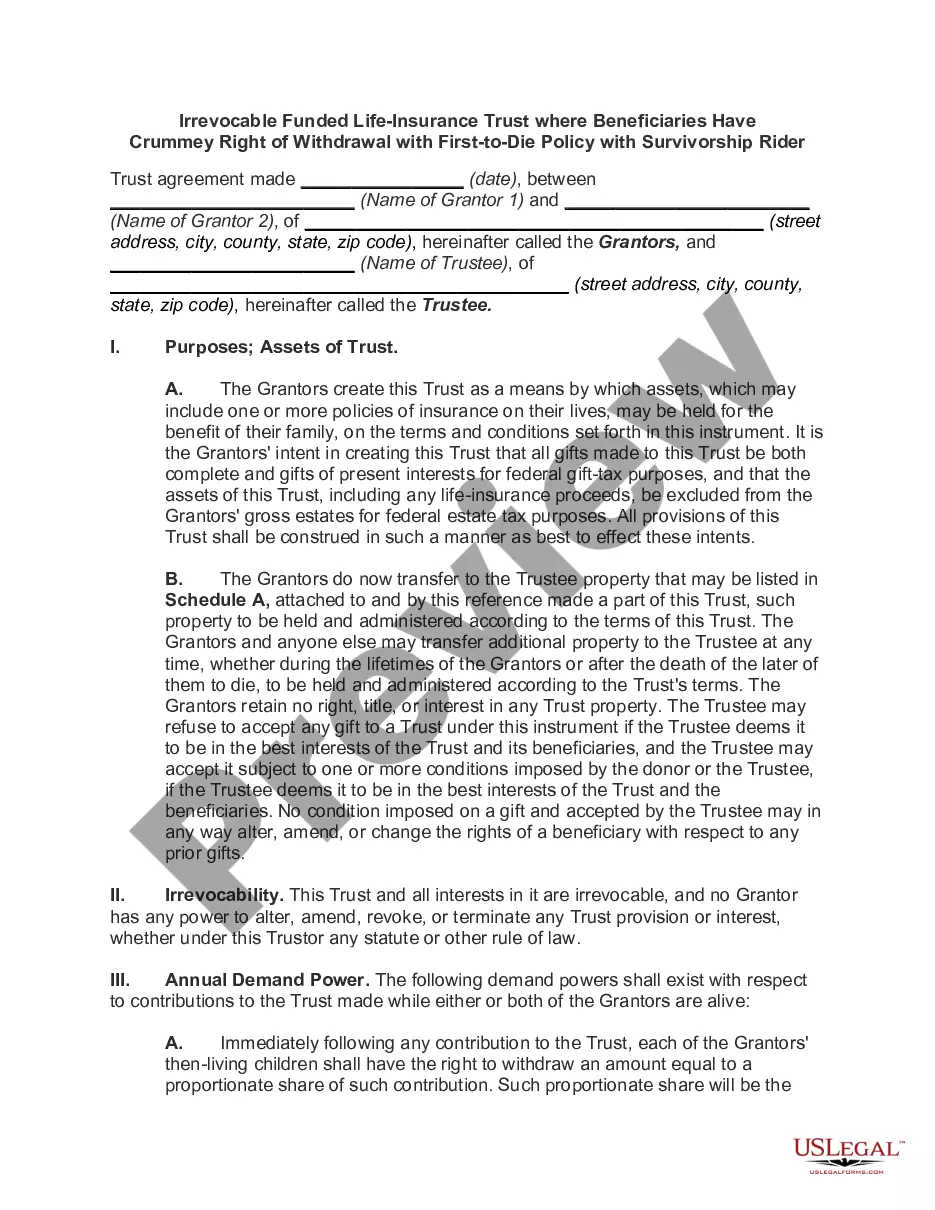
How to fill out Irrevocable Life Insurance Trust - Beneficiaries Have Crummey Right Of Withdrawal?
Whether for corporate needs or for individual matters, everyone must deal with legal issues at some point in their lives.
Filling out legal documents requires meticulous focus, starting from selecting the appropriate template.
With a vast catalog of US Legal Forms available, you no longer need to waste time searching for the correct sample online. Utilize the library’s straightforward navigation to find the suitable form for any circumstance.
- Locate the form you require by using the search bar or browsing the catalog.
- Review the form’s details to confirm it fits your situation, jurisdiction, and area.
- Click on the form’s preview to inspect it.
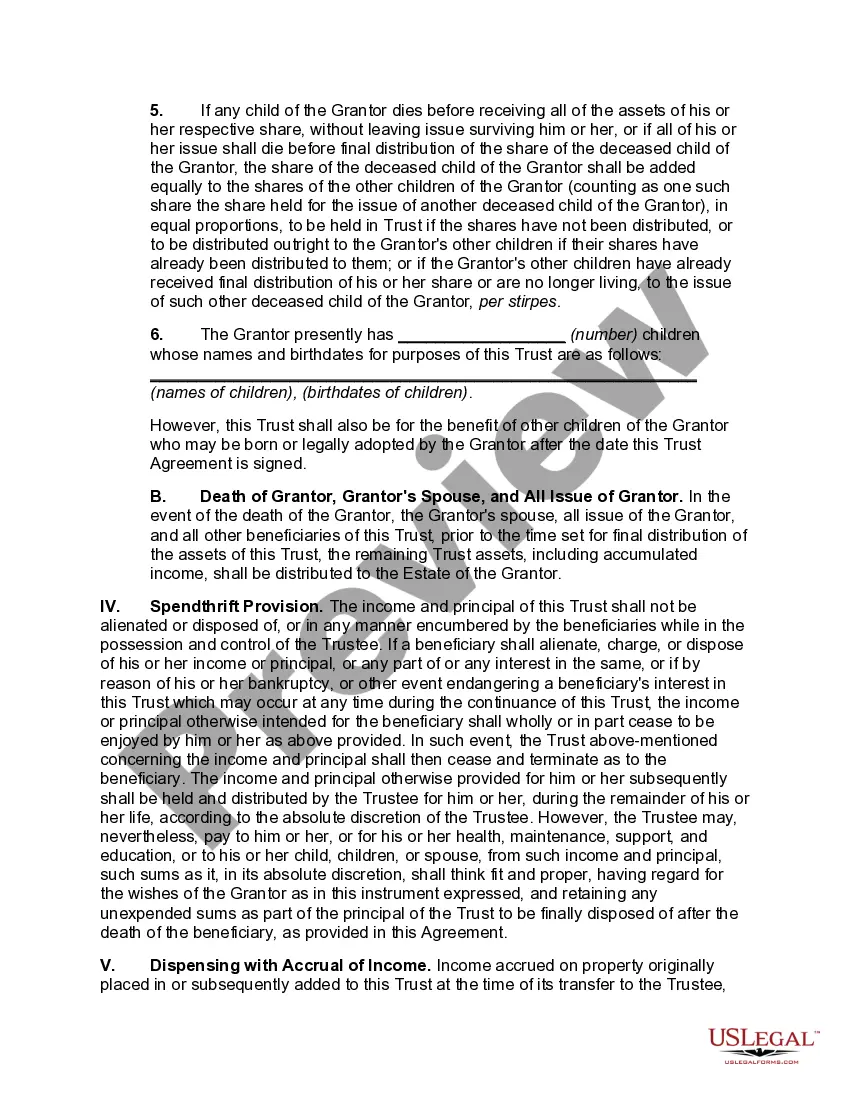
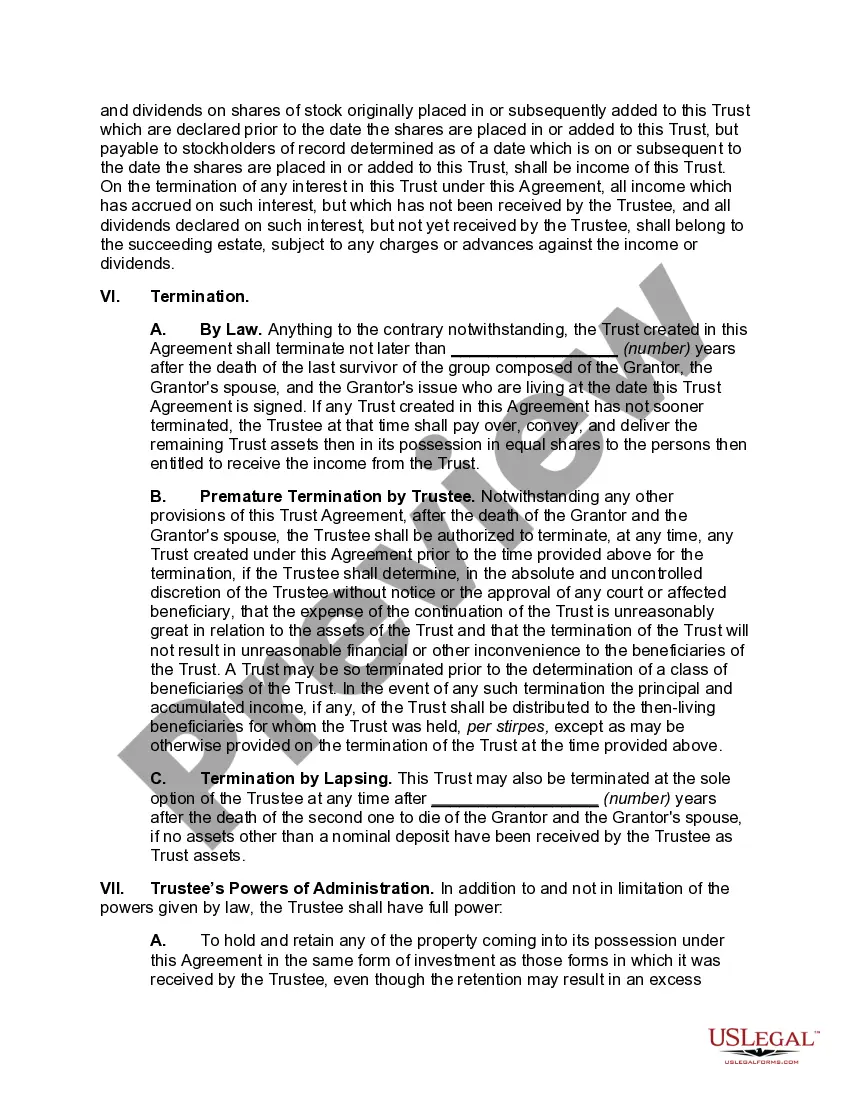
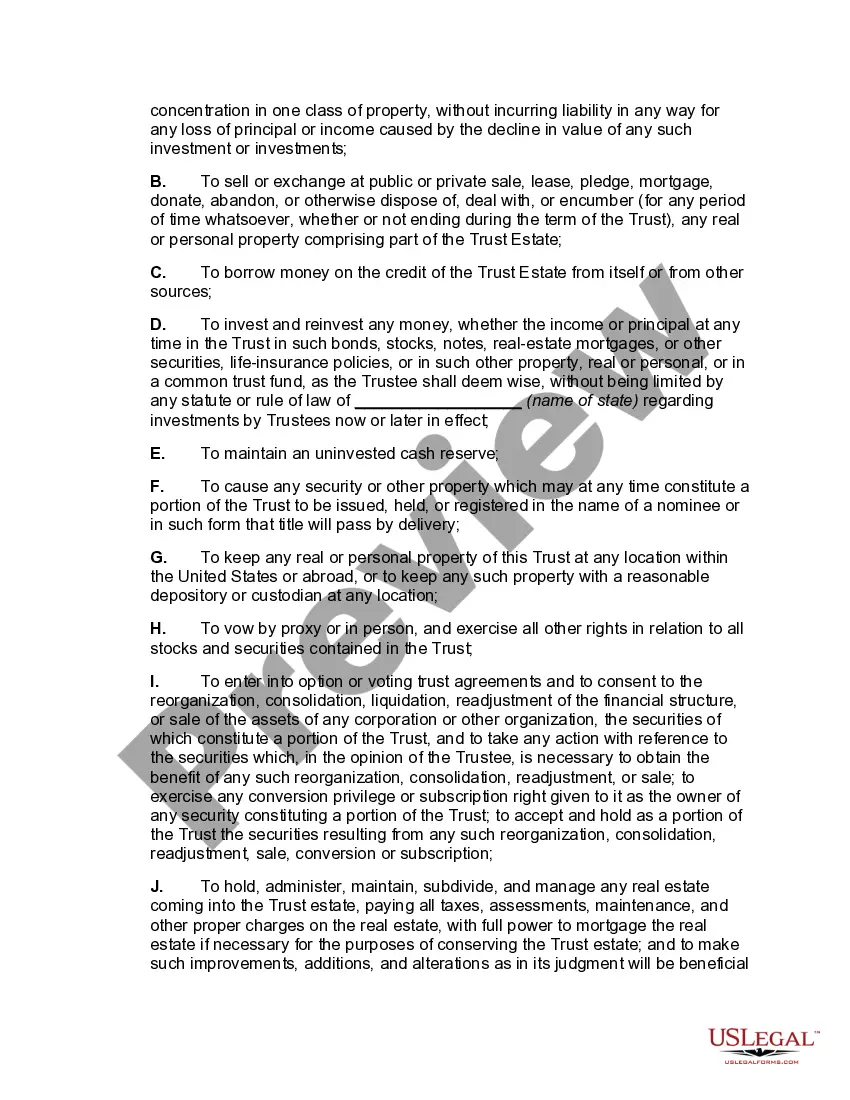
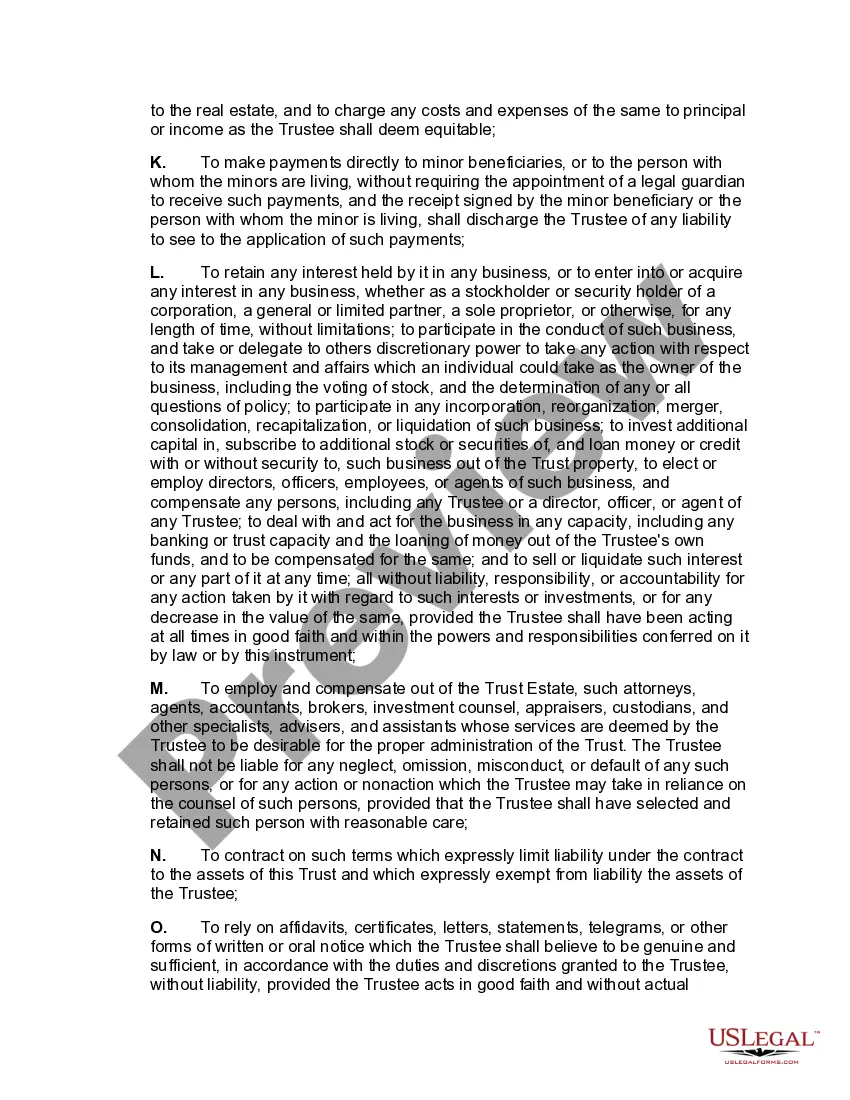
- If it is the wrong form, return to the search option to find the Living Trust Foreign Beneficiary template you need.
- Obtain the document when it aligns with your requirements.
- If you have a US Legal Forms account, simply click Log in to access previously saved templates in My documents.
- If you do not have an account yet, you can download the form by selecting Buy now.
- Choose the appropriate pricing option.
- Complete the registration form for your profile.
- Select your payment method: you can use a credit card or PayPal.
- Choose the desired document format and download the Living Trust Foreign Beneficiary.
- Once it is downloaded, you can complete the form using editing software or print it out to fill it manually.
Form popularity
FAQ
When reporting a foreign trust, especially one with a living trust foreign beneficiary, you need to provide specific information, including the trust's value, its income, and the details of any distributions. Forms such as Form 3520 and Form 8938 may apply, depending on your situation. Engaging with USLegalForms can help you gather the necessary documents and ensure you comply fully with IRS regulations.
Yes, a foreign trust with US income or a living trust foreign beneficiary may need to file Form 1041, which is the US Income Tax Return for Estates and Trusts. This requirement applies especially if the trust has taxable income or distributions to US beneficiaries. Limiting your liability and ensuring compliance can be complex, so seek guidance from a tax professional to navigate these obligations effectively.
In the United States, trusts, including those with living trust foreign beneficiaries, are primarily regulated at the state level. Each state has its own laws governing the creation and management of trusts. This decentralized system means you may encounter different rules depending on where the trust is established. Always consult a legal expert familiar with trust laws in your state.
Yes, a non-U.S. citizen can be named as a beneficiary in a will. There are no restrictions on who can inherit from a U.S. will, regardless of their citizenship status. It is wise to stay informed about potential tax implications for the foreign beneficiary. If you are unsure, platforms such as USLegalForms can provide guidance on making your will compliant and effective.
Yes, beneficiaries can be from anywhere in the world. An international beneficiary can receive benefits from trusts, including living trusts, set up in the United States. It's important to consider how international laws and tax obligations may affect these beneficiaries. Utilizing a platform like USLegalForms can simplify the complexities associated with a living trust foreign beneficiary.
The 5 year rule pertains to how foreign trusts are treated by the IRS. When a U.S. trust distributes income to a foreign beneficiary after the trust has been in existence for at least five years, different tax rules apply. This can significantly impact the tax liabilities for both the trust and the beneficiary. Understanding this rule is crucial for anyone considering a living trust foreign beneficiary.
Yes, a trust can have a foreign beneficiary. The laws governing living trusts allow for this, so you can designate someone who resides outside the United States as a beneficiary. However, it's essential to understand how this may affect tax implications and compliance requirements. Consulting a legal expert can help clarify the benefits and obligations associated with a living trust foreign beneficiary.
U.S. citizen can indeed create a living trust, aligning with their wishes for estate management. However, it is essential to consider the specific requirements and regulations regarding trusts for foreign individuals. Utilizing platforms like USLegalForms can simplify this process and guide a nonU.S. citizen through the complexities of establishing a living trust.
Yes, a non-U.S. citizen can serve as your beneficiary, allowing you to extend your estate planning options. This arrangement might complicate matters surrounding taxes, making it important to be thorough in your planning. Understanding the guidelines surrounding living trust foreign beneficiary situations can help you navigate potential challenges.
A foreign person can absolutely be a beneficiary of a trust, including living trusts established in the U.S. While this offers flexibility, be aware of the tax implications specific to foreign beneficiaries. Staying informed on living trust foreign beneficiary rules is essential for effective estate planning.