Irrevocable Trust Asset Protection
Description
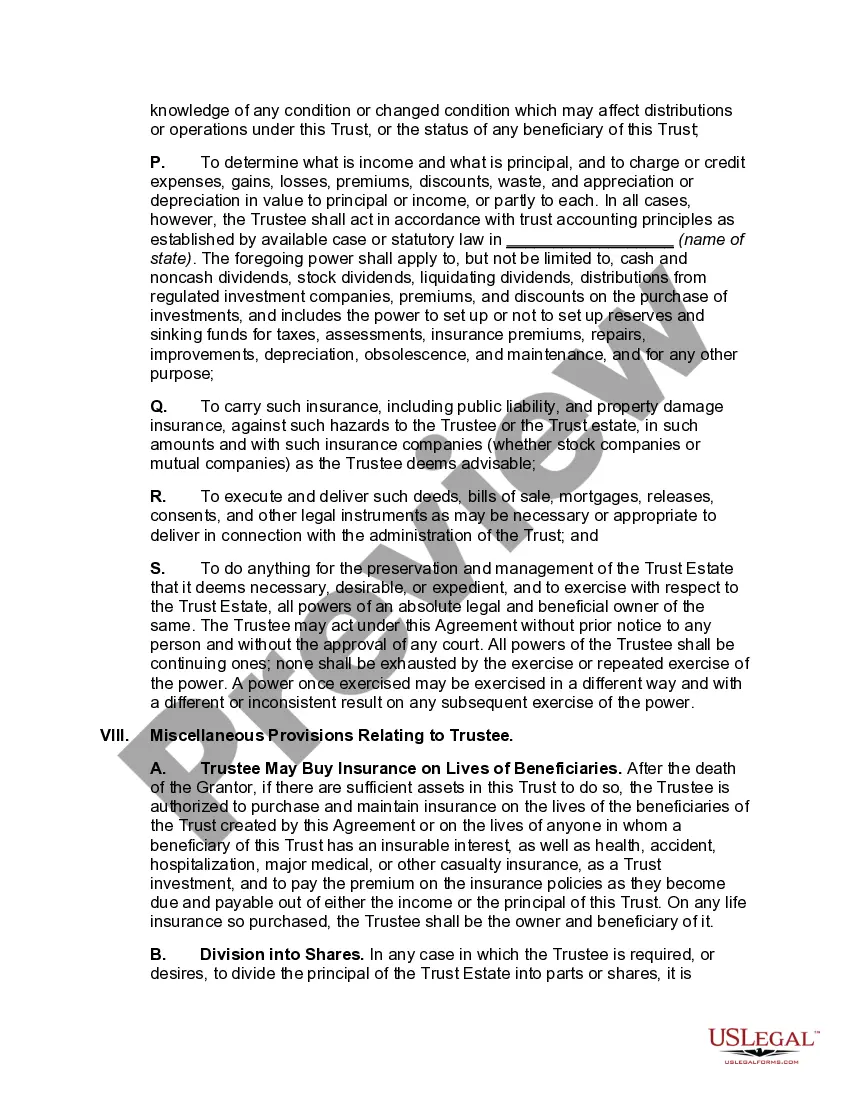
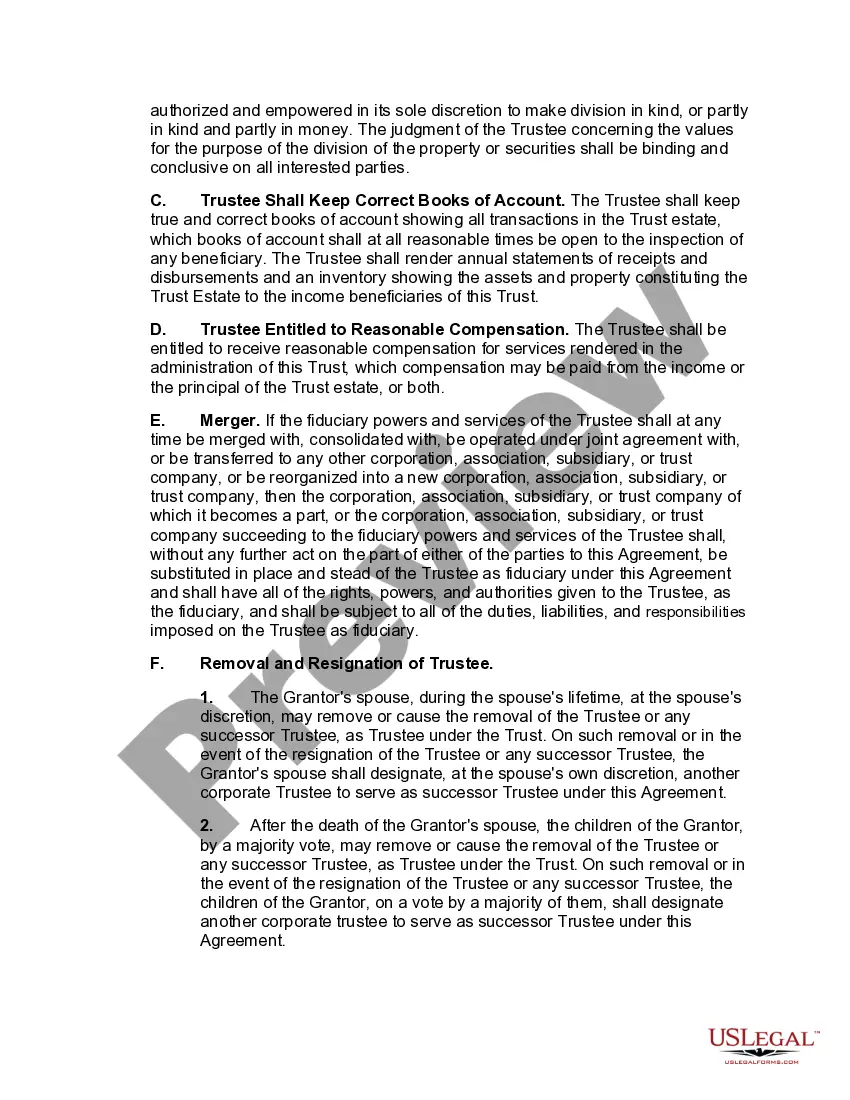

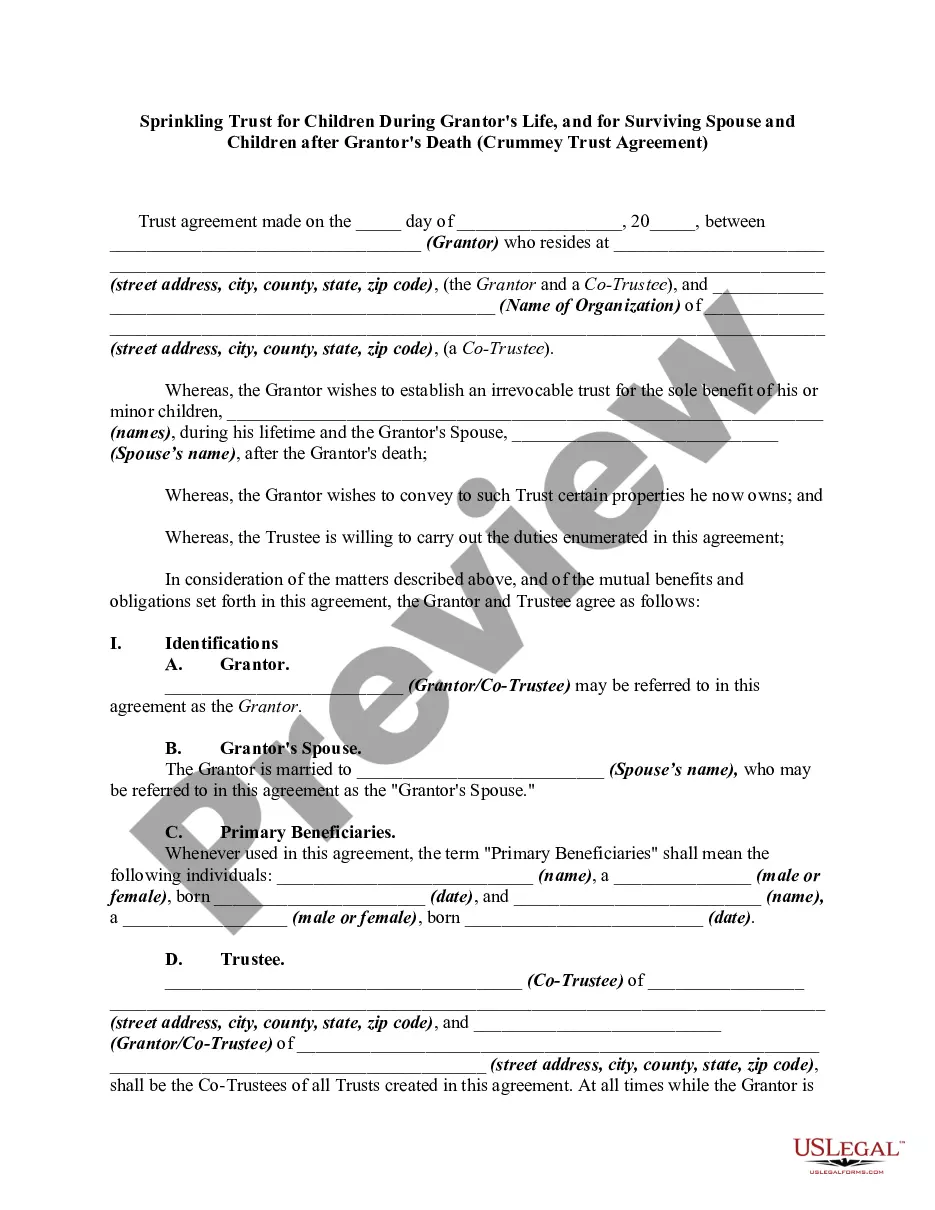
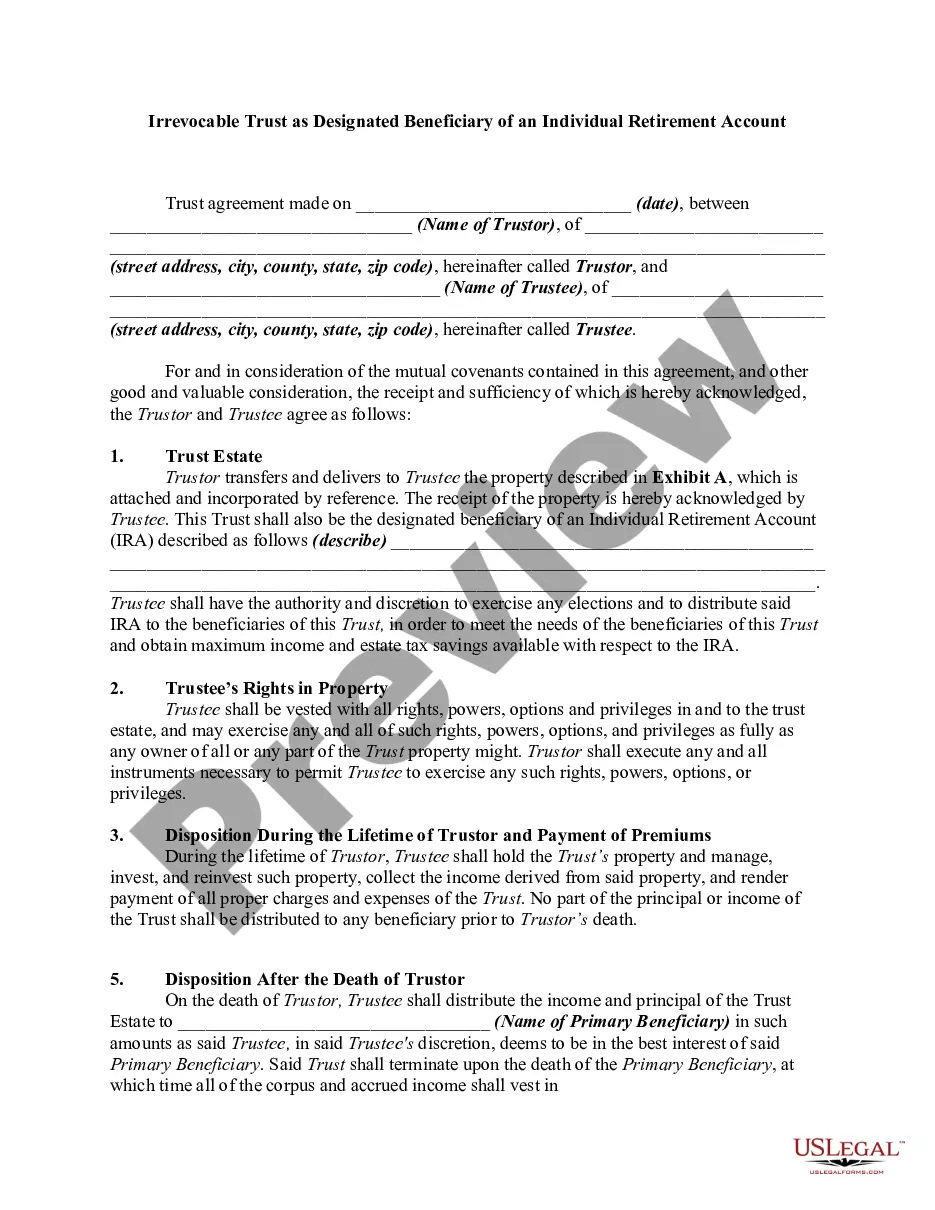
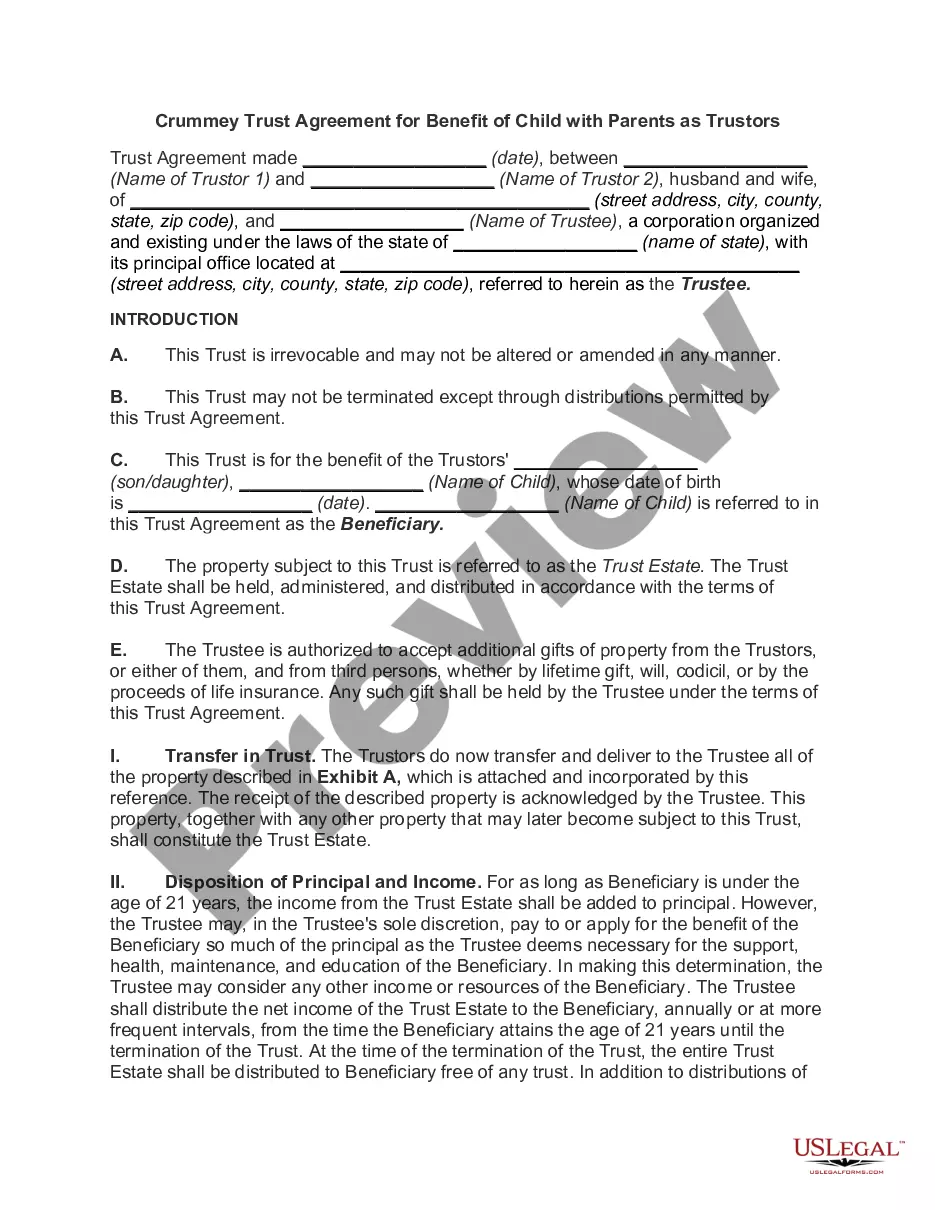
Get your form ready online
Our built-in tools help you complete, sign, share, and store your documents in one place.
Make edits, fill in missing information, and update formatting in US Legal Forms—just like you would in MS Word.
Download a copy, print it, send it by email, or mail it via USPS—whatever works best for your next step.
Sign and collect signatures with our SignNow integration. Send to multiple recipients, set reminders, and more. Go Premium to unlock E-Sign.
If this form requires notarization, complete it online through a secure video call—no need to meet a notary in person or wait for an appointment.
We protect your documents and personal data by following strict security and privacy standards.

Make edits, fill in missing information, and update formatting in US Legal Forms—just like you would in MS Word.

Download a copy, print it, send it by email, or mail it via USPS—whatever works best for your next step.

Sign and collect signatures with our SignNow integration. Send to multiple recipients, set reminders, and more. Go Premium to unlock E-Sign.

If this form requires notarization, complete it online through a secure video call—no need to meet a notary in person or wait for an appointment.

We protect your documents and personal data by following strict security and privacy standards.
Looking for another form?

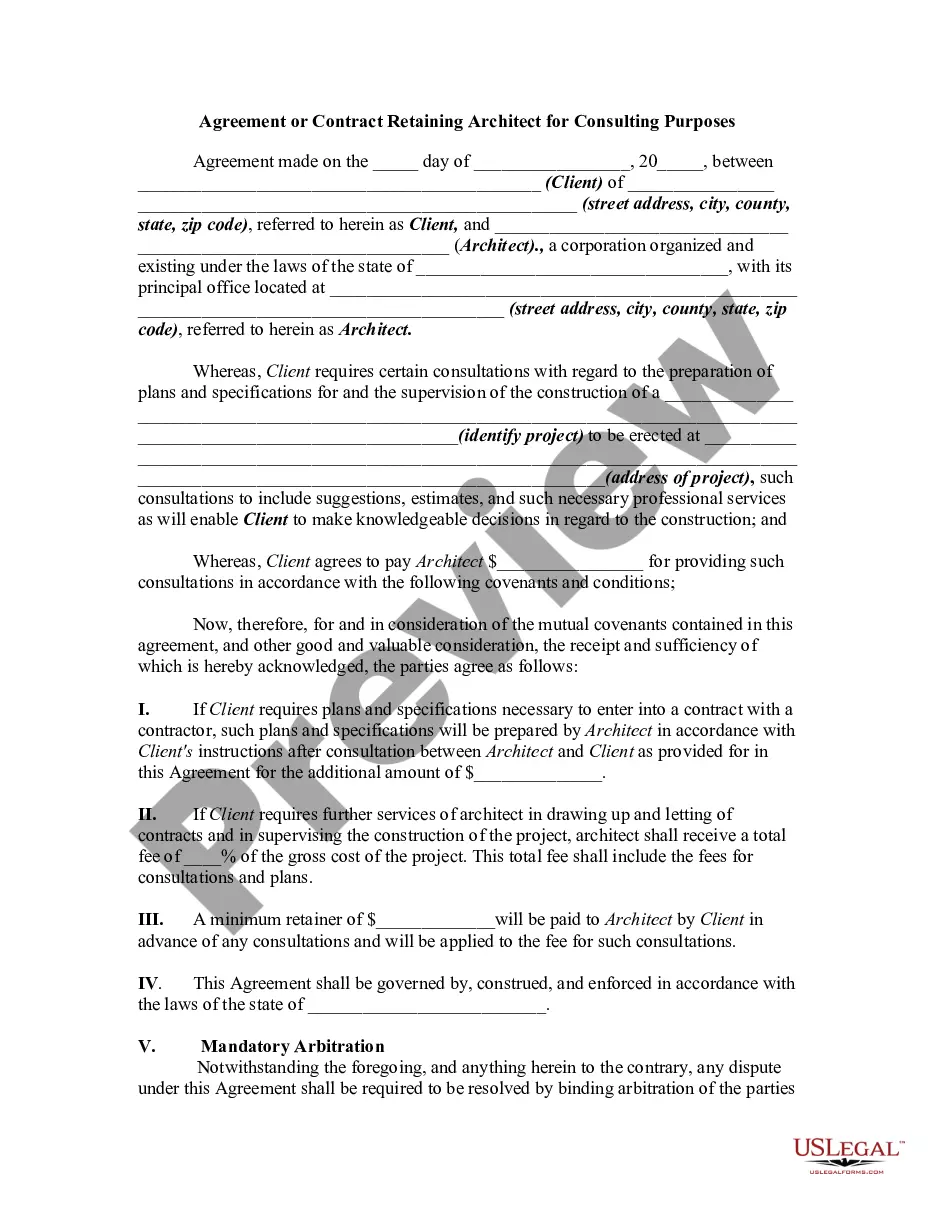



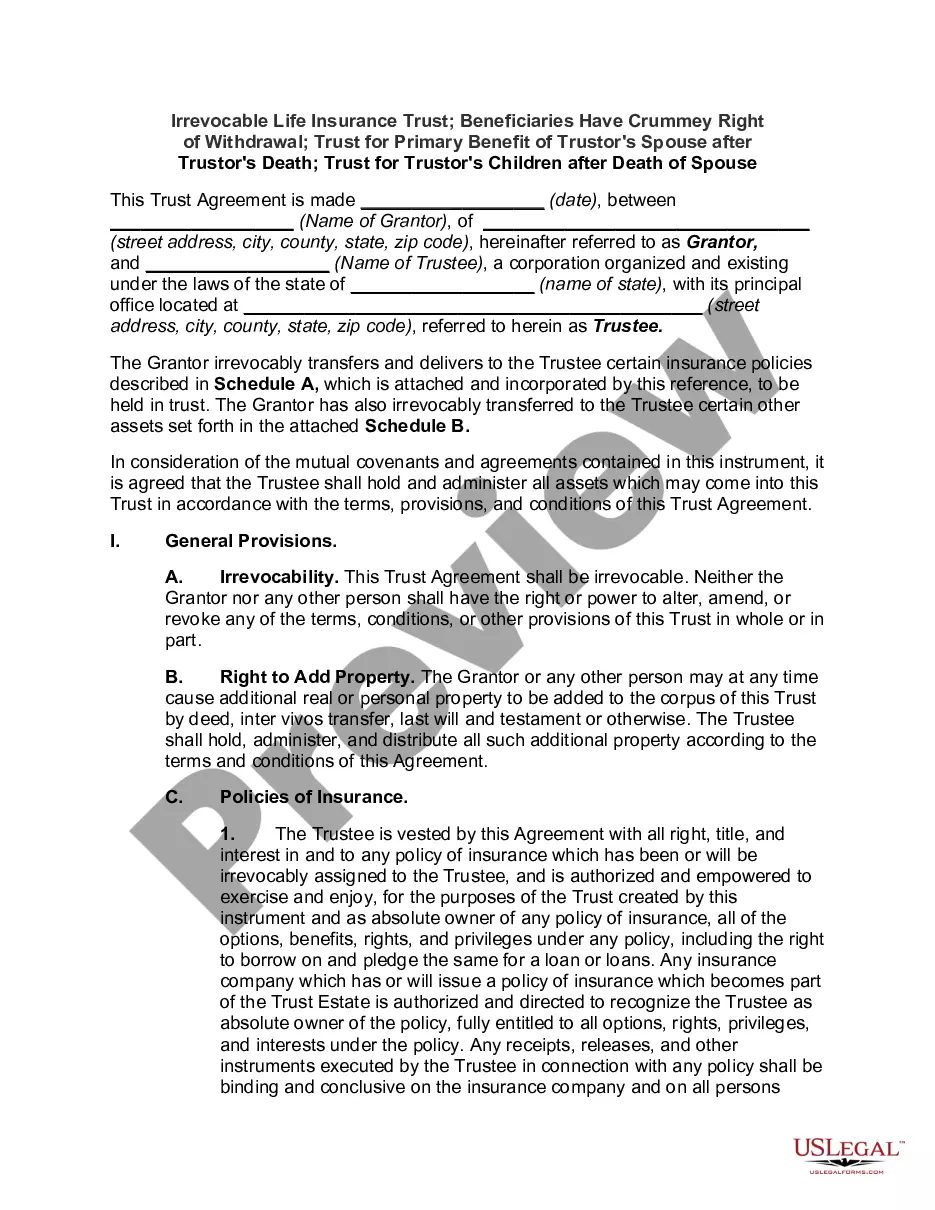
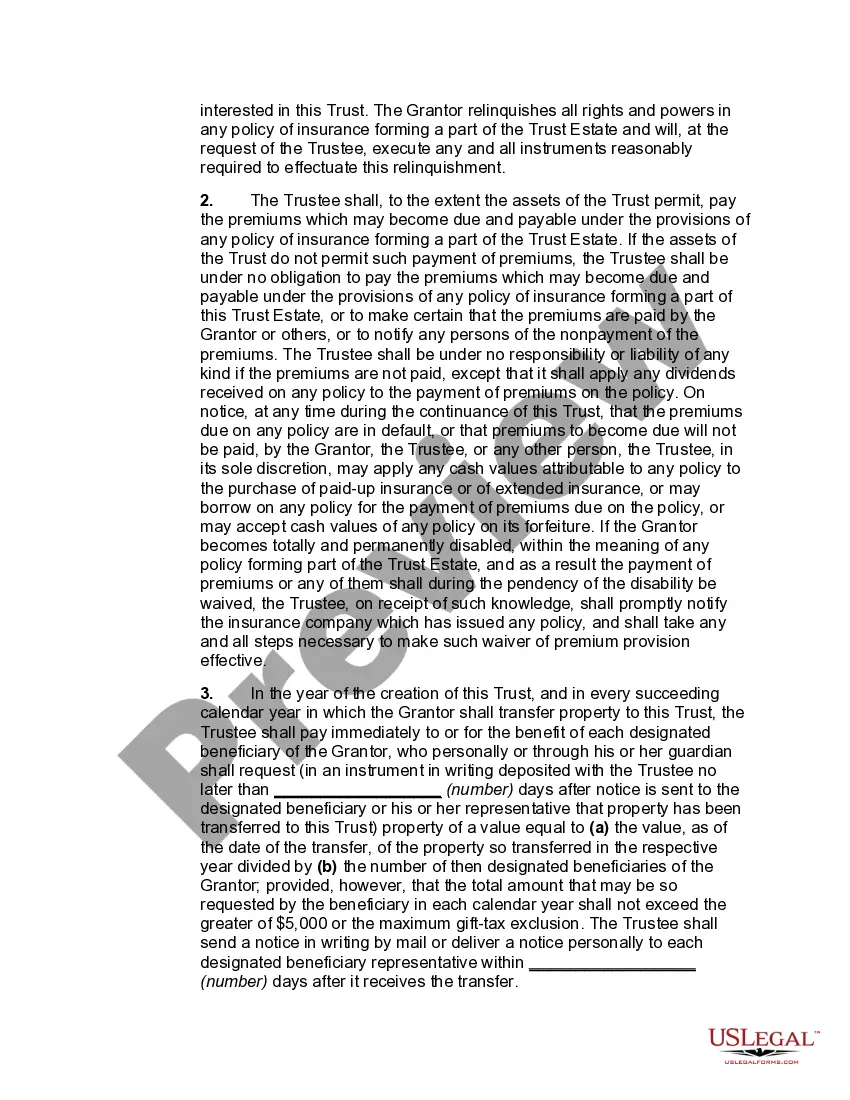
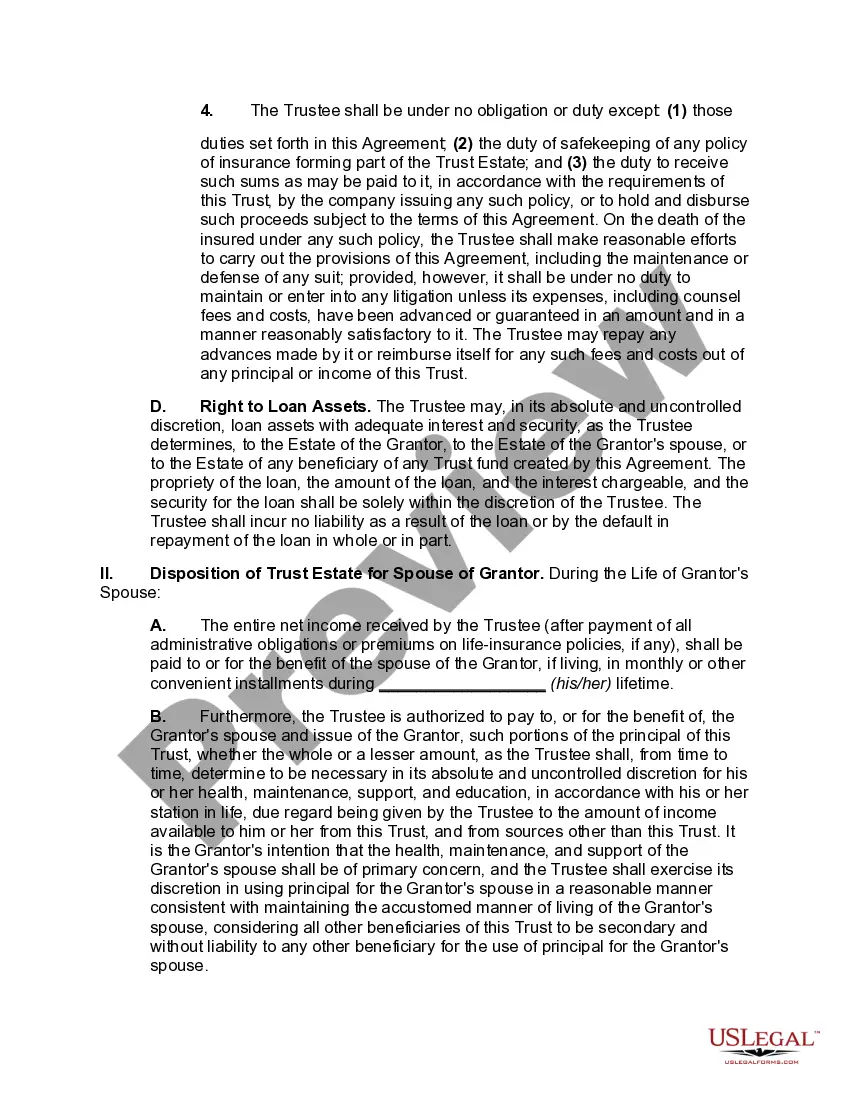
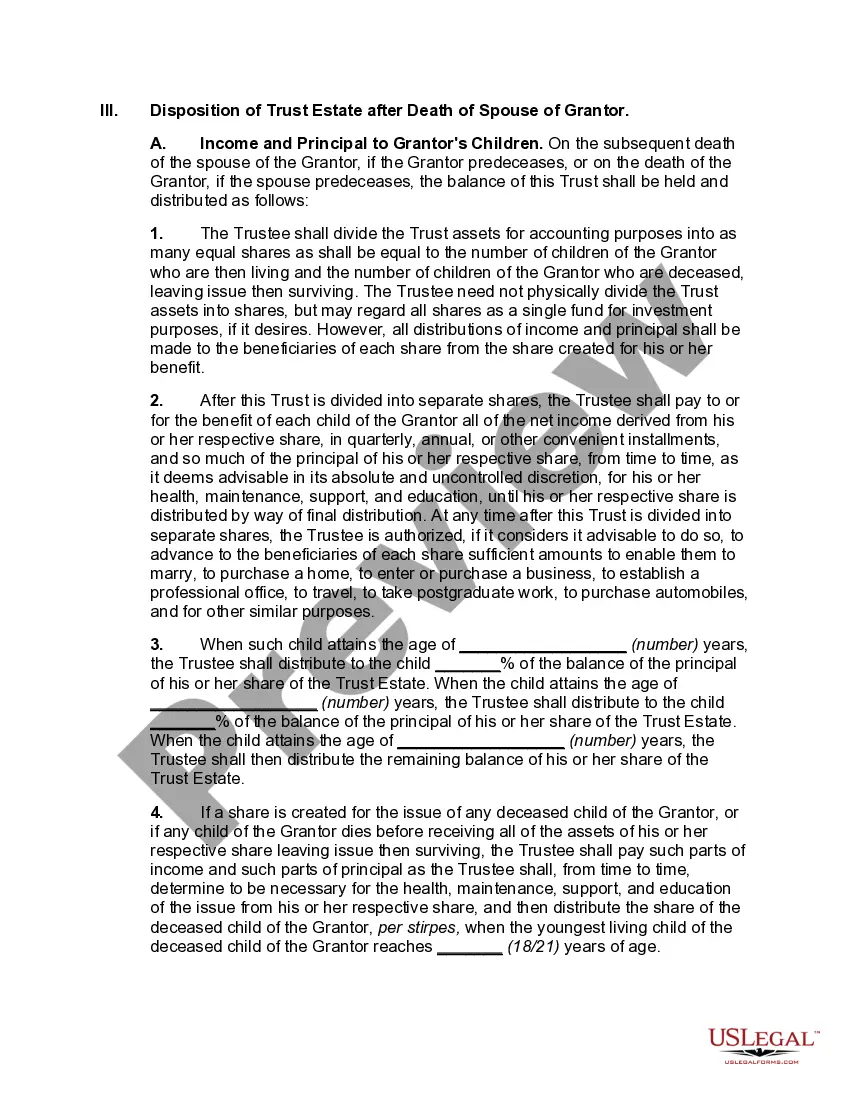
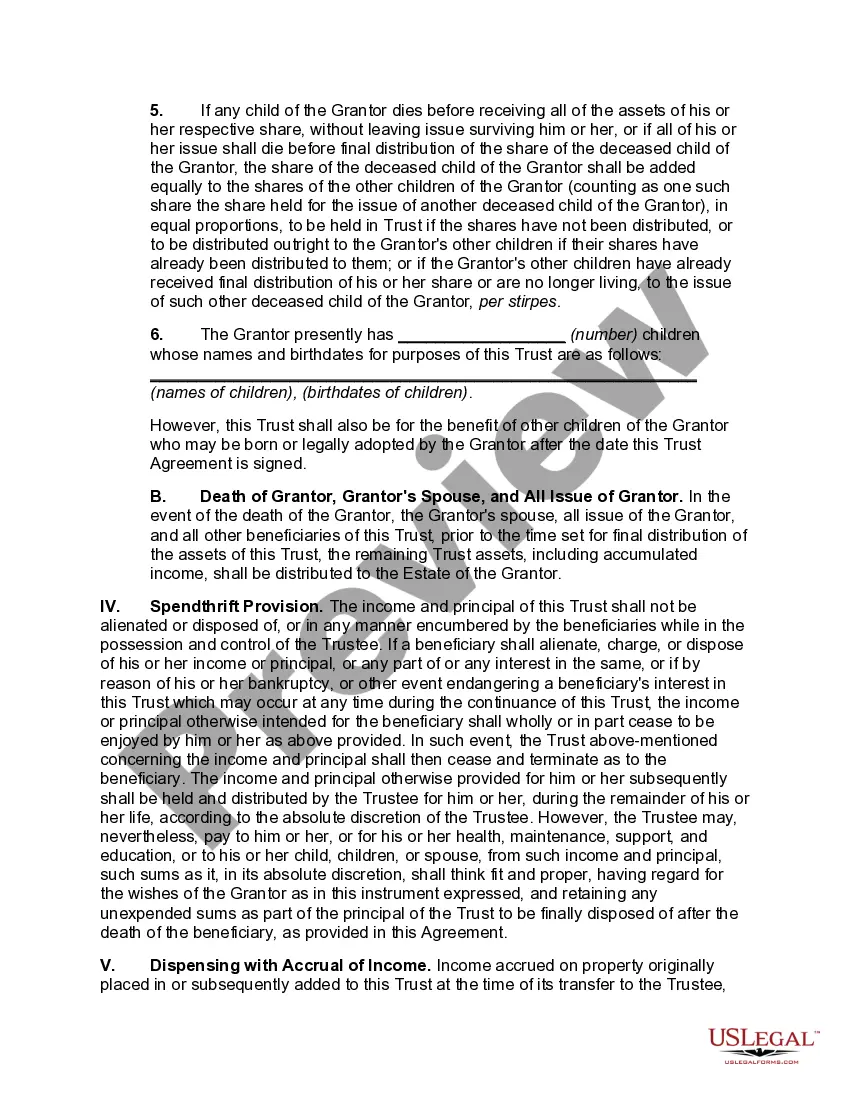
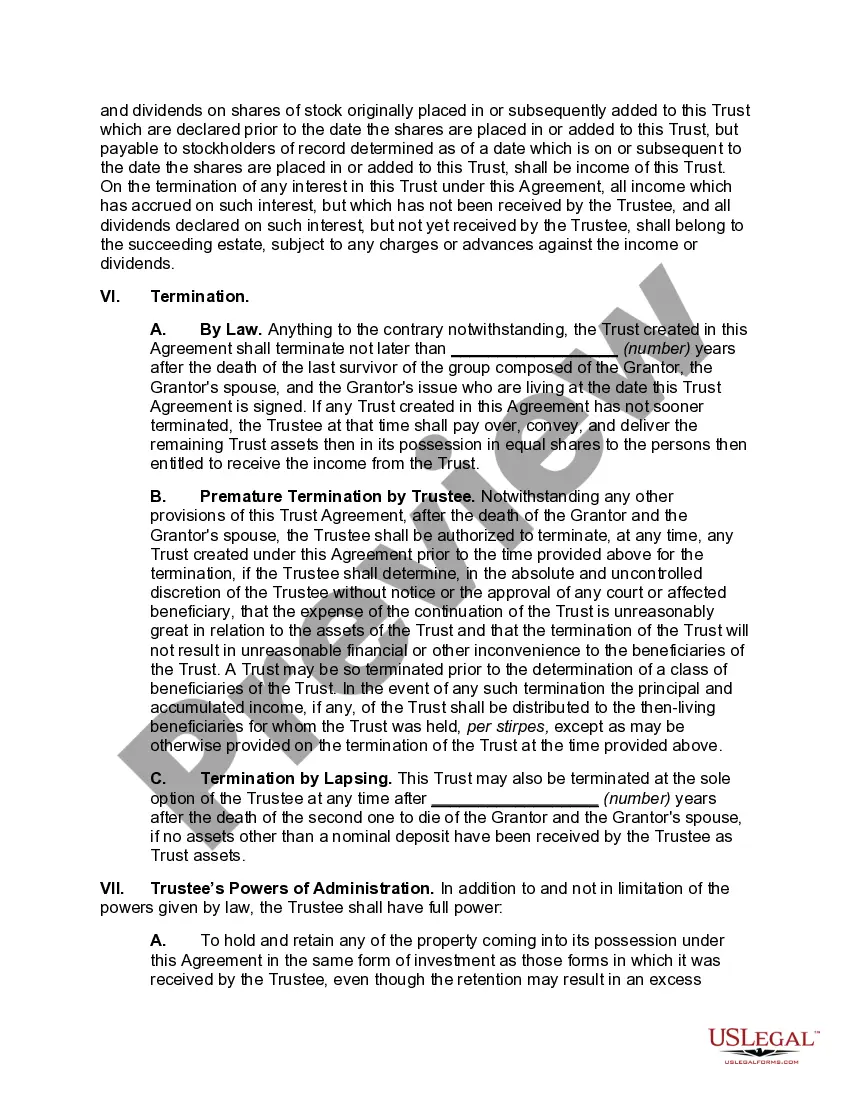
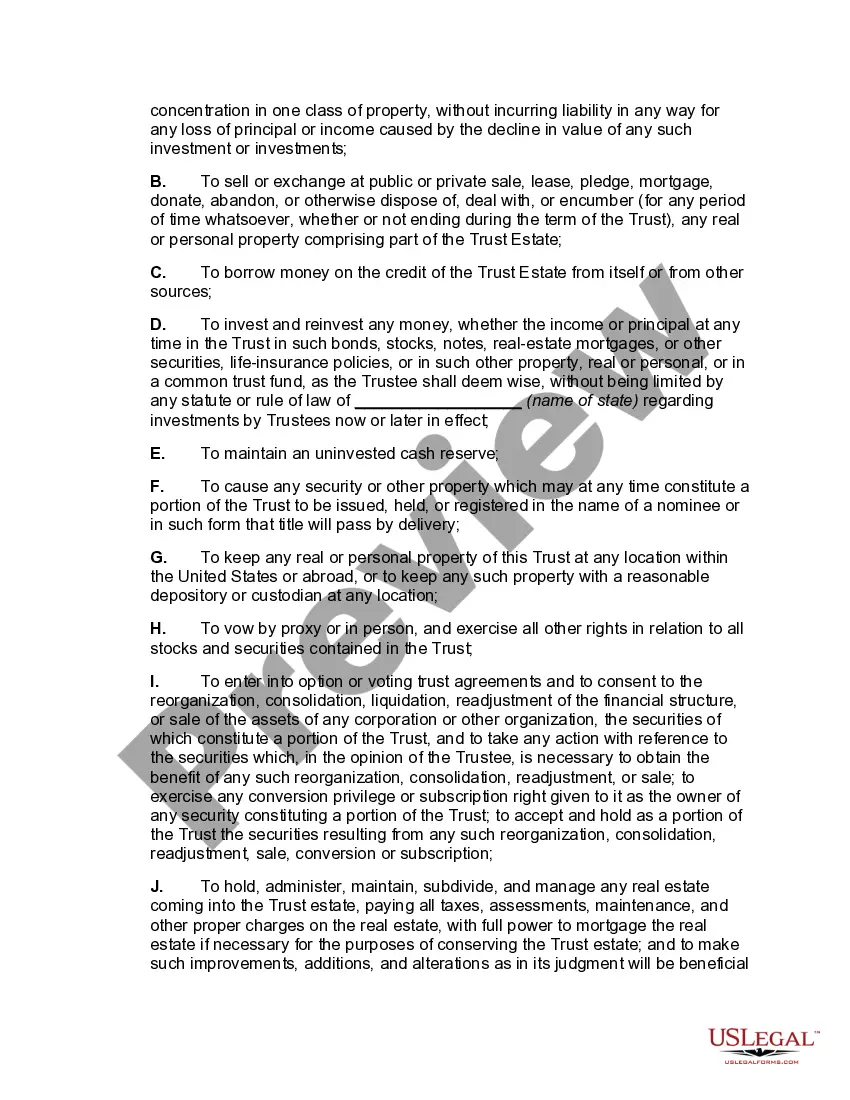
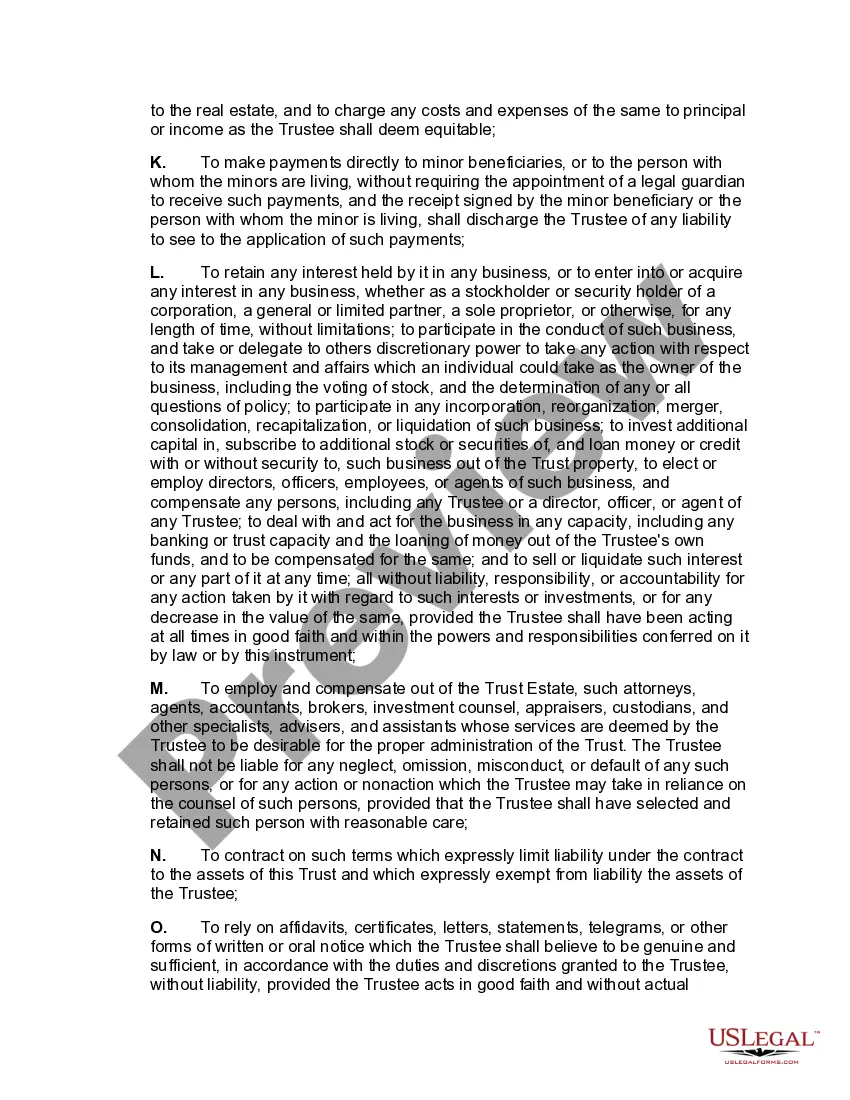
How to fill out Irrevocable Life Insurance Trust - Beneficiaries Have Crummey Right Of Withdrawal?
- If you're a returning user, log in to your account and click the Download button to retrieve the necessary form. Ensure your subscription is active; renew if needed.
- For first-time users, start by browsing the form collection. Use the Preview mode to check the description and confirm that it meets your specific requirements.
- If you don’t find the correct form initially, utilize the Search tab to locate the precise document needed to comply with your local regulations.
- Once you find the right form, proceed to purchase it by clicking the Buy Now button and selecting your desired subscription plan. Create an account to access the comprehensive library.
- Complete your transaction by entering your payment details, either through credit card or PayPal.
- Finally, download your form and save it to your device. You can access it anytime in the My Forms section of your profile.
In conclusion, US Legal Forms offers a robust solution for obtaining the legal documents necessary for irrevocable trust asset protection. Their extensive library and expert assistance ensure that you can safeguard your assets effectively.
Start your journey towards asset protection today by visiting US Legal Forms and exploring their vast array of resources.
Form popularity
FAQ
Filling out an irrevocable trust requires careful attention to detail. Start by providing basic information such as the grantor's name, trustee details, and beneficiary names. Include specific instructions regarding the management and distribution of the trust assets, ensuring alignment with your asset protection goals. For assistance, consider using the US Legal Forms platform, which offers user-friendly templates and resources to guide you through the process of irrevocable trust asset protection.
Setting up a protective trust involves several key steps. First, identify the assets you want to protect and choose a suitable trust type, such as an irrevocable trust. Next, draft the trust agreement with specific terms regarding asset management and beneficiaries. Finally, fund the trust with your chosen assets and ensure compliance with any state regulations to maximize the benefits of irrevocable trust asset protection.
To establish an effective asset protection trust, certain requirements must be met. You typically need to create and fund the trust while ensuring the assets are placed beyond the reach of creditors. It’s essential to have a trustee in place, which can be yourself or a third party, depending on your strategy for irrevocable trust asset protection. Working with a knowledgeable attorney can help navigate these requirements effectively.
The best trust structure for asset protection often depends on your specific needs. Generally, an irrevocable trust is highly recommended because it removes assets from your personal estate, enhancing their protection from creditors. Additionally, consult with a legal expert to determine if other options, such as domestic asset protection trusts, suit your circumstances better. Each situation is unique, so personalized advice is crucial.
To write an asset protection trust, start by defining your goals and the assets you want to protect. Next, consider working with an attorney who specializes in irrevocable trust asset protection to ensure compliance with state laws. Draft the trust document, which must outline the terms and beneficiaries clearly. Finally, execute the trust by funding it with your chosen assets, thus activating its protective features.
For asset protection, an irrevocable trust often stands out as the best option. This trust effectively separates your assets from your personal estate, providing a strong level of protection against creditors. It also allows for strategic estate planning and tax benefits. Explore the resources at USLegalForms to determine how to set up an irrevocable trust for maximum protection.
Certain assets may not be suitable for an irrevocable trust, such as personal residences or retirement accounts. Including these could complicate tax implications or personal use of the property. Always evaluate your specific situation and consult professionals to ensure that your choices align with your overall financial goals. USLegalForms can provide insights tailored to your needs.
One downside of an irrevocable trust is the loss of direct control over the assets placed within it. Since you cannot change the terms or withdraw assets, some people fear unintended consequences. Additionally, the initial setup may involve legal and administrative fees. Nonetheless, when focusing on irrevocable trust asset protection, these trade-offs can be worthwhile.
You might hesitate to create an irrevocable trust because it requires you to relinquish control over the assets. This means you cannot easily alter or dissolve the trust once it is established. Moreover, some individuals may not fully understand the complexities involved, making them wary. However, understanding the benefits of irrevocable trust asset protection can help you make an informed decision.
Yes, an irrevocable trust can protect assets effectively. By transferring your assets into the trust, you remove them from your personal ownership. This structure shields them from creditors and legal judgments, enhancing overall financial security. Consider using USLegalForms for guidance on setting up your irrevocable trust for optimal asset protection.