Beneficiaries Death Form For Ira
Description

Get your form ready online
Our built-in tools help you complete, sign, share, and store your documents in one place.
Make edits, fill in missing information, and update formatting in US Legal Forms—just like you would in MS Word.
Download a copy, print it, send it by email, or mail it via USPS—whatever works best for your next step.
Sign and collect signatures with our SignNow integration. Send to multiple recipients, set reminders, and more. Go Premium to unlock E-Sign.
If this form requires notarization, complete it online through a secure video call—no need to meet a notary in person or wait for an appointment.
We protect your documents and personal data by following strict security and privacy standards.

Make edits, fill in missing information, and update formatting in US Legal Forms—just like you would in MS Word.

Download a copy, print it, send it by email, or mail it via USPS—whatever works best for your next step.

Sign and collect signatures with our SignNow integration. Send to multiple recipients, set reminders, and more. Go Premium to unlock E-Sign.

If this form requires notarization, complete it online through a secure video call—no need to meet a notary in person or wait for an appointment.

We protect your documents and personal data by following strict security and privacy standards.
Looking for another form?








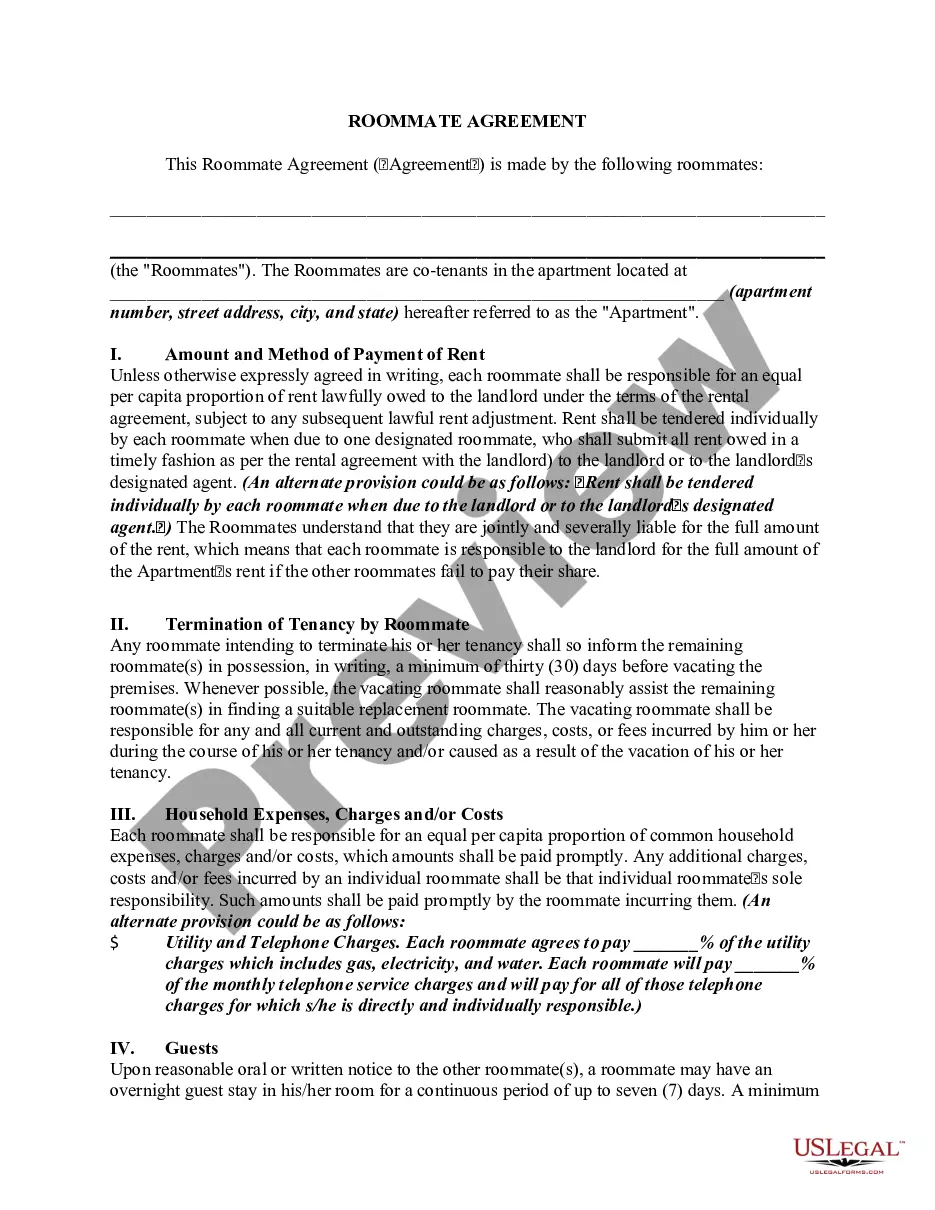

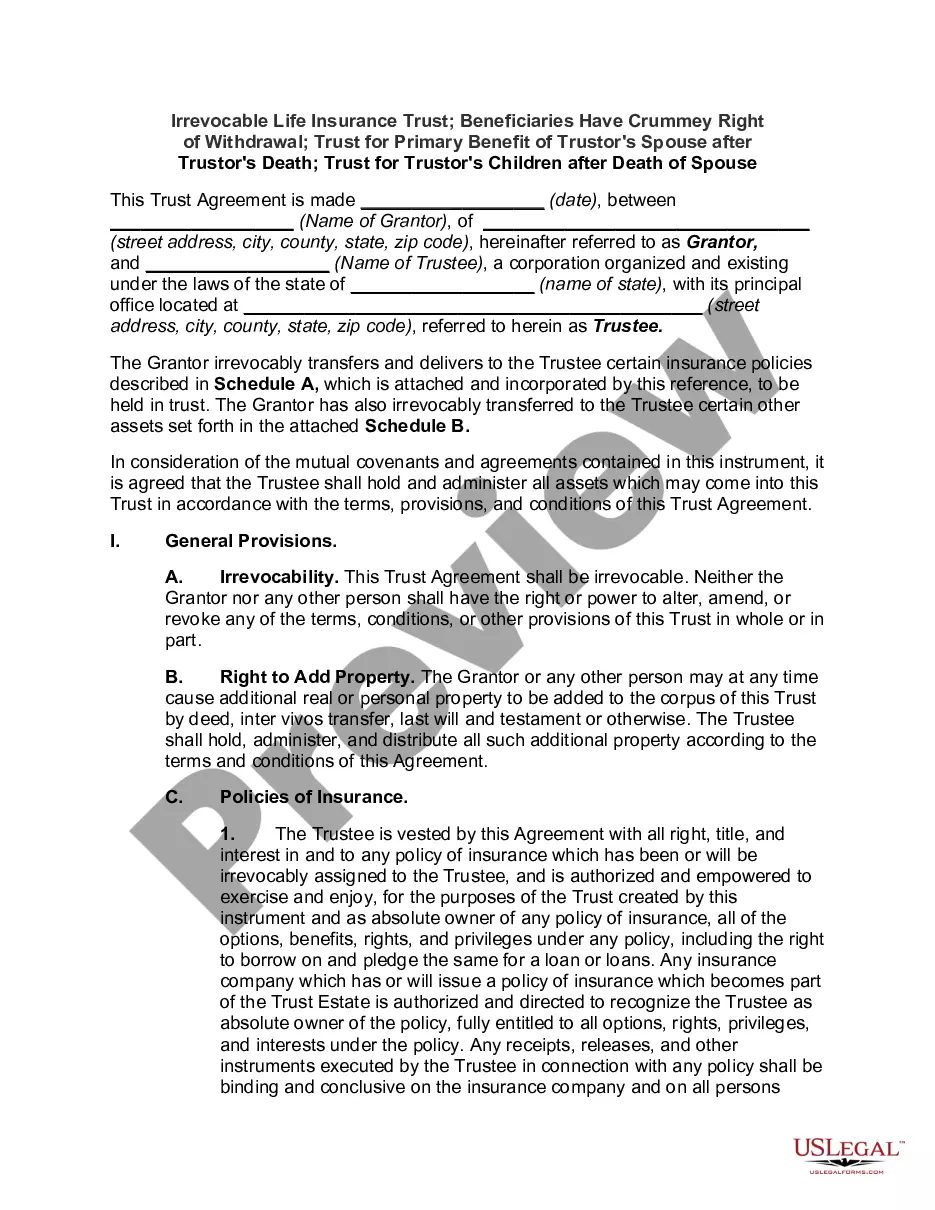
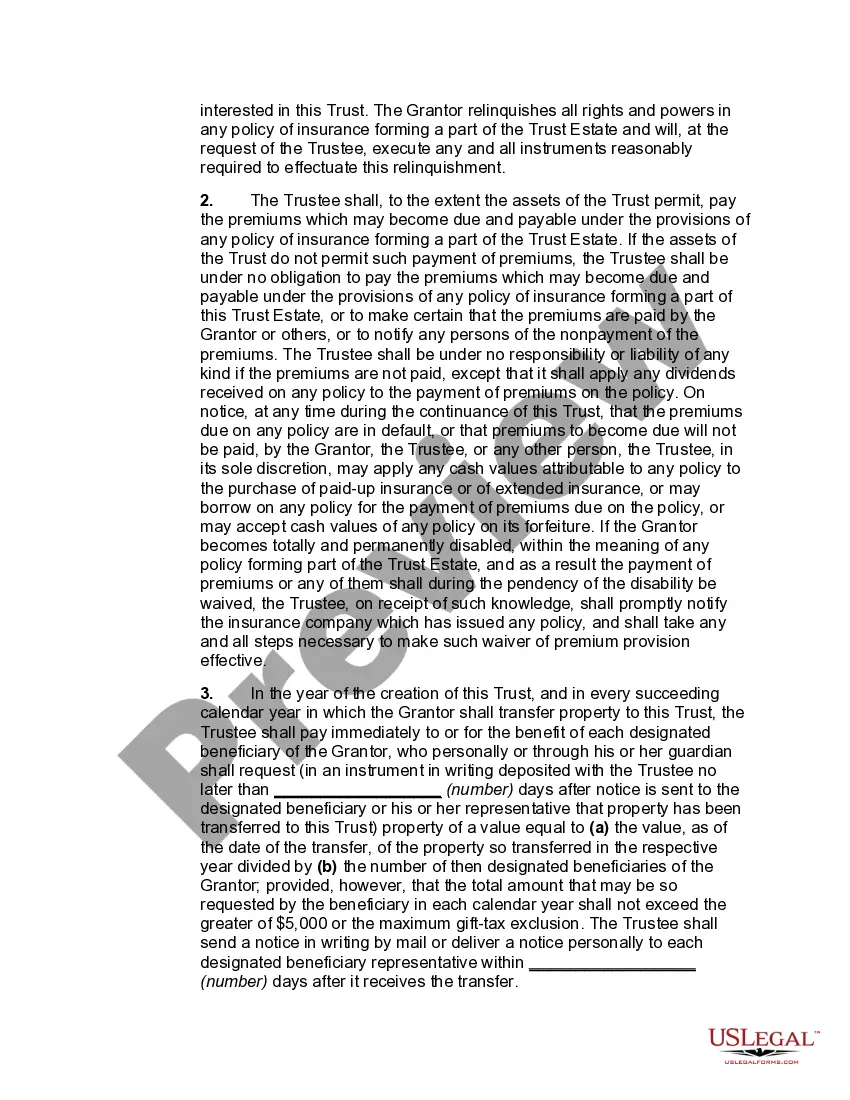
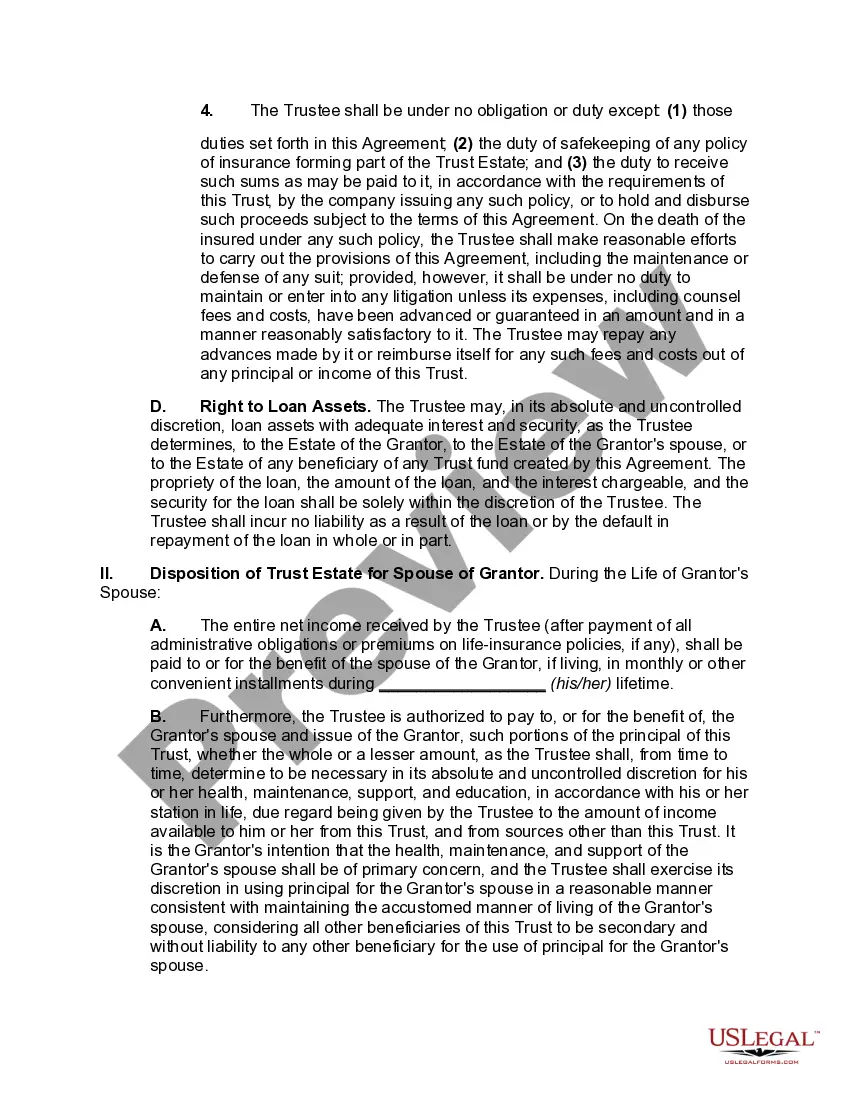
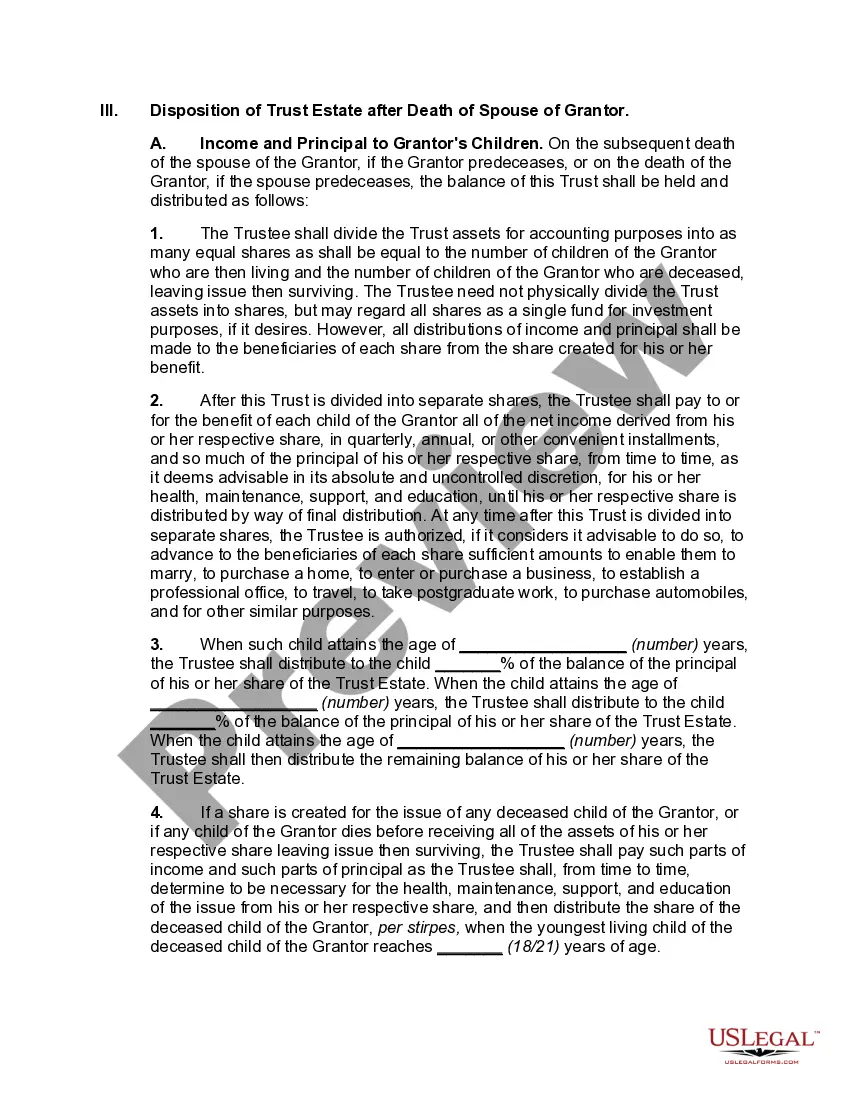
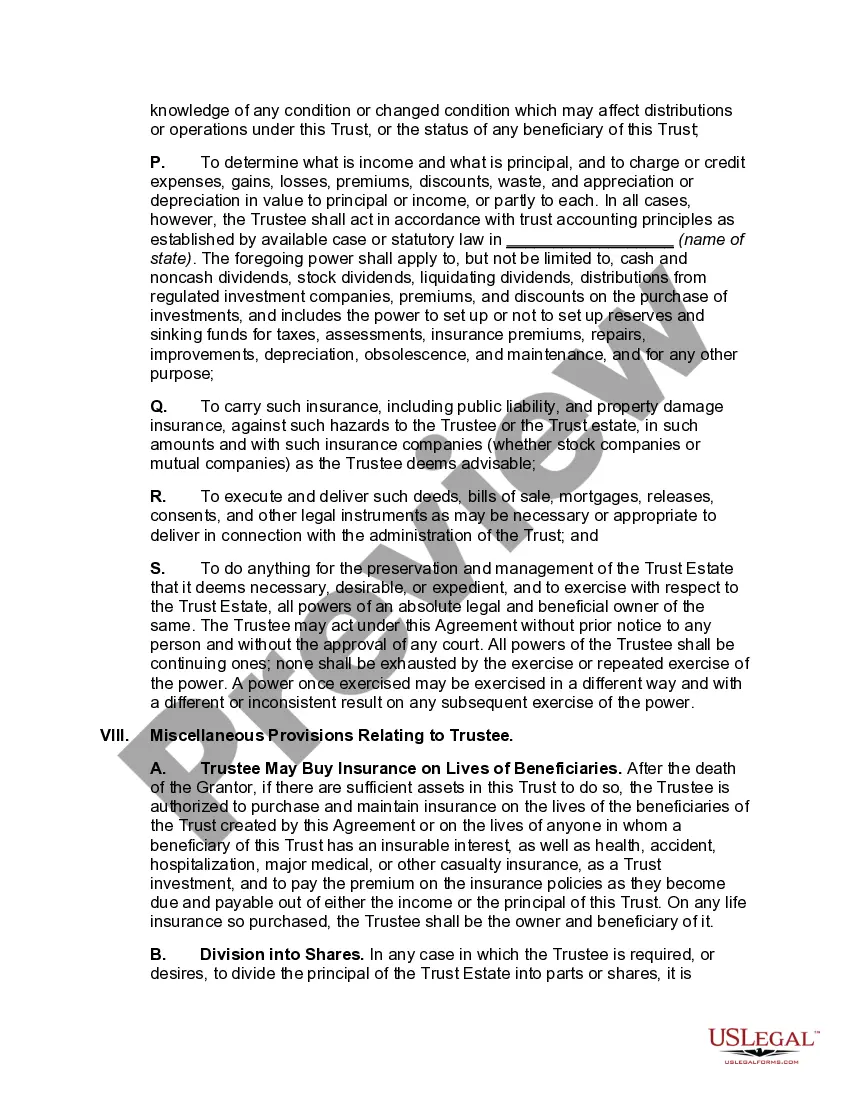
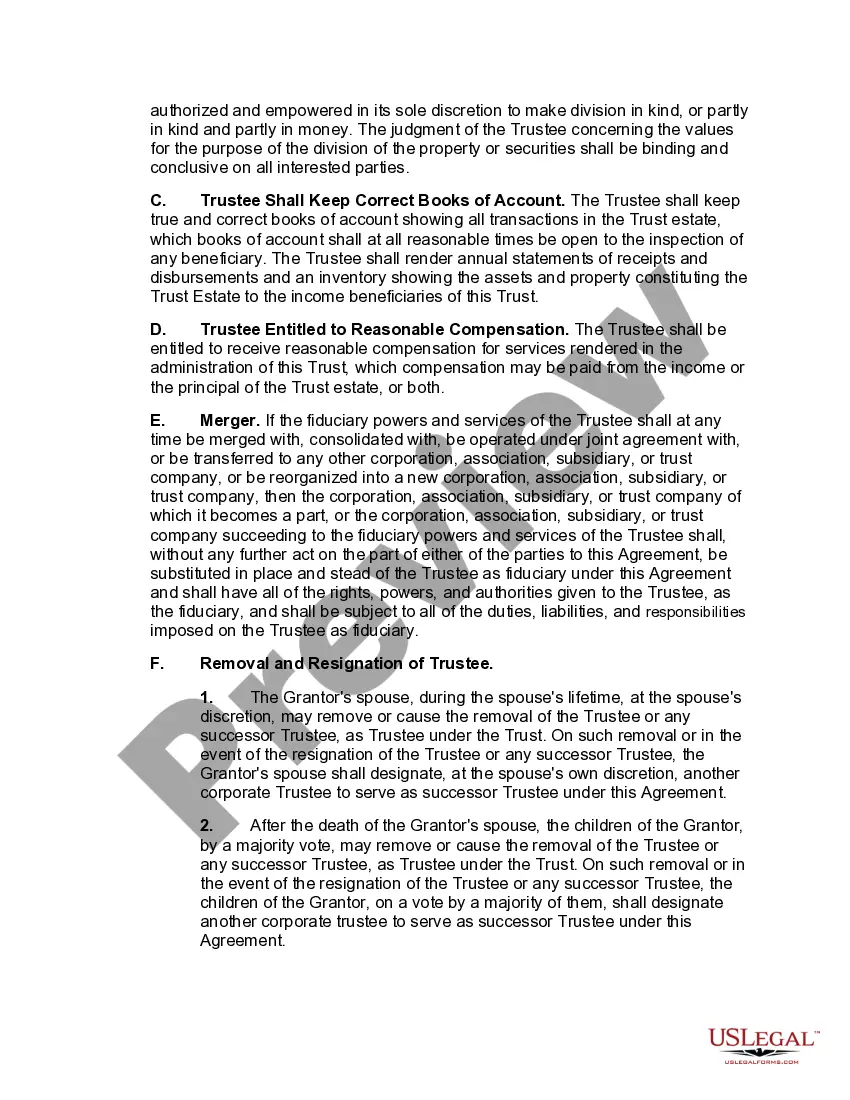
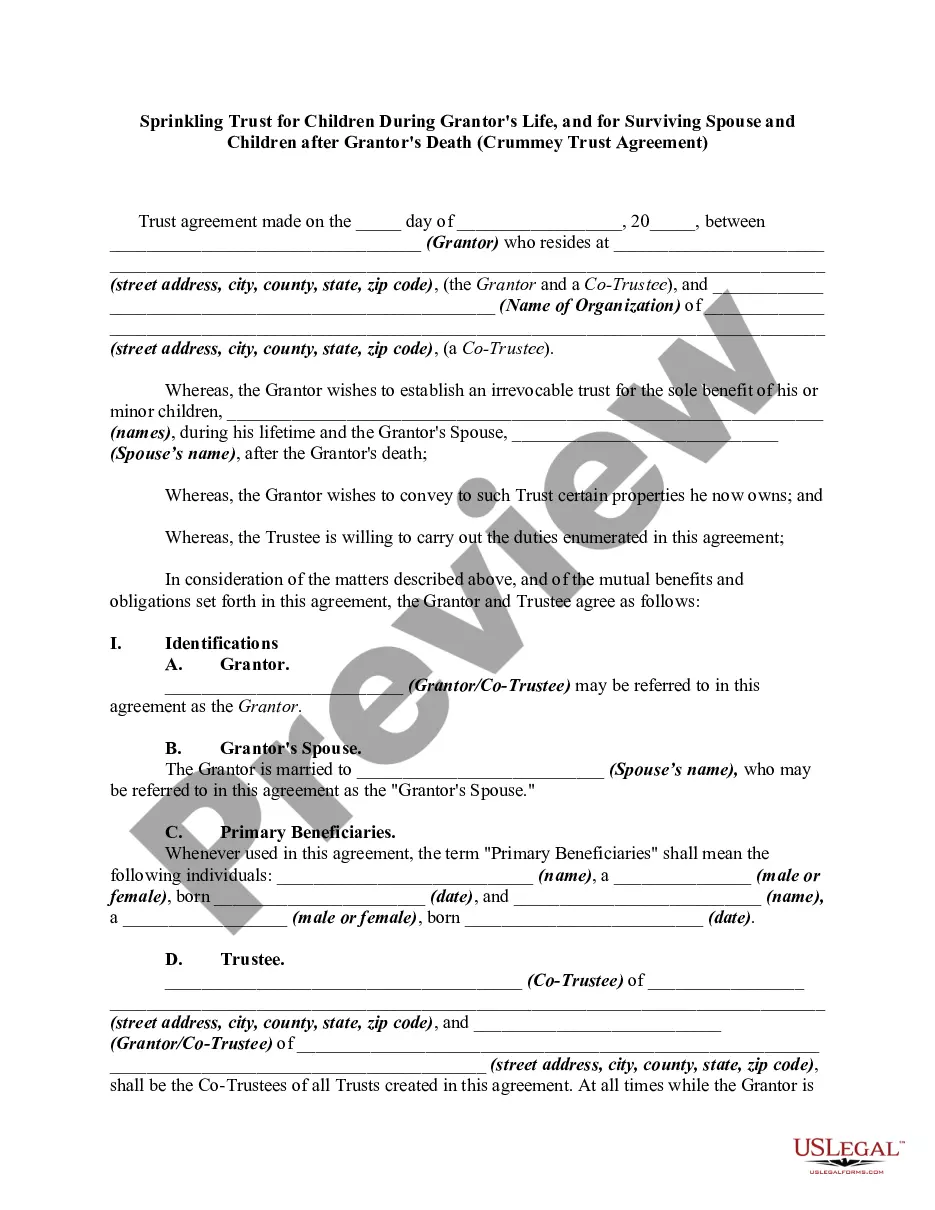
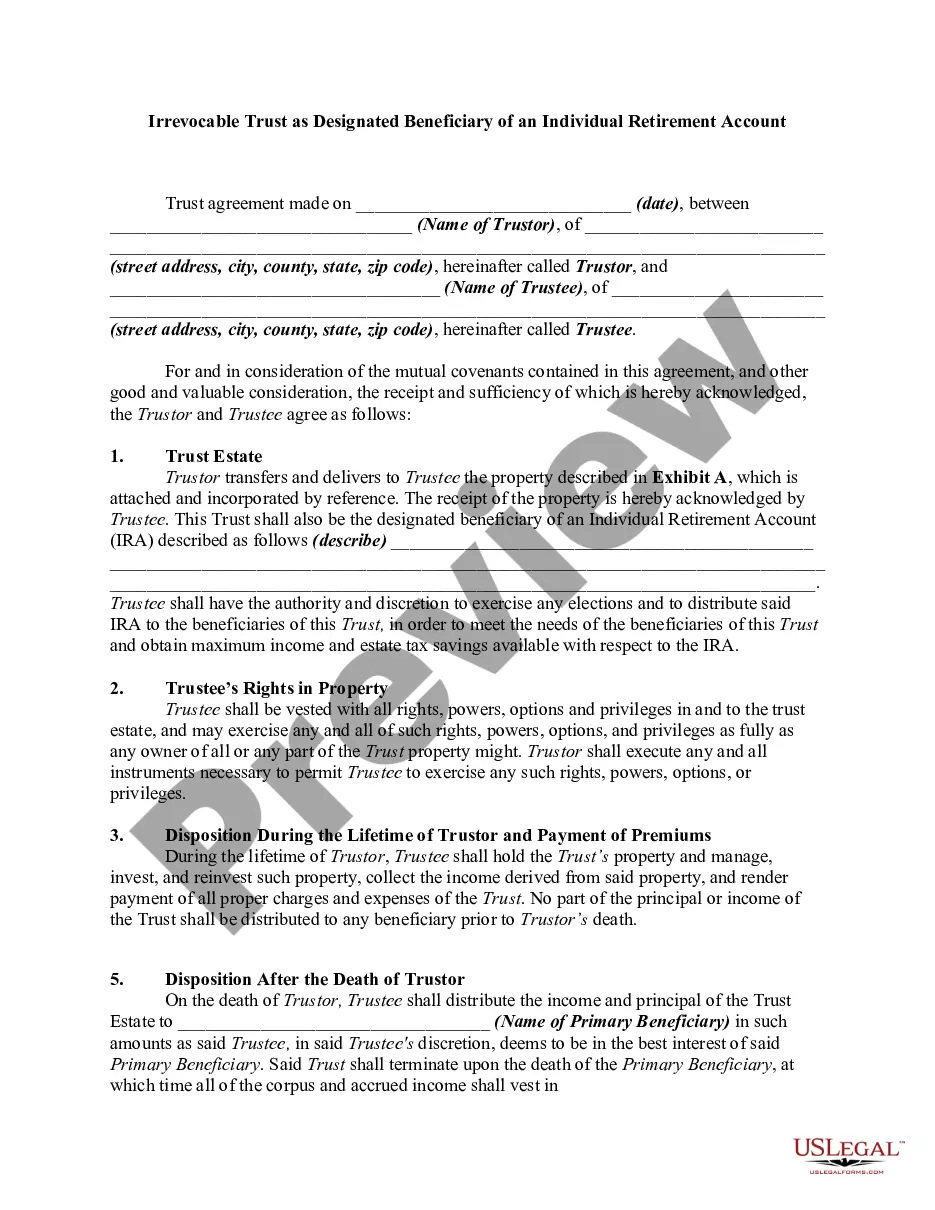
How to fill out Irrevocable Life Insurance Trust - Beneficiaries Have Crummey Right Of Withdrawal?
Legal documents organizing can be exasperating, even for the most adept professionals.
When you are looking for a Beneficiaries Death Form For Ira and lack the time to dedicate to finding the suitable and current version, the processes can be daunting.
US Legal Forms meets any requirements you might have, ranging from personal to corporate documentation, all in one place.
Utilize sophisticated tools to complete and manage your Beneficiaries Death Form For Ira.
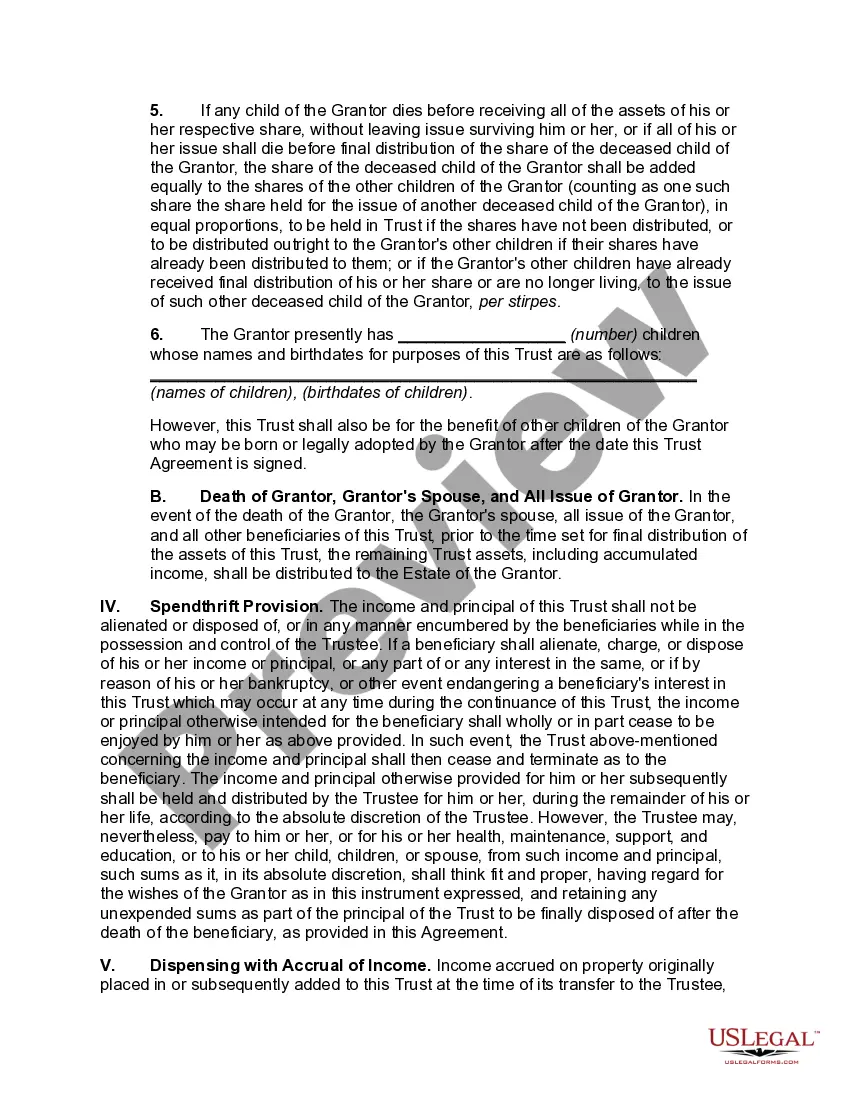
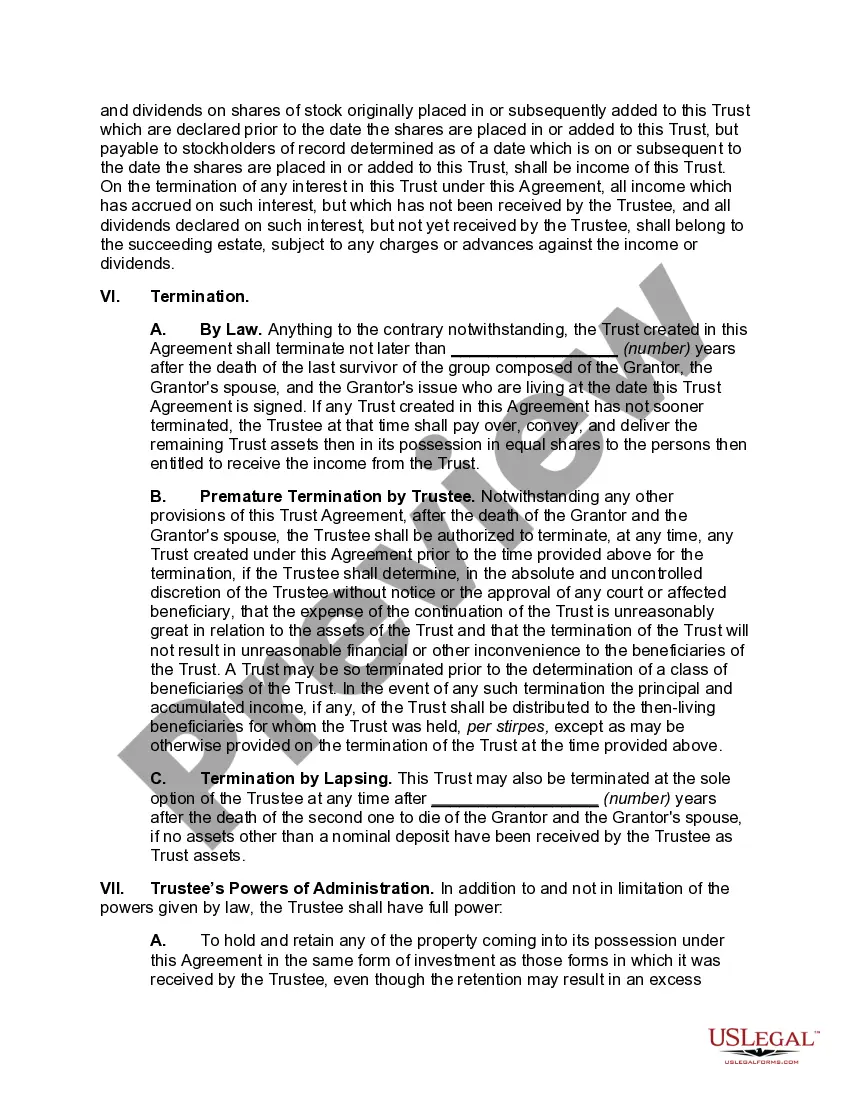
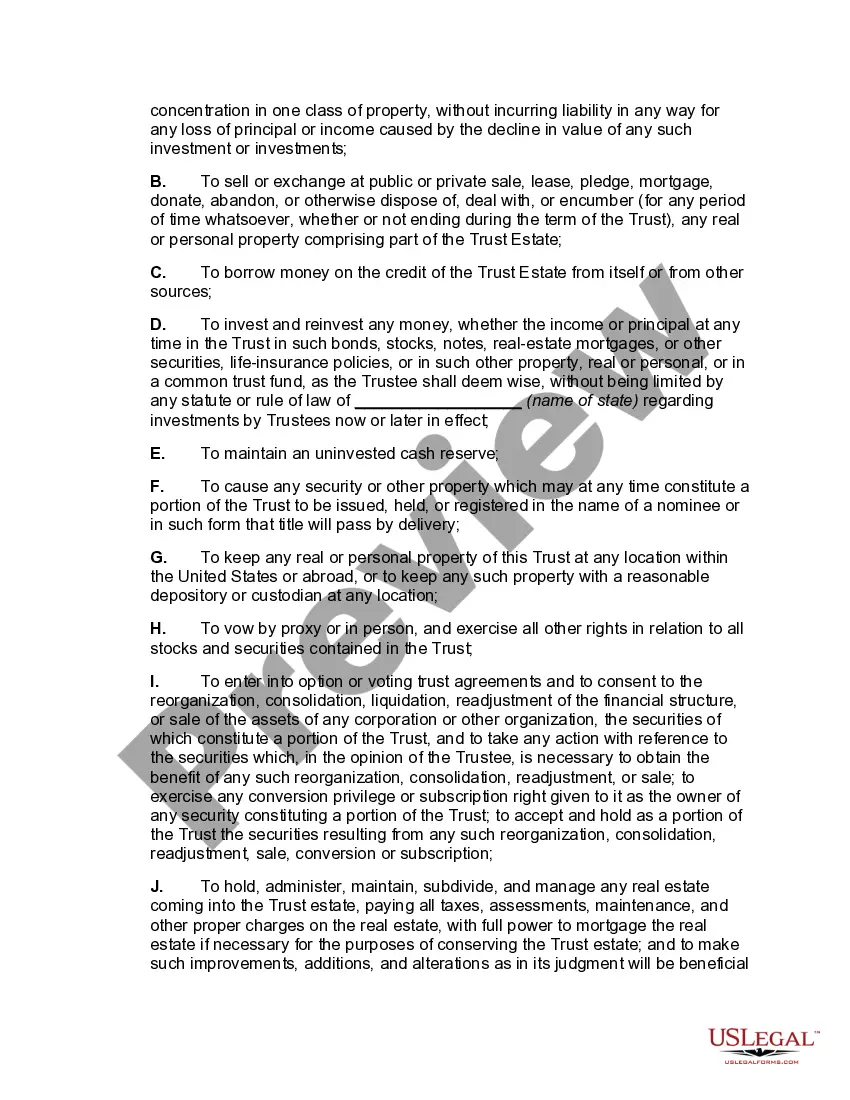
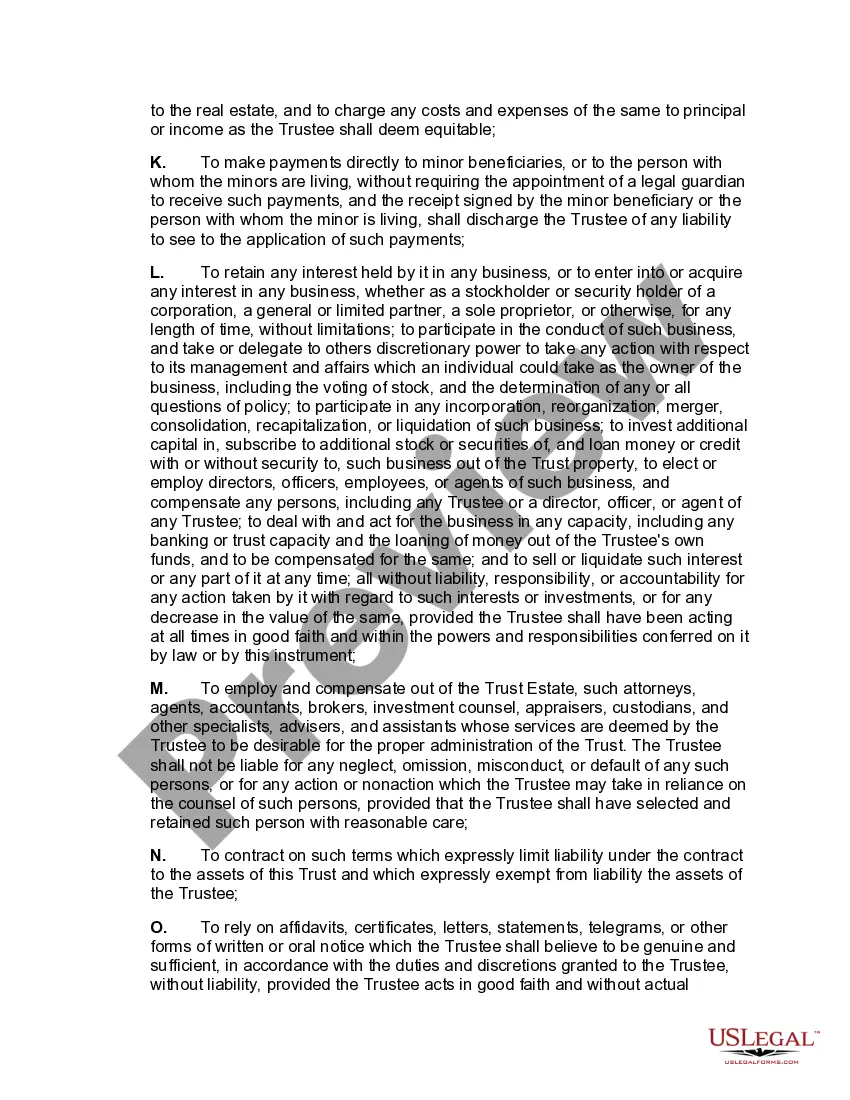
Here are the steps to take after obtaining the form you need: Confirm it is the correct form by previewing and reviewing its details. Ensure that the template is accepted in your state or county. Select Buy Now when you are ready. Choose a monthly subscription option. Find the format you require, and Download, fill out, eSign, print, and submit your document. Experience the US Legal Forms online library, supported by 25 years of experience and reliability. Transform your everyday document management into a seamless and user-friendly experience today.
- Tap into a resource hub of articles, how-tos, and guides relevant to your situation and requirements.
- Conserve time and effort searching for the documents you require, and leverage US Legal Forms' advanced search and Review feature to locate and obtain the Beneficiaries Death Form For Ira.
- If you have a subscription, Log In to your US Legal Forms account, search for the form, and download it.
- Check out the My documents tab to view the documents you previously stored and manage your files as preferred.
- If it’s your inaugural experience with US Legal Forms, establish an account and gain unlimited access to all the platform's advantages.
- A robust online form directory could be a transformative resource for anyone aiming to manage these matters effectively.
- US Legal Forms stands as a frontrunner in online legal documents, with over 85,000 jurisdiction-specific legal forms accessible at any moment.
- With US Legal Forms, you can access localized legal and business documents.
Form popularity
FAQ
Generally, a designated beneficiary is required to liquidate the account by the end of the 10th year following the year of death of the IRA owner (this is known as the 10-year rule). An RMD may be required in years 1-9 when the decedent had already begun taking RMDs.
A beneficiary is generally any person or entity the account owner chooses to receive the benefits of a retirement account or an IRA after they die. The owner must designate the beneficiary under procedures established by the plan.
Primary Beneficiaries Write the names of the first beneficiary(ies) you would like to receive your benefit after you die. You may name an individual(s), entity (such as a charity, business, religious organization, funeral home, etc.), trust, or estate. You may name more than one.
If a primary beneficiary is named, but is deceased, then it is possible for the asset to pass to the contingent beneficiary if one is named. If no contingent beneficiary is named, the asset will often go through probate, passing them by the owners Last Will and Testament.
Beneficiaries of an IRA, and most plans, have the option of taking a lump-sum distribution of the inherited account at any time. Beneficiaries must include any taxable distributions they receive in their gross income.