Successor Trustee Vs Trustee Withdrawal
Description

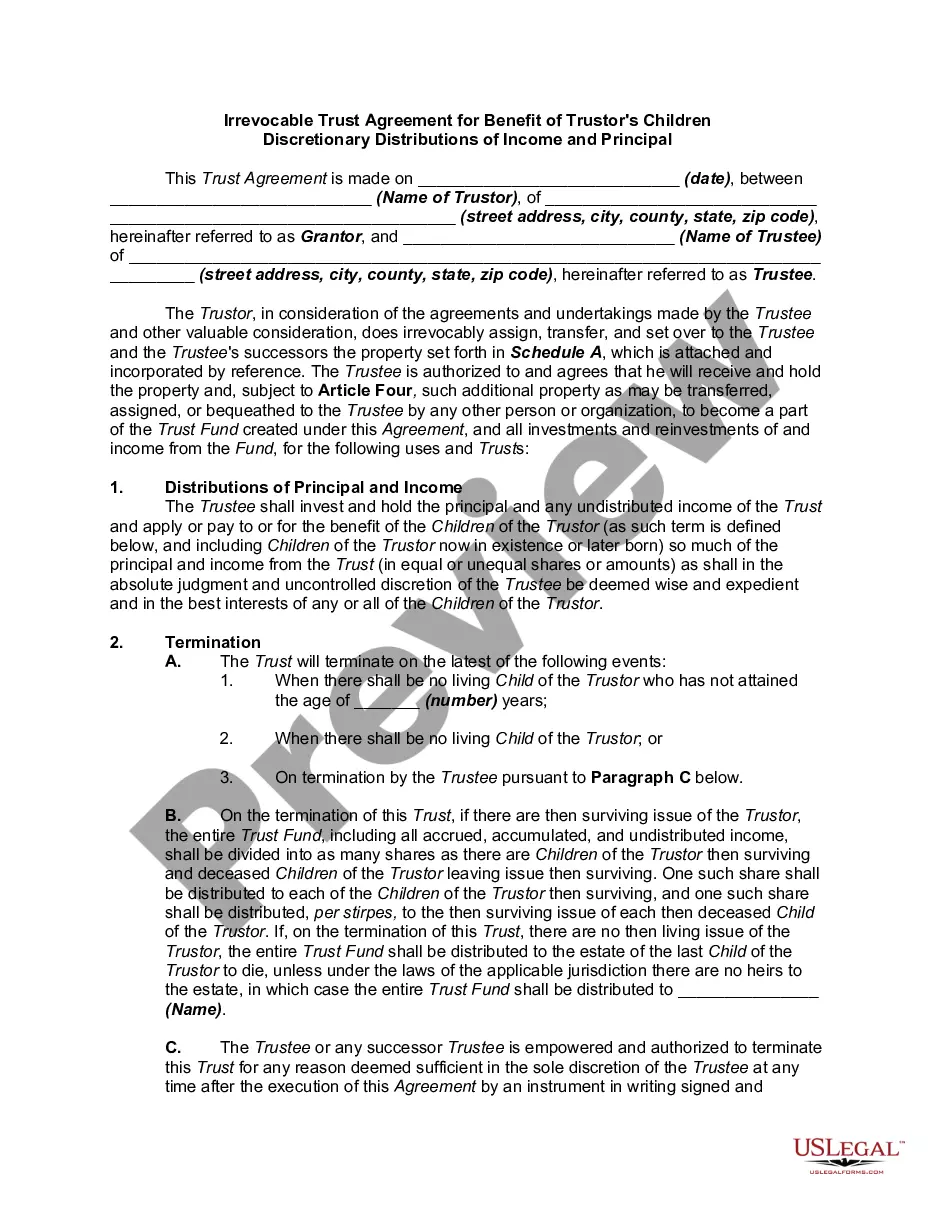

Get your form ready online
Our built-in tools help you complete, sign, share, and store your documents in one place.
Make edits, fill in missing information, and update formatting in US Legal Forms—just like you would in MS Word.
Download a copy, print it, send it by email, or mail it via USPS—whatever works best for your next step.
Sign and collect signatures with our SignNow integration. Send to multiple recipients, set reminders, and more. Go Premium to unlock E-Sign.
If this form requires notarization, complete it online through a secure video call—no need to meet a notary in person or wait for an appointment.
We protect your documents and personal data by following strict security and privacy standards.

Make edits, fill in missing information, and update formatting in US Legal Forms—just like you would in MS Word.

Download a copy, print it, send it by email, or mail it via USPS—whatever works best for your next step.

Sign and collect signatures with our SignNow integration. Send to multiple recipients, set reminders, and more. Go Premium to unlock E-Sign.

If this form requires notarization, complete it online through a secure video call—no need to meet a notary in person or wait for an appointment.

We protect your documents and personal data by following strict security and privacy standards.
Looking for another form?



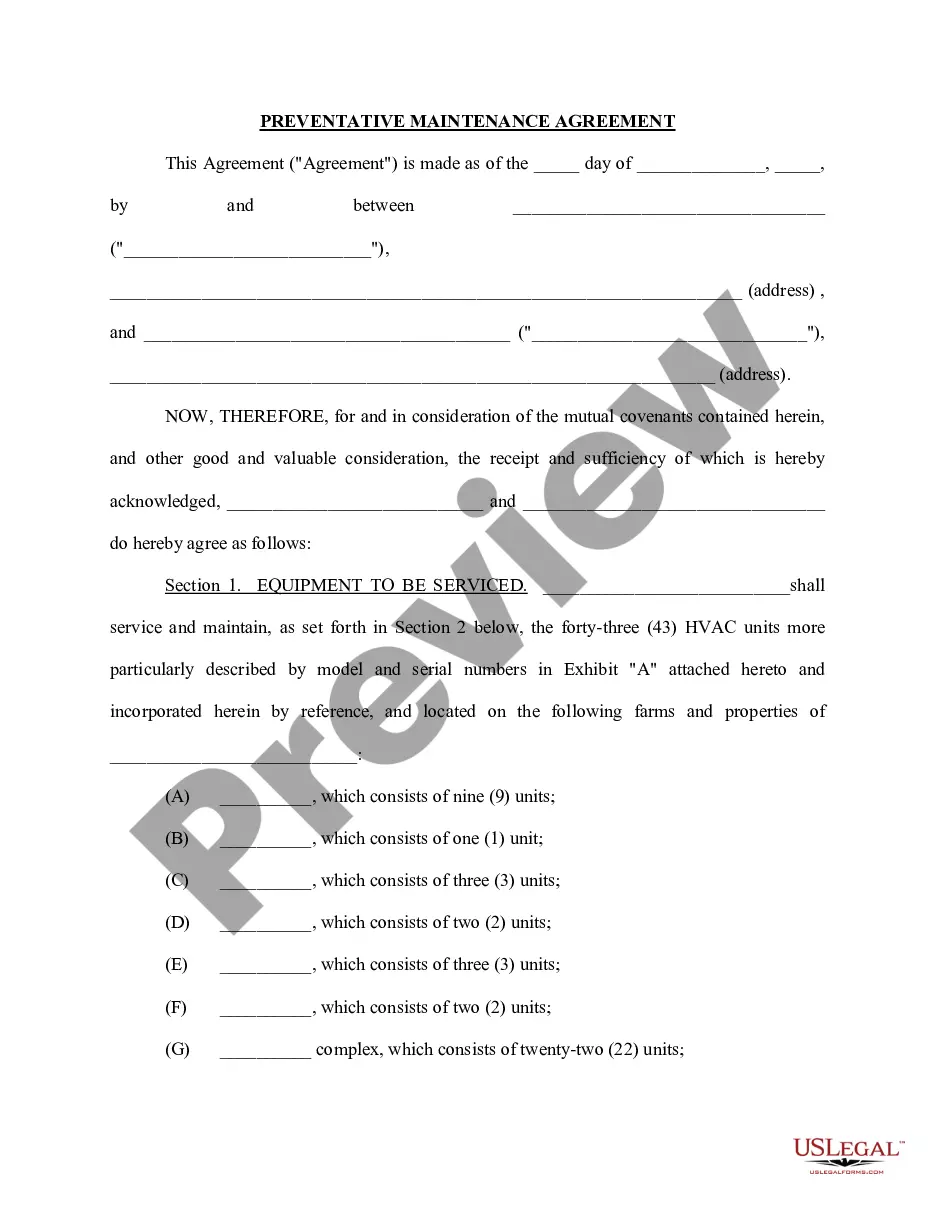




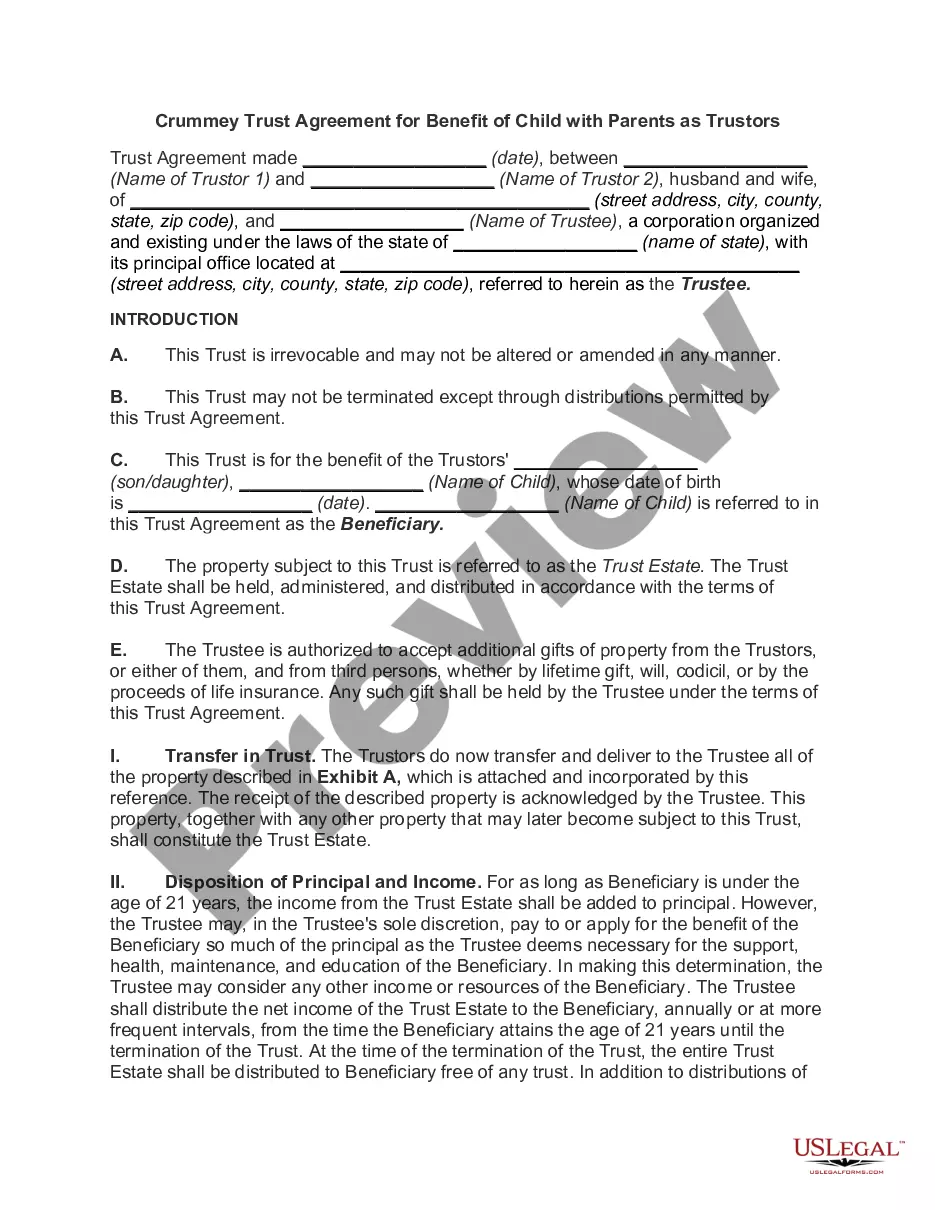
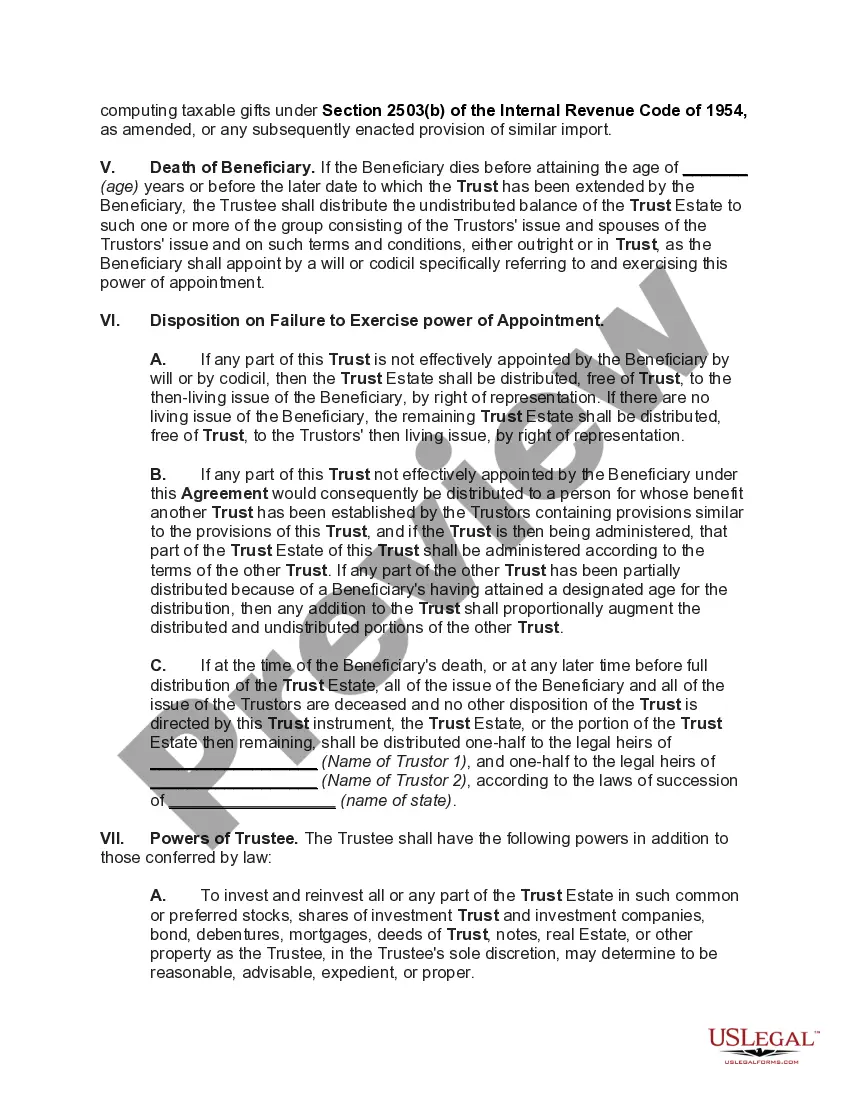
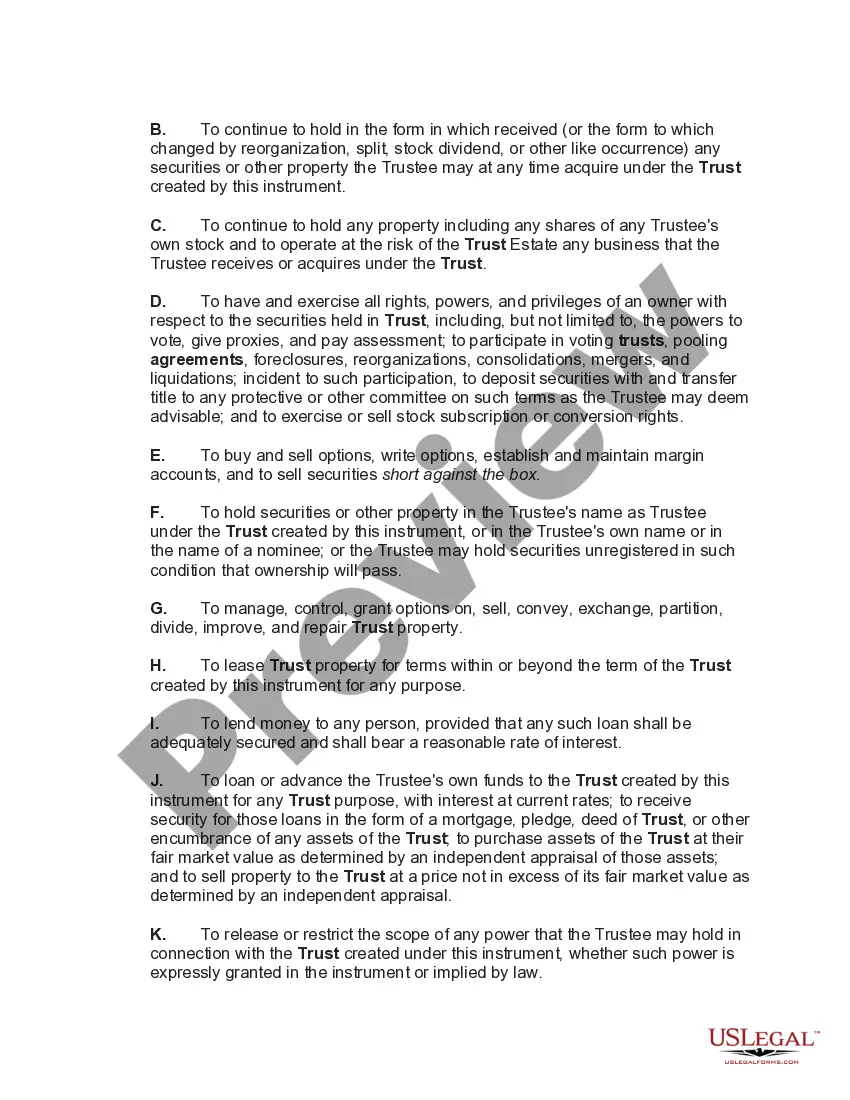
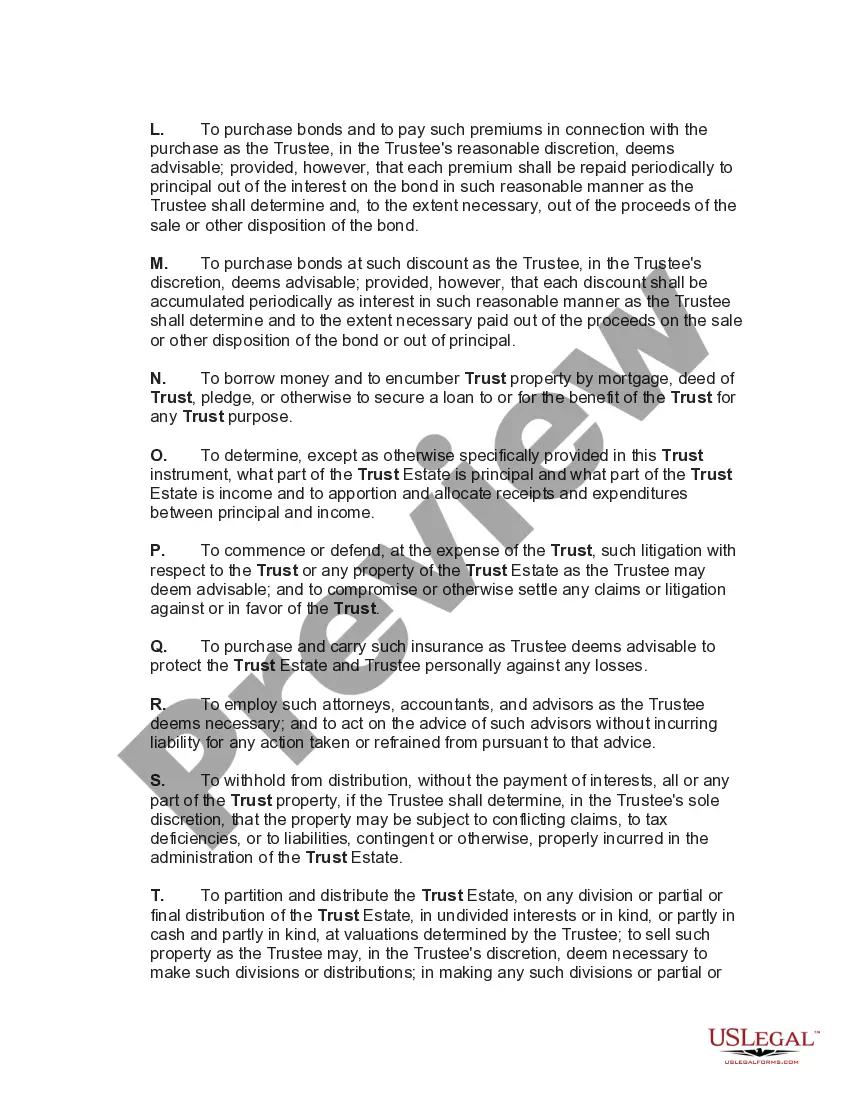
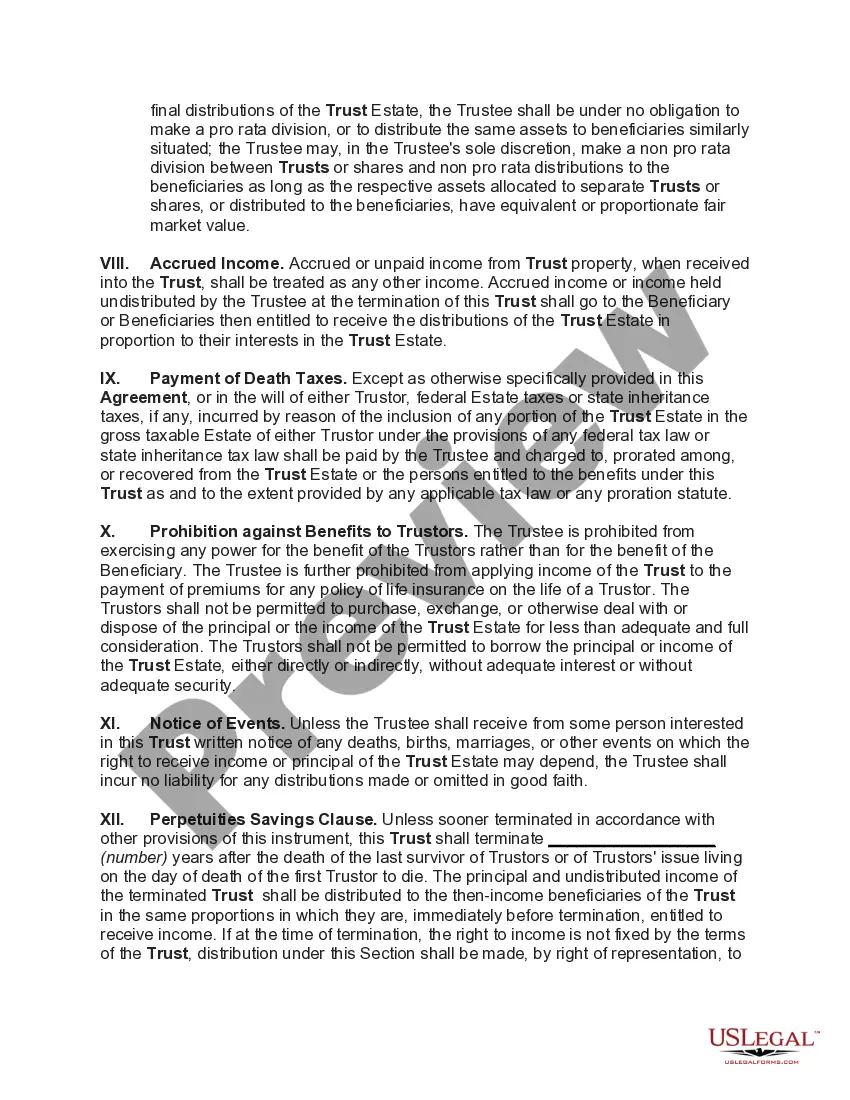
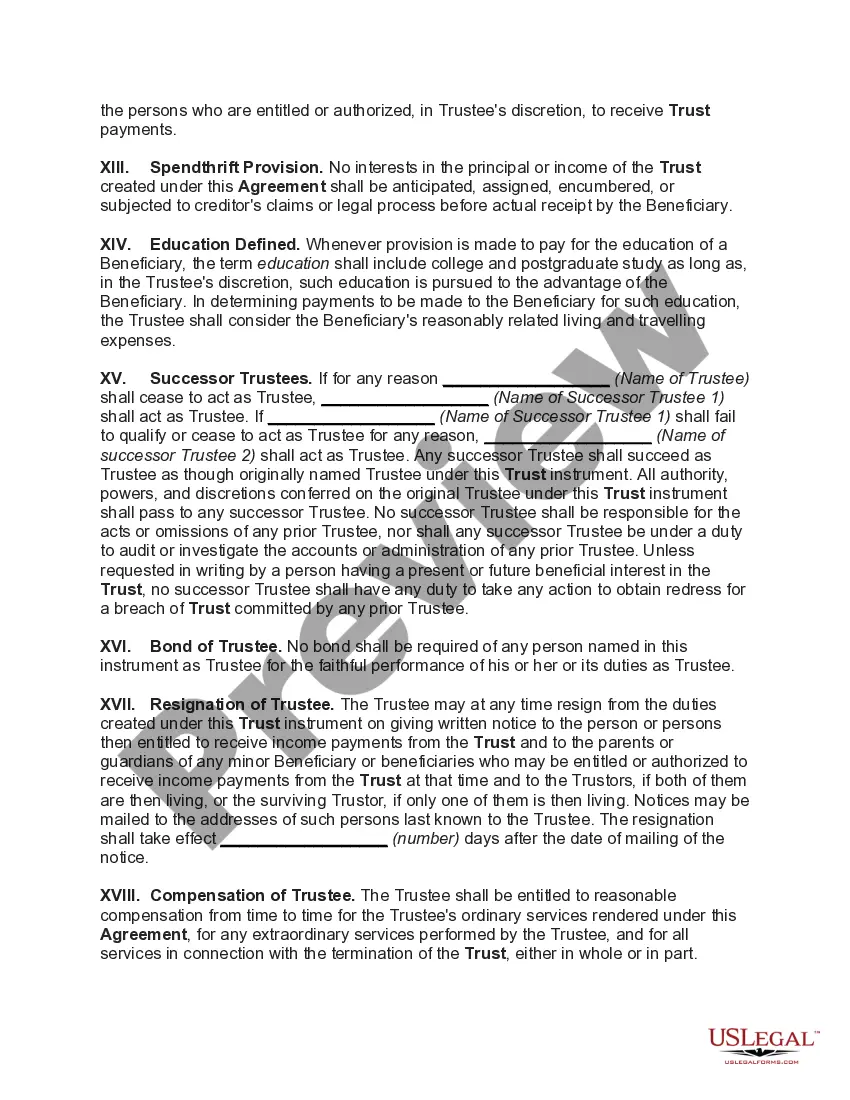
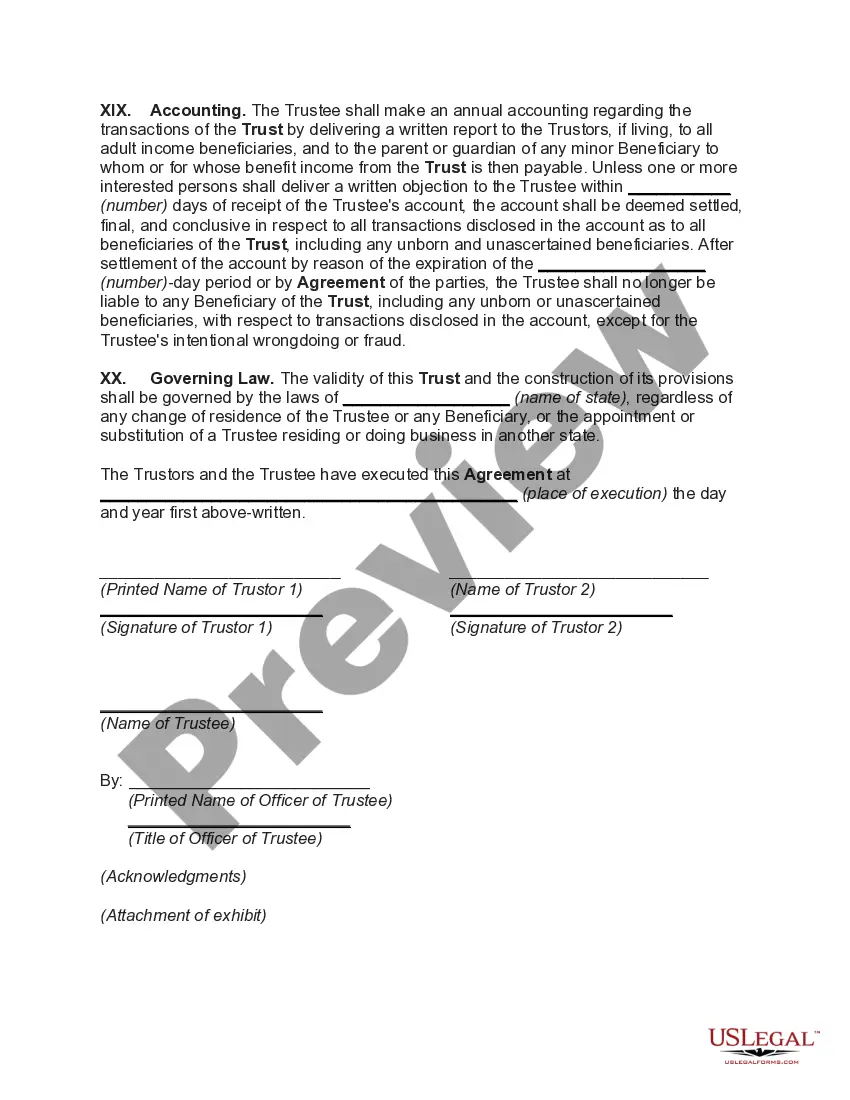
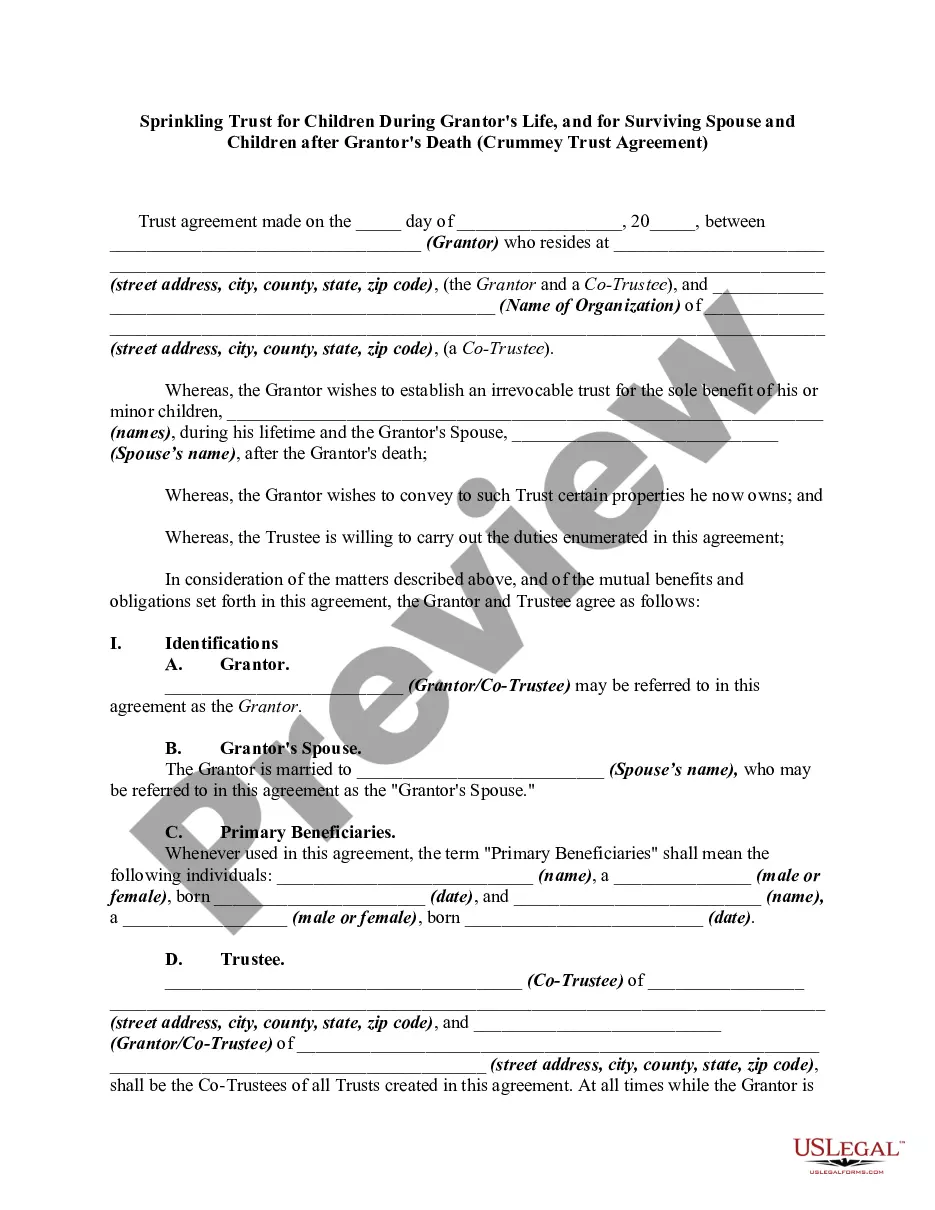
How to fill out Crummey Trust Agreement For Benefit Of Child With Parents As Trustors?
Whether for corporate reasons or personal matters, everyone must confront legal circumstances at some point in their lives.
Filling out legal paperwork demands meticulous care, beginning with selecting the appropriate form template.
Once saved, you can fill out the form with editing software or print it out and complete it by hand. With a comprehensive US Legal Forms catalog available, you will never need to waste time searching for the right template online. Utilize the library’s user-friendly navigation to find the right template for any circumstance.
- Locate the template you require using the search bar or catalog navigation.
- Review the form’s description to ensure it aligns with your situation, state, and county.
- Click on the form’s preview to examine it.
- If it is not the correct document, return to the search function to find the Successor Trustee Vs Trustee Withdrawal sample you are seeking.
- Obtain the file when it satisfies your requirements.
- If you possess a US Legal Forms account, simply click Log in to access previously stored templates in My documents.
- In case you do not have an account yet, you can download the form by clicking Buy now.
- Choose the appropriate pricing option.
- Fill out the account registration form.
- Select your payment method: use a credit card or PayPal account.
- Choose the document format you prefer and download the Successor Trustee Vs Trustee Withdrawal.
Form popularity
FAQ
Besides making sure your assets get to the people you choose, planning can help minimize income, gift and estate taxes, too. Without an estate plan, and specifically a will, the laws in your state will determine what happens to your possessions, and the courts will decide who gets custody of your children.
Estate planning checklist Take inventory of everything you own. ... Make a last will and testament. ... Find a trusted executor for your estate. ... Consider a living trust. ... Opt for a power of attorney (POA) ... Write a living will. ... Consider your estate tax obligations. ... Get your digital assets in order.
Contents Make a last will. Think about a living trust. Make sure minor children are provided for. Make a living will. Make a power of attorney. Think about a living trust. Consider a life insurance policy. Make sure your beneficiary names are correct and up to date.
Your estate plan should be a set of documents ? a will, perhaps a trust, a health care directive, a HIPAA form, and a power of attorney ? that is reviewed and updated regularly over the years. If you can't even remember where you put the documents, you're less likely to think about the necessary updates.
An estate is the total property; real and personal, owned by an individual prior to distribution through a trust or will.