Successor Trustee Vs Trustee For Estate
Description

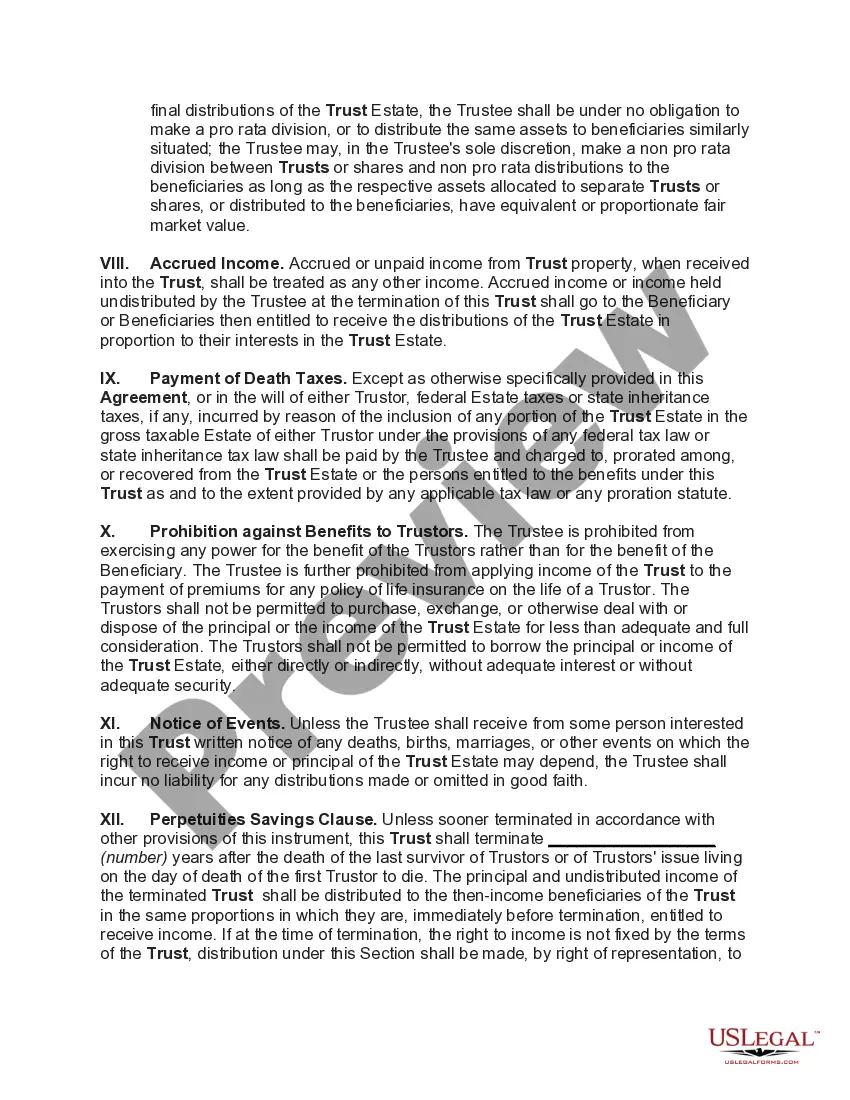
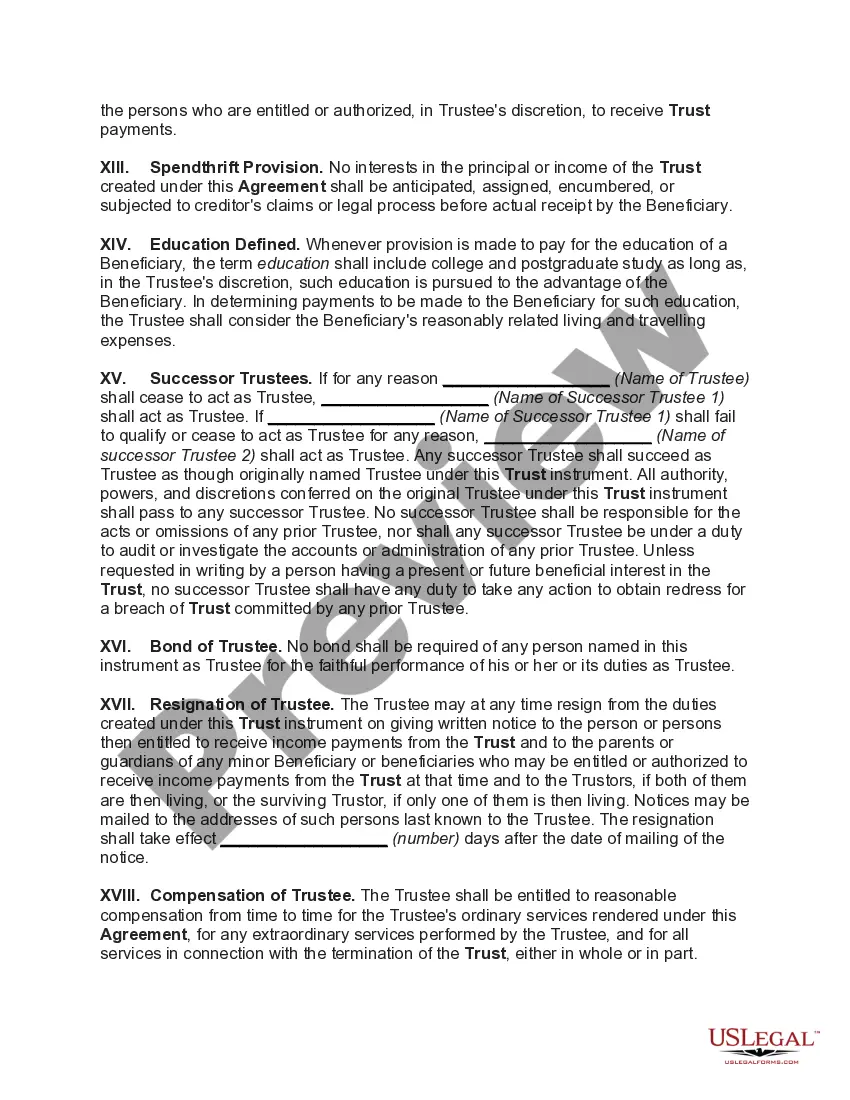
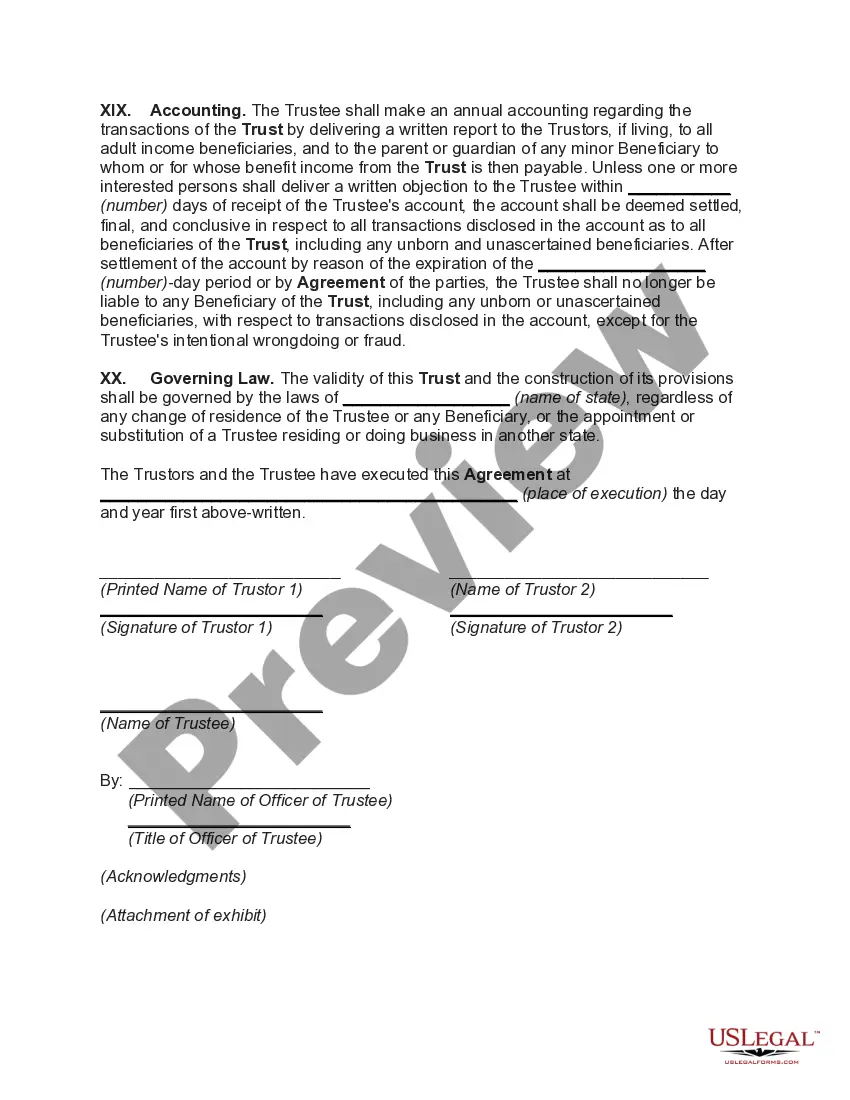
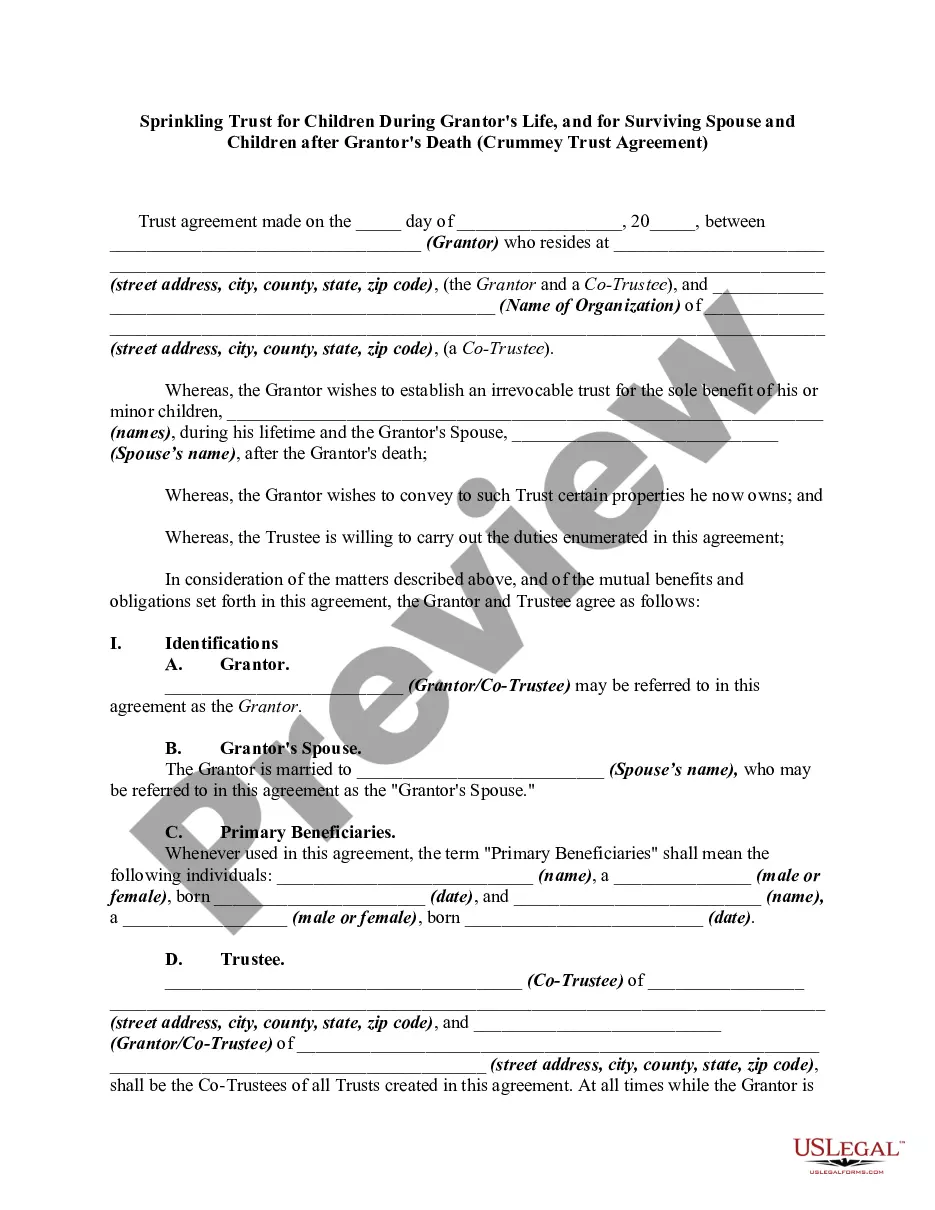
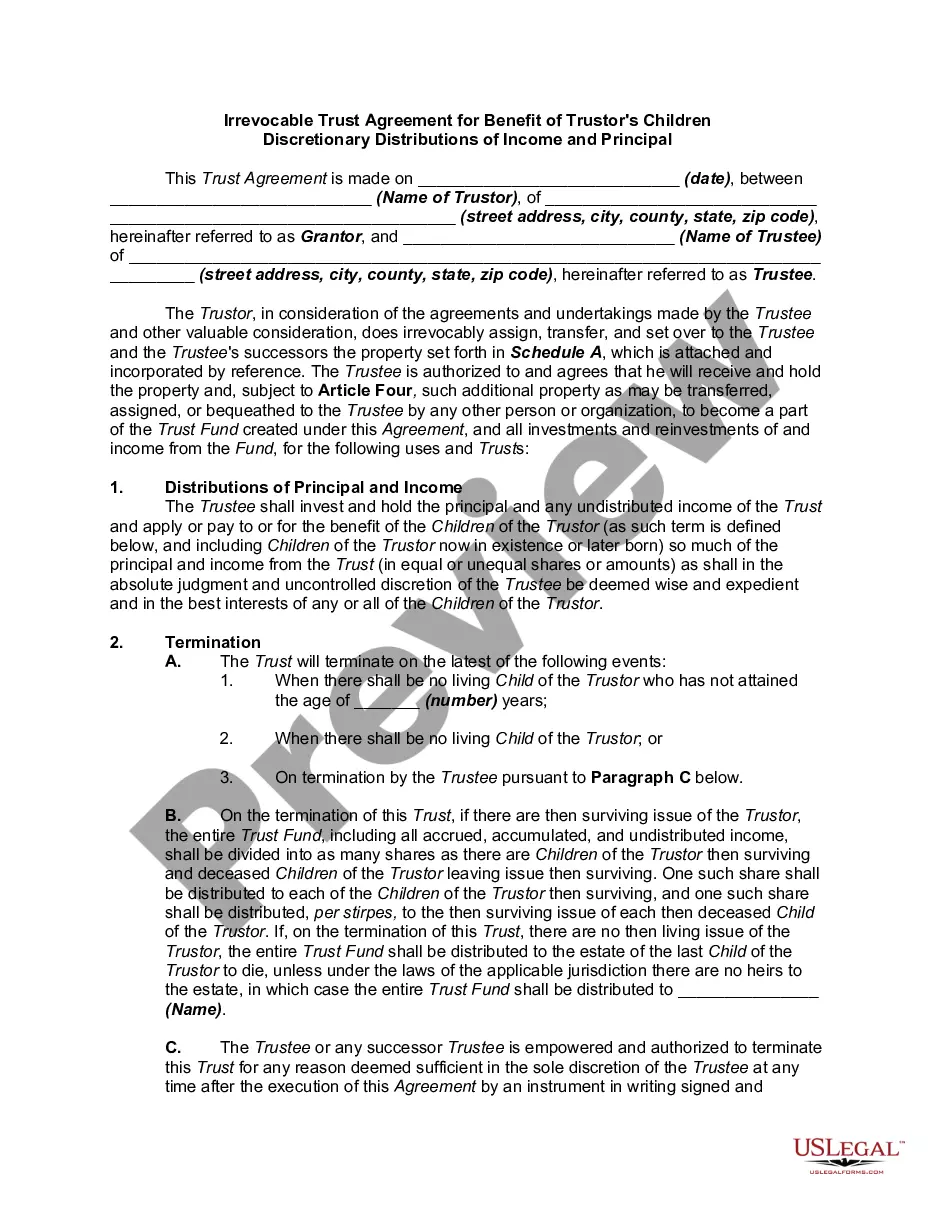

Get your form ready online
Our built-in tools help you complete, sign, share, and store your documents in one place.
Make edits, fill in missing information, and update formatting in US Legal Forms—just like you would in MS Word.
Download a copy, print it, send it by email, or mail it via USPS—whatever works best for your next step.
Sign and collect signatures with our SignNow integration. Send to multiple recipients, set reminders, and more. Go Premium to unlock E-Sign.
If this form requires notarization, complete it online through a secure video call—no need to meet a notary in person or wait for an appointment.
We protect your documents and personal data by following strict security and privacy standards.

Make edits, fill in missing information, and update formatting in US Legal Forms—just like you would in MS Word.

Download a copy, print it, send it by email, or mail it via USPS—whatever works best for your next step.

Sign and collect signatures with our SignNow integration. Send to multiple recipients, set reminders, and more. Go Premium to unlock E-Sign.

If this form requires notarization, complete it online through a secure video call—no need to meet a notary in person or wait for an appointment.

We protect your documents and personal data by following strict security and privacy standards.
Looking for another form?









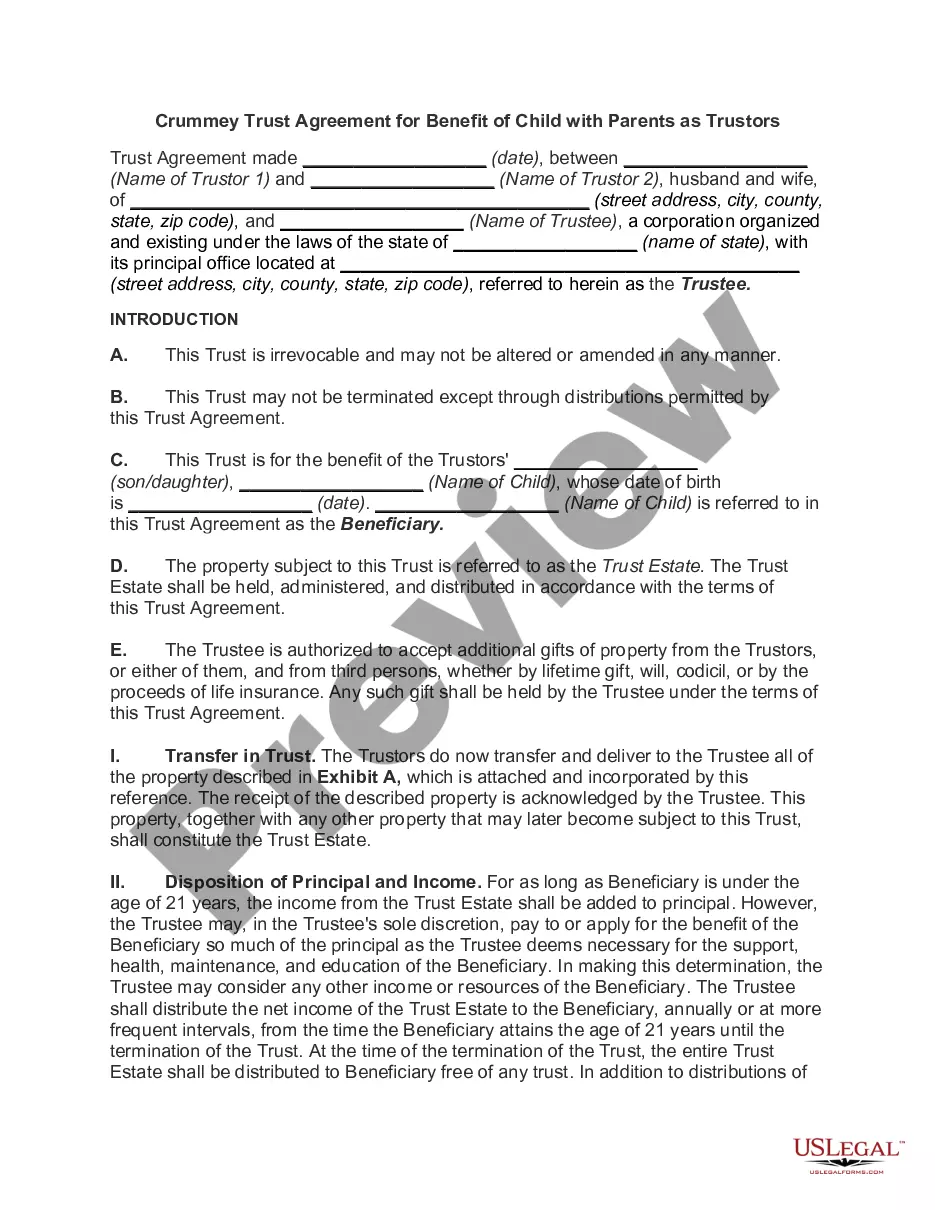
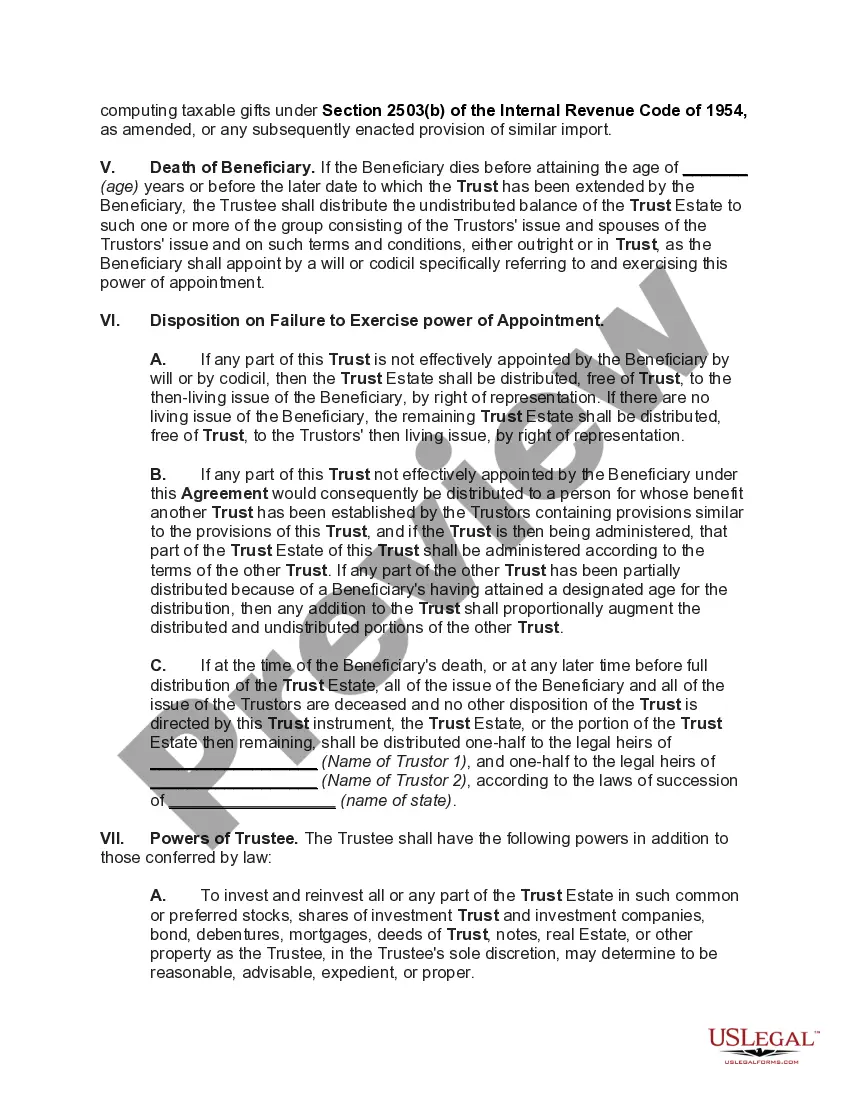
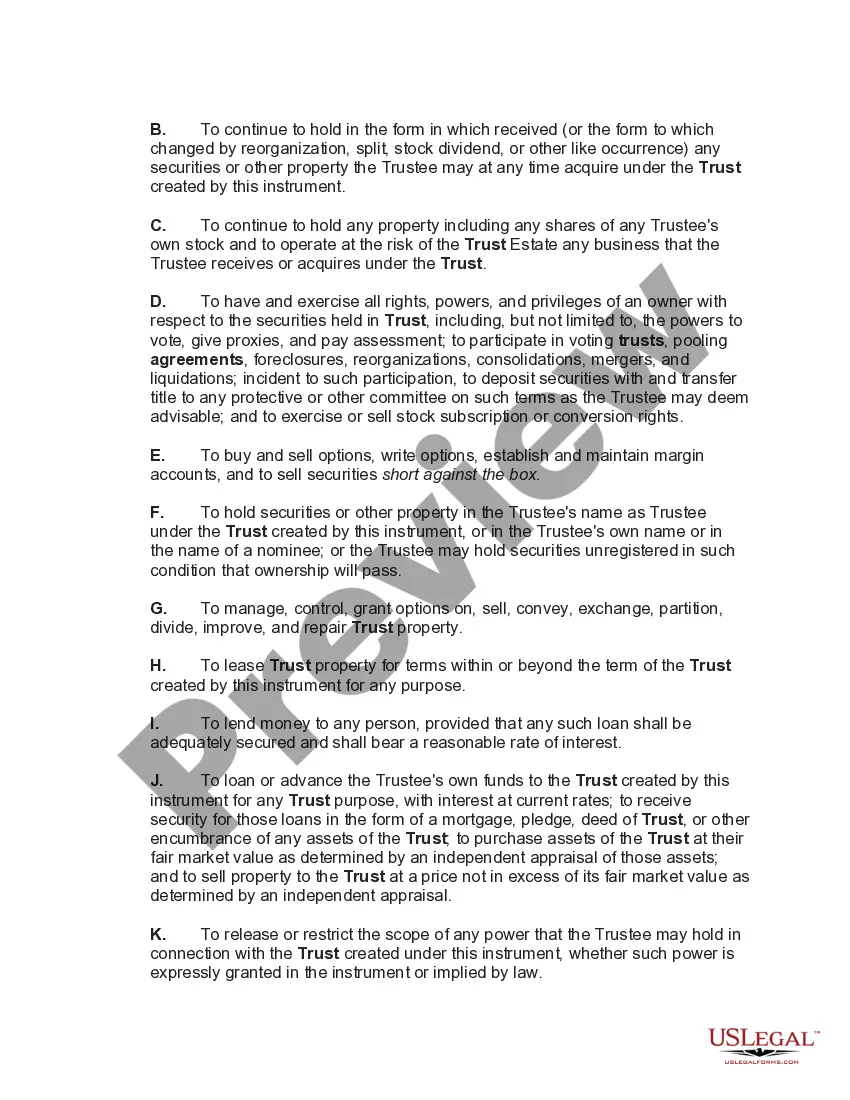
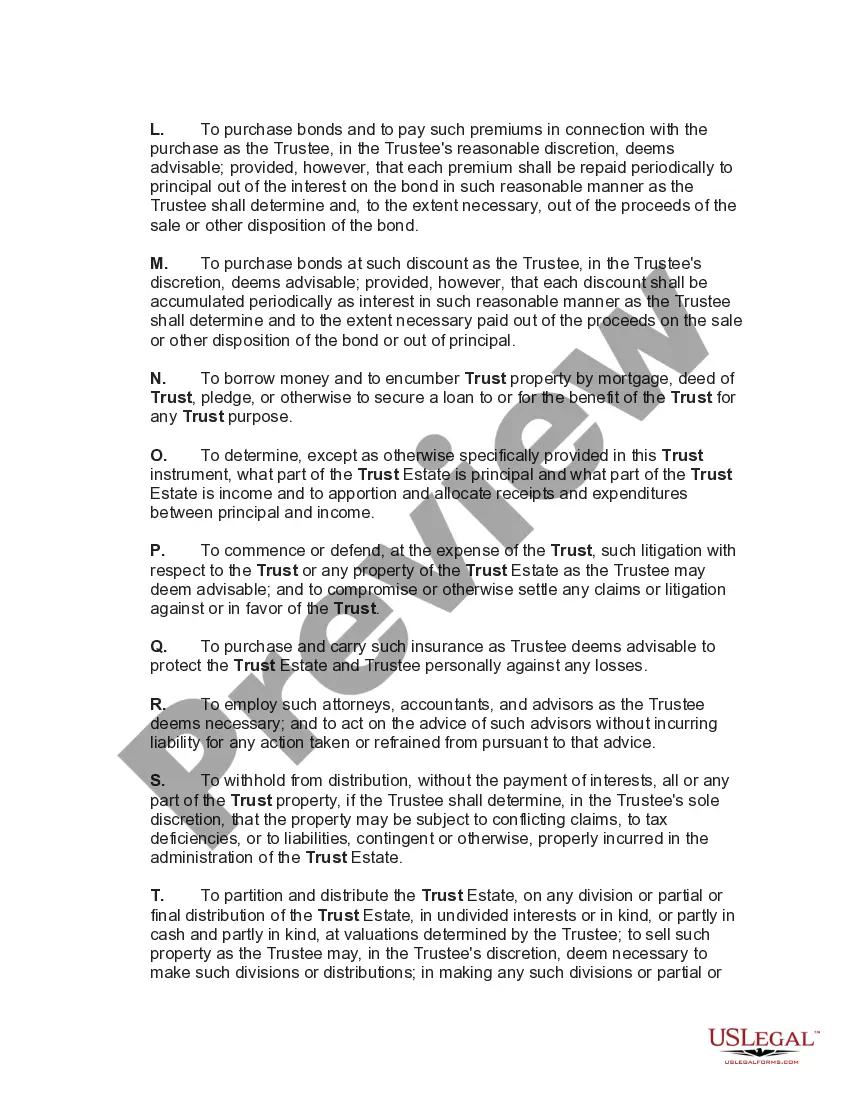
How to fill out Crummey Trust Agreement For Benefit Of Child With Parents As Trustors?
Regardless of whether it's for commercial endeavors or personal issues, everyone encounters legal circumstances at some stage in their lives.
Filling out legal documentation requires meticulous care, starting with selecting the appropriate form template.
With a comprehensive catalog from US Legal Forms available, you don’t need to waste time searching for the correct sample online. Use the library's user-friendly navigation to find the suitable template for any situation.
- To obtain the desired sample, use the search bar or browse the catalog.
- Review the description of the form to confirm it matches your situation, state, and locality.
- Click on the preview of the form to review it.
- If it turns out to be the incorrect document, return to the search option to find the Successor Trustee Vs Trustee For Estate form you require.
- Download the file if it meets your requirements.
- If you possess a US Legal Forms account, simply click Log in to access previously stored documents in My documents.
- If you don’t have an account yet, you can acquire the form by selecting Buy now.
- Choose the appropriate pricing plan.
- Fill out the registration form for your profile.
- Select your payment method: you can use a credit card or a PayPal account.
- Choose the document format you prefer and download the Successor Trustee Vs Trustee For Estate.
- Once it is saved, you may complete the form using editing software or print it out and finish it by hand.
Form popularity
FAQ
Can I look up an EIN number? The IRS doesn't provide a public database you can use to look up EIN numbers for your own company or others. However, you can look at your EIN confirmation letter or other places your number may be recorded, including previously filed tax returns or old financing documents.
Identify the information that has changed (LLC name, removal or addition of owners, address/location of the LLC). All other changes should be mailed to the IRS based on the state the entity's principal business, office or agency is located. The IRS will send a letter confirming receipt of your updated information.
If You Made a Mistake. If you made a mistake on your EIN application, such as if you listed a non-owner or officer in Item 3 or elsewhere, do not submit a new EIN application, Form SS-4. Instead, submit a letter to the IRS, preferably on your company letterhead.
Generally, businesses need a new EIN when their ownership or structure has changed. Although changing the name of your business does not require you to obtain a new EIN, you may wish to visit the Business Name Change page to find out what actions are required if you change the name of your business.
Unfortunately, you cannot get a copy of the IRS EIN confirmation letter online.
It can't be reassigned or canceled, but the account can be closed if you decide to close your business. An EIN number can also be reactivated by the ?responsible party,? a person designated on the original application as being responsible for the company.
You can contact the IRS directly and request a replacement confirmation letter called a 147C letter. Start by calling the IRS Business & Specialty Tax Line toll free at 1-800-829-4933 (or if you are calling outside the United States at 267-941-1099) between AM and PM EST. Press 1, Press 1 again, then Press 3.
Here are the steps to take if you misplace your IRS EIN confirmation letter: Call the IRS: If you need to contact the IRS, it'll have to be over the phone. To get a copy of your verification letter, you can call them toll-free at 1-800-829-4933. This is the ?business and specialty tax line.?