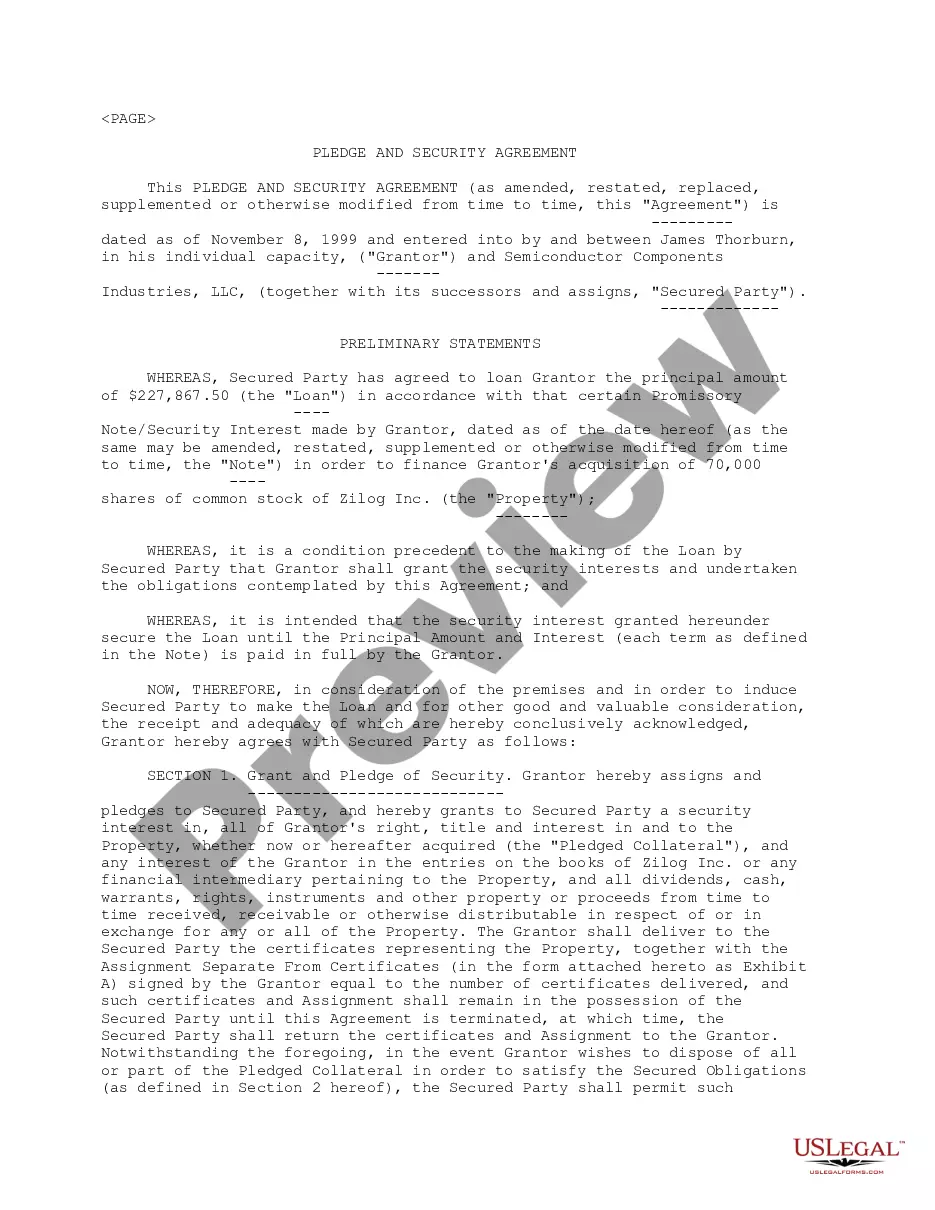
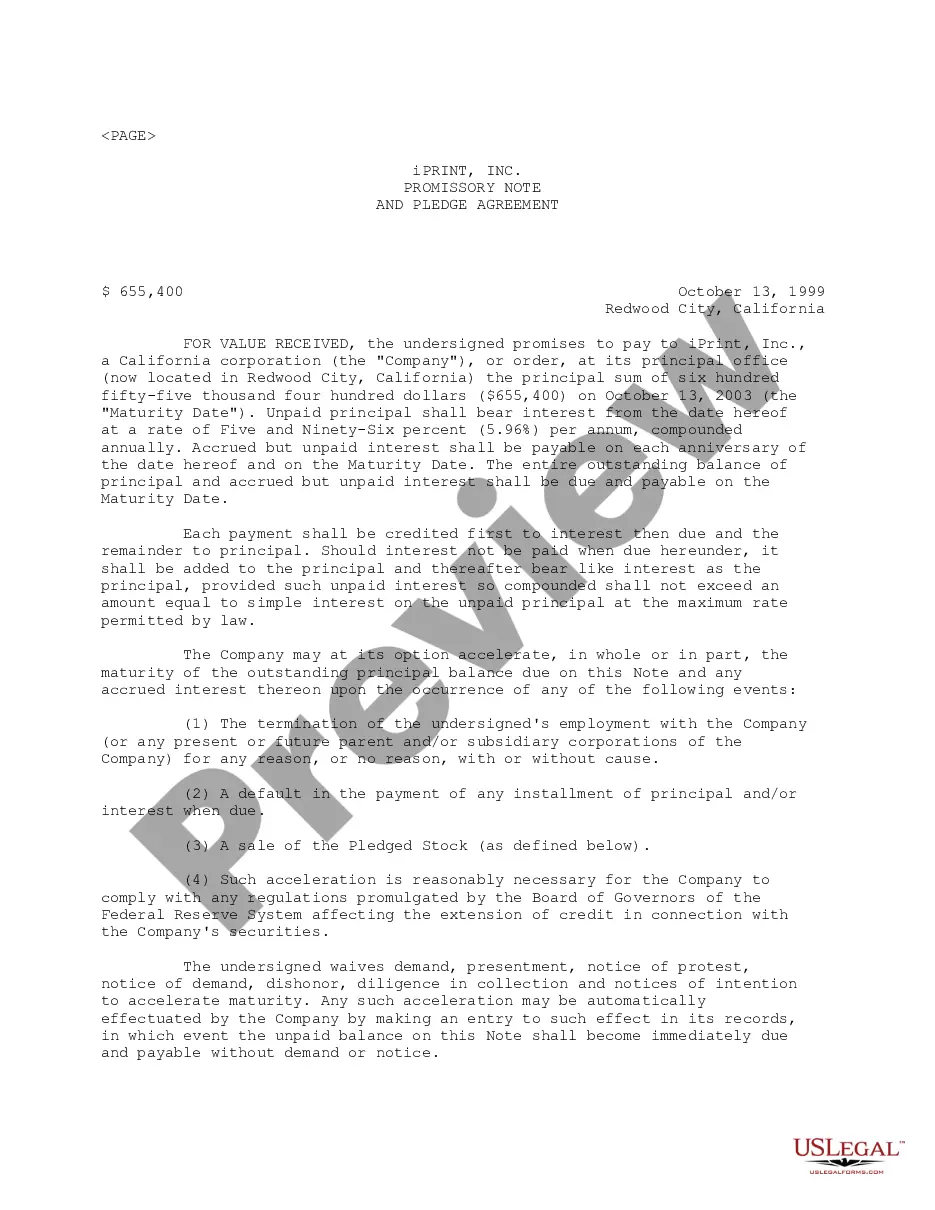
Collateral Pledge Agreement With Japan
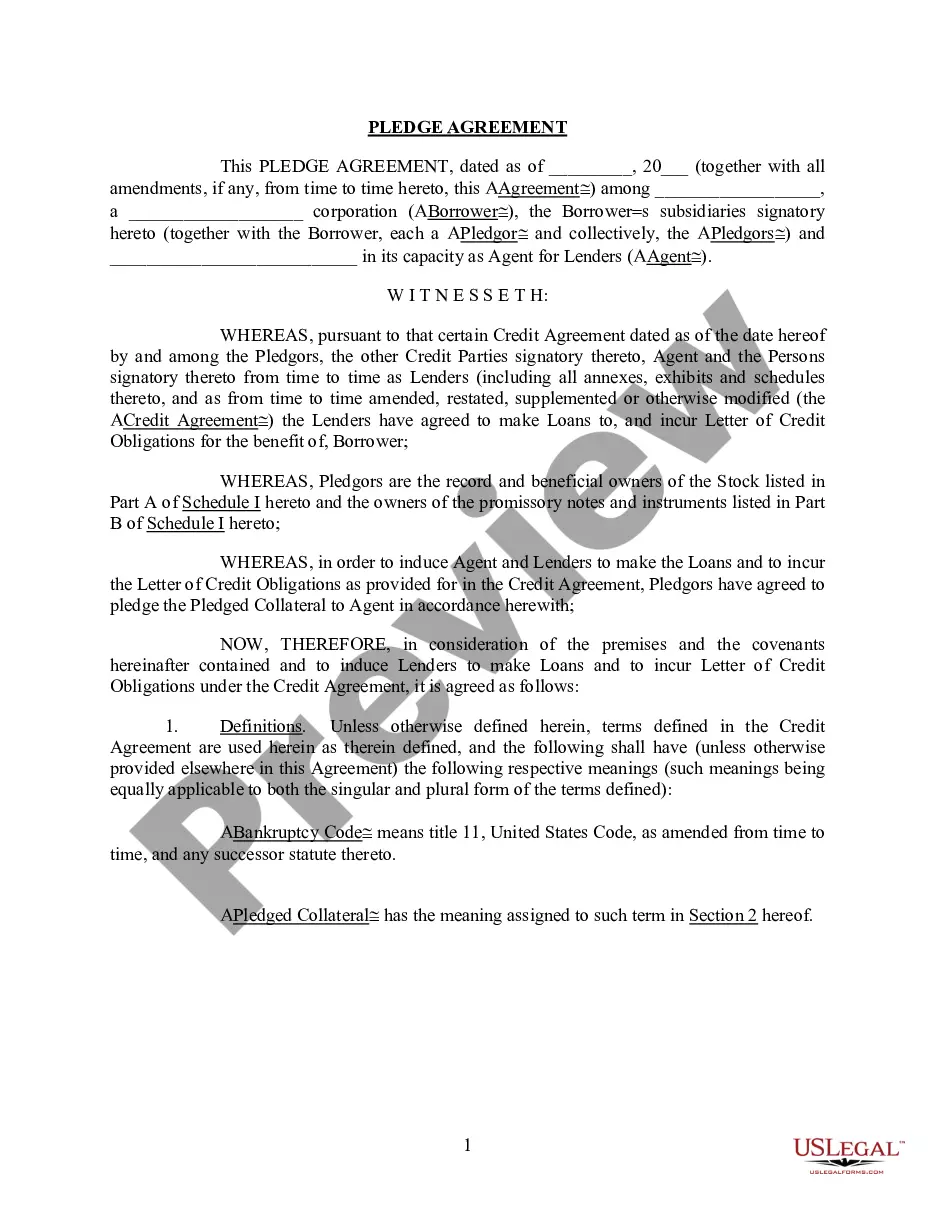
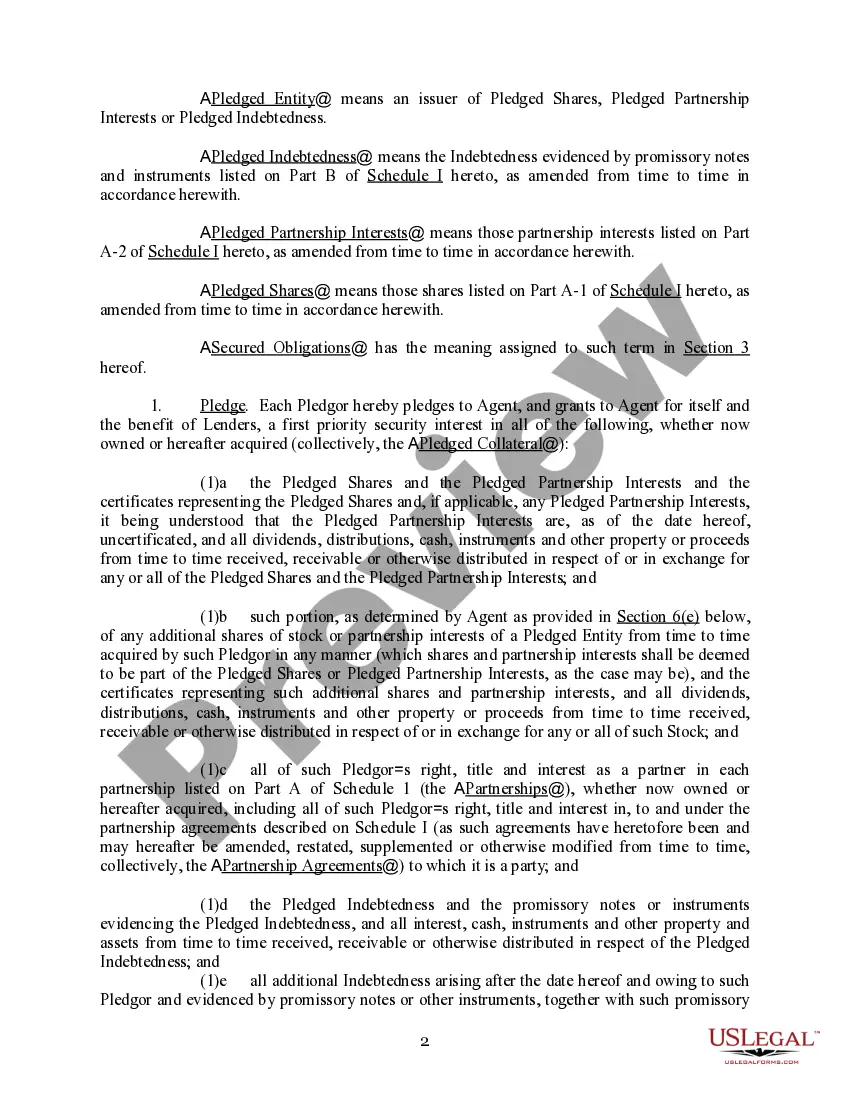
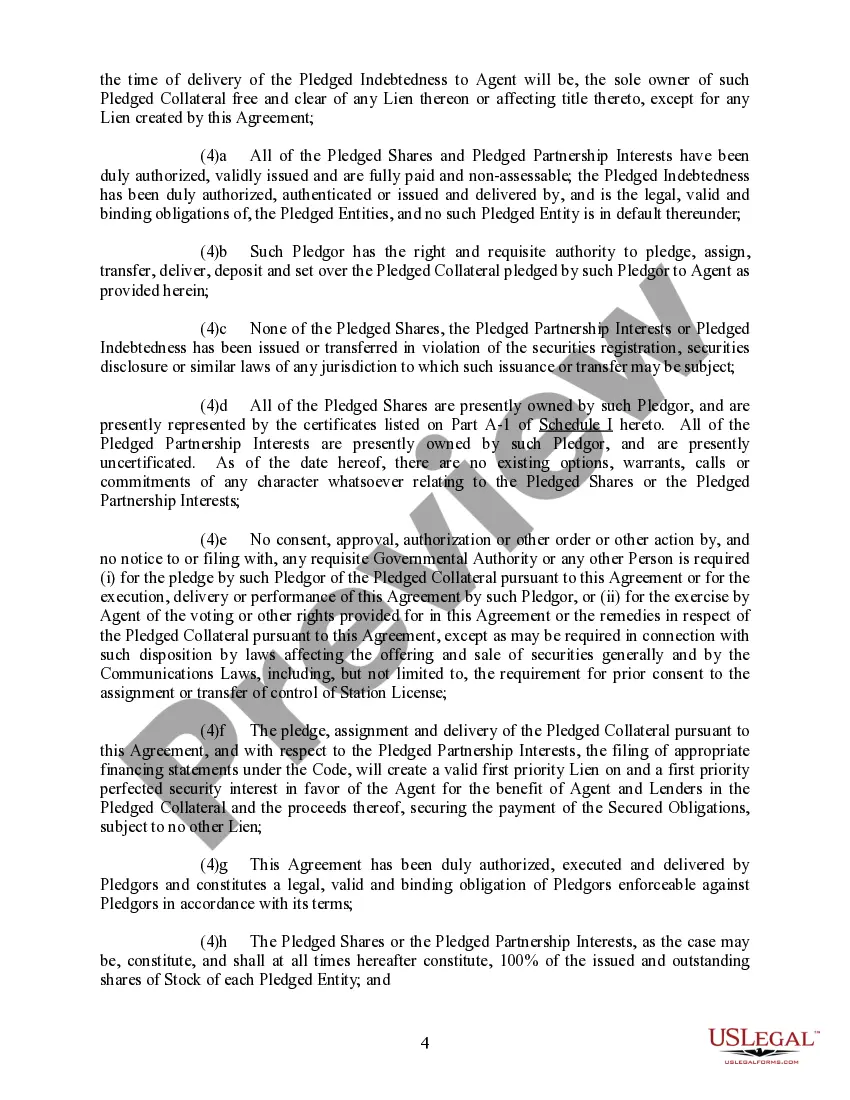
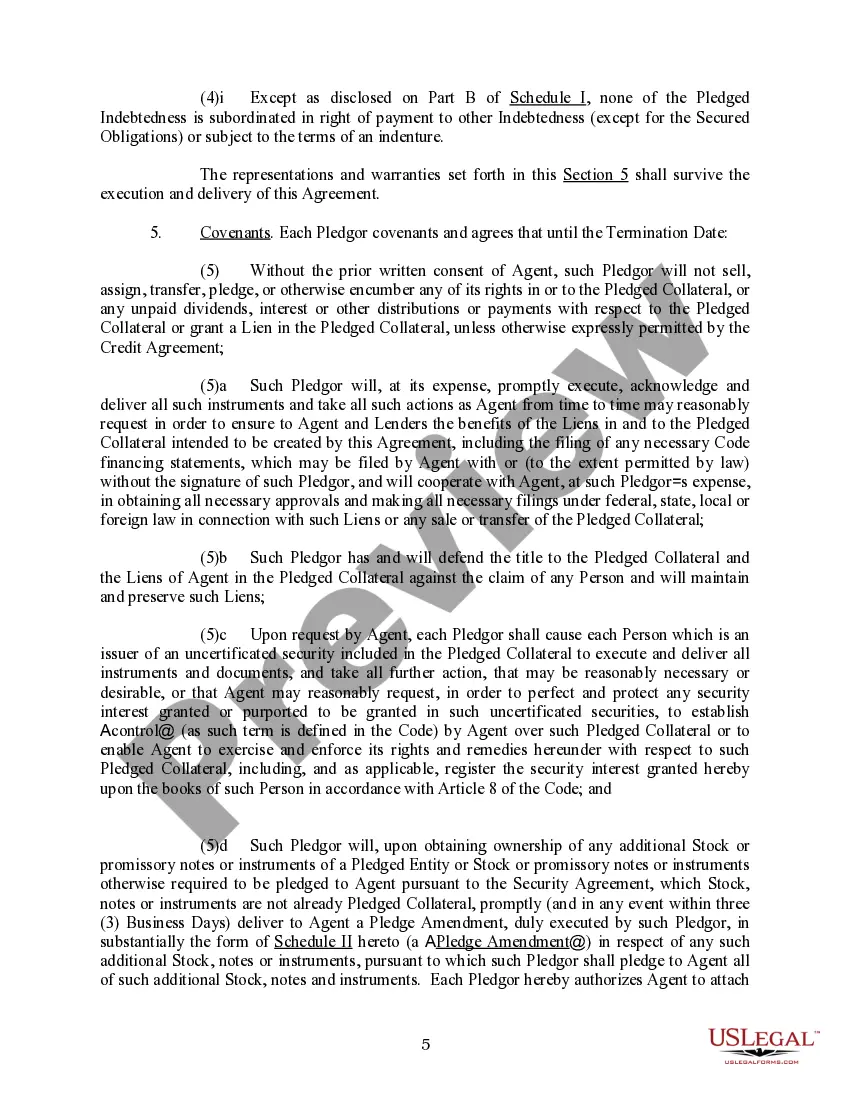
Description


Get your form ready online
Our built-in tools help you complete, sign, share, and store your documents in one place.
Make edits, fill in missing information, and update formatting in US Legal Forms—just like you would in MS Word.
Download a copy, print it, send it by email, or mail it via USPS—whatever works best for your next step.
Sign and collect signatures with our SignNow integration. Send to multiple recipients, set reminders, and more. Go Premium to unlock E-Sign.
If this form requires notarization, complete it online through a secure video call—no need to meet a notary in person or wait for an appointment.
We protect your documents and personal data by following strict security and privacy standards.

Make edits, fill in missing information, and update formatting in US Legal Forms—just like you would in MS Word.

Download a copy, print it, send it by email, or mail it via USPS—whatever works best for your next step.

Sign and collect signatures with our SignNow integration. Send to multiple recipients, set reminders, and more. Go Premium to unlock E-Sign.

If this form requires notarization, complete it online through a secure video call—no need to meet a notary in person or wait for an appointment.

We protect your documents and personal data by following strict security and privacy standards.
Looking for another form?
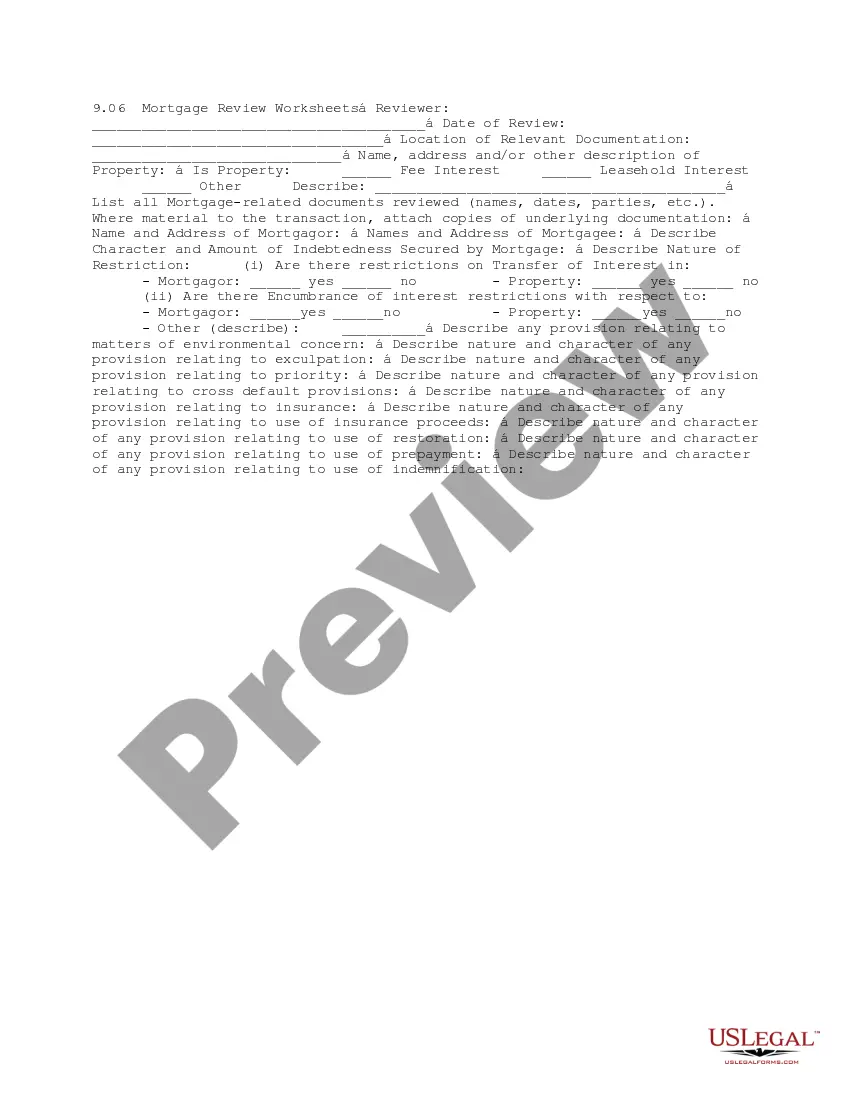






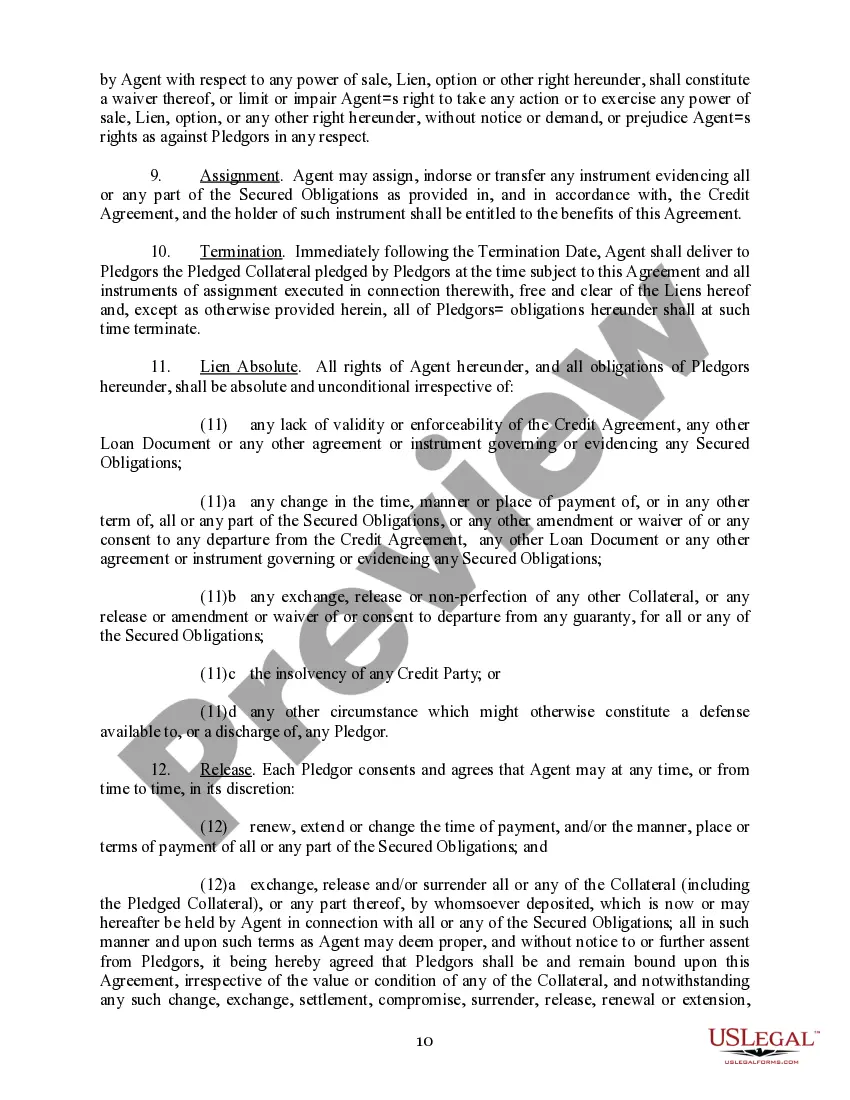
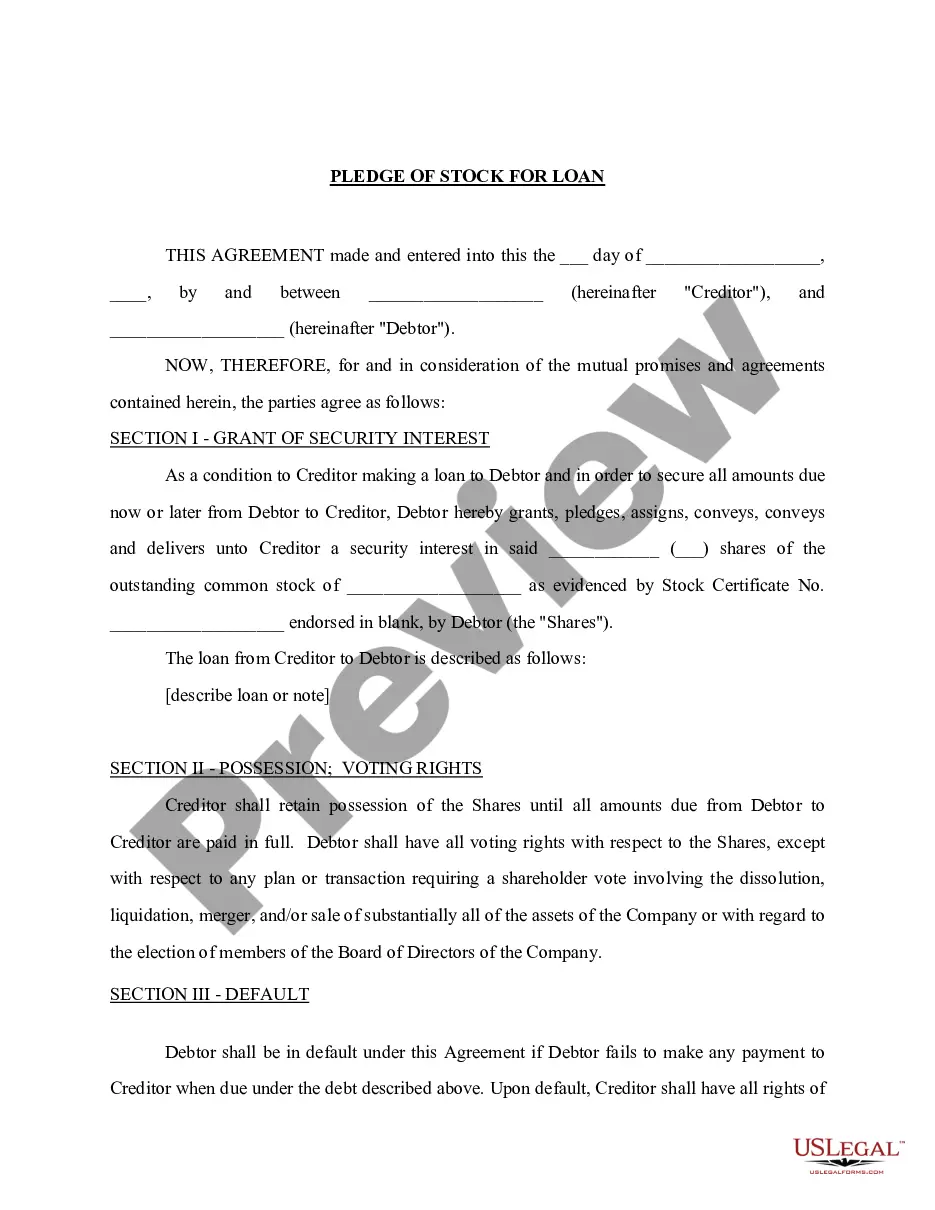
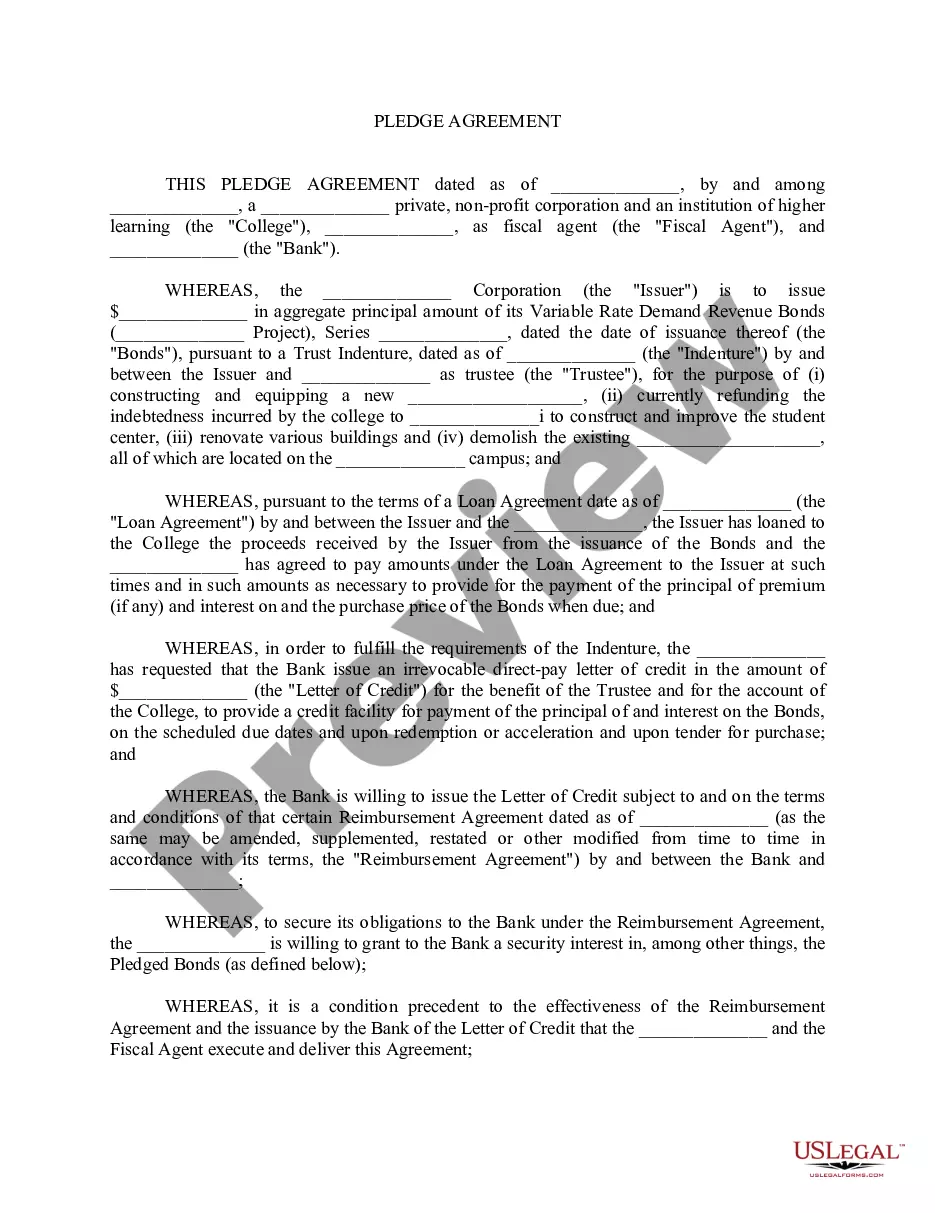
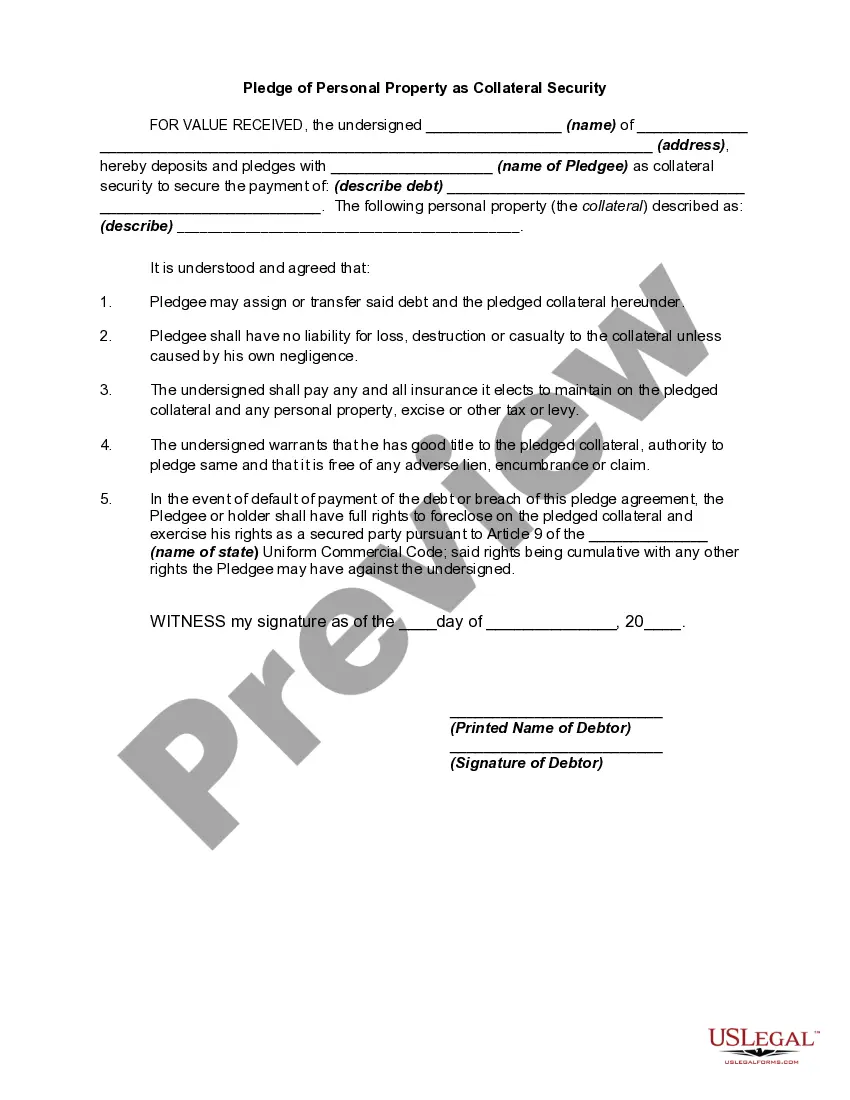
How to fill out Agreement Pledge Of Stock And Collateral For Loan?
Managing legal documents can be overwhelming, even for seasoned professionals.
When you are in search of a Collateral Pledge Agreement With Japan and lack the time to find the accurate and current version, the process can become daunting.
US Legal Forms accommodates all your requirements, ranging from personal to business documents, in one location.
Utilize sophisticated tools to create and manage your Collateral Pledge Agreement With Japan.
Here are the steps to follow after finding the form you need: Ensure it is the correct form by previewing it and reading its description.
- Access a collection of articles, guides, and handbooks related to your needs and situation.
- Save time and energy searching for the required documents, and use US Legal Forms’ advanced search and Review tool to locate Collateral Pledge Agreement With Japan quickly.
- If you hold a subscription, Log In to your US Legal Forms account, search for the form, and retrieve it.
- Check the My documents tab to see the documents you have previously downloaded and manage your folders as desired.
- If this is your first time with US Legal Forms, create an account to enjoy unlimited access to all the platform's benefits.
- A robust online form library could revolutionize the way individuals handle these circumstances.
- US Legal Forms is a frontrunner in online legal documents, boasting over 85,000 state-specific legal forms available for your convenience.
- With US Legal Forms, you can access a variety of state- or county-specific legal and business forms.
Form popularity
FAQ
The U.S.-Japan Alliance (????, Nichi-Bei D?mei) is a military alliance between Japan and the United States of America, as codified in the Treaty of Mutual Cooperation and Security between the United States and Japan, which was first signed in 1951, took effect in 1952, and was amended in 1960.
In business, a company may pledge various types of property as collateral. A borrower may pledge physical assets, such as equipment, machinery, real estate, buildings, or inventory, or it may pledge trade receivables, such as the value of the company's accounts receivable, which represents money owed to the company.
High-level negotiations on a revised version of the treaty began in 1957 and concluded in late 1959. The new Treaty of Mutual Cooperation and Security between the United States and Japan was signed in Washington D.C. by U.S. President Dwight D. Eisenhower and Japanese Prime Minister Nobusuke Kishi on January 19, 1960.
When borrowers pledge assets as collateral, lenders can't always rely on balance sheet values. Sometimes, a borrower and lender will call in a professional appraiser to help all parties understand an asset's worth.
In simple words, a pledge is a promise to repay a loan, and collateral is what you lose if you don't keep your promise. For example, I can take a loan from a friend, pledge to return it within 30 days, and offer my bike as collateral. As long as I return the loan within 30 days, the bike is safe.