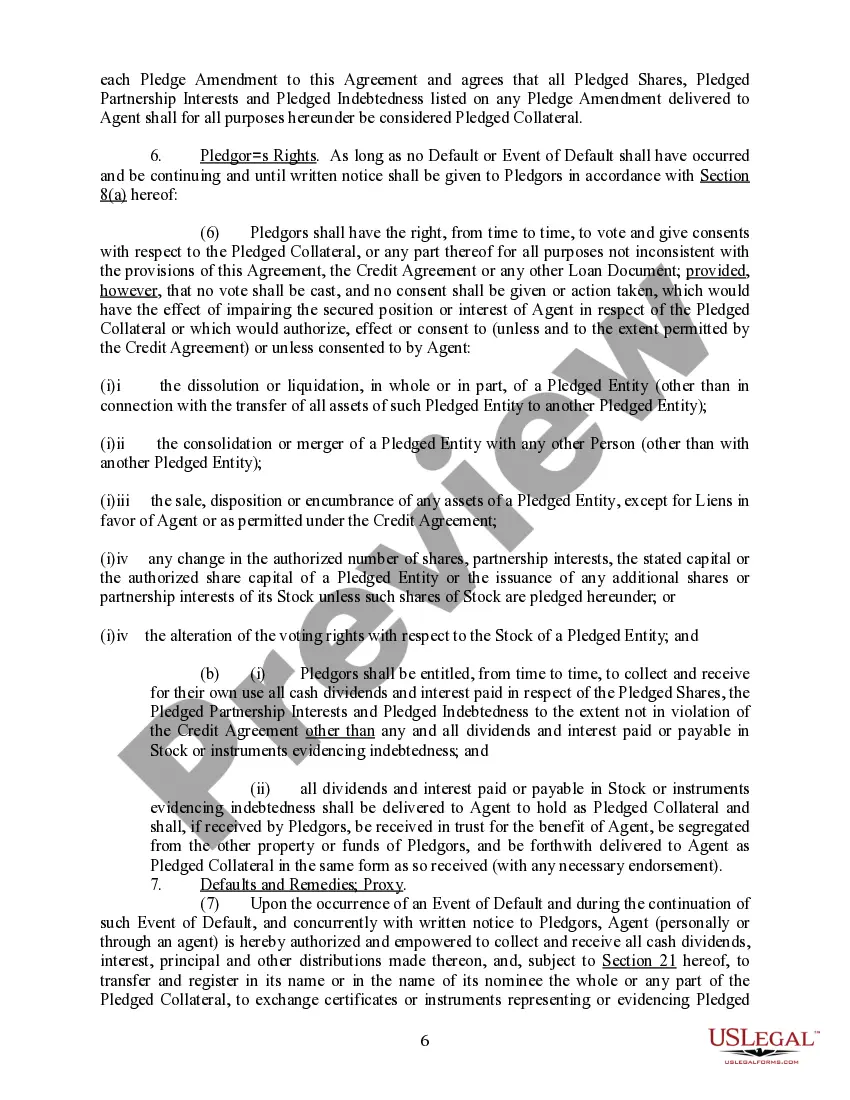
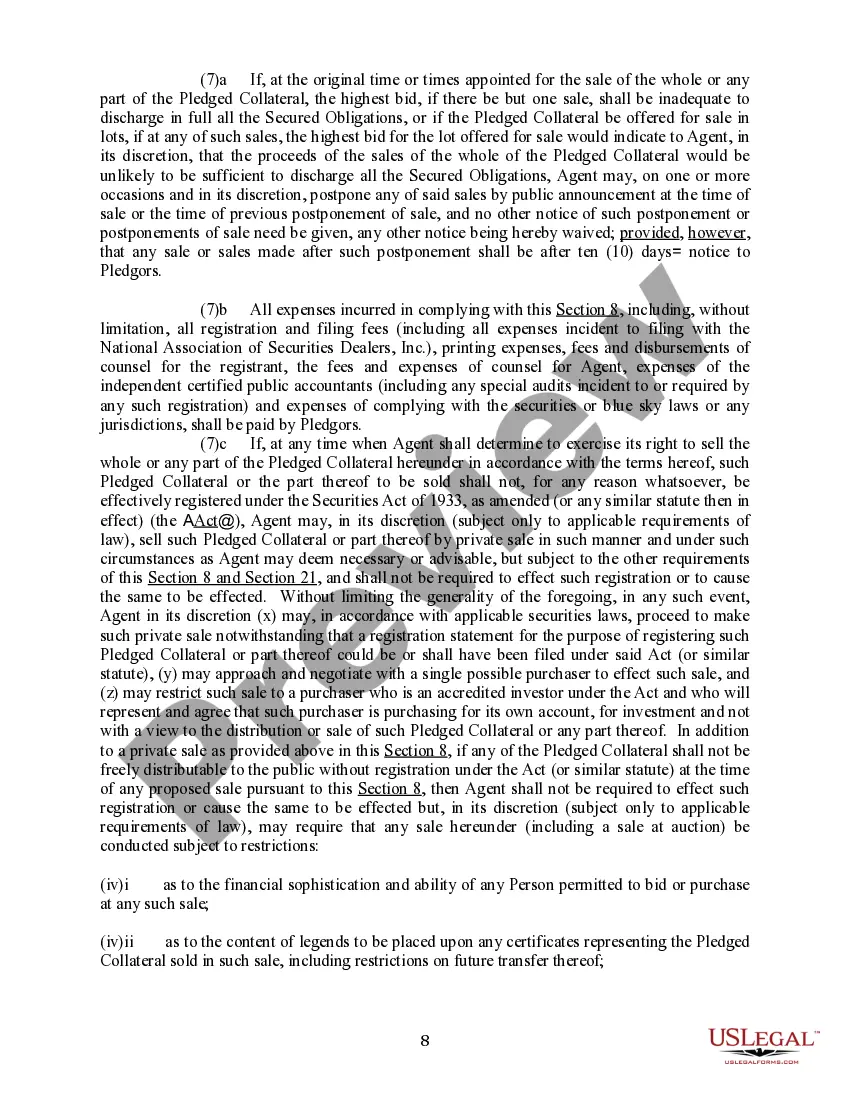
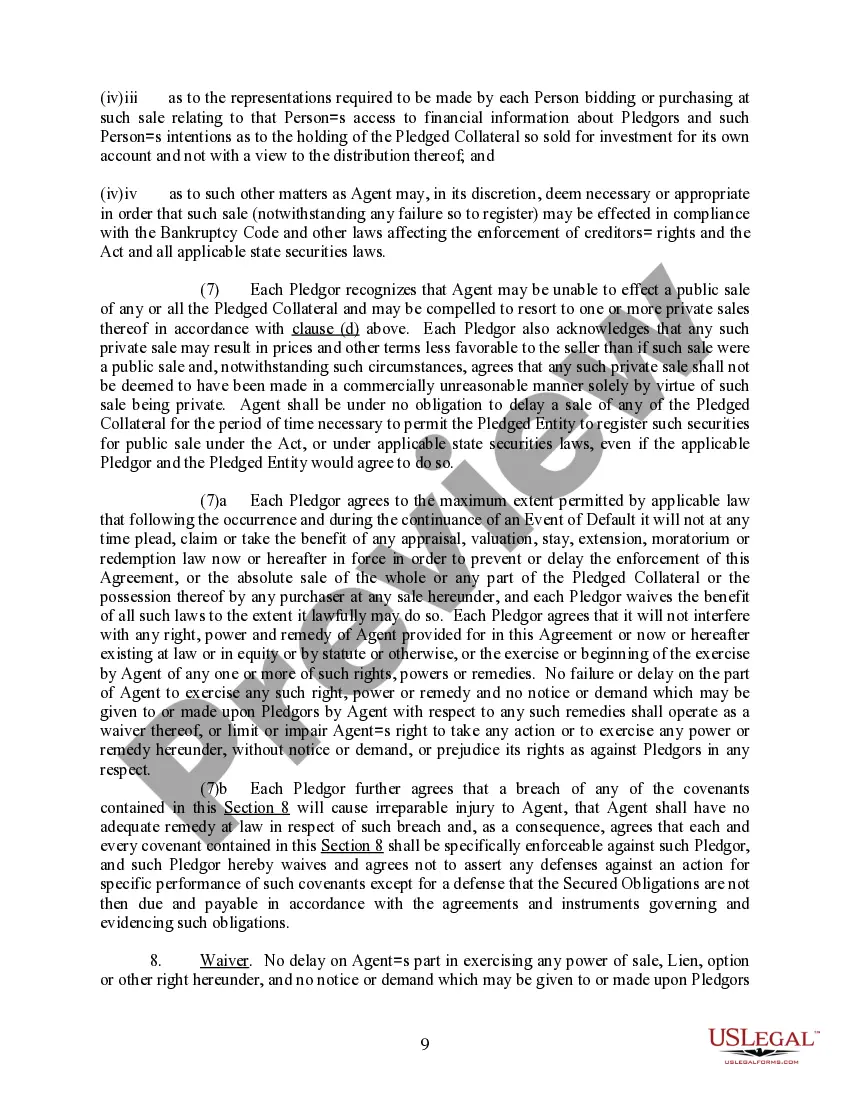
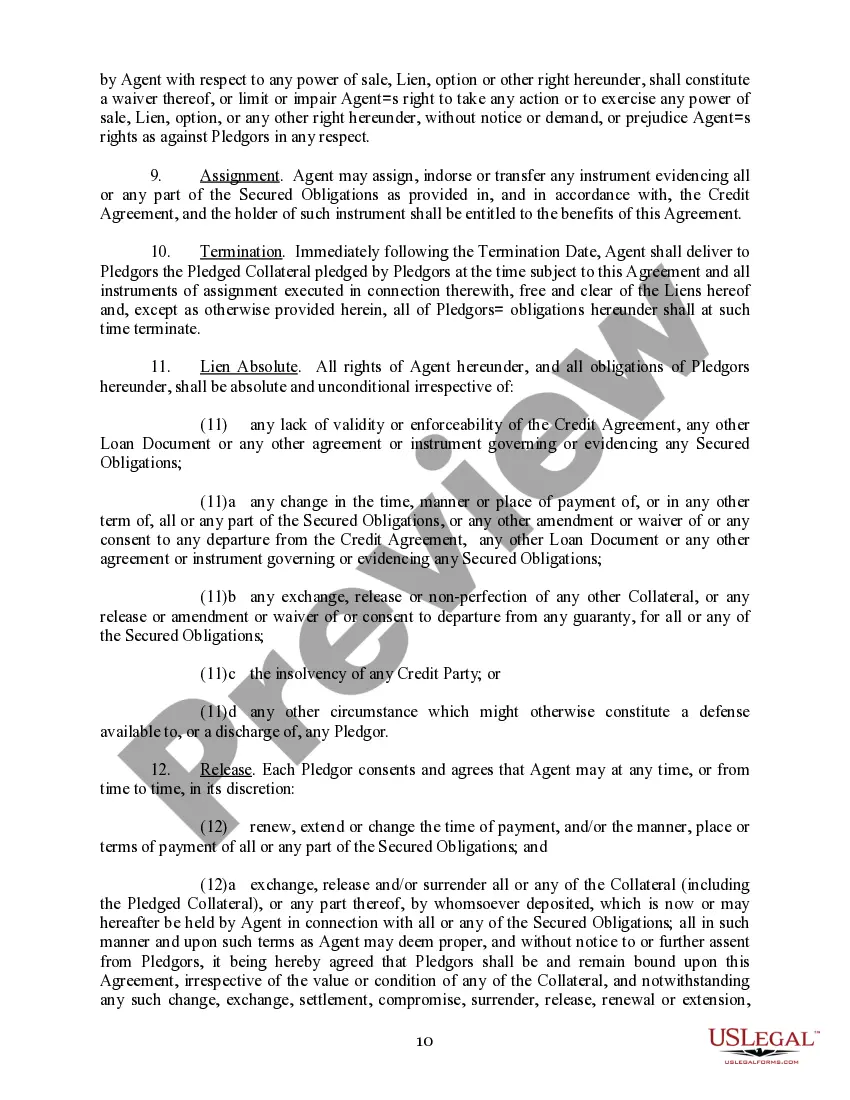
Collateral Pledge Agreement With Example
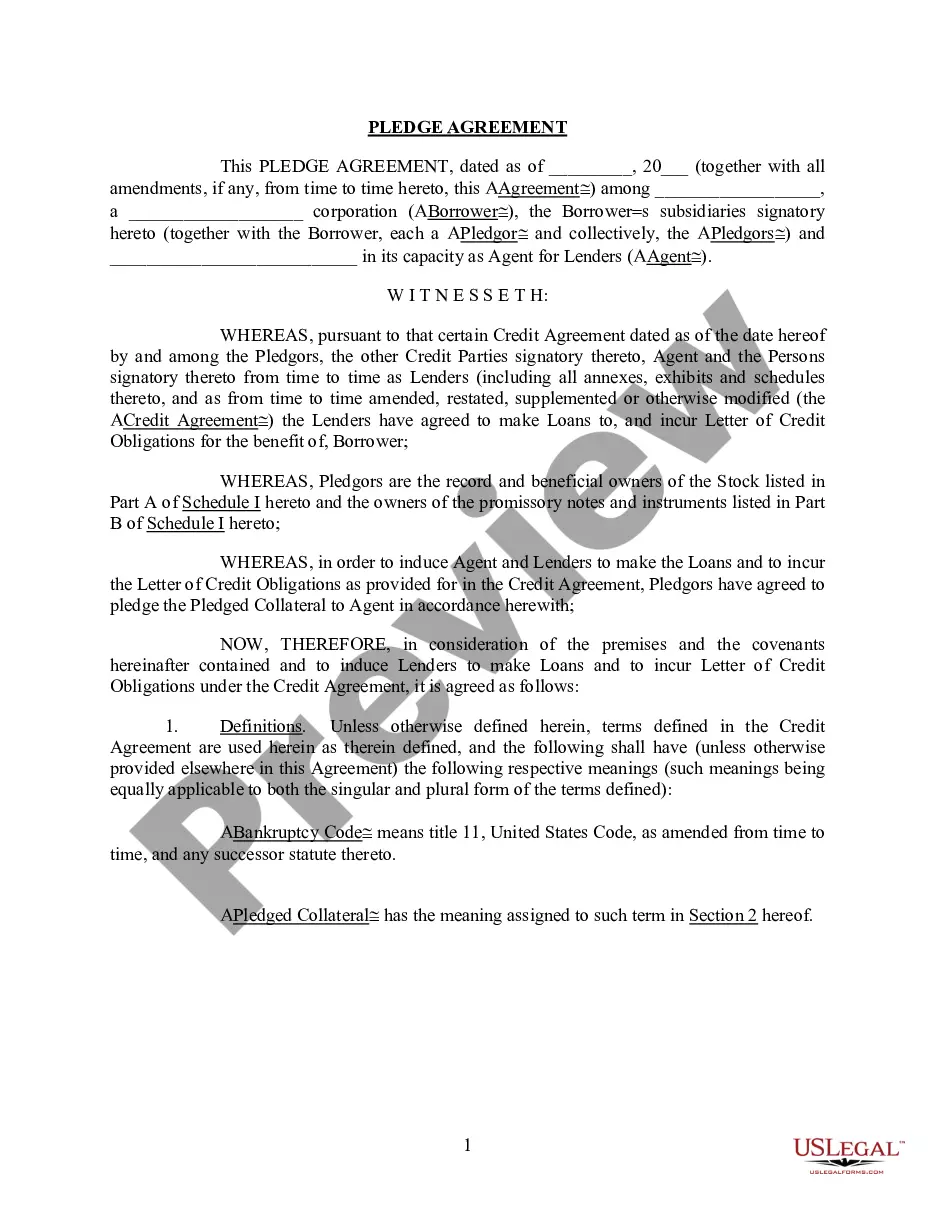
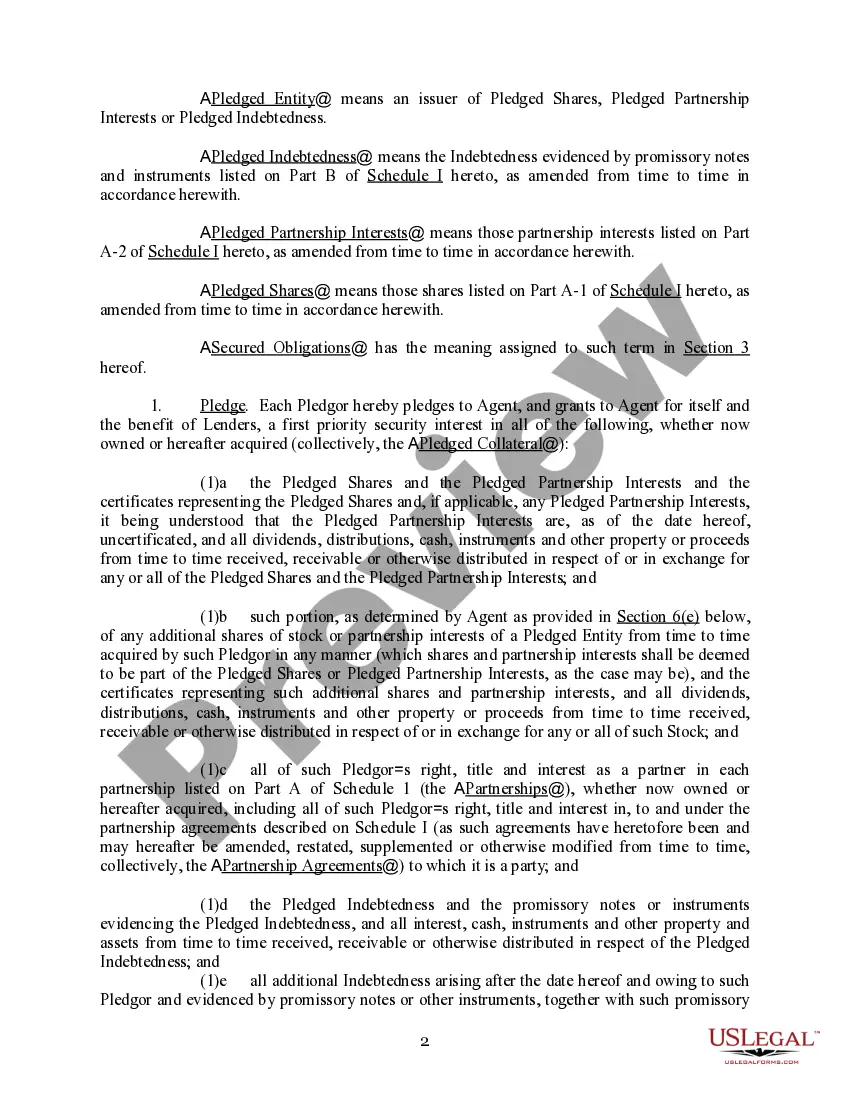
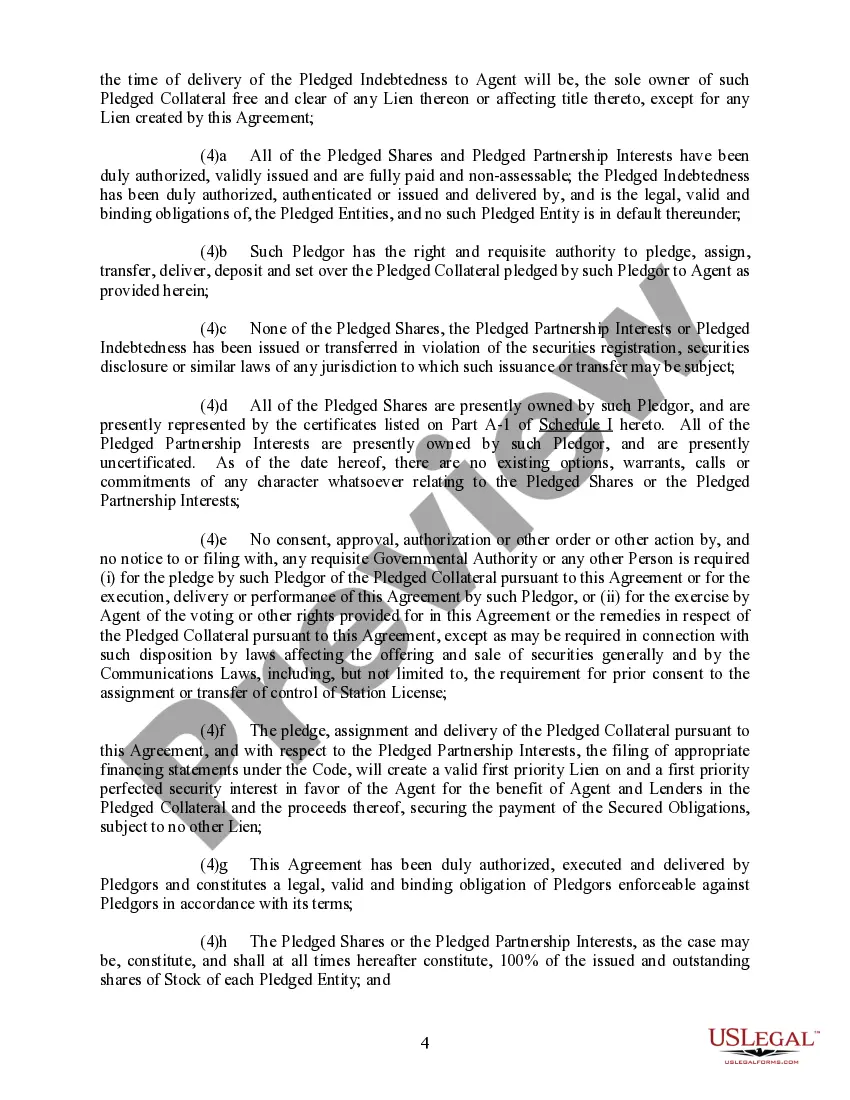
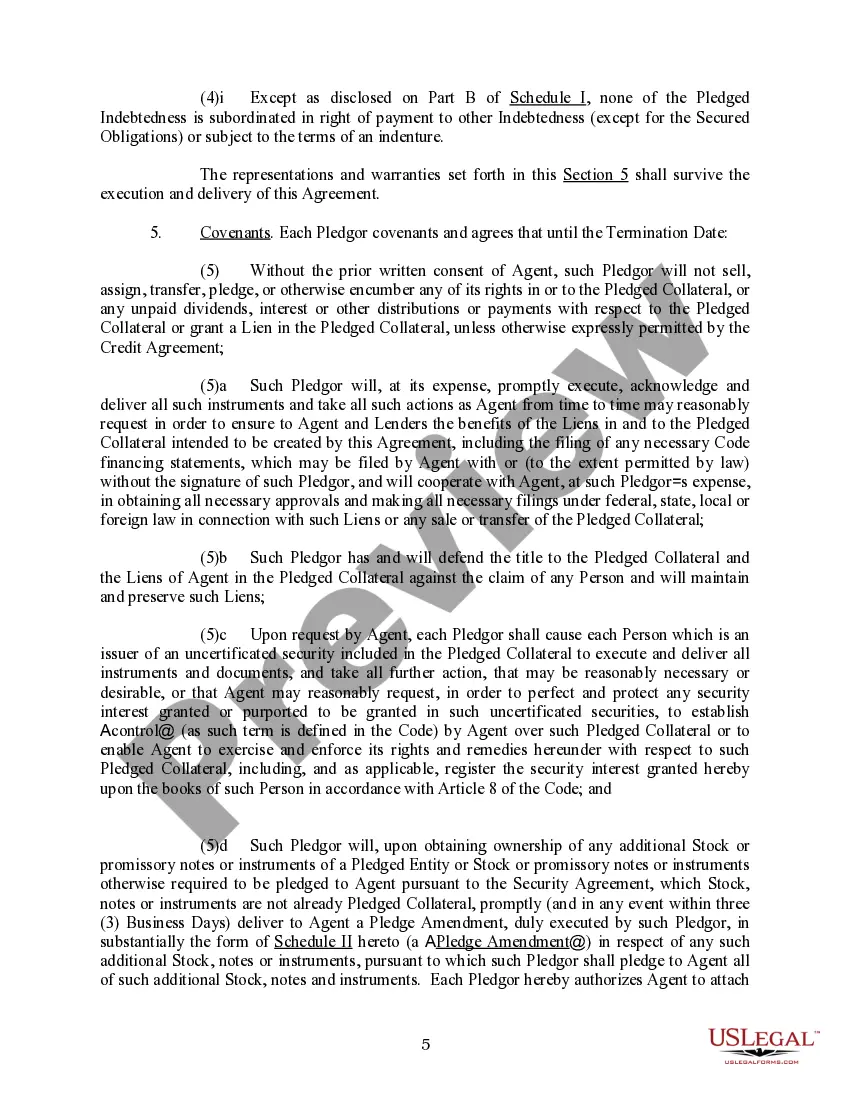
Description



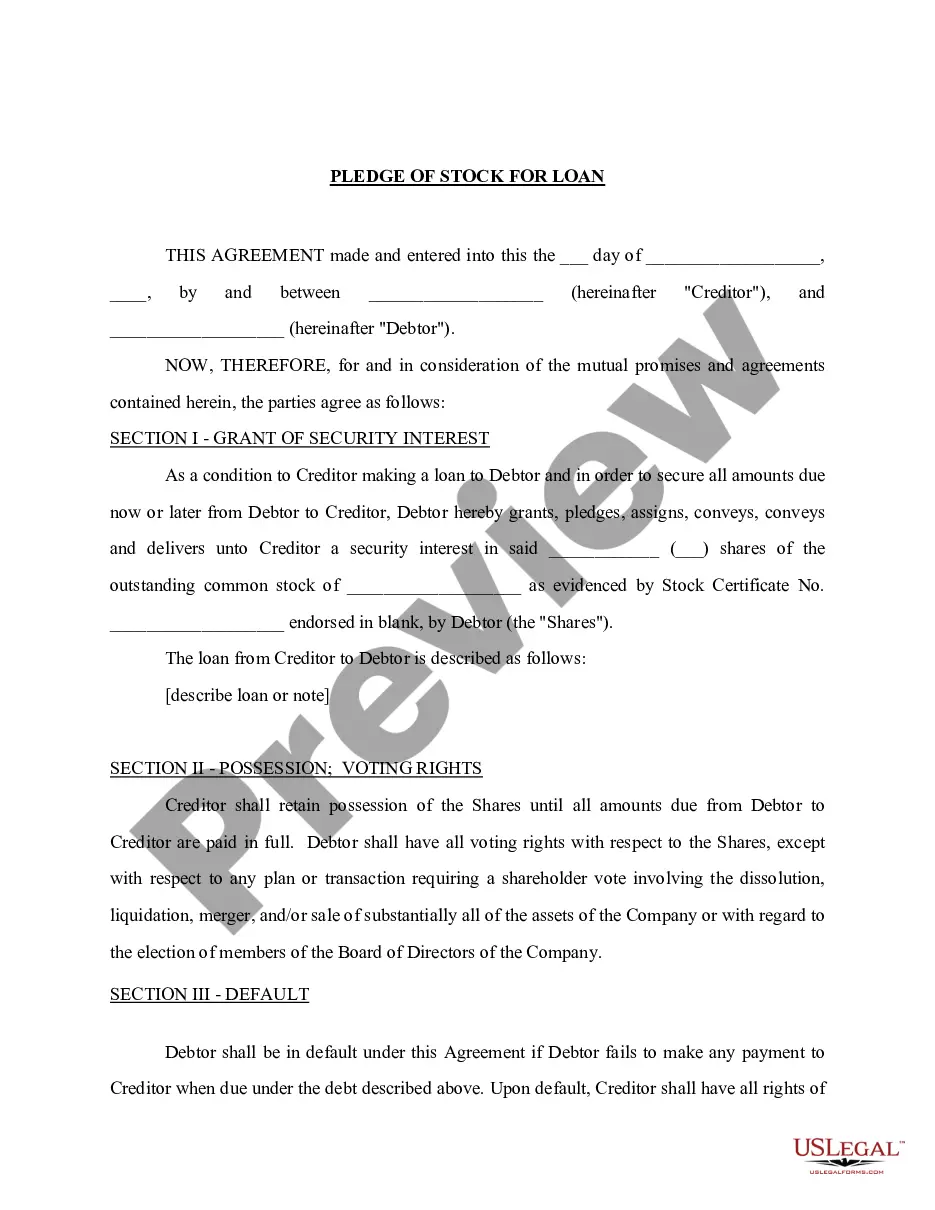
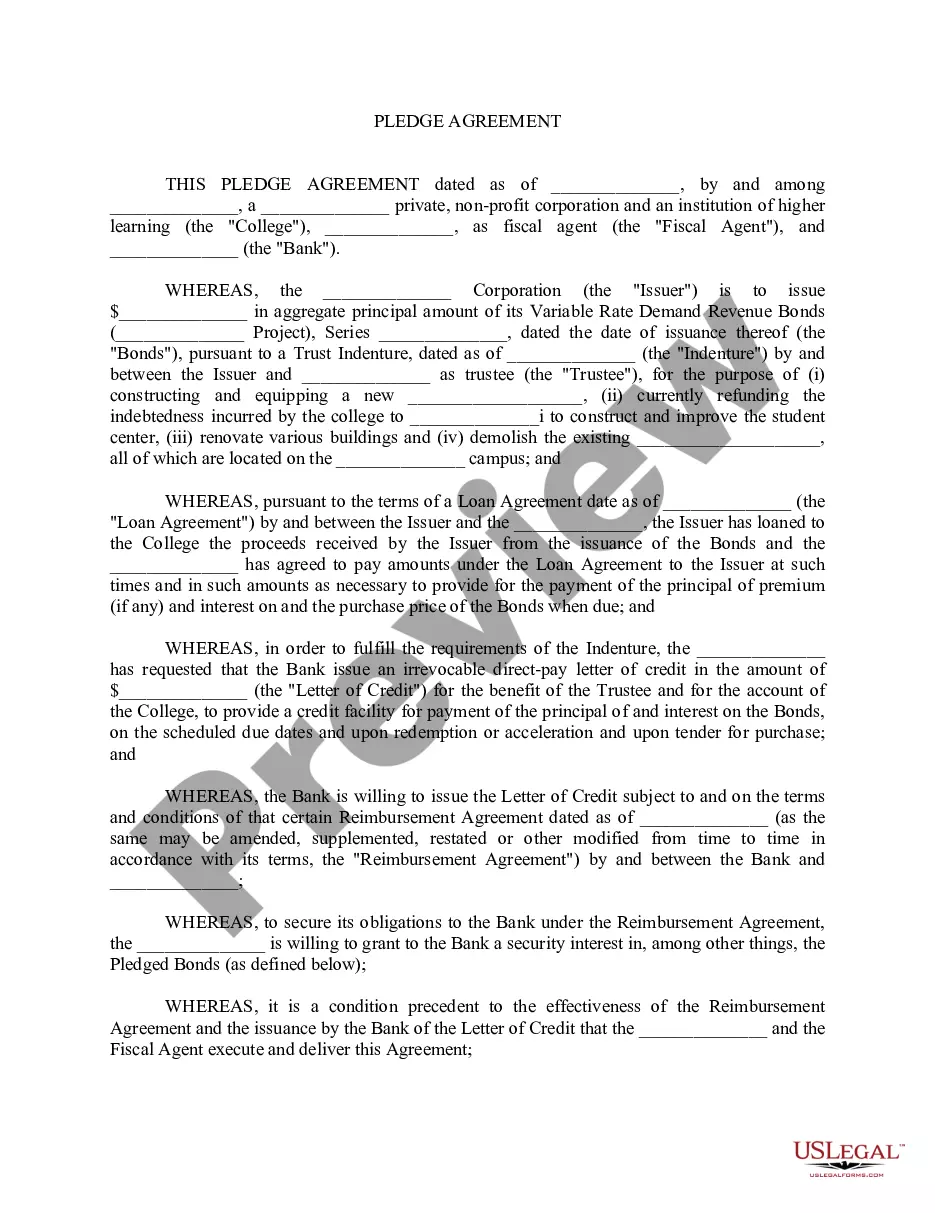
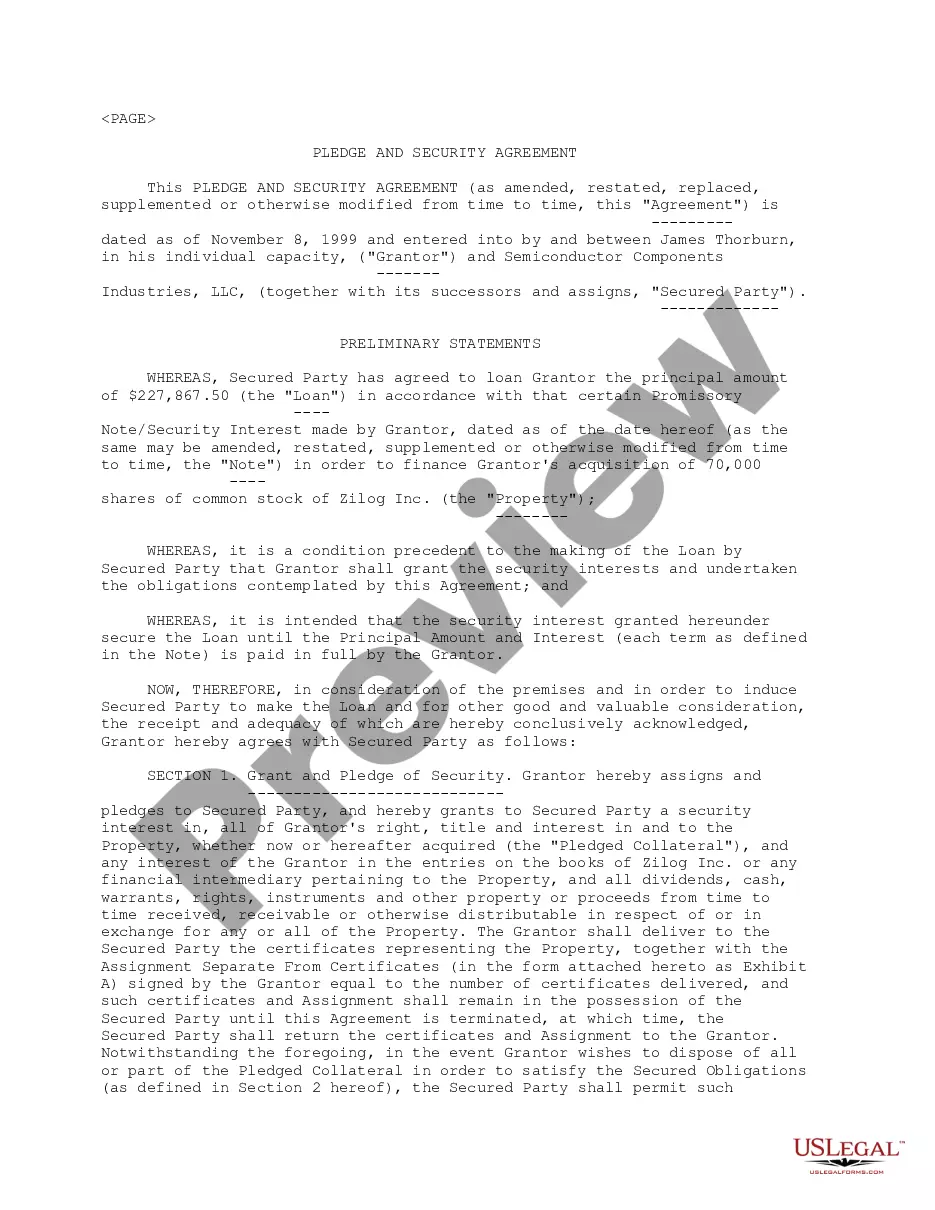
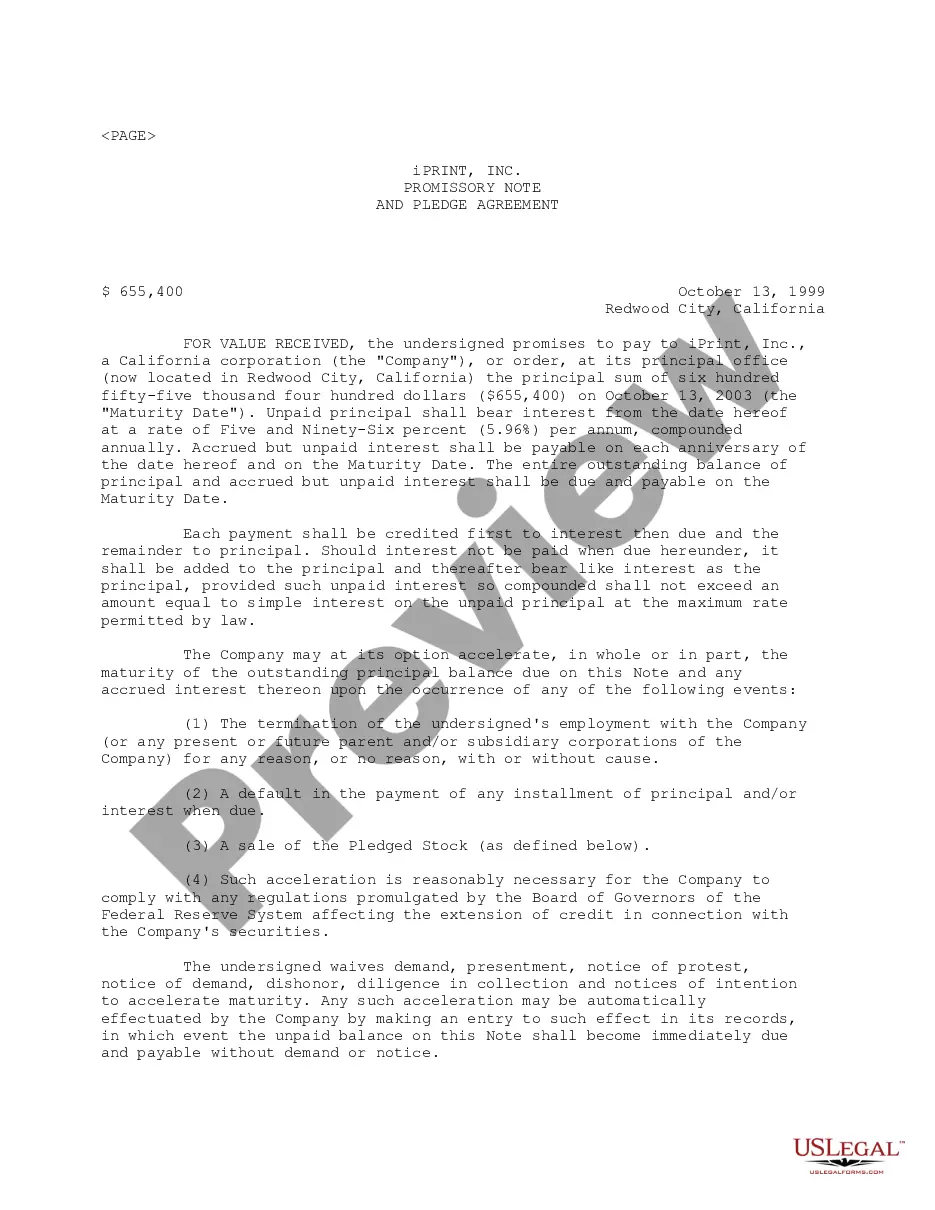
Get your form ready online
Our built-in tools help you complete, sign, share, and store your documents in one place.
Make edits, fill in missing information, and update formatting in US Legal Forms—just like you would in MS Word.
Download a copy, print it, send it by email, or mail it via USPS—whatever works best for your next step.
Sign and collect signatures with our SignNow integration. Send to multiple recipients, set reminders, and more. Go Premium to unlock E-Sign.
If this form requires notarization, complete it online through a secure video call—no need to meet a notary in person or wait for an appointment.
We protect your documents and personal data by following strict security and privacy standards.

Make edits, fill in missing information, and update formatting in US Legal Forms—just like you would in MS Word.

Download a copy, print it, send it by email, or mail it via USPS—whatever works best for your next step.

Sign and collect signatures with our SignNow integration. Send to multiple recipients, set reminders, and more. Go Premium to unlock E-Sign.

If this form requires notarization, complete it online through a secure video call—no need to meet a notary in person or wait for an appointment.

We protect your documents and personal data by following strict security and privacy standards.
Looking for another form?

How to fill out Agreement Pledge Of Stock And Collateral For Loan?
Locating a reliable source for obtaining the latest and suitable legal documents is a significant part of dealing with bureaucracy.
Securing the appropriate legal paperwork requires accuracy and careful consideration, which is why it is essential to source templates of the Collateral Pledge Agreement With Example exclusively from trustworthy providers, such as US Legal Forms. An incorrect document may squander your time and prolong the situation you face.
Eliminate the stress related to your legal documentation. Explore the extensive US Legal Forms library where you can find legal templates, evaluate their suitability for your situation, and download them instantly.
- Use the catalog navigation or search box to locate your template.
- Review the form’s description to determine if it meets your state and locality's criteria.
- Access the form preview, if available, to confirm it is the document you need.
- Continue searching and find the correct document if the Collateral Pledge Agreement With Example does not fulfill your requirements.
- Once you are certain of the form’s applicability, download it.
- If you are a registered user, click Log in to verify your identity and gain access to your chosen templates in My documents.
- If you haven’t created a profile yet, click Buy now to acquire the form.
- Select the pricing plan that fits your needs.
- Proceed to register to finalize your purchase.
- Complete your transaction by selecting a payment method (credit card or PayPal).
- Choose the document format for downloading the Collateral Pledge Agreement With Example.
- After obtaining the form on your device, you can modify it using the editor or print it for manual completion.
Form popularity
FAQ
The difference between a pledge and collateral lies in the ownership and control of the asset. A pledge signifies that the borrower hands over possession of the asset to the lender, while collateral involves offering an asset as security without transferring possession. In a collateral pledge agreement with example, both concepts may coexist. Understanding this distinction is vital when entering a lending arrangement.
For example, A goes to B (a tailor) to have his cloth stitched for a fee of Rs. 2,000; When the suit was ready, B needed cash urgently and pledged it to C for Rs. 3000. The pledge is valid up to the amount of B's interest, which is 1500.
To pledge assets as collateral (or Pledging) is the act of offering assets as collateral to secure loans. Assets pledged can be in the form of security holdings and act as assurance for recovering the borrowed amount should a borrower fail to pay up.
To pledge shares on Console, follow these steps: Click on Portfolio and then on Holdings. Click on Options. Click on Pledge for margin. Agree to the terms of service for pledging. Enter the Quantity to be pledged. Click on Submit.
In business, a company may pledge various types of property as collateral. A borrower may pledge physical assets, such as equipment, machinery, real estate, buildings, or inventory, or it may pledge trade receivables, such as the value of the company's accounts receivable, which represents money owed to the company.