License Patent With For Thesis
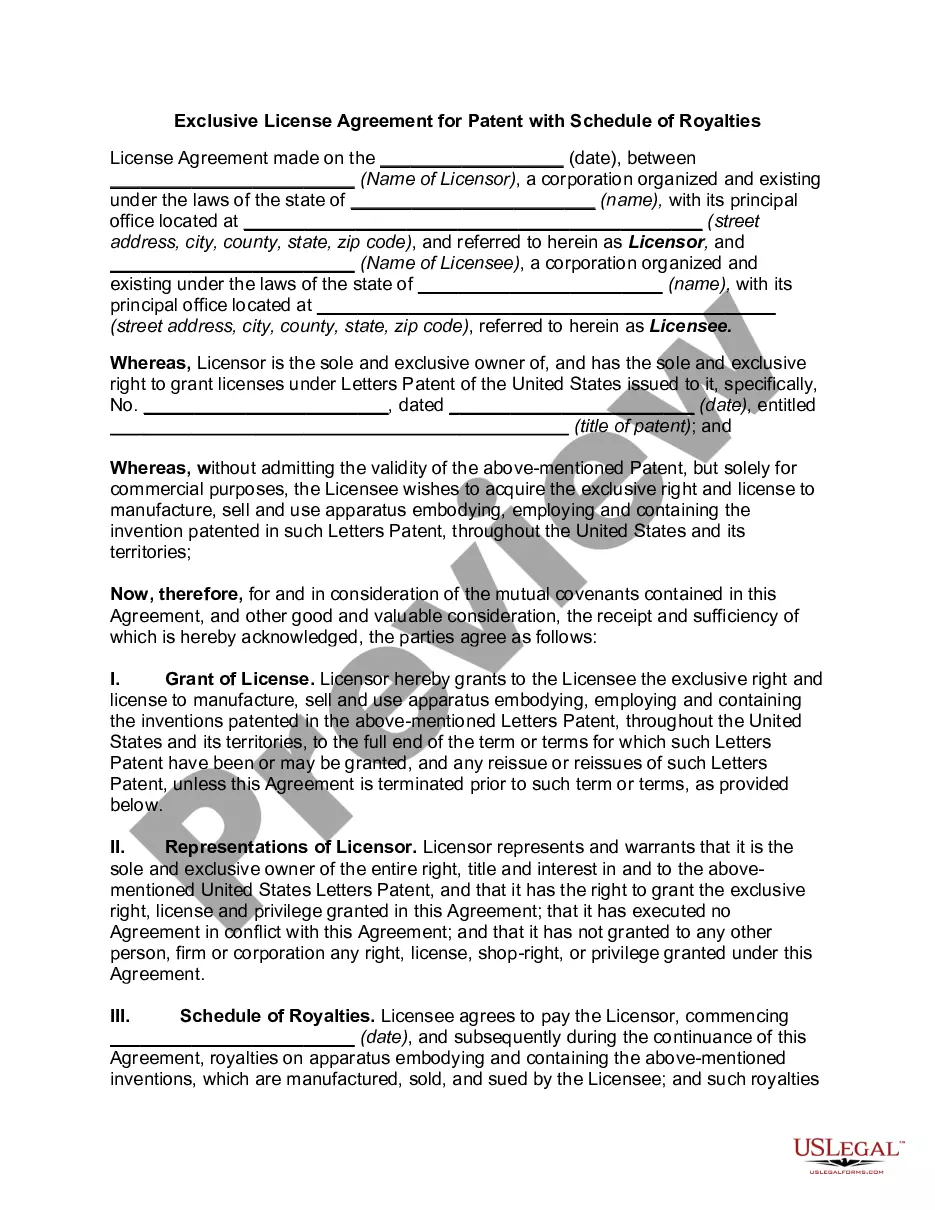
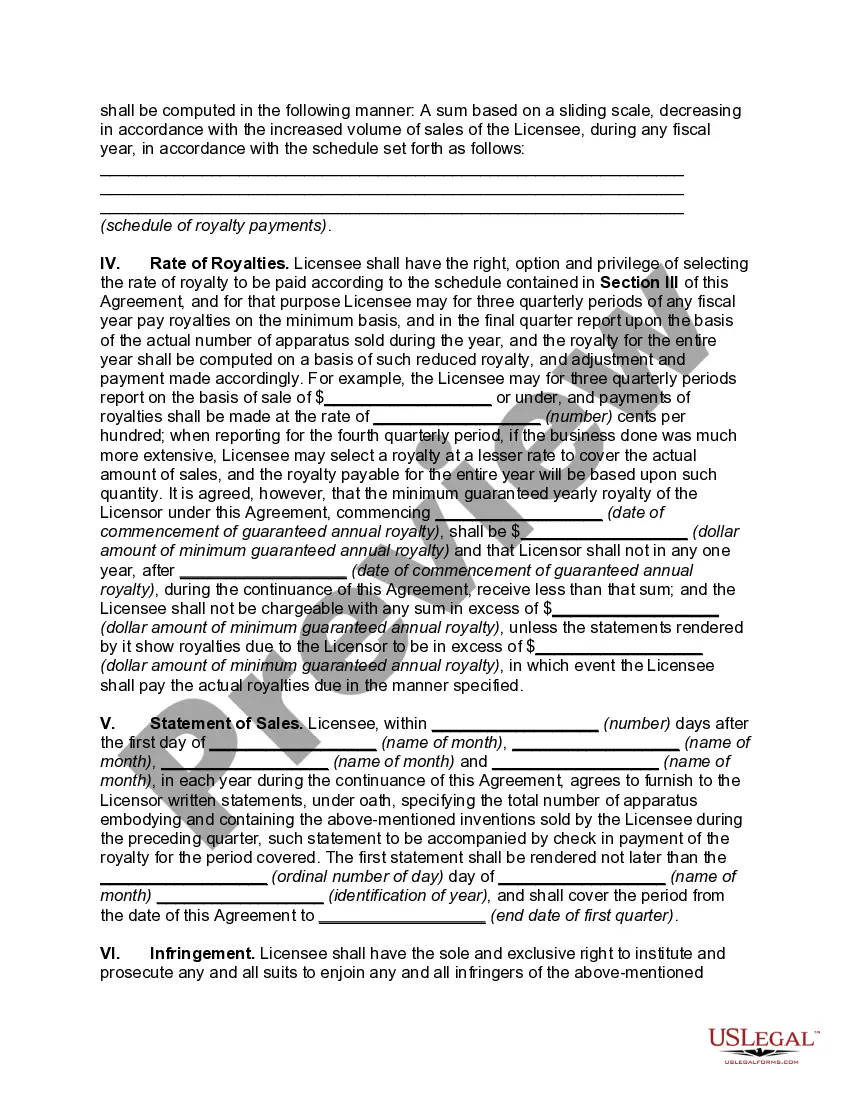
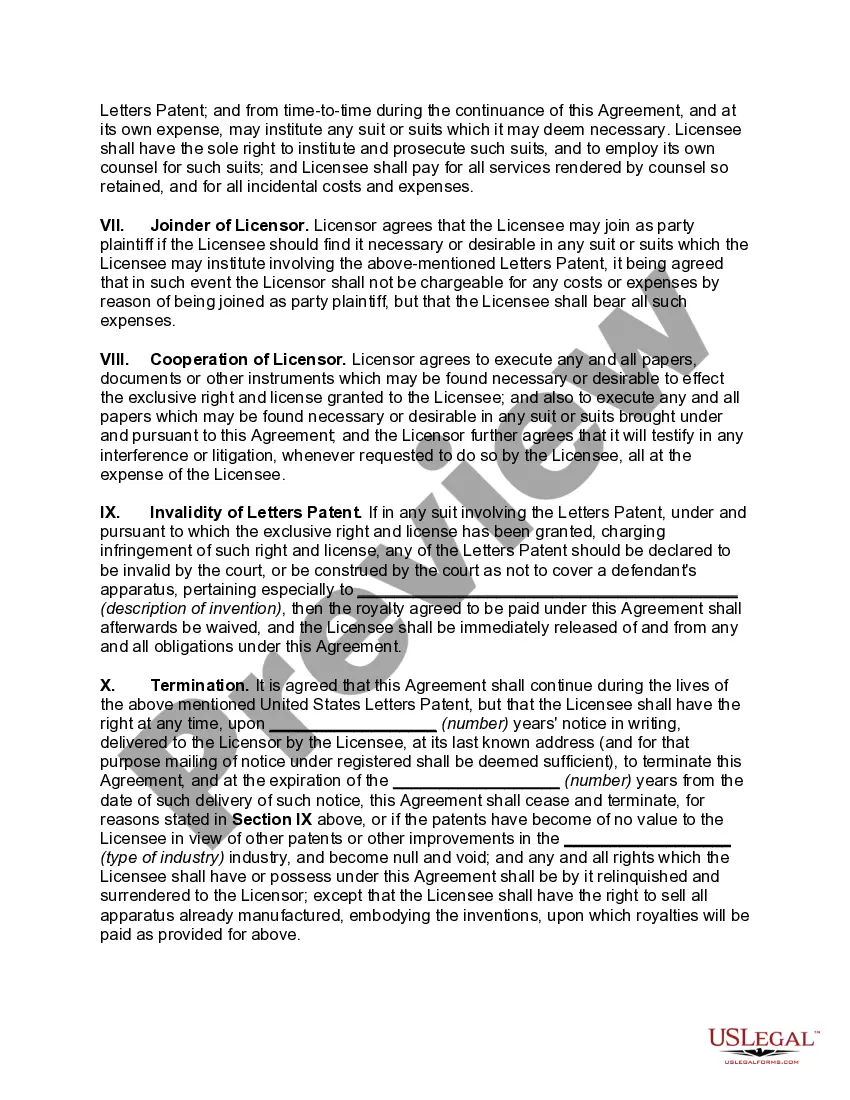
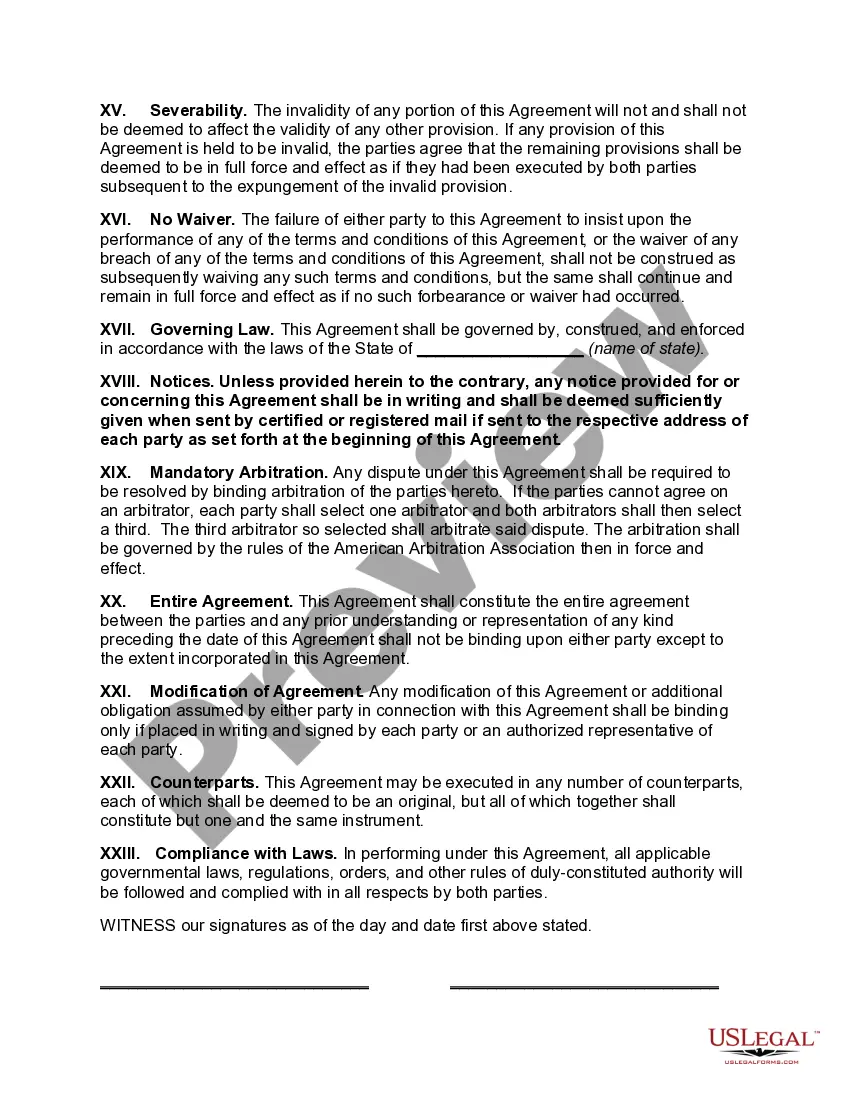
Description
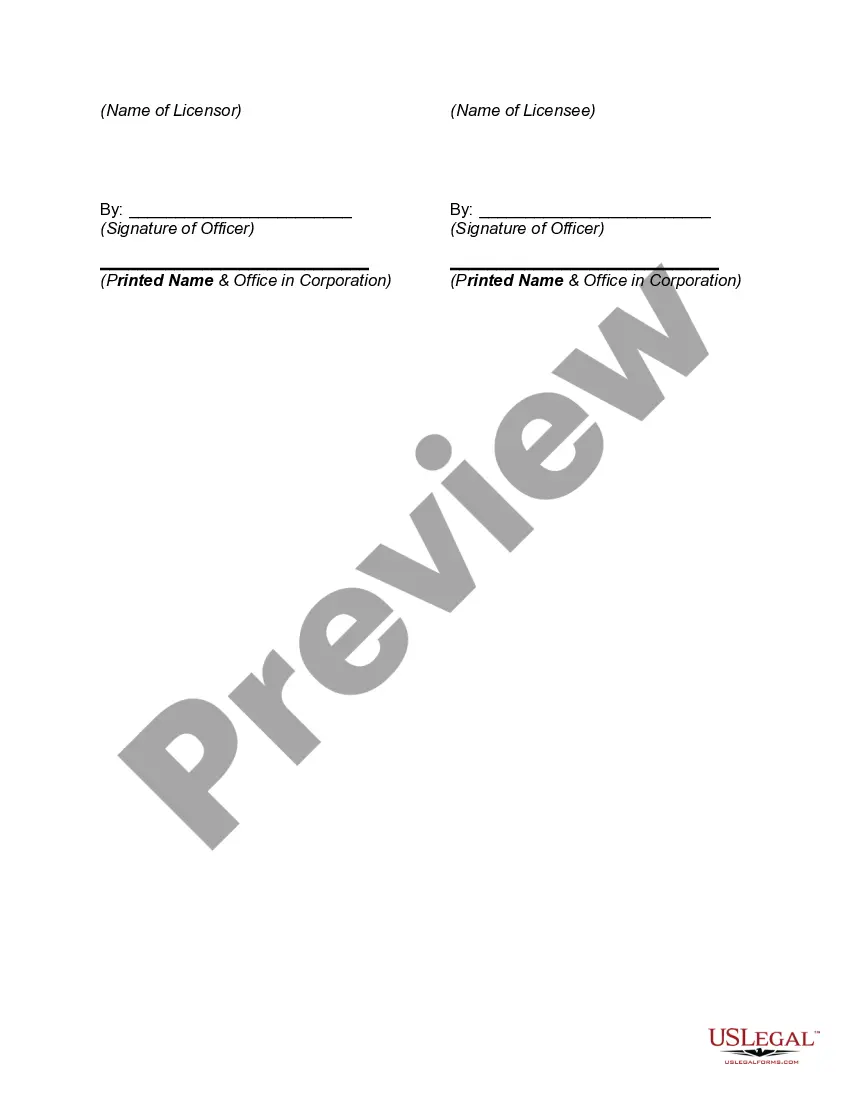
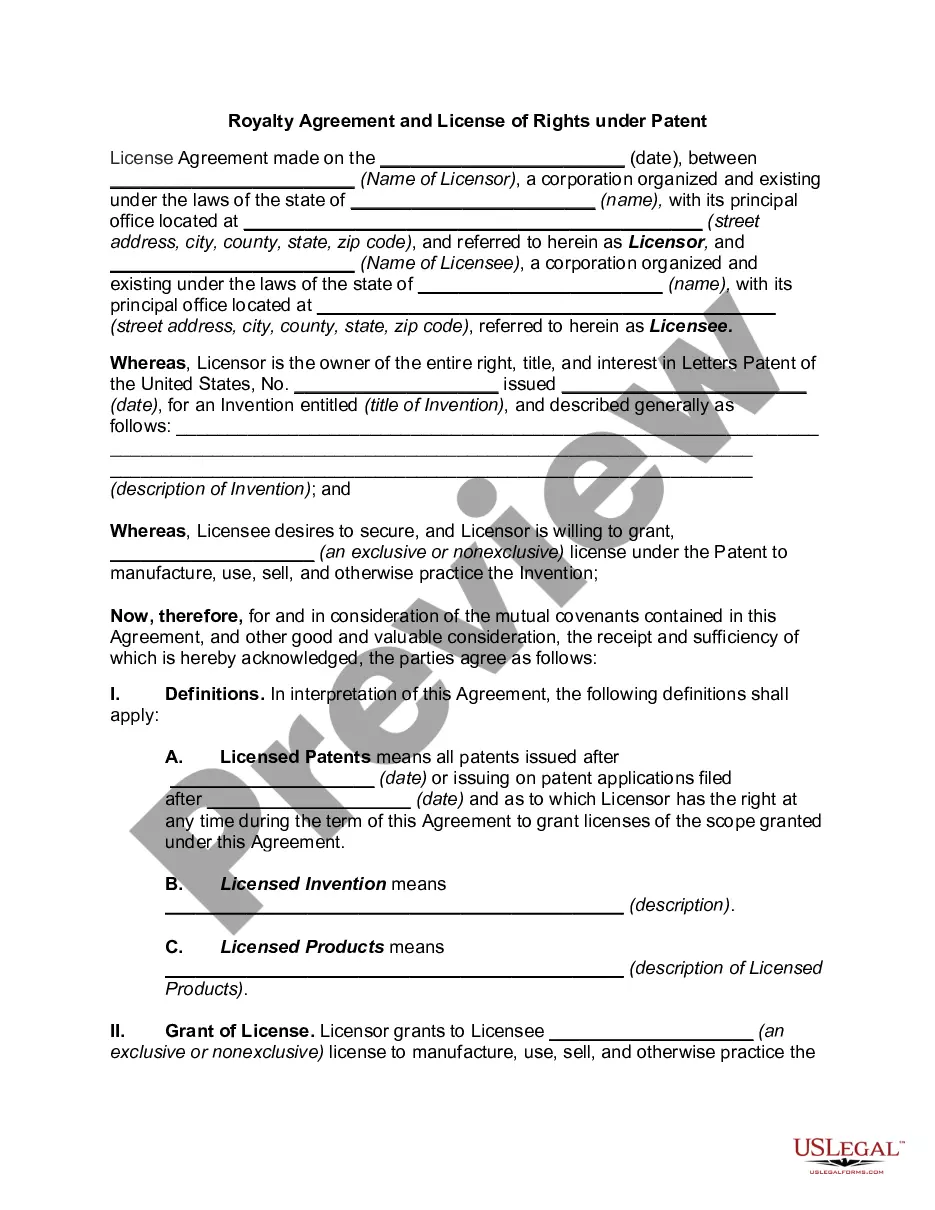
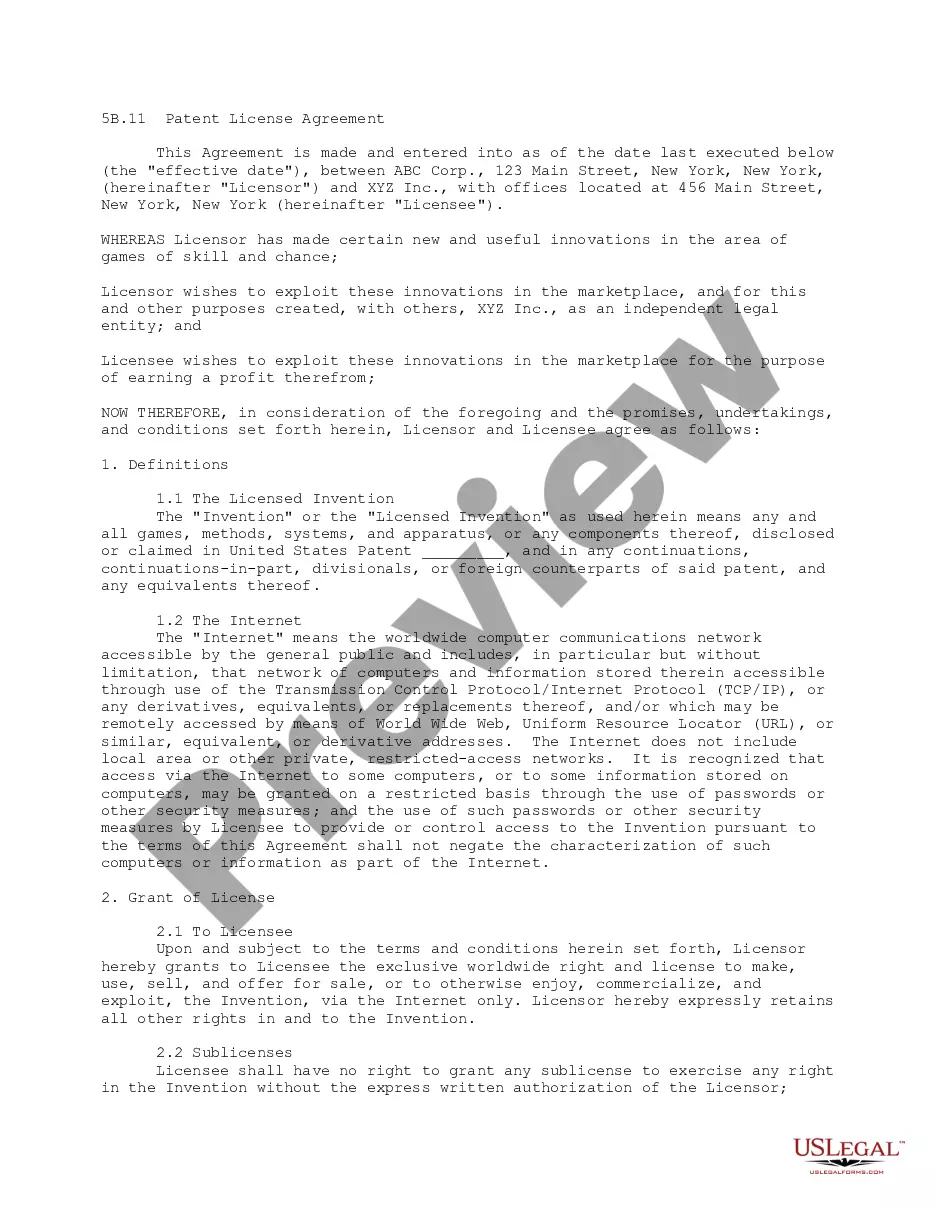
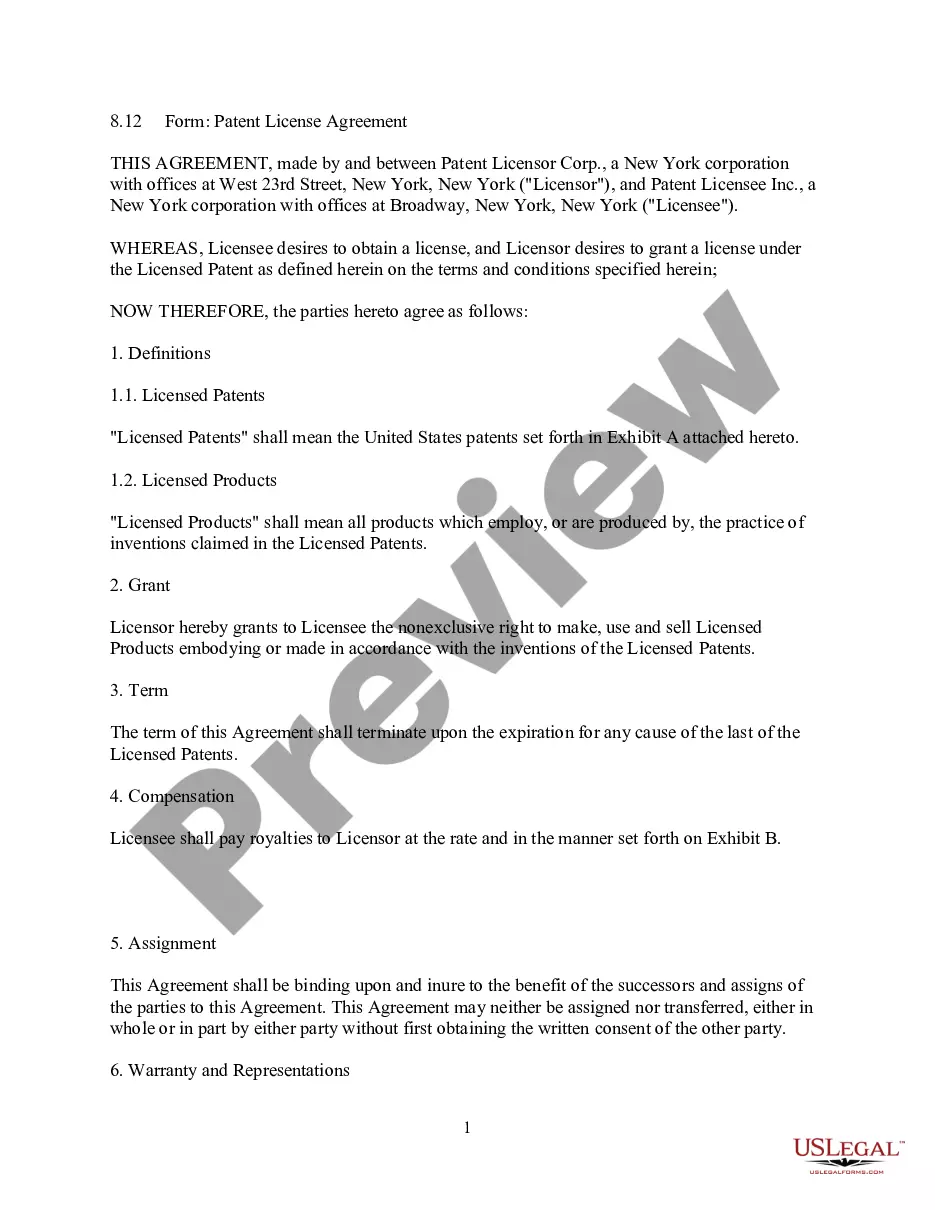
Get your form ready online
Our built-in tools help you complete, sign, share, and store your documents in one place.
Make edits, fill in missing information, and update formatting in US Legal Forms—just like you would in MS Word.
Download a copy, print it, send it by email, or mail it via USPS—whatever works best for your next step.
Sign and collect signatures with our SignNow integration. Send to multiple recipients, set reminders, and more. Go Premium to unlock E-Sign.
If this form requires notarization, complete it online through a secure video call—no need to meet a notary in person or wait for an appointment.
We protect your documents and personal data by following strict security and privacy standards.

Make edits, fill in missing information, and update formatting in US Legal Forms—just like you would in MS Word.

Download a copy, print it, send it by email, or mail it via USPS—whatever works best for your next step.

Sign and collect signatures with our SignNow integration. Send to multiple recipients, set reminders, and more. Go Premium to unlock E-Sign.

If this form requires notarization, complete it online through a secure video call—no need to meet a notary in person or wait for an appointment.

We protect your documents and personal data by following strict security and privacy standards.
Looking for another form?








How to fill out Exclusive License Agreement For Patent With Schedule Of Royalties?
- If you're already a US Legal Forms user, log in to access your account and download the necessary form template by clicking the Download button. Ensure that your subscription is active; if not, renew it according to your plan.
- For first-time users, start by checking the Preview mode and form description. Confirm that you have selected the correct one that aligns with your needs and complies with your local jurisdiction.
- If needed, search for alternative templates using the Search tab. If the current form doesn't meet your requirements, look for another option.
- Purchase the document by clicking the Buy Now button and selecting your preferred subscription plan. You'll need to register an account to gain access to the library's resources.
- Complete the purchase by entering your payment details or using your PayPal account to secure your subscription.
- Download your form and save it on your device. You can find and access it anytime in the My Forms menu of your profile.
US Legal Forms empowers users to swiftly create and finalize legal documents. With an extensive library of over 85,000 legal forms, you have access to more templates than competitors, ensuring you find the right one.
Take advantage of premium expert assistance to complete your forms accurately. Start your licensing process today and ensure your thesis is legally sound!
Form popularity
FAQ
To fill out a patent, you need to provide specific details about your invention. First, describe your idea clearly, explaining what it does and how it works. Next, include drawings or diagrams to illustrate your concept. Finally, ensure that you follow the required format, as detailed on the US Legal Forms website, which can guide you through the process of licensing a patent with your thesis.
To cite a patent in your thesis, format it according to your chosen citation style. Include the inventor's name, title of the patent, patent number, and the year it was issued. Proper citation not only credits the inventor but also strengthens your thesis, especially if you plan to license a patent with for thesis research.
To copyright a master's thesis, complete a registration application with the U.S. Copyright Office. This step offers you legal protections against unauthorized use. To simplify the process, consider utilizing resources from USLegalForms, which can guide you through the necessary steps efficiently.
Yes, a PhD thesis can be patented if it presents an original invention that meets patentability requirements. It's essential to document your findings thoroughly, as this can enhance the chances of successfully licensing a patent with for thesis innovations. A well-prepared thesis can serve as a foundation for pursuing intellectual property protection.
Ownership of your master's thesis typically resides with you, the author, unless specified otherwise by your institution. However, universities may retain some rights for educational use. Always check your institution's policies regarding thesis ownership to understand your rights clearly.
To copyright your master's thesis, you must register it with the U.S. Copyright Office. This process provides legal protection for your original work. Consider using the insights from USLegalForms to navigate copyrighting effectively, ensuring your intellectual property remains secure.
Citing a patent in your thesis involves following specific formatting guidelines, often similar to how you cite books or articles. Generally, you would include the inventor's name, patent title, patent number, and the year it was granted. Correct citation reinforces your thesis's authority and aids in future licensing opportunities.
To indicate a patent, include its title, number, and inventor(s) in your references or within the text. Proper indication allows readers to locate the patent for further information. This practice is especially useful when you aim to license a patent with for thesis contributions.
When mentioning a patent, provide clear details, including the patent number and title. This approach helps establish credibility in your thesis. You can also refer to the patent as part of your research findings, especially when discussing relevant inventions tied to your work.
A patent is considered a form of publication because it discloses the details of an invention. This public disclosure can impact your ability to license a patent with for thesis purposes. By understanding how patents serve as publications, you can strategically include them in your research.