Survivorship Form Application Without Visual Studio
Description
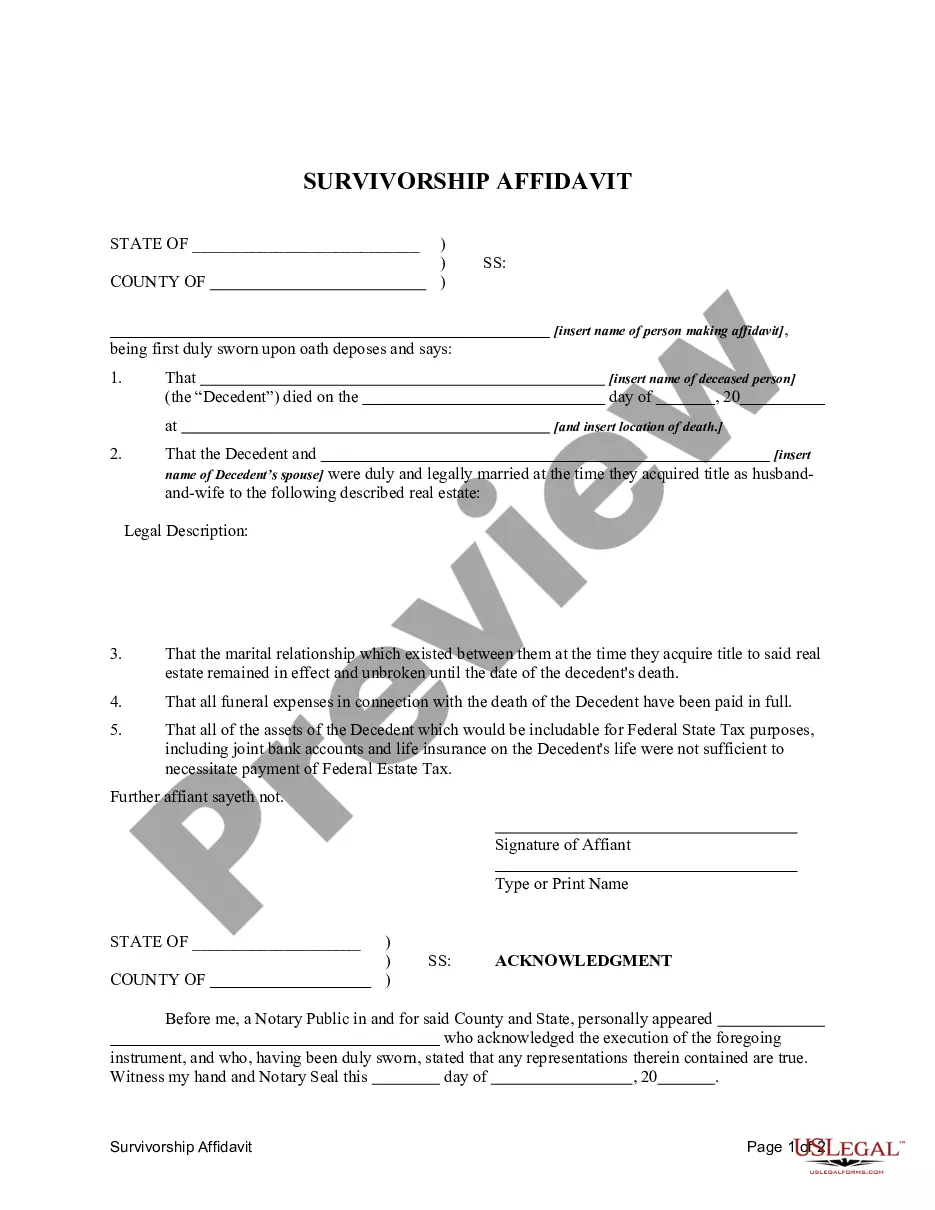
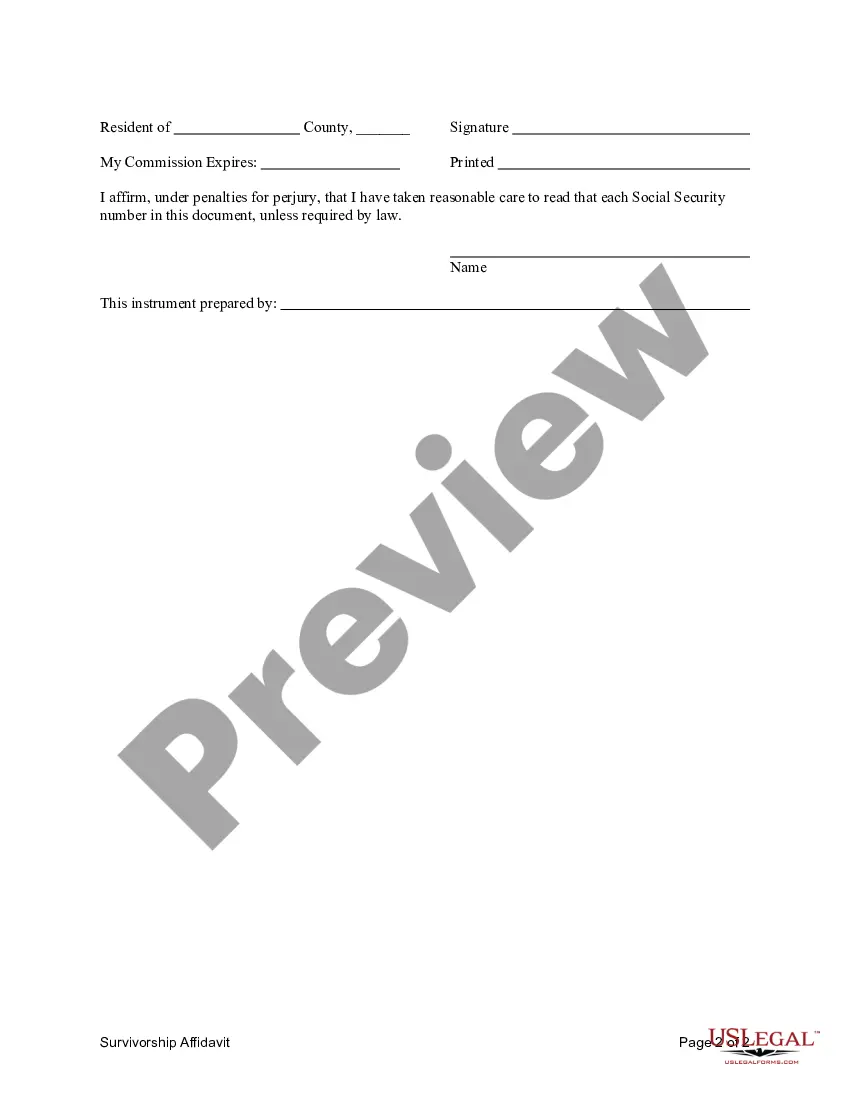

Get your form ready online
Our built-in tools help you complete, sign, share, and store your documents in one place.
Make edits, fill in missing information, and update formatting in US Legal Forms—just like you would in MS Word.
Download a copy, print it, send it by email, or mail it via USPS—whatever works best for your next step.
Sign and collect signatures with our SignNow integration. Send to multiple recipients, set reminders, and more. Go Premium to unlock E-Sign.
If this form requires notarization, complete it online through a secure video call—no need to meet a notary in person or wait for an appointment.
We protect your documents and personal data by following strict security and privacy standards.

Make edits, fill in missing information, and update formatting in US Legal Forms—just like you would in MS Word.

Download a copy, print it, send it by email, or mail it via USPS—whatever works best for your next step.

Sign and collect signatures with our SignNow integration. Send to multiple recipients, set reminders, and more. Go Premium to unlock E-Sign.

If this form requires notarization, complete it online through a secure video call—no need to meet a notary in person or wait for an appointment.

We protect your documents and personal data by following strict security and privacy standards.
Looking for another form?
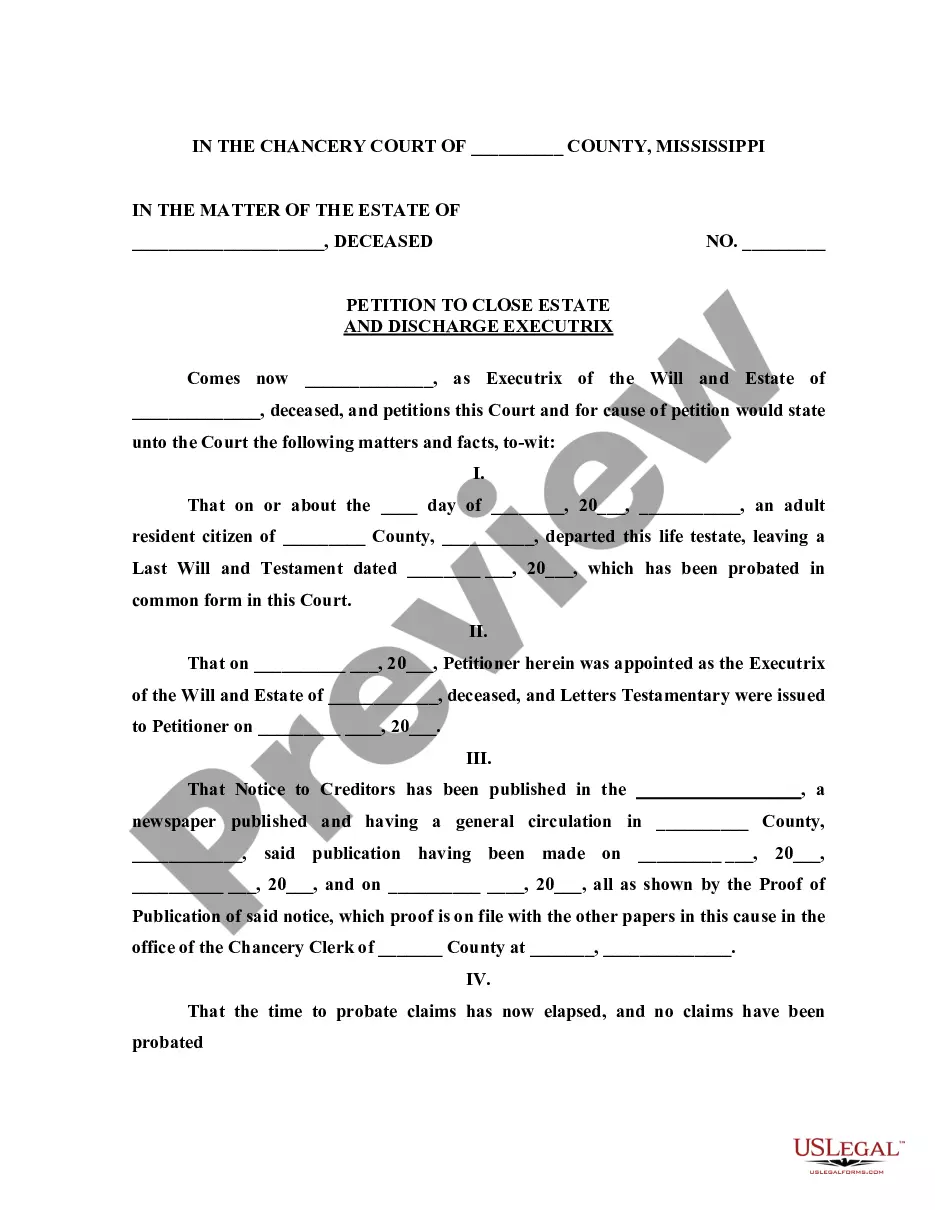




How to fill out Survivorship Affidavit?
It’s well-known that you cannot instantly become a legal expert, nor can you quickly learn how to draft a Survivorship Form Application Without Visual Studio without having specific expertise.
Generating legal paperwork is a lengthy endeavor that necessitates particular education and abilities. So why not entrust the creation of the Survivorship Form Application Without Visual Studio to the experts.
With US Legal Forms, which boasts one of the largest collections of legal templates, you can discover everything from judicial documents to templates for internal communications. We understand how vital compliance and adherence to both federal and state regulations are.
You can regain access to your documents from the My documents section at any moment. If you’re a current client, you can simply Log In, and find and download the template from the same section.
Regardless of the nature of your documents—be it financial and legal, or personal—our platform has you covered. Give US Legal Forms a try now!
- Find the form you require using the search bar at the top of the page.
- View it (if this option is available) and examine the accompanying description to see if the Survivorship Form Application Without Visual Studio is what you need.
- Restart your search if you require another template.
- Create a free account and select a subscription plan to purchase the template.
- Click Buy now. Once the purchase is finalized, you can access the Survivorship Form Application Without Visual Studio, complete it, print it, and send or mail it to the necessary parties.
Form popularity
FAQ
If you own an asset (for instance a house or bank account) in joint tenancy with a right of survivorship with your spouse then on your death 100% of that asset should belong exclusively to the other joint owner. The asset will not be part of your estate, and no probate is necessary.
To file a survivorship application, you need to retain a real estate lawyer familiar with title transfer.
If one owner dies, the property automatically passes to the other owner(s). Property owned in joint tenancy does not form part of your estate (because of the right of survivorship). This means the property is not listed on an application for a grant of probate or administration.
In the event of death, their interest automatically falls into their estate. Joint Tenants is where two individuals have equal ownership to a property. The key principle here is the right of survivorship, which means that in the event of death, the property can be easily transferred to the surviving owner.
A joint tenancy may be converted to a tenancy-in-common by any joint tenant, unilaterally. This process is called 'severing the joint tenancy'. The consent of the other joint tenant(s) is not required. Title to a property held by two former spouses can be severed by one without a divorce or family law proceedings.