Behavior Documentation Example With Time
Description
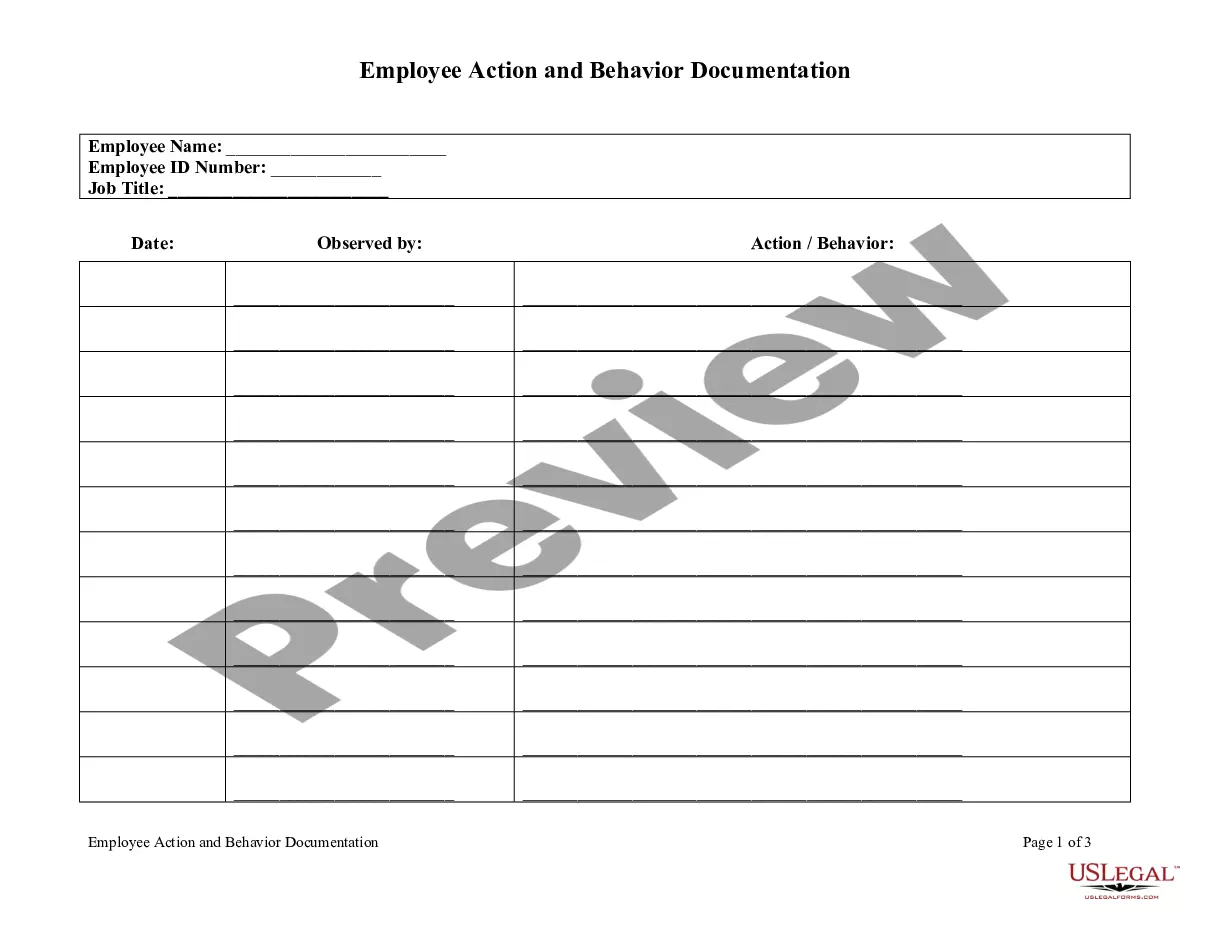
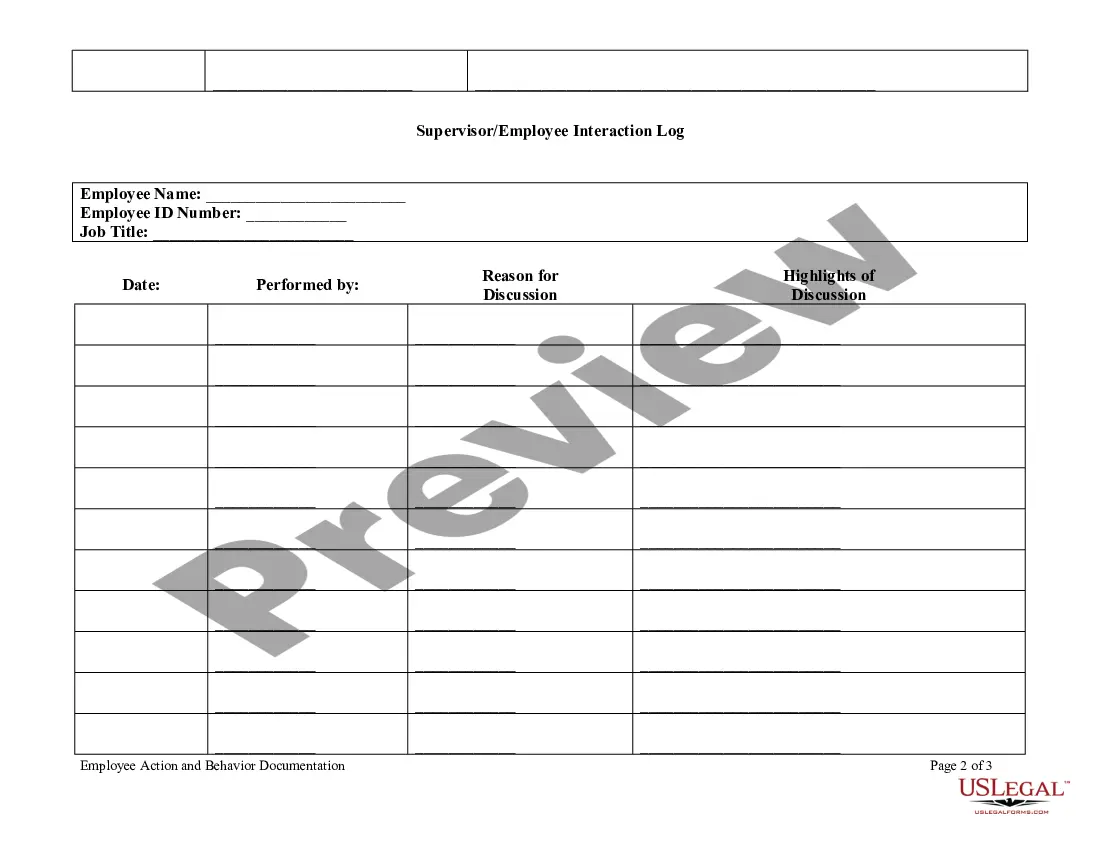
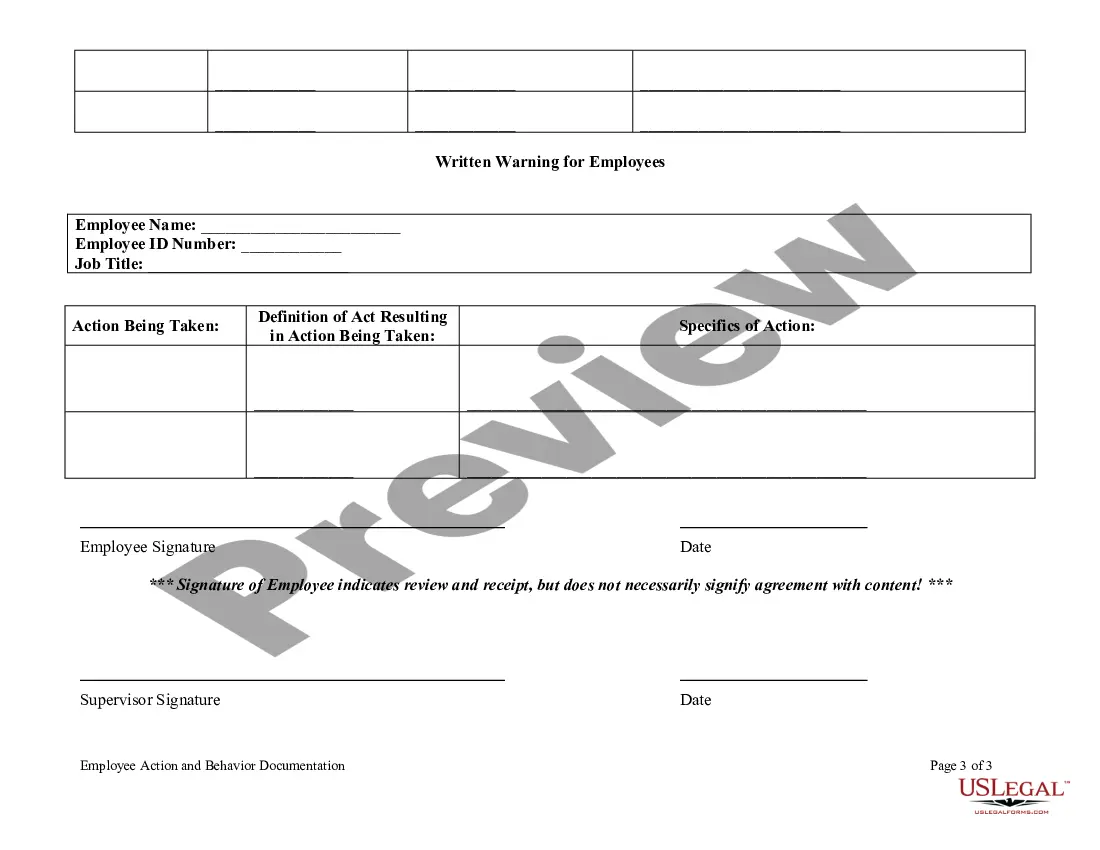
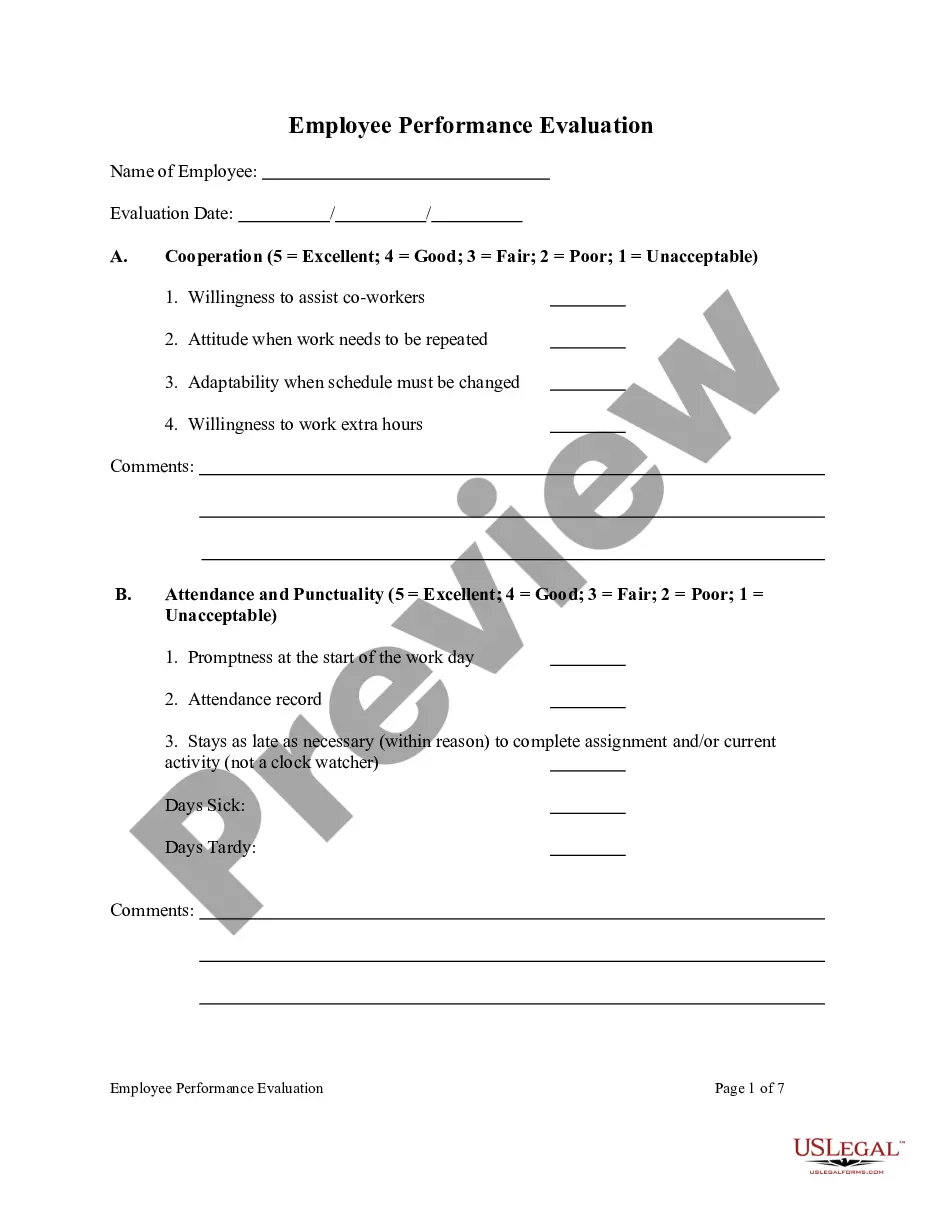
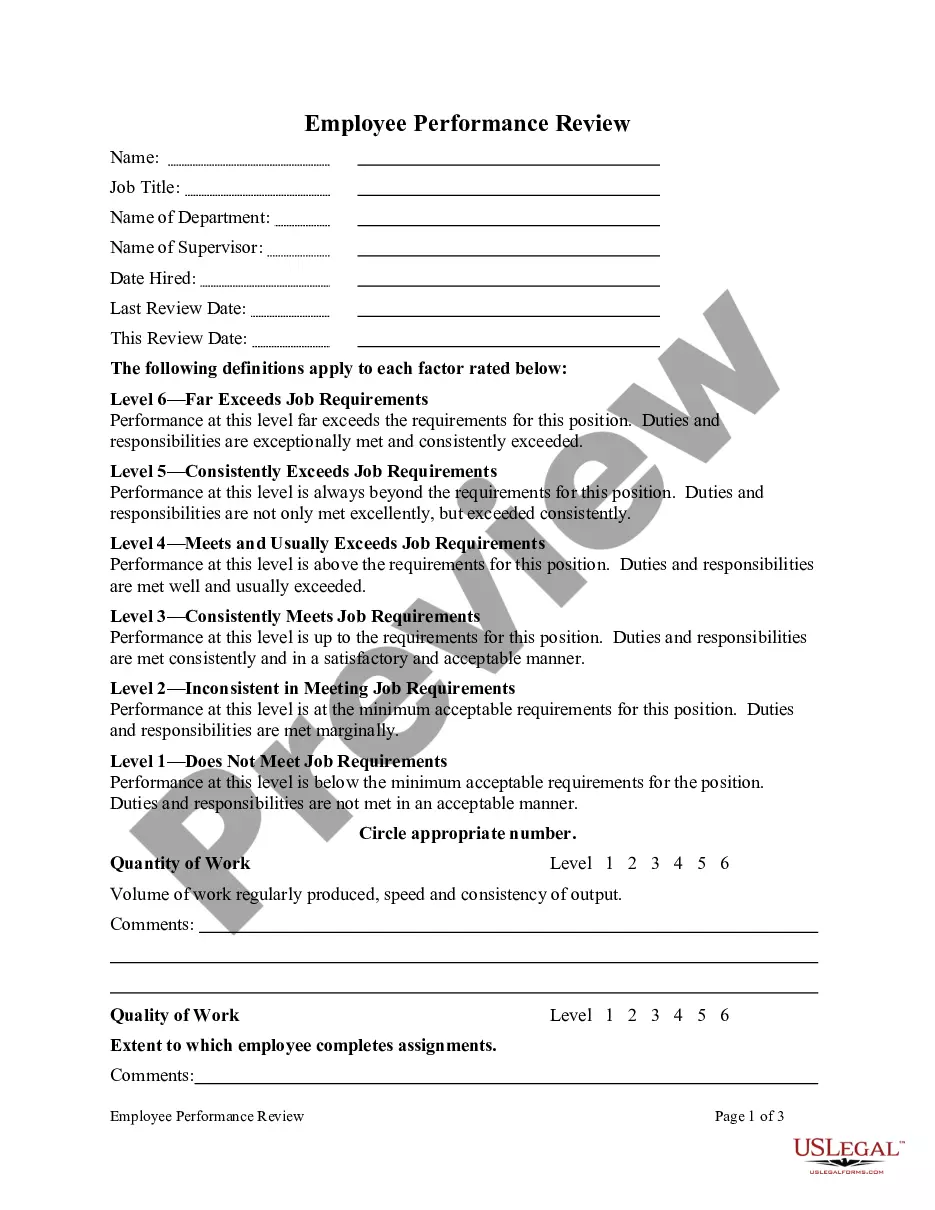
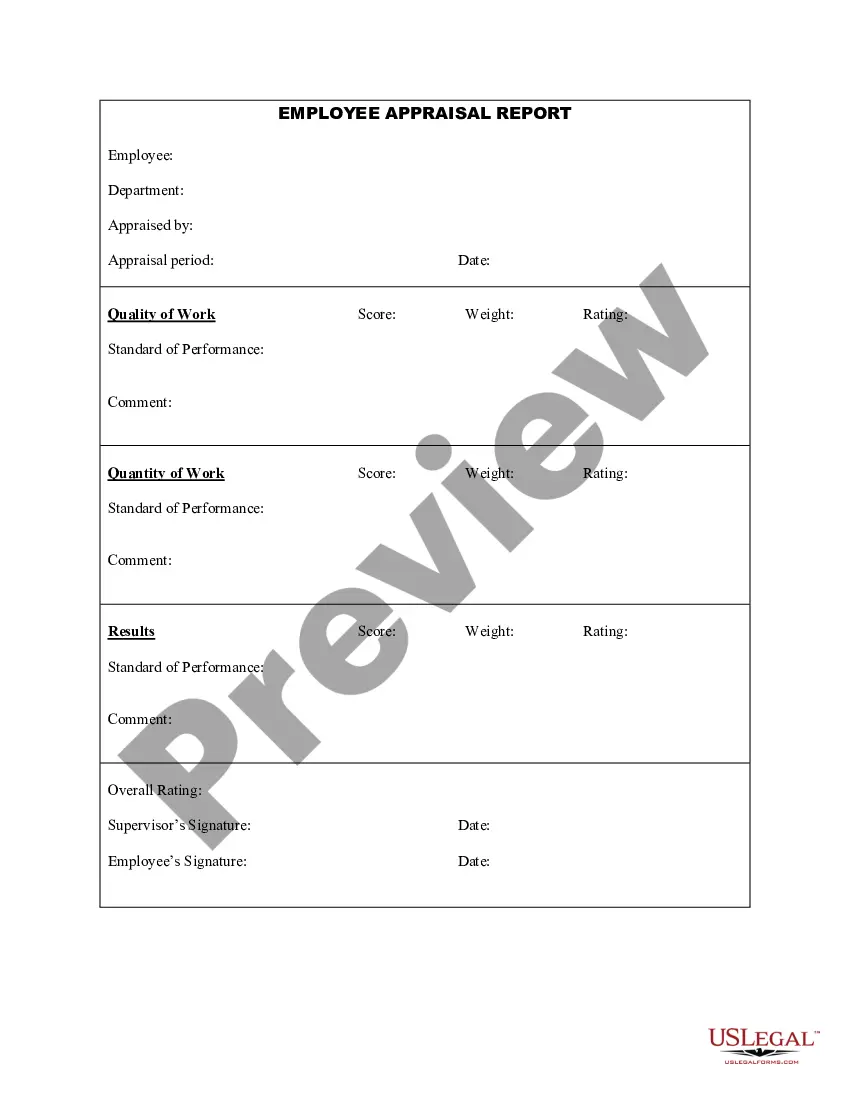
Get your form ready online
Our built-in tools help you complete, sign, share, and store your documents in one place.
Make edits, fill in missing information, and update formatting in US Legal Forms—just like you would in MS Word.
Download a copy, print it, send it by email, or mail it via USPS—whatever works best for your next step.
Sign and collect signatures with our SignNow integration. Send to multiple recipients, set reminders, and more. Go Premium to unlock E-Sign.
If this form requires notarization, complete it online through a secure video call—no need to meet a notary in person or wait for an appointment.
We protect your documents and personal data by following strict security and privacy standards.

Make edits, fill in missing information, and update formatting in US Legal Forms—just like you would in MS Word.

Download a copy, print it, send it by email, or mail it via USPS—whatever works best for your next step.

Sign and collect signatures with our SignNow integration. Send to multiple recipients, set reminders, and more. Go Premium to unlock E-Sign.

If this form requires notarization, complete it online through a secure video call—no need to meet a notary in person or wait for an appointment.

We protect your documents and personal data by following strict security and privacy standards.
Looking for another form?
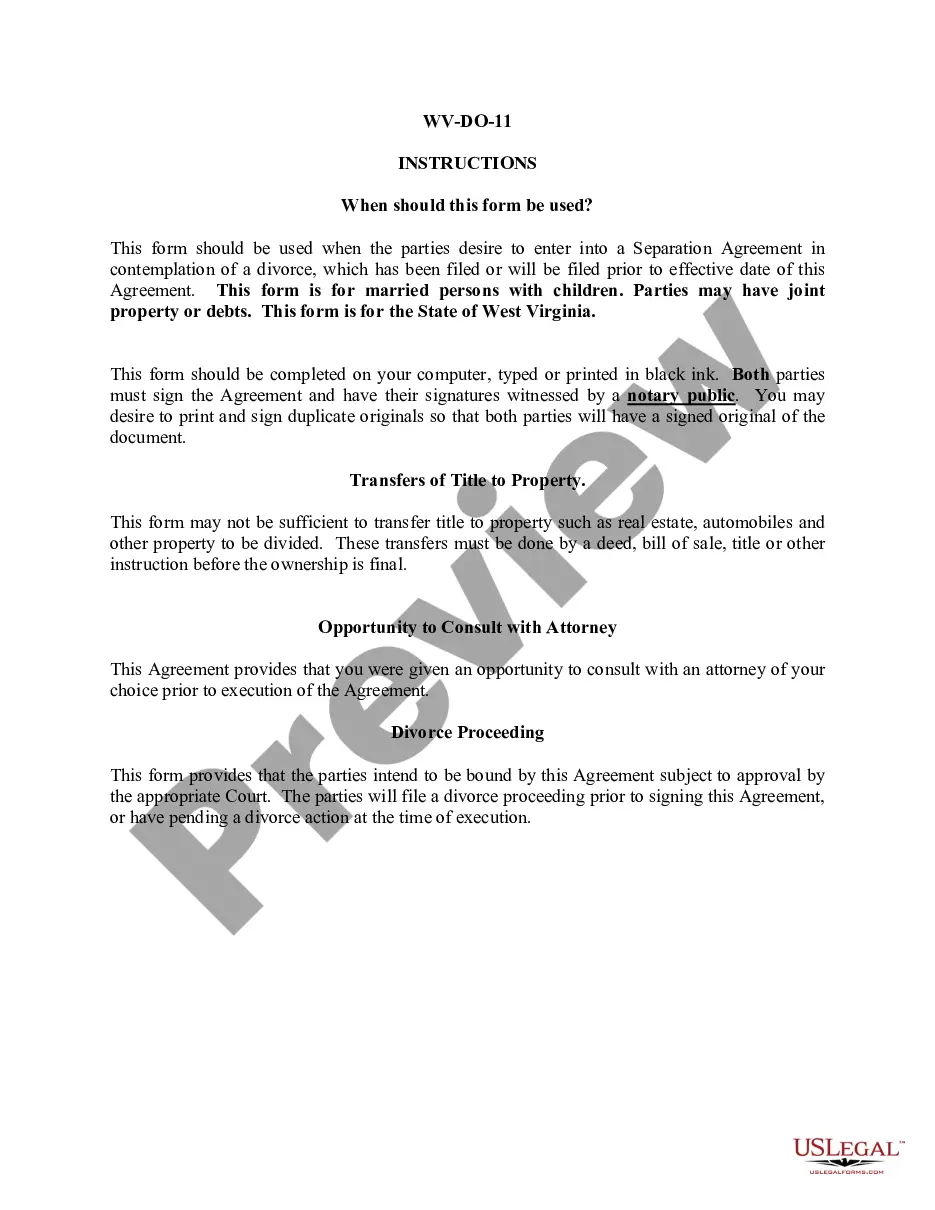
How to fill out Employee Action And Behavior Documentation?
Dealing with legal documents and processes can be a lengthy addition to your routine.
Behavior Documentation Example With Time and similar forms generally necessitate that you search for them and figure out how to complete them efficiently.
Therefore, whether you are managing financial, legal, or personal issues, having a comprehensive and user-friendly online directory of forms when required will significantly help.
US Legal Forms is the leading online platform of legal templates, providing over 85,000 state-specific forms and various resources to help you fill out your documents effortlessly.
Is this your first time using US Legal Forms? Sign up and create a free account in a few minutes, and you will gain access to the form directory and Behavior Documentation Example With Time. Then, follow the steps outlined below to complete your form: Ensure you have found the correct form using the Preview option and reviewing the form details. Select Buy Now when ready, and choose the subscription plan that suits your requirements. Click Download then fill out, sign, and print the form. US Legal Forms has 25 years of experience assisting clients manage their legal documents. Find the form you need now and streamline any process with ease.
- Browse the collection of relevant documents available to you with just a single click.
- US Legal Forms provides you with state- and county-specific forms accessible at any moment for downloading.
- Protect your document management processes with a premium service that enables you to prepare any form in minutes without additional or hidden charges.
- Simply Log In to your account, locate Behavior Documentation Example With Time and obtain it immediately in the My documents section.
- You can also access previously downloaded forms.
Form popularity
FAQ
Definition: The amount of time during which a behavior happens; long long the behavior takes. Example in an everyday context: You read every night for 45 minutes before you go to bed. Example in clinical context: A student engages in tantrum behavior for eight minutes during music class.
For example, Jonny sat in his seat for 3 minutes, 7 minutes, and then 5 minutes. Three plus 7, plus 5 = 15 / 3 = an average of 5 minutes sitting. Duration Recording can be used with behaviors that you want to increase as well as behaviors you want to decrease.
Examples of behaviors that may be observed using duration recording include crying, reading a book, writing in class, time spent working on a math assignment, or out of seat behavior. Duration recording requires some way of measuring time.
Record the number of seconds or minutes that elapsed between the end of the antecedent and the onset of the behavior. Because it is difficult to collect duration data while teaching, ask another individual (e.g., a teacher) to collect the data.