Trustor Beneficiary Trustee For Trust
Description
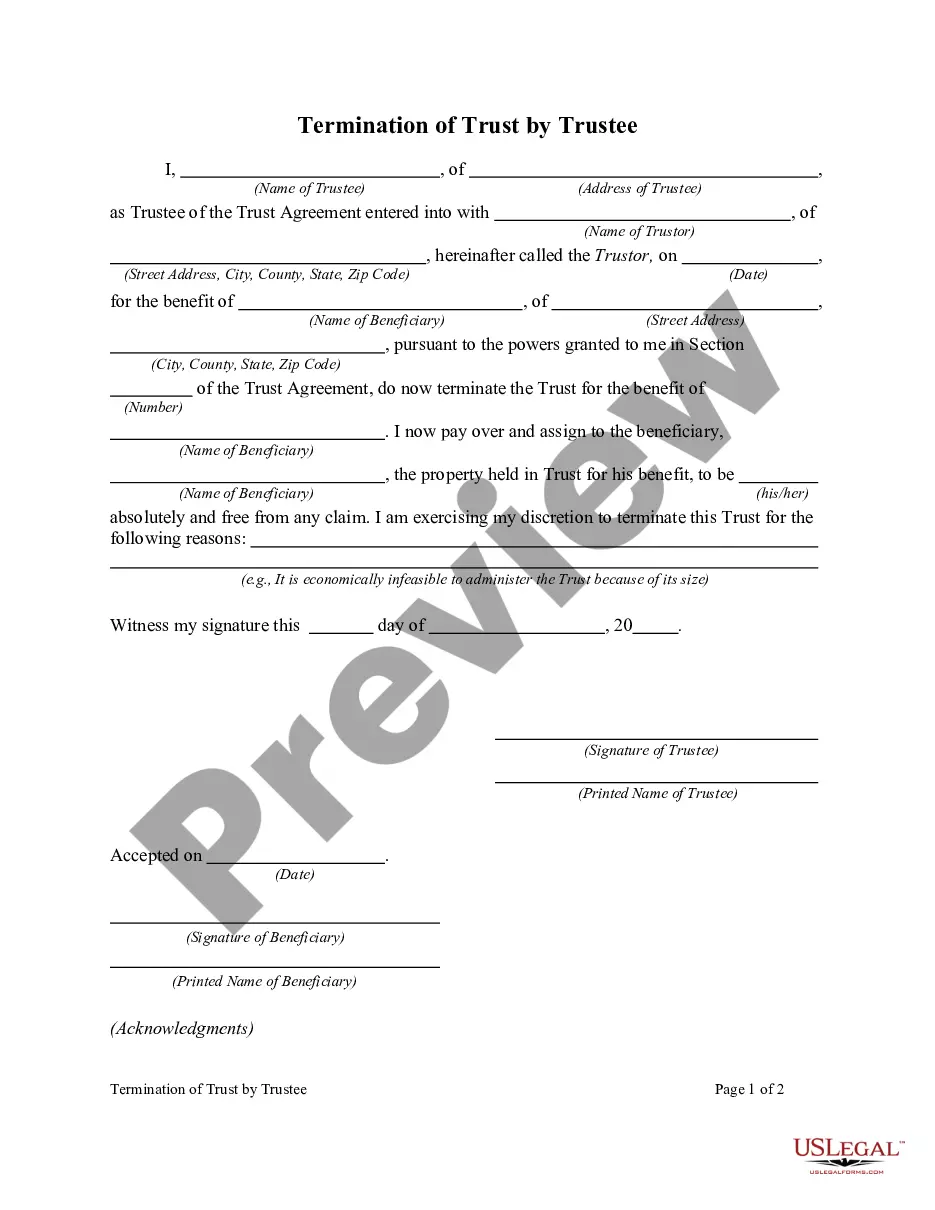

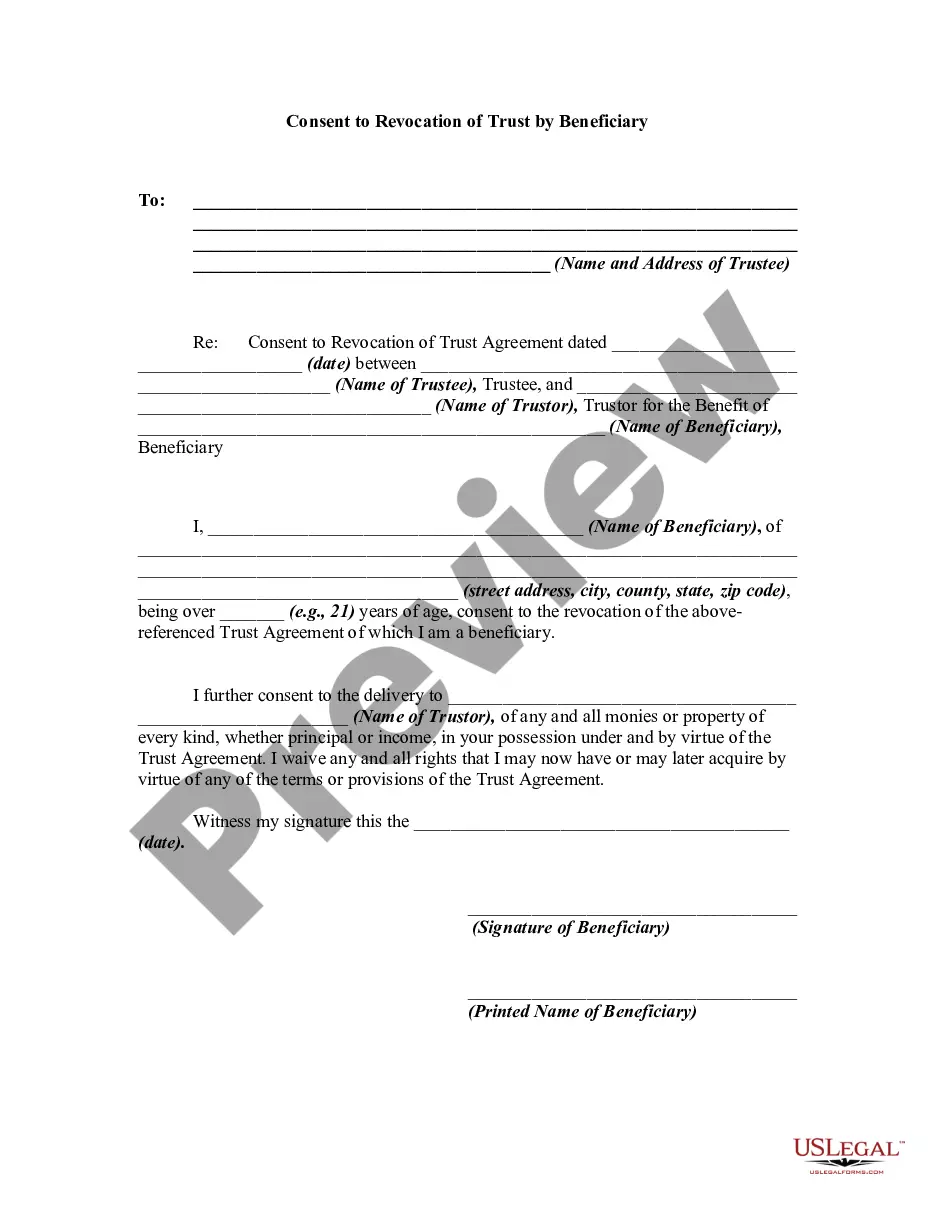
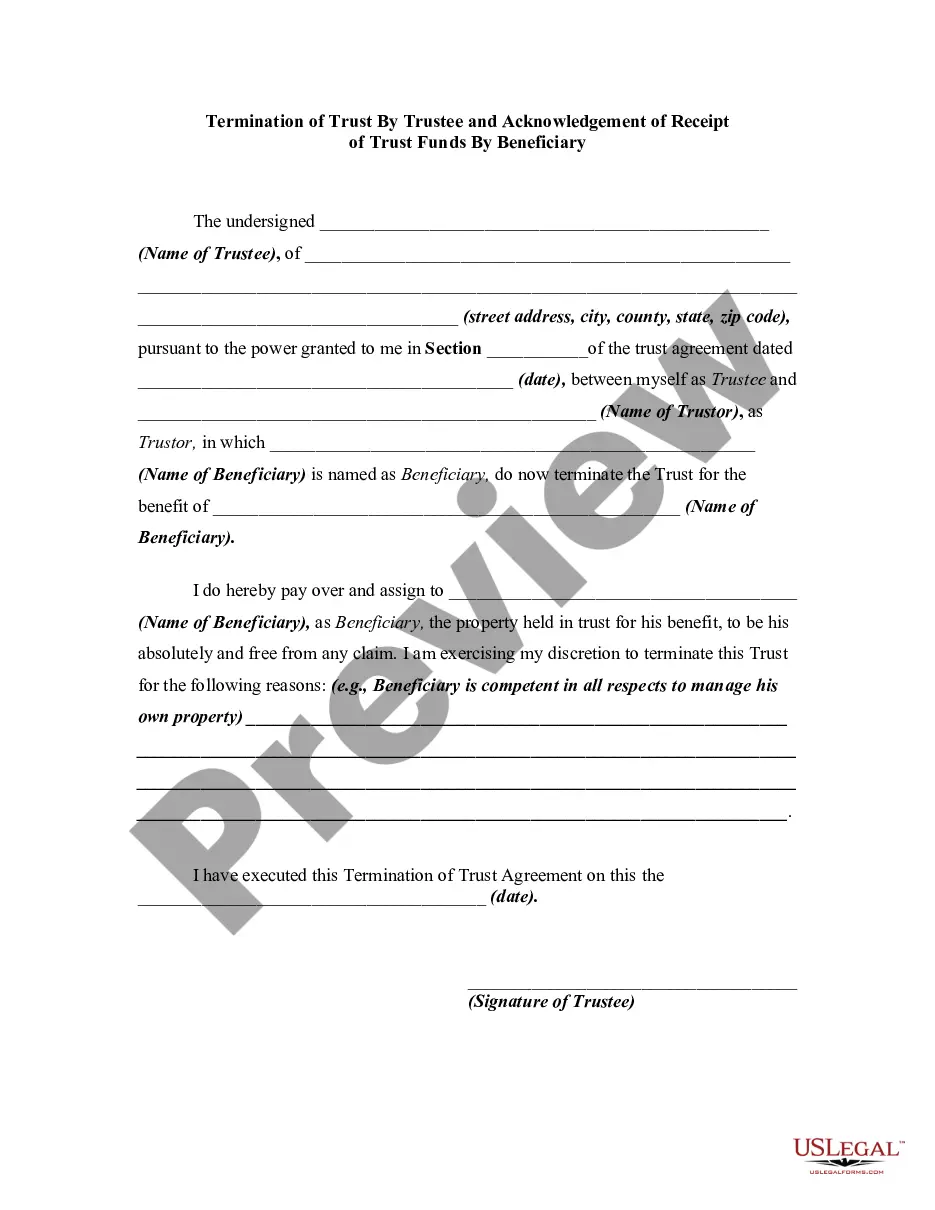
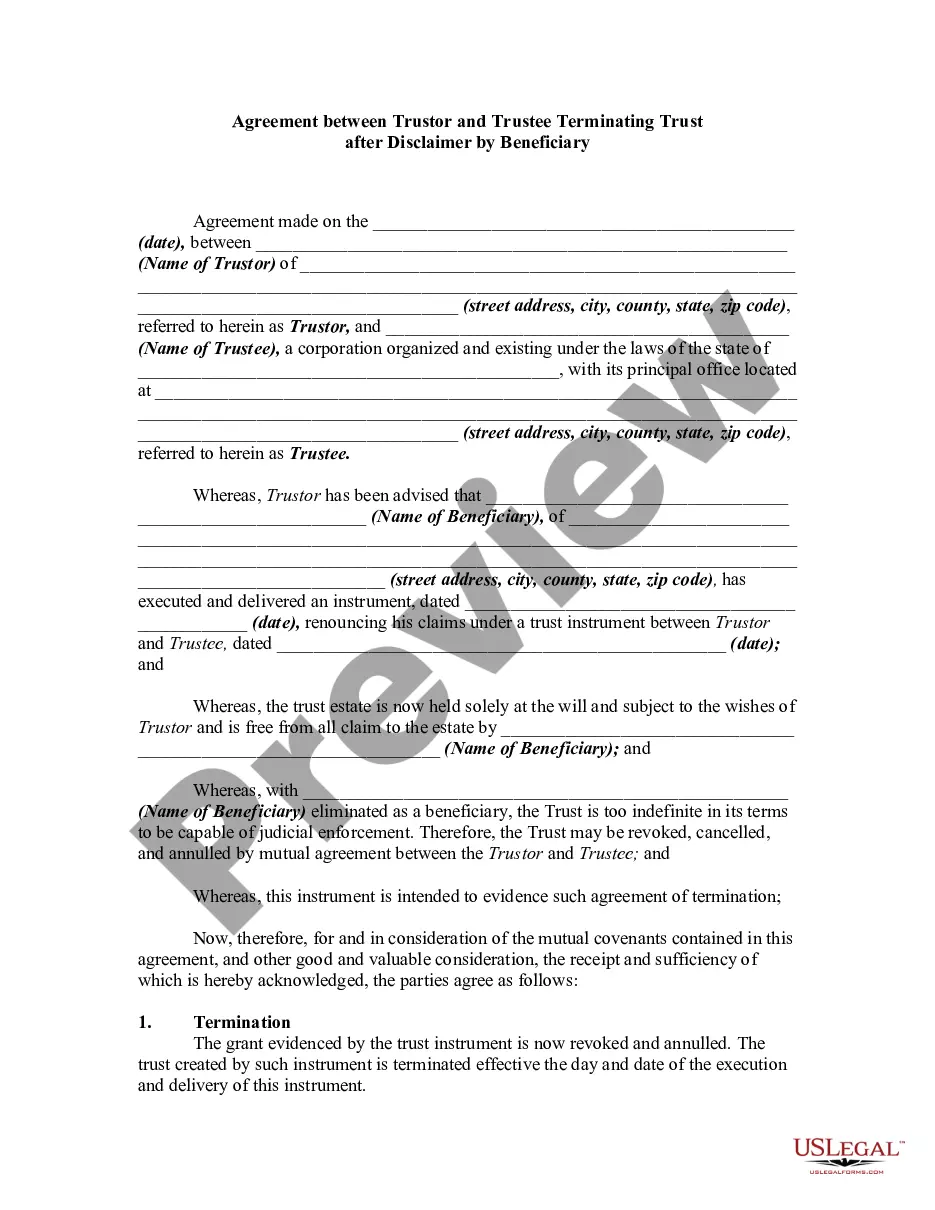

Get your form ready online
Our built-in tools help you complete, sign, share, and store your documents in one place.
Make edits, fill in missing information, and update formatting in US Legal Forms—just like you would in MS Word.
Download a copy, print it, send it by email, or mail it via USPS—whatever works best for your next step.
Sign and collect signatures with our SignNow integration. Send to multiple recipients, set reminders, and more. Go Premium to unlock E-Sign.
If this form requires notarization, complete it online through a secure video call—no need to meet a notary in person or wait for an appointment.
We protect your documents and personal data by following strict security and privacy standards.

Make edits, fill in missing information, and update formatting in US Legal Forms—just like you would in MS Word.

Download a copy, print it, send it by email, or mail it via USPS—whatever works best for your next step.

Sign and collect signatures with our SignNow integration. Send to multiple recipients, set reminders, and more. Go Premium to unlock E-Sign.

If this form requires notarization, complete it online through a secure video call—no need to meet a notary in person or wait for an appointment.

We protect your documents and personal data by following strict security and privacy standards.
Looking for another form?







How to fill out Termination Of Trust By Trustee?
- If you're a returning user, log in to your account and download the required form by clicking the Download button. Confirm that your subscription is current; if not, renew it promptly.
- For first-time users, start by reviewing the document preview and descriptions to choose the one that aligns with your needs and local jurisdiction.
- Utilize the search function to find alternative templates if the initial selection proves inadequate. Ensure the new template meets your requirements before proceeding.
- Purchase the desired document by clicking the Buy Now button and selecting your preferred subscription plan. You’ll need to create an account for full access to the library.
- Complete your payment using your credit card or PayPal account to confirm your subscription.
- Download the completed form and save it to your device. You can access it again anytime from the My Forms section in your profile.
By using US Legal Forms, you gain access to a robust collection of legal documents, ensuring you find the templates you need without hassle. With over 85,000 fillable forms, completing your trust documentation can be both quick and legally sound.
Ready to streamline your legal form process? Visit US Legal Forms today and explore the myriad of templates available to secure your trust efficiently!
Form popularity
FAQ
To fill out a beneficiary designation form for a trust, start by identifying the trust name and the trustor's details. Then, clearly outline the beneficiaries, specifying what percentage or amount each will receive. Ensure accuracy and clarity in your designations, and consider consulting with uslegalforms for comprehensive templates and guidance to streamline the process.
A trustor, also known as a grantor, is the individual who creates the trust and transfers assets into it. The trustee is the person or institution responsible for managing the trust and carrying out its terms. Lastly, the beneficiary is the individual or group who receives the benefits from the trust, thanks to the trustor's decisions. Understanding these roles is vital for anyone navigating the complexities of trusts.
Filling out a beneficiary designation form involves identifying the beneficiaries and specifying the percentage of assets each will receive. Make sure to include full names, relationship to you, and any necessary contact information. Reviewing your options with a professional can help ensure that you effectively integrate this designation into your overall trust strategy.
A designated beneficiary is someone you explicitly name to receive assets from accounts, such as life insurance policies or retirement accounts. For instance, if you state that your spouse is the beneficiary of your life insurance policy, the spouse is the designated beneficiary. Understanding the role of designated beneficiaries can help clarify how your trust interacts with these assets.
You may want to avoid naming individuals who are financially irresponsible or have a history of legal issues as your beneficiaries. Also, think critically about naming minor children or dependents without proper guardianship arrangements in place. Choosing the right beneficiaries is essential for maintaining your trust's goals and ensuring that your assets are protected.
In general, a trust can override a beneficiary designation if it explicitly states that the trust's terms take precedence. When you establish a trust, the trustor specifies how assets should be distributed, which may conflict with existing beneficiary designations. It's crucial to review both the trust document and any beneficiary designations to ensure they align, as discrepancies can lead to legal complications.
The best person to set up a trust is typically an experienced attorney specialized in estate planning. They can guide you through the complexities of creating a trust and ensure it aligns with your wishes and legal requirements. A qualified professional will help clarify the distinctions between trustor, beneficiary, and trustee for trust, empowering you to make informed decisions. You may find platforms like USLegalForms useful for creating the necessary documents efficiently.
Determining who is the trustee of a trust involves evaluating potential candidates based on trustworthiness and capability. You should assess their understanding of financial principles and their commitment to your wishes as the trustor. Discuss your options with family members and consider professional advice to streamline the process. Ultimately, the trustee should reflect your vision for how the trust should function.
The best trustee for a trust is someone you trust implicitly and who possesses the financial acuity needed for managing assets. This person should be organized, responsible, and knowledgeable about trust laws and regulations. It’s wise to consider someone who has experience with the responsibilities of a trustor beneficiary trustee for trust. Ultimately, choose someone who aligns with your goals and values.
Finding the right trustee for a trust requires careful consideration. Start by evaluating candidates who understand your values and financial goals, as they will manage the trust's assets. You may consider professionals, such as lawyers or financial advisors, who specialize in trust management. Platforms like USLegalForms can assist you in understanding the trustee's role and help you identify qualified individuals.