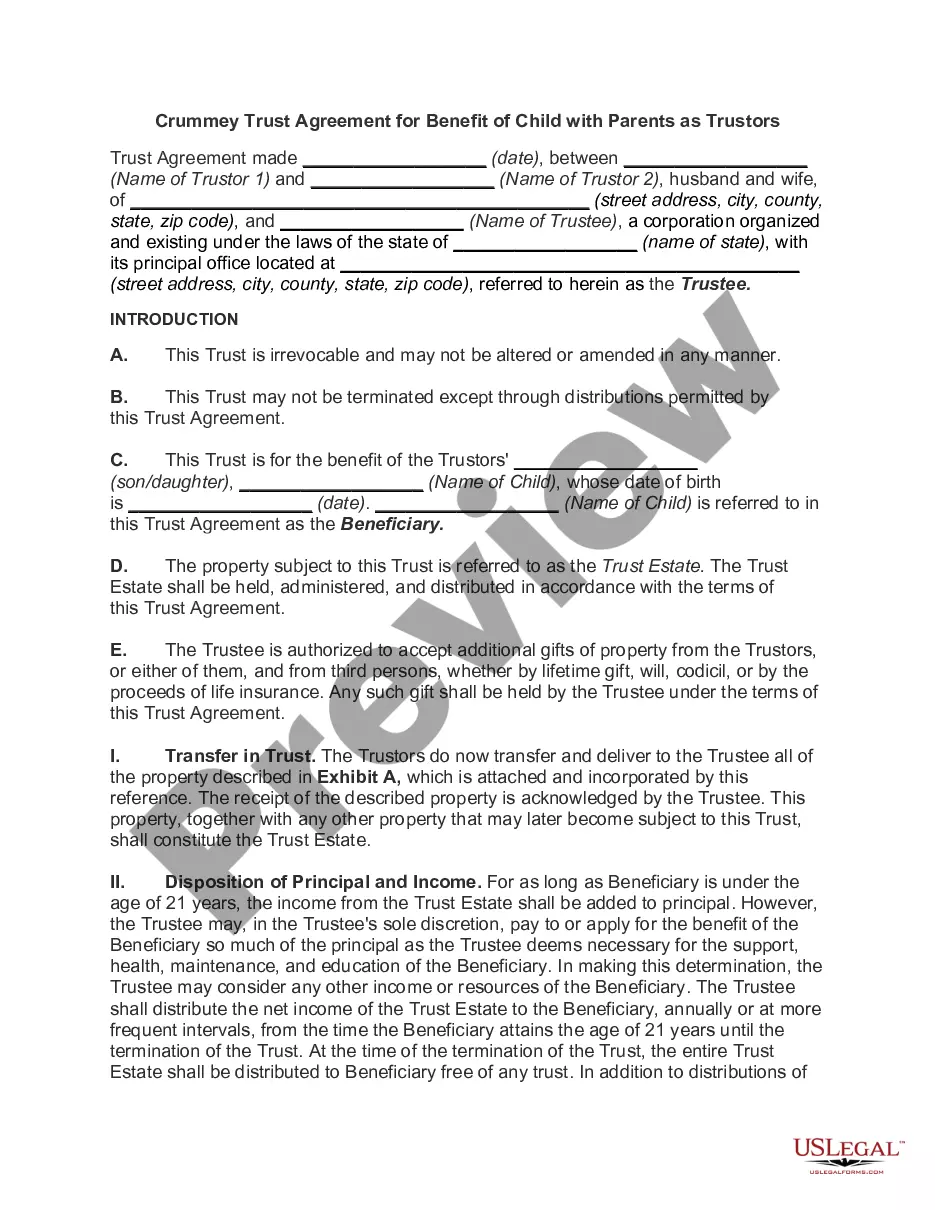
Beneficiary Trustee Trust For The Benefit
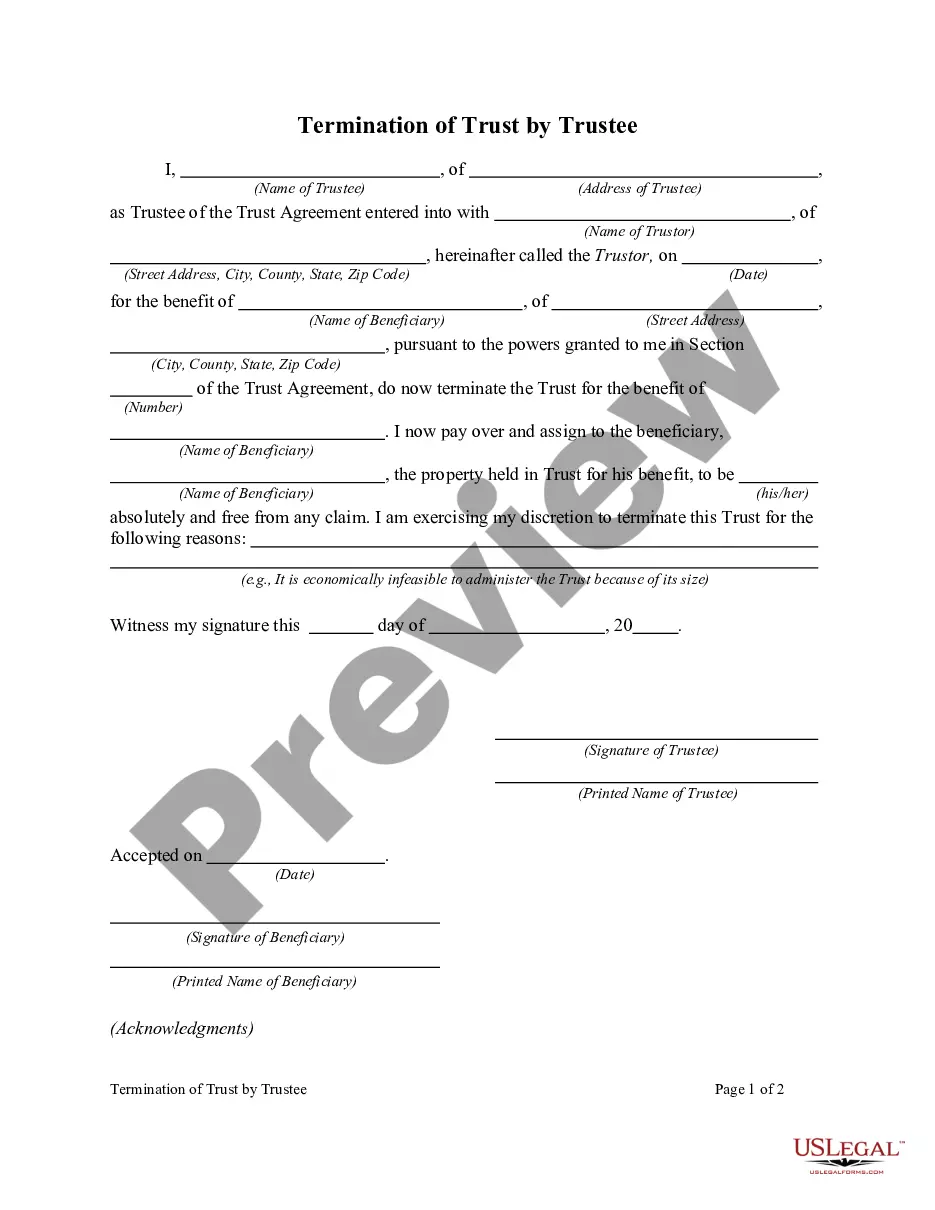
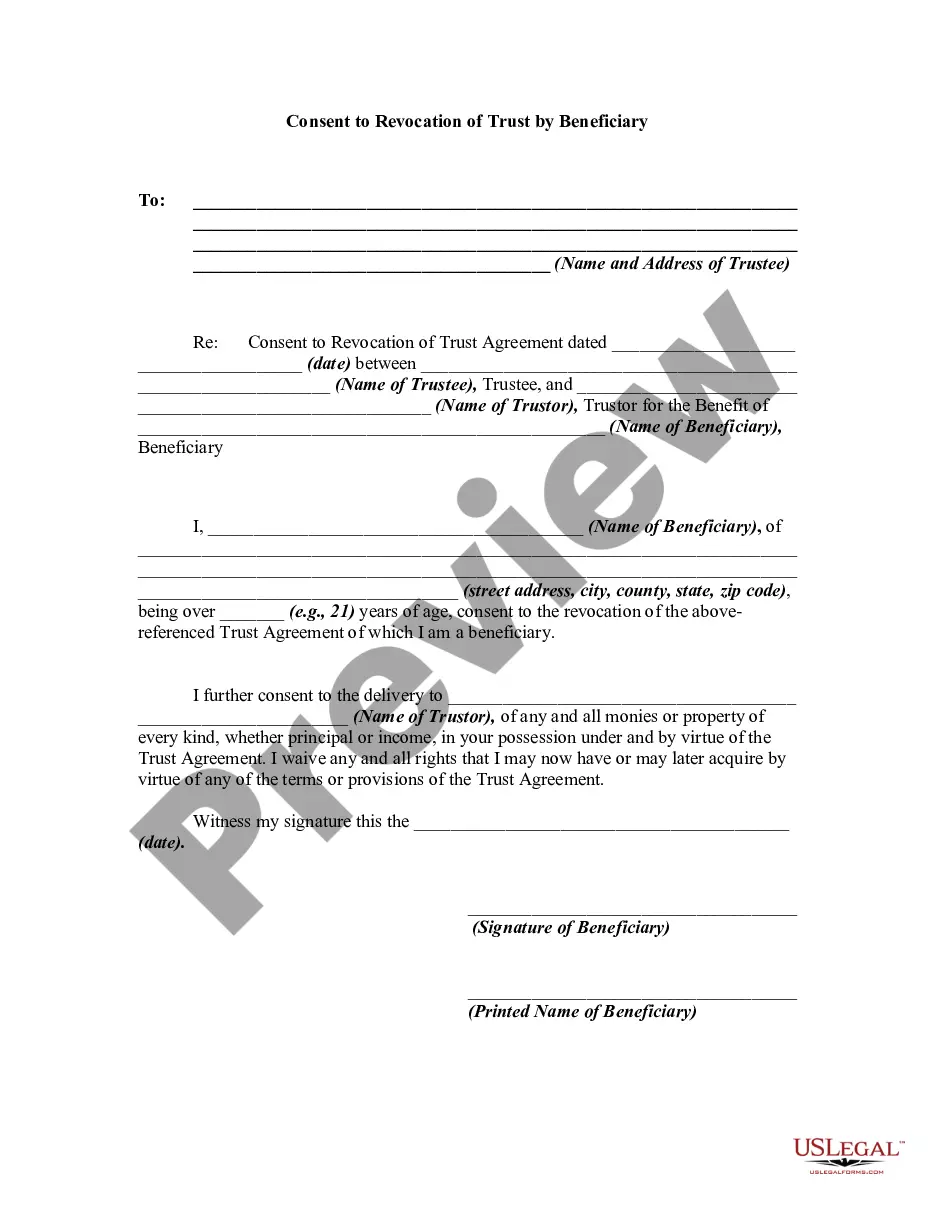
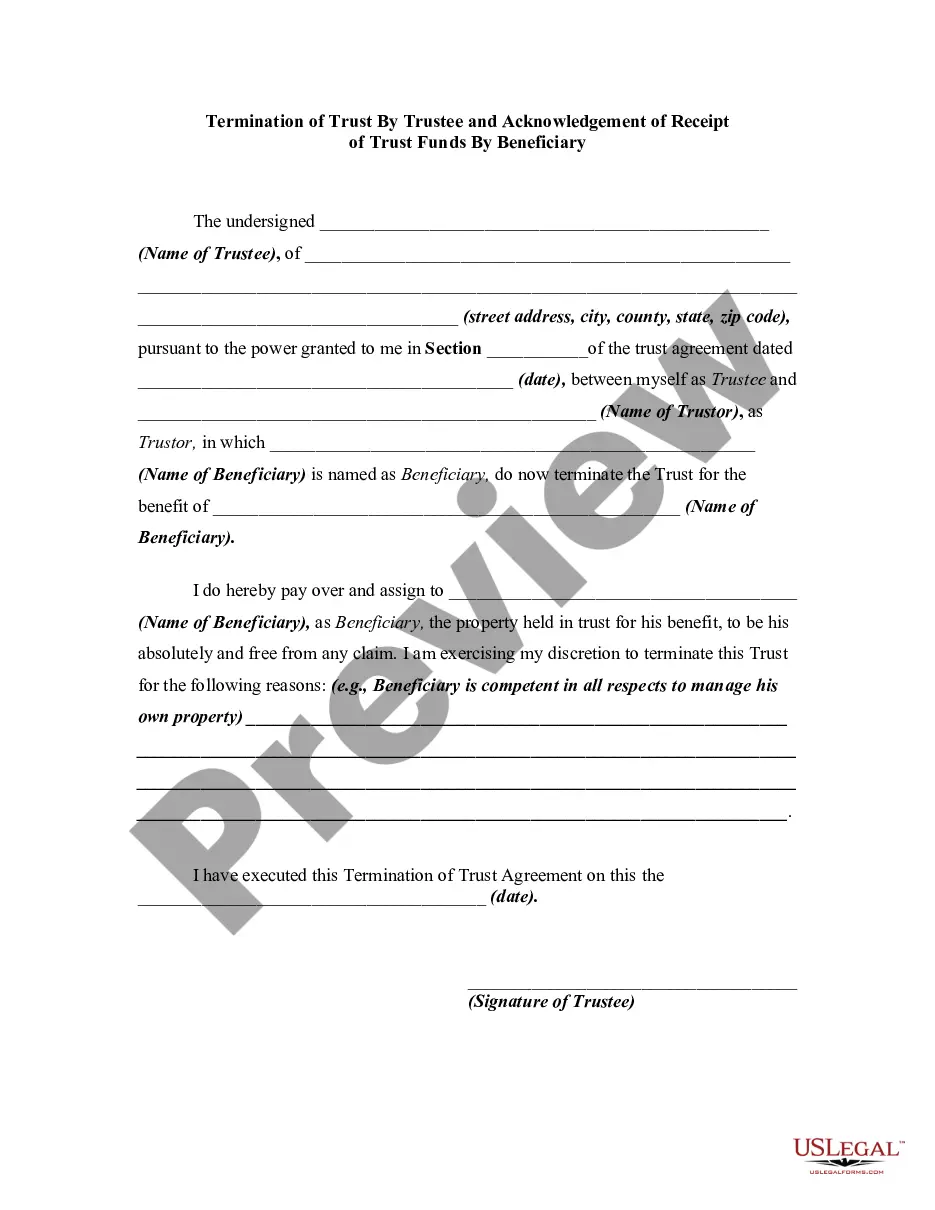
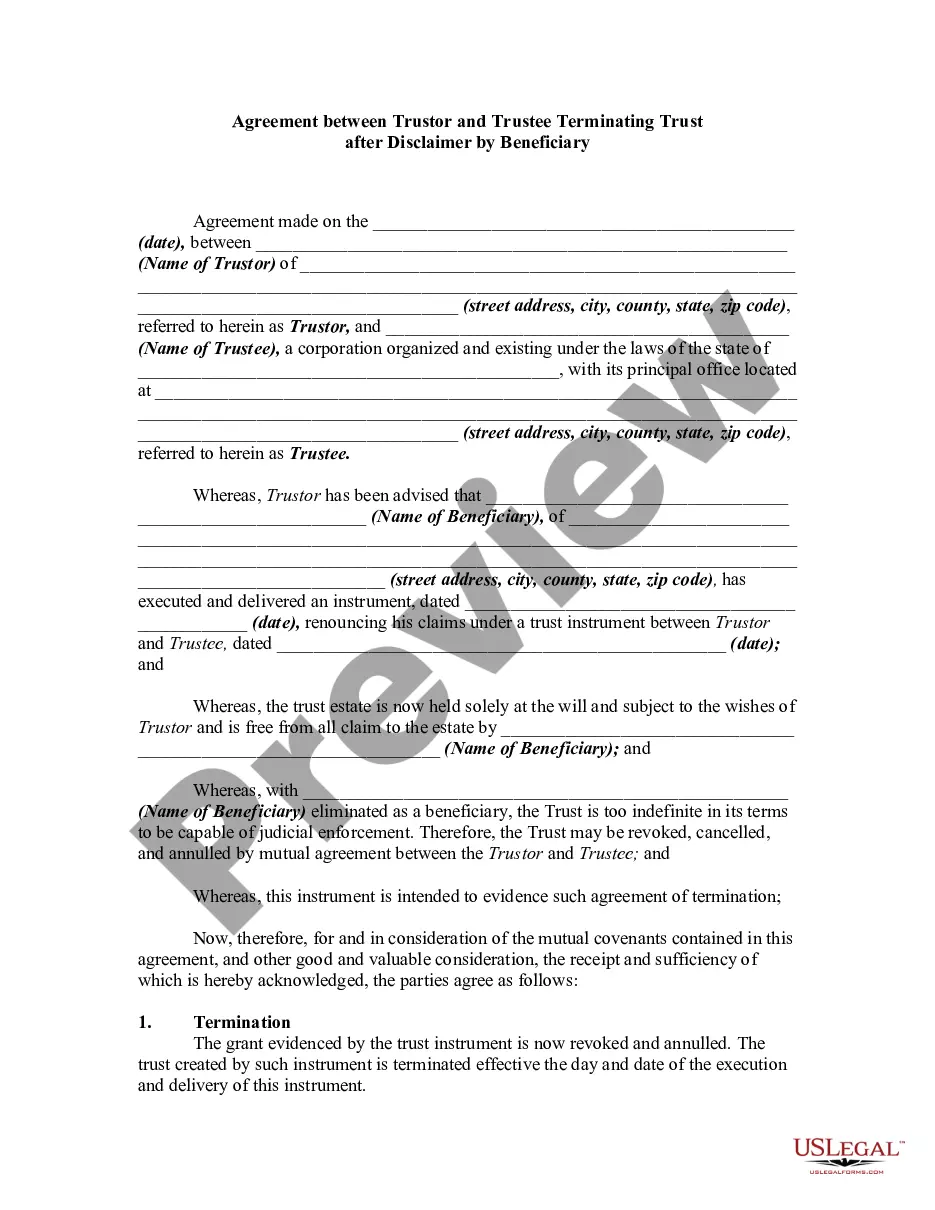
Description


Get your form ready online
Our built-in tools help you complete, sign, share, and store your documents in one place.
Make edits, fill in missing information, and update formatting in US Legal Forms—just like you would in MS Word.
Download a copy, print it, send it by email, or mail it via USPS—whatever works best for your next step.
Sign and collect signatures with our SignNow integration. Send to multiple recipients, set reminders, and more. Go Premium to unlock E-Sign.
If this form requires notarization, complete it online through a secure video call—no need to meet a notary in person or wait for an appointment.
We protect your documents and personal data by following strict security and privacy standards.

Make edits, fill in missing information, and update formatting in US Legal Forms—just like you would in MS Word.

Download a copy, print it, send it by email, or mail it via USPS—whatever works best for your next step.

Sign and collect signatures with our SignNow integration. Send to multiple recipients, set reminders, and more. Go Premium to unlock E-Sign.

If this form requires notarization, complete it online through a secure video call—no need to meet a notary in person or wait for an appointment.

We protect your documents and personal data by following strict security and privacy standards.
Looking for another form?








How to fill out Termination Of Trust By Trustee?
- Access your account at US Legal Forms. If you are a returning user, log in using your credentials and ensure your subscription is active.
- For first-time users, browse the extensive collection of forms. Use the Preview mode to review descriptions and select the right form that aligns with your legal requirements.
- If necessary, utilize the Search function to find other templates that suit your needs. Confirm the accuracy of the selected form before proceeding.
- Purchase the selected document by clicking on the Buy Now button. Choose a subscription plan that fits your needs and create your account.
- Complete your transaction by entering your payment information, either via credit card or PayPal.
- Download your form to your device and access it later through the My Forms menu in your profile.
Following these steps ensures you get the correct legal form effectively and efficiently. US Legal Forms not only provides a vast selection of over 85,000 forms but also connects users with premium experts for assistance, ensuring that all your documents are legally sound.
Don't wait any longer! Start your legal journey today by visiting US Legal Forms and gain instant access to your necessary documents.
Form popularity
FAQ
An example of a beneficiary trust is a healthcare trust that directs funds for healthcare expenses for specific beneficiaries. This type of trust can ensure that financial resources are available for medical needs. Establishing a beneficiary trustee trust for the benefit allows for targeted assistance, ensuring that the funds serve their intended purpose effectively.
One downside of putting assets in a trust is that it may limit access to funds during your lifetime. Depending on the terms of the trust, assets may become unavailable until a specific event occurs. Additionally, there can be legal fees involved in setting up and maintaining the trust. Nonetheless, a carefully constructed beneficiary trustee trust for the benefit can offer significant advantages that outweigh the downsides.
To fill out a beneficiary designation form for a trust, start by gathering the necessary information about the trust and its beneficiaries. Clearly list each beneficiary's name, contact information, and relationship to the trust. Ensure that the form is signed and dated properly. Using a beneficiary trustee trust for the benefit makes this process straightforward and helps avoid common mistakes.
Your parents may benefit from putting their assets in a trust, especially if they wish to control distribution after their passing. A trust can protect assets from probate, making the process smoother for beneficiaries. Additionally, it offers privacy and can possibly reduce estate taxes. A beneficiary trustee trust for the benefit can serve as a great choice for efficient asset management.
The biggest mistake parents often make is failing to update the trust as circumstances change. Life events such as births, deaths, or changes in financial status should trigger a review of the trust. Ignoring this can result in beneficiaries receiving unwanted assets. Establishing a beneficiary trustee trust for the benefit ensures that assets are distributed according to current family dynamics.
One significant downfall of having a trust is the complexity involved in its setup and maintenance. If the trust document is not clearly drafted, misunderstandings can arise, leading to disputes among beneficiaries. Moreover, not all assets are automatically covered by a trust, which can create confusion. Utilizing a beneficiary trustee trust for the benefit simplifies these challenges.
A disadvantage of a family trust is the ongoing maintenance costs. Annual fees for management and legal services can add up over time. Additionally, if the trust is not properly structured, it may not provide the tax benefits you expect. A beneficiary trustee trust for the benefit can help mitigate some of these costs when managed correctly.
A trust is a legal arrangement where one party holds assets for the benefit of another. The trustee is the individual or entity responsible for managing the trust, while the beneficiary is the person who receives benefits from it. In a beneficiary trustee trust for the benefit, these roles help ensure that assets are used effectively and according to the wishes of the trust creator. Understanding these distinctions is crucial for anyone involved.
Whether it is better to be a trustee or a beneficiary depends on personal circumstances and responsibilities. A trustee in a beneficiary trustee trust for the benefit must manage assets diligently and act in the interests of beneficiaries. On the other hand, beneficiaries enjoy the financial and supportive benefits without the burden of management. Each role offers different advantages, so consider your priorities.
In a trust setup, the trustee holds the administrative power, but the ultimate benefit lies with the beneficiaries. In a beneficiary trustee trust for the benefit, the trustee makes decisions regarding the trust's assets, but beneficiaries have rights to the trust's benefits. This balance of power can create a healthy dynamic, provided all parties understand their roles. Clear communication is key.