Exiting Pxe Rom Como Resolver
Description
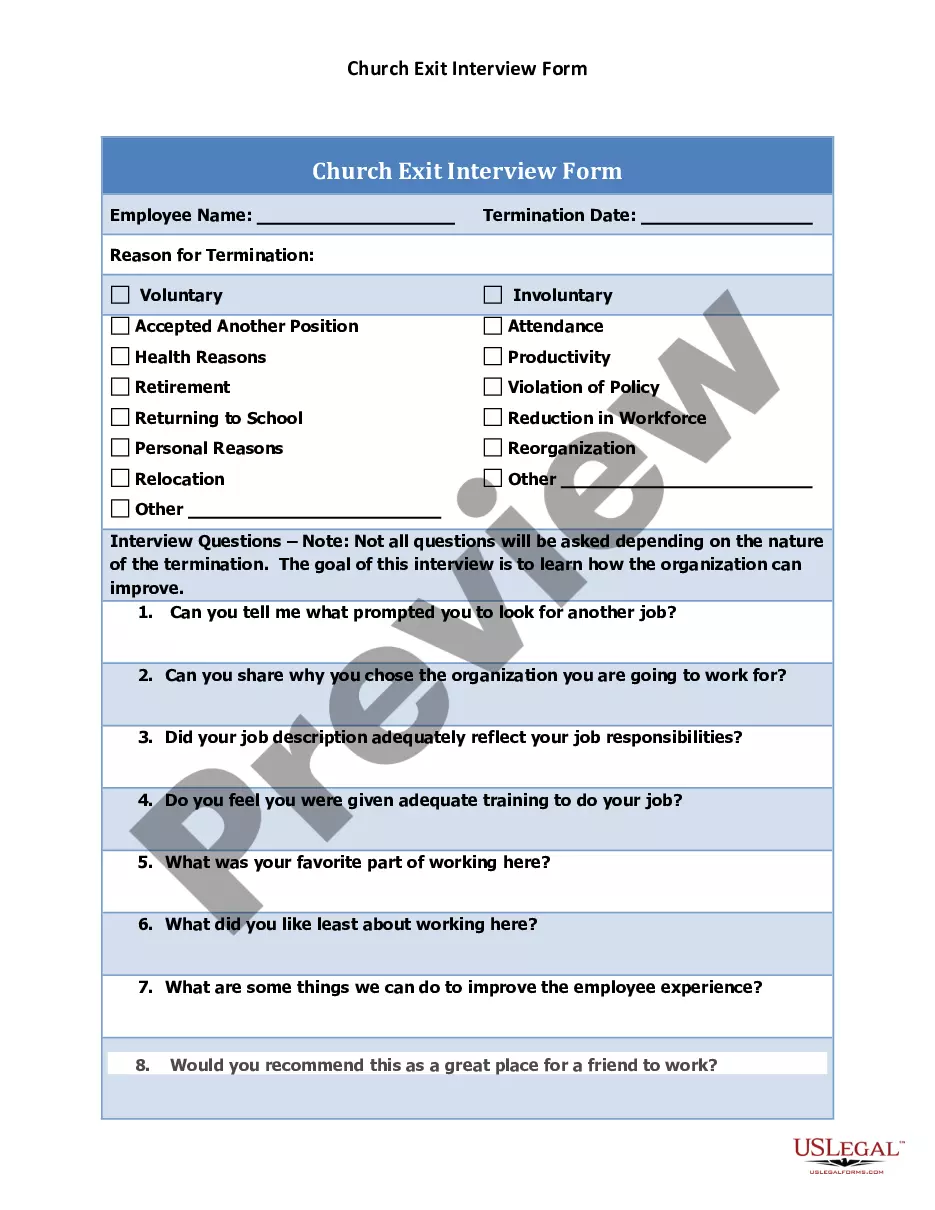
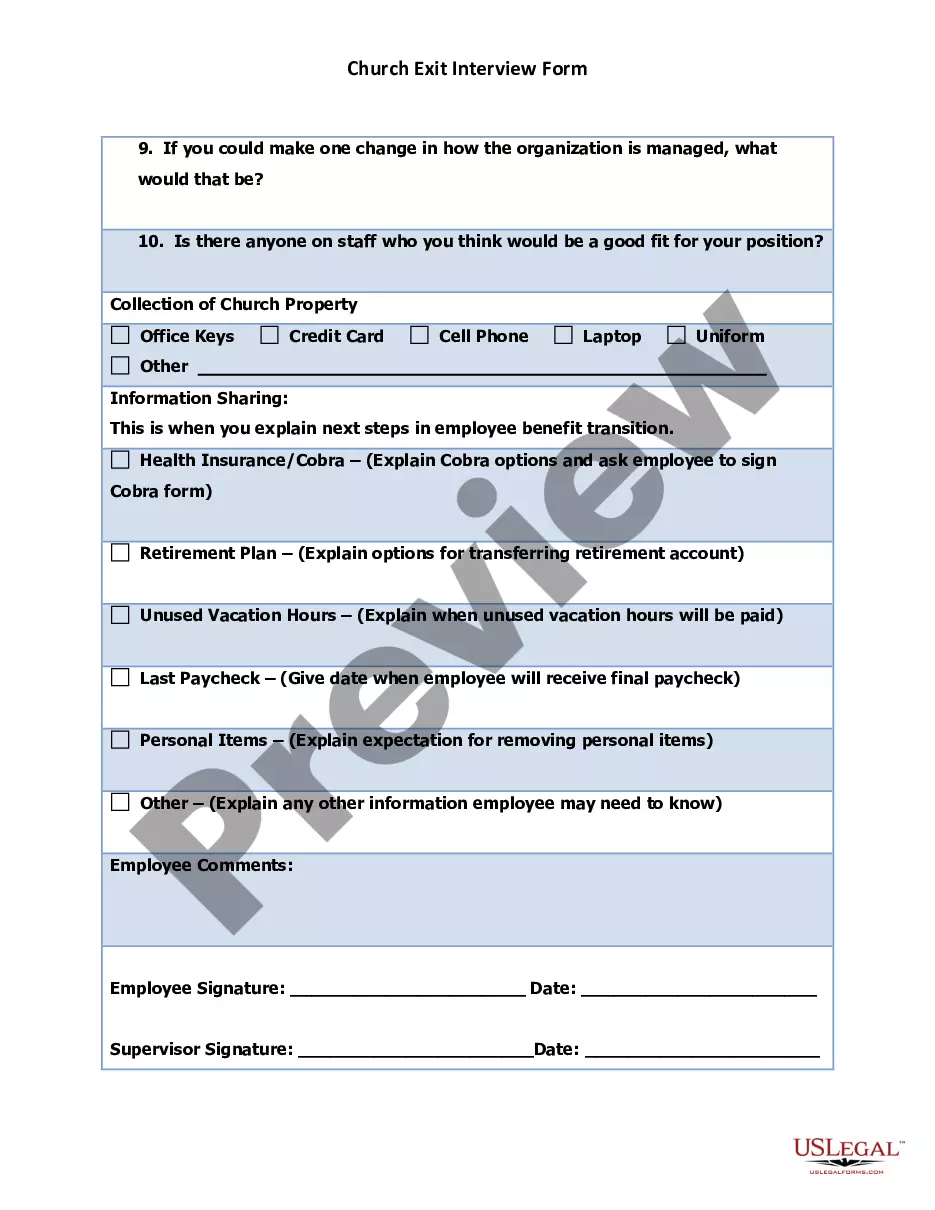

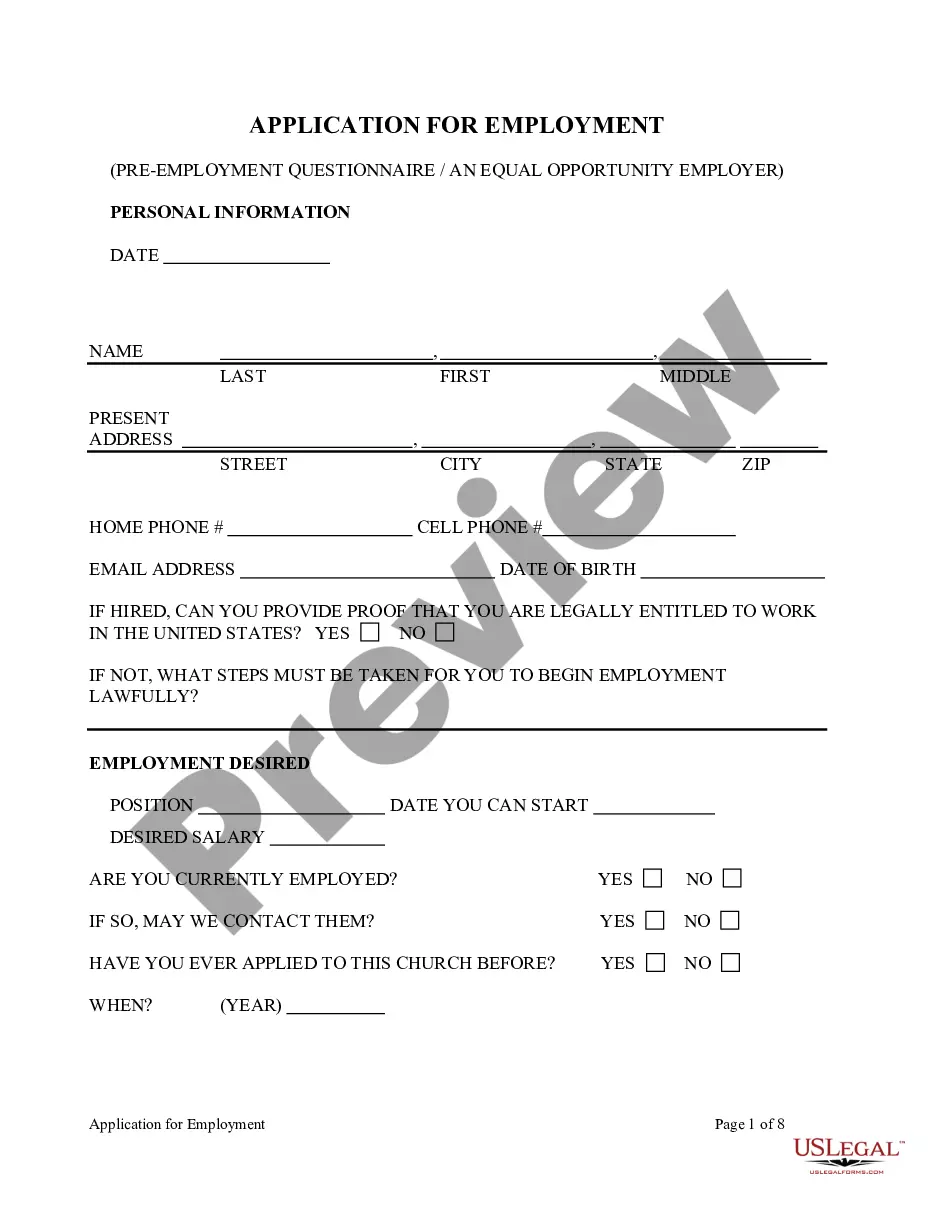

Get your form ready online
Our built-in tools help you complete, sign, share, and store your documents in one place.
Make edits, fill in missing information, and update formatting in US Legal Forms—just like you would in MS Word.
Download a copy, print it, send it by email, or mail it via USPS—whatever works best for your next step.
Sign and collect signatures with our SignNow integration. Send to multiple recipients, set reminders, and more. Go Premium to unlock E-Sign.
If this form requires notarization, complete it online through a secure video call—no need to meet a notary in person or wait for an appointment.
We protect your documents and personal data by following strict security and privacy standards.

Make edits, fill in missing information, and update formatting in US Legal Forms—just like you would in MS Word.

Download a copy, print it, send it by email, or mail it via USPS—whatever works best for your next step.

Sign and collect signatures with our SignNow integration. Send to multiple recipients, set reminders, and more. Go Premium to unlock E-Sign.

If this form requires notarization, complete it online through a secure video call—no need to meet a notary in person or wait for an appointment.

We protect your documents and personal data by following strict security and privacy standards.
Looking for another form?


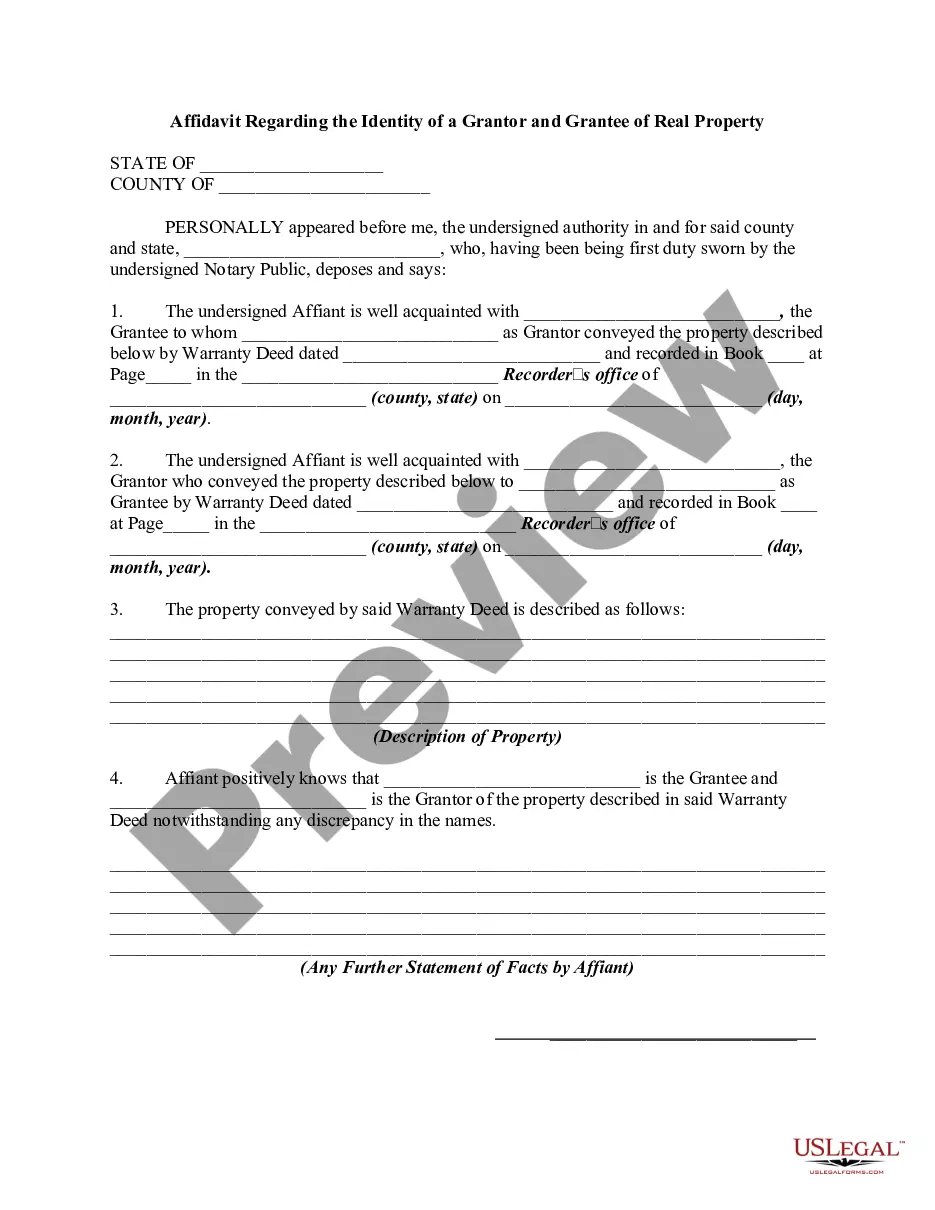






How to fill out Church Exit Interview Form?
- For returning users, log into your existing account and download any necessary form template straight to your device. Ensure your subscription remains active; if it’s not, simply renew it according to your payment plan.
- If you’re new to US Legal Forms, start by previewing the available documents. You’ll want to confirm that your selection fits your specific needs and adheres to local regulations.
- Should you need a different document, use the search function to locate alternative templates. Ensure what you choose is correct before proceeding.
- Purchase your selected form by clicking the 'Buy Now' option, and pick a suitable subscription plan. An account must be registered to access the full range of resources.
- Complete your transaction by entering your payment details via credit card or PayPal. Once processed, download the form to your device.
- Retrieve your downloaded form anytime via the My Forms section in your profile.
US Legal Forms equips both individuals and legal professionals to swiftly navigate the document preparation process with an extensive, user-friendly library.
With over 85,000 editable legal forms at your disposal, don’t let forms slow you down. Start your journey with US Legal Forms today!
Form popularity
FAQ
When you see the message 'start PXE over IPv4,' it usually means your computer is trying to boot from a network instead of a hard drive. This scenario often occurs when the system doesn't detect an operating system in the hard drive. To fix this, double-check your boot order in the BIOS settings and ensure that the hard disk is set as the primary boot device. For a comprehensive solution to exiting PXE ROM como resolver, consider exploring resources on the US Legal Forms platform.
To turn off PXE ROM, start by accessing your computer's BIOS or UEFI settings. Look for the 'Boot' menu, and you should find an option labeled 'Network Boot' or 'PXE Boot.' Disable this option, save your changes, and exit. This action can help resolve issues related to exiting PXE ROM como resolver.
PXE failure occurs when a computer tries to boot using PXE and cannot find a network boot server or valid boot image. This problem often leads to the exiting PXE ROM message. Understanding PXE failure helps you pinpoint connectivity issues or misconfigured settings in your BIOS. If you face persistent issues, consider using platforms like US Legal Forms to explore solutions tailored to your needs.
To turn off PXE, access your computer's BIOS settings during the startup sequence. Locate the boot menu and disable the PXE boot option, as well as any settings related to network booting. Once disabled, your system will only attempt to boot from local drives. This adjustment can help prevent unwanted exiting PXE ROM messages during startup.
The PXE boot ROM is firmware that allows a computer to boot from a network interface before the main operating system loads. This functionality is particularly useful for remote installation of operating systems or recovering systems. Knowing the role of PXE boot ROM can help you manage your systems more effectively. If you experience trouble with the PXE boot ROM, taking steps to diagnose the issue is essential.
Fixing your PXE boot involves checking the boot order in the BIOS settings. Ensure that the hard drive is prioritized over the PXE network boot option. You may also need to verify your network connection and ensure that your bootable device is functioning correctly. Resolving PXE boot issues improves your startup experience significantly.
To stop PXE over IPv4, enter your system's BIOS settings during startup. Navigate to the boot options and disable the PXE boot option. This prevents your computer from attempting to boot via the network, which often triggers the exiting PXE ROM error. Taking this step minimizes interruptions in your booting process.
Exiting PXE ROM refers to the process where a computer is unable to find a bootable device over the network. This situation typically arises when the system searches for a PXE server to boot but fails to locate it. Understanding this message can help you troubleshoot your boot process effectively. Knowing how to resolve exiting PXE ROM issues is key to getting your device back up and running.
To fix a PXE boot failed error, ensure that the network cable is securely connected and check your BIOS settings for boot priorities. If necessary, replace any faulty hardware components. This knowledge on resolving a PXE boot failure, particularly exiting PXE ROM, will enhance your troubleshooting skills. For more comprehensive solutions, explore options available on uslegalforms.
PXE boot ROM refers to the firmware that facilitates booting your computer from a network. This functionality is crucial in environments where multiple systems may require network installation. Understanding PXE boot ROM helps in troubleshooting issues like exiting PXE ROM efficiently. If you seek further assistance, uslegalforms can provide valuable resources.