Articles Non Profit Organization For Youth
Description
Get your form ready online
Our built-in tools help you complete, sign, share, and store your documents in one place.
Make edits, fill in missing information, and update formatting in US Legal Forms—just like you would in MS Word.
Download a copy, print it, send it by email, or mail it via USPS—whatever works best for your next step.
Sign and collect signatures with our SignNow integration. Send to multiple recipients, set reminders, and more. Go Premium to unlock E-Sign.
If this form requires notarization, complete it online through a secure video call—no need to meet a notary in person or wait for an appointment.
We protect your documents and personal data by following strict security and privacy standards.

Make edits, fill in missing information, and update formatting in US Legal Forms—just like you would in MS Word.

Download a copy, print it, send it by email, or mail it via USPS—whatever works best for your next step.

Sign and collect signatures with our SignNow integration. Send to multiple recipients, set reminders, and more. Go Premium to unlock E-Sign.

If this form requires notarization, complete it online through a secure video call—no need to meet a notary in person or wait for an appointment.

We protect your documents and personal data by following strict security and privacy standards.
Looking for another form?




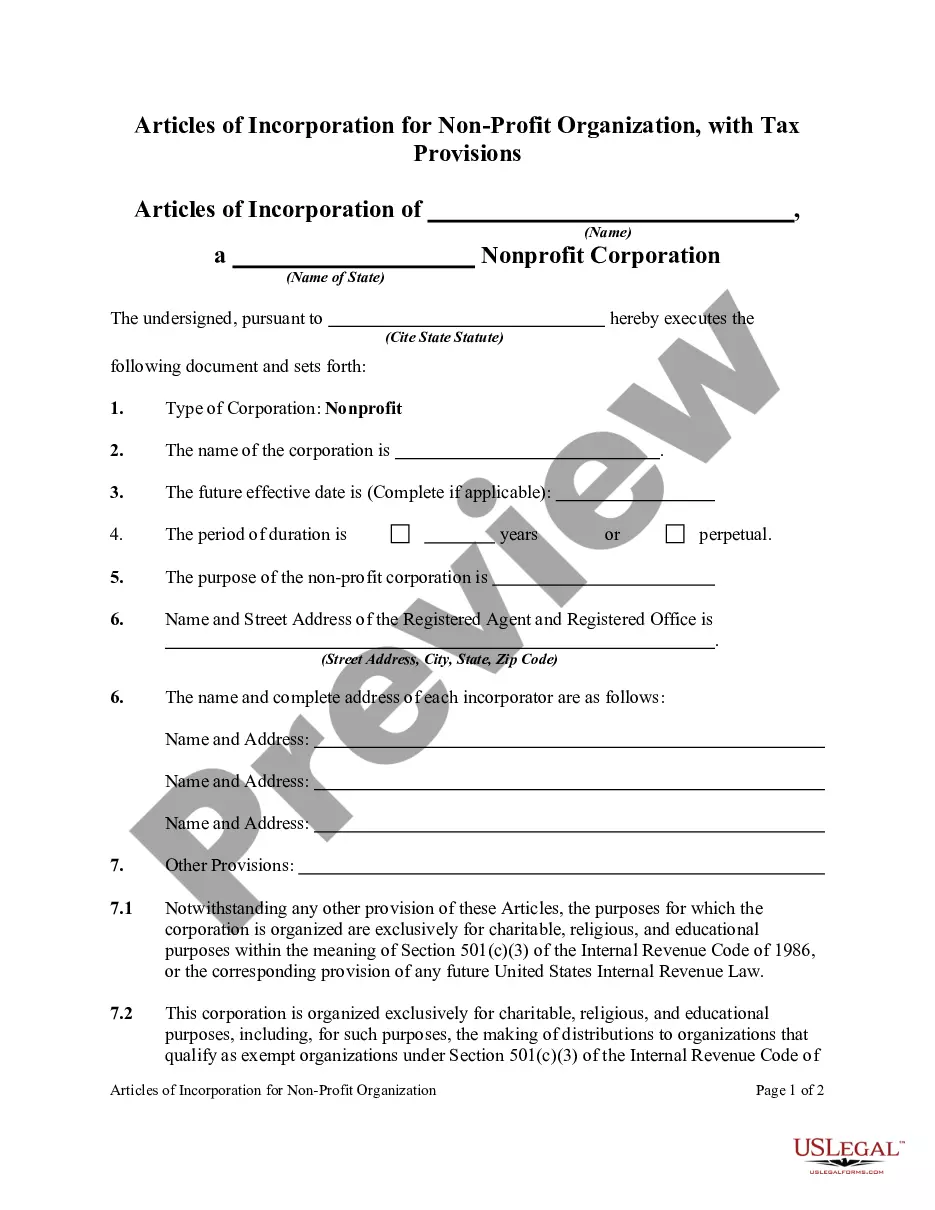
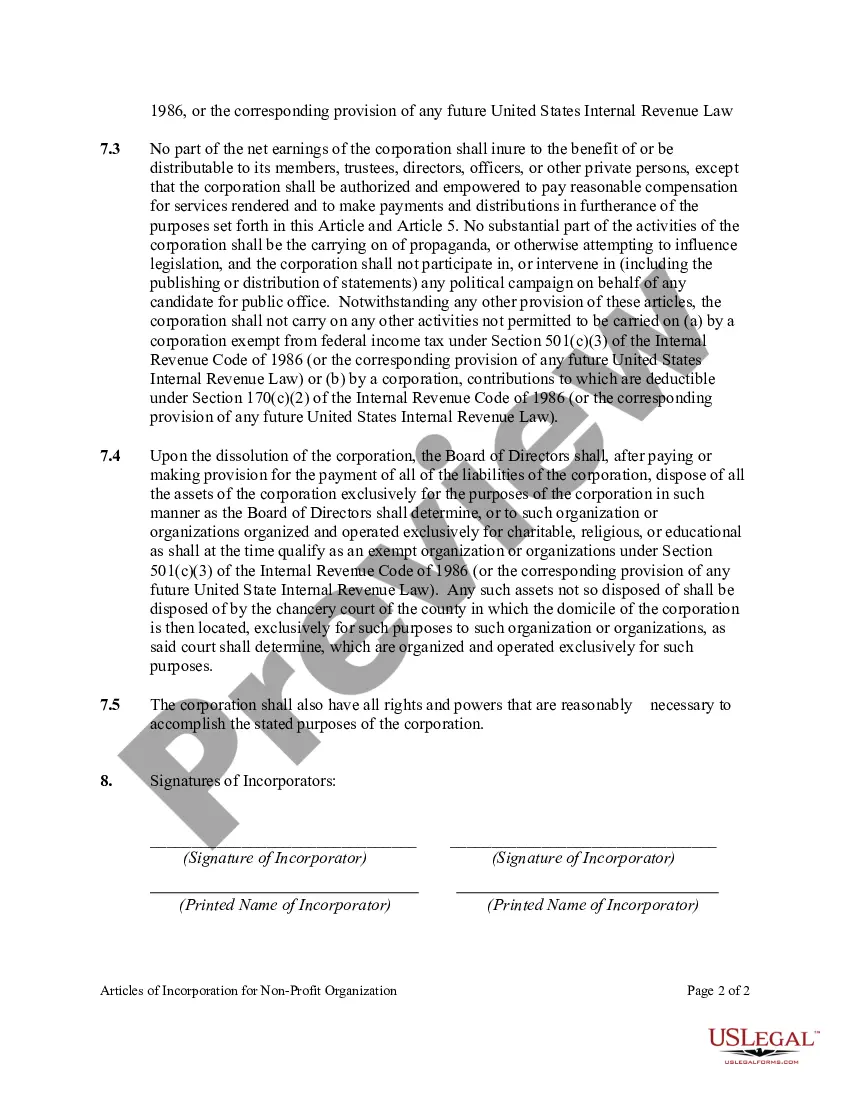
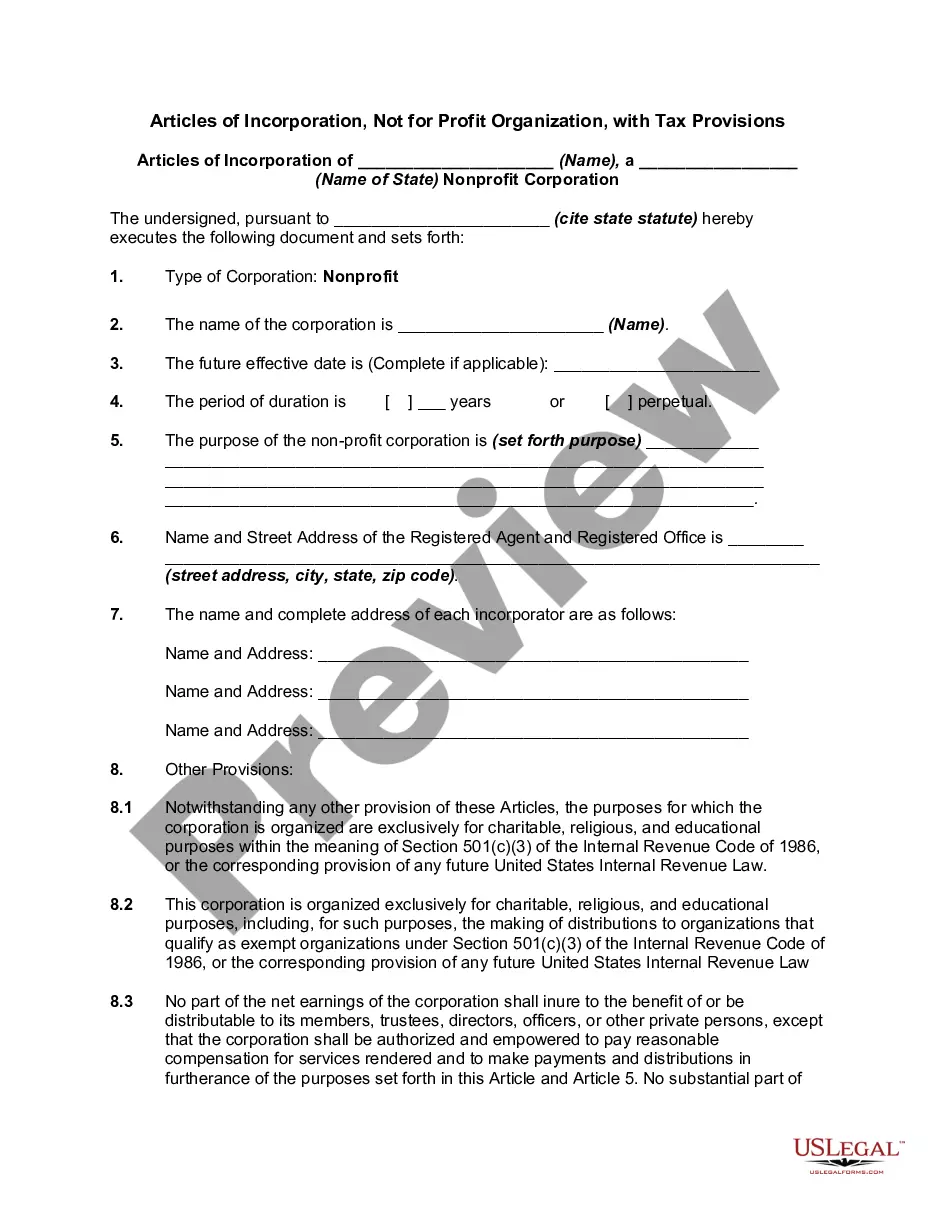
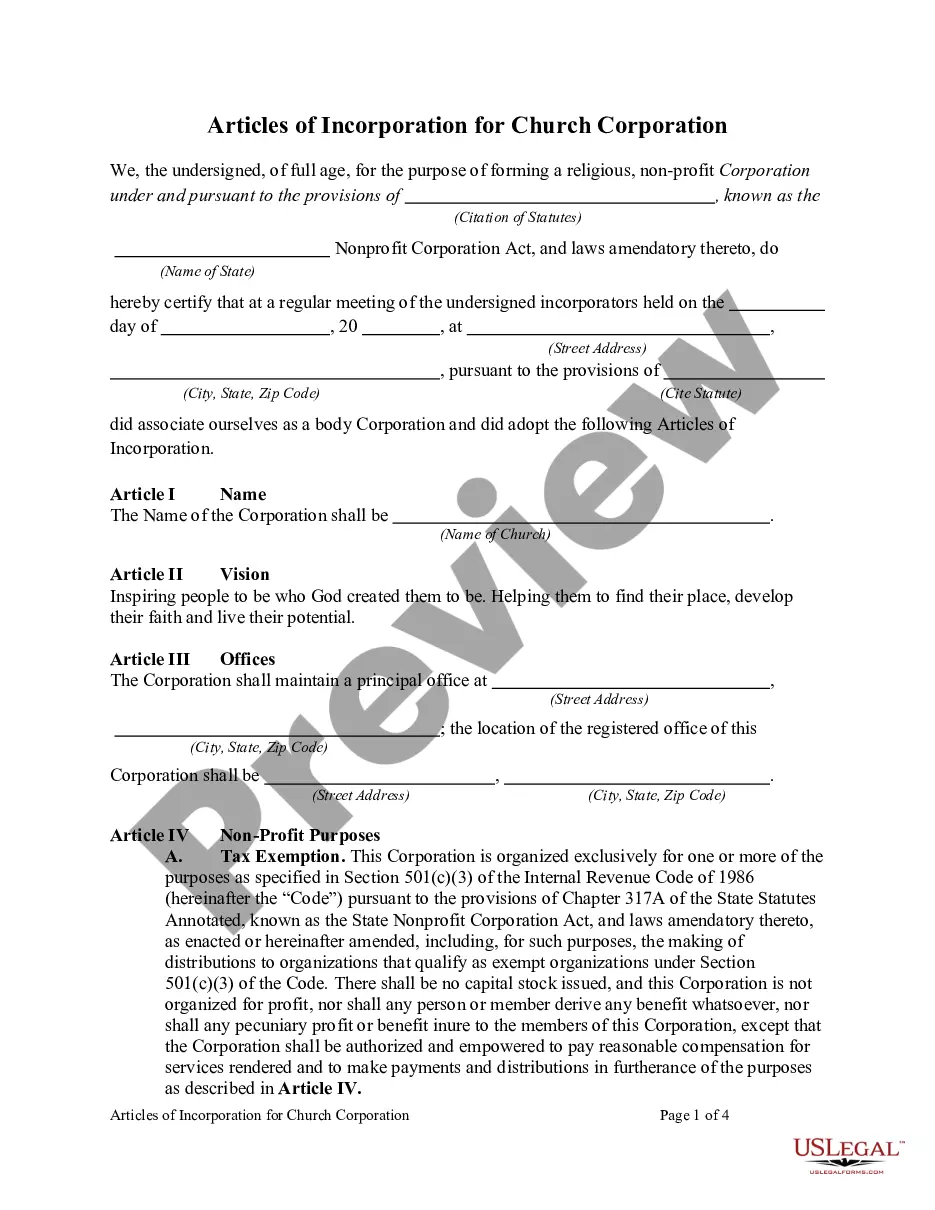
How to fill out Articles Of Incorporation For Non-Profit Organization, With Tax Provisions?
Employing legal documents that adhere to national and local laws is crucial, and the online world provides numerous alternatives to select from.
However, why squander time hunting for the appropriate Articles Non Profit Organization For Youth example online when the US Legal Forms digital library already consolidates such documents in one centralized location.
US Legal Forms is the largest online legal directory featuring over 85,000 editable templates crafted by legal professionals for any business or personal situation.
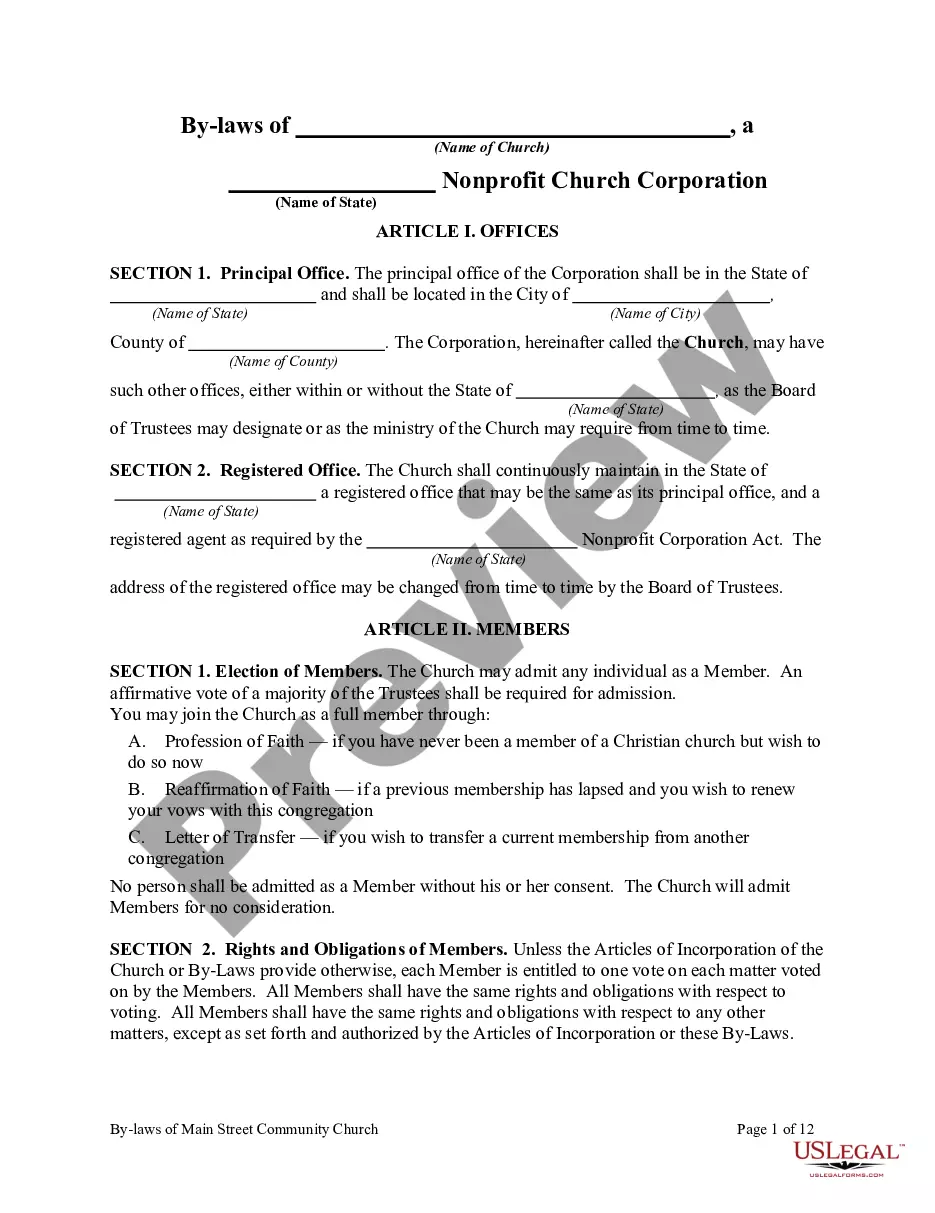
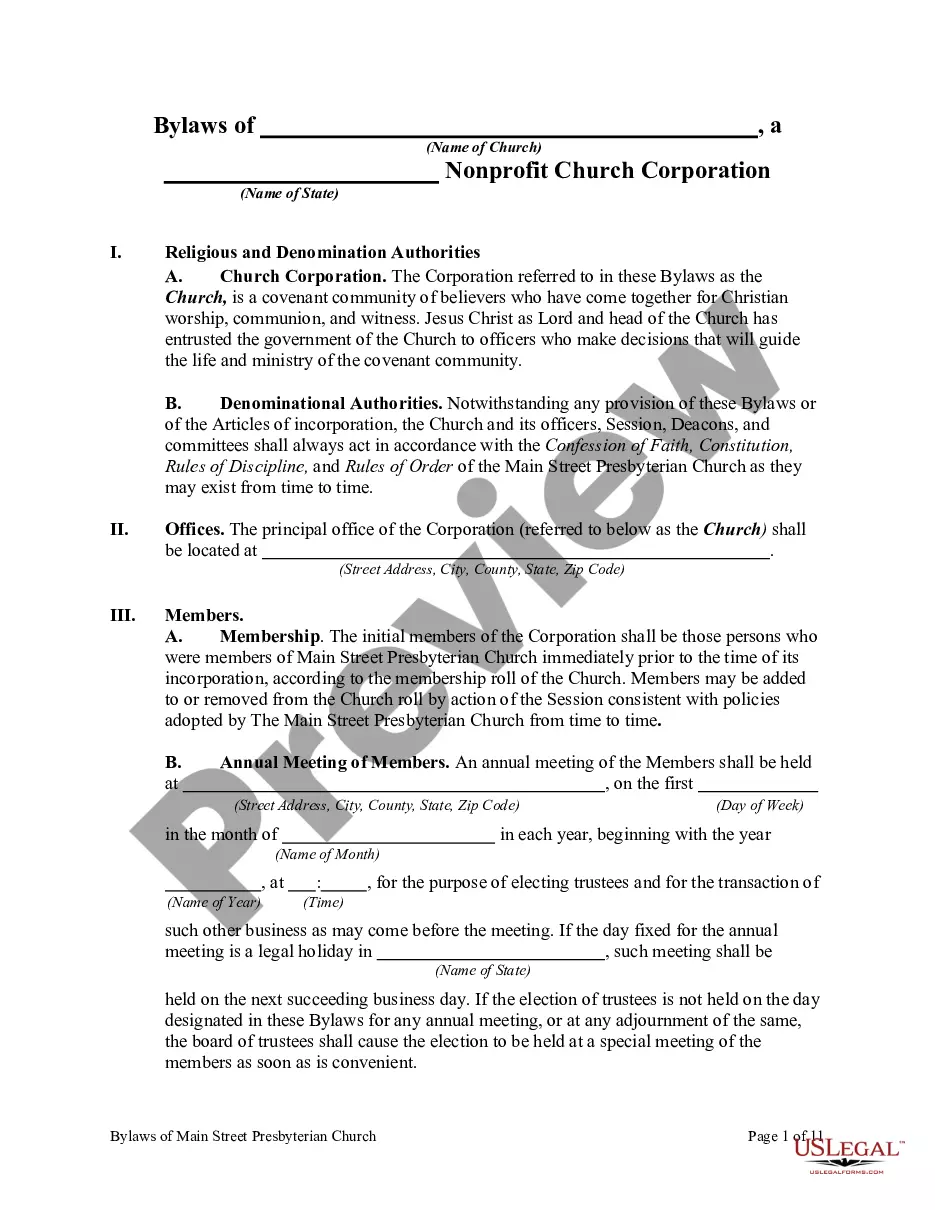
Explore the template using the Preview feature or through the text outline to ensure it fits your needs.
- They are user-friendly, with all documents organized by state and intended use.
- Our experts keep pace with legal modifications, ensuring you can always trust that your form is current and compliant when obtaining an Articles Non Profit Organization For Youth from our site.
- Acquiring an Articles Non Profit Organization For Youth is straightforward and fast for both returning and new users.
- If you possess an account with an active subscription, Log In and download the template you need in your preferred format.
- If you are visiting our site for the first time, adhere to the instructions below.
Form popularity
FAQ
Yes, nonprofits are required to report to the IRS annually, typically through Form 990. This form provides transparency into the organization's finances, governance, and operations. If you are starting a nonprofit organization for youth, you can find valuable articles that guide you through regulatory compliance and reporting necessities, helping ensure your organization meets all legal requirements.
The 33 rule refers to the same guideline as the 33 percent rule, indicating that at least one-third of a nonprofit's expenditures should support its programs. This principle helps organizations remain focused on their mission while effectively using resources. For youth-oriented nonprofits, exploring articles on best practices can be beneficial to maintain financial accountability.
The IRS has specific regulations that govern nonprofit organizations, requiring them to operate exclusively for charitable purposes. Nonprofits must ensure compliance with tax-exempt regulations while providing annual reports and maintaining transparency. For comprehensive guidance on setting up a nonprofit organization for youth, consider diving into the articles on the US Legal Forms platform.
Similar to the previous question, the 80/20 rule signals that a small segment of contributors typically provides the bulk of donations to a nonprofit. This principle serves as a reminder to engage actively with top donors and to cultivate those relationships. Delving into articles on nonprofit organizations for youth might provide useful strategies to maximize these valuable connections.
The 80/20 rule for nonprofits implies that approximately 20 percent of supporters generate about 80 percent of the organization's revenue. Understanding this ratio can help organizations prioritize efforts on key donors while enhancing relationships with existing supporters. For more information on effective fundraising strategies, check out articles related to nonprofit organizations for youth.
The 33 percent rule suggests that a nonprofit organization should spend at least one-third of its total revenue on its programs and services, especially when it comes to supporting youth initiatives. This guideline helps ensure that funds are effectively utilized to further the organization's mission. Exploring articles regarding nonprofit organizations for youth can provide more insight on maintaining financial health while focusing on impactful programming.
The 5% rule suggests that at least 5% of a nonprofit's total expenses should be allocated to public advocacy and outreach. This rule encourages nonprofits to engage actively with their communities. Ensuring adherence to the 5% rule is particularly important when drafting articles of incorporation for youth-focused organizations to promote community involvement.
An example of a purpose statement in articles of incorporation could be, 'The purpose of this organization is to provide educational and recreational activities for underprivileged youth in the community.' This clear and concise language defines your organization’s mission and vision, crucial elements for any articles of incorporation for a nonprofit organization for youth.
Writing articles of incorporation involves outlining your organization's name, purpose, and governance structure. Include details such as the registered agent and information about members or directors. To streamline this process, consider using resources from USLegalForms, which can provide templates tailored for articles of incorporation for youth nonprofits.
Typically, the founders of a nonprofit organization prepare the articles of incorporation. If needed, they may seek assistance from legal professionals to ensure compliance with state laws. Having well-prepared articles of incorporation is crucial for the successful establishment of your nonprofit organization for youth.