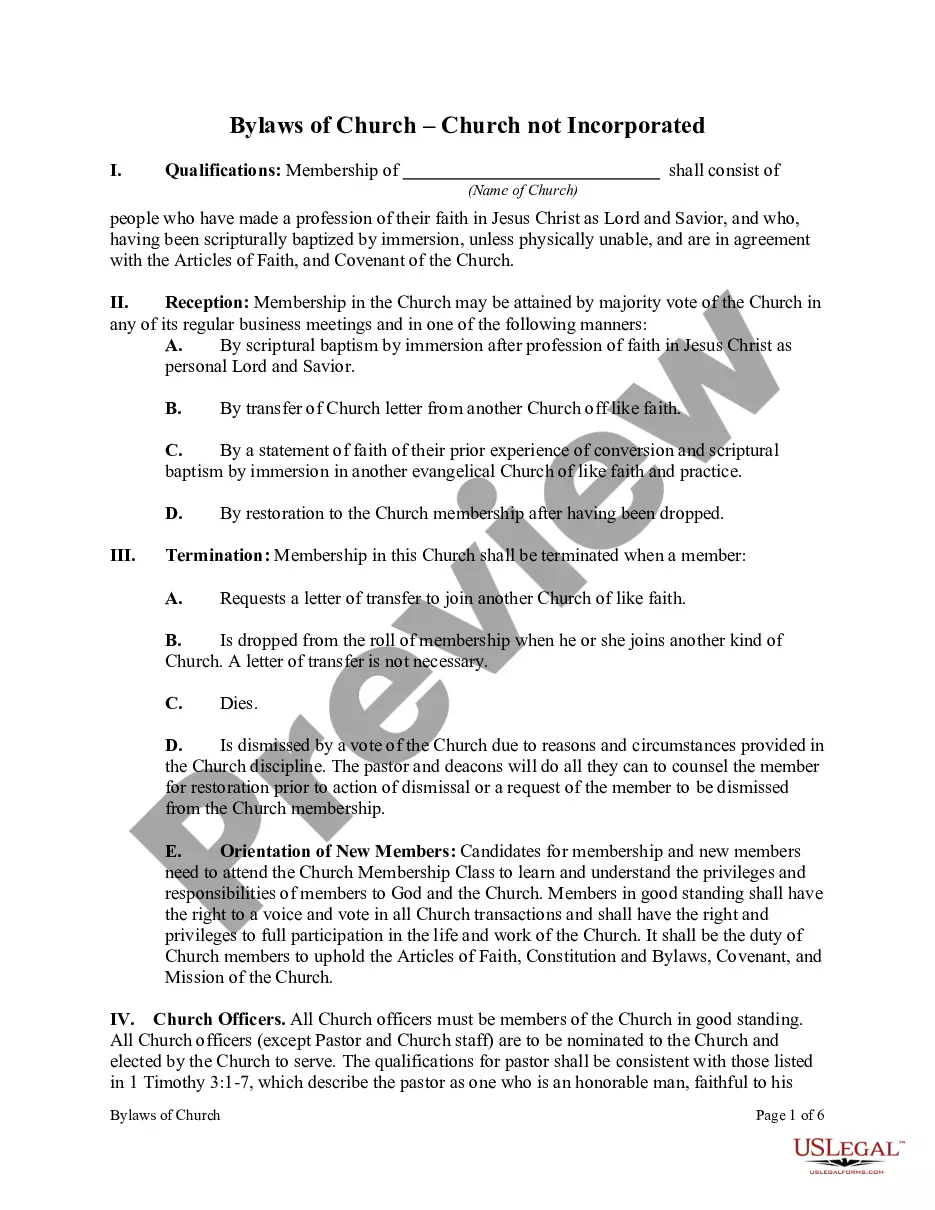
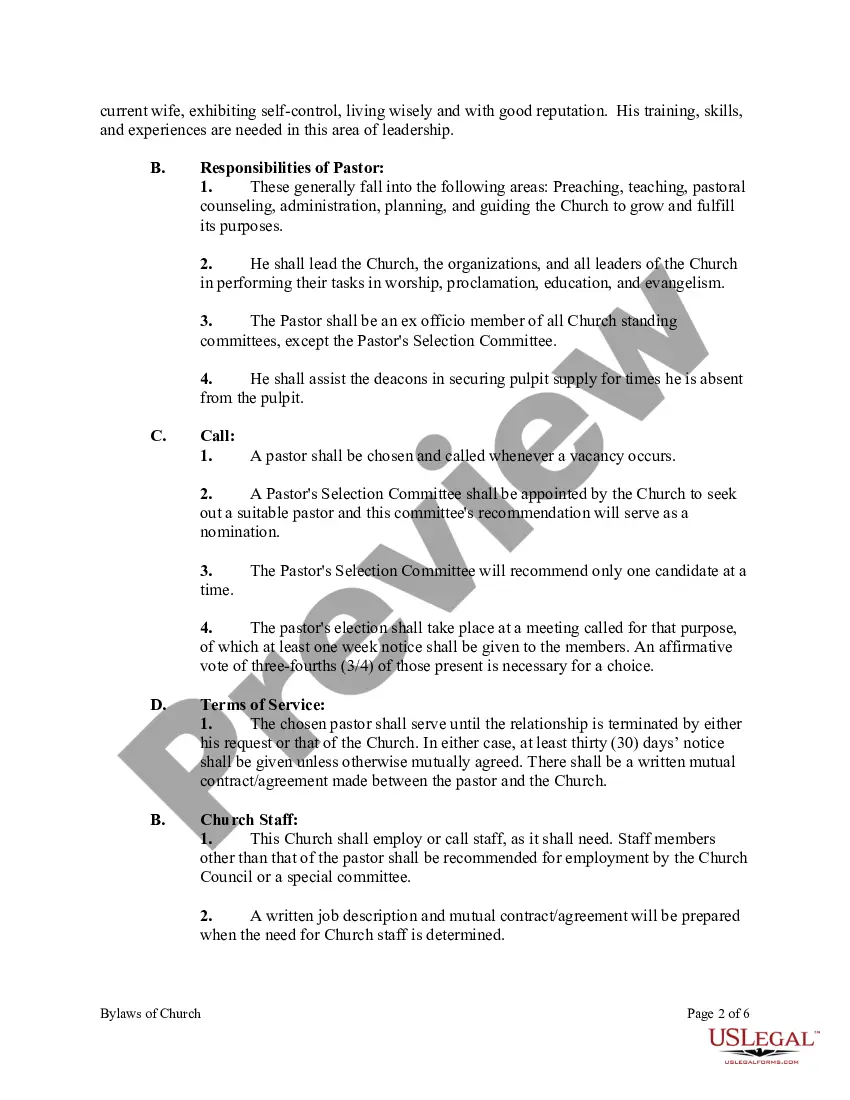
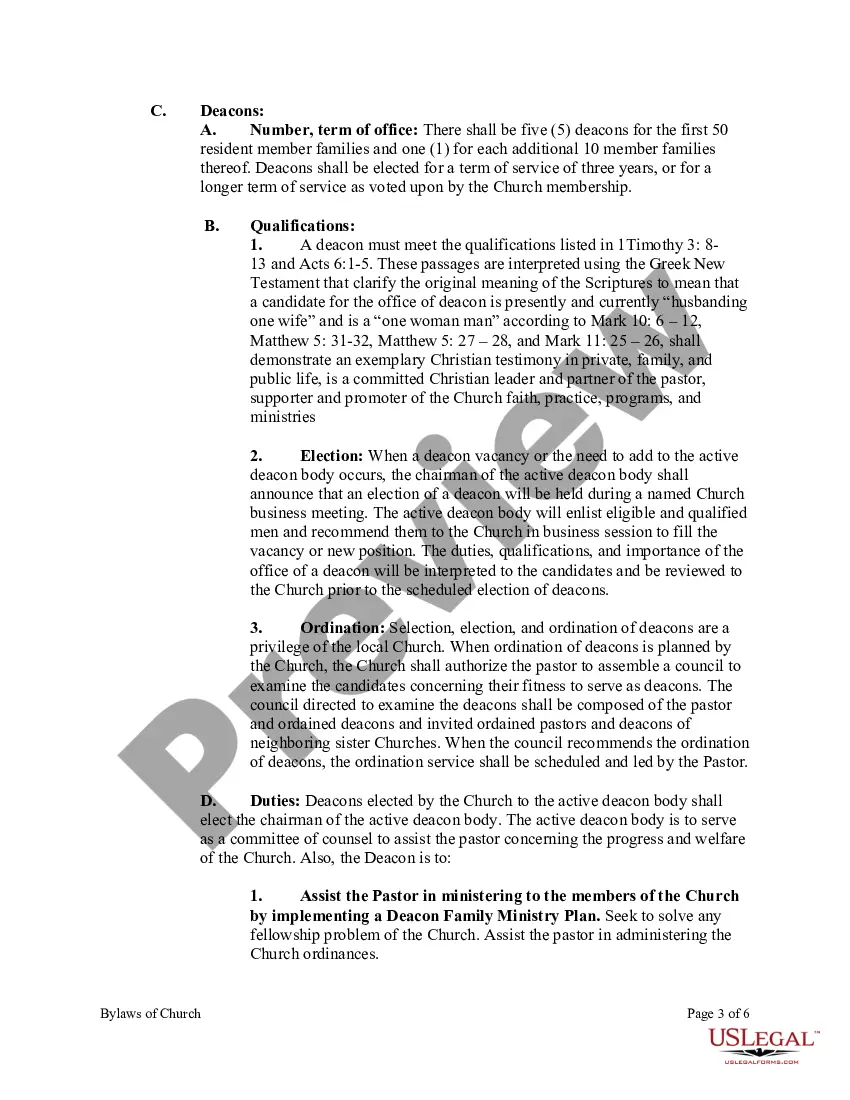
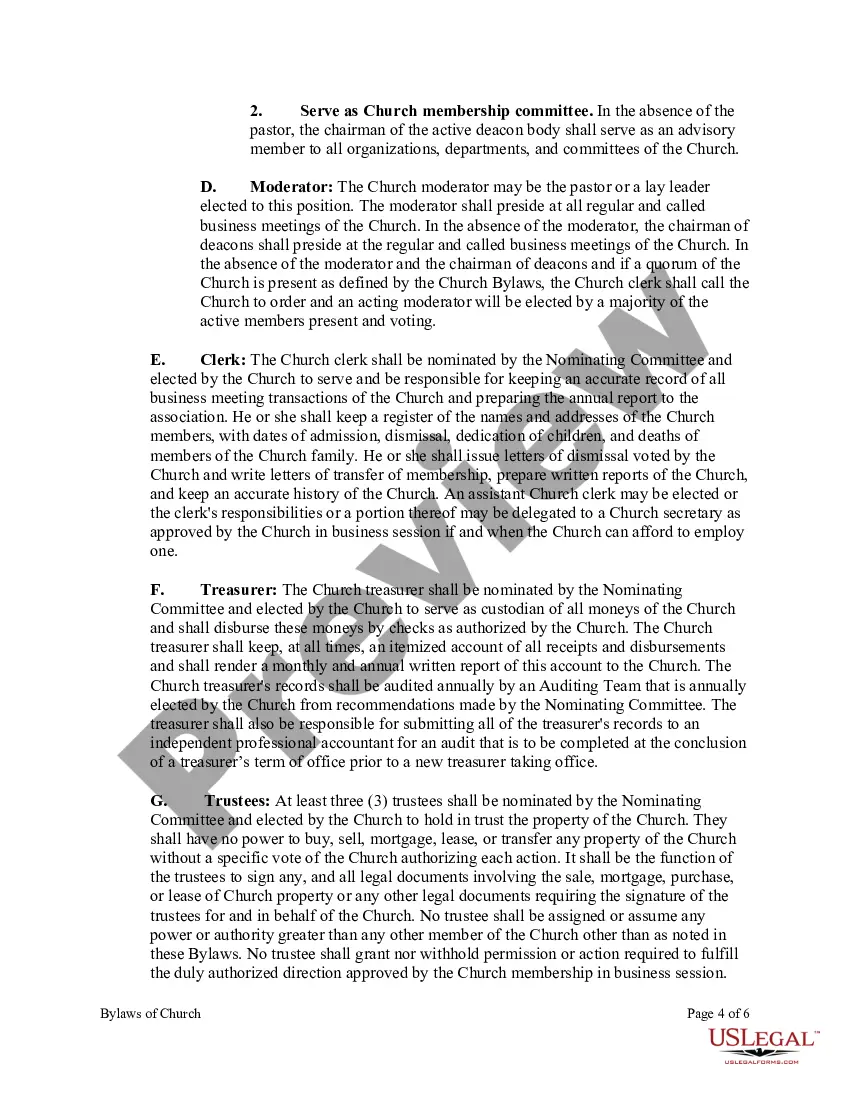
Sample Bylaws For Nonprofit Ministry
Description
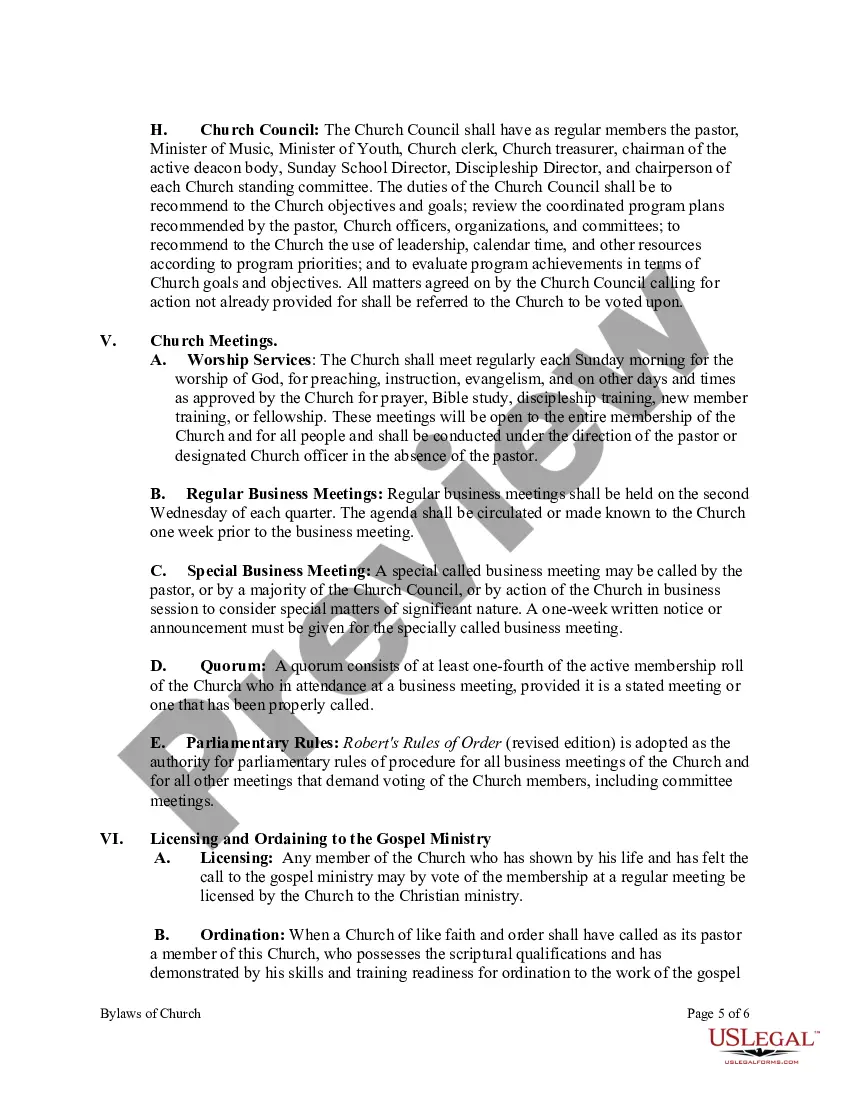
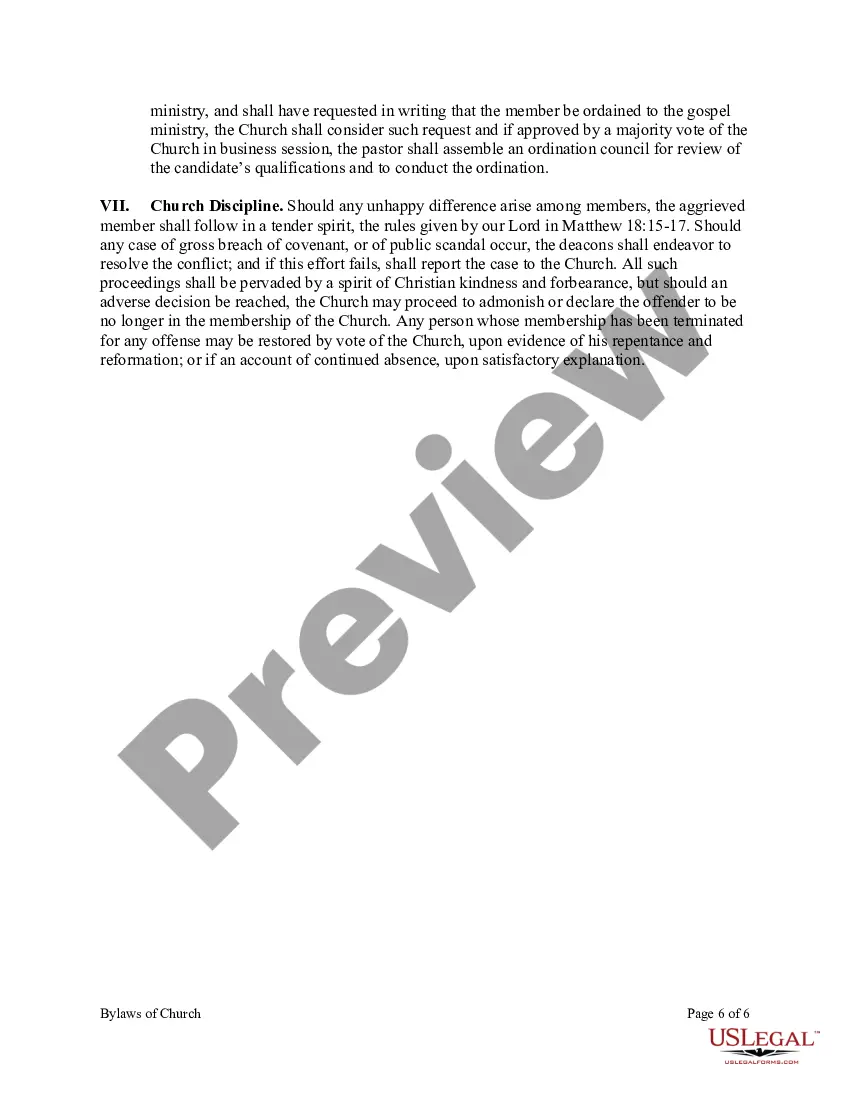
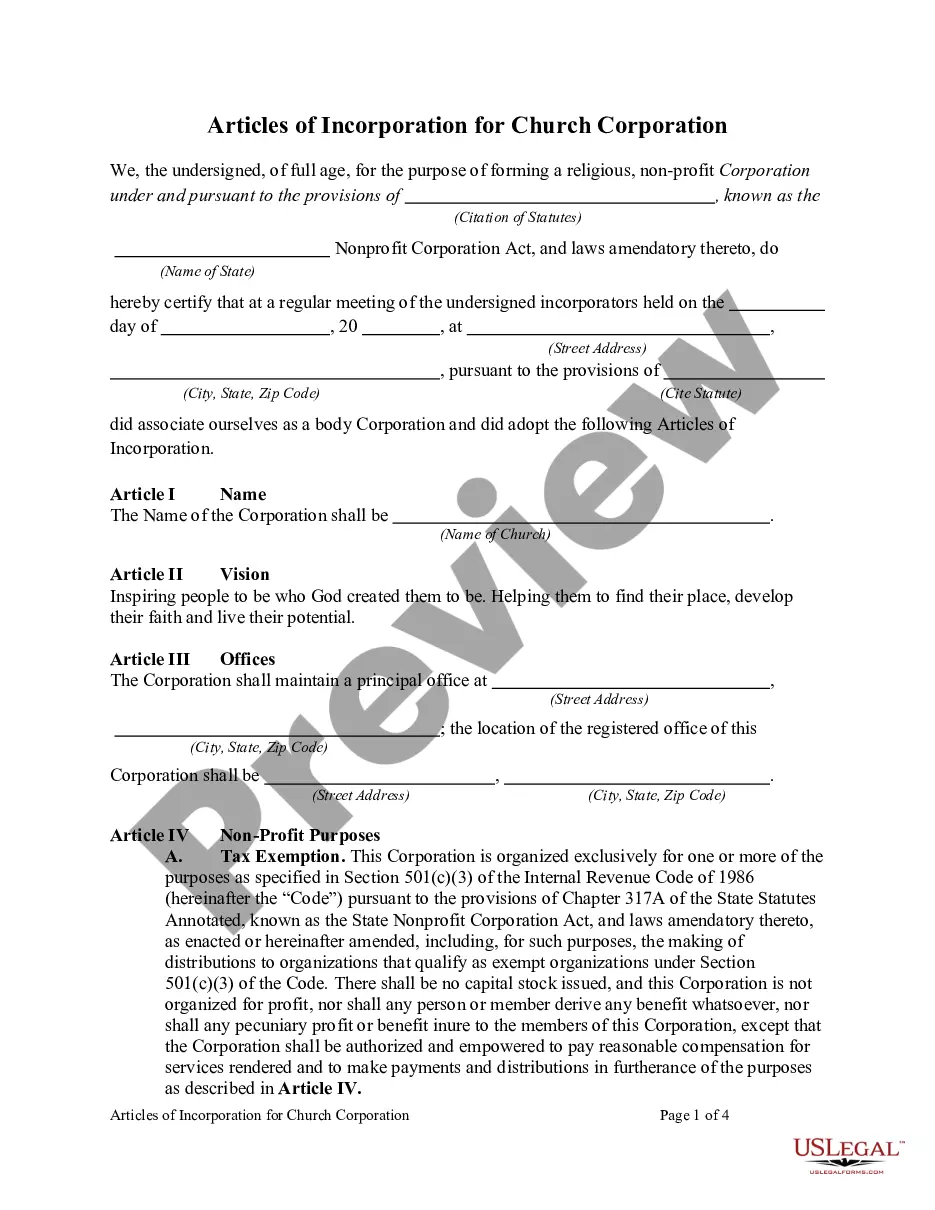
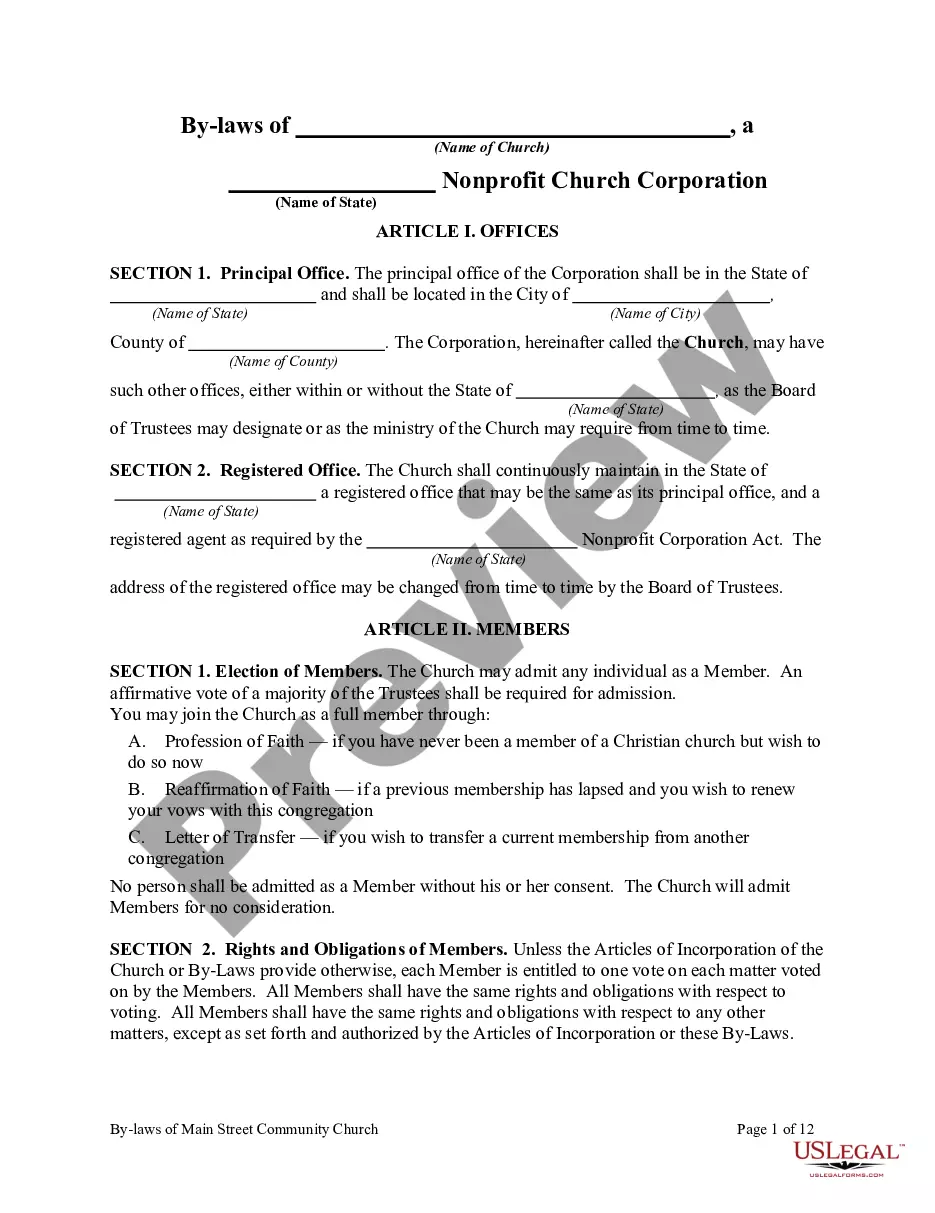
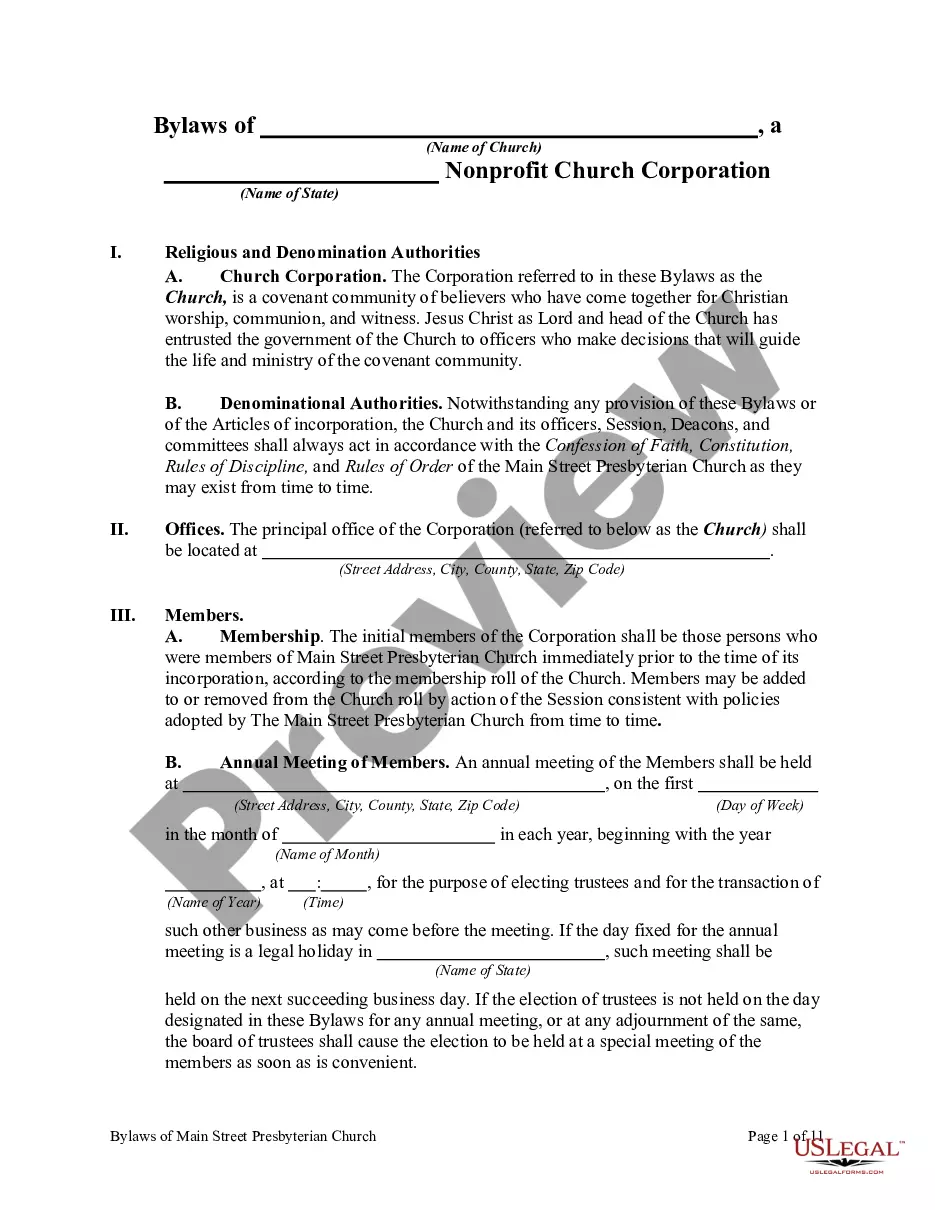
Get your form ready online
Our built-in tools help you complete, sign, share, and store your documents in one place.
Make edits, fill in missing information, and update formatting in US Legal Forms—just like you would in MS Word.
Download a copy, print it, send it by email, or mail it via USPS—whatever works best for your next step.
Sign and collect signatures with our SignNow integration. Send to multiple recipients, set reminders, and more. Go Premium to unlock E-Sign.
If this form requires notarization, complete it online through a secure video call—no need to meet a notary in person or wait for an appointment.
We protect your documents and personal data by following strict security and privacy standards.

Make edits, fill in missing information, and update formatting in US Legal Forms—just like you would in MS Word.

Download a copy, print it, send it by email, or mail it via USPS—whatever works best for your next step.

Sign and collect signatures with our SignNow integration. Send to multiple recipients, set reminders, and more. Go Premium to unlock E-Sign.

If this form requires notarization, complete it online through a secure video call—no need to meet a notary in person or wait for an appointment.

We protect your documents and personal data by following strict security and privacy standards.
Looking for another form?

How to fill out Bylaws Of Church - Church Not Incorporated?
Regardless of whether it is for corporate needs or personal issues, everyone must handle legal matters at some point in their life.
Filling out legal forms requires meticulous care, starting with selecting the correct template.
With a comprehensive catalog from US Legal Forms available, you do not have to waste time searching for the correct template online. Utilize the library’s user-friendly navigation to find the necessary template for any scenario.
- Obtain the template you require by using the search field or browsing through the catalog.
- Review the form’s description to confirm it is suitable for your situation, state, and location.
- Click on the form’s preview to examine it.
- If it is not the correct form, return to the search option to find the Sample Bylaws For Nonprofit Ministry template you need.
- Download the document if it fulfills your requirements.
- If you already possess a US Legal Forms account, simply click Log in to retrieve previously saved documents in My documents.
- In case you don’t have an account yet, you may acquire the form by clicking Buy now.
- Select the appropriate pricing option.
- Complete the account registration form.
- Choose your payment method: either a credit card or PayPal account.
- Select the file format you desire and download the Sample Bylaws For Nonprofit Ministry.
- After downloading, you can fill out the form using editing software or print it and complete it by hand.
Form popularity
FAQ
To write bylaws for a ministry, start with a clear understanding of your mission and community needs. Your sample bylaws for nonprofit ministry should outline leadership structure, member responsibilities, and guidelines for financial accountability. Be open to input from stakeholders to create documents that reflect the values and vision of your ministry while ensuring compliance with legal standards.
Bylaws for nonprofit organizations, including ministries, typically include details on board member roles, the process for electing officers, and the frequency of meetings. They also define what constitutes a quorum and outline the process for making amendments. Incorporating these fundamental elements makes your bylaws a practical tool for effective governance and decision-making.
Begin drafting your nonprofit bylaws by gathering insights from existing sample bylaws for nonprofit ministry. Organize the bylaws into sections that cover key aspects like membership, governance, meetings, and finances. Once drafted, review your document for clarity and consistency, and consider consulting with legal experts to ensure compliance with state and federal regulations.
Avoid adding language that implies personal profit for members or board members in your sample bylaws for nonprofit ministry. This includes any compensation clauses that could challenge the nonprofit status. Provisions that conflict with state laws or that can mislead members should also be omitted, ensuring clear and legal compliance for your organization.
Your sample bylaws for nonprofit ministry should include the name and purpose of the ministry, governing board structure, rules for member meetings, and procedures for amending the bylaws. These elements ensure clarity and provide a foundation for governance that aligns with your organization's mission. Moreover, inclusion of conflict resolution procedures can help maintain harmony among members.
When creating sample bylaws for nonprofit ministry, avoid including personal information of directors or members, overly specific details about operational procedures, and provisions that could constrain flexibility. By keeping the bylaws generally framed and adaptable, you allow your organization to adjust to changing circumstances without needing frequent amendments. This approach can be advantageous for fostering long-term sustainability.
The 49 rule refers to the general guideline stating that a nonprofit organization must not have more than 49 individual members with voting privileges. In the context of sample bylaws for nonprofit ministry, ensuring compliance with this rule can aid your ministry in maintaining its nonprofit status and functioning effectively. It's essential to consider these numbers in your bylaws to promote inclusivity while adhering to regulations.
To write bylaws for a nonprofit, begin by gathering input from members and stakeholders to identify key needs and preferences. Draft sections on governance, membership, and decision-making processes, then review them against existing legal requirements. Finally, utilize sample bylaws for nonprofit ministry as a foundation, ensuring your final document meets your organization’s specific mission and vision.
Bylaws should be formatted in a clear and organized manner for easy navigation. Use headings and subheadings to categorize sections, and include a table of contents for larger documents. Clear formatting helps facilitate understanding among members and aligns with professional standards, making sample bylaws for nonprofit ministry a great template to start with.
Bylaws should remain focused on governance and operational procedures, so avoid including overly specific policies or procedures that may change frequently. Additionally, do not incorporate personal information or anything that could violate privacy. Sticking to the essentials while referencing sample bylaws for nonprofit ministry can ensure your bylaws remain relevant and effective.