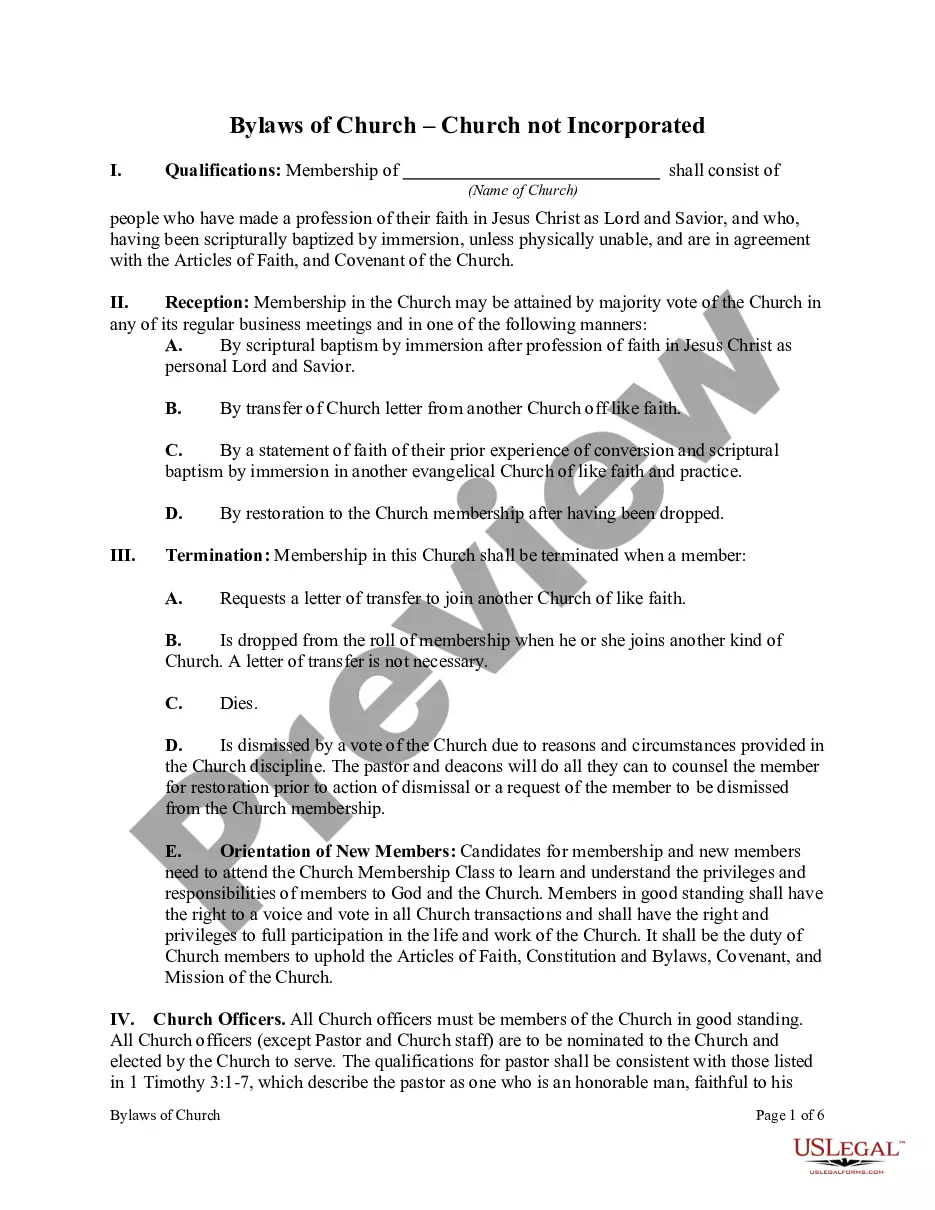
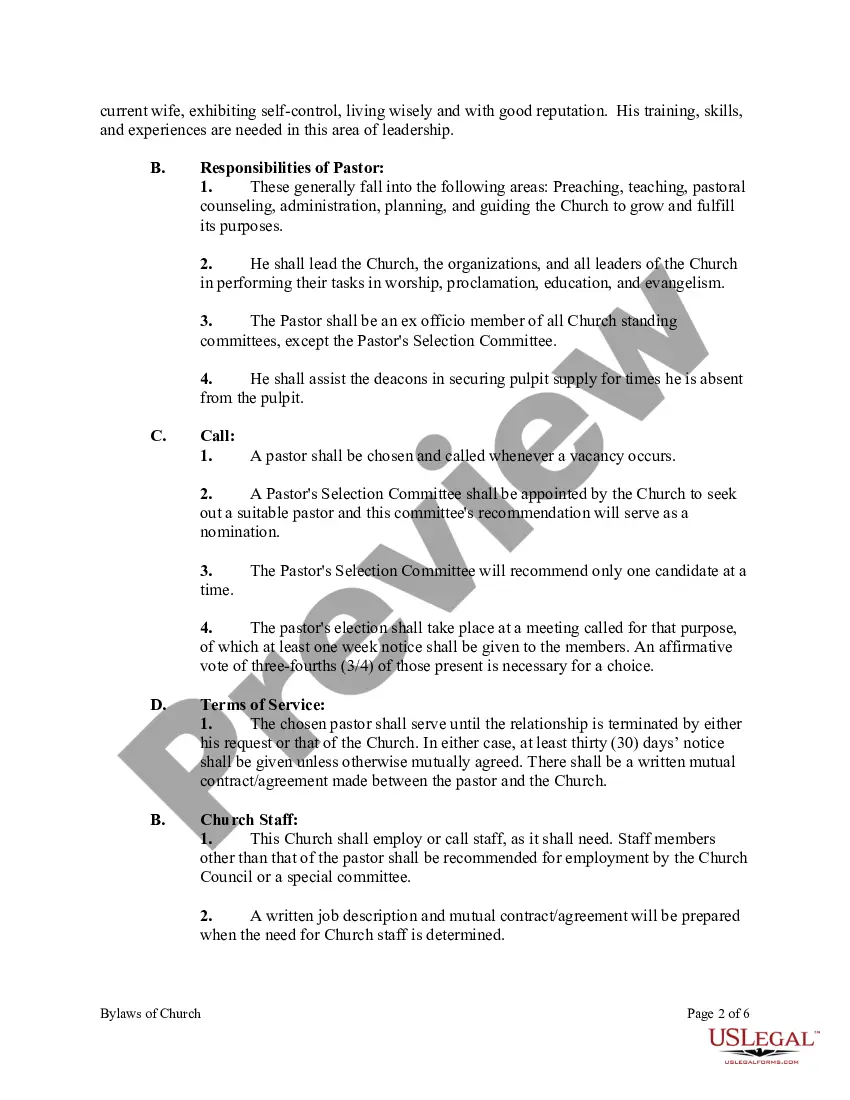
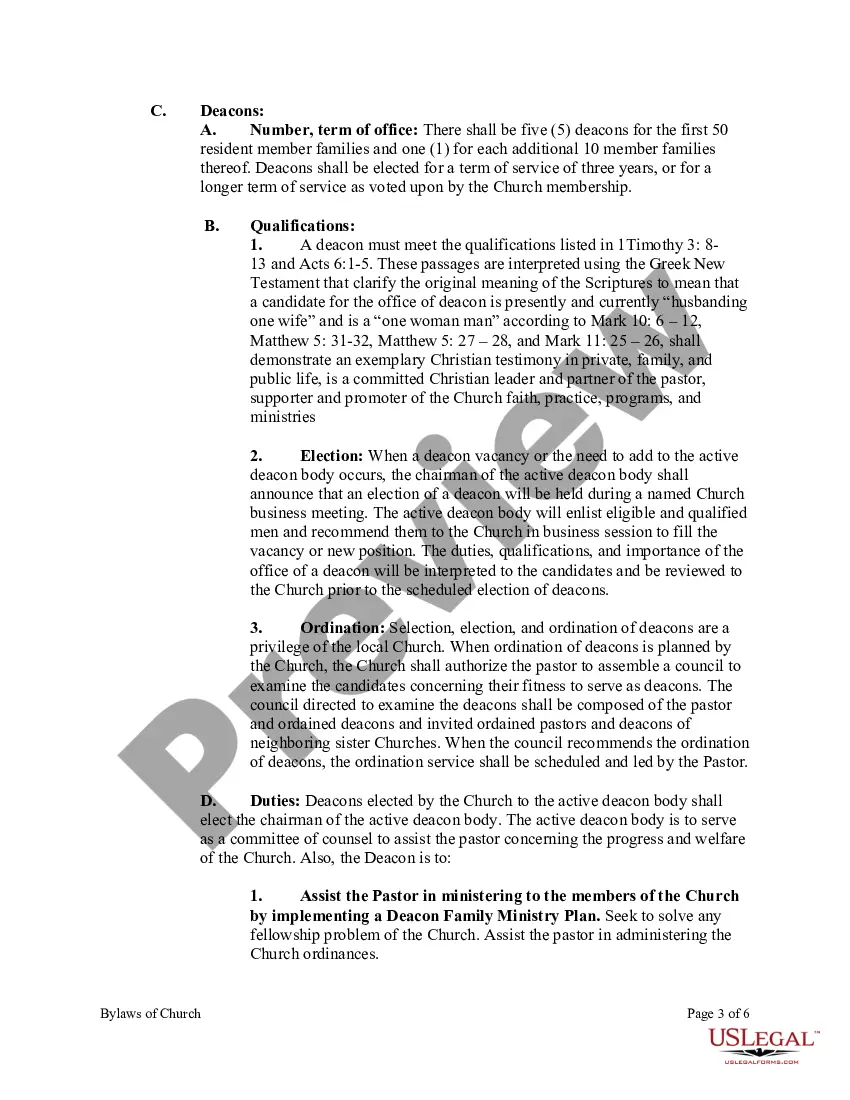
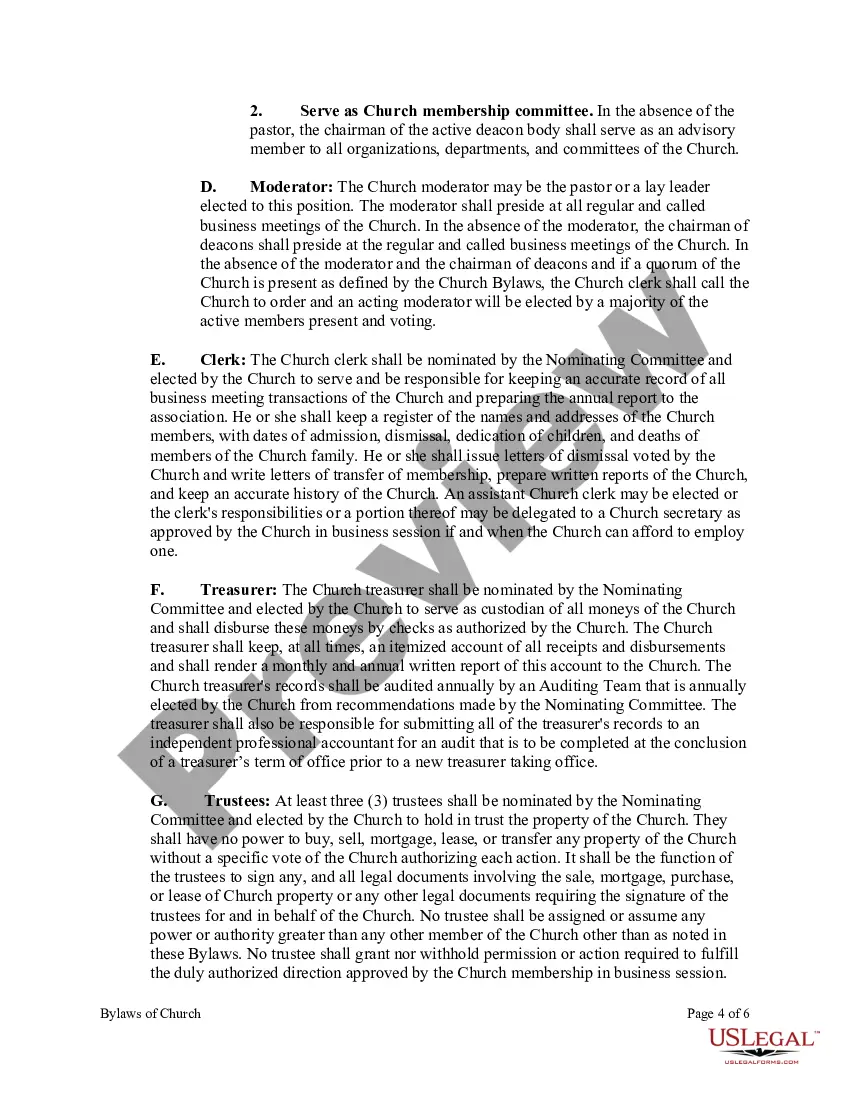
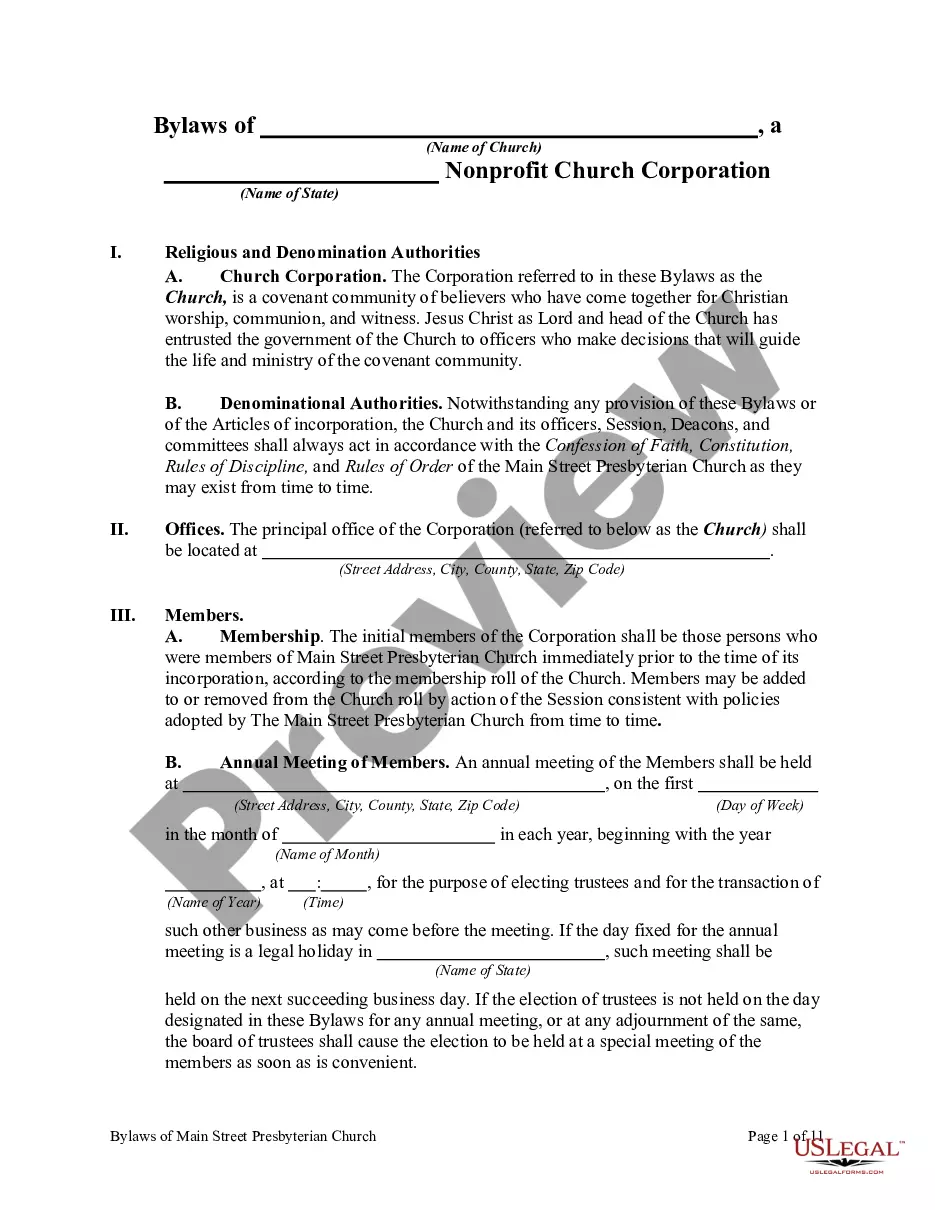
Church Bylaws Examples With Members
Description
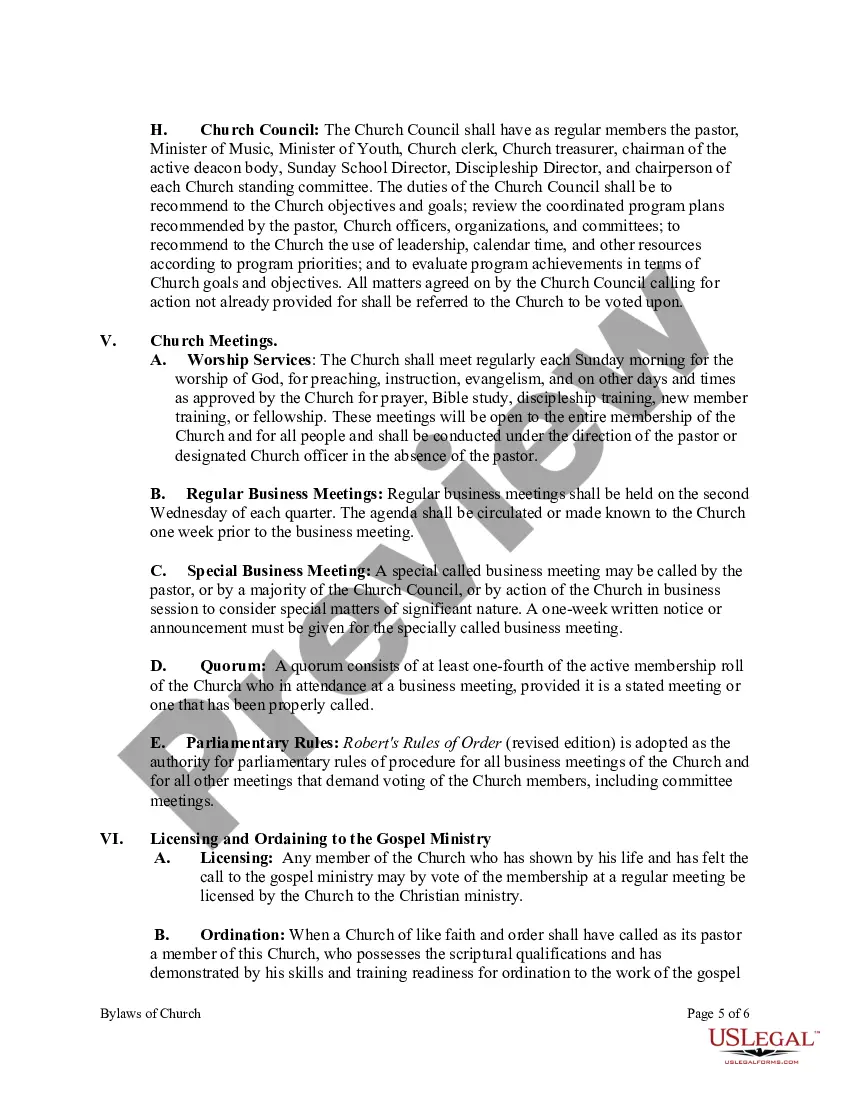
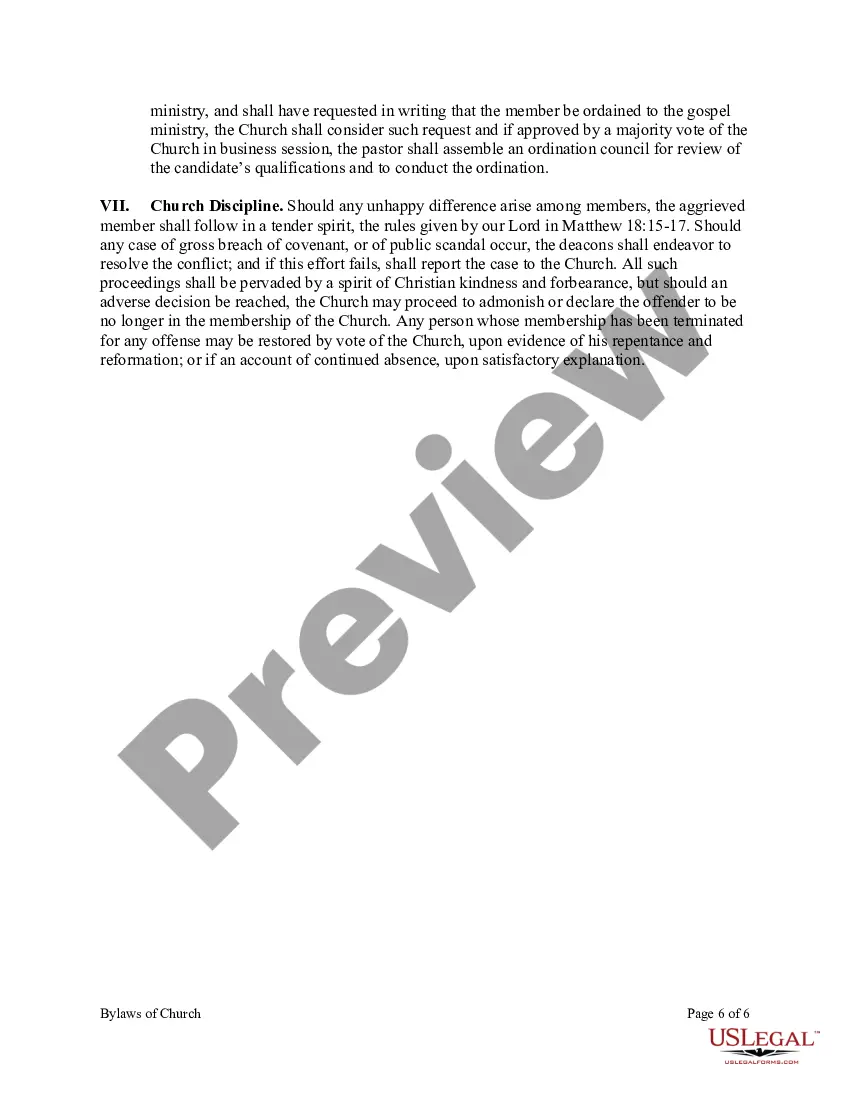
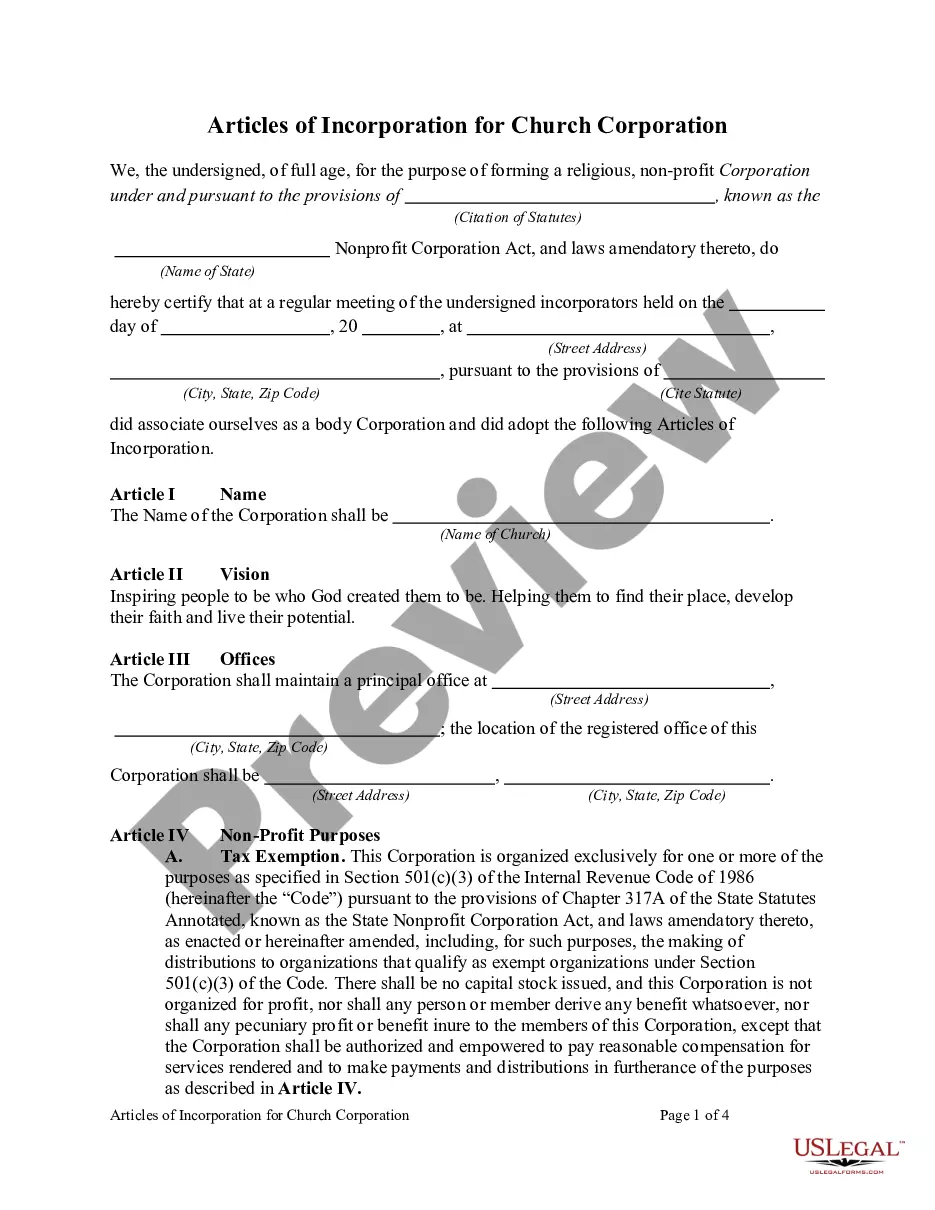
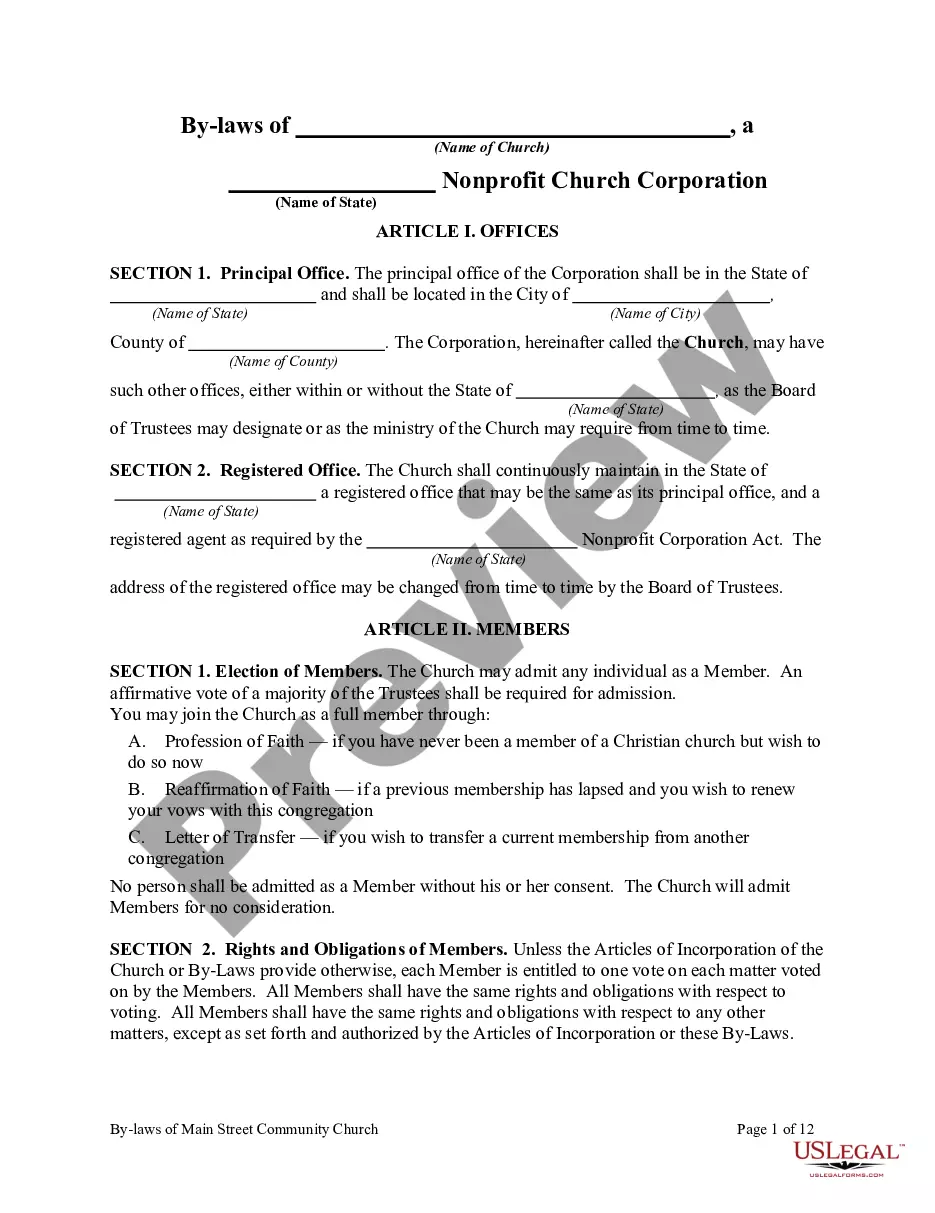
Get your form ready online
Our built-in tools help you complete, sign, share, and store your documents in one place.
Make edits, fill in missing information, and update formatting in US Legal Forms—just like you would in MS Word.
Download a copy, print it, send it by email, or mail it via USPS—whatever works best for your next step.
Sign and collect signatures with our SignNow integration. Send to multiple recipients, set reminders, and more. Go Premium to unlock E-Sign.
If this form requires notarization, complete it online through a secure video call—no need to meet a notary in person or wait for an appointment.
We protect your documents and personal data by following strict security and privacy standards.

Make edits, fill in missing information, and update formatting in US Legal Forms—just like you would in MS Word.

Download a copy, print it, send it by email, or mail it via USPS—whatever works best for your next step.

Sign and collect signatures with our SignNow integration. Send to multiple recipients, set reminders, and more. Go Premium to unlock E-Sign.

If this form requires notarization, complete it online through a secure video call—no need to meet a notary in person or wait for an appointment.

We protect your documents and personal data by following strict security and privacy standards.
Looking for another form?




How to fill out Bylaws Of Church - Church Not Incorporated?
The Church Bylaws Samples With Members displayed on this webpage is a reusable legal framework created by expert attorneys in compliance with national and local laws.
For over 25 years, US Legal Forms has offered individuals, businesses, and legal experts more than 85,000 authenticated, state-specific documents for any professional or personal circumstances. It’s the fastest, easiest, and most reliable method to obtain the forms you require, as the service ensures bank-level data security and anti-malware safeguards.
Choose the format you desire for your Church Bylaws Samples With Members (PDF, DOCX, RTF) and download the example onto your device.
- Explore the document you need and review it.
- Search through the file you looked for and preview it or verify the form description to ensure it meets your requirements. If it doesn’t, use the search feature to find the right one. Click Buy Now once you have found the template you need.
- Register and Log In.
- Select the pricing option that fits you and create an account. Use PayPal or a credit card to make a quick payment. If you already have an account, Log In and check your subscription to proceed.
- Obtain the fillable template.
Form popularity
FAQ
Filling out bylaws requires careful consideration of your church's structure and governance. Start by reviewing church bylaws examples with members to understand common elements and requirements. Clearly outline the roles and responsibilities of members, the decision-making process, and the procedures for meetings. Utilizing platforms like US Legal Forms can provide you with templates and guides to ensure your church bylaws are comprehensive and tailored to your needs.
To obtain a copy of your church bylaws, start by checking with your church's administrative office or governing board, as they typically maintain official documents. If your church has a website, you may find the bylaws available for download in the resources section. Additionally, US Legal Forms offers a range of Church bylaws examples with members, which can serve as a valuable reference for creating or updating your own documents. By using these examples, you can ensure that your bylaws meet legal standards and reflect your church's unique needs.
Bylaws should not include overly detailed operational procedures or personal opinions, as they can lead to confusion and disputes. Avoid including provisions that may violate state laws or your church's mission. Instead, focus on the foundational elements that govern your church, using church bylaws examples with members as a reference to maintain clarity and relevance.
The correct way to write bylaws begins with a clear and logical structure, typically including sections on purpose, membership, meetings, and amendments. Use straightforward language and avoid jargon to ensure all members can understand the content. Incorporating church bylaws examples with members can provide valuable insights and help you craft bylaws that reflect your church's mission and values effectively.
Writing bylaws for a church involves outlining the governance structure, membership requirements, and operational procedures. Start by gathering input from church members to ensure inclusivity, and refer to church bylaws examples with members for inspiration. A well-structured format will help you present the information clearly, and platforms like USLegalForms can guide you in drafting effective bylaws tailored to your church's needs.
Many organizations overlook the importance of clarity and specificity in church bylaws. Common mistakes include vague language that can lead to misinterpretation, failing to include essential elements like membership criteria and decision-making processes, and neglecting to update bylaws as needed. By reviewing church bylaws examples with members, you can identify these pitfalls and ensure your bylaws are comprehensive and clear.
Bylaws tell people what they can expect within the organization and how to get things done, while respecting the rights of others within the group. Your bylaws are an educational tool for new members and leaders. They explain how the church embodies its vision to achieve its mission.
Normally the constitution is the broader body of mutually agreed upon principles and purposeful structure that govern the affairs and action of the church. The bylaws are the subordinate rules adopted by the church to augment the constitution. Sometimes there is no constitution, so bylaws serve the purpose.
Church bylaws can provide crucial legal protection, as long as you operate by them. If there is a legal dispute, a court may look to the rules established in the bylaws for guidance. In addition, the bylaws should include provisions that indemnify (protect) board members from personal liability for board decisions.
Constitution - The fundamental principles of an organization which determine the responsibilities and rights of its officers and members. Bylaws ? The detailed procedures and working guidelines of the organization which govern the day- to-day operations of the organization and accompany the Constitution.