Southern Baptist Preachers
Description
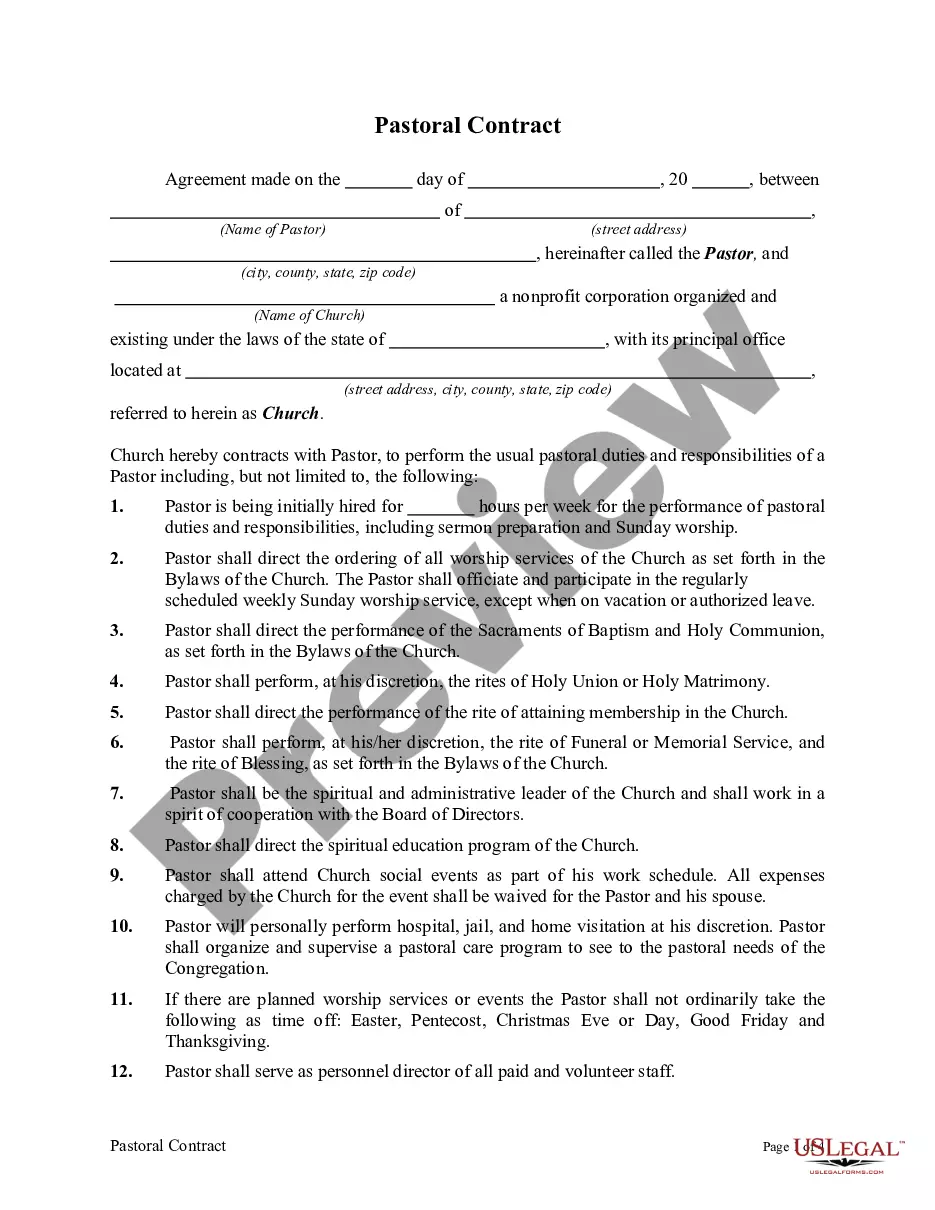
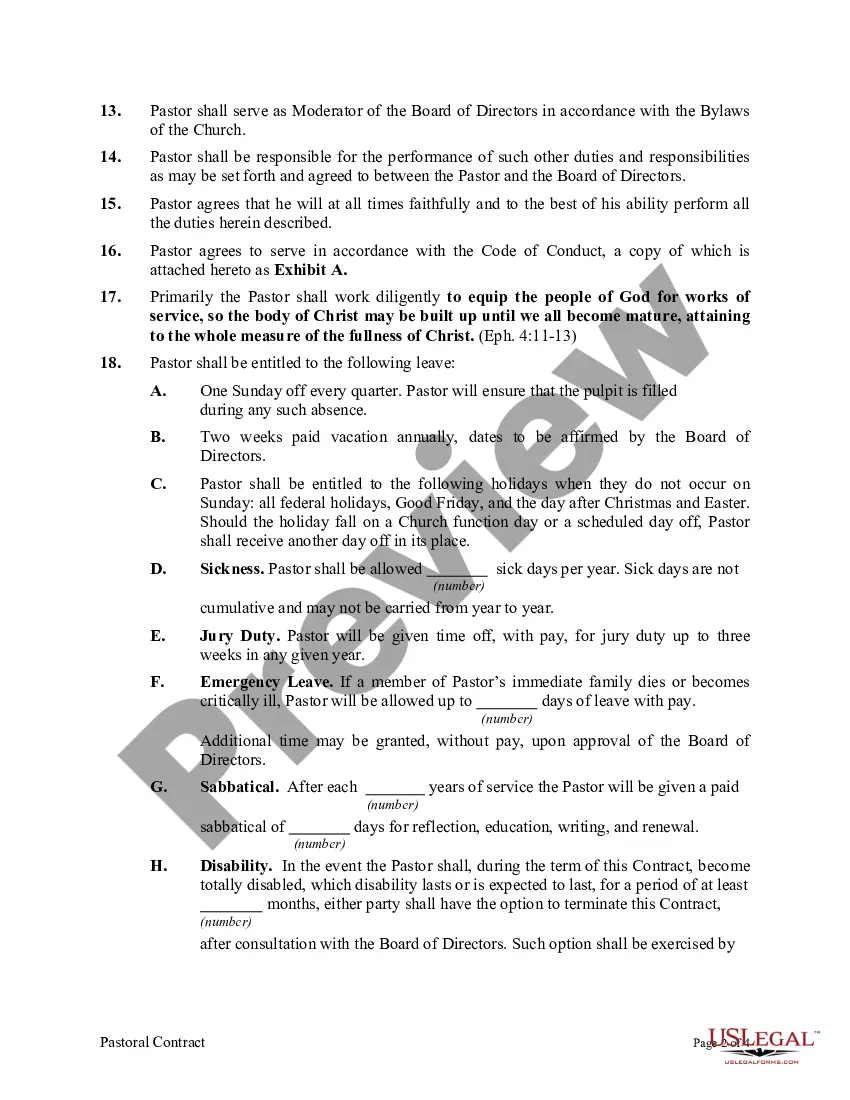
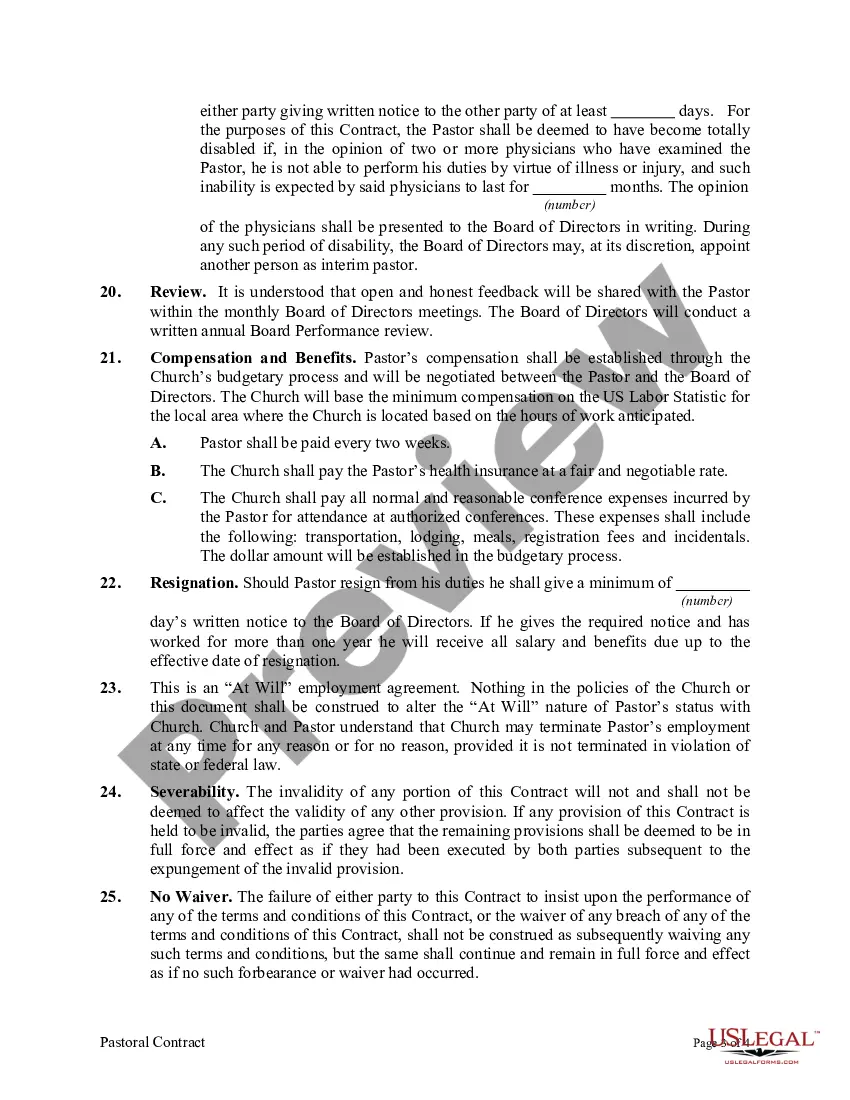
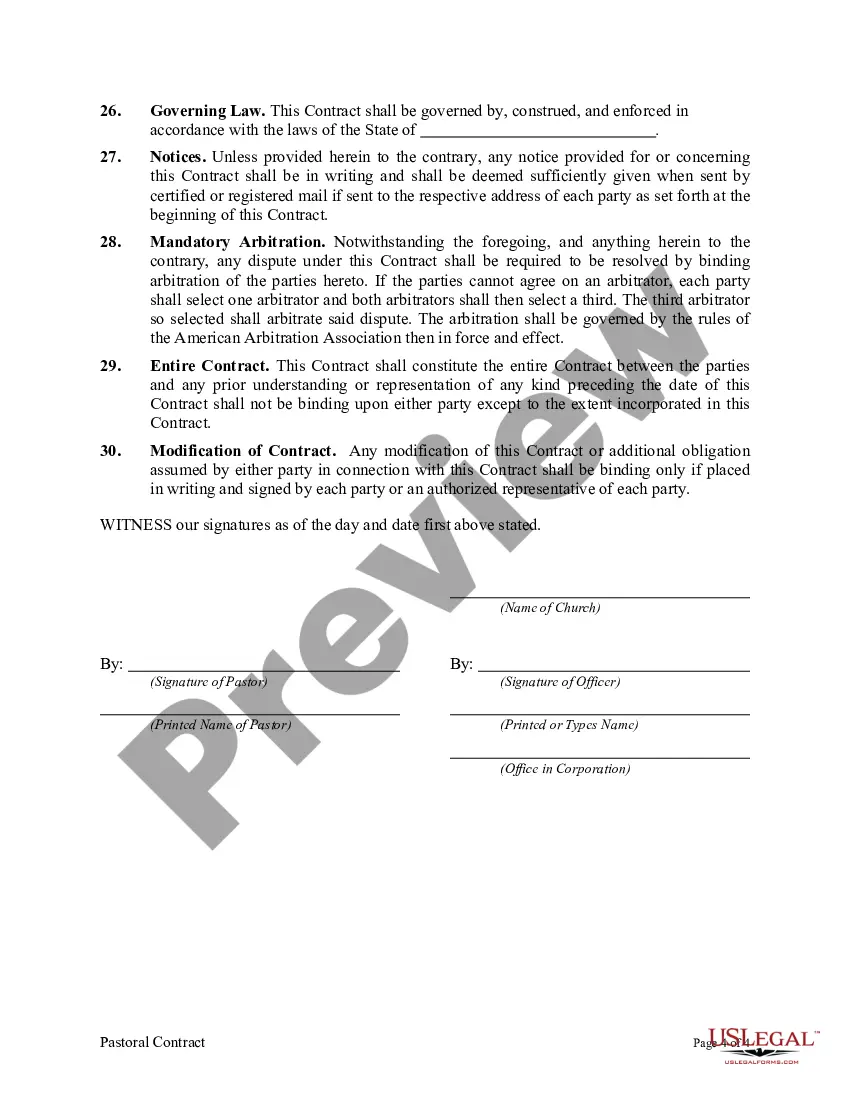


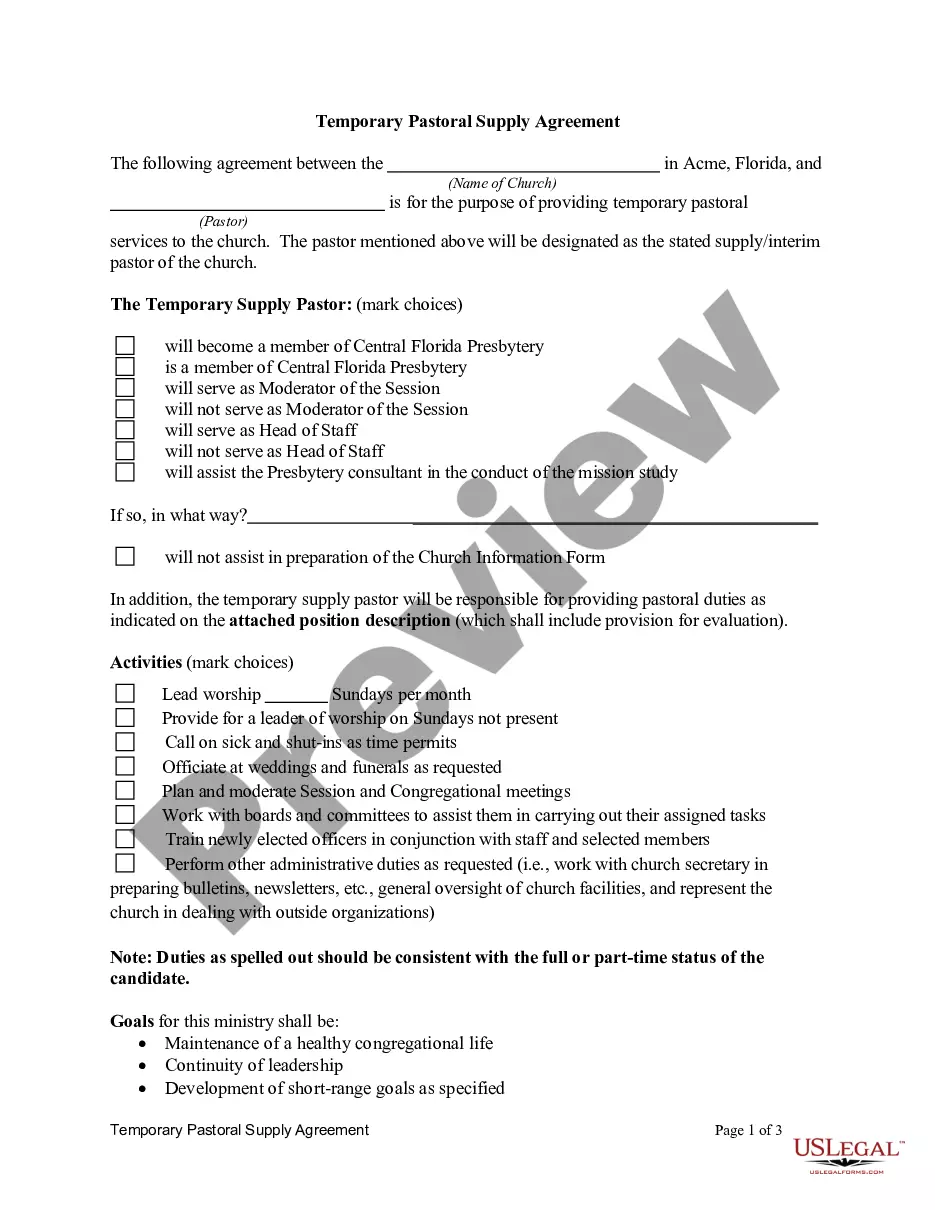
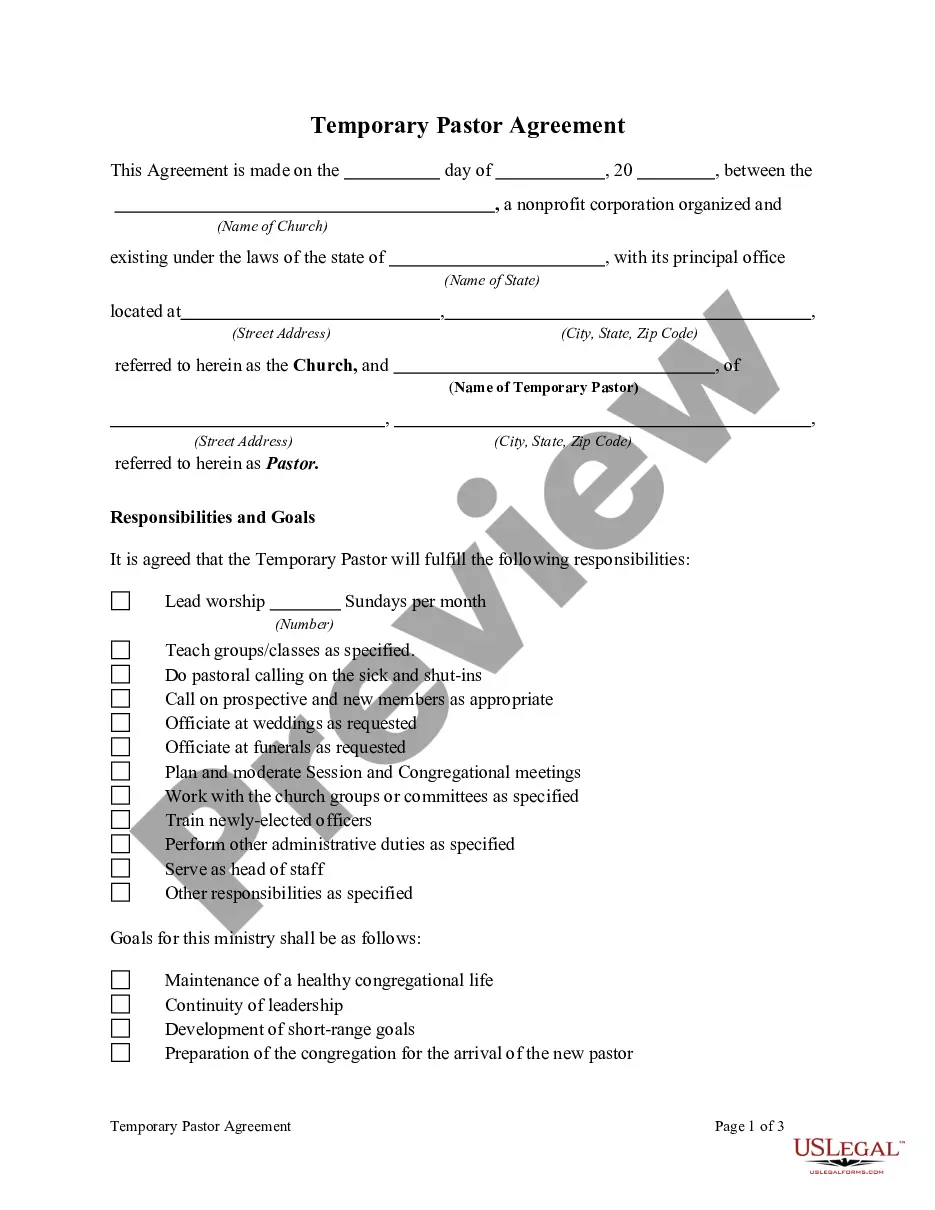
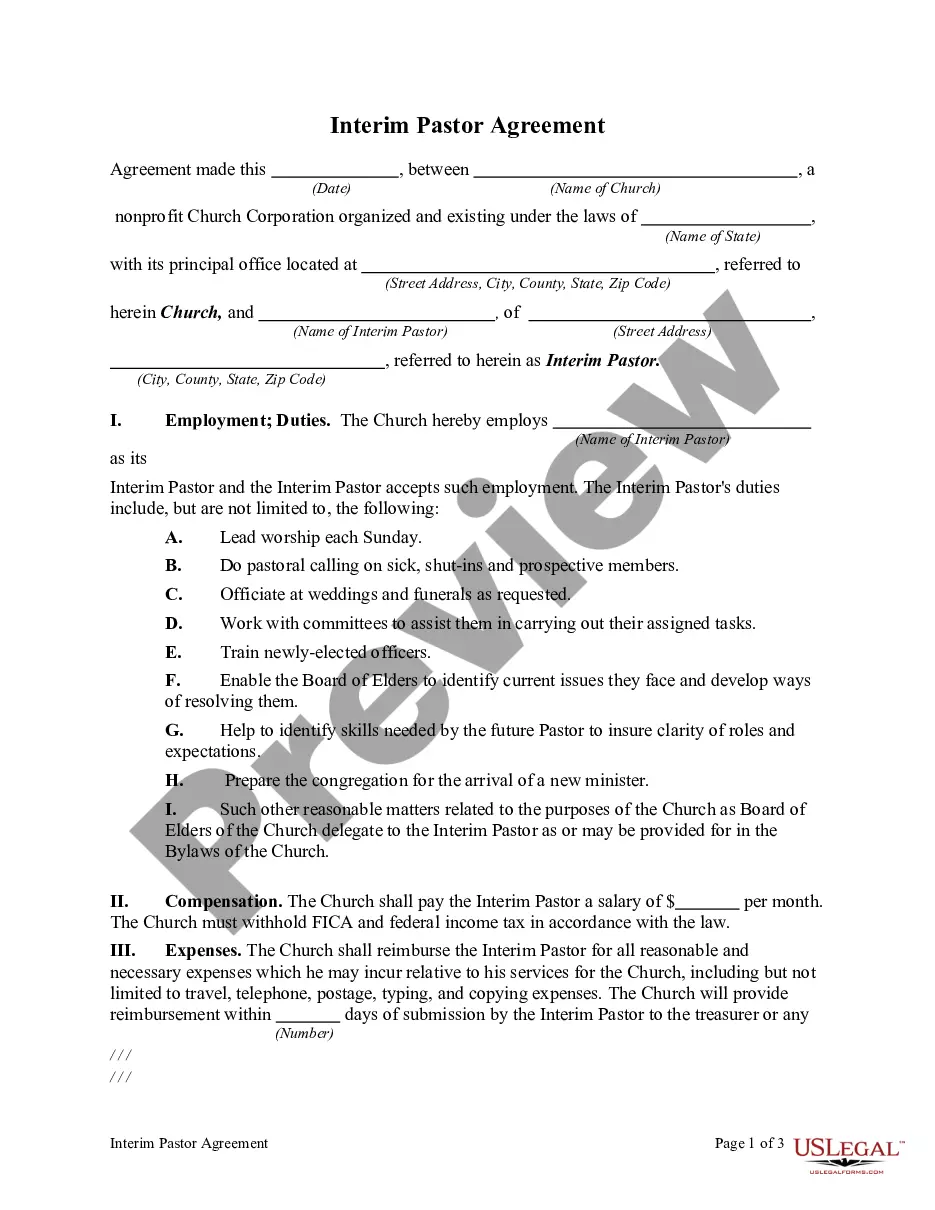
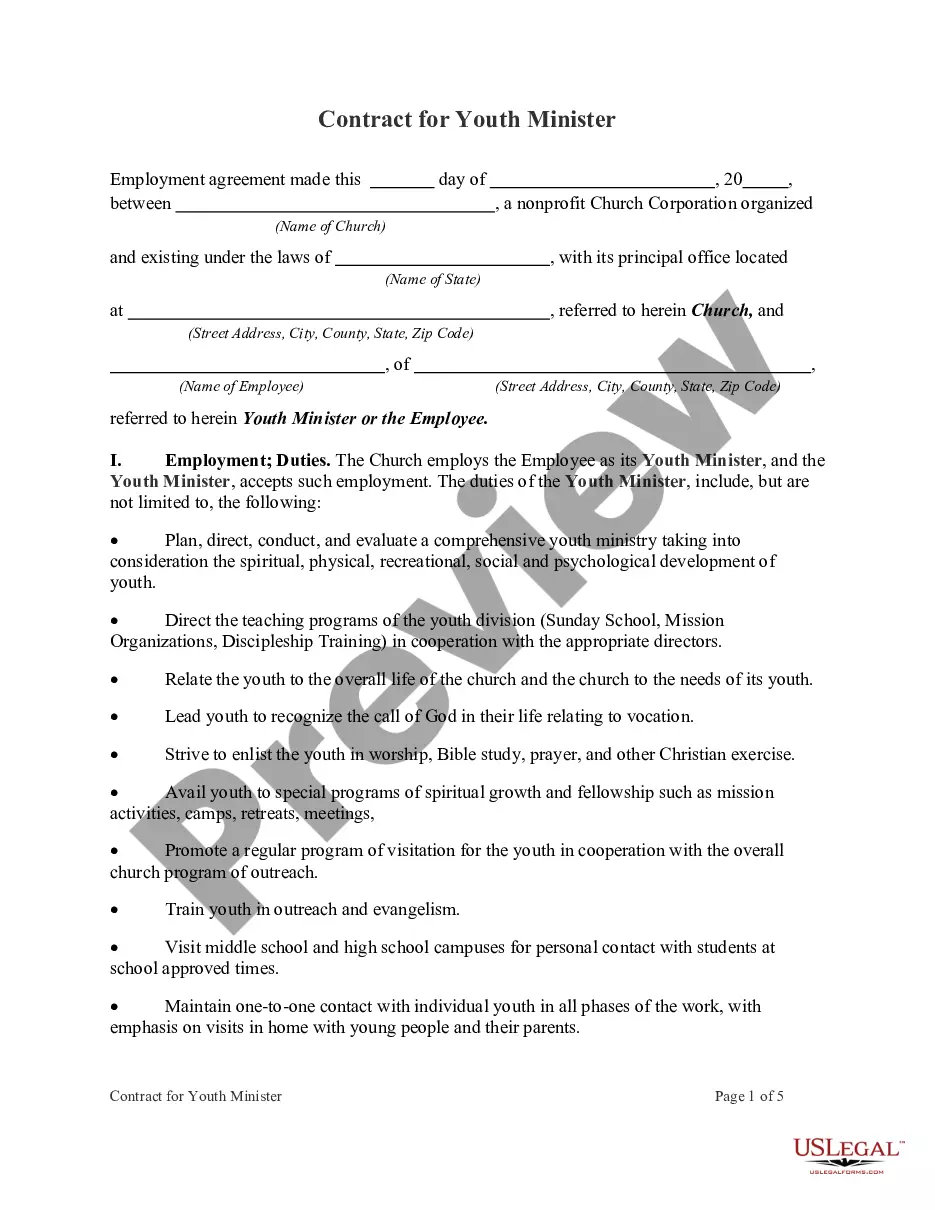
Get your form ready online
Our built-in tools help you complete, sign, share, and store your documents in one place.
Make edits, fill in missing information, and update formatting in US Legal Forms—just like you would in MS Word.
Download a copy, print it, send it by email, or mail it via USPS—whatever works best for your next step.
Sign and collect signatures with our SignNow integration. Send to multiple recipients, set reminders, and more. Go Premium to unlock E-Sign.
If this form requires notarization, complete it online through a secure video call—no need to meet a notary in person or wait for an appointment.
We protect your documents and personal data by following strict security and privacy standards.

Make edits, fill in missing information, and update formatting in US Legal Forms—just like you would in MS Word.

Download a copy, print it, send it by email, or mail it via USPS—whatever works best for your next step.

Sign and collect signatures with our SignNow integration. Send to multiple recipients, set reminders, and more. Go Premium to unlock E-Sign.

If this form requires notarization, complete it online through a secure video call—no need to meet a notary in person or wait for an appointment.

We protect your documents and personal data by following strict security and privacy standards.
Looking for another form?






How to fill out Pastoral Contract?
- If you are already a user, log in to your account and verify your subscription. Click the Download button to get the required form.
- If you are a new user, start by checking the Preview mode and description of the forms available. Ensure they align with your local jurisdiction and specific requirements.
- If you need a different template, utilize the Search feature to find an appropriate alternative.
- To acquire the document, click on the Buy Now button and select your preferred subscription plan. You will need to create an account for full access.
- Proceed to purchase by entering your credit card details or using your PayPal account to complete the transaction.
- Finally, download the form to your device, ensuring easy access to it in the My Forms section for future needs.
US Legal Forms empowers individuals and attorneys alike to swiftly handle legal documents with an extensive and user-friendly library.
Start simplifying your document management today! Discover the advantages of US Legal Forms for your church or personal needs.
Form popularity
FAQ
One of the most renowned Southern Baptist preachers is Billy Graham, known for his impactful evangelism and global outreach. His ministry brought many people to faith and helped shape contemporary evangelicalism. Today, many Southern Baptist preachers look to his methods and messages as inspirational models for effective ministry.
While all Baptists emphasize the importance of personal faith and baptism by immersion, Southern Baptists maintain specific beliefs about church governance, evangelism, and theology. Southern Baptists often affiliate with mission boards and educational institutions unique to their tradition. This distinction can influence the experiences you may have within different Baptist congregations.
The Southern Baptist Convention formed in 1845 primarily over disagreements regarding slavery and missions. Southern Baptists wanted to support slaveholders as missionaries, which led to their separation from Northern Baptists. This historical split shaped the trajectory of Southern Baptist preachers and their distinctive approach to ministry.
Southern Baptists are typically identified as conservative in their theology and social practices. This convention emphasizes traditional family values and biblical authority, often aligning with conservative political positions. Understanding this framework can help you appreciate the perspectives of Southern Baptist preachers and their congregations.
Southern Baptist preachers generally promote abstinence from alcohol due to concerns over its potential to cause addiction and harm. Many congregations advocate for leading a sober lifestyle, viewing alcohol as a source of temptation. However, beliefs can vary, with some Southern Baptists choosing to consume alcohol responsibly.
Yes, Southern Baptists are a specific branch within the broader Baptist tradition. While all Baptists share fundamental beliefs such as believer's baptism and autonomy of the local church, Southern Baptists also hold unique doctrines related to mission efforts and theological views. Understanding these differences can help you grasp the distinct characteristics of Southern Baptist preachers.
The three main types of Baptists are General Baptists, Particular Baptists, and Southern Baptists. Southern Baptists, known for their distinctive beliefs and practices, focus heavily on evangelism and church autonomy. Each group interprets scripture and engages with community life differently, which contributes to the vibrant diversity within Baptist traditions.
Southern Baptist preachers believe in a traditional interpretation of the Bible, which suggests that pastoral leadership should be male. This viewpoint stems from specific passages that they interpret as designating roles for men and women. While some Southern Baptists are beginning to engage in discussions about gender roles, the rejection of female pastors remains prevalent within the convention.
Southern Baptist churches are experiencing decline as they face challenges such as reduced attendance, aging congregations, and competition from newer movements. Many Southern Baptist preachers are actively seeking ways to reverse this trend by innovating worship styles and community engagement. Additionally, they focus on discipleship and outreach to attract younger members. Addressing these issues holistically can breathe new life into declining churches.
Churches are leaving the Southern Baptist Convention for various reasons, including doctrinal disagreements, cultural conflicts, and social issues. Many Southern Baptist preachers advocate for a more inclusive approach, which has led to tension with traditional views within the Convention. This trend signifies a reevaluation of priorities and presents an opportunity for churches to redefine their missions. Engaging in open conversations about faith can lead to more cohesive communities.