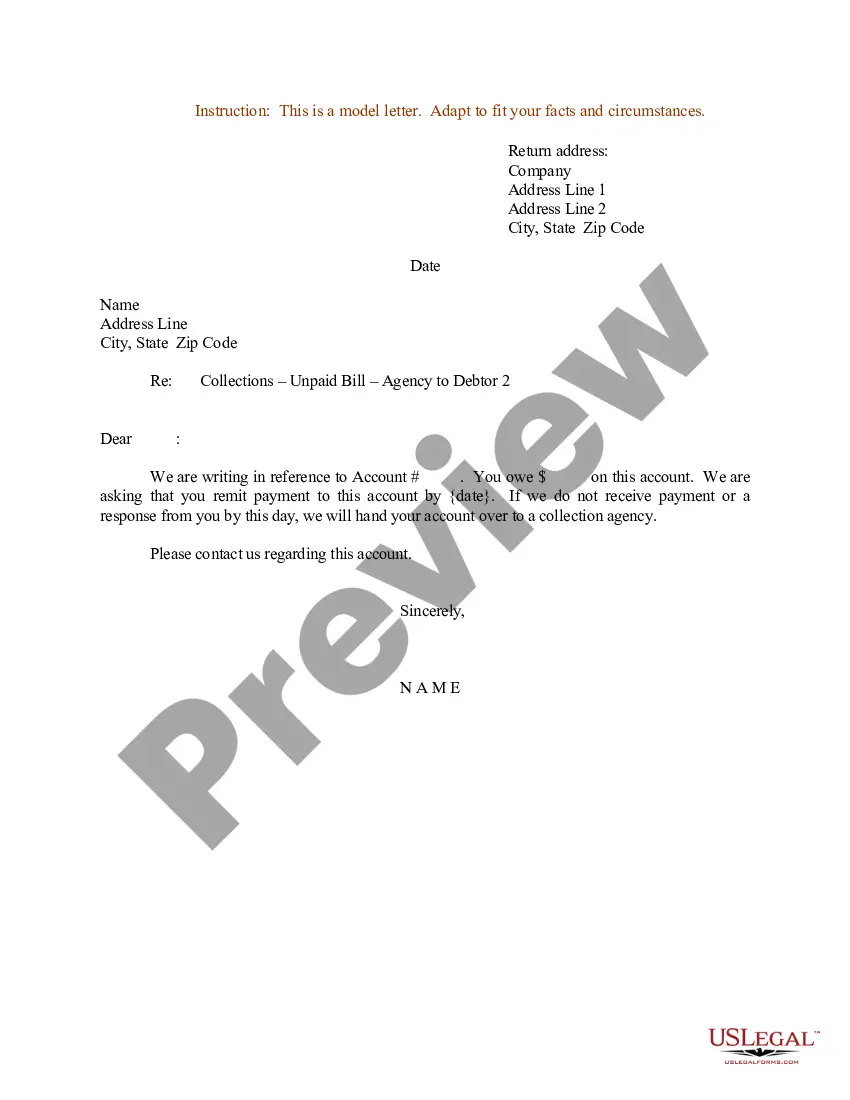
Collection Letter For Dental Office
Description
Get your form ready online
Our built-in tools help you complete, sign, share, and store your documents in one place.
Make edits, fill in missing information, and update formatting in US Legal Forms—just like you would in MS Word.
Download a copy, print it, send it by email, or mail it via USPS—whatever works best for your next step.
Sign and collect signatures with our SignNow integration. Send to multiple recipients, set reminders, and more. Go Premium to unlock E-Sign.
If this form requires notarization, complete it online through a secure video call—no need to meet a notary in person or wait for an appointment.
We protect your documents and personal data by following strict security and privacy standards.

Make edits, fill in missing information, and update formatting in US Legal Forms—just like you would in MS Word.

Download a copy, print it, send it by email, or mail it via USPS—whatever works best for your next step.

Sign and collect signatures with our SignNow integration. Send to multiple recipients, set reminders, and more. Go Premium to unlock E-Sign.

If this form requires notarization, complete it online through a secure video call—no need to meet a notary in person or wait for an appointment.

We protect your documents and personal data by following strict security and privacy standards.
Looking for another form?
How to fill out Sample Letter For Collection Notice For Unpaid Bill?
Whether for commercial purposes or personal matters, everyone must confront legal issues sooner or later in their life.
Filling out legal documents requires careful consideration, starting from selecting the appropriate form template.
With a comprehensive US Legal Forms catalog available, you won’t have to waste time searching for the suitable sample online. Utilize the library’s user-friendly navigation to find the correct template for any occasion.
- Find the sample you need utilizing the search field or catalog navigation.
- Review the form’s description to verify it aligns with your situation, state, and locality.
- Click on the form’s preview to inspect it.
- If it is the wrong document, return to the search function to discover the Collection Letter For Dental Office sample you require.
- Obtain the file when it satisfies your needs.
- If you already possess a US Legal Forms account, simply click Log in to access previously saved templates in My documents.
- If you don’t have an account yet, you can acquire the form by clicking Buy now.
- Choose the appropriate pricing option.
- Complete the profile registration form.
- Select your payment method: you can use a credit card or PayPal account.
- Select the file format you desire and download the Collection Letter For Dental Office.
- Once downloaded, you can fill out the form using editing software or print it and complete it manually.
Form popularity
FAQ
A good profit margin for a dental office usually falls between 30% to 40%. This margin can vary based on factors like location and the services offered. Maintaining operational efficiency and reducing overhead costs can help improve profitability. Utilizing tools such as a collection letter for dental office can assist in minimizing revenue loss from unpaid bills.
A good collection percentage in the dental field is typically around 97%. This figure reflects the effectiveness of your billing system and patient communication strategies. Regularly reviewing accounts and promptly sending a collection letter for dental office can improve this percentage. Ultimately, your goal should be to maintain a healthy balance between patient relations and financial health.
A good collection rate for a dental practice generally ranges between 95% to 98%. Achieving this high rate often involves consistent patient engagement and efficient billing processes. Practices that utilize automated reminder systems for payments can see positive results. Additionally, having a resource like a collection letter for dental office may enhance your communication with patients regarding outstanding debts.
Dentists typically recover about 70% of their collections. Various factors, such as billing practices and patient communication, can influence this rate significantly. Effective follow-ups and clear billing statements can improve collections. Incorporating a well-crafted collection letter for dental office can also boost recovery rates.
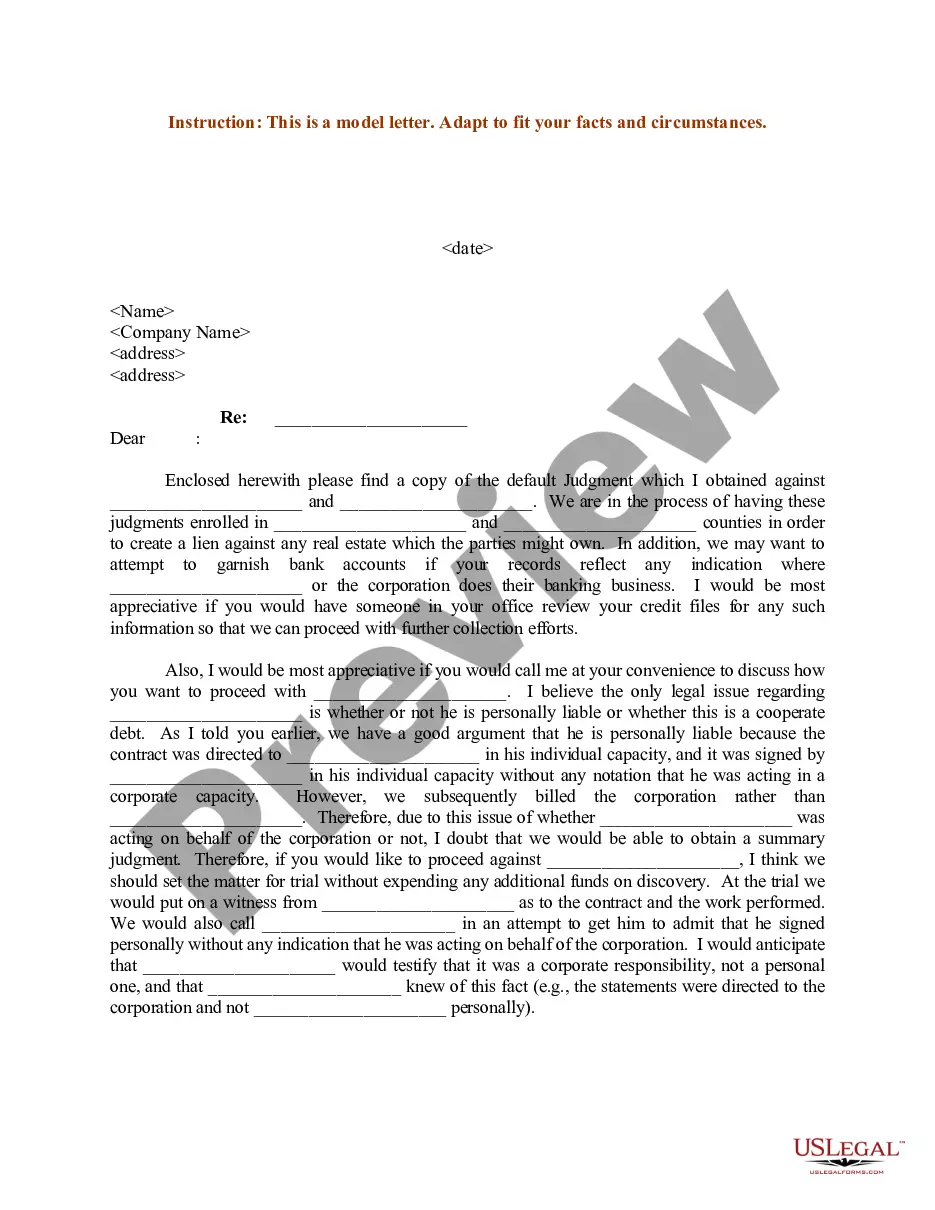
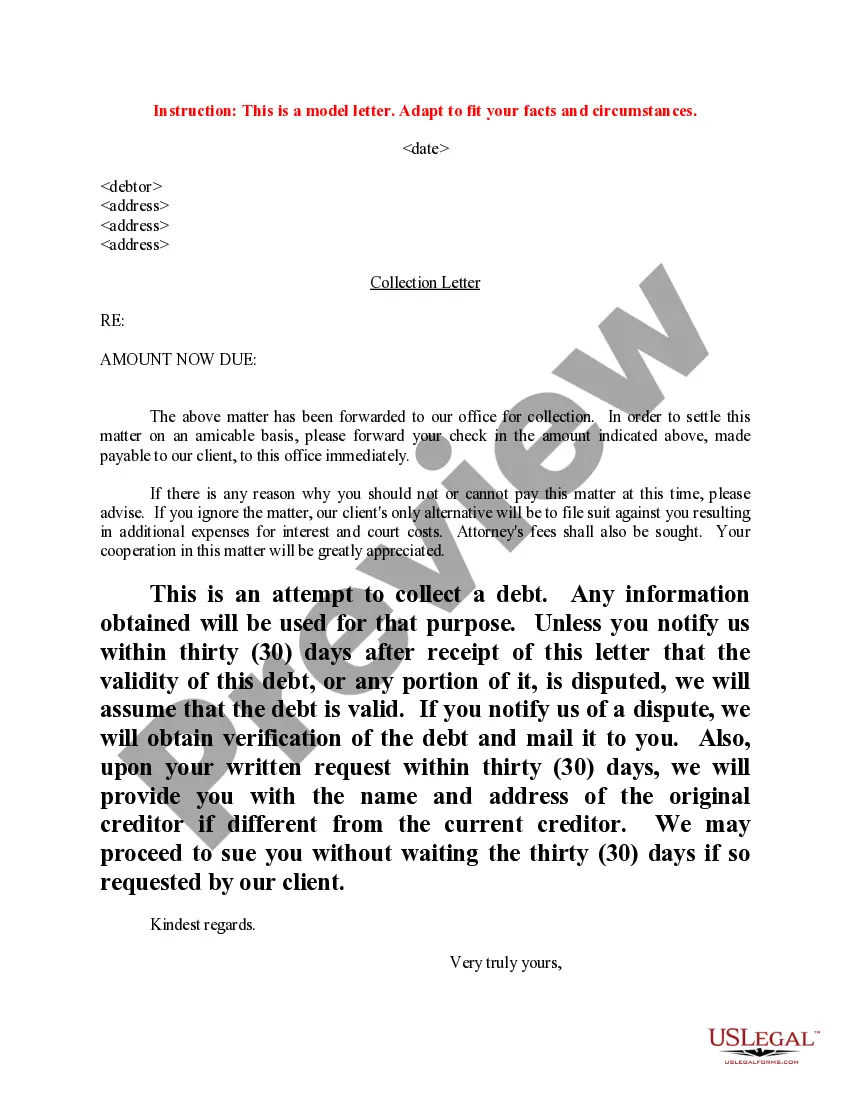
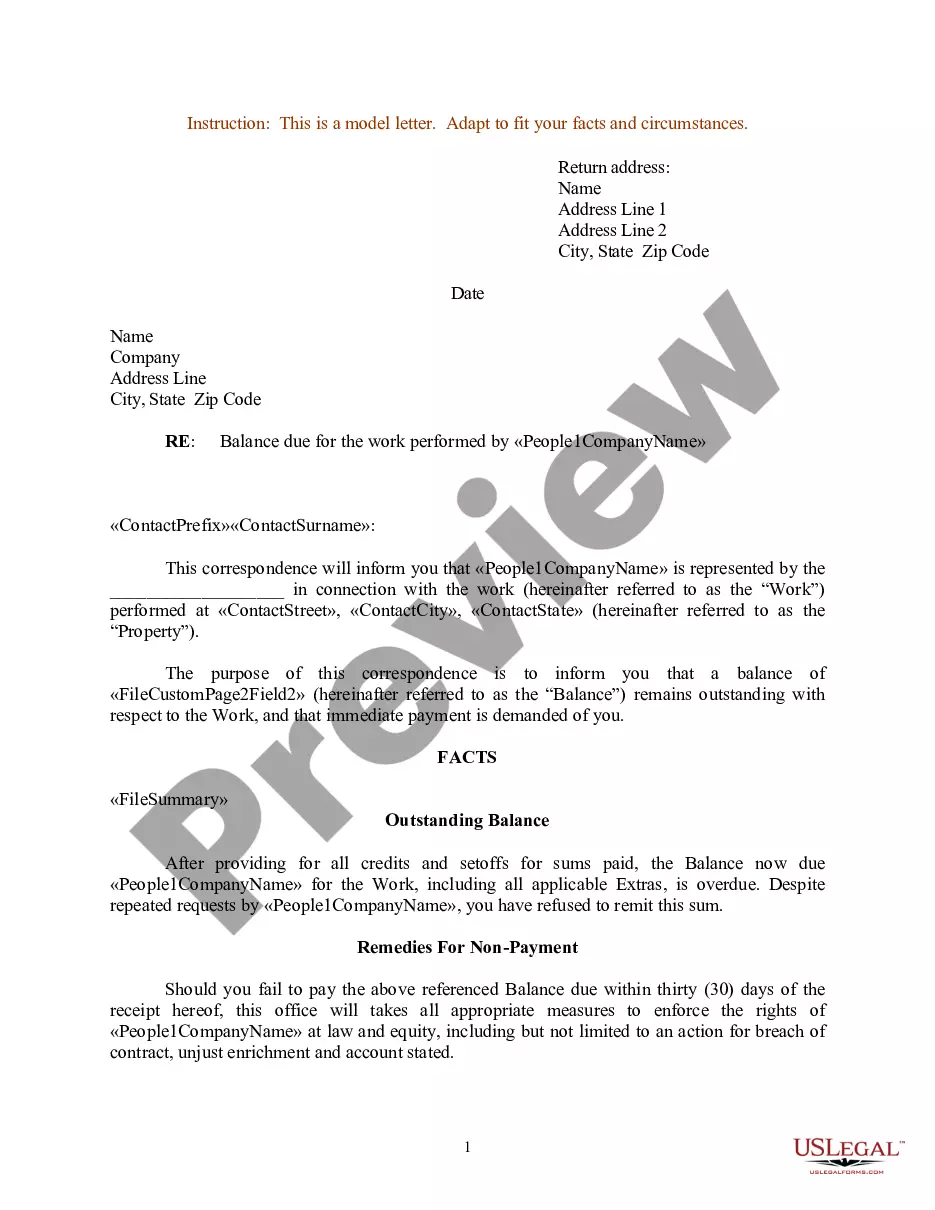
Writing a collection letter requires clarity and professionalism. Start by addressing the recipient politely, and include details of the debt, such as services rendered and payment due. You should also specify a timeline for payment and mention potential consequences for non-payment. Using a template for a collection letter for dental office can streamline this process and ensure all necessary elements are included.
If your dental bill goes to collections, the collection agency may contact you to request payment. This process can harm your credit score, making it harder to secure loans or credit in the future. It is essential to respond promptly to avoid legal action. You may receive a collection letter for dental office from the agency outlining the balance owed and instructions for payment.
A good collection percentage for a dental office typically ranges from 95% to 98%. This indicates that the office effectively collects the majority of billed services. Implementing structured collection letters for dental office follow-ups can improve this percentage significantly. By maintaining clear communication with patients, the practice can enhance its revenue cycle and reduce overdue accounts.
Yes, an unpaid dental bill can negatively impact your credit score. Once the account is sent to collections, you will receive a collection letter for dental office indicating the balance owed. If left unresolved, this information can be reported to credit bureaus, affecting your creditworthiness. Addressing debts early can help you maintain a healthier credit profile.
An example of a collection letter in a dental office would typically include essential details such as the patient’s account information, the outstanding balance, and the services rendered. The letter will also outline how to resolve the debt conveniently. This communication serves as a formal reminder to the patient about their responsibilities. Utilizing a collection letter for dental office practices ensures clear communication and encourages timely payments.
If you ignore debt collectors for medical bills, including dental bills, the situation may worsen over time. You may receive a collection letter for dental office advising you of the overdue amount, which can lead to further collection actions. This may include additional fees, negative credit reporting, or even legal action. It is best to communicate with collectors and seek a resolution to avoid these outcomes.