Employee Responsible For Damages Form
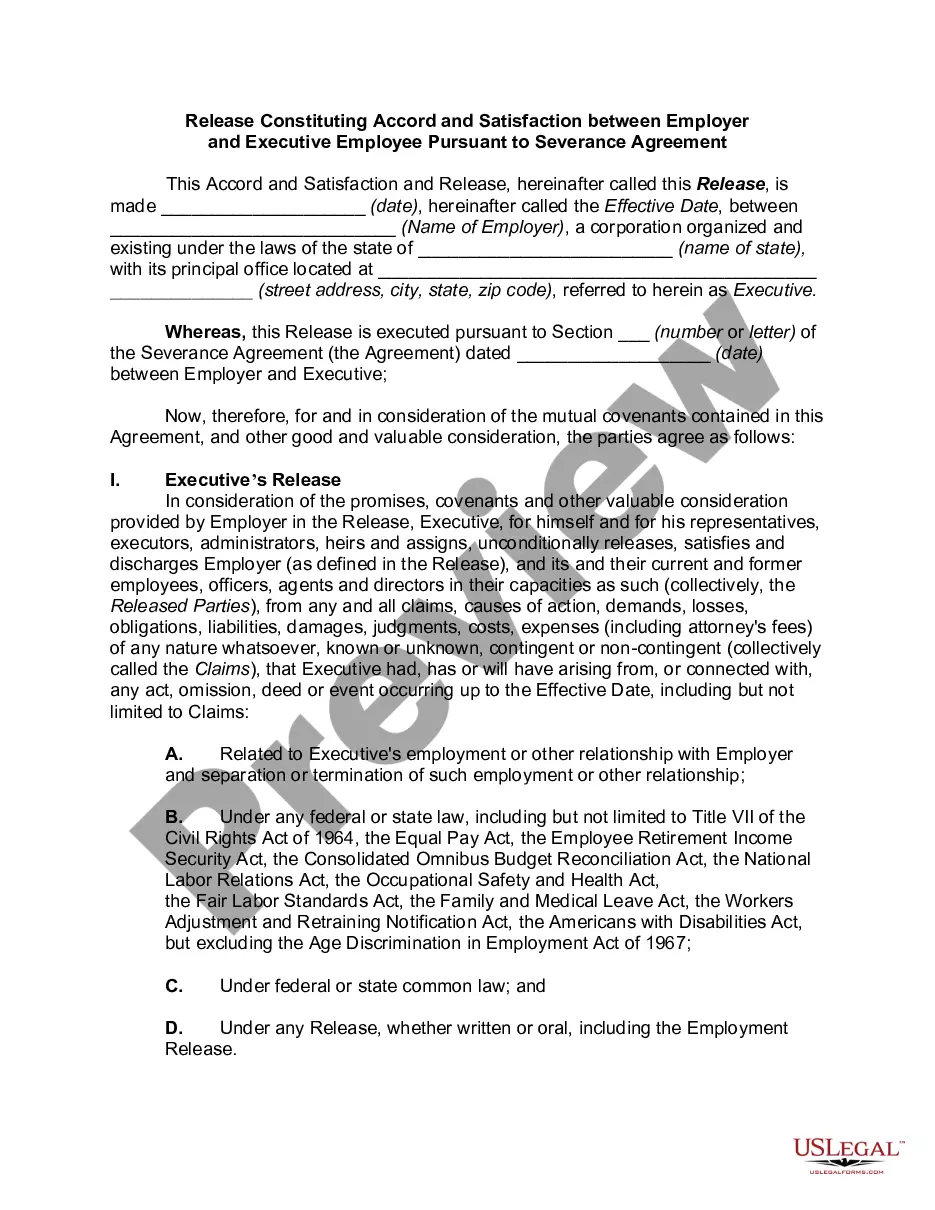
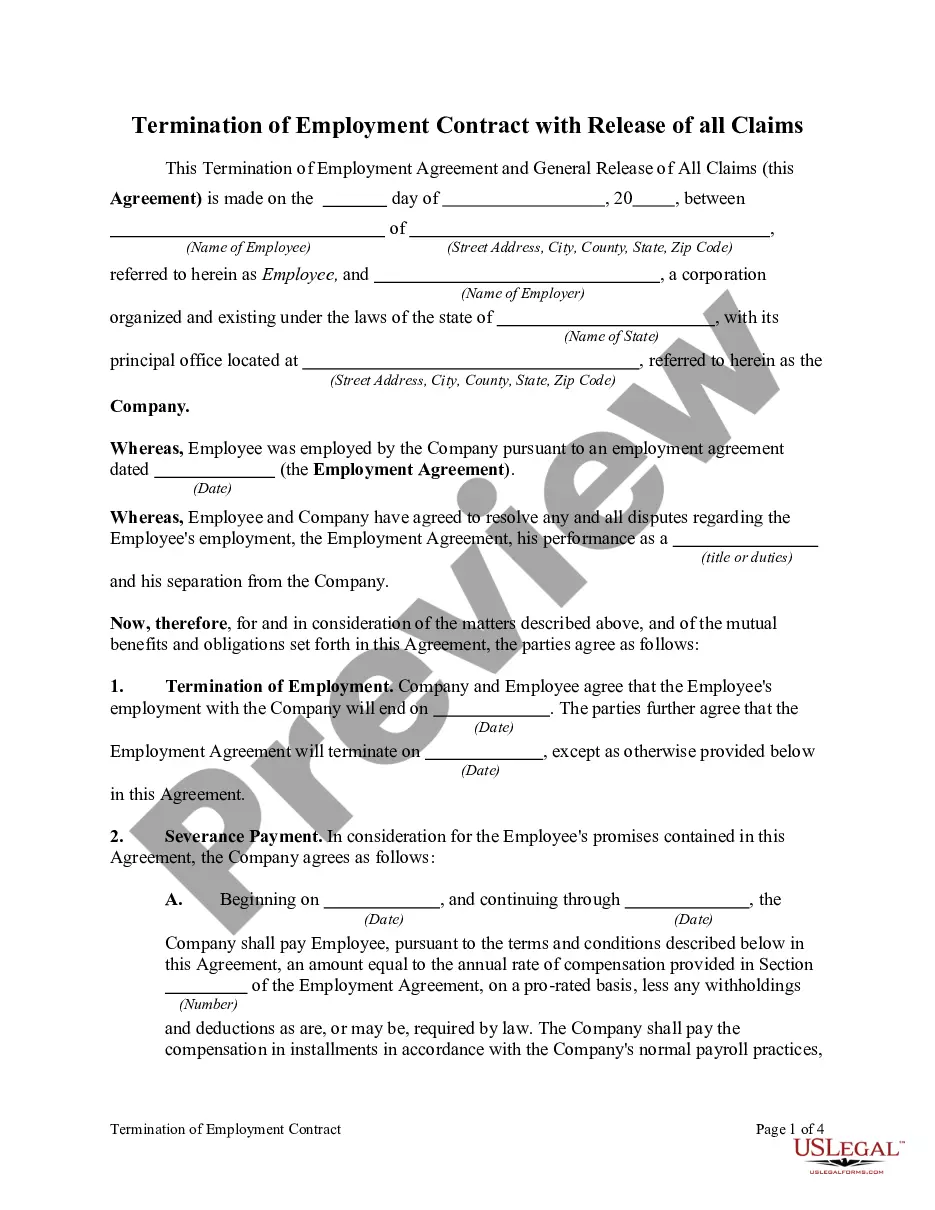
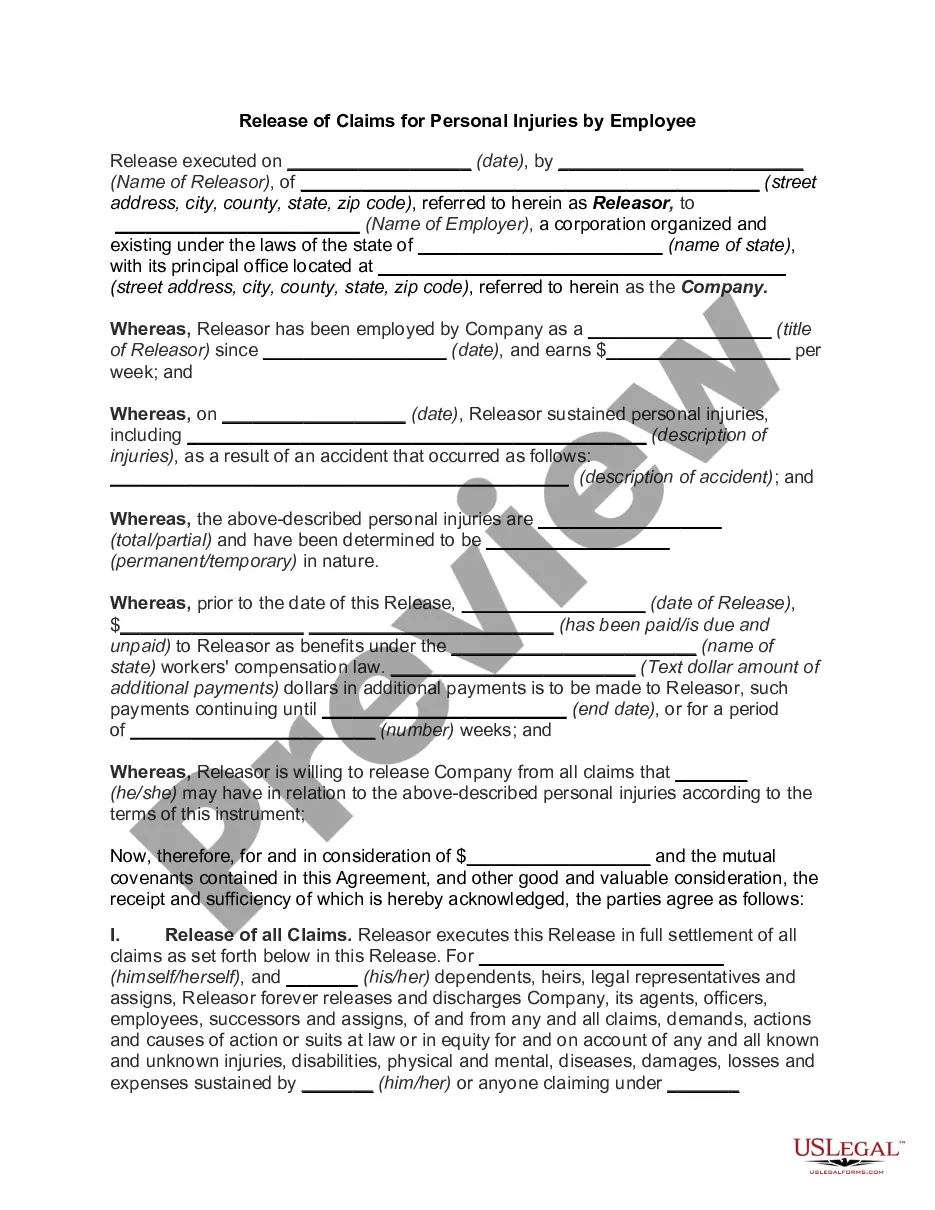
Description
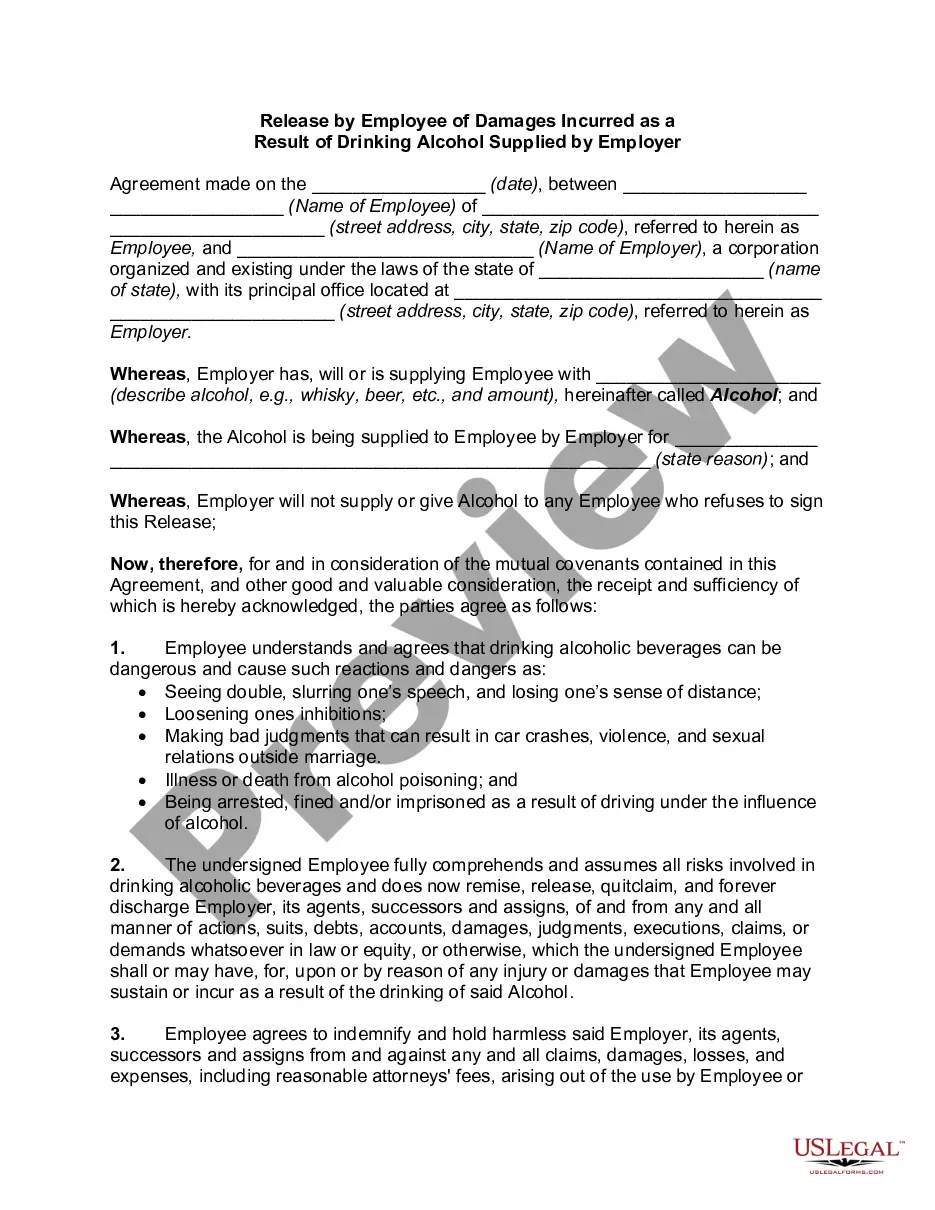
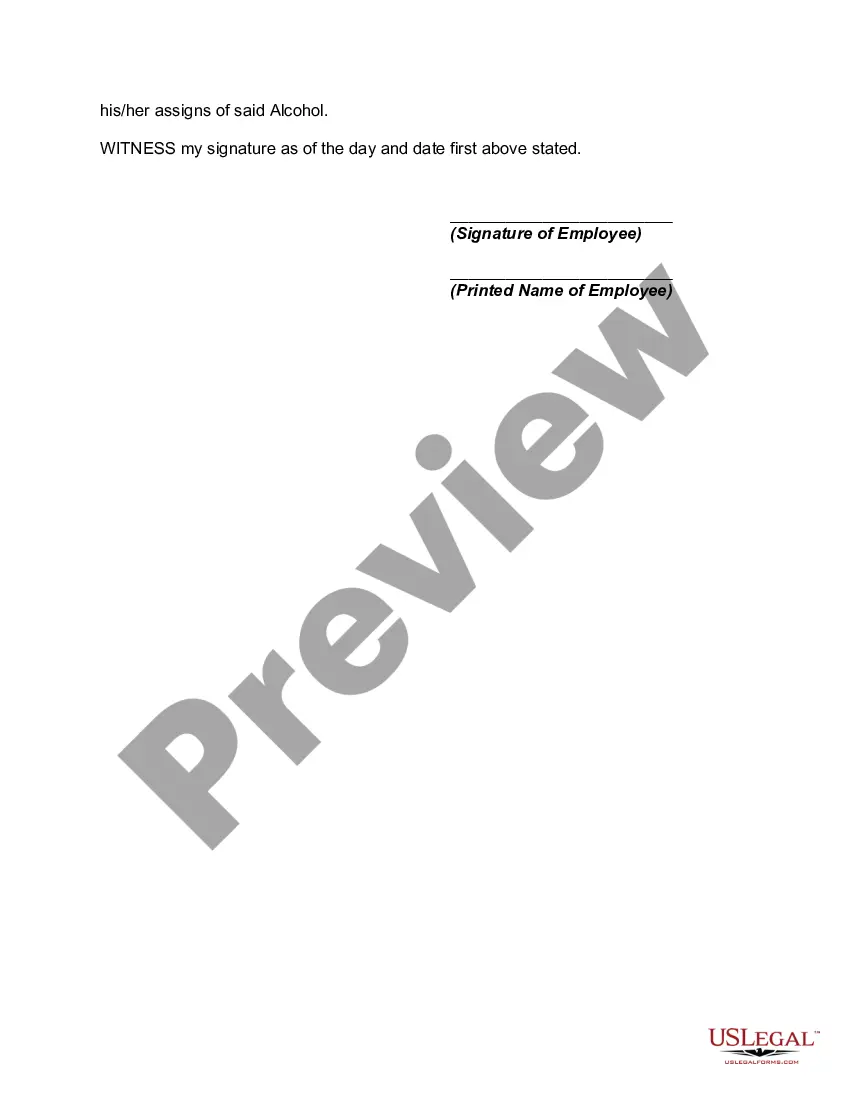
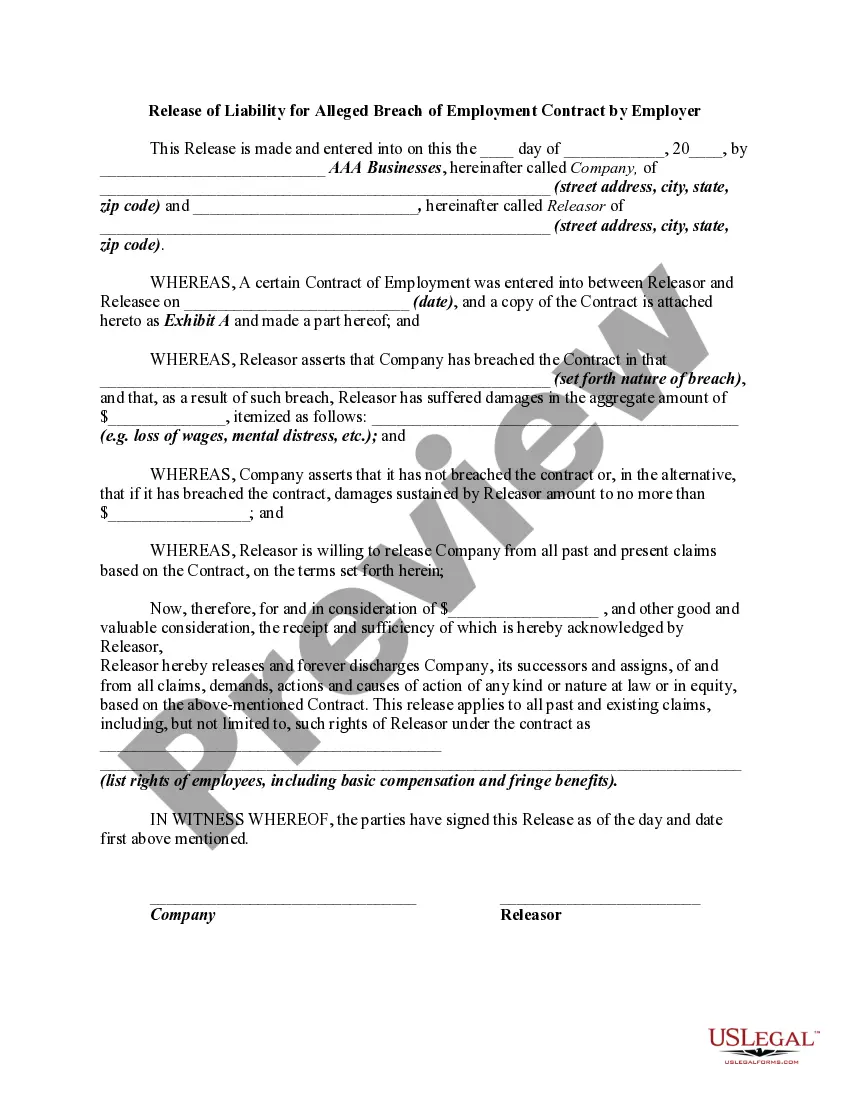
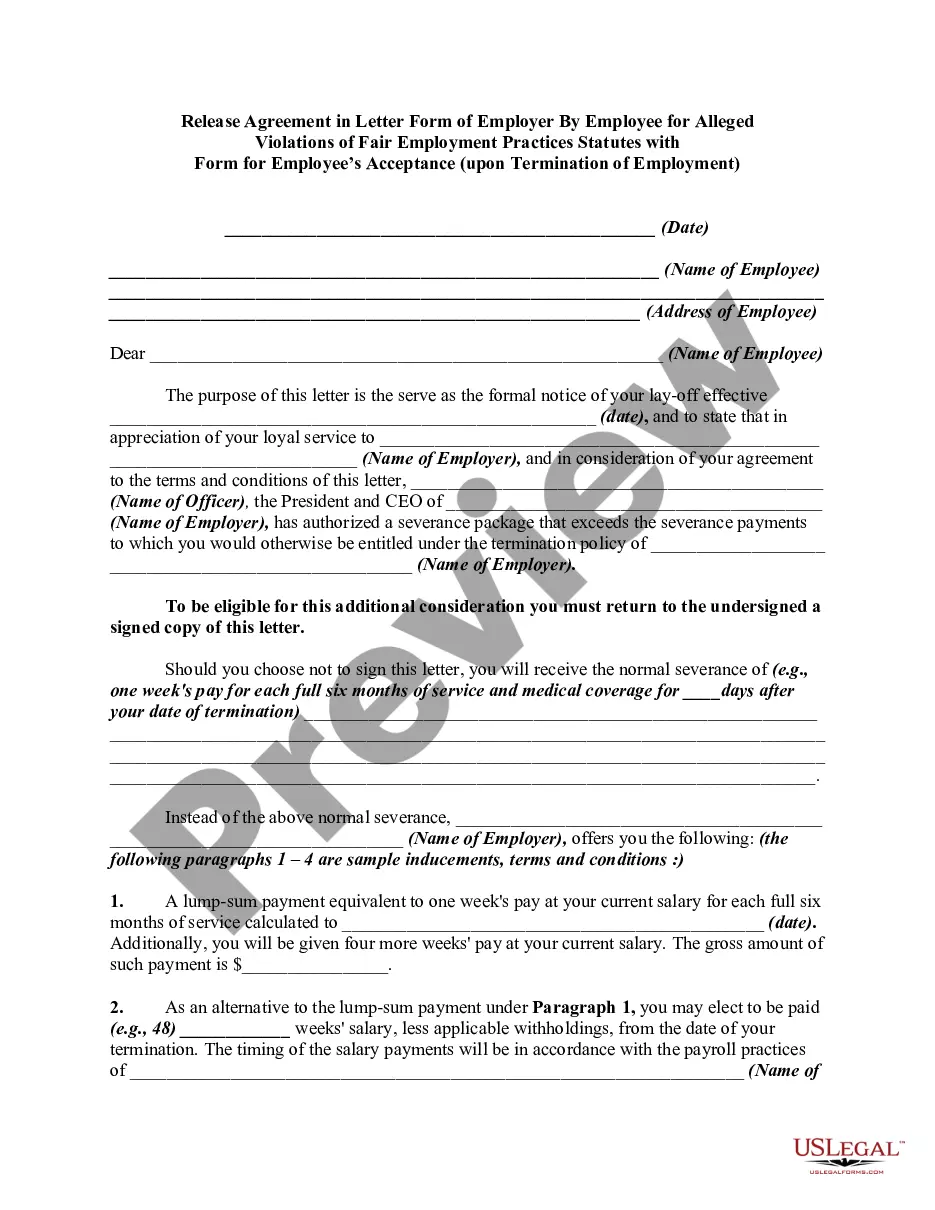
Get your form ready online
Our built-in tools help you complete, sign, share, and store your documents in one place.
Make edits, fill in missing information, and update formatting in US Legal Forms—just like you would in MS Word.
Download a copy, print it, send it by email, or mail it via USPS—whatever works best for your next step.
Sign and collect signatures with our SignNow integration. Send to multiple recipients, set reminders, and more. Go Premium to unlock E-Sign.
If this form requires notarization, complete it online through a secure video call—no need to meet a notary in person or wait for an appointment.
We protect your documents and personal data by following strict security and privacy standards.

Make edits, fill in missing information, and update formatting in US Legal Forms—just like you would in MS Word.

Download a copy, print it, send it by email, or mail it via USPS—whatever works best for your next step.

Sign and collect signatures with our SignNow integration. Send to multiple recipients, set reminders, and more. Go Premium to unlock E-Sign.

If this form requires notarization, complete it online through a secure video call—no need to meet a notary in person or wait for an appointment.

We protect your documents and personal data by following strict security and privacy standards.
Looking for another form?



Form popularity
FAQ
To communicate that your organization is not liable for damages, you should include a statement in your contracts or agreements. This often takes the form of a liability disclaimer, which can be effectively outlined in the Employee responsible for damages form. Clearly convey the limits of your liability, and ensure that this is understood by all parties involved to prevent misunderstandings in the future.
To write a claim for damages, start by gathering all relevant information. Clearly state the circumstances that led to the damages and quantify the losses incurred. Include any supporting documents, such as photographs or bills, and make sure to reference the Employee responsible for damages form. Finally, submit your claim to the appropriate party to initiate the process.
Being liable for damages means a person or entity is legally responsible for financial compensation due to harm or loss caused to another party. This can occur in numerous situations, from accidents to contract violations. Using an Employee responsible for damages form helps outline these responsibilities and ensures everyone is aware of their obligations.
Liability for damages can fall on various parties, including individuals, business entities, or organizations. Factors such as negligence, breach of duty, or failure to comply with regulations can lead to liability. By establishing clear guidelines through an Employee responsible for damages form, you can delineate responsibilities and reduce uncertainty.
Typically, the party failing to fulfill their obligations can be held liable for any resulting damages. This liability may extend to employees, contractors, or even employers depending on the circumstances. By implementing an Employee responsible for damages form, organizations can define responsibilities and protect themselves from excessive liability.
A letter of responsibility for damages is a formal document that outlines an individual's obligation to cover costs associated with damages they cause. This letter can be essential in clarifying roles and expectations, especially in workplace settings. Utilizing an Employee responsible for damages form can simplify this process and provide a clear framework.
A waiver of responsibility for damage is a legal document that releases one party from liability for any damages or injuries that may occur. This type of waiver can help protect organizations from lawsuits by outlining the risks. Incorporating an Employee responsible for damages form can ensure that all participants acknowledge their acceptance of potential risks.
A person becomes liable when they fail to meet a legal obligation resulting in harm or damage to another party. Liability can arise from negligence, intentional misconduct, or breaches of contract. Understanding how to use an Employee responsible for damages form can help set clear guidelines and responsibilities for all parties involved.
The liability for damage clause in a contract specifies who is responsible for any damages that may arise during the performance of duties. It establishes the limits of liability and can protect parties from unwarranted claims. Including an Employee responsible for damages form allows organizations to clearly define this clause and safeguard their interests.
To create a liability waiver, start by drafting a document that outlines the risks involved in a particular activity. Clearly state that the individual acknowledges these risks and agrees not to hold the organization accountable. Using an Employee responsible for damages form can help you structure this effectively, ensuring all necessary elements are covered for legal compliance.
