Charitable Remainder Trust For Income
Description
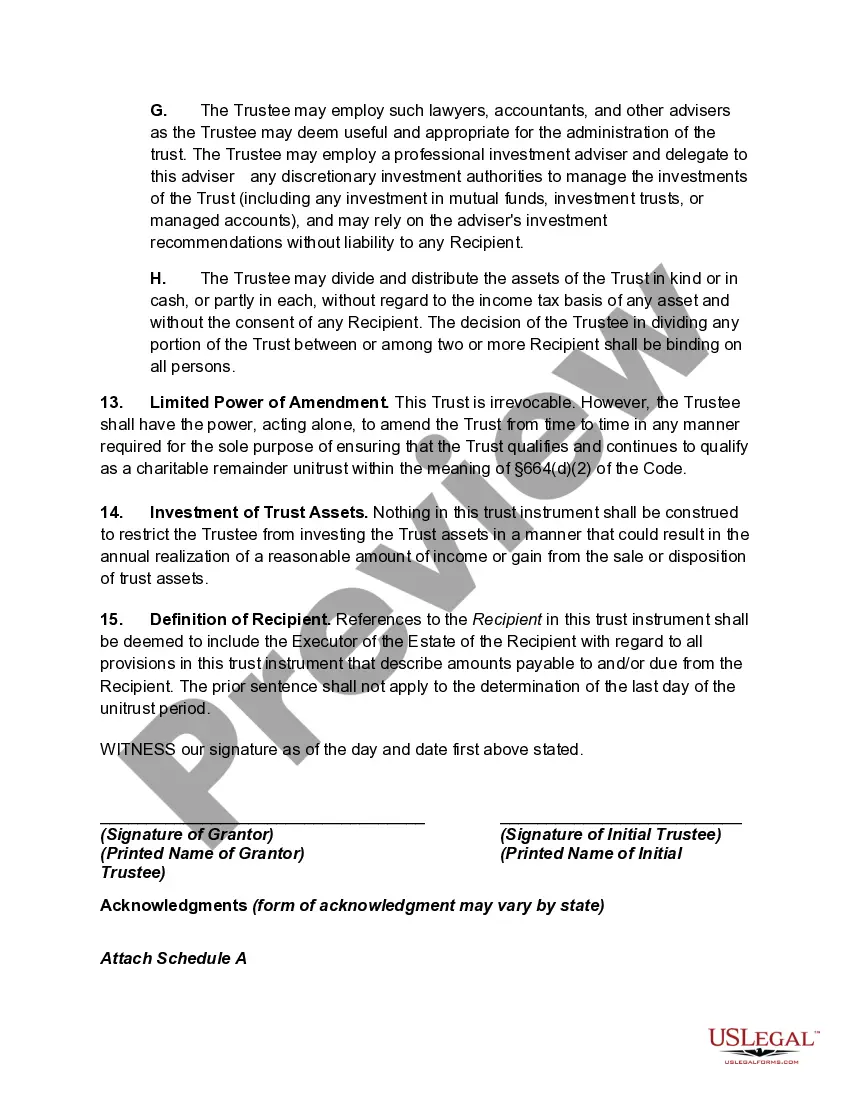

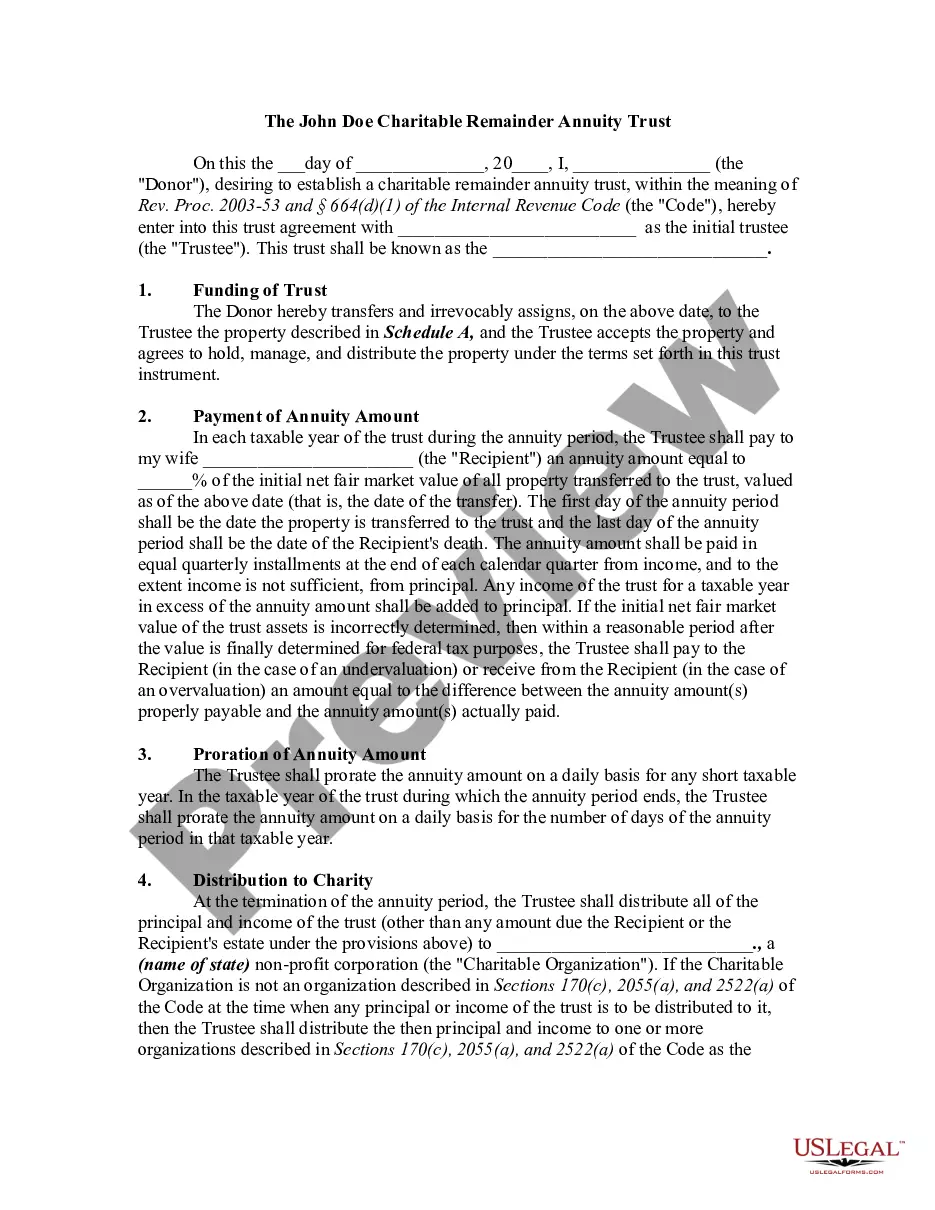
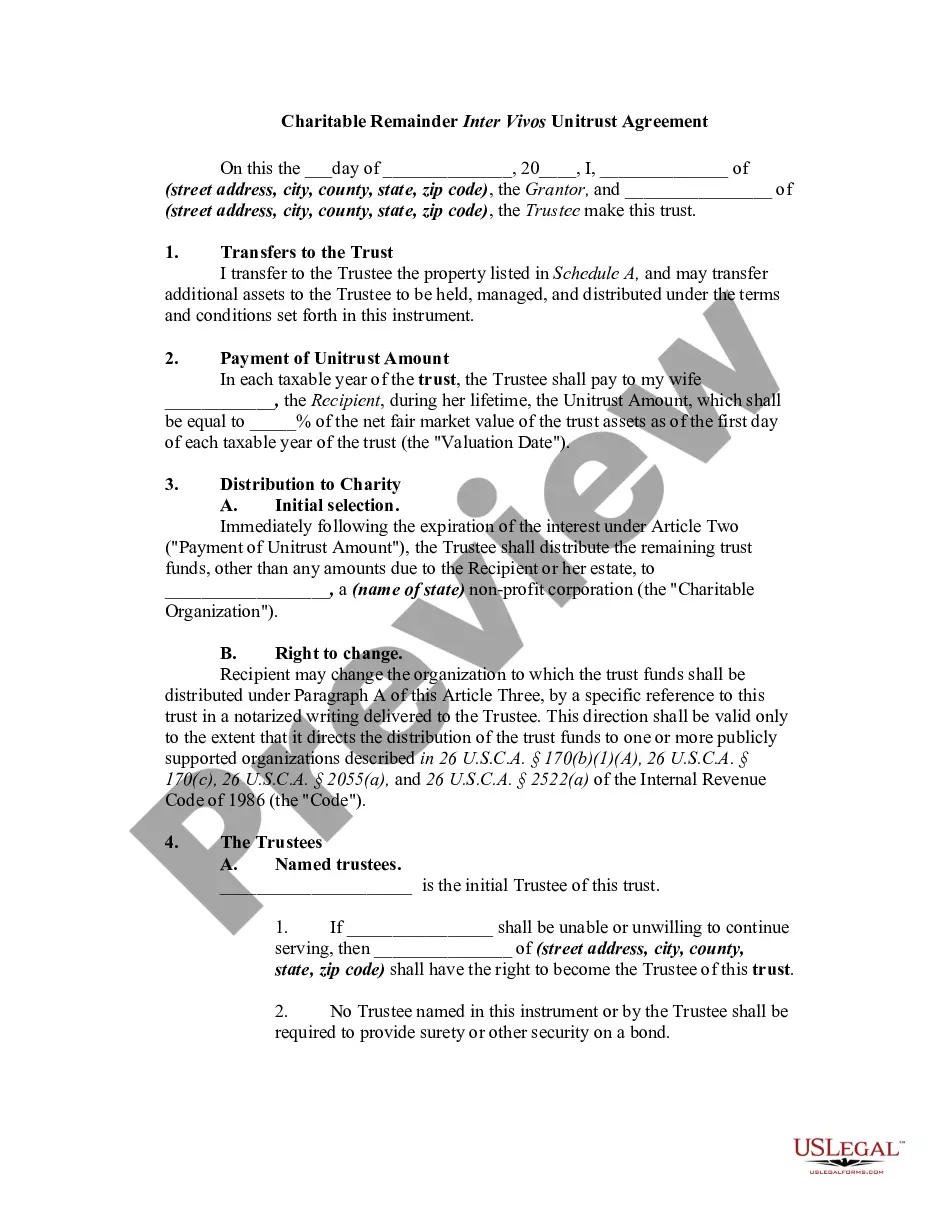
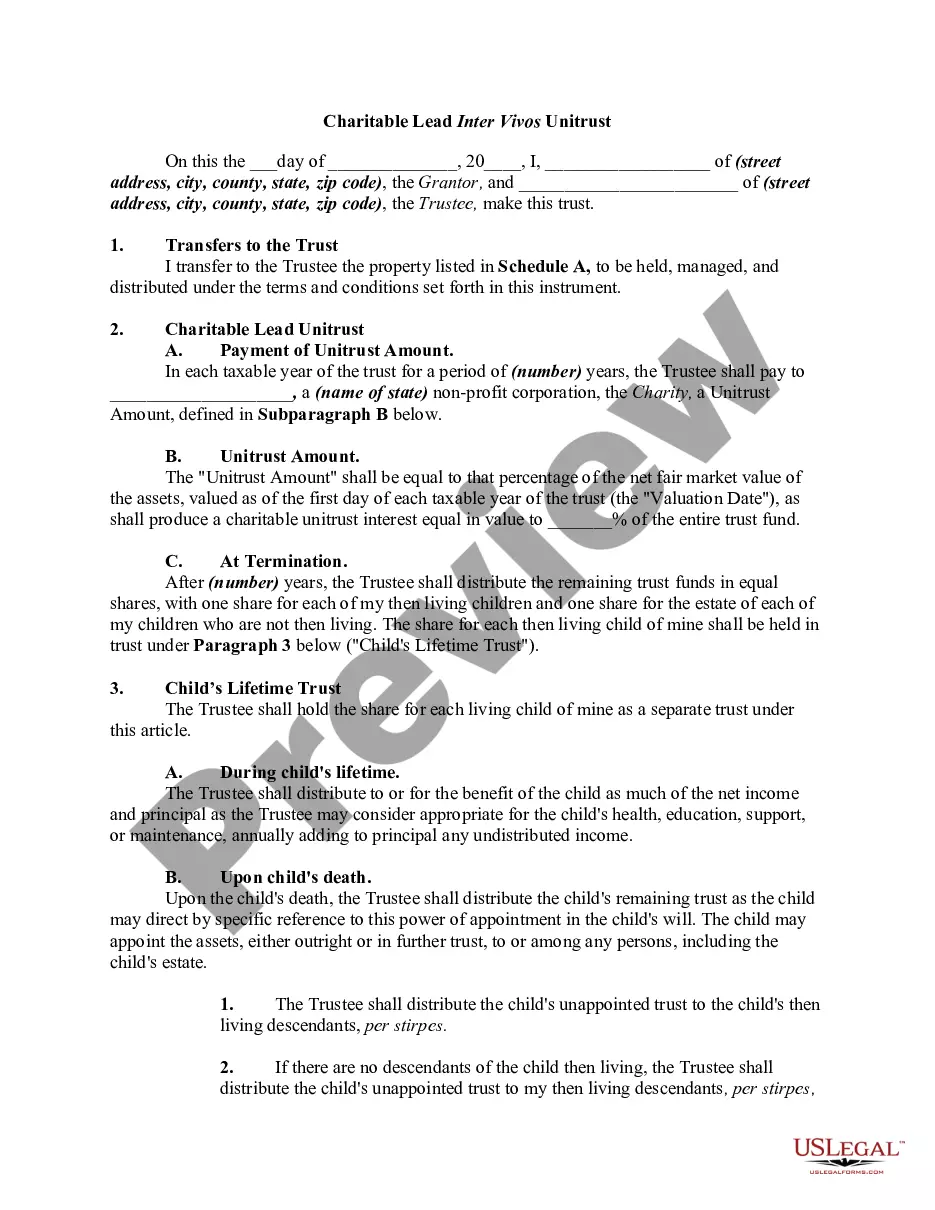
Get your form ready online
Our built-in tools help you complete, sign, share, and store your documents in one place.
Make edits, fill in missing information, and update formatting in US Legal Forms—just like you would in MS Word.
Download a copy, print it, send it by email, or mail it via USPS—whatever works best for your next step.
Sign and collect signatures with our SignNow integration. Send to multiple recipients, set reminders, and more. Go Premium to unlock E-Sign.
If this form requires notarization, complete it online through a secure video call—no need to meet a notary in person or wait for an appointment.
We protect your documents and personal data by following strict security and privacy standards.

Make edits, fill in missing information, and update formatting in US Legal Forms—just like you would in MS Word.

Download a copy, print it, send it by email, or mail it via USPS—whatever works best for your next step.

Sign and collect signatures with our SignNow integration. Send to multiple recipients, set reminders, and more. Go Premium to unlock E-Sign.

If this form requires notarization, complete it online through a secure video call—no need to meet a notary in person or wait for an appointment.

We protect your documents and personal data by following strict security and privacy standards.
Looking for another form?







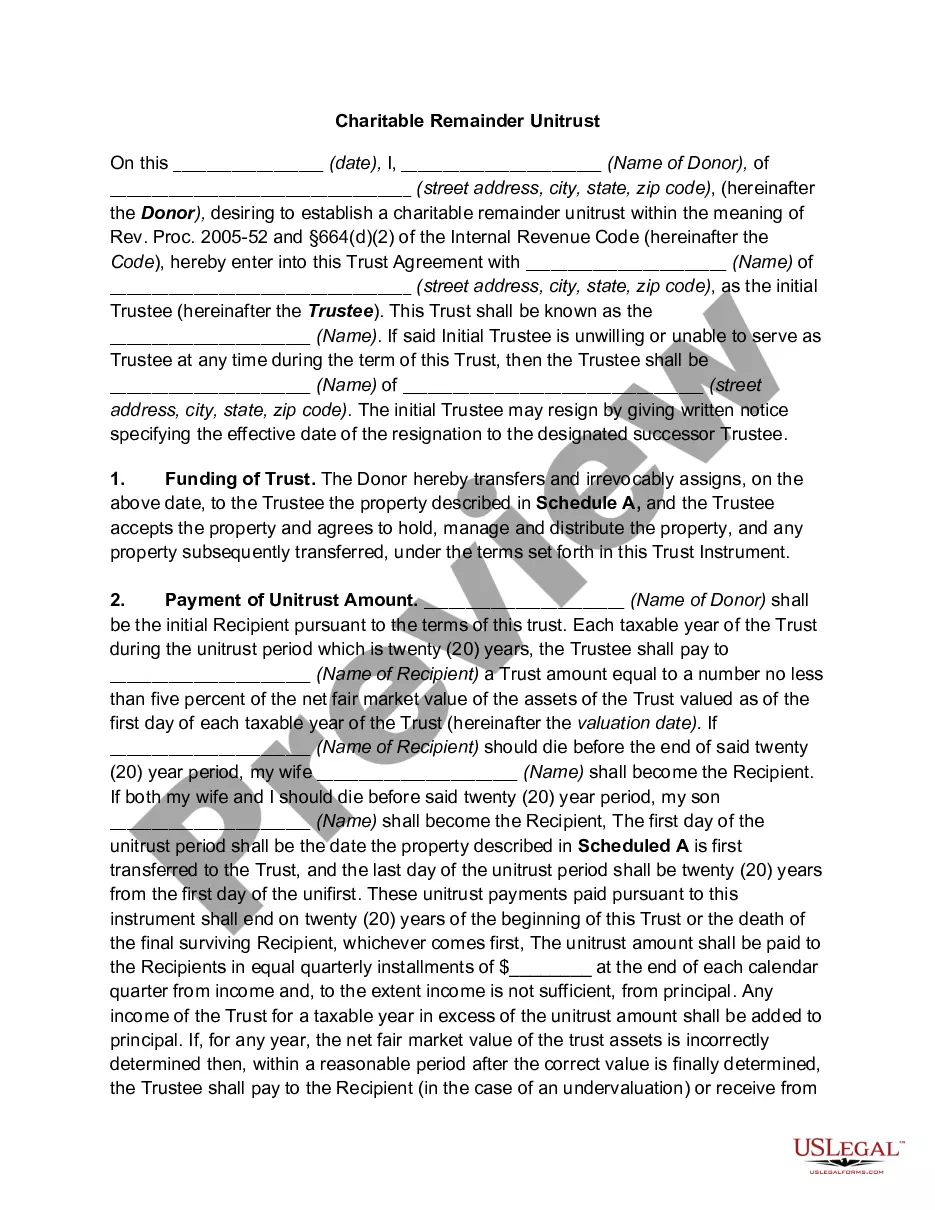
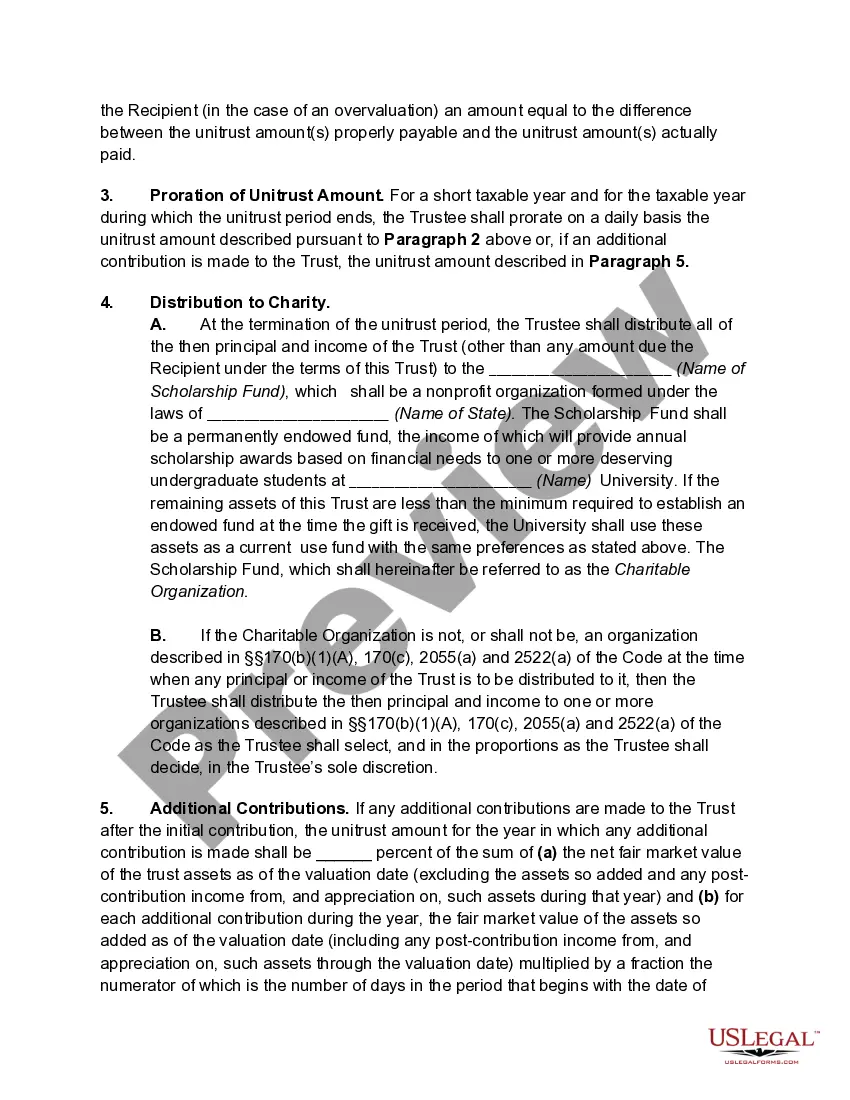
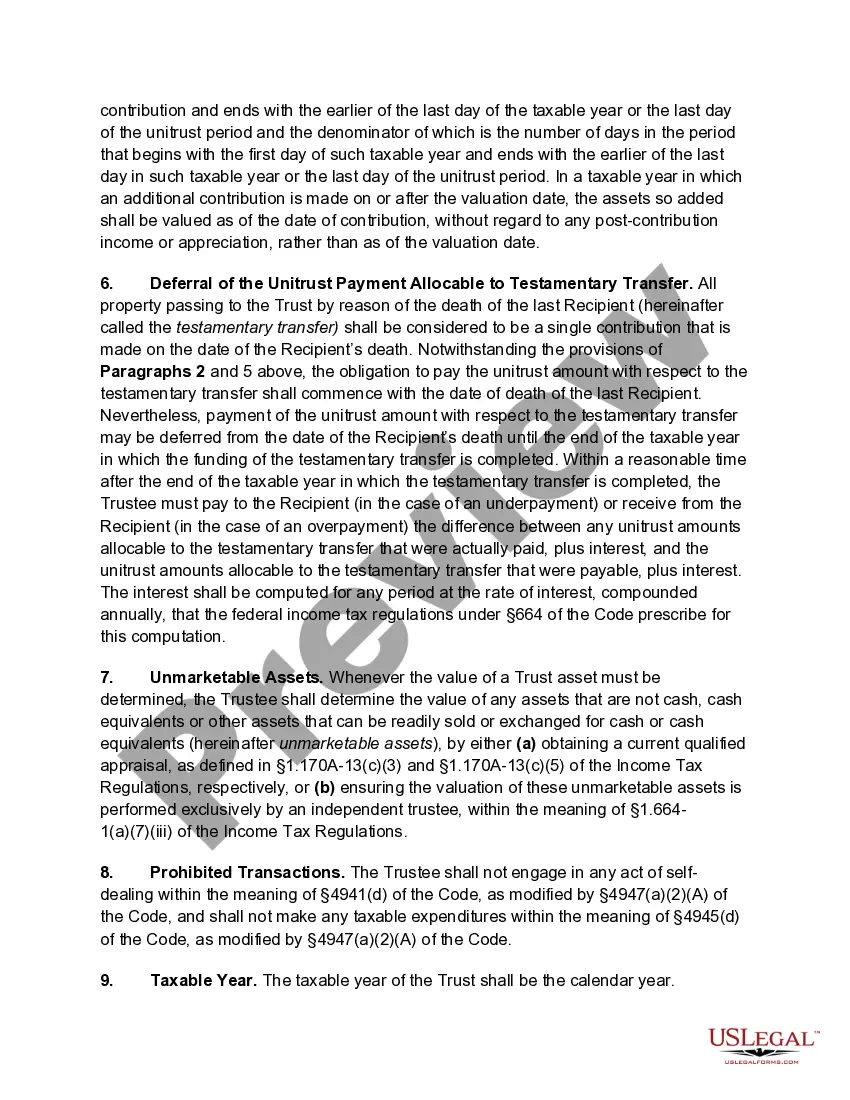
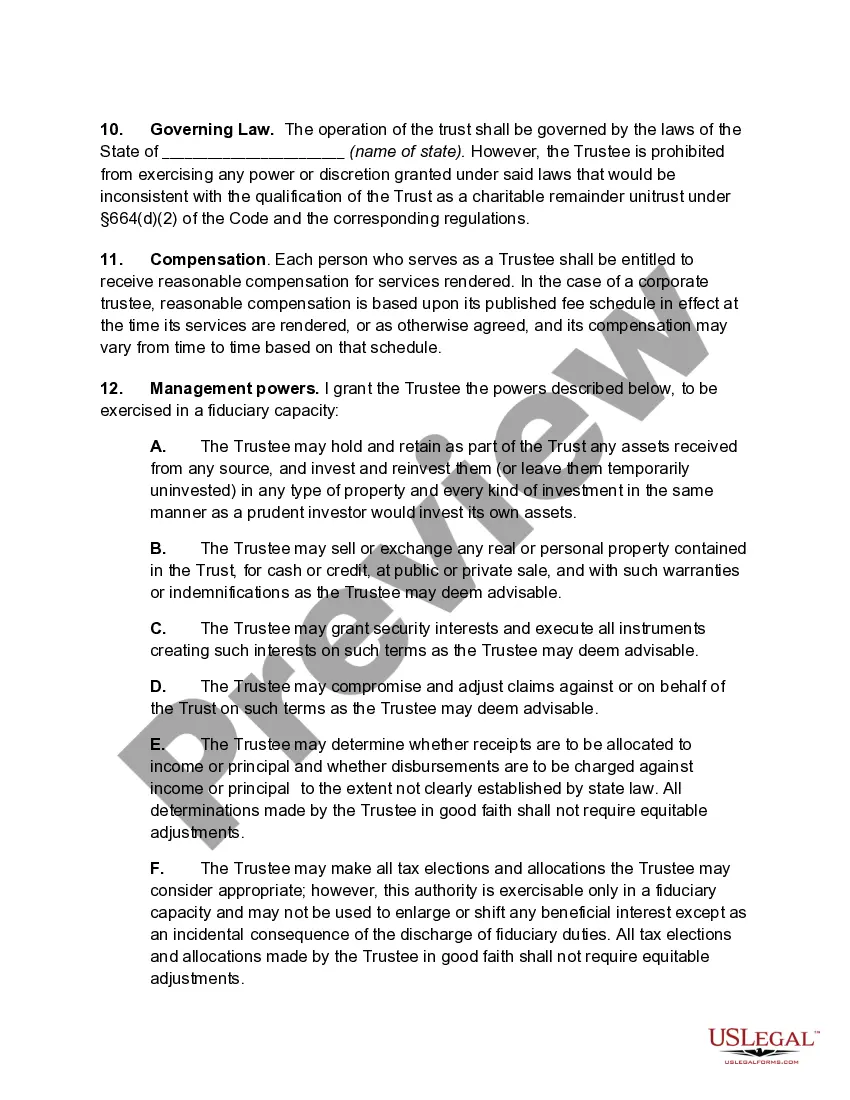
How to fill out Charitable Remainder Unitrust?
Creating legal documents from the ground up can frequently feel a bit daunting.
Some situations may require extensive research and significant financial investment.
If you’re seeking a simpler and more cost-effective method for preparing Charitable Remainder Trust For Income or any other documents without the hassle of navigating complex procedures, US Legal Forms is always accessible.
Our digital repository of over 85,000 current legal forms encompasses nearly every aspect of your financial, legal, and personal matters.
But before proceeding directly to downloading Charitable Remainder Trust For Income, consider these suggestions: Verify the form preview and details to ensure it is the document you need. Confirm that the template you select complies with the regulations and laws of your state and county. Decide on the appropriate subscription choice to obtain the Charitable Remainder Trust For Income. Download the form, then complete it, sign it, and print it out. US Legal Forms prides itself on a flawless reputation and over 25 years of experience. Join us today and make document execution straightforward and efficient!
- With just a few clicks, you can swiftly acquire state- and county-specific forms meticulously crafted for you by our legal professionals.
- Utilize our website whenever you require a dependable and trustworthy service through which you can easily locate and download the Charitable Remainder Trust For Income.
- If you’re a returning user and have set up an account with us before, simply Log In to your account, find the form, and download it, or re-download it anytime later in the My documents section.
- Not yet registered? No worries. It only takes a few minutes to sign up and browse the library.
Form popularity
FAQ
The 10% rule for charitable remainder trusts states that the present value of the charitable remainder must be at least 10% of the trust’s assets at the time of establishment. This ensures that a significant portion of the trust ultimately benefits the charity. When planning a charitable remainder trust for income, adhering to this rule helps to comply with IRS requirements and enables you to maximize your charitable contributions while receiving income.
What is a Financial Disclosure Statement ("FDS")? A FDS is a publicly available record containing financial and professional information about the filer and his or her spouse for a calendar year.
Disclosure means providing useful data to those who need it. In financial reports, disclosure means that financial reports must contain sufficient information and explanations about the results of a business unit`s activities.
The Ohio Ethics law requires certain elected officials, candidates for elected offices, public employees, and appointees to public positions to annually file a financial disclosure statement with the Ohio Ethics Commission.
Ohio Annual Report Fee: $0.
Do I have to file an annual report? Business entities in Ohio are not required to file an annual report. However, certain types of entities and registrations are required to file reports at different intervals.
These types of agreements should only be entered into when the parties have complete knowledge of the financial situation between the two parties. If parties do not provide disclosure before entering into these agreements, the agreement is at risk of being overturned or put aside by the court for this very reason.