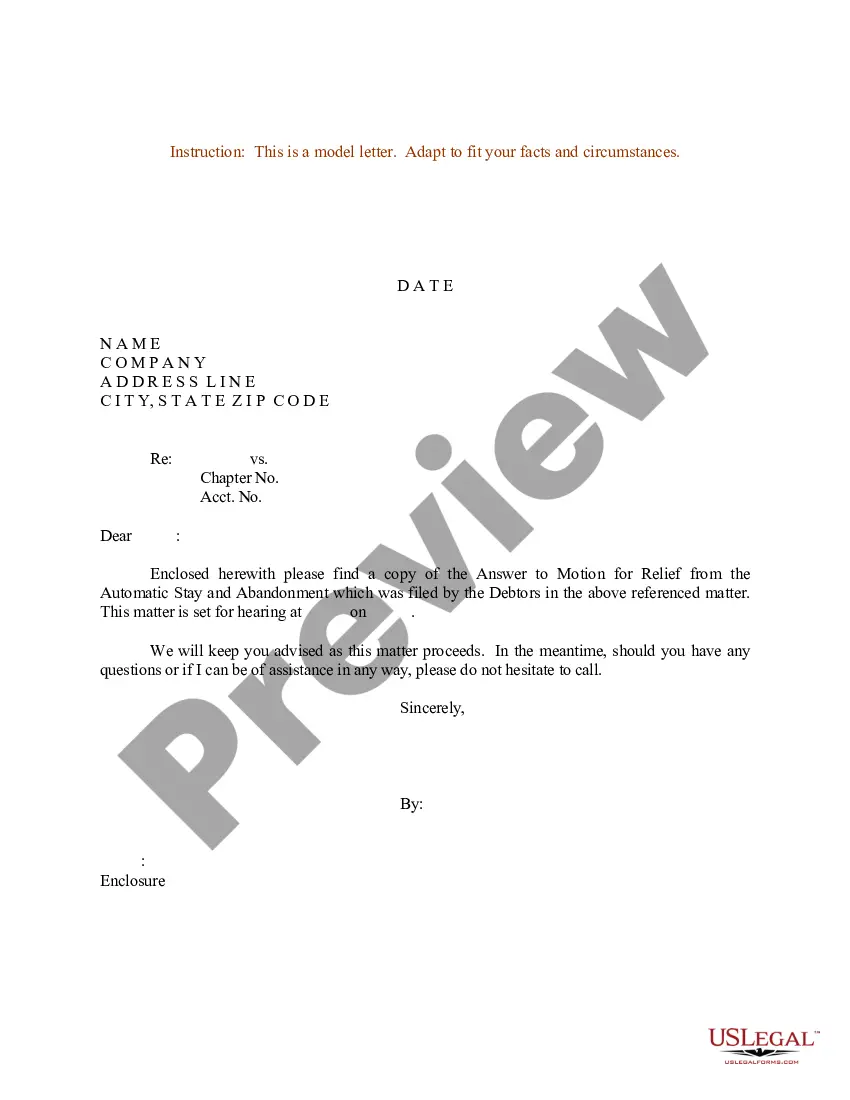
Motion For Relief From Stay To Evict Tenant
Description
Get your form ready online
Our built-in tools help you complete, sign, share, and store your documents in one place.
Make edits, fill in missing information, and update formatting in US Legal Forms—just like you would in MS Word.
Download a copy, print it, send it by email, or mail it via USPS—whatever works best for your next step.
Sign and collect signatures with our SignNow integration. Send to multiple recipients, set reminders, and more. Go Premium to unlock E-Sign.
If this form requires notarization, complete it online through a secure video call—no need to meet a notary in person or wait for an appointment.
We protect your documents and personal data by following strict security and privacy standards.

Make edits, fill in missing information, and update formatting in US Legal Forms—just like you would in MS Word.

Download a copy, print it, send it by email, or mail it via USPS—whatever works best for your next step.

Sign and collect signatures with our SignNow integration. Send to multiple recipients, set reminders, and more. Go Premium to unlock E-Sign.

If this form requires notarization, complete it online through a secure video call—no need to meet a notary in person or wait for an appointment.

We protect your documents and personal data by following strict security and privacy standards.
Looking for another form?
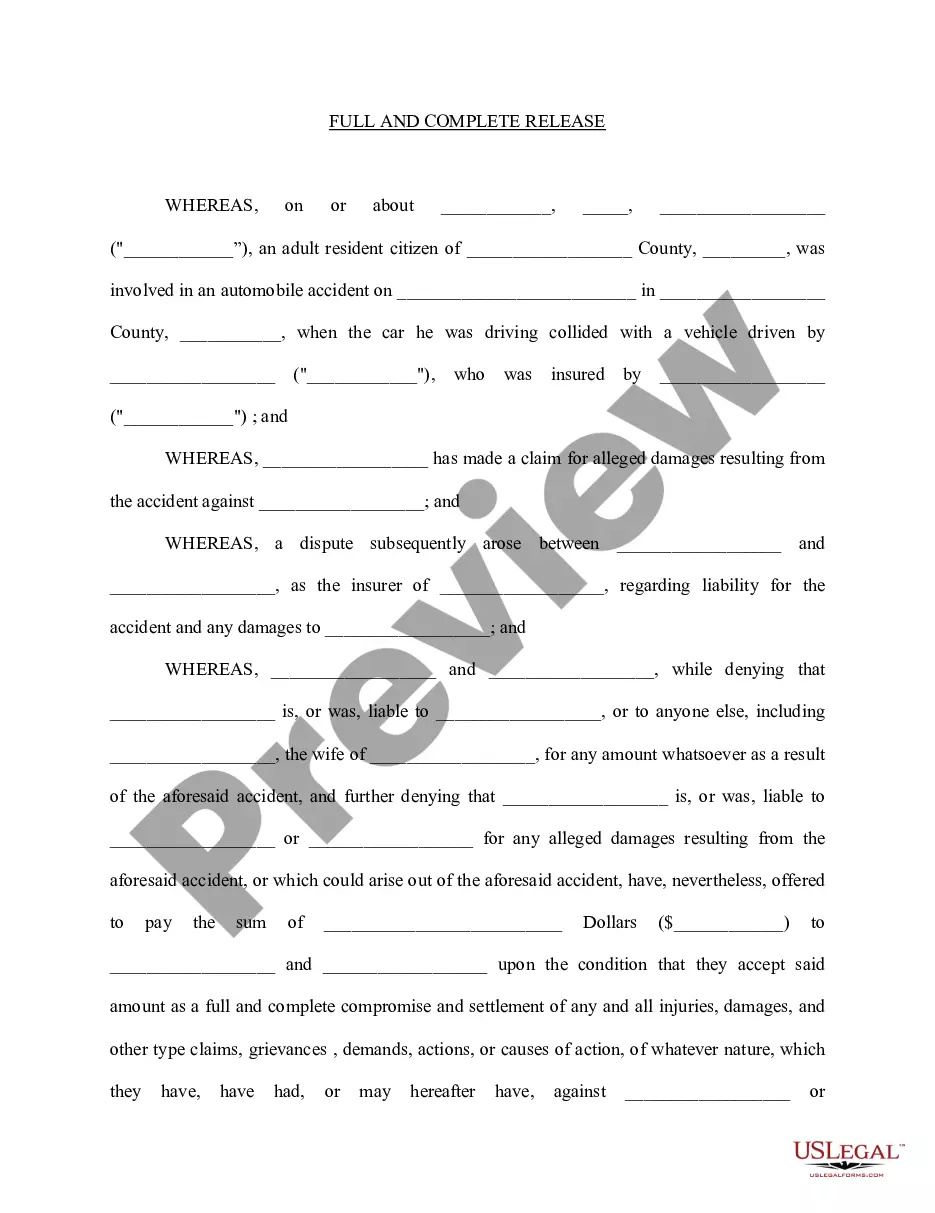
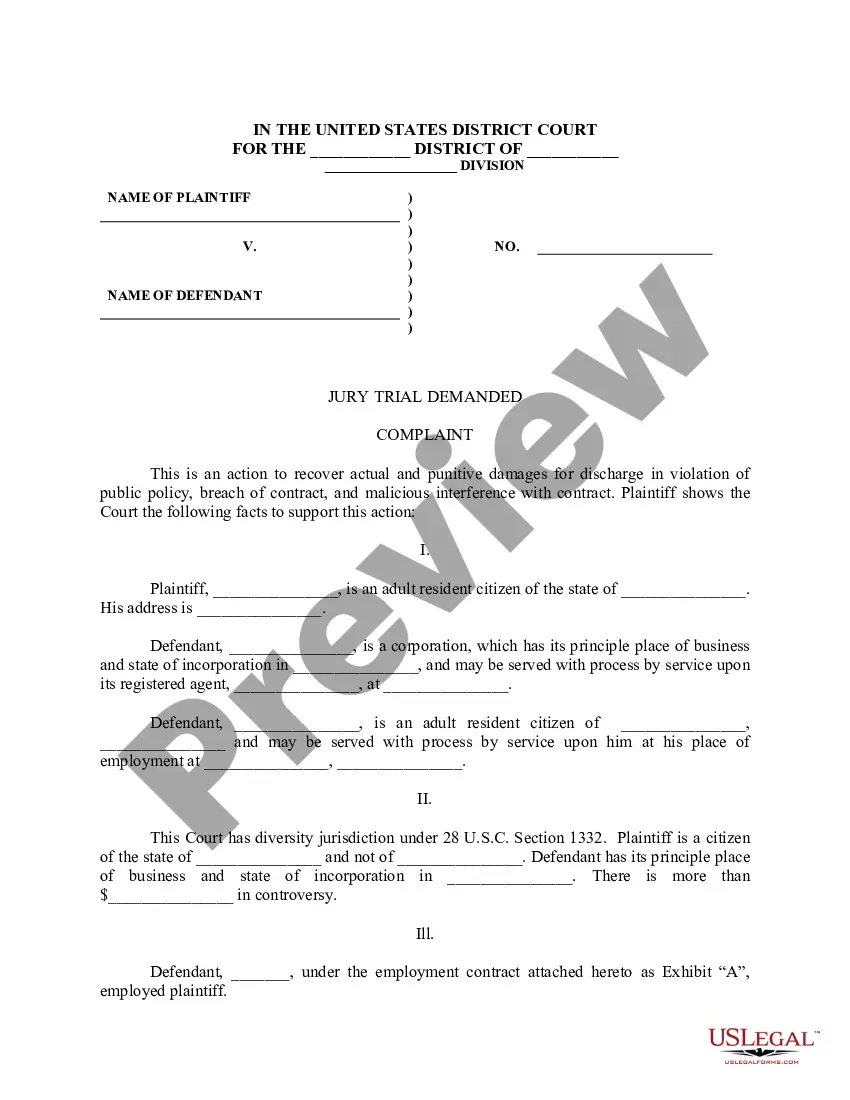
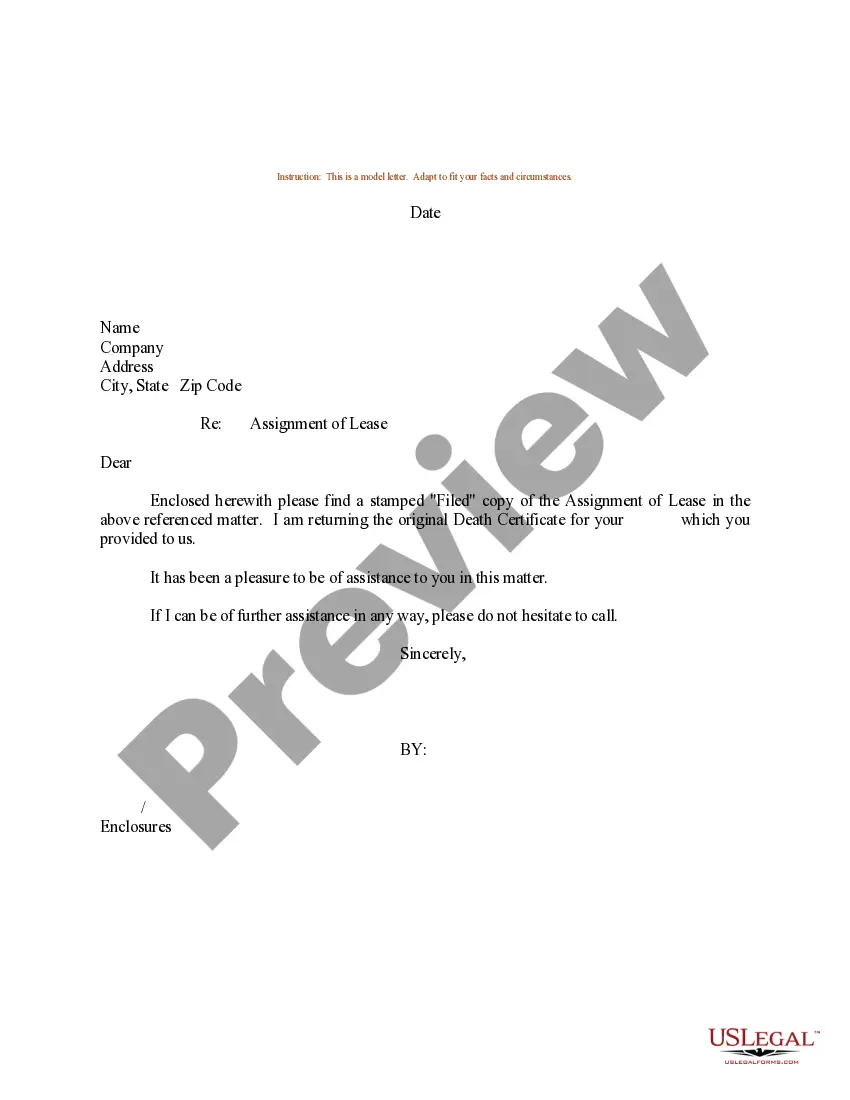
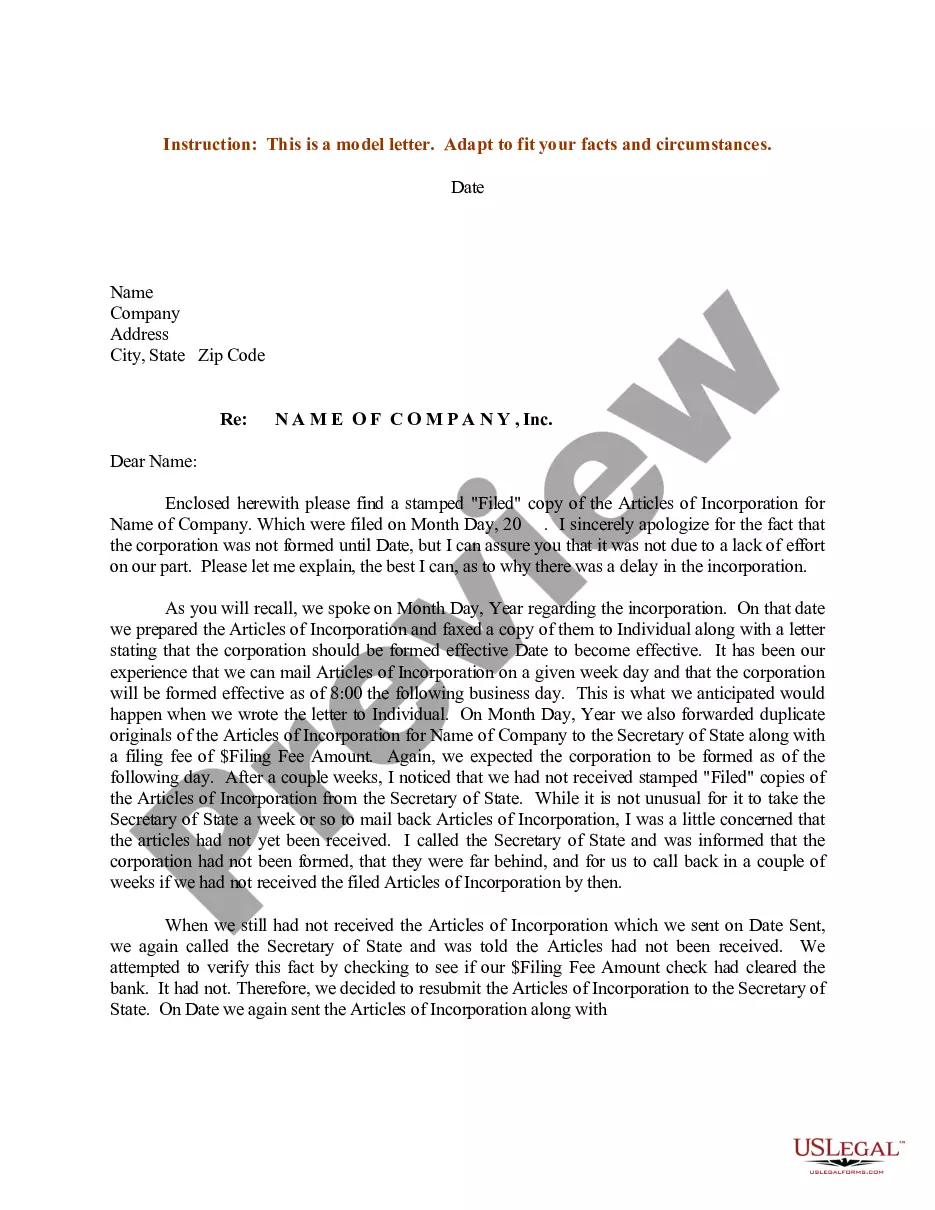
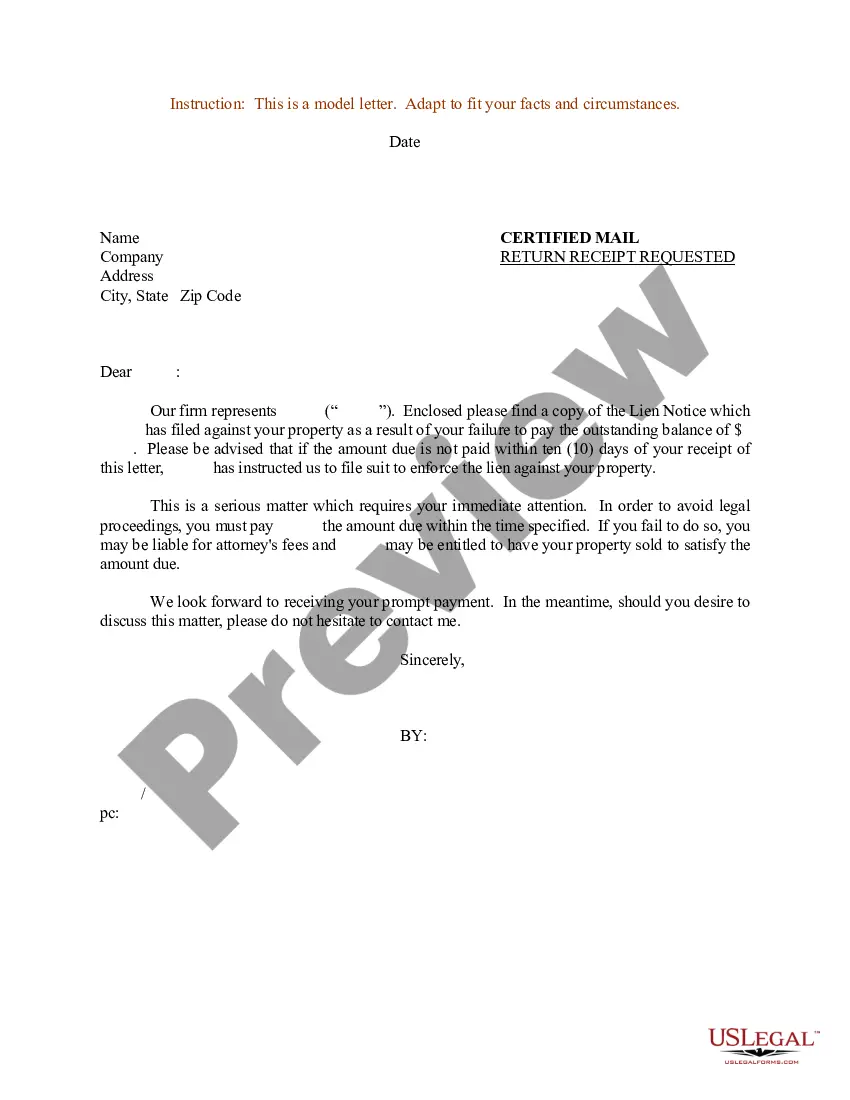
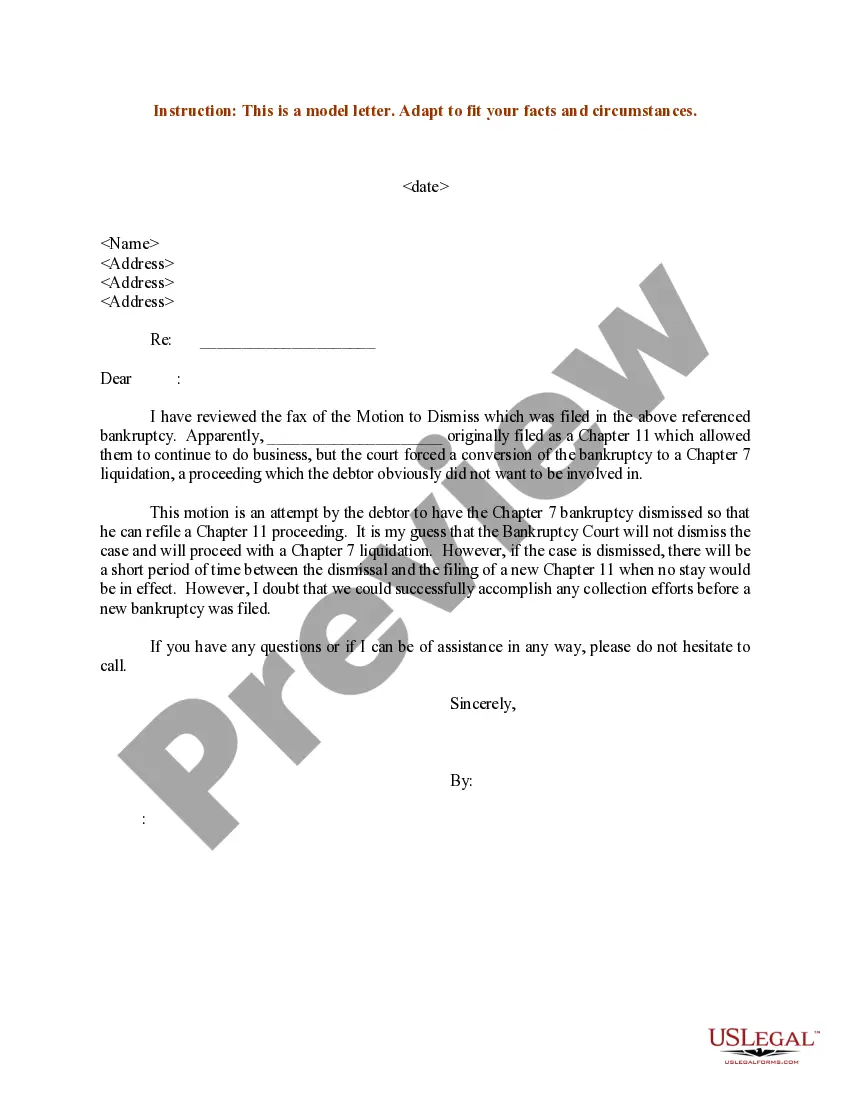
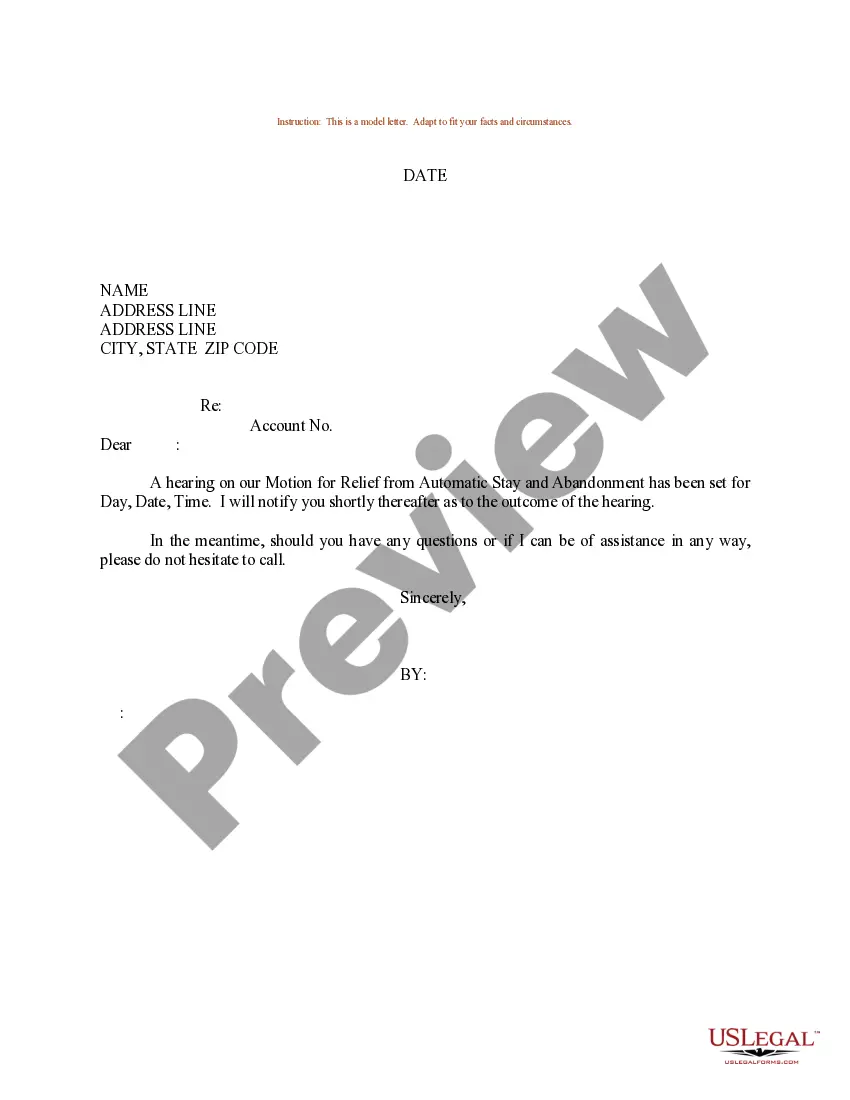
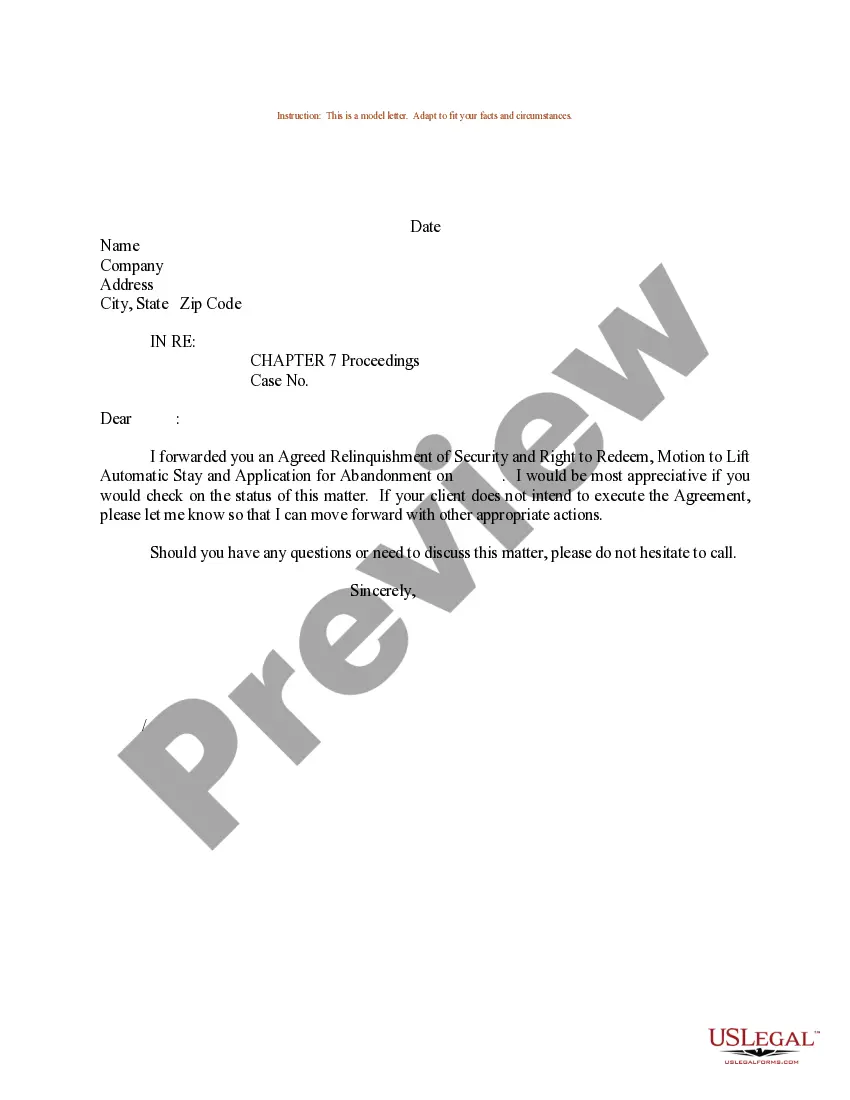
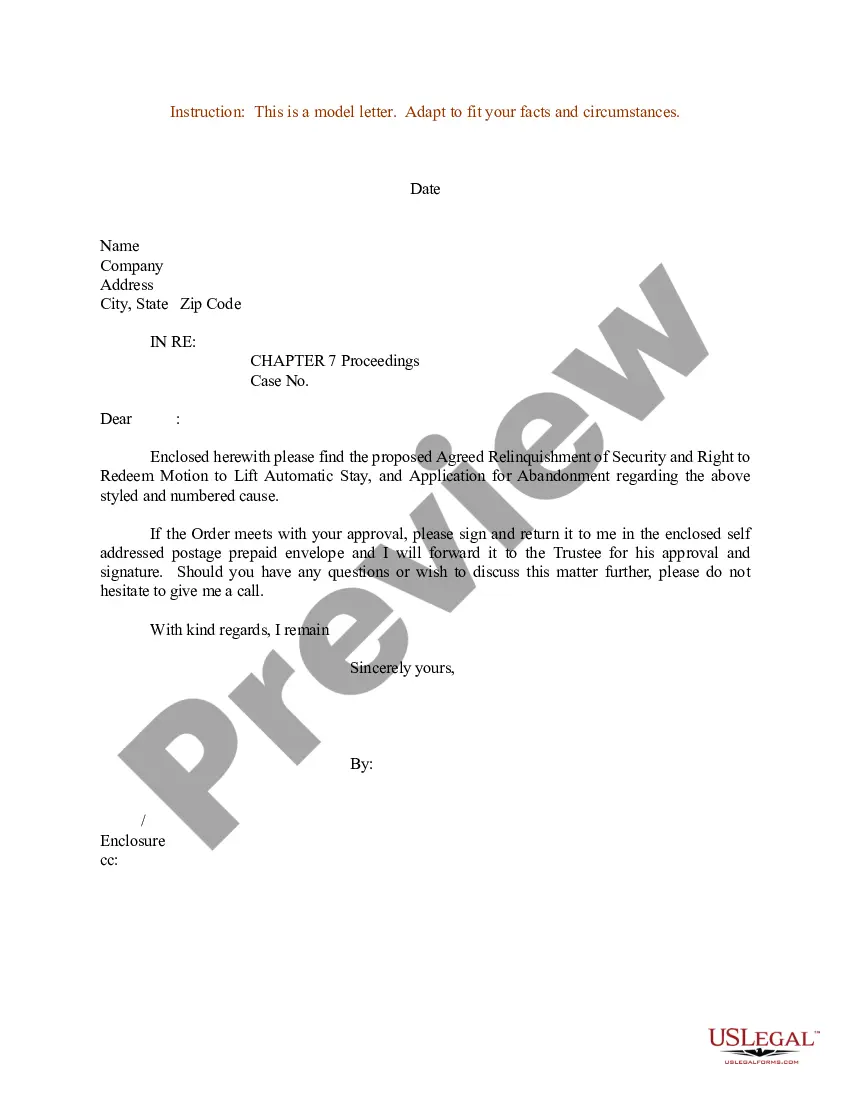
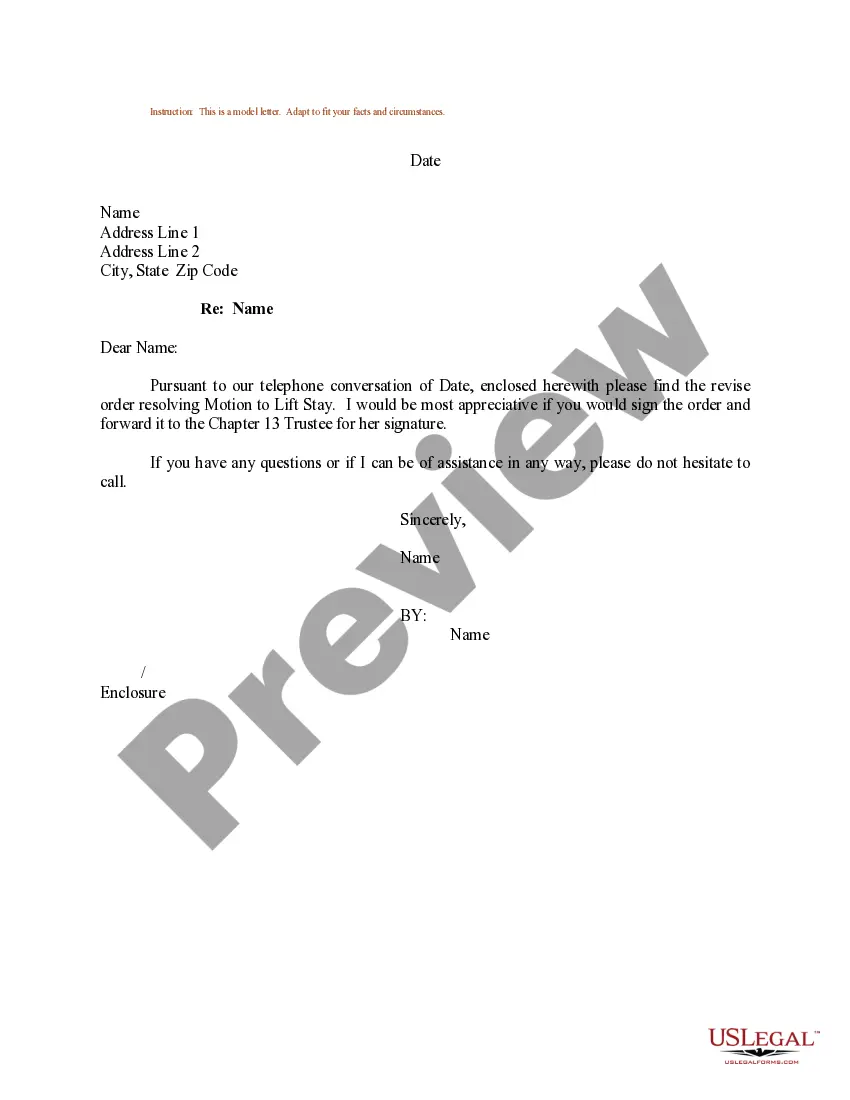
How to fill out Sample Letter Regarding Answer To Motion For Relief From The Automatic Stay And Abandonment?
The Petition For Release From Stay To Remove Tenant you observe on this page is a reusable official template crafted by expert attorneys in accordance with federal and local regulations.
For over 25 years, US Legal Forms has offered individuals, organizations, and lawyers more than 85,000 validated, state-specific forms for any business and personal situation. It’s the fastest, simplest, and most dependable method to acquire the documents you require, as the service ensures bank-level data security and anti-malware safeguards.
Select the format you prefer for your Petition For Release From Stay To Remove Tenant (PDF, DOCX, RTF) and download the sample onto your device.
- Search for the document you require and examine it.
- Browse through the file you sought and preview it or assess the form description to verify it meets your needs. If it does not, use the search bar to locate the correct one. Click Buy Now when you have discovered the template you need.
- Select and Log In.
- Choose the pricing plan that suits you and sign up for an account. Use PayPal or a credit card to make a swift payment. If you already possess an account, Log In and verify your subscription to continue.
- Obtain the editable template.
Form popularity
FAQ
A motion for relief from stay is a legal request made to the court that seeks permission to proceed with eviction actions despite an ongoing bankruptcy case. This motion is crucial for landlords looking to evict a tenant who has filed for bankruptcy protection, as it allows them to bypass the automatic stay that halts all collection activities. By filing a motion for relief from stay to evict tenant, landlords can assert their rights and reclaim possession of their property. Utilizing platforms like US Legal Forms can help you navigate this process smoothly and ensure all necessary documents are prepared correctly.
Responding to a motion for relief from automatic stay requires careful consideration of the circumstances. You should gather evidence and prepare arguments that support your position, whether you are a tenant or a landlord. If you are a landlord seeking to evict a tenant, understanding the nuances of the motion for relief from stay to evict tenant is crucial. US Legal Forms can provide you with the necessary templates and guidance to structure your response effectively.
To delay an eviction in South Carolina, a tenant can file a motion to stay the eviction proceedings. This motion should outline valid reasons for the delay, such as financial hardship or the need for more time to find housing. If you are a landlord looking to file a motion for relief from stay to evict tenant, being aware of the tenant's rights is essential. You may want to consult legal resources to ensure compliance with South Carolina eviction laws.
Finding a place to stay after an eviction can be challenging, but it is possible. Consider reaching out to local housing authorities or non-profit organizations that assist individuals facing eviction. Additionally, being open about your situation when applying for rental properties can help you find landlords willing to work with you. If you need legal advice or assistance, US Legal Forms offers resources to help you navigate the complexities of eviction.
In Texas, a hardship stay of eviction allows tenants experiencing financial difficulties to delay their eviction. This stay provides tenants with additional time to find housing or resolve their financial issues. If you are a landlord seeking to file a motion for relief from stay to evict tenant, understanding the implications of hardship stays is vital. You may need to consider alternative solutions to avoid lengthy delays in the eviction process.
A motion to stay is a request to temporarily halt legal proceedings, including eviction actions. In the context of eviction, a tenant may file this motion to delay the eviction process while they address issues related to the eviction notice. Understanding how to file a motion for relief from stay to evict tenant can help landlords navigate the legal landscape effectively. It's essential to respond promptly to any motion to stay filed by a tenant.
In Arkansas, landlords must follow specific rules when evicting tenants. They need to provide proper notice, typically a three-day notice for non-payment of rent or a 30-day notice for lease violations. If the tenant does not comply, the landlord can file a motion for relief from stay to evict tenant in court. It's crucial for landlords to adhere to these rules to ensure a smooth eviction process.
A motion to stay in eviction is a request made to the court asking for a temporary halt to the eviction proceedings. This motion usually occurs when a tenant believes they have valid reasons to contest the eviction or when they seek additional time to resolve their situation. Understanding when and how to file this motion is important for both tenants and landlords. Resources like US Legal Forms provide valuable guidance and templates to help navigate the intricacies of eviction motions.
A motion for relief from stay to evict a tenant is a legal request made to the court to lift a stay order that is preventing an eviction. This type of motion is crucial when a tenant has filed for bankruptcy or another legal action that might delay the eviction process. By filing this motion, you ask the court to allow you to proceed with eviction despite the stay. Utilizing US Legal Forms can help you create the necessary documentation to support your motion effectively.
The quickest way to evict a tenant usually involves filing a motion for relief from stay to evict tenant, especially if there are no legal reasons for the tenant to remain. You should ensure that you have followed all legal procedures, including giving proper notice of the eviction. Additionally, be prepared to present your case in court clearly and effectively. If you need assistance, consider using resources from US Legal Forms to navigate the eviction process smoothly.