Example Of Motion For Discovery
Description
Get your form ready online
Our built-in tools help you complete, sign, share, and store your documents in one place.
Make edits, fill in missing information, and update formatting in US Legal Forms—just like you would in MS Word.
Download a copy, print it, send it by email, or mail it via USPS—whatever works best for your next step.
Sign and collect signatures with our SignNow integration. Send to multiple recipients, set reminders, and more. Go Premium to unlock E-Sign.
If this form requires notarization, complete it online through a secure video call—no need to meet a notary in person or wait for an appointment.
We protect your documents and personal data by following strict security and privacy standards.

Make edits, fill in missing information, and update formatting in US Legal Forms—just like you would in MS Word.

Download a copy, print it, send it by email, or mail it via USPS—whatever works best for your next step.

Sign and collect signatures with our SignNow integration. Send to multiple recipients, set reminders, and more. Go Premium to unlock E-Sign.

If this form requires notarization, complete it online through a secure video call—no need to meet a notary in person or wait for an appointment.

We protect your documents and personal data by following strict security and privacy standards.
Looking for another form?
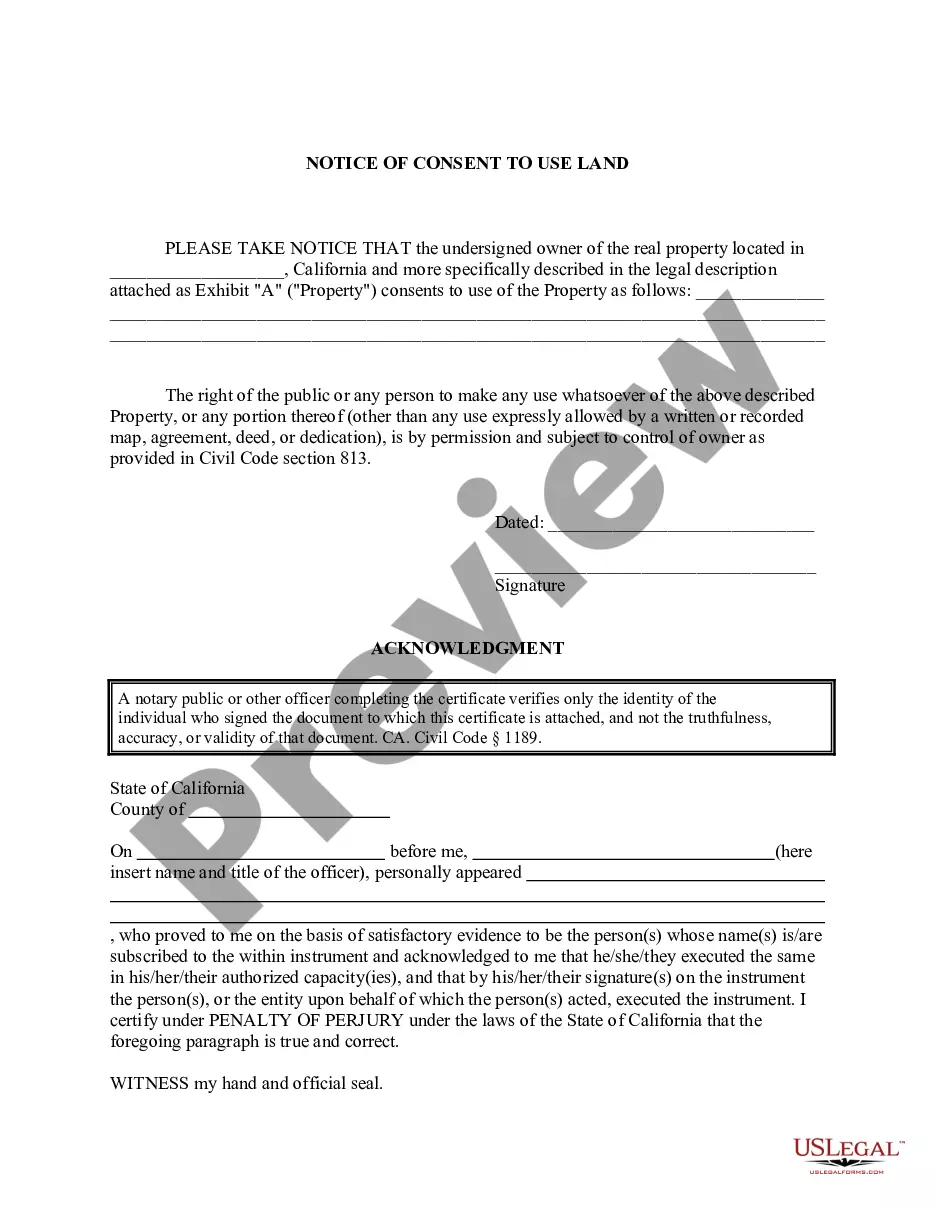
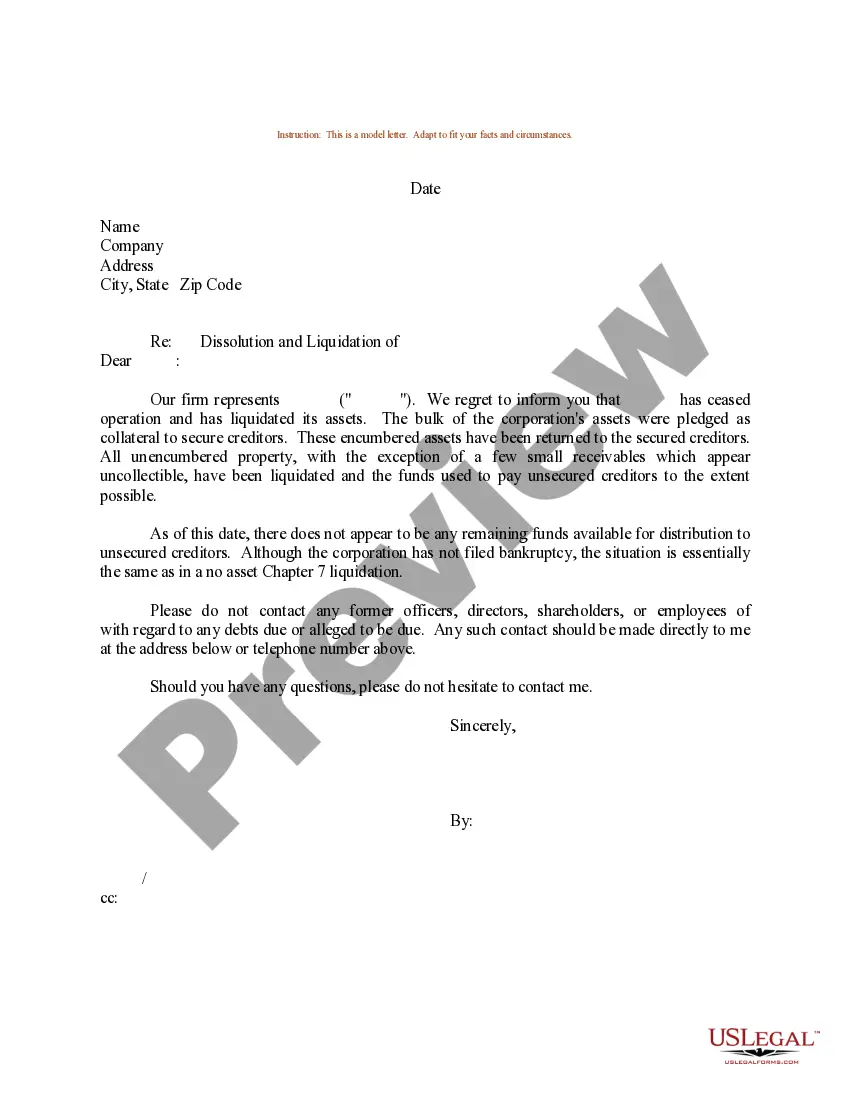
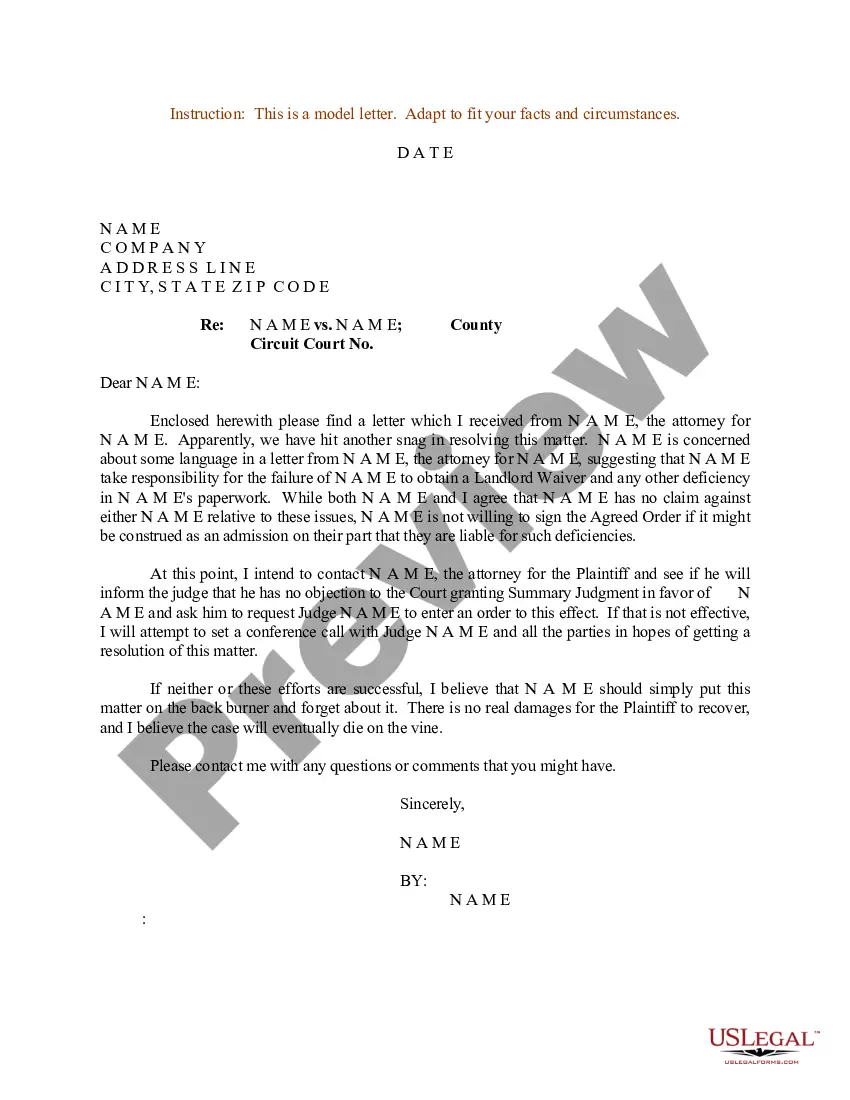
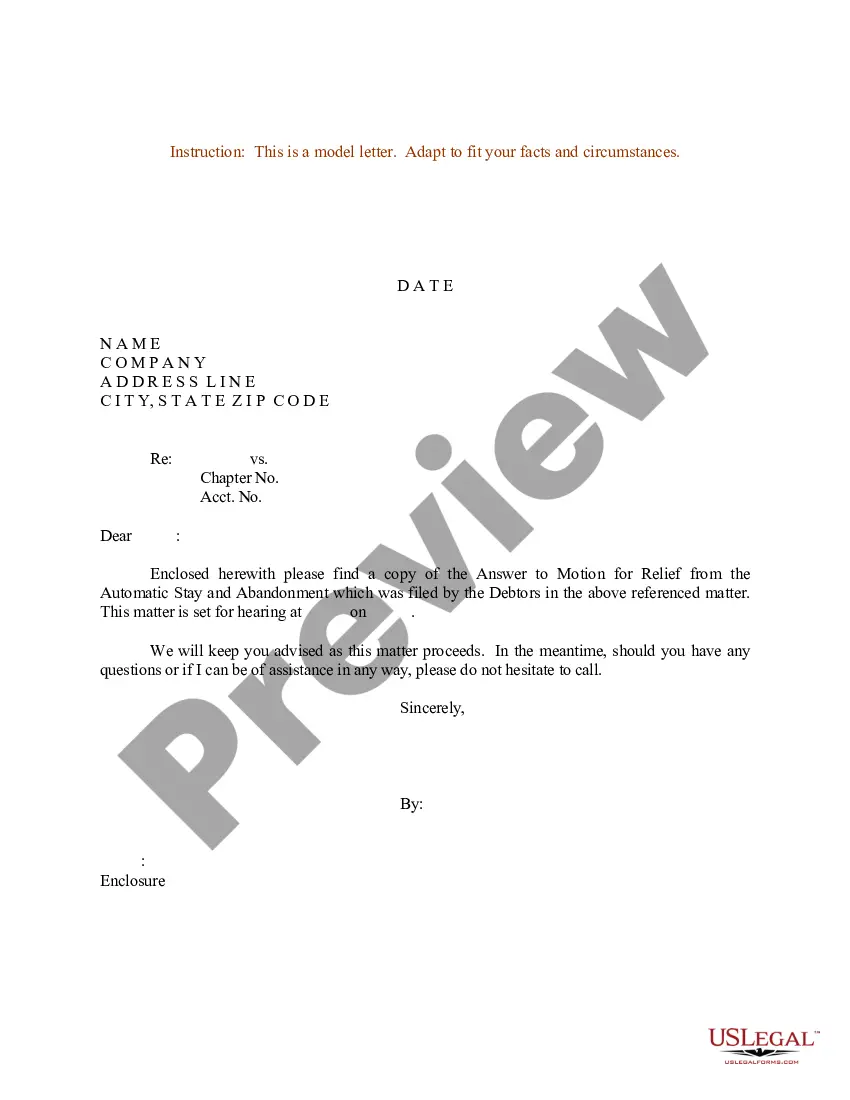
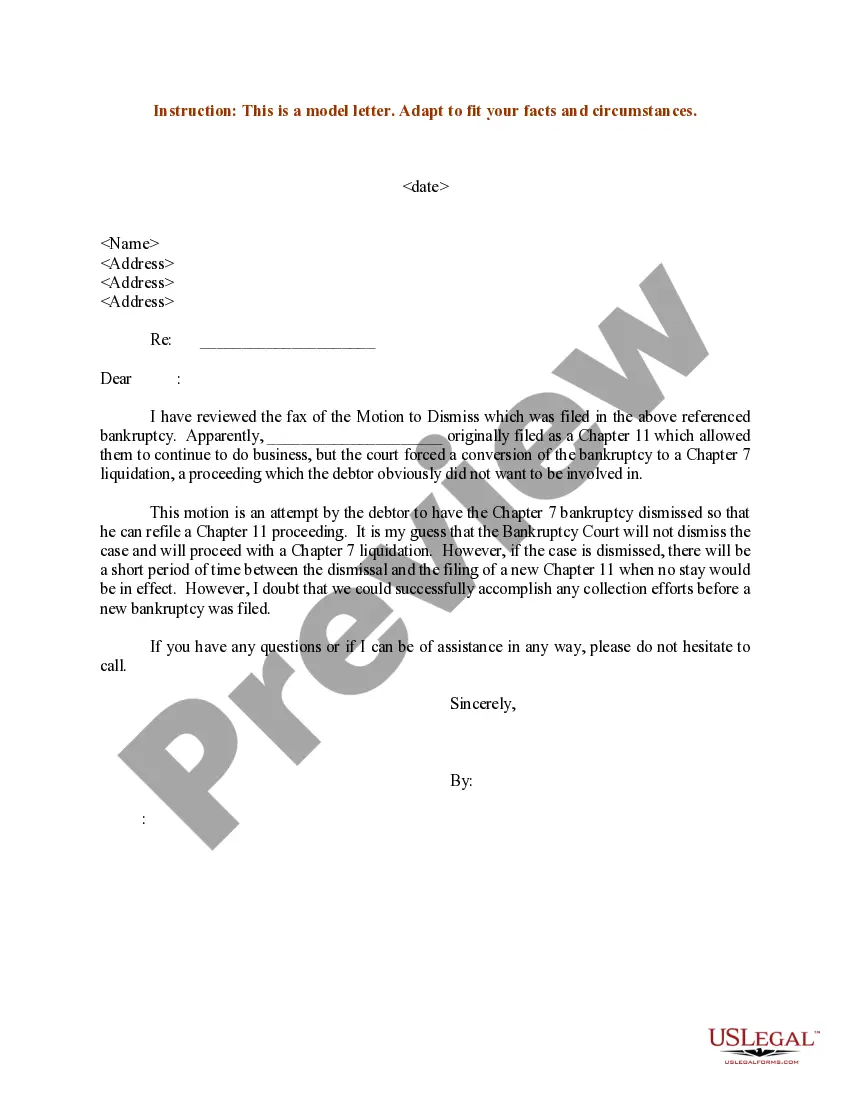
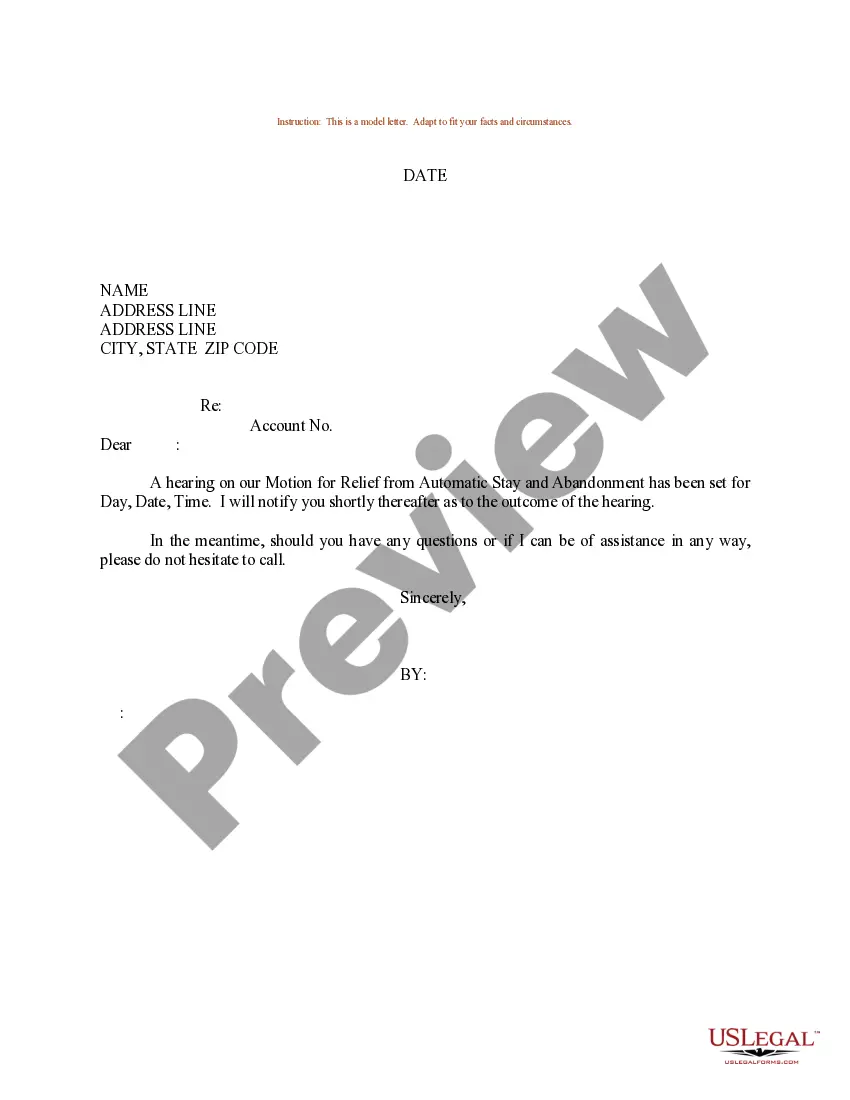
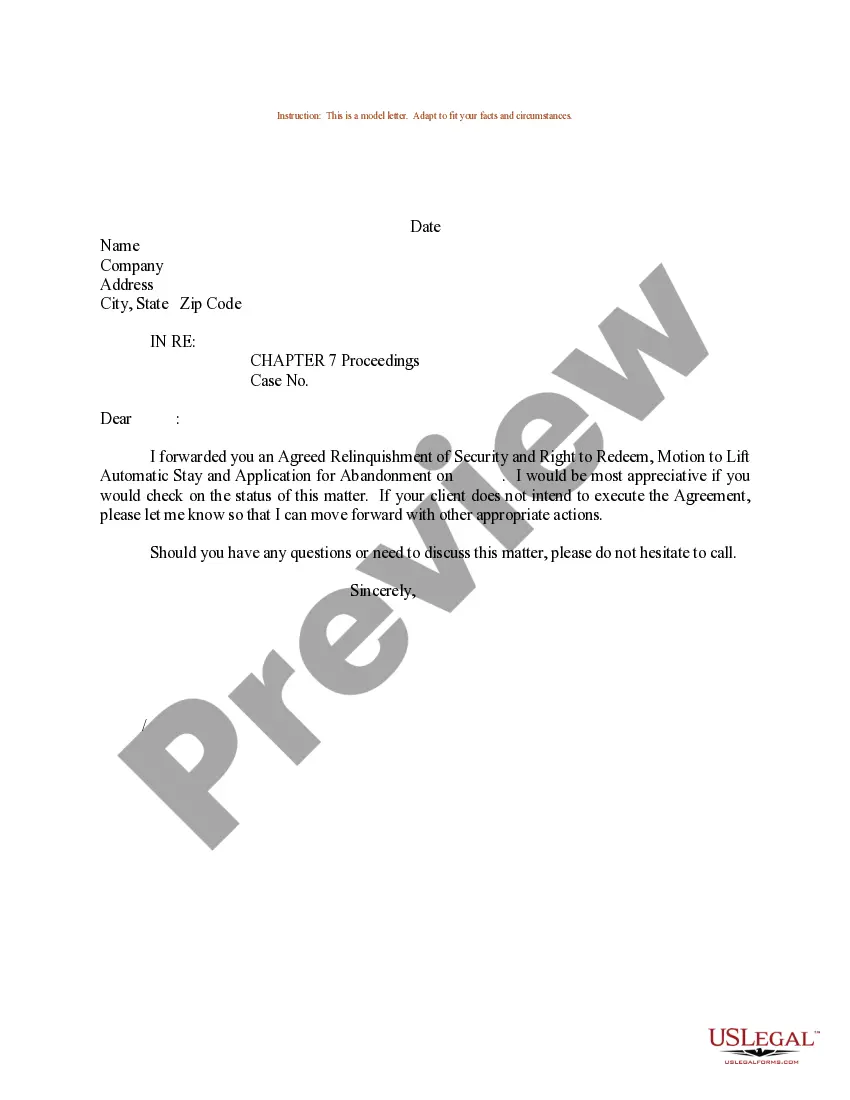
How to fill out Sample Letter Regarding Answer To Motion For Relief From The Automatic Stay And Abandonment?
It’s clear that you cannot transform into a legal expert instantly, nor can you swiftly master how to draft an Example Of Motion For Discovery without possessing a particular array of skills.
Creating legal documents is a lengthy undertaking requiring distinct education and expertise. So why not entrust the assembly of the Example Of Motion For Discovery to the professionals.
With US Legal Forms, boasting one of the most comprehensive legal document repositories, you can discover everything from court documents to templates for internal communication.
Select Buy now. After the transaction is finalized, you can access the Example Of Motion For Discovery, complete it, print it, and send it or mail it to the specified individuals or organizations.
You can regain access to your forms from the My documents tab at any moment. If you’re an existing customer, you can easily Log In and locate and download the template from the same section. Regardless of the intent behind your forms—be it financial, legal, or personal—our website has you covered. Experience US Legal Forms today!
- Initiate your journey with our website and obtain the document you require in just minutes.
- Locate the form you need by utilizing the search bar at the top of the page.
- Examine it (if this feature is available) and review the accompanying description to ascertain whether Example Of Motion For Discovery is what you seek.
- Restart your search if you require any other document.
- Sign up for a complimentary account and choose a subscription plan to acquire the form.
Form popularity
FAQ
Examples of motions include motions to dismiss, motions for summary judgment, and, importantly, motions for discovery. A motion for discovery specifically requests access to evidence or information needed for your case. Using an example of motion for discovery can clarify your needs to the court and opposing party. Platforms like US Legal Forms provide templates to help you craft these motions with ease and confidence.
The four primary types of discovery include interrogatories, requests for production of documents, depositions, and requests for admissions. Each type serves a specific purpose in gathering information and evidence to support a case. For instance, an example of motion for discovery might involve requesting documents related to a contract dispute. Knowing these types of discovery helps you navigate the legal process more effectively.
Discovery motions are formal requests made to the court during the discovery phase of a legal case. These motions aim to compel a party to provide evidence or information that is relevant to the case. An example of motion for discovery can include requests for documents, interrogatories, or depositions. Understanding discovery motions is crucial for ensuring that all necessary information is available for a fair trial.
Writing a motion sample involves creating a structured document that presents a clear argument for your request. Start with a heading, followed by an introduction, a statement of facts, and your argument. To enhance your motion sample, consider using an example of motion for discovery from USLegalForms, which can help you understand the necessary components and legal language.
To write a motion for discovery, begin by stating the basis for your request and outlining the specific information you seek. Ensure that your motion is concise and cites relevant legal rules. You can refer to an example of motion for discovery for guidance on format and content. USLegalForms provides resources and templates that simplify this writing process.
Yes, you can file a motion for discovery as part of the pre-trial process in a legal case. This motion allows you to request specific documents or information from the opposing party. Utilizing an example of motion for discovery can help you articulate your request clearly and effectively, ensuring that you adhere to legal guidelines.
To write a motion properly, start with a clear title that indicates the purpose of your request. Follow this with an introduction that provides context and a statement of the facts. Finally, present your argument logically and conclude with a specific request, making sure to reference an example of motion for discovery to guide your structure. USLegalForms offers templates that can help streamline this process.
Examples of discovery motions include motions to compel, motions for protective orders, and motions to quash subpoenas. These motions seek to enforce or limit the discovery process in legal cases. You can find a comprehensive example of motion for discovery on platforms like USLegalForms, which provides templates tailored to various legal needs.