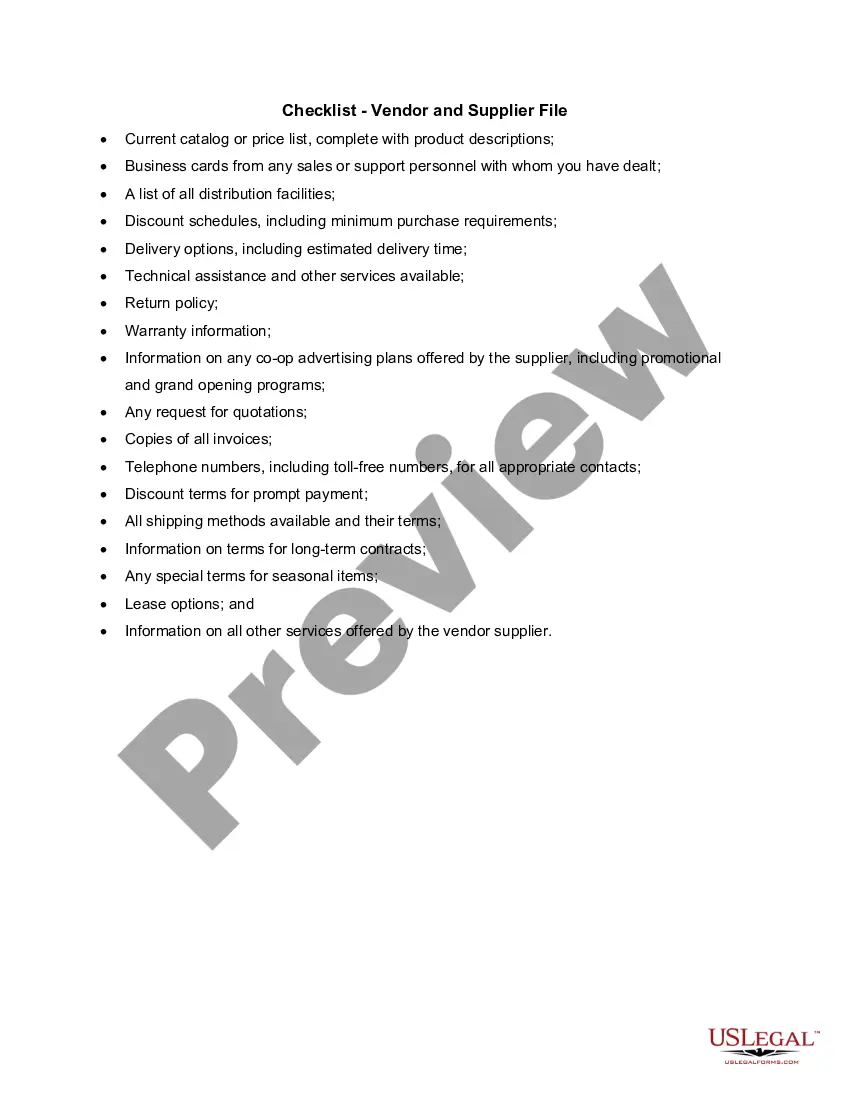
Supplier Evaluation Form Example
Description
Get your form ready online
Our built-in tools help you complete, sign, share, and store your documents in one place.
Make edits, fill in missing information, and update formatting in US Legal Forms—just like you would in MS Word.
Download a copy, print it, send it by email, or mail it via USPS—whatever works best for your next step.
Sign and collect signatures with our SignNow integration. Send to multiple recipients, set reminders, and more. Go Premium to unlock E-Sign.
If this form requires notarization, complete it online through a secure video call—no need to meet a notary in person or wait for an appointment.
We protect your documents and personal data by following strict security and privacy standards.

Make edits, fill in missing information, and update formatting in US Legal Forms—just like you would in MS Word.

Download a copy, print it, send it by email, or mail it via USPS—whatever works best for your next step.

Sign and collect signatures with our SignNow integration. Send to multiple recipients, set reminders, and more. Go Premium to unlock E-Sign.

If this form requires notarization, complete it online through a secure video call—no need to meet a notary in person or wait for an appointment.

We protect your documents and personal data by following strict security and privacy standards.
Looking for another form?




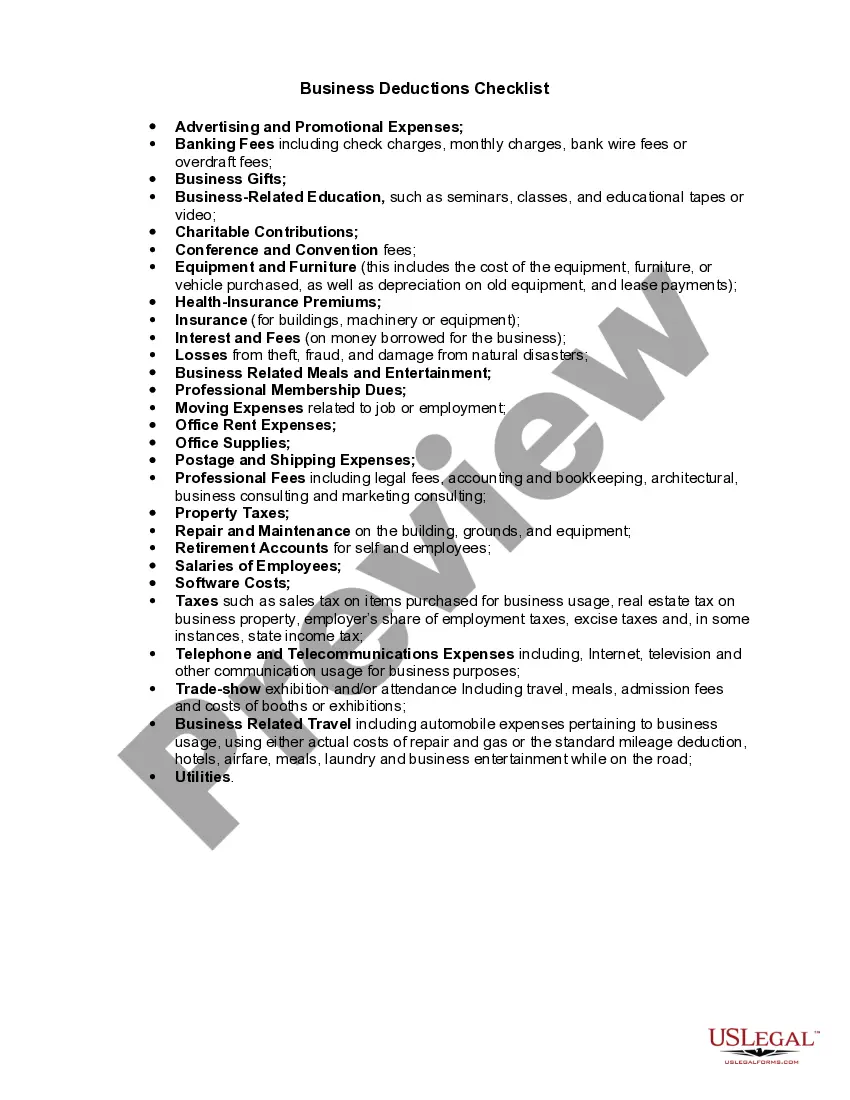
How to fill out Checklist - Vendor And Supplier File?
Managing legal documents and processes can be a lengthy addition to your entire day.
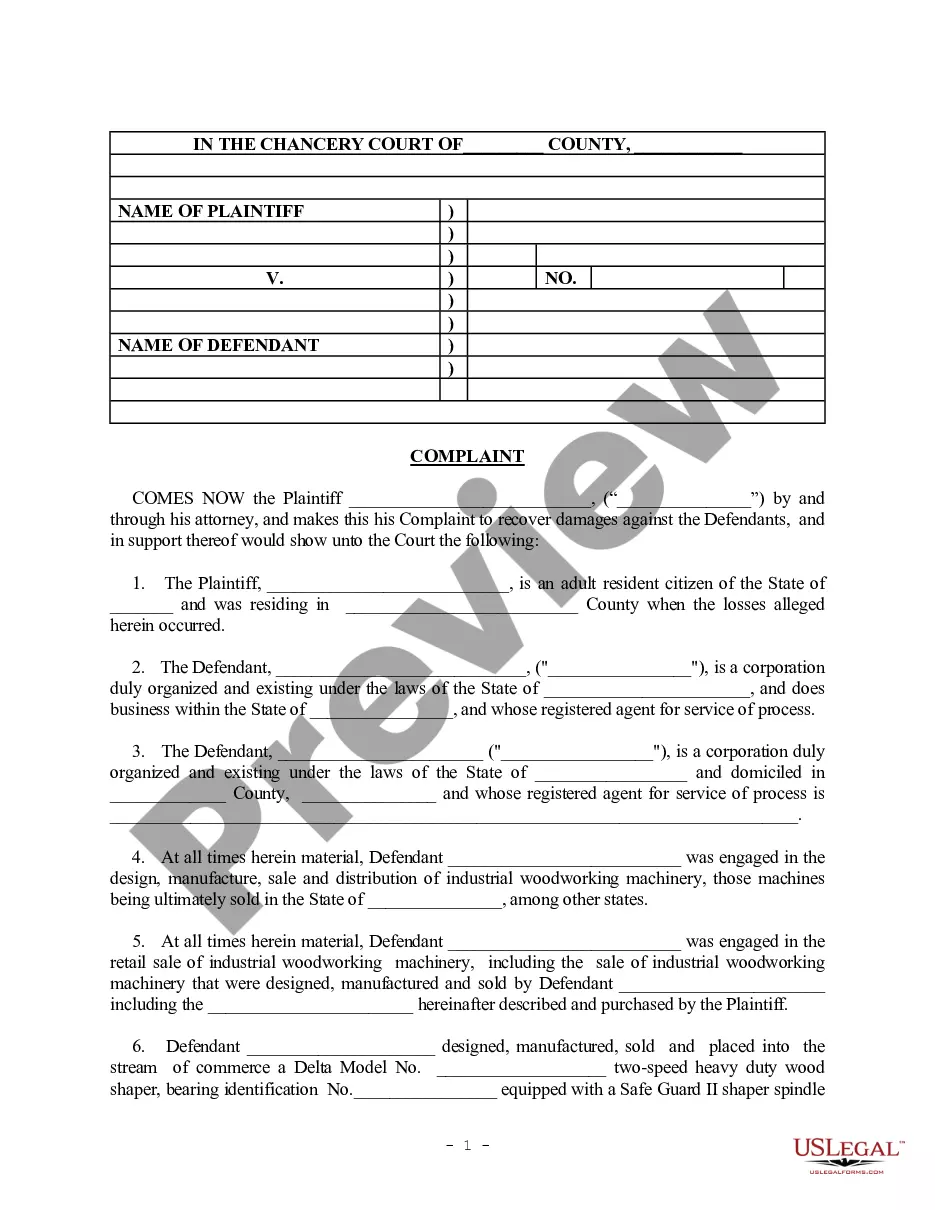
Supplier Evaluation Form Sample and similar forms frequently necessitate you to search for them and comprehend how to fill them out correctly.
For this reason, if you are handling financial, legal, or personal affairs, possessing a thorough and user-friendly online repository of forms whenever you need it will be beneficial.
US Legal Forms is the top online resource for legal templates, featuring over 85,000 state-specific documents and various tools that will assist you in completing your paperwork effortlessly.
Is it your first time using US Legal Forms? Register and create an account in just a few minutes, and you will gain access to the form library and Supplier Evaluation Form Sample. Then, follow the steps below to complete your form: Ensure you have the correct form by utilizing the Review feature and examining the form description. Select Buy Now when ready, and choose the monthly subscription plan that suits your requirements. Click Download, then complete, eSign, and print the form. US Legal Forms has twenty-five years of experience assisting users in managing their legal documents. Find the form you need today and streamline any process without breaking a sweat.
- Browse the library of relevant documents available to you with just a single click.
- US Legal Forms provides state- and county-specific forms available for download at any time.
- Protect your document management processes with a premium service that enables you to prepare any form in minutes without additional or hidden fees.
- Simply Log In to your account, locate Supplier Evaluation Form Sample and obtain it instantly in the My documents section.
- You can also access previously saved forms.
Form popularity
FAQ
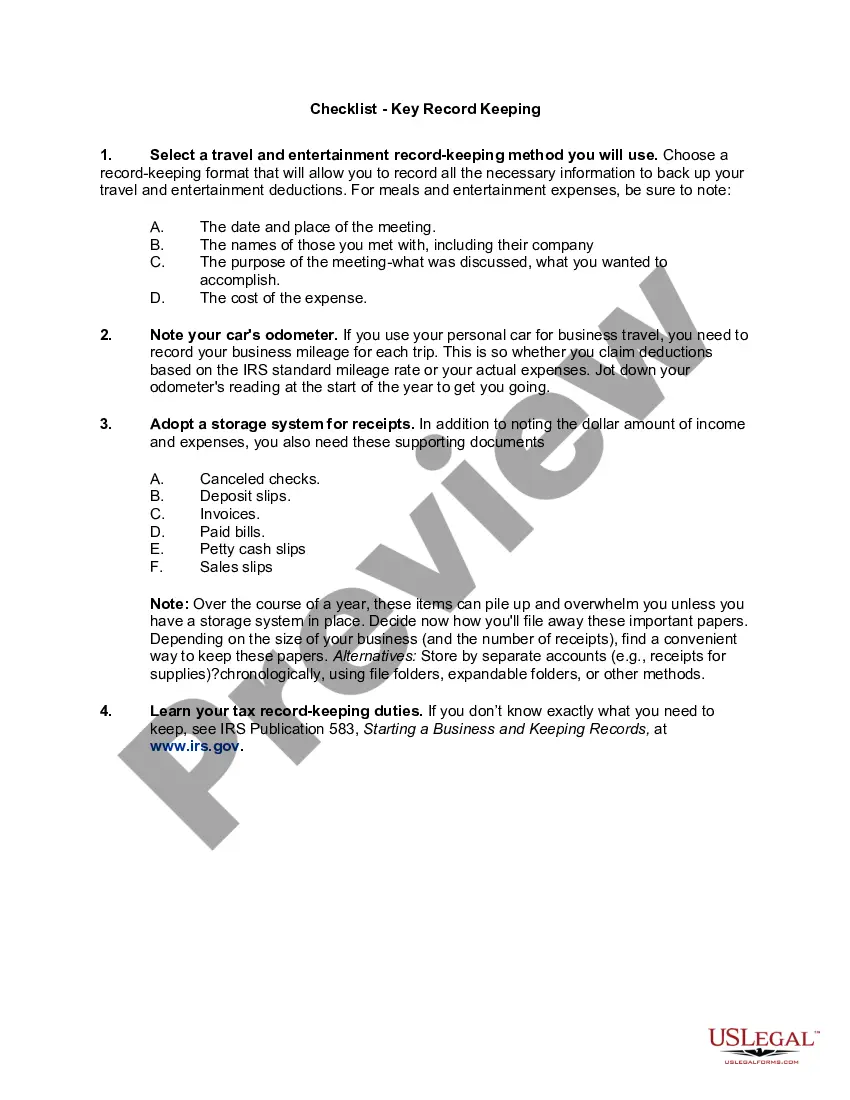
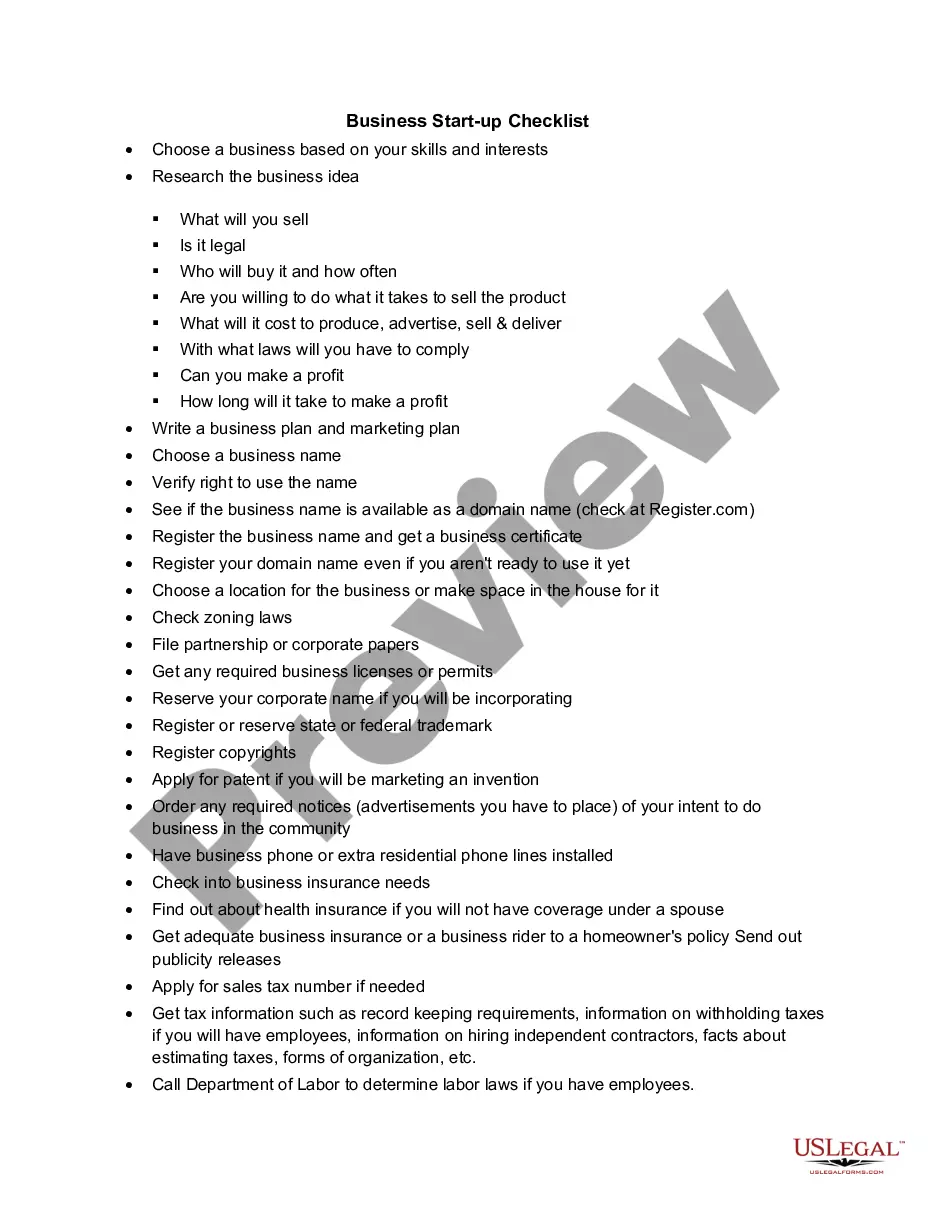
A basic supplier evaluation form typically includes sections for supplier information, evaluation criteria, and scoring metrics. This form helps you systematically gather and assess important data about potential suppliers. Using a supplier evaluation form example can enhance your evaluation process, allowing you to compare suppliers clearly and objectively. This structure aids in making informed procurement decisions and ensures alignment with your business needs.
Filling a supplier evaluation form requires attention to detail and an understanding of the evaluation criteria. Start by gathering relevant data about the supplier's performance, including delivery times and product quality. Then, use the supplier evaluation form example to guide your scoring for each criterion, ensuring that you justify your ratings with specific comments. This approach helps maintain a comprehensive review process.
A supplier evaluation form is a document used to assess and record the performance of suppliers. This form helps businesses determine if a supplier meets their standards regarding quality, reliability, and service. By utilizing a supplier evaluation form example, companies can make informed decisions when selecting or retaining suppliers. It ultimately aids in enhancing supply chain efficiency and product quality.
To fill in an evaluation form, start by reviewing each section carefully. Begin with basic information such as supplier name, date, and product or service details. Then, move to the evaluation criteria, where you will assess various aspects like quality, delivery, and service. Lastly, provide comments to explain your ratings, ensuring clarity for future reference.
Criteria for selecting a supplier price. value for money. quality. reliability. responsiveness. flexibility.
There are several steps you can take to evaluate a supplier: Define your metrics. ... Identify potential vendors. ... Create an evaluation process. ... Communicate with vendors. ... Understanding business needs. ... Defining performance indicators. ... Improving vendor relationships. ... Identifying risks.
Supplier assessment is carried out to evaluate a supplier, based on the specific requirements of the buyer organization. For example, if a supplier lists their association to a specific category of materials during registration, then the supplier can be asked questions on the category of materials.
7 Steps for Evaluating Supplier Performance, Supply Chain Management Align performance goals. ... Choose evaluation approach. ... Develop information collection method. ... Design a robust assessment system. ... Roll out the system. ... Provide actionable feedback. ... Showcase results.
In any supplier evaluation, whether for a new or current vendor, it's important to gauge the company's production capacity, performance, risk, quality, and environmental impact.