Sales Plan Format
Description
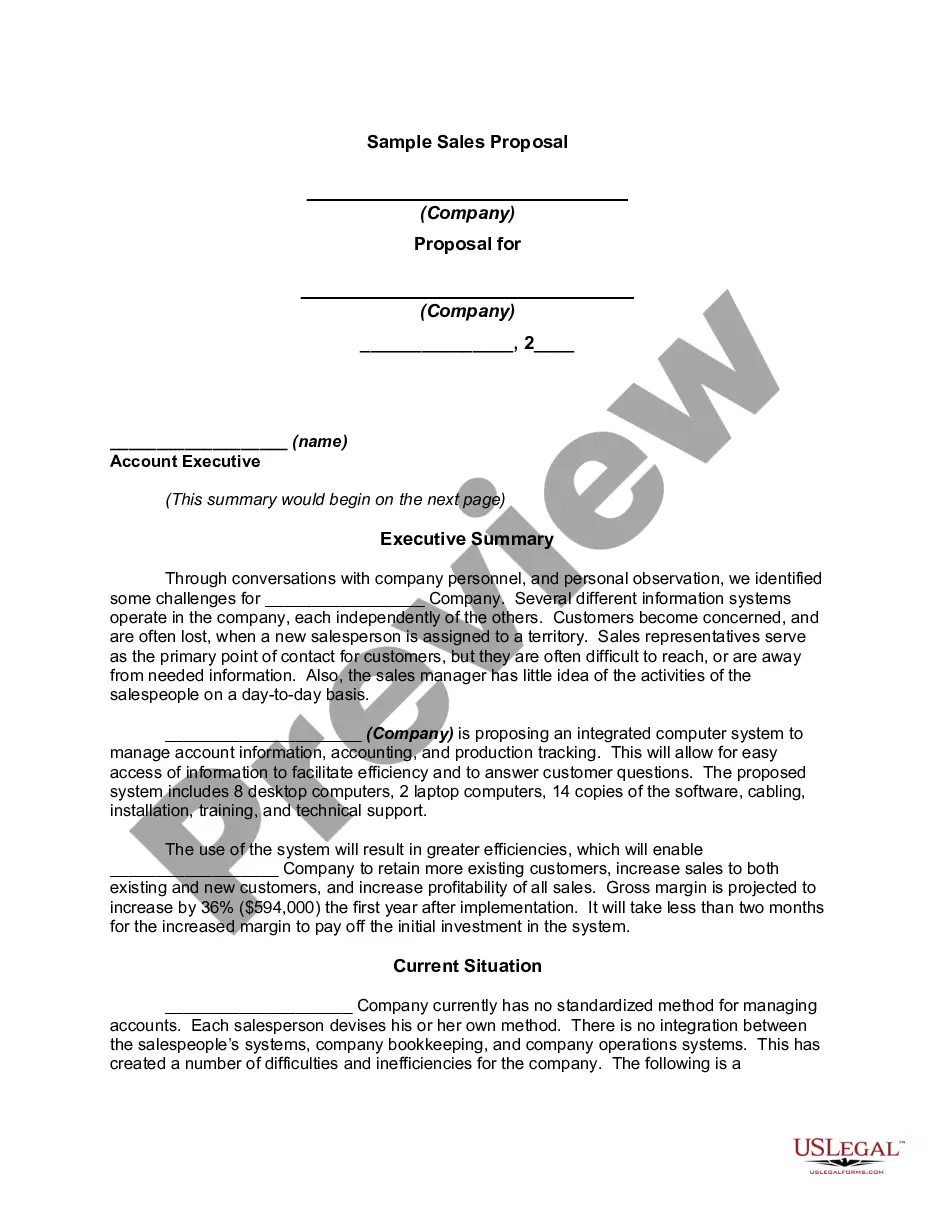
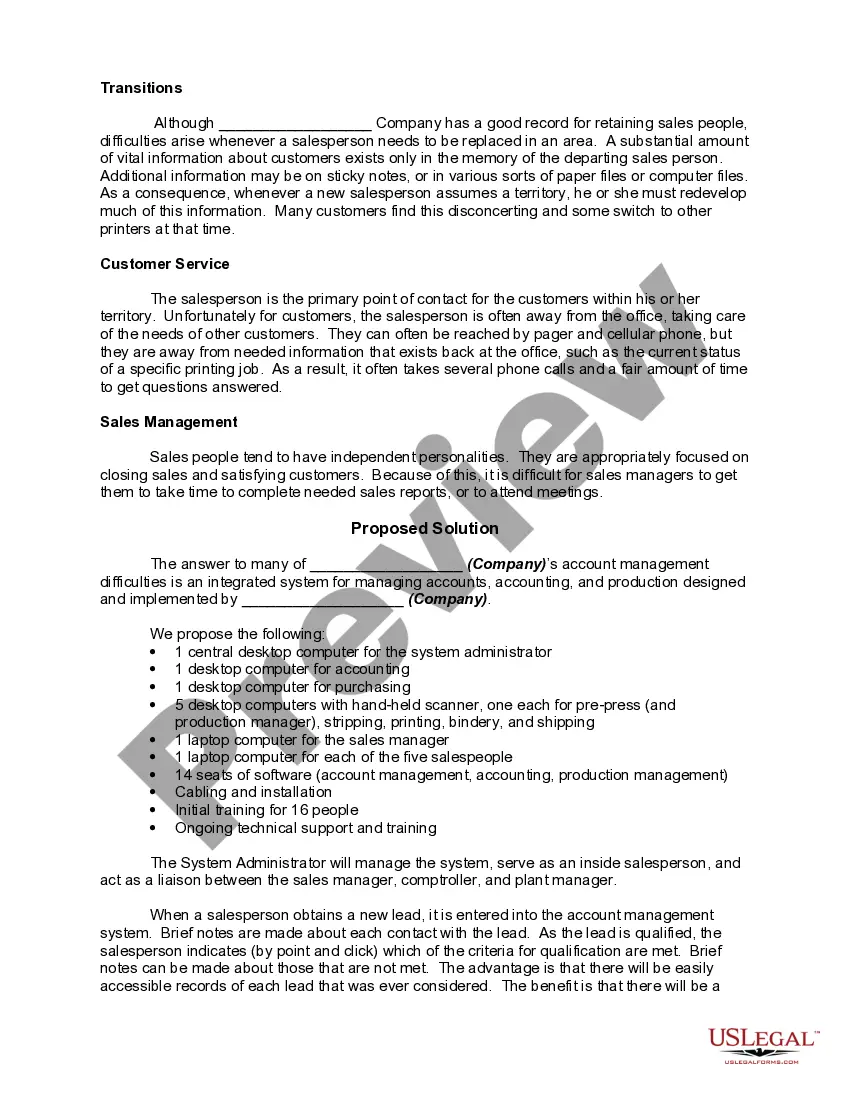
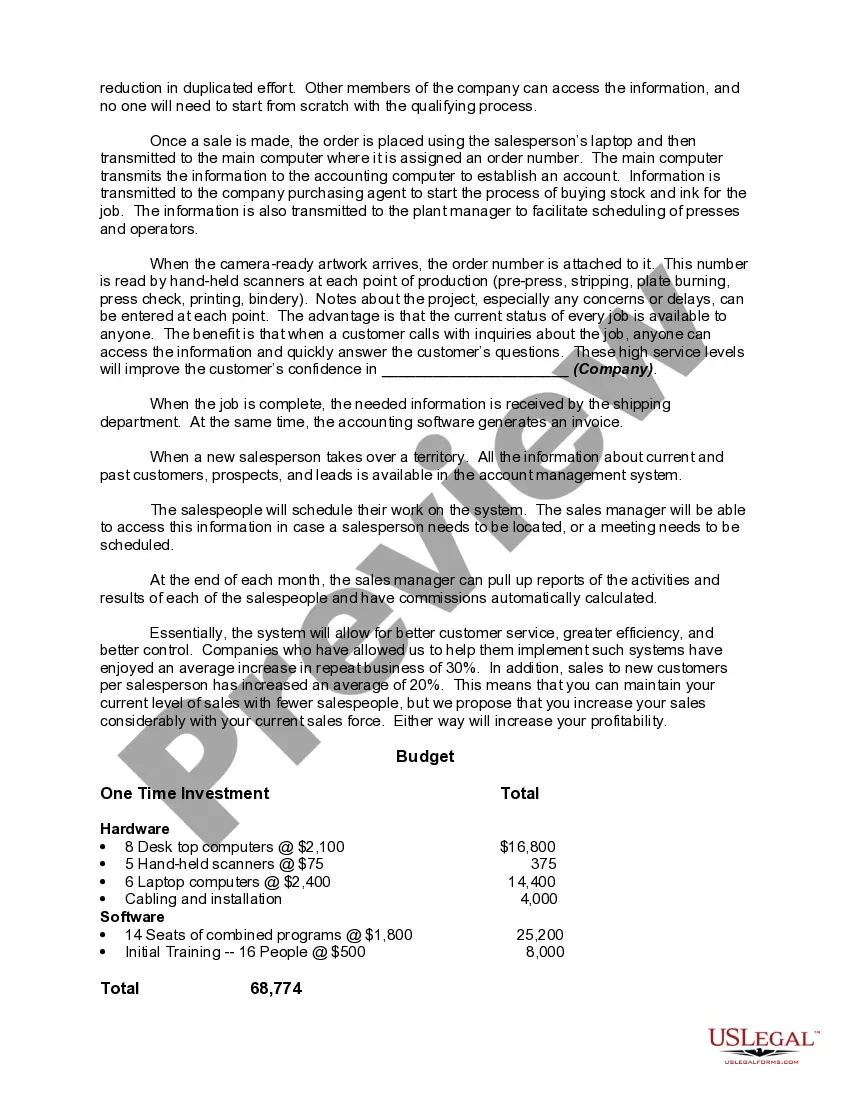
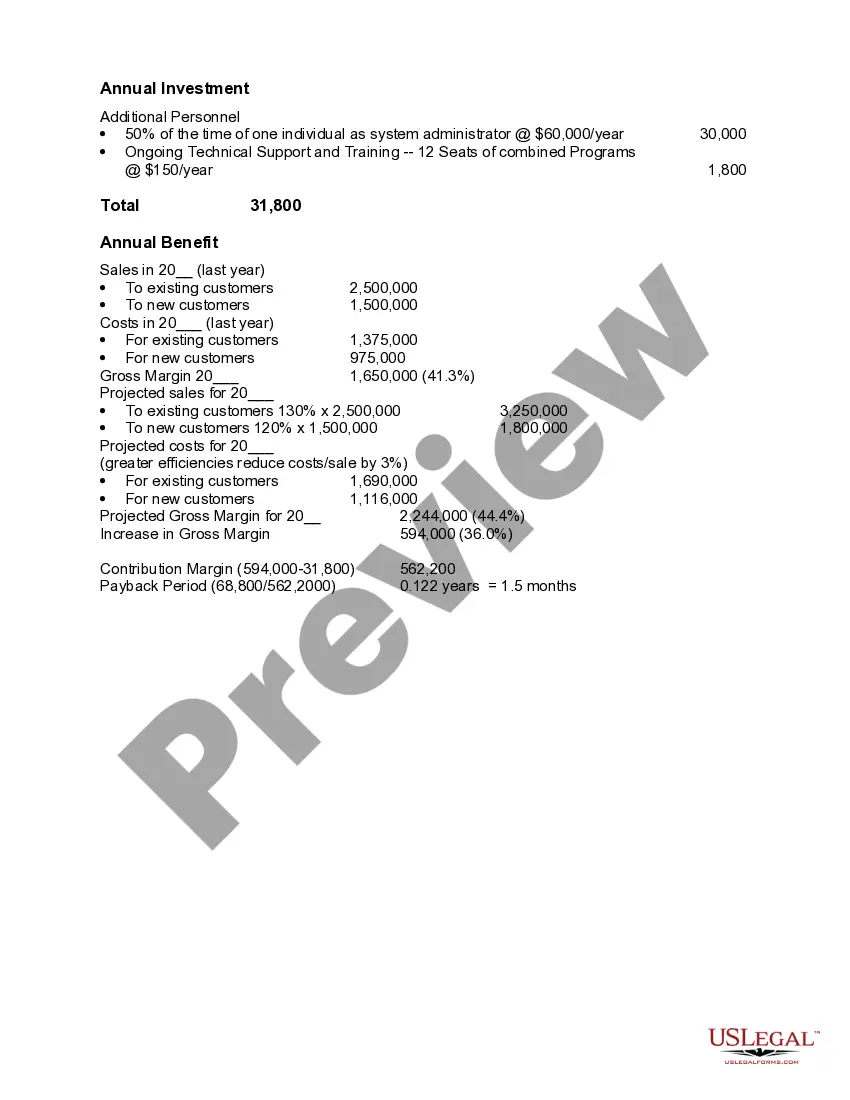
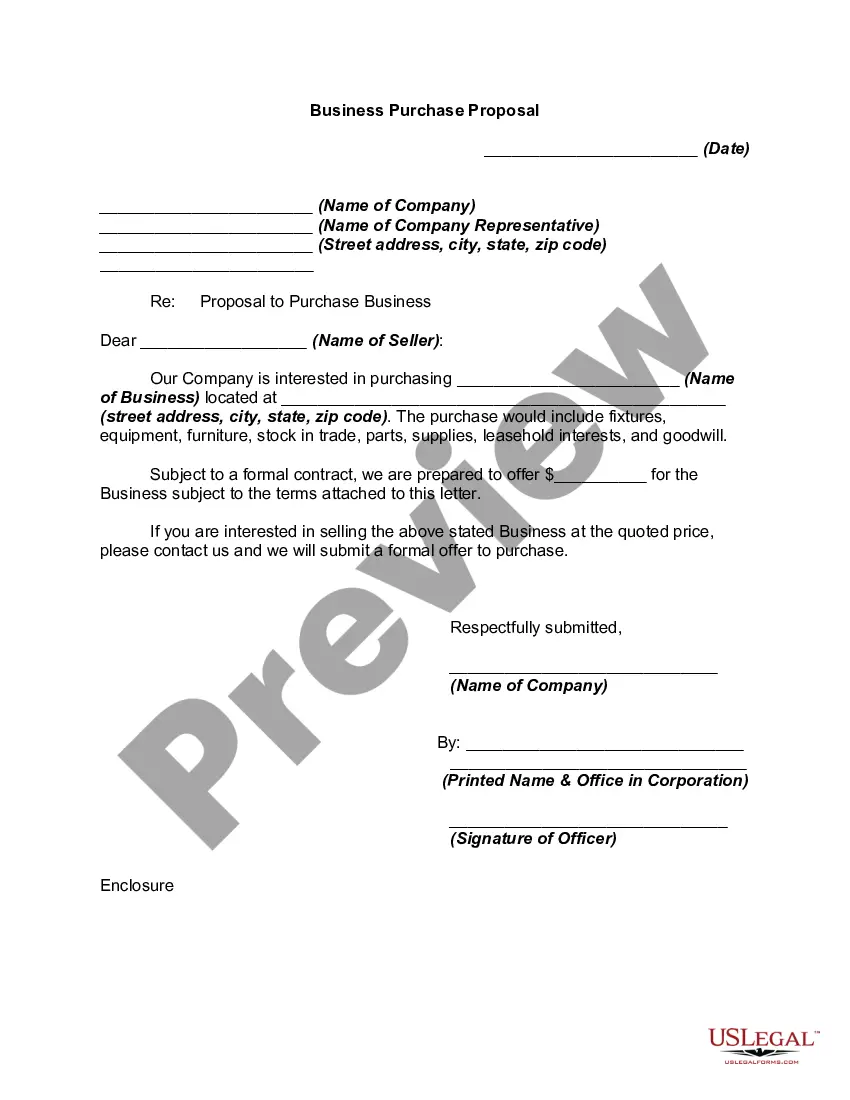
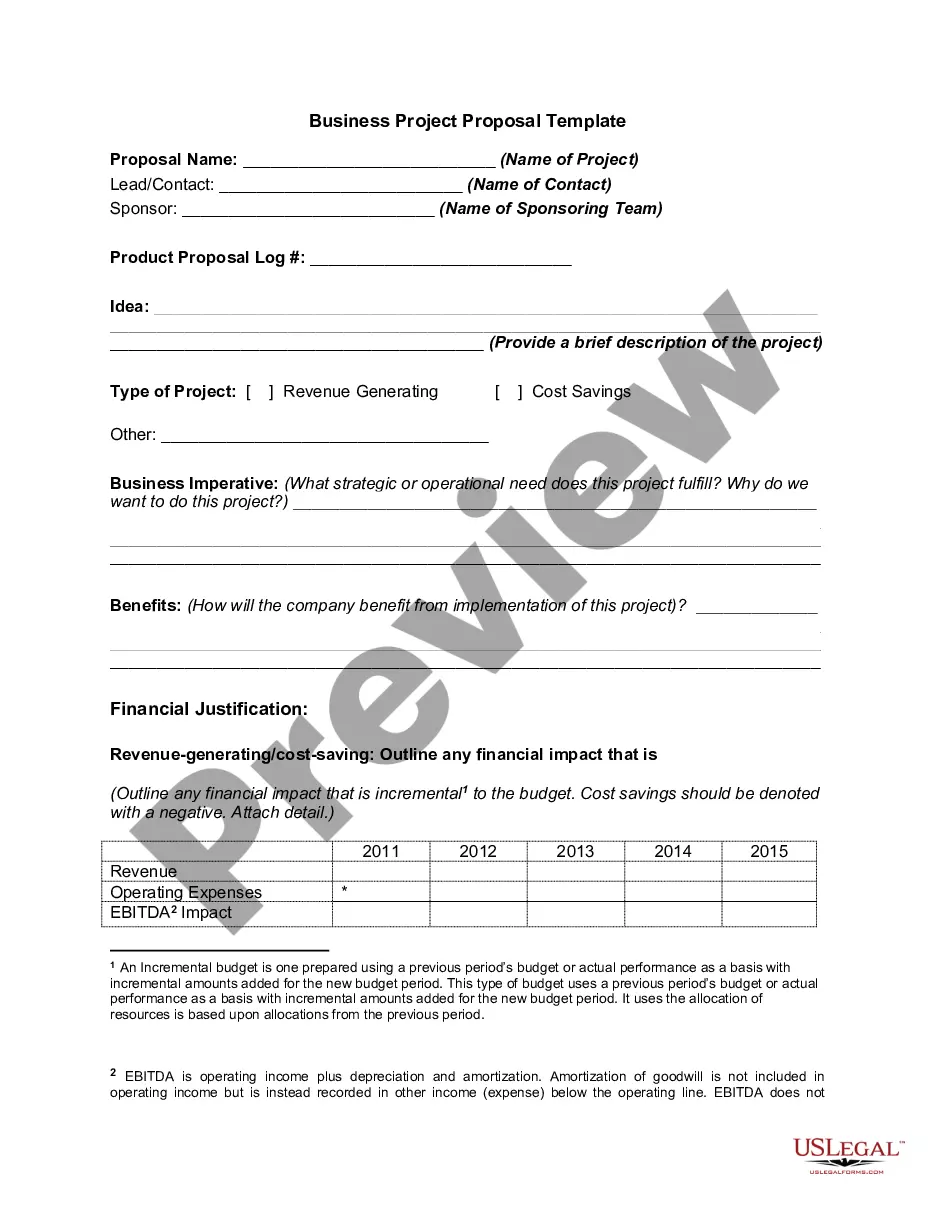
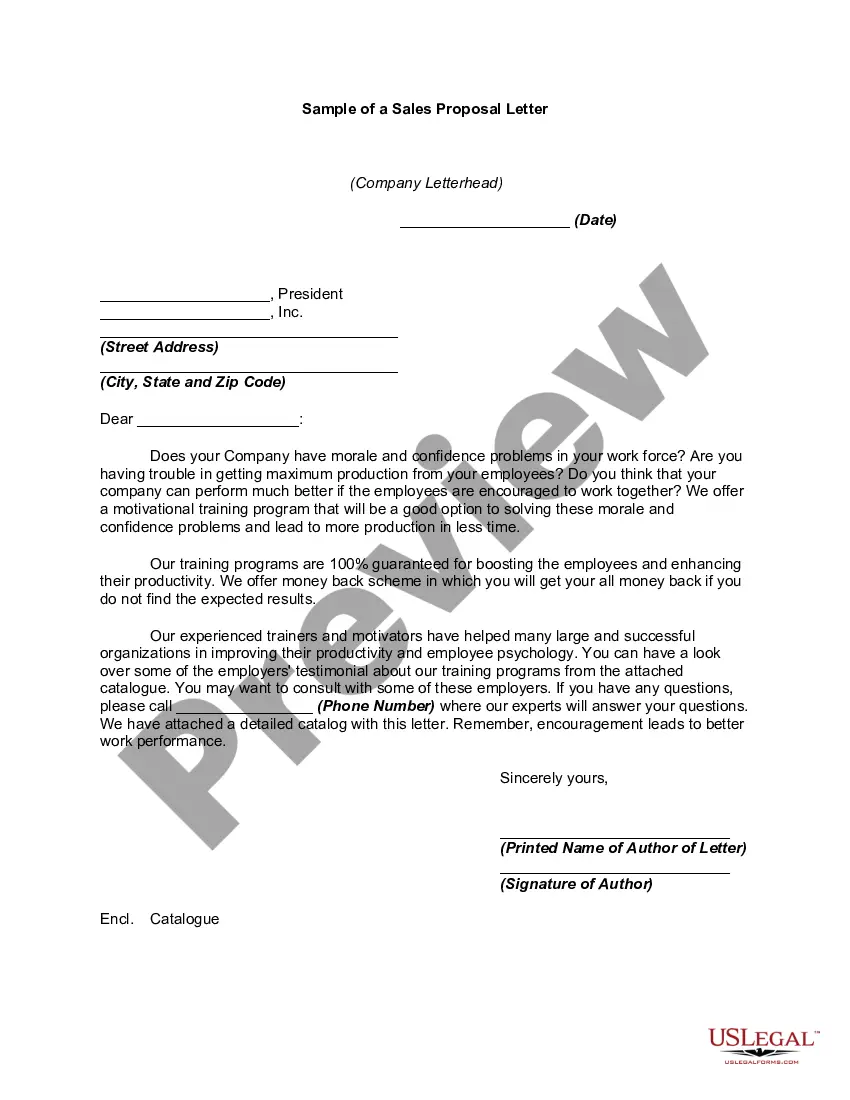
Get your form ready online
Our built-in tools help you complete, sign, share, and store your documents in one place.
Make edits, fill in missing information, and update formatting in US Legal Forms—just like you would in MS Word.
Download a copy, print it, send it by email, or mail it via USPS—whatever works best for your next step.
Sign and collect signatures with our SignNow integration. Send to multiple recipients, set reminders, and more. Go Premium to unlock E-Sign.
If this form requires notarization, complete it online through a secure video call—no need to meet a notary in person or wait for an appointment.
We protect your documents and personal data by following strict security and privacy standards.

Make edits, fill in missing information, and update formatting in US Legal Forms—just like you would in MS Word.

Download a copy, print it, send it by email, or mail it via USPS—whatever works best for your next step.

Sign and collect signatures with our SignNow integration. Send to multiple recipients, set reminders, and more. Go Premium to unlock E-Sign.

If this form requires notarization, complete it online through a secure video call—no need to meet a notary in person or wait for an appointment.

We protect your documents and personal data by following strict security and privacy standards.
Looking for another form?
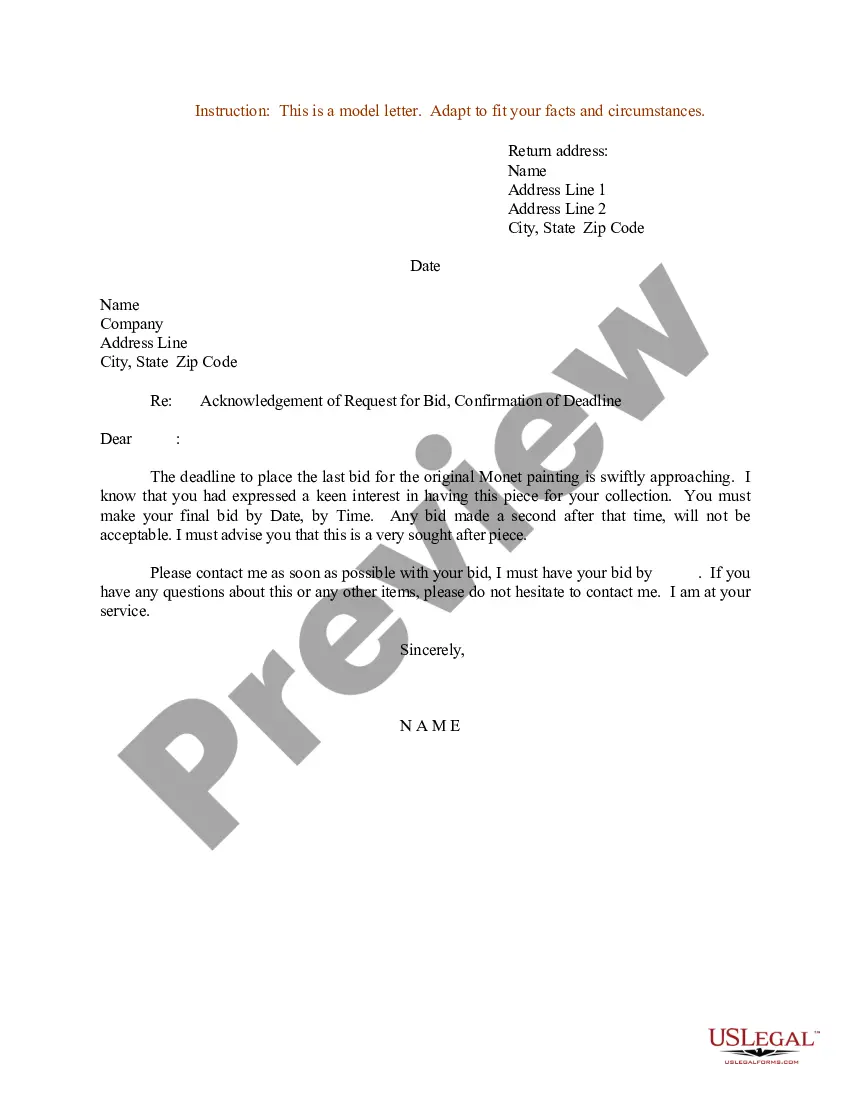





How to fill out Sample Sales Proposal?
Creating legal documents from the ground up can occasionally be daunting.
Certain situations may require extensive research and a significant financial investment.
If you seek a more straightforward and budget-friendly method of generating a Sales Plan Format or any other document without unnecessary obstacles, US Legal Forms is readily accessible.
Our online repository of more than 85,000 current legal forms covers nearly every aspect of your economic, legal, and personal concerns.
However, before diving directly into downloading the Sales Plan Format, adhere to these suggestions: Verify the form preview and descriptions to ensure you have located the document you are seeking. Confirm that the form you select meets the criteria of your state and county. Choose the most appropriate subscription plan to acquire the Sales Plan Format. Download the form, complete it, sign it, and print it out. US Legal Forms boasts a solid reputation and over 25 years of expertise. Join us today and make document execution an effortless and efficient process!
- With just a few clicks, you can promptly reach state- and county-compliant forms meticulously crafted by our legal experts.
- Utilize our platform whenever you require dependable and trustworthy services to swiftly find and download the Sales Plan Format.
- If you're already familiar with our offerings and have set up an account previously, just Log In, choose the template, and download it or re-fetch it any time from the My documents section.
- Not registered yet? No issue. It requires minimal time to create an account and explore the library.
Form popularity
FAQ
To write an effective sales plan, start by identifying your sales goals and target audience. Next, outline your sales strategies, including your approach to lead generation and conversion. Be sure to incorporate a timeline and budget, which will help structure your efforts. Using a clear sales plan format will ensure you stay organized and focused on achieving your objectives.
The 30-60-90 rule in sales is a strategic framework that outlines a plan for new sales representatives over their first three months. In the first 30 days, the focus is on learning about the company's products, understanding the sales process, and building relationships with colleagues. The next 60 days involve applying this knowledge by engaging with potential clients and refining sales techniques. By the final 90 days, the goal is to achieve tangible sales results, which can be effectively tracked using a structured sales plan format.
To write a brief sales plan, begin by summarizing your sales objectives, target market, and key strategies in a few concise sections. Focus on the most critical elements and keep your language straightforward. A compact sales plan format allows you to stay focused and agile, ensuring that you can adapt quickly to changes in the market or your business environment.
The 3-3-3 rule in sales indicates that you should aim to connect with three potential clients, follow up with three leads, and close three deals every week. This rule helps maintain a consistent sales rhythm and keeps your pipeline active. By integrating this principle into your sales plan format, you can create a structured approach that leads to better time management and increased sales productivity.
The 10 3 1 rule in sales suggests that for every 10 prospects you contact, you should aim to schedule three meetings and ultimately close one sale. This guideline serves as a practical framework to evaluate your sales outreach effectiveness. By incorporating this rule into your sales plan format, you can set realistic expectations and adjust your strategies as needed to improve your outcomes.
To write a successful sales plan, start by defining your sales goals, target audience, and key metrics. Next, outline your strategies for reaching these goals, including your sales approach and potential marketing efforts. Using a clear sales plan format can help you organize your thoughts and ensure you cover all essential aspects, making it easier to implement your plan effectively.
5 Sales Strategies for Businesses Define your buyer. Tell a story. Target a niche market. Sell your brand. Focus on internal growth.
The 7-step sales process Prospecting. Preparation. Approach. Presentation. Handling objections. Closing. Follow-up.
Your sales plan presentation should cover the following elements. Executive Summary. Goals and Objectives. Market Analysis. Sales Strategies and Tactics. Financial Projections. Contingency Plan and Risk Management.
How to create a sales plan in 7 Steps What is a sales plan and why create one? 1Company mission and positioning. 2Goals and targets. 3Sales organization and team structure. 4Target audience and customer segments. 5Sales strategies and methodologies. 6Sales action plan. 7Performance and results measurement.