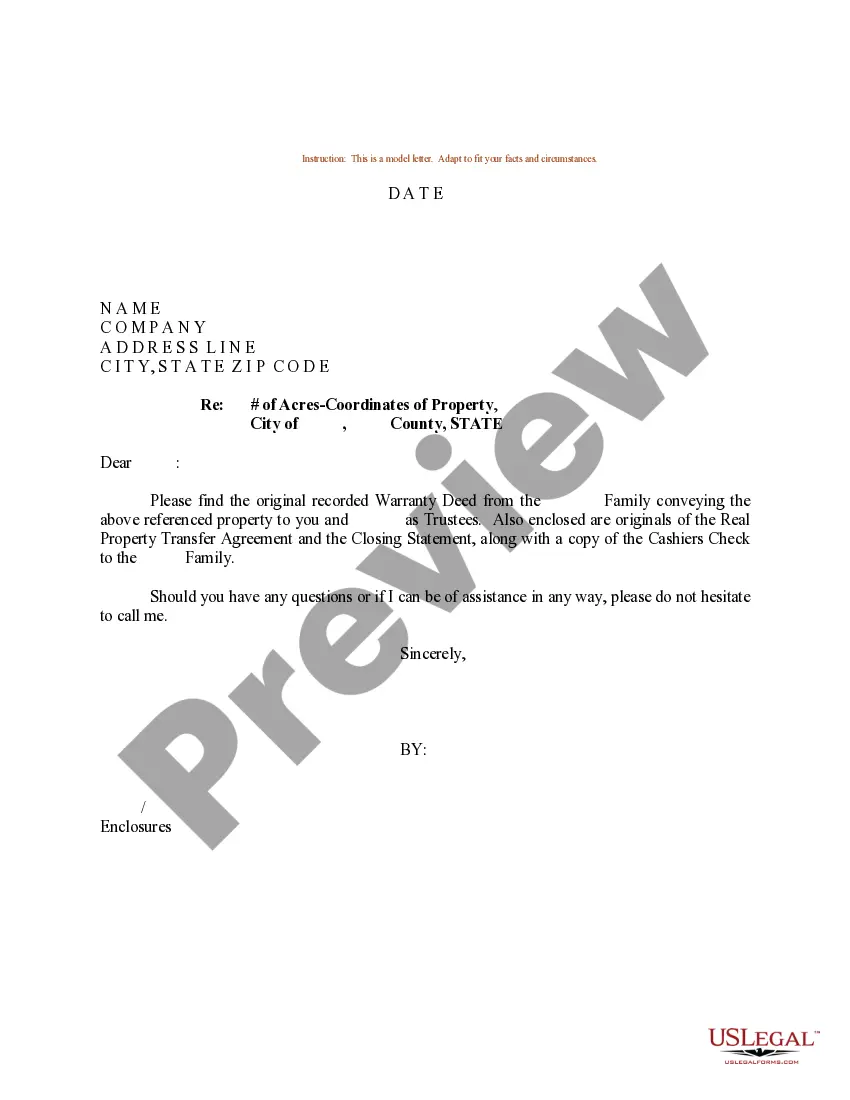
Recorded
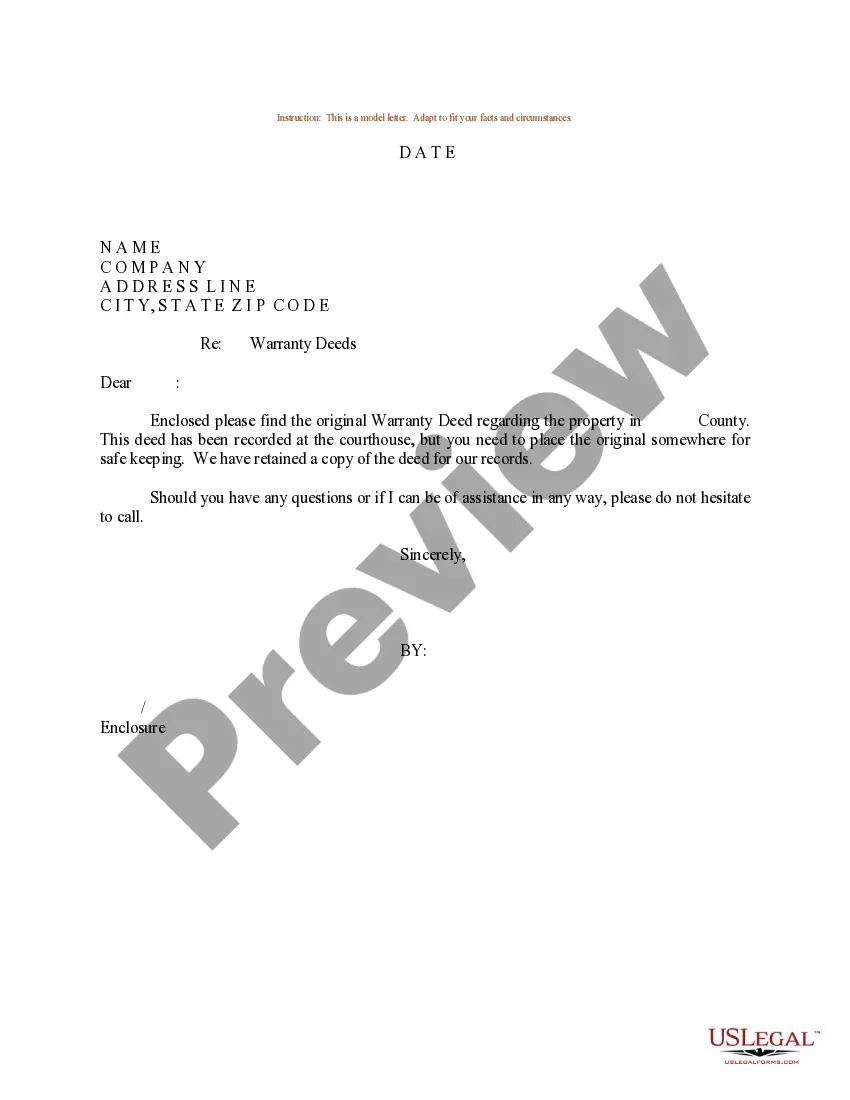
Description

Get your form ready online
Our built-in tools help you complete, sign, share, and store your documents in one place.
Make edits, fill in missing information, and update formatting in US Legal Forms—just like you would in MS Word.
Download a copy, print it, send it by email, or mail it via USPS—whatever works best for your next step.
Sign and collect signatures with our SignNow integration. Send to multiple recipients, set reminders, and more. Go Premium to unlock E-Sign.
If this form requires notarization, complete it online through a secure video call—no need to meet a notary in person or wait for an appointment.
We protect your documents and personal data by following strict security and privacy standards.

Make edits, fill in missing information, and update formatting in US Legal Forms—just like you would in MS Word.

Download a copy, print it, send it by email, or mail it via USPS—whatever works best for your next step.

Sign and collect signatures with our SignNow integration. Send to multiple recipients, set reminders, and more. Go Premium to unlock E-Sign.

If this form requires notarization, complete it online through a secure video call—no need to meet a notary in person or wait for an appointment.

We protect your documents and personal data by following strict security and privacy standards.
Looking for another form?



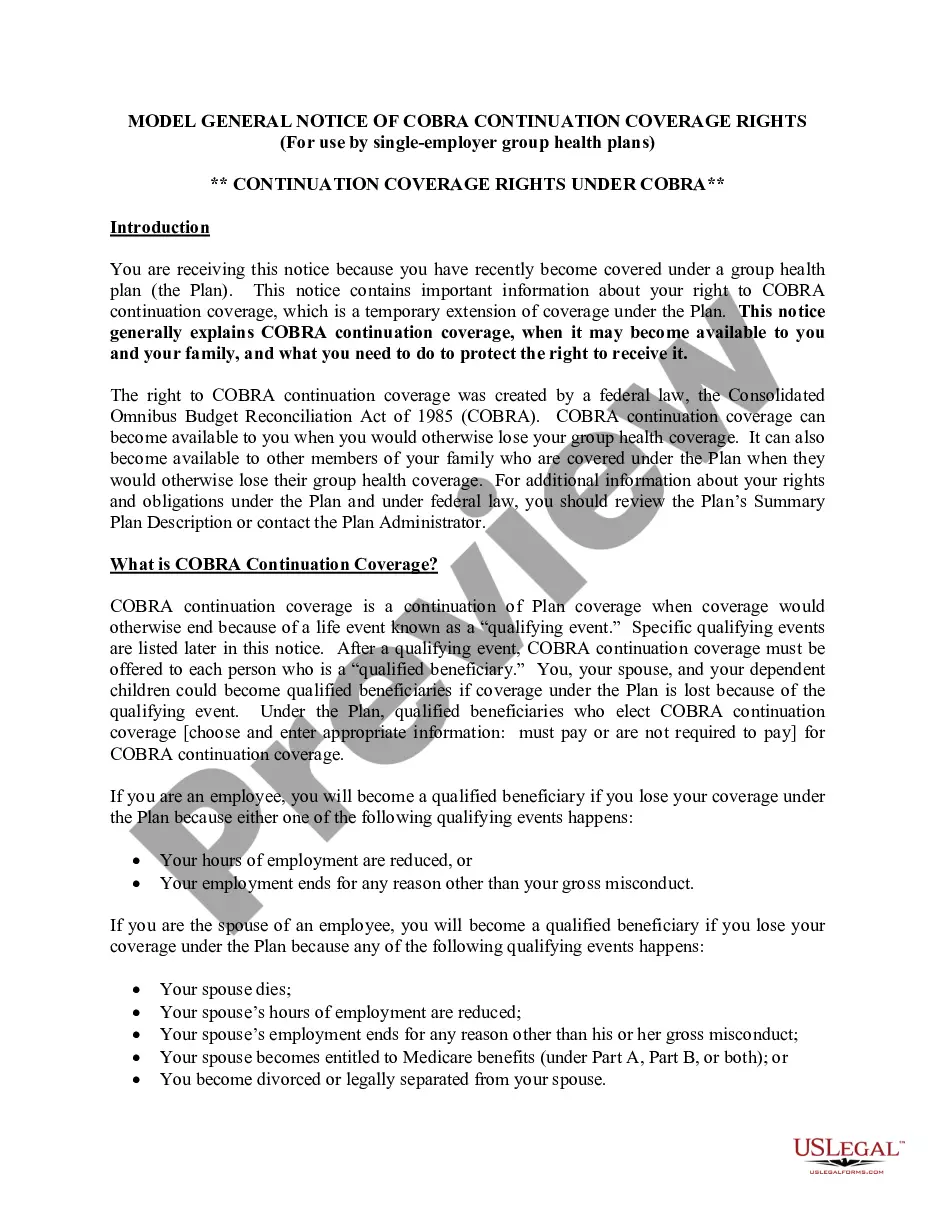
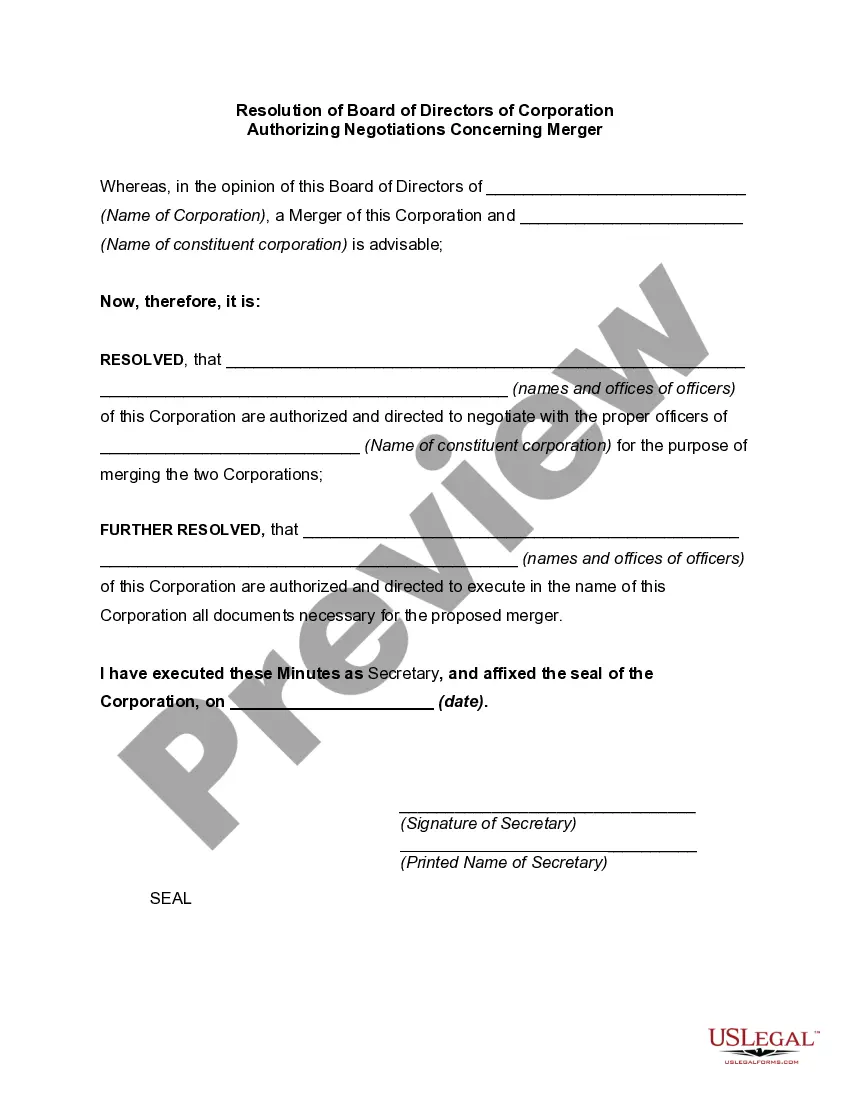
How to fill out Sample Letter For Original Recorded Warranty Deed?
- If you are an existing user, securely log in to your account. Ensure your subscription is active before proceeding to download your required form.
- For first-time users, begin by browsing through the Preview mode. Verify that the form you select aligns with your needs and complies with local legal standards.
- Should you find discrepancies or need additional templates, utilize the Search feature at the top of the page to locate the appropriate document.
- Upon finding the right form, hit the Buy Now button and choose your desired subscription plan. Remember, you will need to create an account for full access.
- Finalize your purchase by entering your credit card information or opting for your PayPal account to confirm the transaction.
- Once your payment is successful, download your form directly to your device. You can always revisit the My Forms section in your profile for future access.
In conclusion, US Legal Forms provides an extensive library of over 85,000 legal forms, equipping you with an accessible resource for legal documentation. Don't hesitate to explore our premium expert services for assistance, ensuring your forms are completed accurately.
Start creating your legal documents today with US Legal Forms!
Form popularity
FAQ
When a document is recorded, it signifies that it has been officially entered into the public records, providing legal documentation of its existence. This not only secures the rights of the parties involved but also offers public notice to anyone interested in the property or its history. Understanding this process is crucial for anyone dealing with real estate. US Legal Forms can assist you in navigating the recording process seamlessly.
A recordable document is any legal document that can be officially filed to create a public record. Common examples include deeds, mortgages, and liens. For a document to be recordable, it usually must be signed, notarized, and meet specific formatting standards. Utilizing US Legal Forms can help ensure your documents are prepared correctly for recording.
Recording a document involves submitting it to the appropriate authority to create a permanent public record. This legal act ensures that the document is acknowledged and can be referenced in future transactions. It is vital for property ownership and financial matters. With US Legal Forms, you can easily manage your document recording needs and stay compliant.
Having something recorded means that a document is officially filed with a governmental office, typically at the county level. This action creates a public record of the document, offering legal protection and establishing priority over other claims related to the property. Therefore, understanding how records work is essential for property owners. Consider using US Legal Forms to simplify this process.
Once a deed is recorded, it becomes a part of the public record. This process protects your property rights and provides proof of ownership. Additionally, the change is visible to potential buyers and financial institutions, ensuring transparency. You can rely on US Legal Forms to guide you through the recording process effectively.
To access the deed to your house, you can visit your local County Clerk's office or check their online database if available. You will need to provide identifying information such as the property's address or parcel number. Once located, you can request a copy of the recorded deed, which serves as the official record of ownership.
Yes, you can file a quitclaim deed yourself if you feel comfortable handling the paperwork. It is crucial to follow state regulations and ensure the deed is filled out correctly. Alternatively, you can use USLegalForms to access templates and guidance for filing quitclaim deeds, making the process smoother and ensuring everything is recorded accurately.
In Texas, various documents are recordable, including deeds, liens, and contracts related to real estate transactions. The key requirement is that the document must relate to real property and meet specific legal format standards. Ensure that your documents are properly executed and acknowledged to be recorded, granting them legal validity and public notice.
To file a deed in Texas, you need the completed deed form, a notarized signature, and the payment for any applicable filing fees. It is also essential to provide the legal description of the property you are transferring. Once you have all these elements, make sure to file the deed with the County Clerk's office, where it will be recorded and made part of the public record.
To get meeting recordings, you can use video conferencing tools equipped with recording features. Popular platforms, like Zoom and Microsoft Teams, allow users to record meetings easily with just a few clicks. After the meeting, look for the recording in your app, usually stored in the cloud or on your device. Make sure to notify participants beforehand that the meeting will be recorded.