Work Rules With Covid
Description
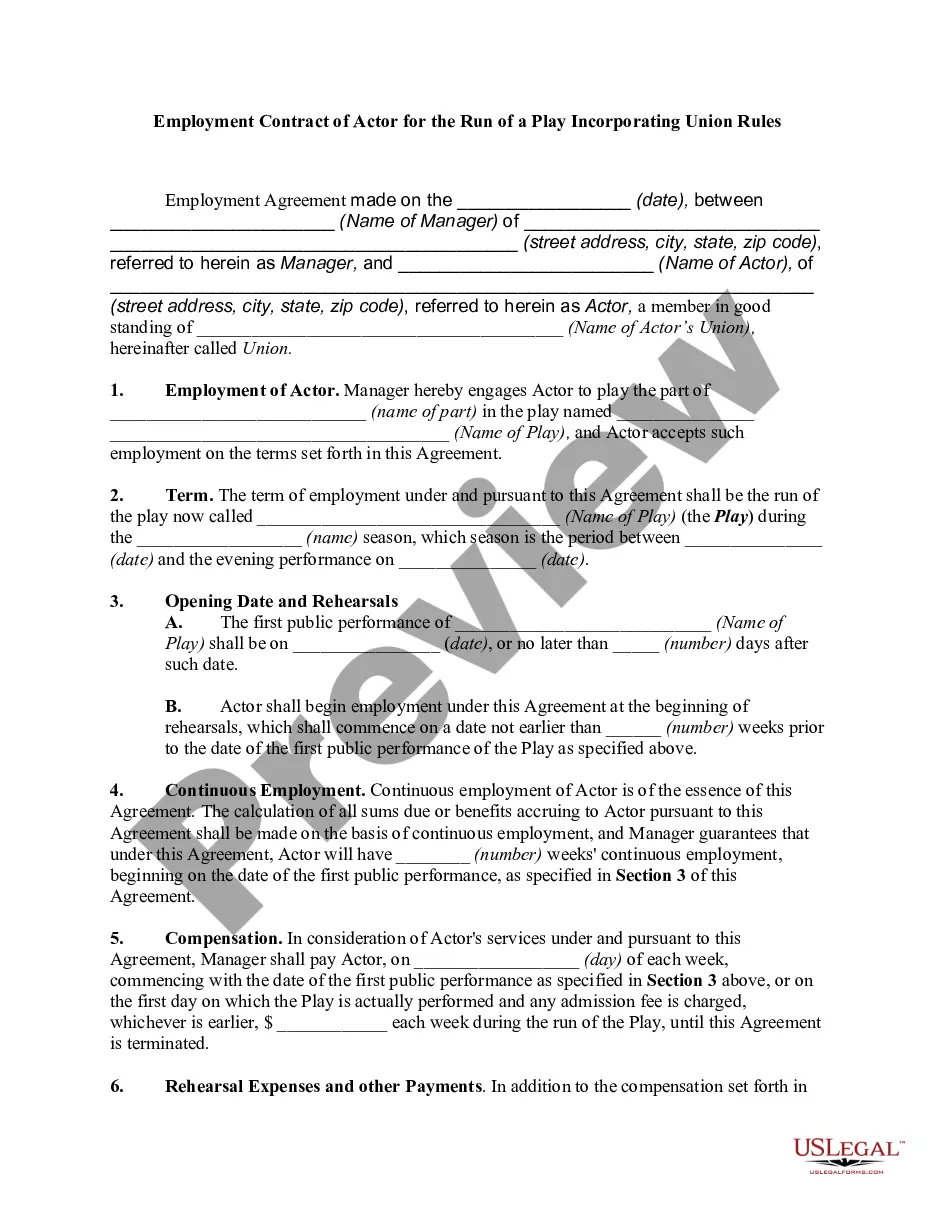
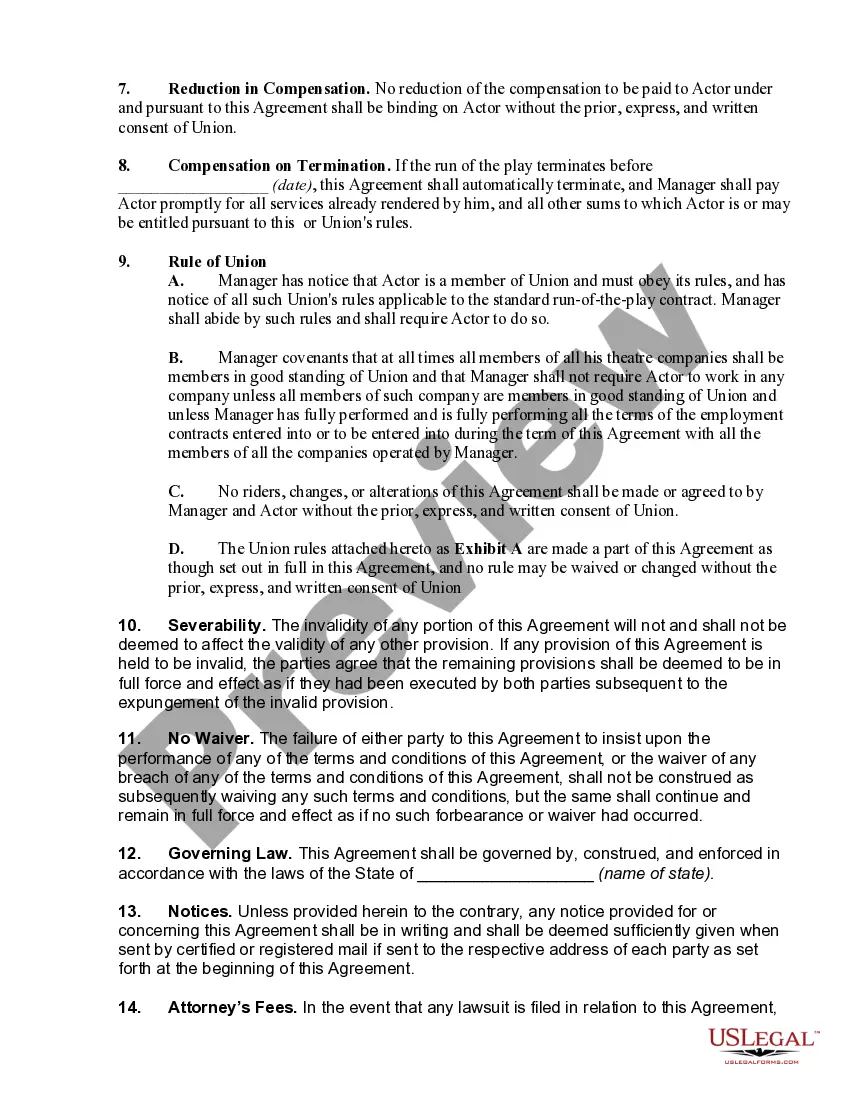
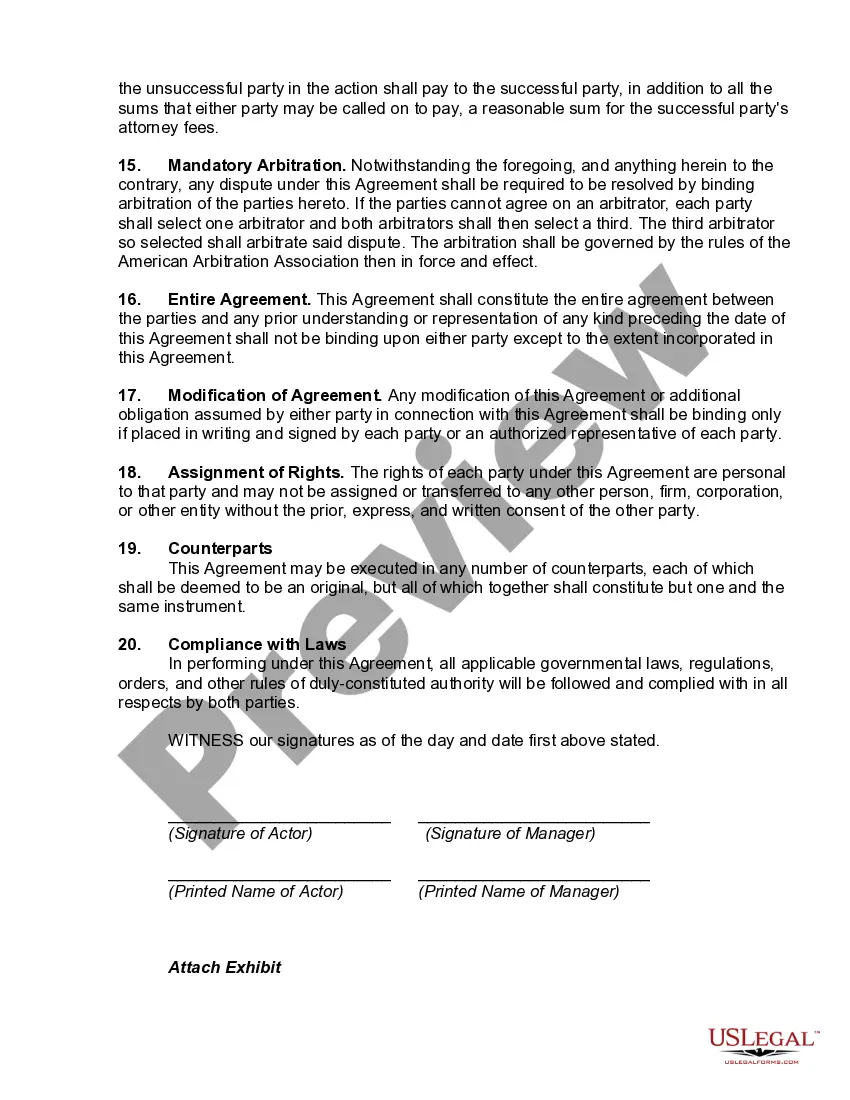
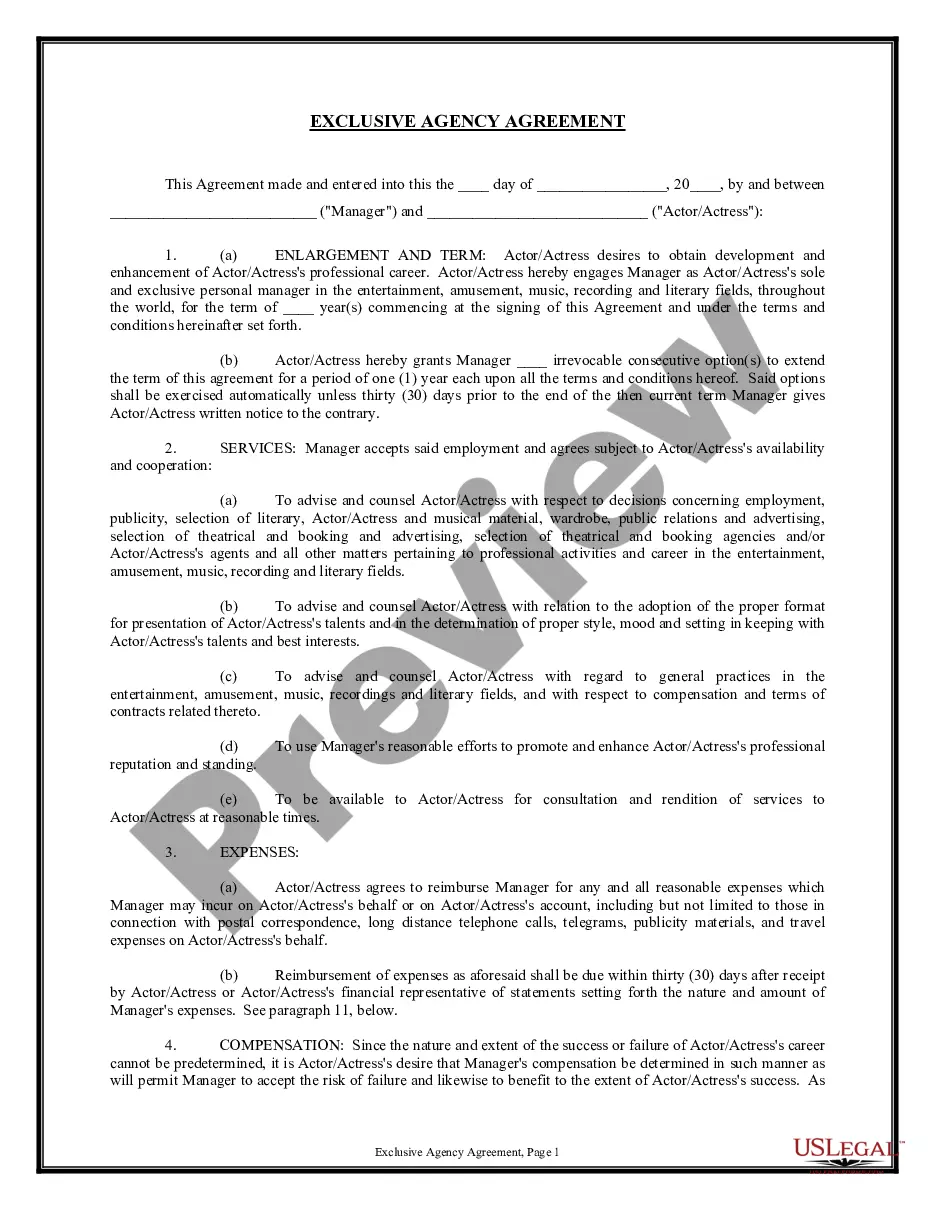
Get your form ready online
Our built-in tools help you complete, sign, share, and store your documents in one place.
Make edits, fill in missing information, and update formatting in US Legal Forms—just like you would in MS Word.
Download a copy, print it, send it by email, or mail it via USPS—whatever works best for your next step.
Sign and collect signatures with our SignNow integration. Send to multiple recipients, set reminders, and more. Go Premium to unlock E-Sign.
If this form requires notarization, complete it online through a secure video call—no need to meet a notary in person or wait for an appointment.
We protect your documents and personal data by following strict security and privacy standards.

Make edits, fill in missing information, and update formatting in US Legal Forms—just like you would in MS Word.

Download a copy, print it, send it by email, or mail it via USPS—whatever works best for your next step.

Sign and collect signatures with our SignNow integration. Send to multiple recipients, set reminders, and more. Go Premium to unlock E-Sign.

If this form requires notarization, complete it online through a secure video call—no need to meet a notary in person or wait for an appointment.

We protect your documents and personal data by following strict security and privacy standards.
Looking for another form?


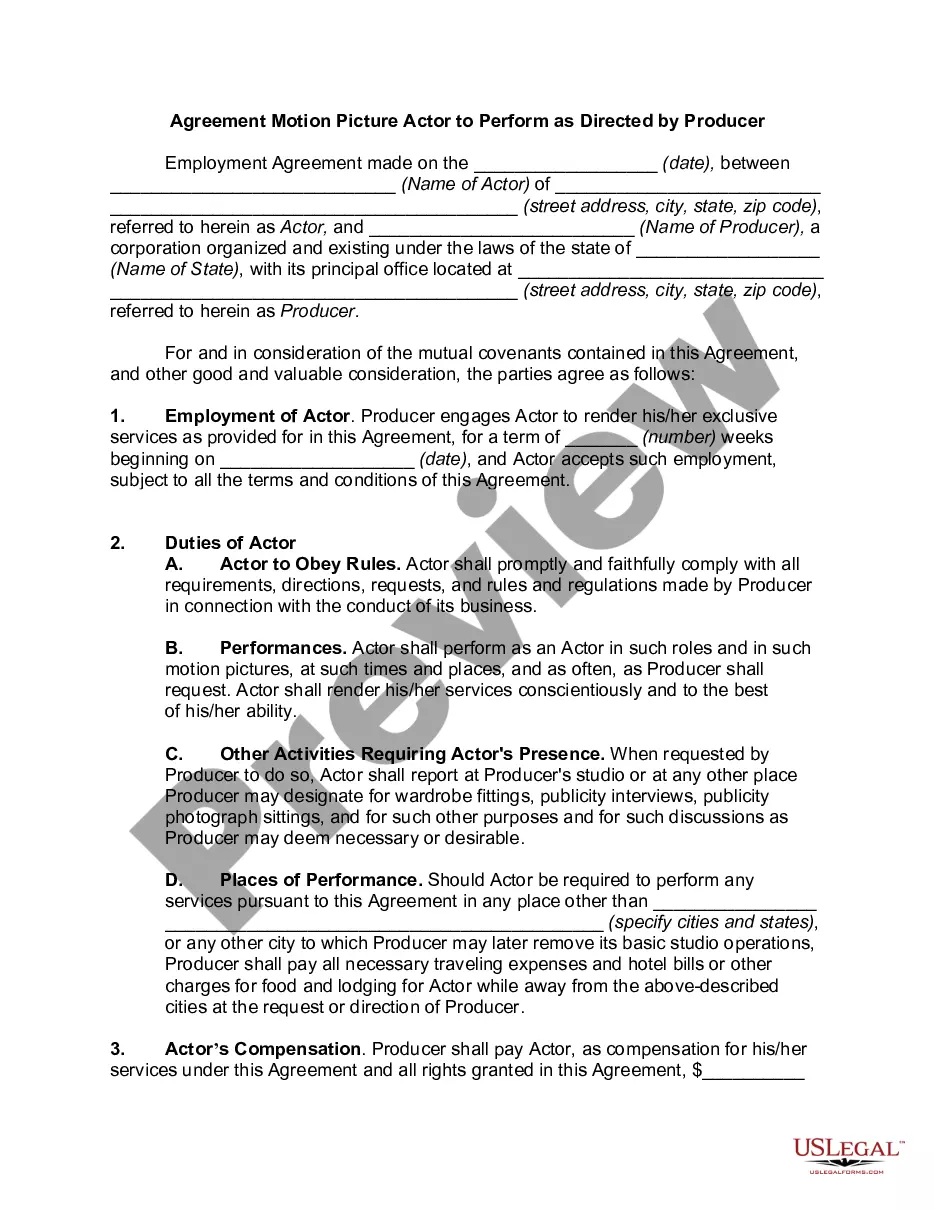
How to fill out Employment Contract Of Actor For The Run Of A Play Incorporating Union Rules?
The Employment Guidelines Regarding Covid presented on this page is a reusable legal framework created by expert attorneys in accordance with federal and state regulations.
For over 25 years, US Legal Forms has supplied individuals, businesses, and lawyers with more than 85,000 authenticated, state-specific documents for any professional and personal event. It’s the fastest, simplest, and most dependable method to obtain the documentation you require, as the service guarantees the utmost level of data protection and anti-malware safeguards.
Re-download your documents whenever necessary by revisiting the My documents tab in your account to access any forms you have previously downloaded. Subscribe to US Legal Forms to have authenticated legal templates available for all aspects of life.
- Search for the document you require and review it.
- Browse the sample you looked up and preview it or check the document description to confirm it meets your needs. If it doesn’t, utilize the search feature to find the correct one. Click Buy Now once you locate the template you need.
- Register and Log In.
- Choose the pricing plan that fits your needs and create an account. Use PayPal or a credit card for swift payment. If you already possess an account, Log In and verify your subscription to proceed.
- Obtain the editable template.
- Select the format you desire for your Employment Guidelines Regarding Covid (PDF, DOCX, RTF) and download the template to your device.
- Fill out and sign the documents.
- Print the template to fill it out by hand. Alternatively, employ an online versatile PDF editor to swiftly and accurately complete and sign your form with a valid signature.
Form popularity
FAQ
While individuals vary, many people take around 10 days off work after a positive COVID test. Those with severe symptoms may require a longer recovery period. Work rules with covid often prioritize employee health while addressing staffing needs. Flexible policies, like those found on platforms like US Legal Forms, can help organizations navigate these situations.
Most guidance suggests isolating for at least 5 days after testing positive. However, if you still have symptoms or test positive, extended isolation may be necessary. Work rules with covid help clarify guidelines for your particular situation. It’s essential to communicate with your employer about your health status.
No, if you have COVID, it is best to stay home to prevent spreading the virus. Following work rules with covid is crucial to maintain a healthy work environment for everyone. Employers should offer support and flexibility for sick employees. You can explore US Legal Forms for guidelines on work policies related to COVID.
Generally, individuals with COVID are most contagious in the days right before and after symptom onset. Studies suggest that you can spread the virus for about 10 days after testing positive. Monitoring your symptoms is vital, as work rules with covid may vary by state or organization. Following proper guidelines can help ensure a safe return to the workplace.
Yes, most workplaces require employees to report COVID positive cases to maintain a safe environment. Reporting allows for timely cleaning measures and notification of others who may have been exposed. Following proper reporting and work rules with COVID protects both employees and the workplace.
No, if you test positive for COVID, you should not go to work. It's vital to follow isolation protocols to prevent the virus from spreading to others. By adhering to these work rules with COVID, you contribute to a safer workplace.
If someone at work tests positive for COVID, the workplace should implement a clear protocol. This usually involves notifying local health authorities, disinfecting the area, and advising employees who may have had close contact to monitor for symptoms or quarantine. Following specific work rules with COVID ensures prompt action and protects everyone’s health.
To return to work safely amid the pandemic, employees should follow the CDC guidelines that recommend staying at least six feet apart and wearing masks indoors if local transmission is high. Additionally, employees should evaluate their symptoms and consider COVID testing before returning. Implementing these work rules with COVID can minimize the risk of spreading the virus in the workplace.
The latest CDC guidelines for COVID emphasize the importance of vaccination, wearing masks in crowded places, and practicing good hygiene. These recommendations help ensure a safer environment as we navigate the ongoing pandemic. Work rules with COVID should align with these guidelines to protect both employees and the community.
Current quarantine guidelines usually require isolation for at least five days after exposure to someone with COVID-19. Some may qualify for a shortened quarantine if they do not develop symptoms. Adhering to these work rules with COVID supports collective safety and minimizes disruption in your workplace. Regularly review guidelines from the CDC or local health authorities for changes.