Taxes And Forex
Description
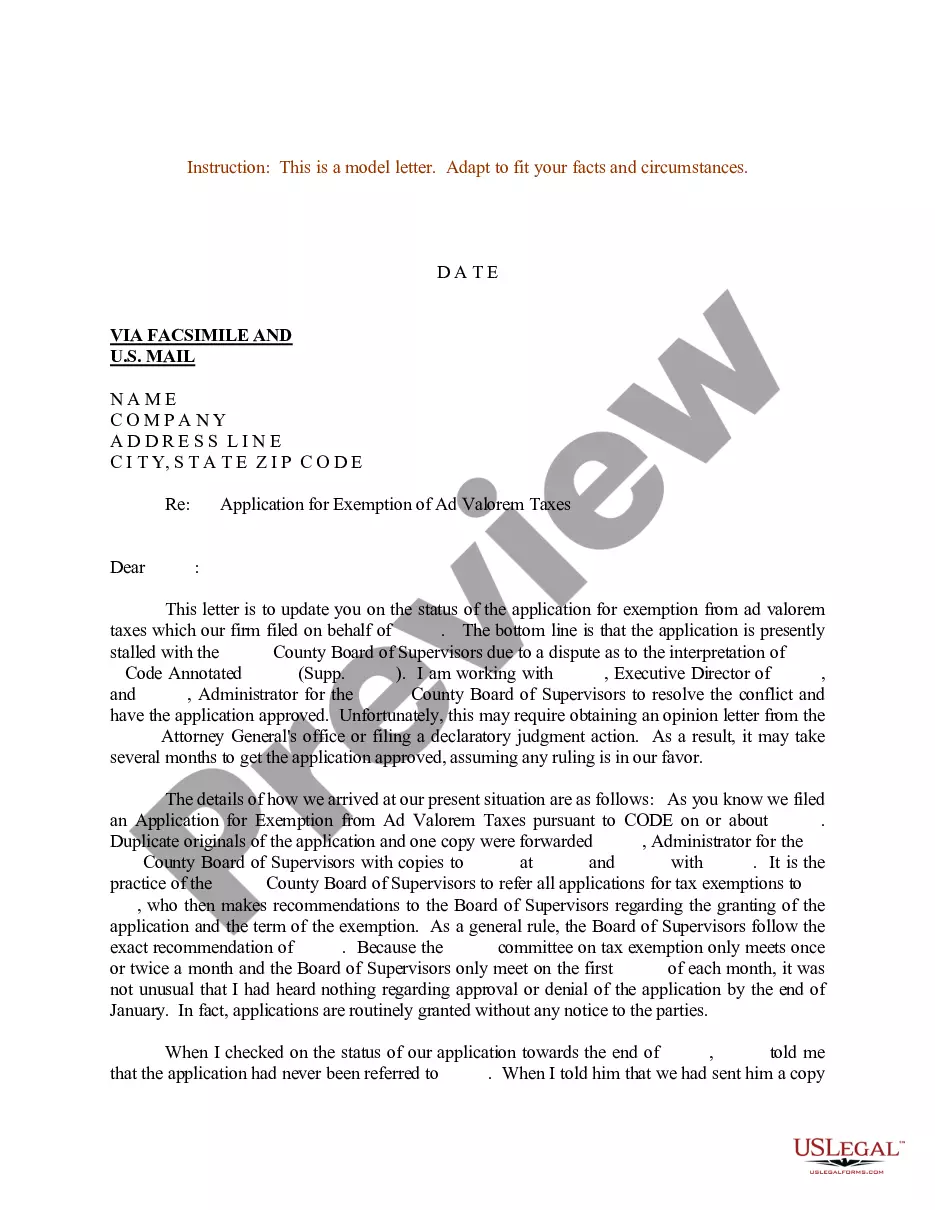
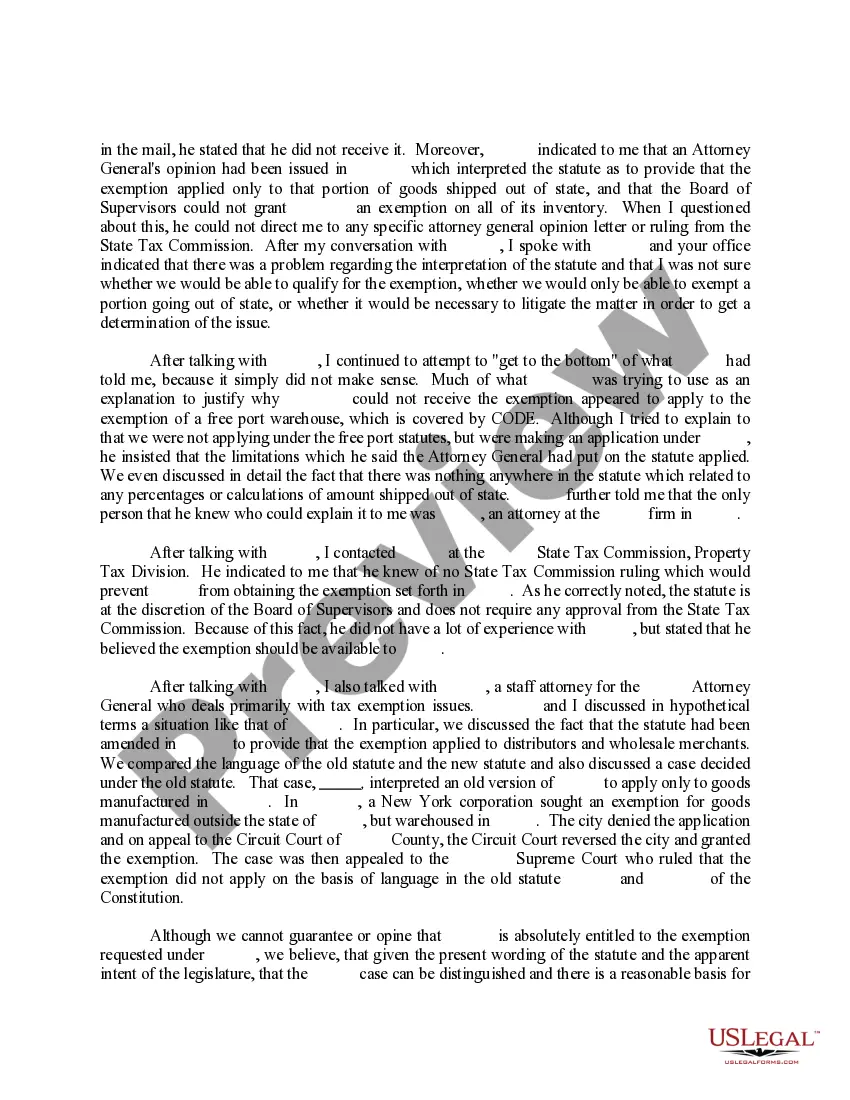
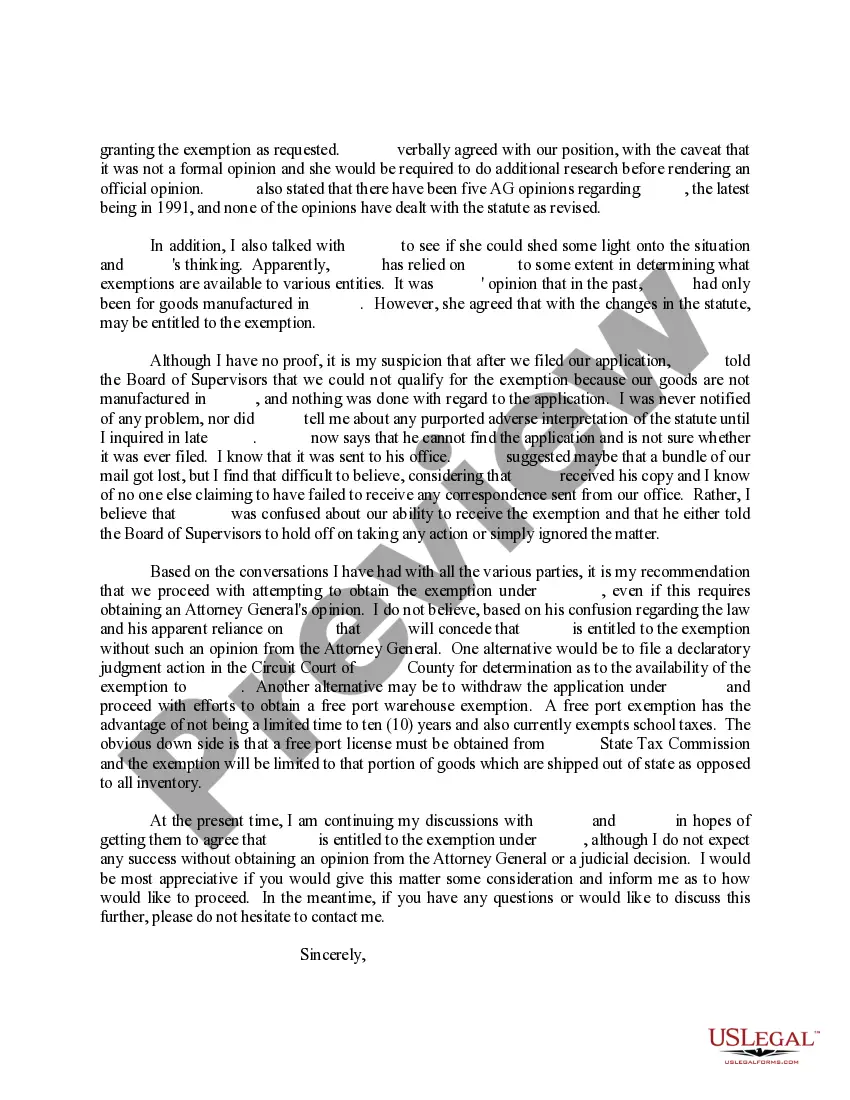

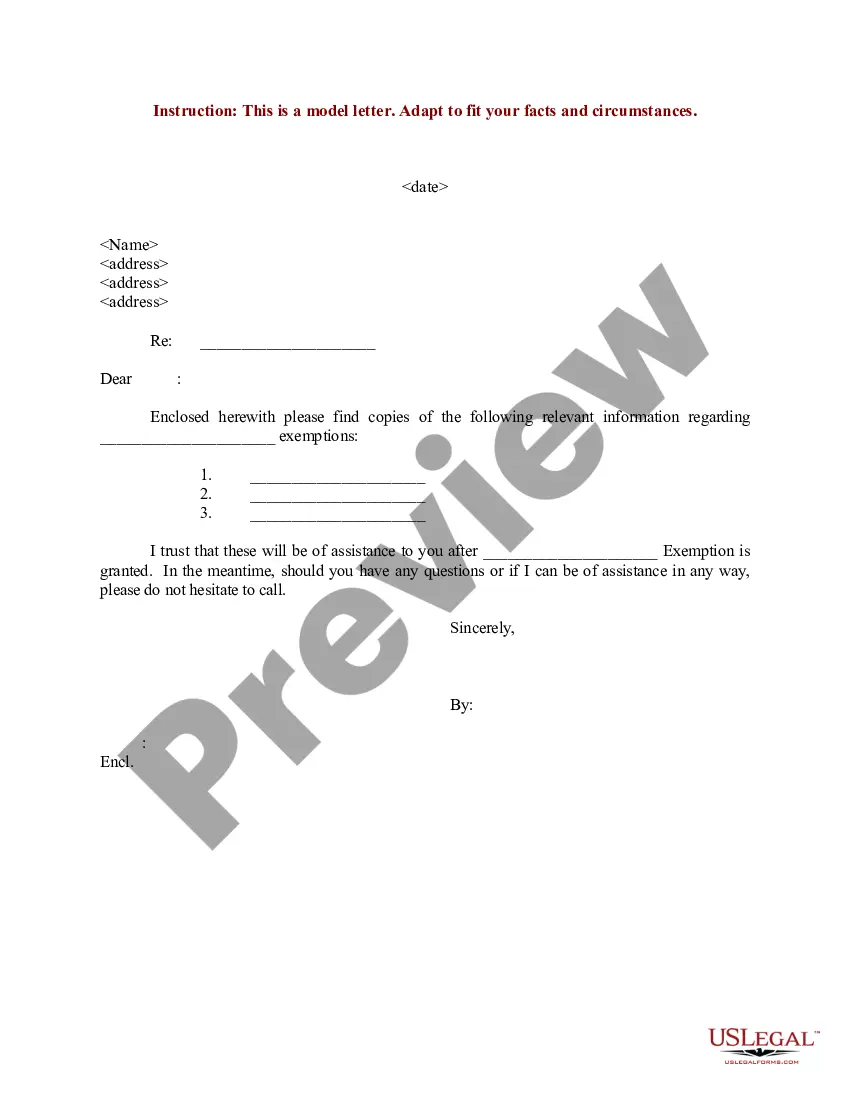
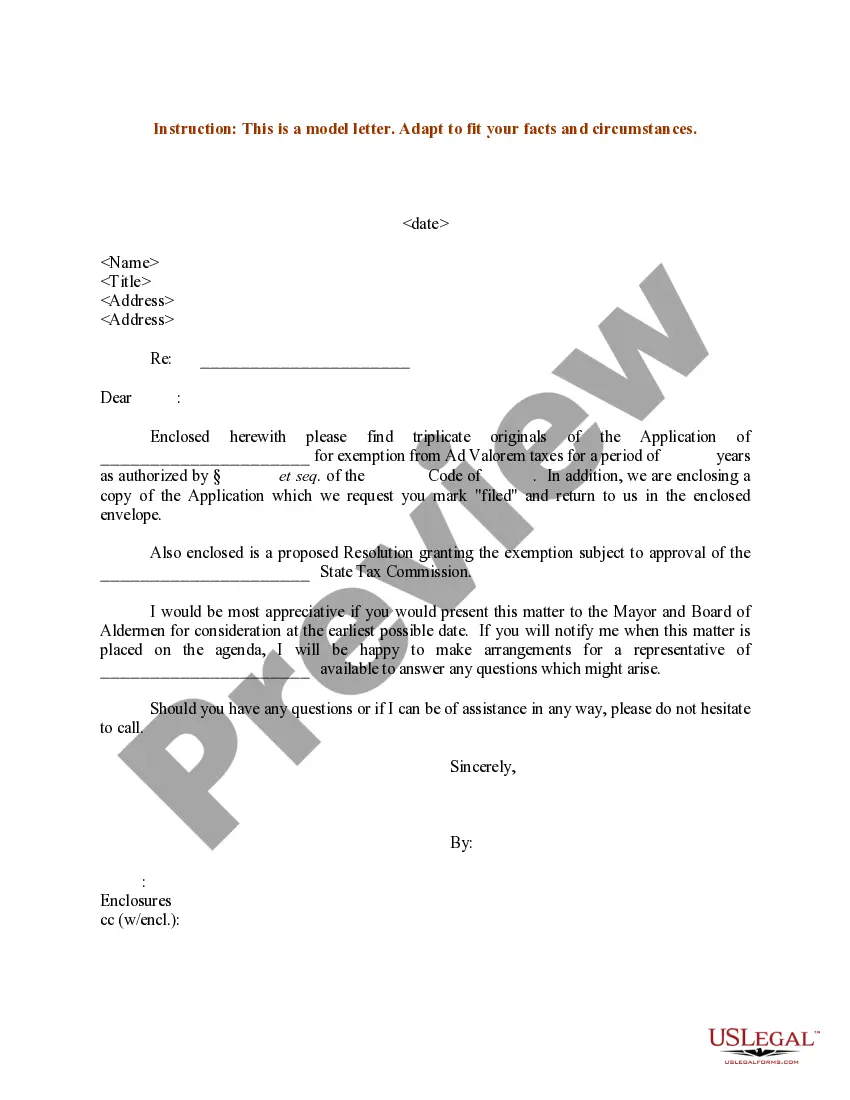
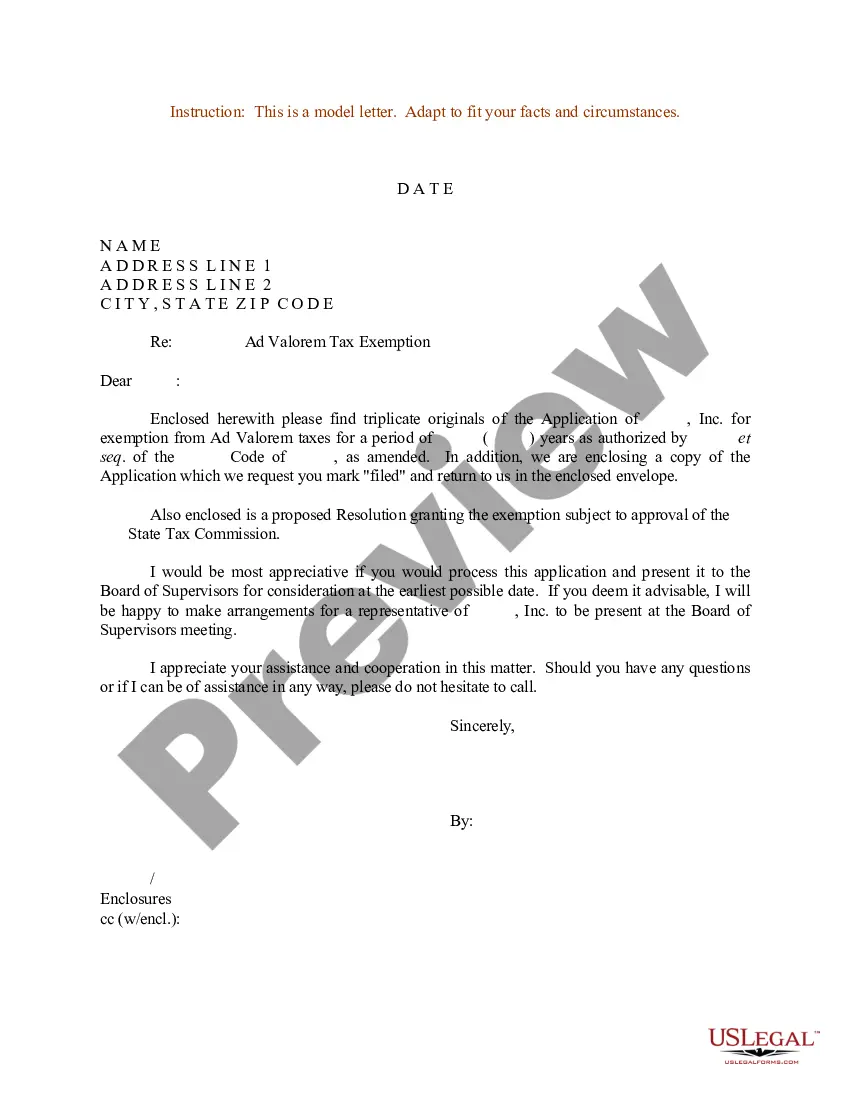




How to fill out Sample Letter For Exemption Of Ad Valorem Taxes?
The Taxes And Forex you see on this page is a multi-usable legal template drafted by professional lawyers in line with federal and state regulations. For more than 25 years, US Legal Forms has provided people, businesses, and attorneys with more than 85,000 verified, state-specific forms for any business and personal scenario. It’s the quickest, most straightforward and most reliable way to obtain the documents you need, as the service guarantees the highest level of data security and anti-malware protection.
Getting this Taxes And Forex will take you only a few simple steps:
- Look for the document you need and check it. Look through the sample you searched and preview it or check the form description to confirm it satisfies your requirements. If it does not, use the search option to find the correct one. Click Buy Now when you have found the template you need.
- Subscribe and log in. Select the pricing plan that suits you and register for an account. Use PayPal or a credit card to make a quick payment. If you already have an account, log in and check your subscription to continue.
- Acquire the fillable template. Pick the format you want for your Taxes And Forex (PDF, Word, RTF) and download the sample on your device.
- Complete and sign the paperwork. Print out the template to complete it by hand. Alternatively, utilize an online multi-functional PDF editor to rapidly and precisely fill out and sign your form with a valid.
- Download your paperwork again. Make use of the same document once again anytime needed. Open the My Forms tab in your profile to redownload any previously downloaded forms.
Subscribe to US Legal Forms to have verified legal templates for all of life’s circumstances at your disposal.
Form popularity
FAQ
You must report ordinary income from virtual currency on Form 1040, U.S. Individual Tax Return, Form 1040-SS, Form 1040-NR, or Form 1040, Schedule 1, Additional Income and Adjustments to IncomePDF, as applicable.
The rules state that a 1099 should be issued for forex forward transactions, treating them like Section 1256(g) foreign currency contracts. Those same rules state 1099 should not be issued for forex spot trading. Some taxpayers mistakenly think if they don't receive a 1099, they don't have to report anything.
Forex trading is considered a business, so the profits from forex trading are taxable. Normally, forex traders are subject to income tax in the country where they live, and that is the same case when you come to the United States.
If your broker is based in the United States, you will receive a 1099 at the end of the year reporting your total gains/losses.
You would enter the information on Schedule 1 (Form 1040) Additional Income and Adjustments to Income, Line 8 as an ordinary gain or (loss). To enter a description and an amount for Schedule 1 (Form 1040), Line 8: From within your TaxAct return (Online or Desktop), click Federal.