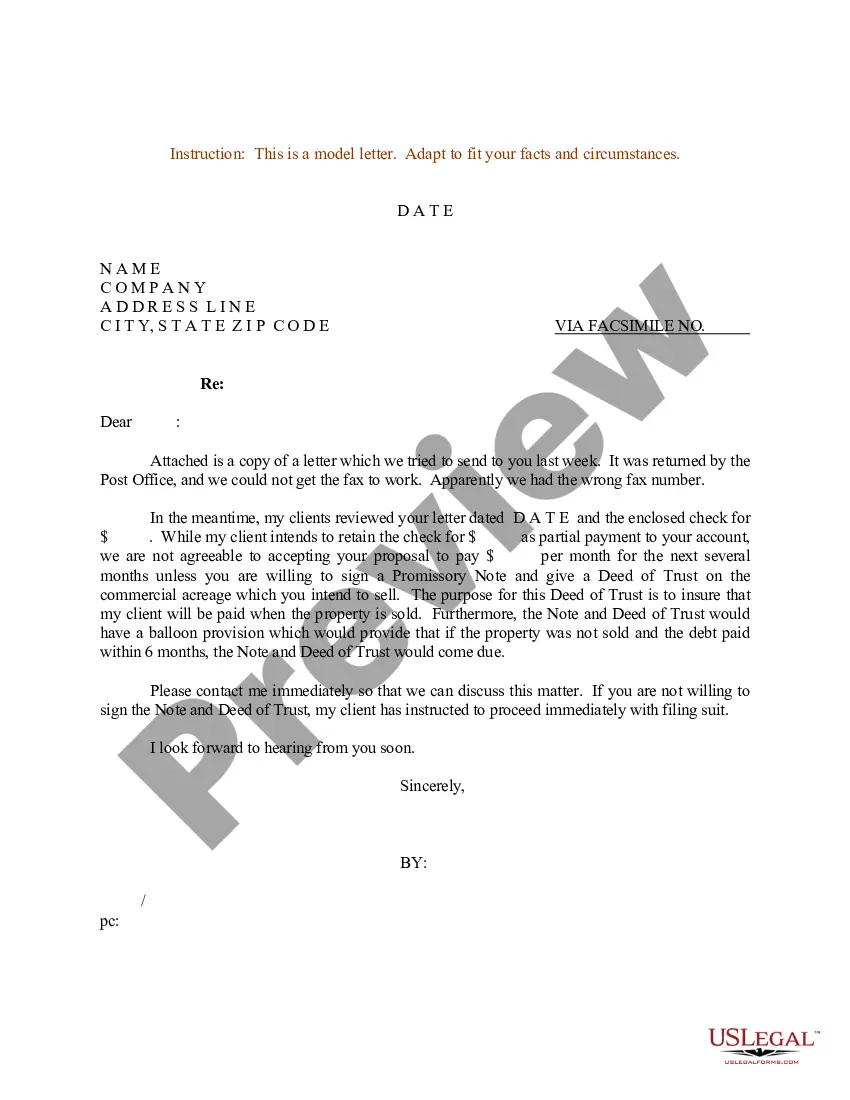
Deed Trust Would Without Promissory Note
Description
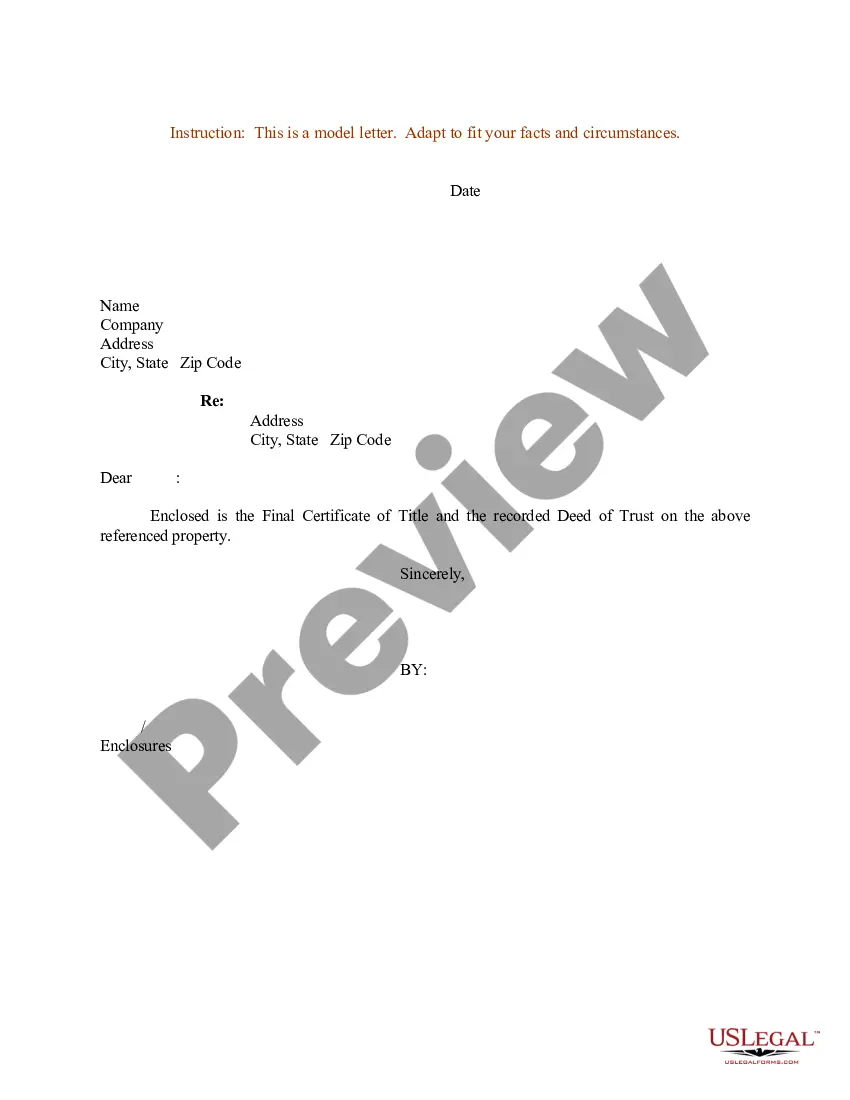
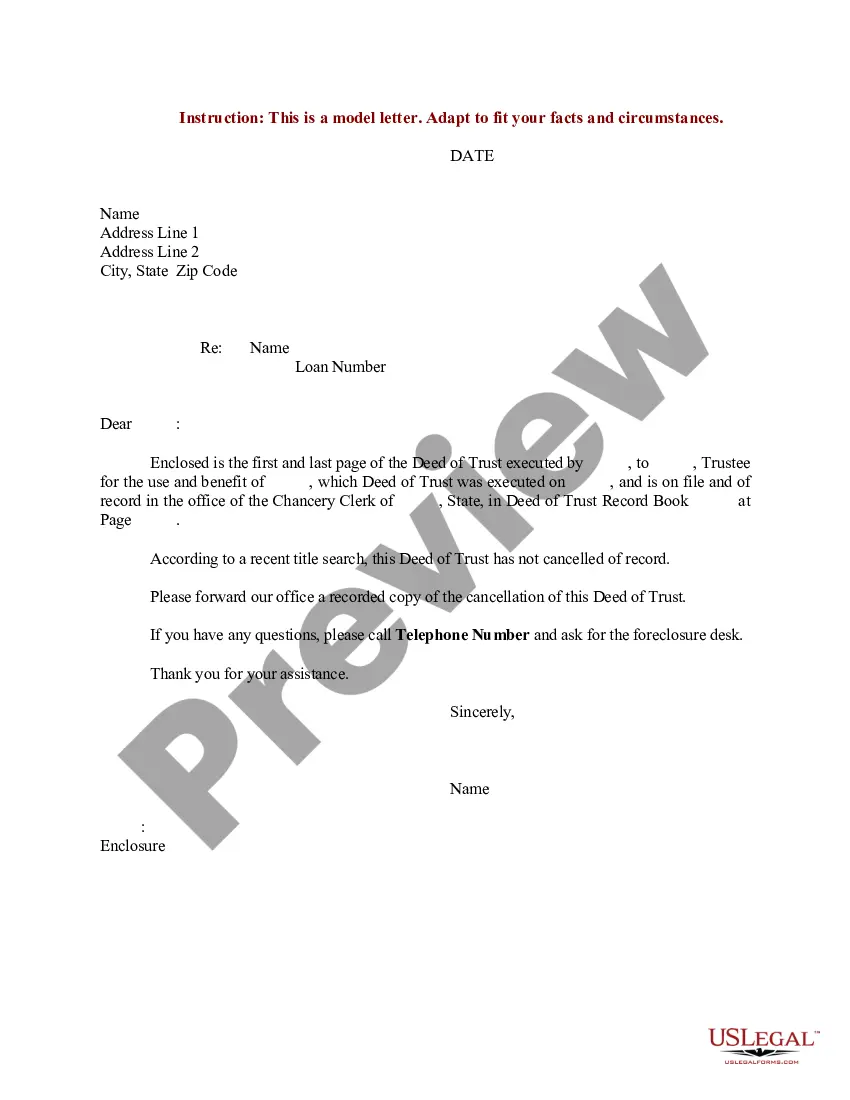
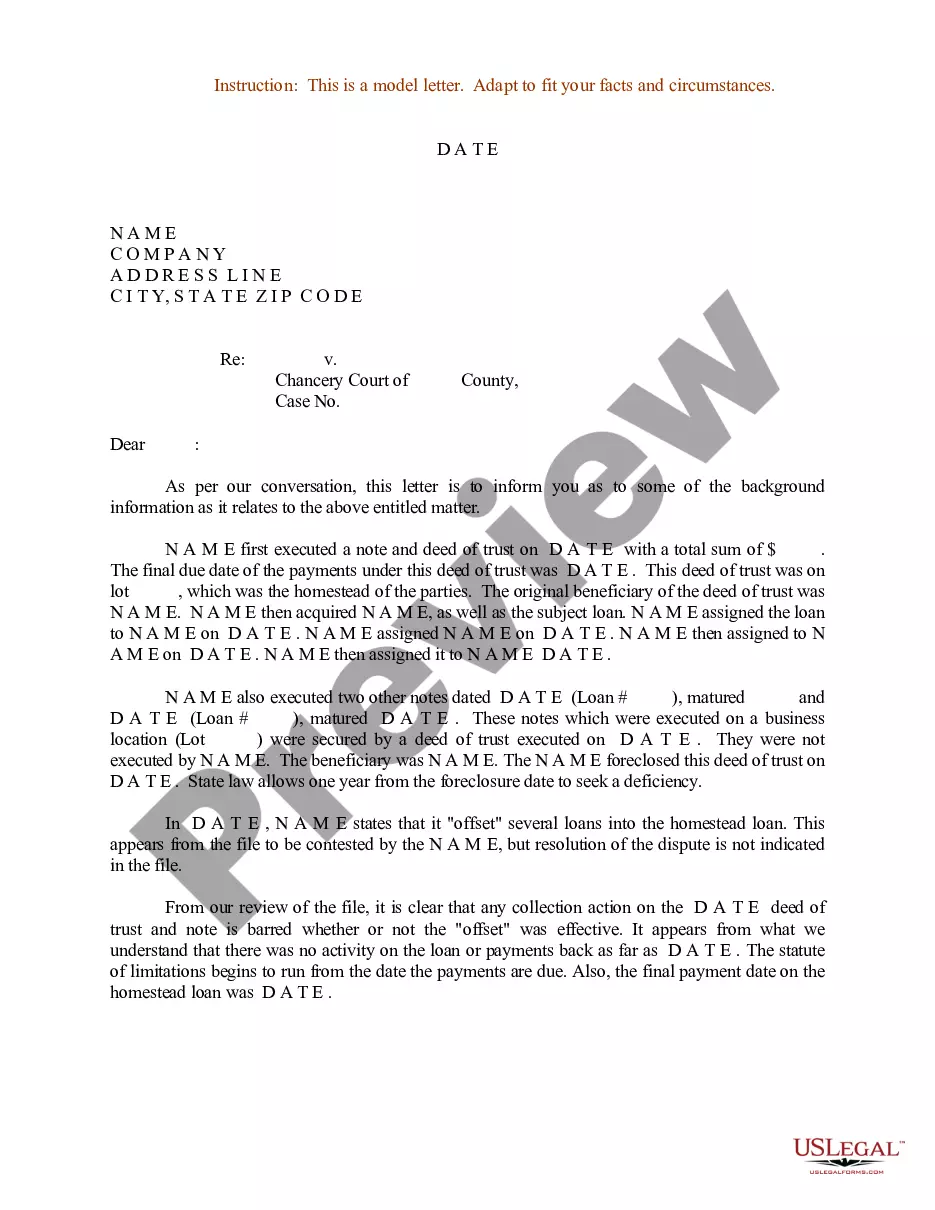
Get your form ready online
Our built-in tools help you complete, sign, share, and store your documents in one place.
Make edits, fill in missing information, and update formatting in US Legal Forms—just like you would in MS Word.
Download a copy, print it, send it by email, or mail it via USPS—whatever works best for your next step.
Sign and collect signatures with our SignNow integration. Send to multiple recipients, set reminders, and more. Go Premium to unlock E-Sign.
If this form requires notarization, complete it online through a secure video call—no need to meet a notary in person or wait for an appointment.
We protect your documents and personal data by following strict security and privacy standards.

Make edits, fill in missing information, and update formatting in US Legal Forms—just like you would in MS Word.

Download a copy, print it, send it by email, or mail it via USPS—whatever works best for your next step.

Sign and collect signatures with our SignNow integration. Send to multiple recipients, set reminders, and more. Go Premium to unlock E-Sign.

If this form requires notarization, complete it online through a secure video call—no need to meet a notary in person or wait for an appointment.

We protect your documents and personal data by following strict security and privacy standards.
Looking for another form?
How to fill out Sample Letter For Note And Deed Of Trust?
Managing legal documents can be perplexing, even for seasoned professionals.
When you require a Deed Trust Without Promissory Note and lack the time to search for the accurate and current version, the experience can be stressful.
US Legal Forms accommodates any needs you may have, from personal to business paperwork, all in one location.
Utilize cutting-edge tools to fill out and manage your Deed Trust Without Promissory Note.
Here are the steps to follow after downloading the desired form: Confirm this is the correct document by previewing it and reviewing its description. Ensure that the template is accepted in your state or county. Click Buy Now when you are ready. Choose a monthly subscription plan. Select the file format you prefer, and Download, complete, sign, print, and submit your document. Enjoy the US Legal Forms online catalog, supported by 25 years of experience and reliability. Transform your everyday document management into a seamless and user-friendly process today.
- Access a valuable database of articles, guides, and manuals related to your situation and requirements.
- Save time and energy searching for the necessary documents, and utilize US Legal Forms’ advanced search and Review tool to find Deed Trust Without Promissory Note and obtain it.
- If you hold a membership, Log In to your US Legal Forms account, search for the document, and obtain it.
- Check the My documents tab to view the documents you have previously downloaded and manage your folders as needed.
- If this is your first experience with US Legal Forms, create an account and gain unlimited access to all the platform's benefits.
- A comprehensive online form repository could be transformative for anyone aiming to navigate these challenges effectively.
- US Legal Forms is a frontrunner in online legal documents, with more than 85,000 state-specific legal forms available to you at any moment.
- With US Legal Forms, you can access state- or county-specific legal and business documents.
Form popularity
FAQ
Deeds of Trust work in a simple manner: a lender gives money to a borrower for a home purchase. In exchange, the lender receives a promissory note that guarantees the borrower will repay the loan amount. A Trustee holds the title during the loan period.
A contract needs to have bilateral or mutual consideration. This means both parties have to give something of value to each other in order for a contract to be valid. Promissory Notes: Promissory notes are a special type of legal document. They are a created by statute (e.g., The Uniform Commercial Code).
The promissory note is held by the lender until the loan is paid in full, and generally is not recorded with the county recorder or registrar of titles (sometimes also referred to as the county clerk, register of deeds, or land registry) whereas a deed of trust is recorded.
A mortgage or deed of trust is an agreement in which a borrower puts up title to real estate as security (collateral) for a loan. People often refer to a home loan as a "mortgage." But a mortgage isn't a loan agreement. The promissory note promises to repay the amount you borrowed to buy a home.
A deed of trust will include the same type of information stated in a mortgage document, such as: The identities of the borrower, lender, and trustee. A full description of the property to be placed in trust. Any restrictions or requirements on the use of the property while it is in trust.