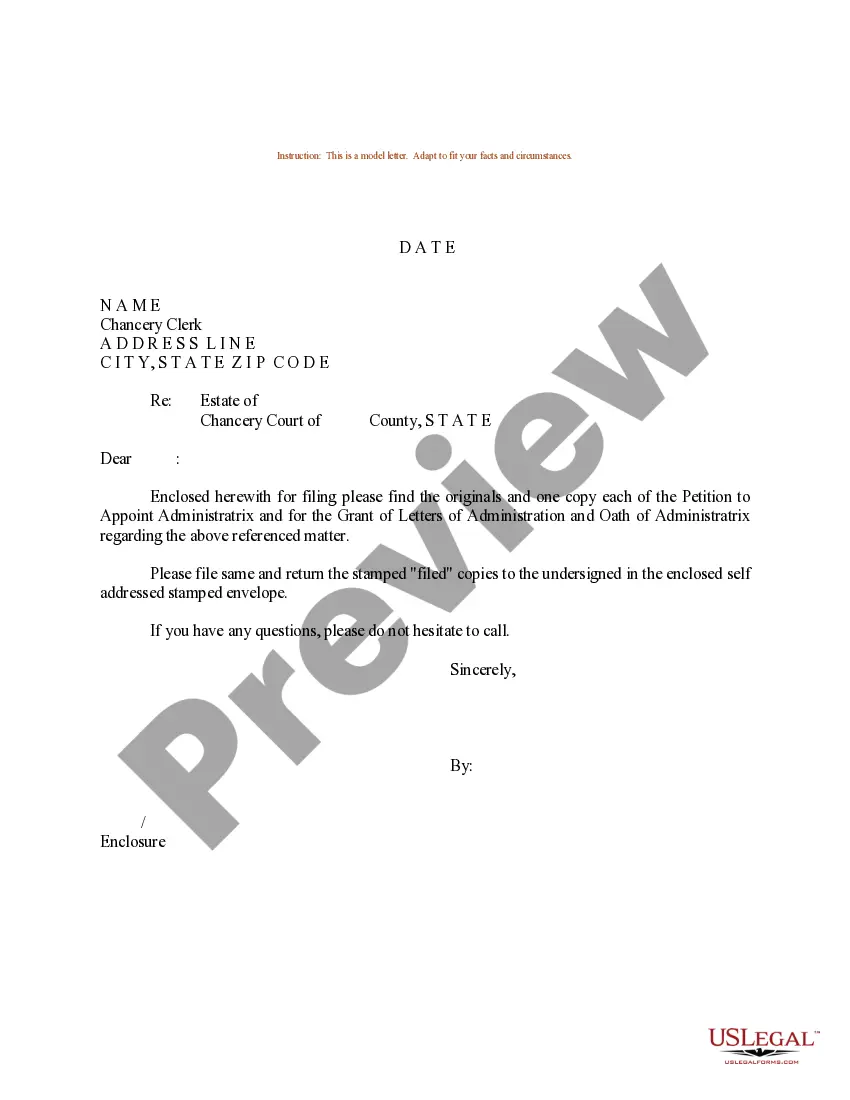
Letter Of Appointment For Deceased
Description
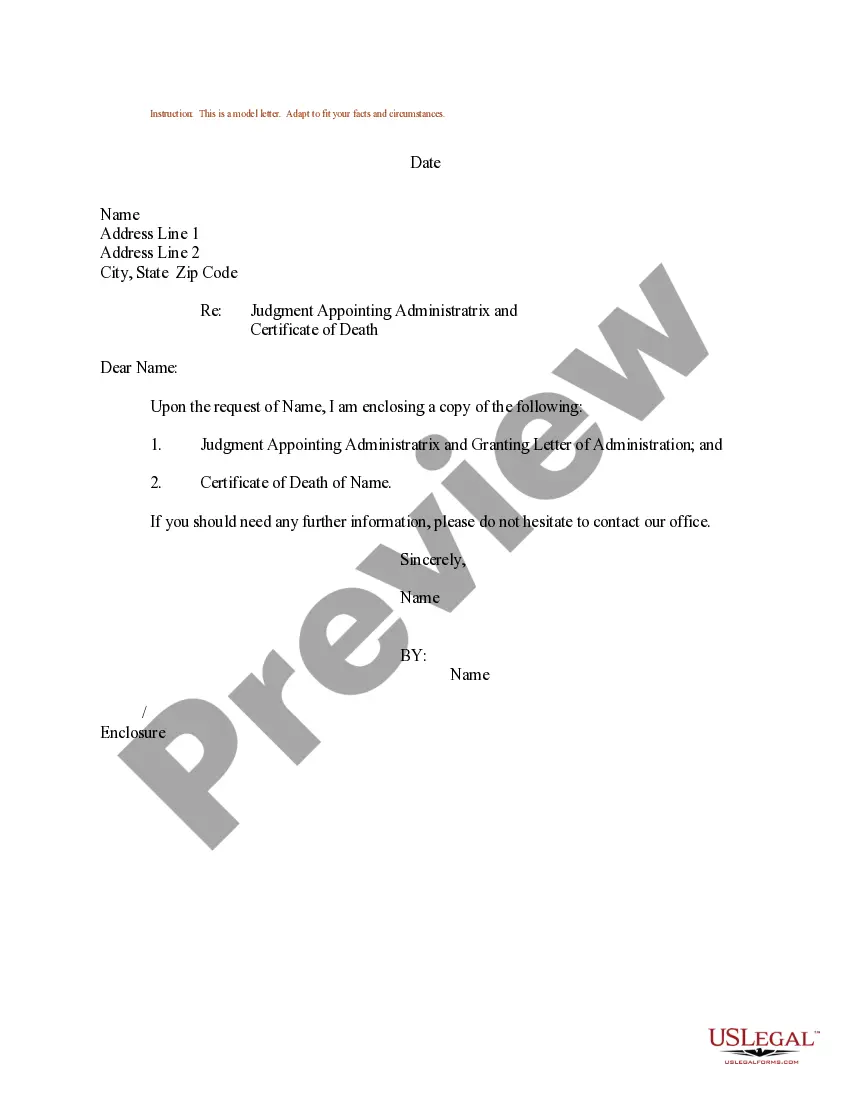
Get your form ready online
Our built-in tools help you complete, sign, share, and store your documents in one place.
Make edits, fill in missing information, and update formatting in US Legal Forms—just like you would in MS Word.
Download a copy, print it, send it by email, or mail it via USPS—whatever works best for your next step.
Sign and collect signatures with our SignNow integration. Send to multiple recipients, set reminders, and more. Go Premium to unlock E-Sign.
If this form requires notarization, complete it online through a secure video call—no need to meet a notary in person or wait for an appointment.
We protect your documents and personal data by following strict security and privacy standards.

Make edits, fill in missing information, and update formatting in US Legal Forms—just like you would in MS Word.

Download a copy, print it, send it by email, or mail it via USPS—whatever works best for your next step.

Sign and collect signatures with our SignNow integration. Send to multiple recipients, set reminders, and more. Go Premium to unlock E-Sign.

If this form requires notarization, complete it online through a secure video call—no need to meet a notary in person or wait for an appointment.

We protect your documents and personal data by following strict security and privacy standards.
Looking for another form?

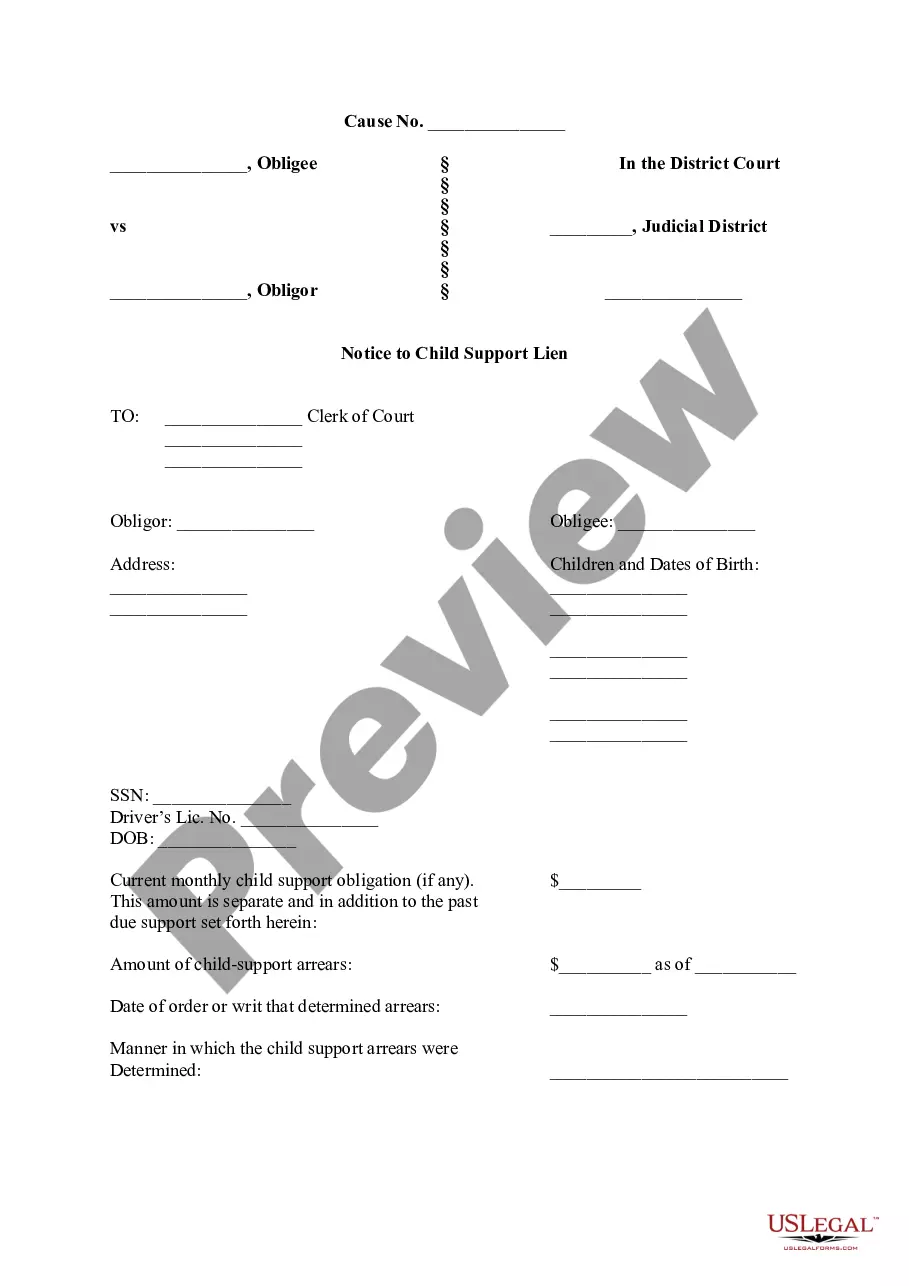


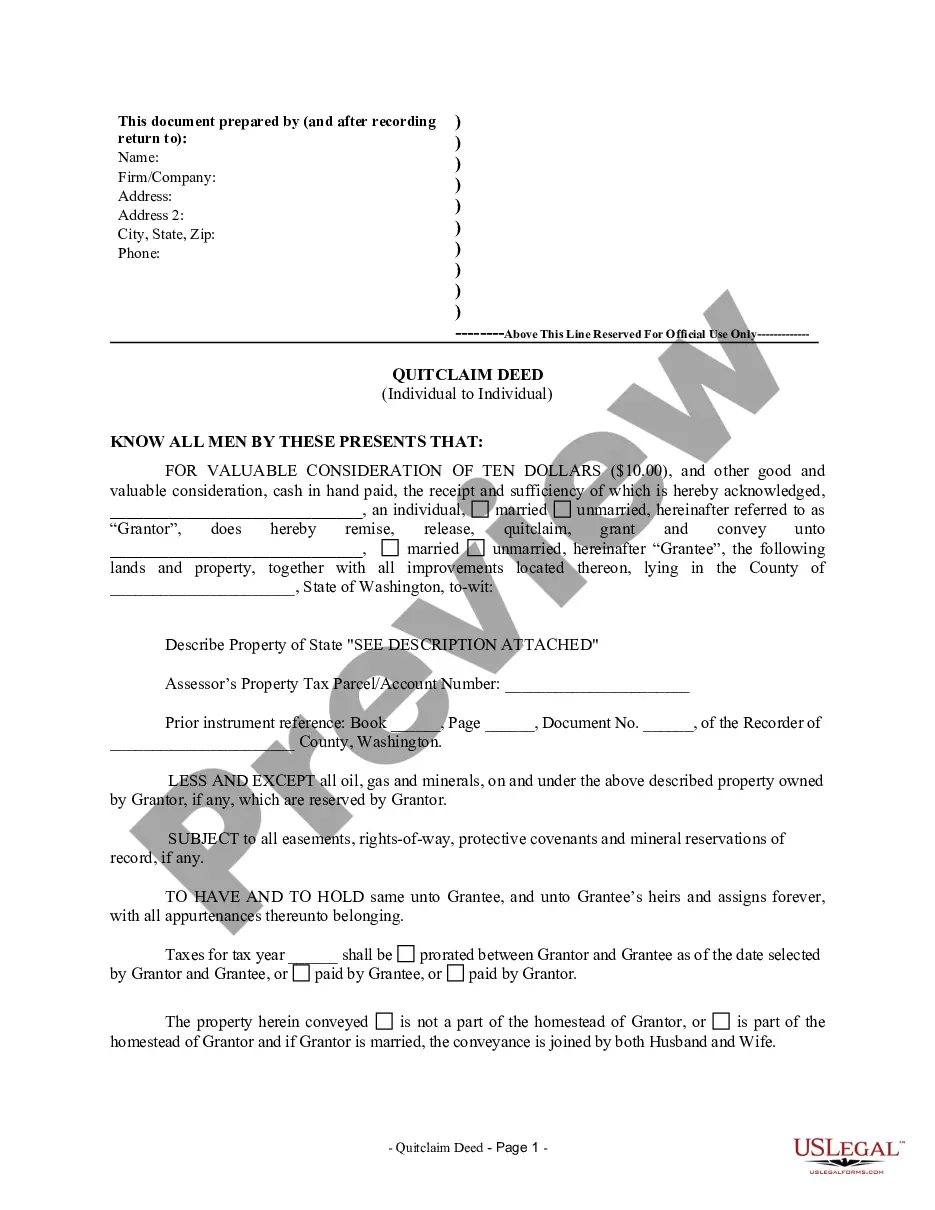

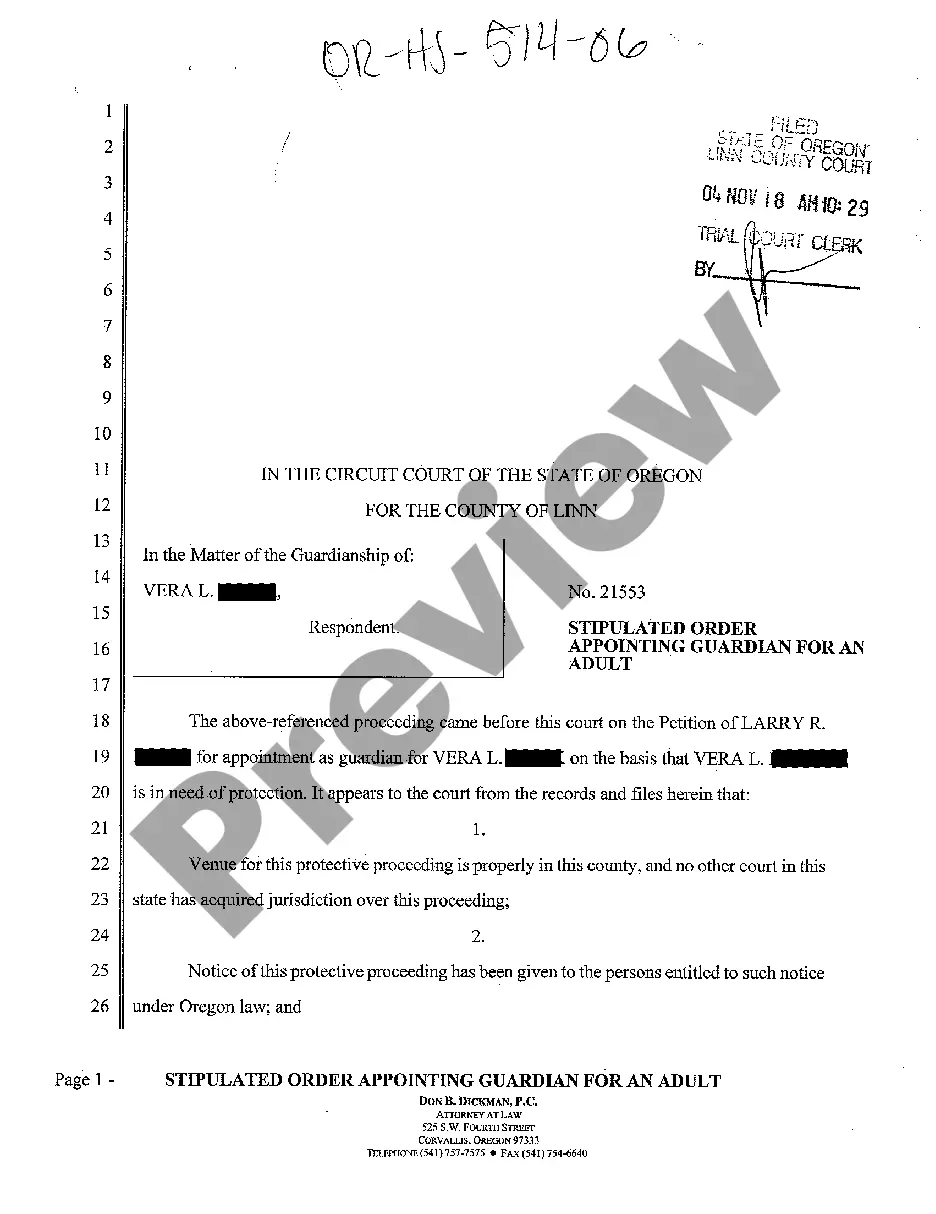
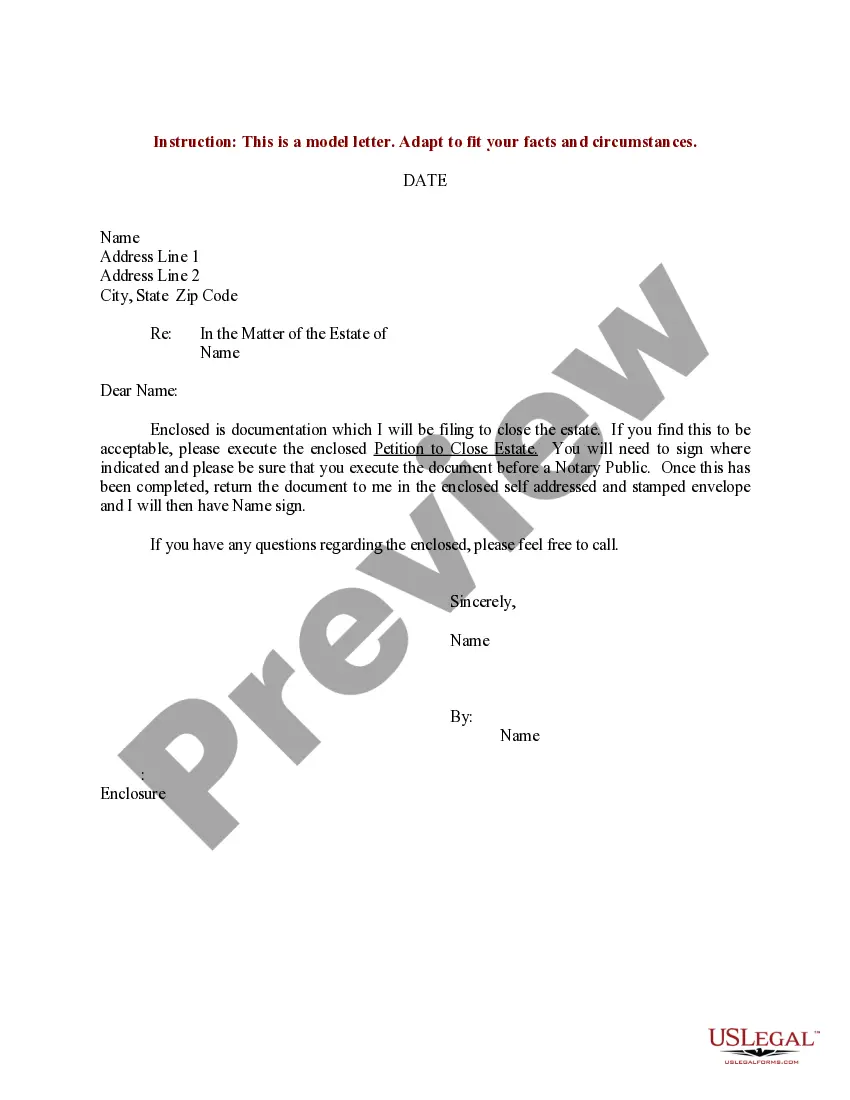
How to fill out Sample Letter For Petition To Appoint Administratrix?
There's no longer a justification to waste time searching for legal documents to meet your local state obligations.
US Legal Forms has assembled all of them in a single location and enhanced their availability.
Our site offers over 85,000 templates for all business and personal legal situations categorized by state and usage area. All forms are correctly drafted and verified for legitimacy, allowing you to be confident in receiving an up-to-date Letter Of Appointment For Deceased.
Select the desired subscription plan and create an account or Log In. Process payment for your subscription via credit card or PayPal to proceed. Choose the file format for your Letter Of Appointment For Deceased and download it to your device. Print your form to fill it out by hand or upload the template if you prefer to complete it in an online editor. Completing official paperwork under federal and state regulations is quick and straightforward with our library. Experience US Legal Forms today to maintain your documentation organized!
- If you are acquainted with our platform and already possess an account, be sure your subscription is active before acquiring any templates.
- Log In to your account, choose the document, and click Download.
- You can also revisit all stored documents whenever necessary by accessing the My documents tab in your profile.
- If you've not utilized our platform before, the process will require a few additional steps to finalize.
- Here's how new users can access the Letter Of Appointment For Deceased from our collection.
- Thoroughly review the page contents to confirm it has the sample you need.
- To assist with this, use the form description and preview options if available.
- Utilize the Search field above to look for another template if the previous one did not meet your needs.
- Click Buy Now next to the template title once you discover the appropriate one.
Form popularity
FAQ
A letter of last instruction is not legally binding like a will or trust. Instead, it is an informal document meant to offer guidance to your loved ones regarding your final wishes. It can serve as a companion to your estate planning documents but does not carry legal weight. Including a letter of appointment for deceased can help clarify your intentions, making it easier for your family to follow your wishes.
A letter of instruction is a non-legal document that outlines your preferences for handling your affairs after your death. It may detail everything from financial arrangements to sentimental items and funeral wishes. While it does not replace a will, it provides guidance and assists those you leave behind. A comprehensive letter of appointment for deceased can enhance the clarity of your instructions.
The purpose of a letter of instruction is to communicate your preferences and directives regarding your estate and personal matters upon your death. It serves to ease the burden on your family by providing clear instructions on your wishes, such as how to manage finances or what to do with your possessions. Additionally, a letter of appointment for deceased can ensure that your loved ones have the support they need during a difficult time.
An example of a letter of instruction upon death is a document that provides guidance on how to handle your personal affairs after you pass away. It may include details on the distribution of your assets, instructions for funeral arrangements, and contact information for professionals involved in your estate. This letter complements the will and serves as an additional resource for your loved ones. A letter of appointment for deceased can effectively clarify your wishes.
A letter of proof of death is an official document that certifies an individual's death. This letter is useful when accessing the deceased's financial accounts or settling their estate. It serves as a formal acknowledgment of the death, and having this document can be integral for those managing the estate and confirming the validity of claims related to the deceased’s assets.
A letter of representation for a deceased person is a legal document that confirms an individual’s role as the representative of the estate. This letter is particularly important when there is no will or appointed executor. It allows the representative to manage the deceased's assets and ensure that their financial matters are handled appropriately and lawfully.
A letter of instruction for a deceased person is a personal document that guides the executor or personal representative on how to handle the deceased's affairs. It may include details regarding funeral arrangements, distribution of personal items, and specific wishes that are not included in the will. This letter can serve as an essential tool for ensuring that the deceased's intentions are honored and followed.
To become a personal representative for a deceased individual, you typically need to file a petition in probate court. This process includes submitting necessary documentation, such as the death certificate and any will, if available. Once approved, the court will issue a letter of appointment for deceased persons, granting you the authority to manage the estate and fulfill your duties as the personal representative.
A letter of appointment for an executor is an official document that empowers an executor to administer a deceased person’s estate according to the terms of their will. This letter confirms the executor’s legal authority to handle the estate’s financial matters and distribute assets to beneficiaries. Having this letter is crucial for the executor to perform their duties and fulfill the deceased's wishes as outlined in the will.
A letter of representation is a document that officially recognizes a person as the representative of a deceased individual's estate. This letter provides the authority to manage the estate's affairs, similar to a letter of appointment for deceased individuals. It often comes into play when the estate does not have a will, and it ensures that the representative can take necessary actions legally and responsibly.