Letter Intent To Homeschool
Description

Get your form ready online
Our built-in tools help you complete, sign, share, and store your documents in one place.
Make edits, fill in missing information, and update formatting in US Legal Forms—just like you would in MS Word.
Download a copy, print it, send it by email, or mail it via USPS—whatever works best for your next step.
Sign and collect signatures with our SignNow integration. Send to multiple recipients, set reminders, and more. Go Premium to unlock E-Sign.
If this form requires notarization, complete it online through a secure video call—no need to meet a notary in person or wait for an appointment.
We protect your documents and personal data by following strict security and privacy standards.

Make edits, fill in missing information, and update formatting in US Legal Forms—just like you would in MS Word.

Download a copy, print it, send it by email, or mail it via USPS—whatever works best for your next step.

Sign and collect signatures with our SignNow integration. Send to multiple recipients, set reminders, and more. Go Premium to unlock E-Sign.

If this form requires notarization, complete it online through a secure video call—no need to meet a notary in person or wait for an appointment.

We protect your documents and personal data by following strict security and privacy standards.
Looking for another form?








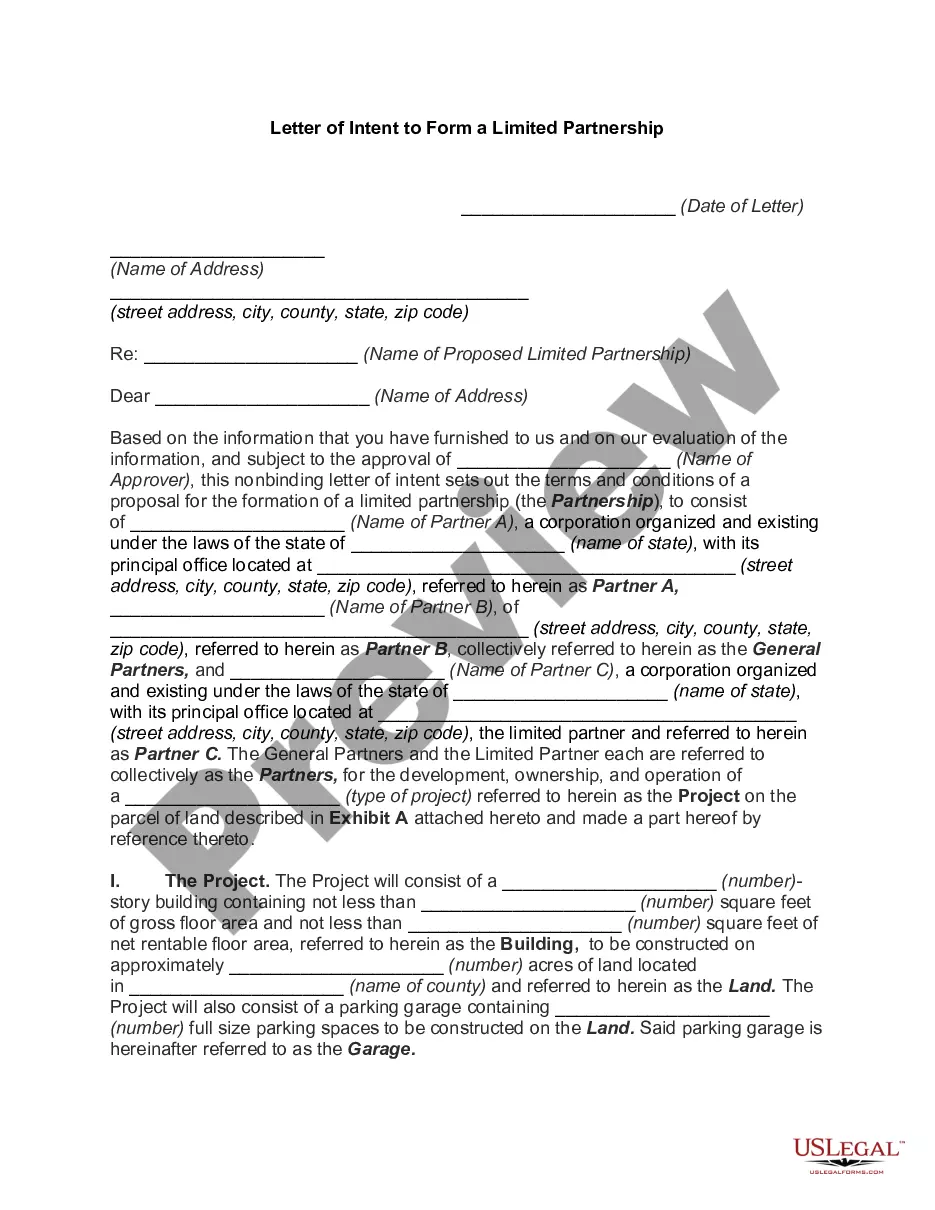
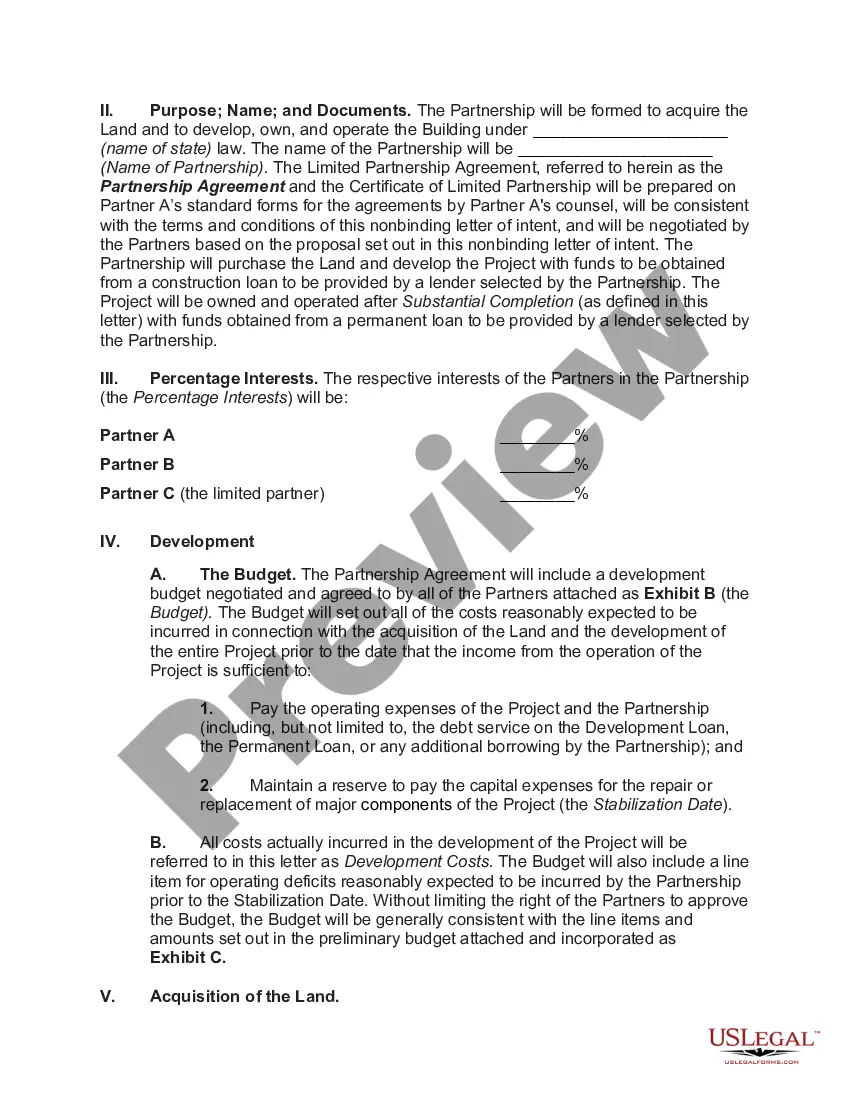
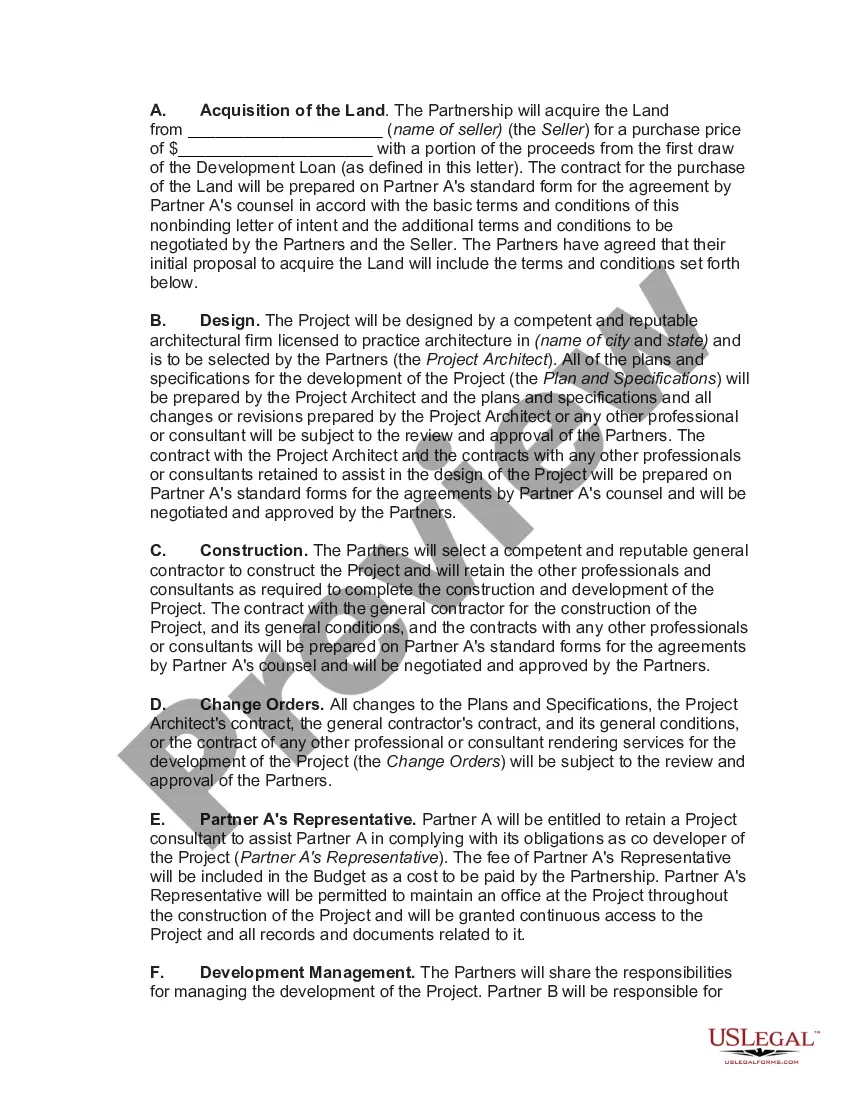
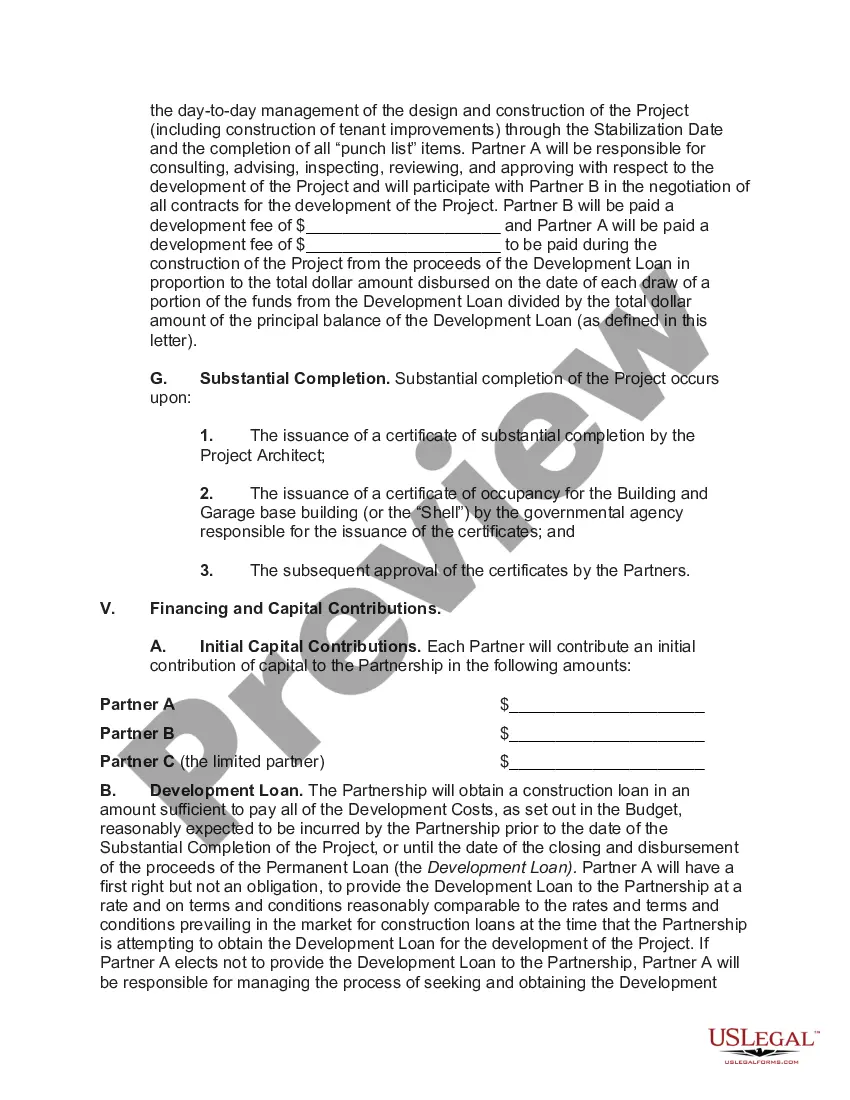
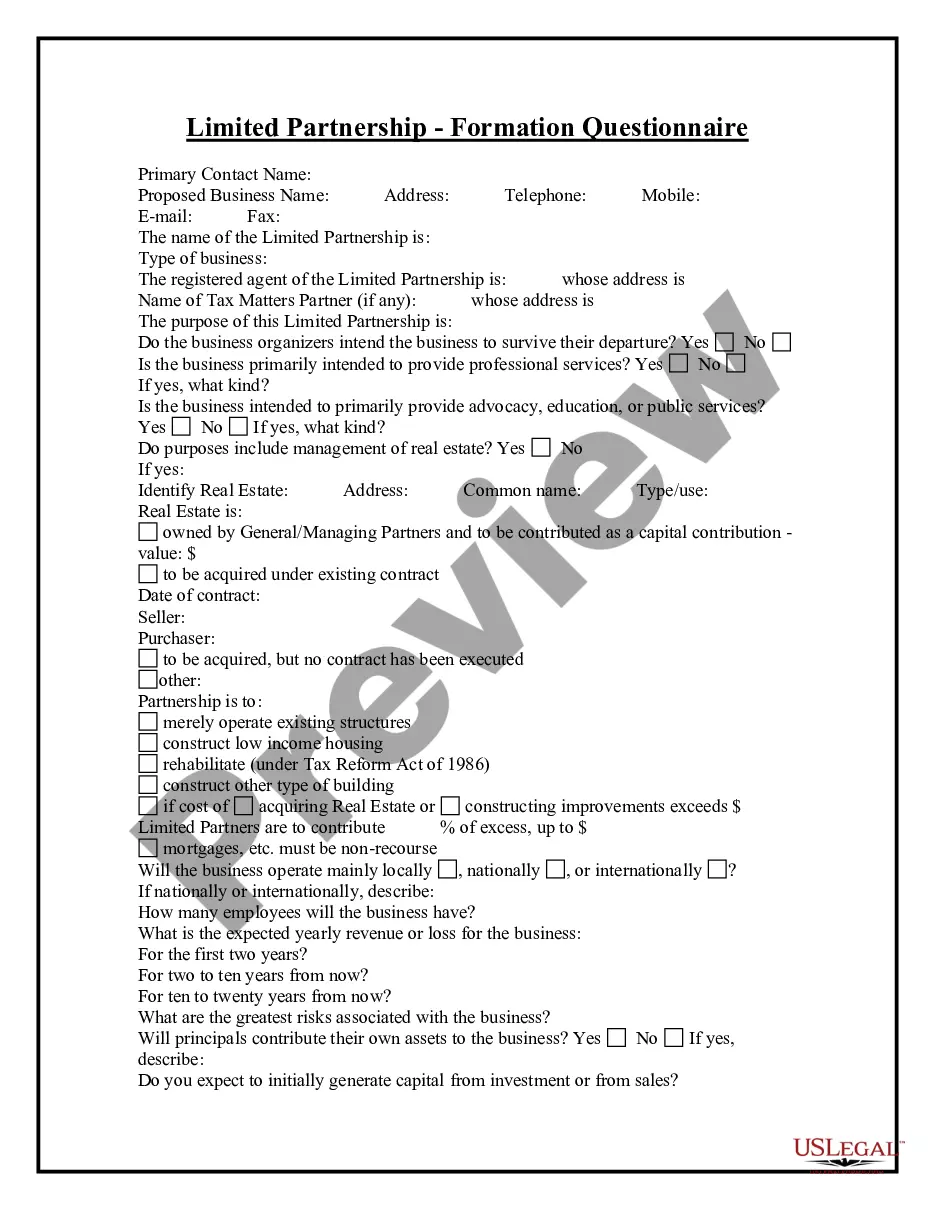
How to fill out Letter Of Intent To Form A Limited Partnership?
Individuals frequently link legal documentation with a complicated process that solely an expert can manage.
In a manner, this is accurate, as preparing a Letter of Intent to Homeschool necessitates significant knowledge of subject criteria, encompassing state and county laws.
Nonetheless, with US Legal Forms, everything has turned more user-friendly: pre-made legal documents for any life and business situation specific to state legislation are compiled in one online directory and are now accessible to everyone.
Select a subscription option that matches your requirements and budget. Create an account or Log In to continue to the payment process. Process payment for your subscription via PayPal or credit card. Choose the format for your document and click Download. Print your file or upload it to an online editor for faster completion. All templates in our catalog are reusable: after purchase, they remain saved in your profile. You can access them anytime via the My documents section. Explore all the benefits of using the US Legal Forms platform. Subscribe now!
- US Legal Forms offers over 85,000 current forms categorized by state and purpose, making the search for a Letter of Intent to Homeschool or any other specific template very quick.
- Existing users with a valid subscription must Log In to their account and click Download to access the form.
- New users to the platform will first be required to register for an account and subscribe before they can download any documents.
- Below is the step-by-step guide on how to obtain the Letter of Intent to Homeschool.
- Examine the page content thoroughly to confirm it meets your requirements.
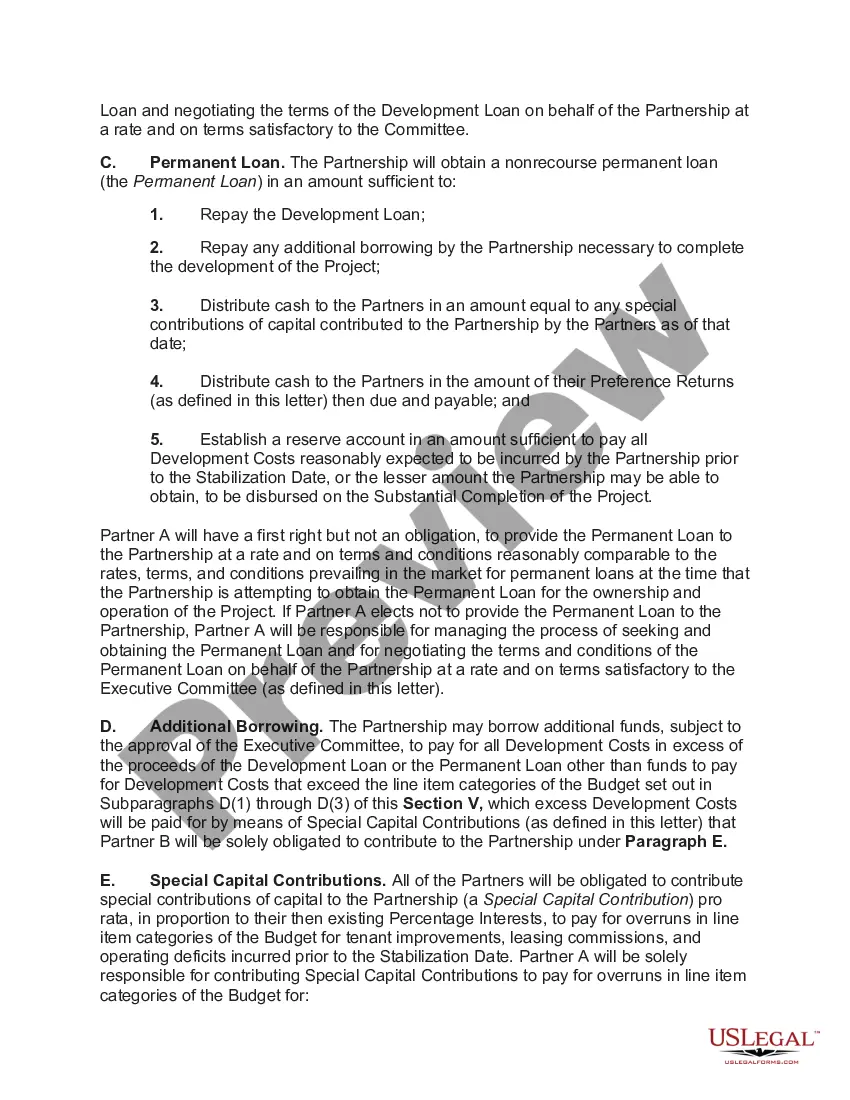
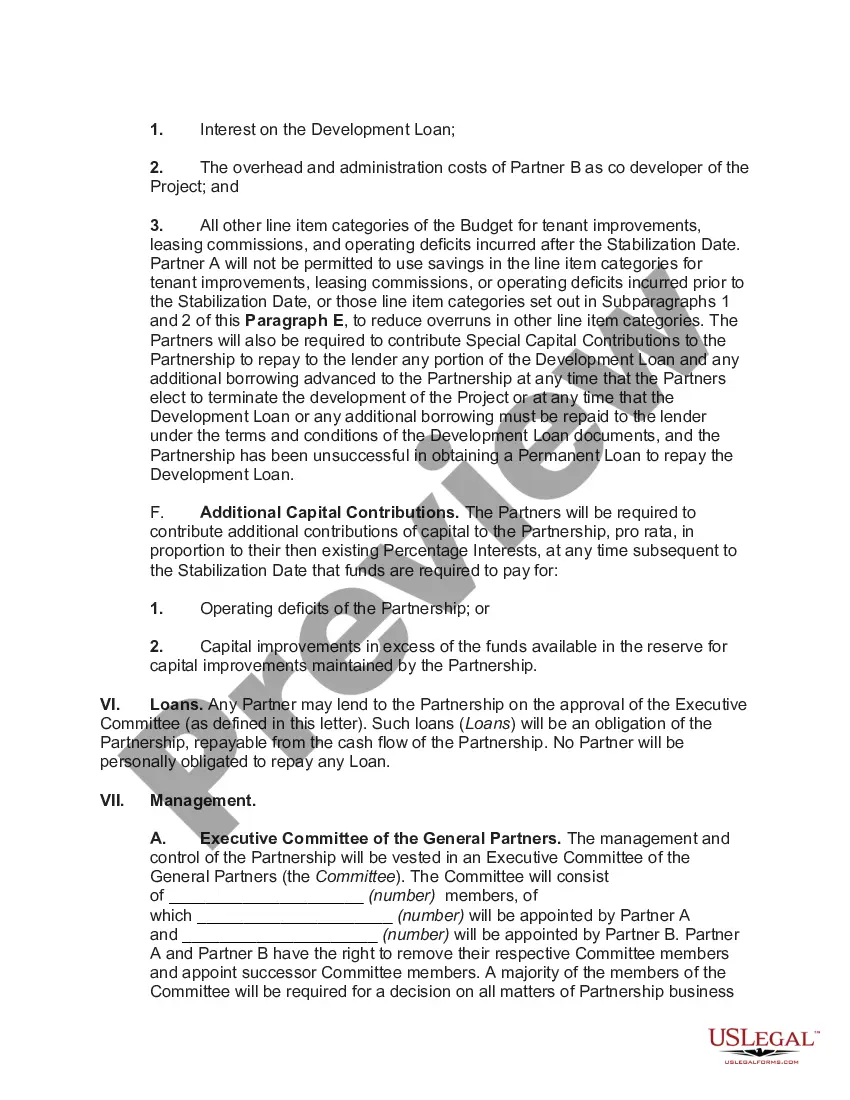
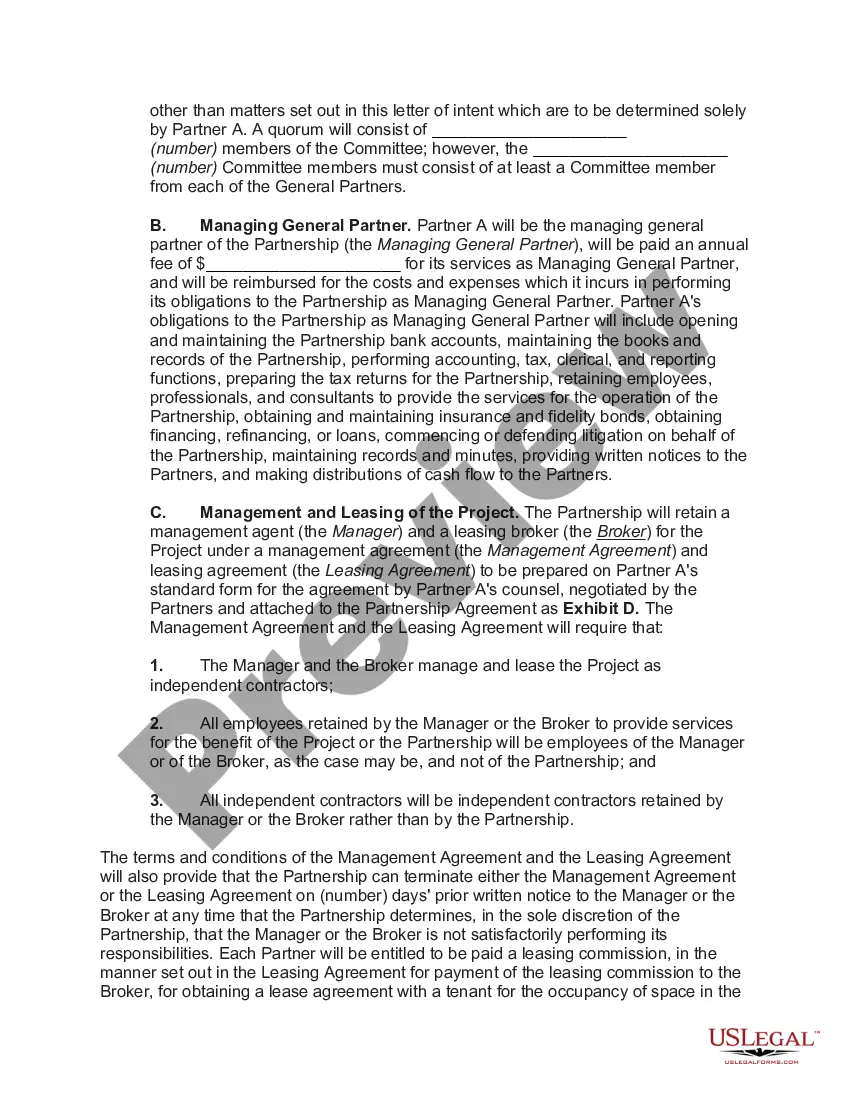
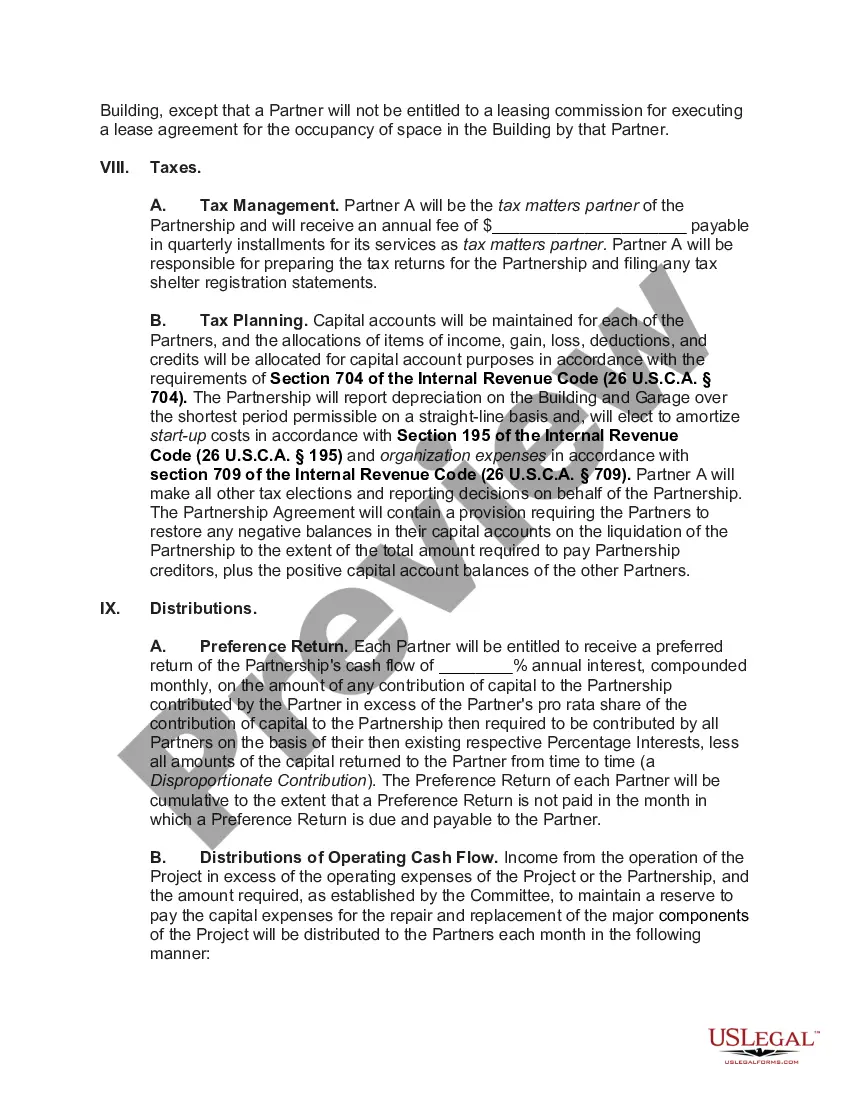
- Read the form overview or check it through the Preview feature.
- Find another example using the Search bar above if the previous one does not meet your expectations.
- Click Buy Now once you identify the appropriate Letter of Intent to Homeschool.
Form popularity
FAQ
In most cases, a letter of intent to homeschool does not need to be notarized. However, requirements can differ significantly between states, so it’s essential to verify your state’s laws. Some areas might request notarization as an added formality, while others accept a simple written statement. Always review your local regulations to ensure you meet all necessary requirements while using our platform for accurate information.
The requirements for a letter of intent to homeschool can vary by state, so it's essential to check your local regulations. Generally, your letter should include your child’s name and age, your signature, and a statement of your intent to homeschool. Some states may require additional documentation, like curriculum outlines or educational plans. To ensure compliance, use US Legal Forms to access state-specific templates and guidelines.
To write a letter of intent to homeschool, start by clearly stating your intent to provide homeschooling for your child. Include your child's name, date of birth, and the address where you will conduct the homeschooling. Additionally, consider mentioning the educational methods you plan to use and any curriculum choices. This letter formally notifies your local school district of your decision and sets the stage for your homeschooling journey.
A letter of intent to homeschool is a simple document you submit to your local school district to declare your intention to educate your children at home. This letter typically includes your name, your child's name, and a statement indicating your choice to homeschool. Additionally, you may outline your educational philosophy and the curriculum you plan to use. If you need assistance drafting this letter, US Legal Forms provides customizable templates that can make the process easier for you.
In most states, a letter of intent to homeschool does not need to be notarized. However, some states may have specific requirements, so you should always check your local regulations. By ensuring compliance with your state's rules, you can focus on providing quality education without unnecessary hurdles.
An intent to homeschool letter should include key details like your child’s name, age, and the dates you intend to provide homeschool education. You might include a statement such as, 'I intend to provide my child, Emma Smith, a full-time homeschool education starting September 2023.' This clarity helps educational authorities understand your intentions.
To send a letter of intent, first create the letter that fits your state requirements. Next, print the letter or convert it into a digital format like PDF. You can then either mail it directly to the school district or use an online submission if available, ensuring that you follow any protocols outlined by your state.
You should send your letter of intent to homeschool to your local school district's office. Each state may have different regulations, so it's vital to check your state’s Department of Education website for specific submission guidelines. By following these guidelines, you ensure your homeschooling plan is officially recognized.
To send a letter of intent to homeschool, you should first draft the letter according to your state’s requirements. After preparing the document, mail it to the appropriate educational authority, which is often your local school district. Additionally, ensure you keep a copy for your records and confirm receipt if possible.
A letter of intent to homeschool typically includes your name, the name of your child, and your address. You should state your intention to homeschool your child and include information about the curriculum you plan to use. An example could be a simple statement like, 'This letter serves as my intention to homeschool my child, John Doe, beginning August 2023.'
