Copyright Release Form For Artwork
Description
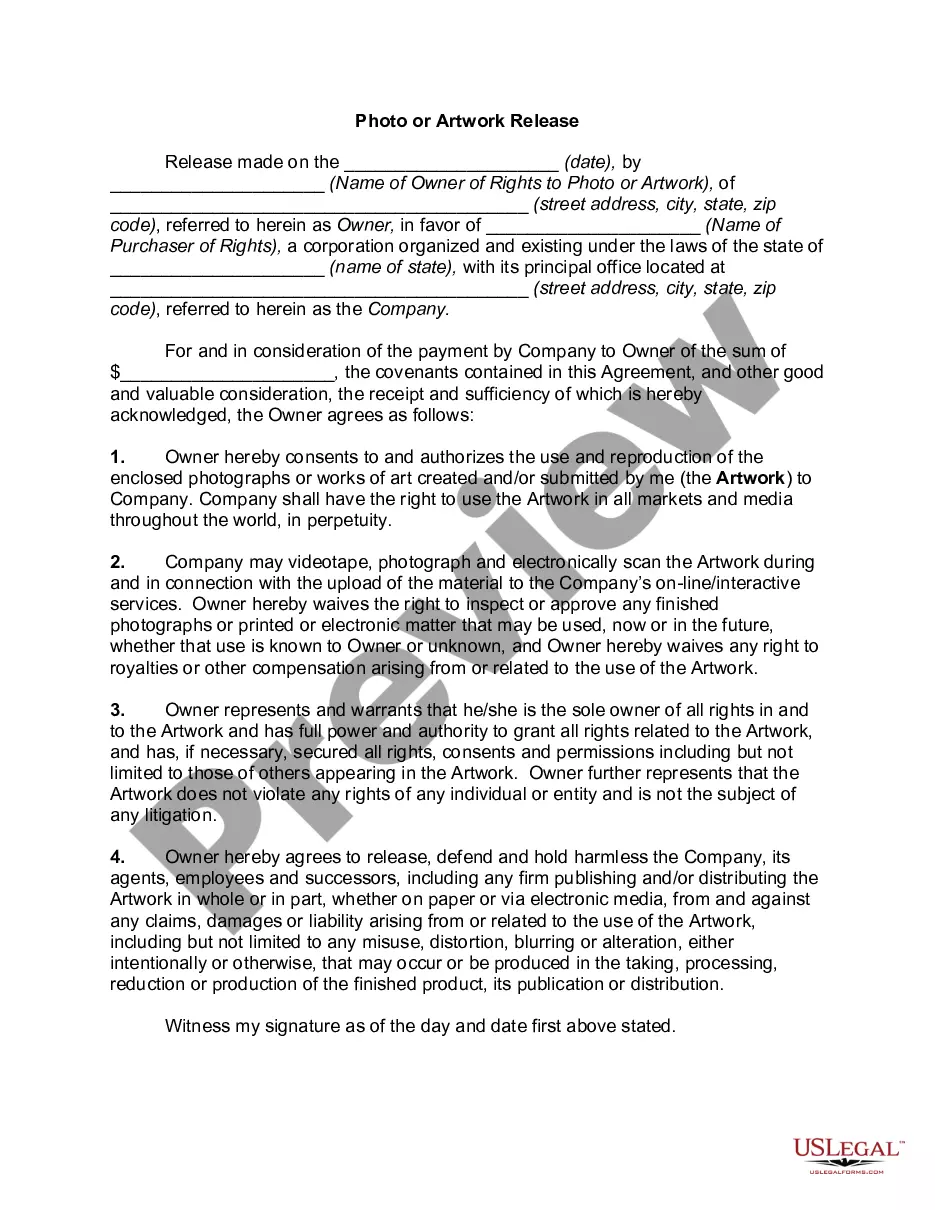
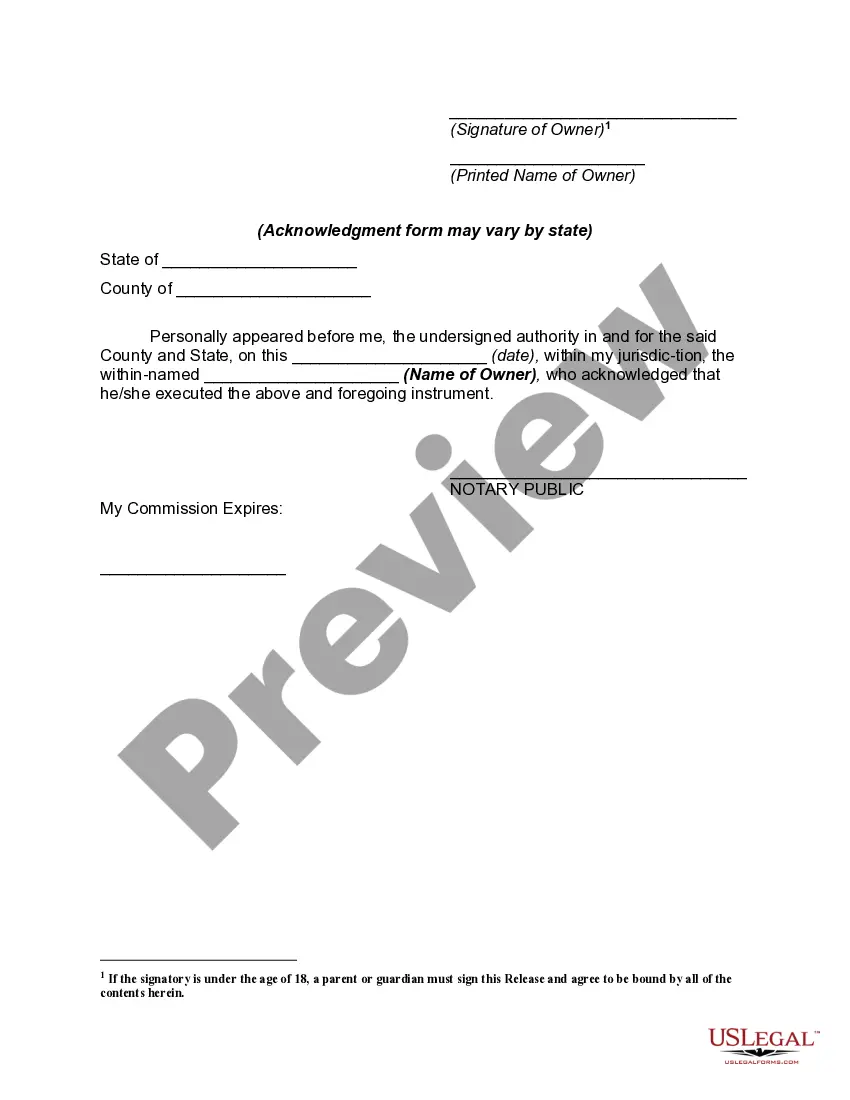
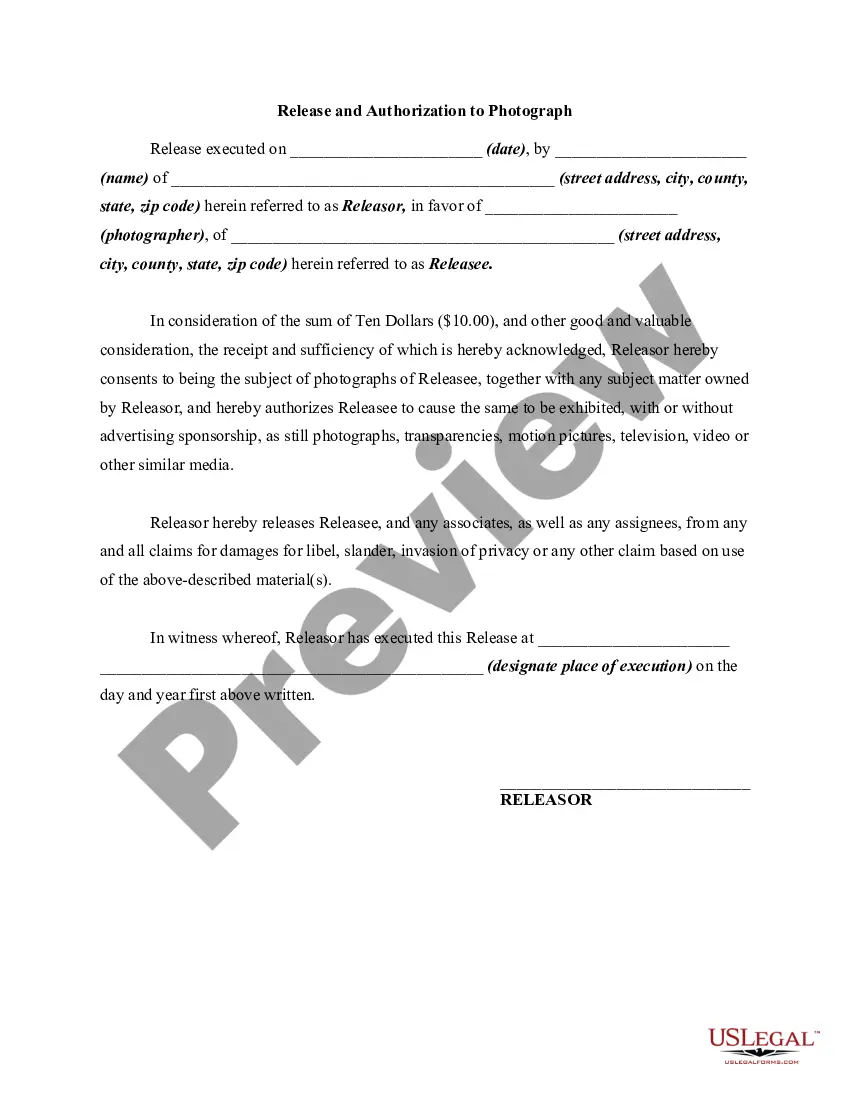
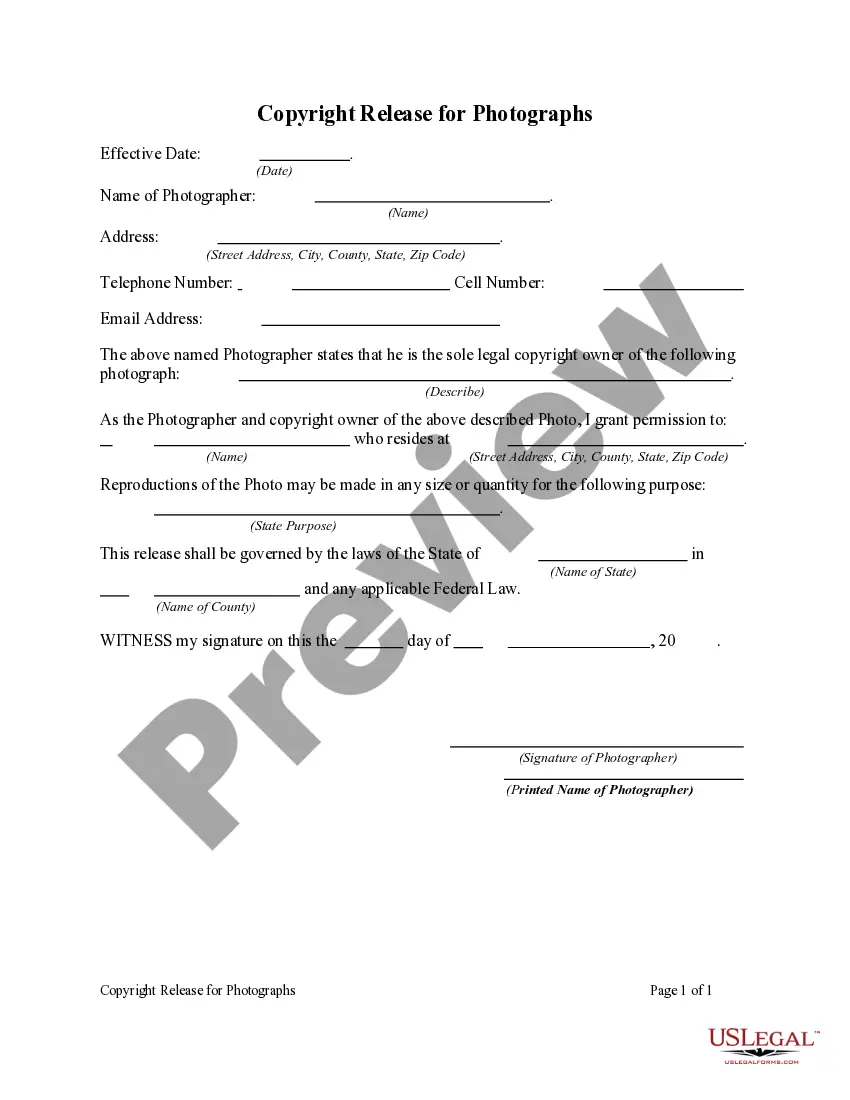
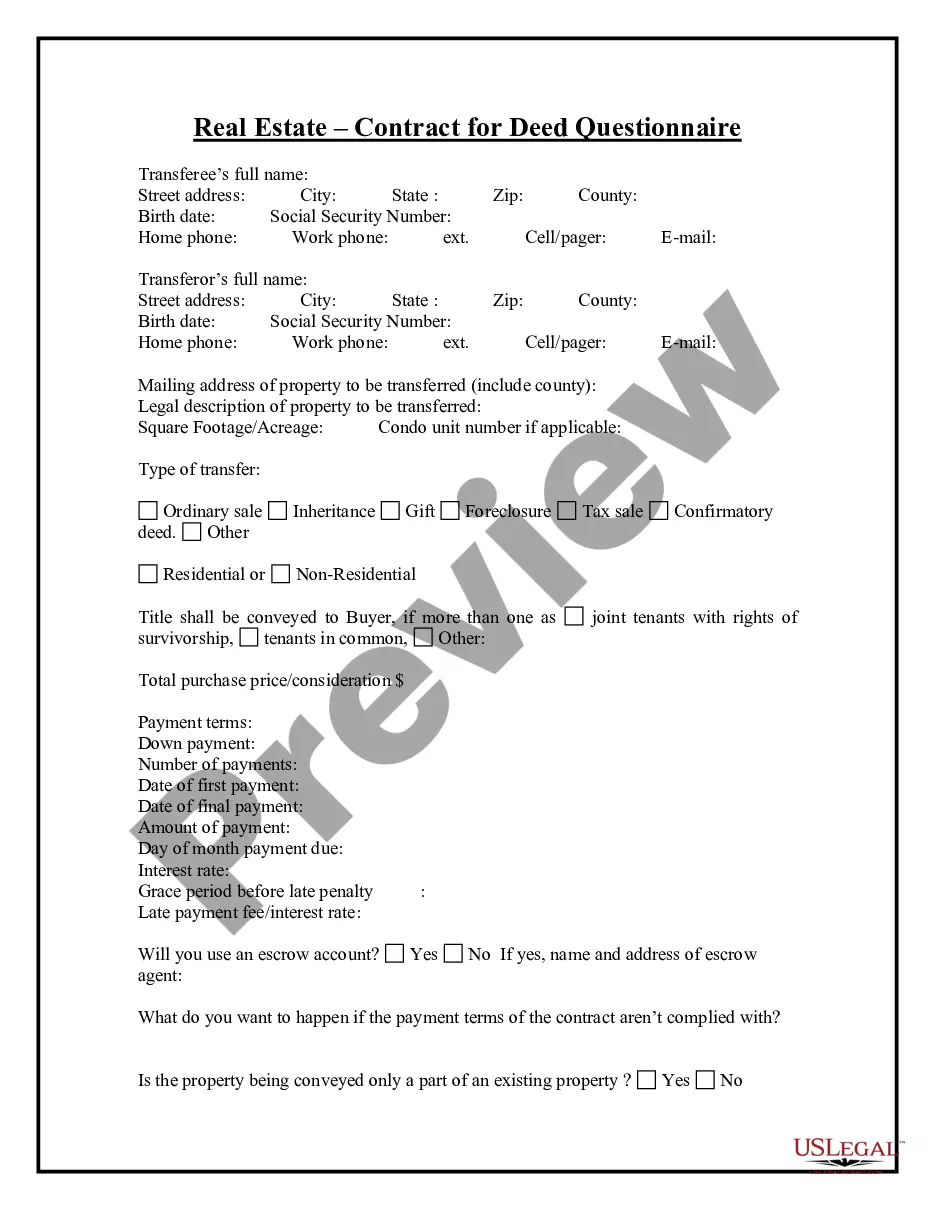
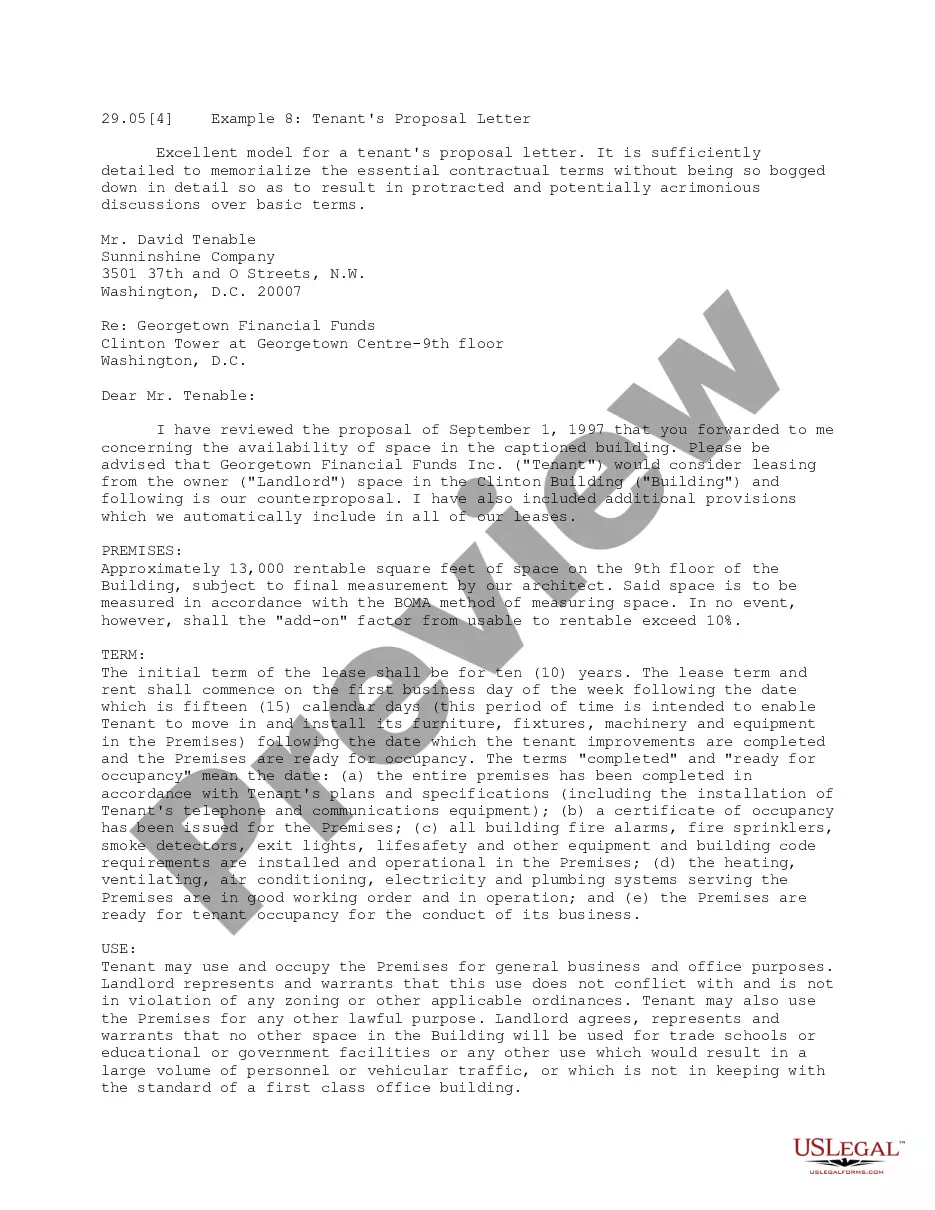
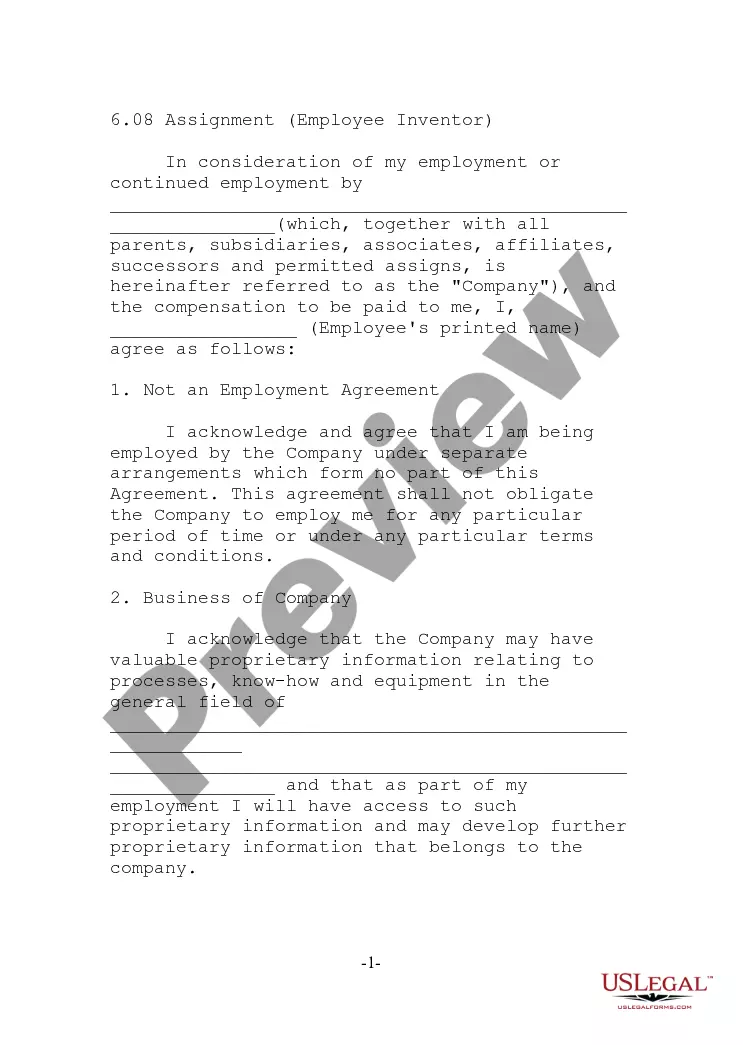
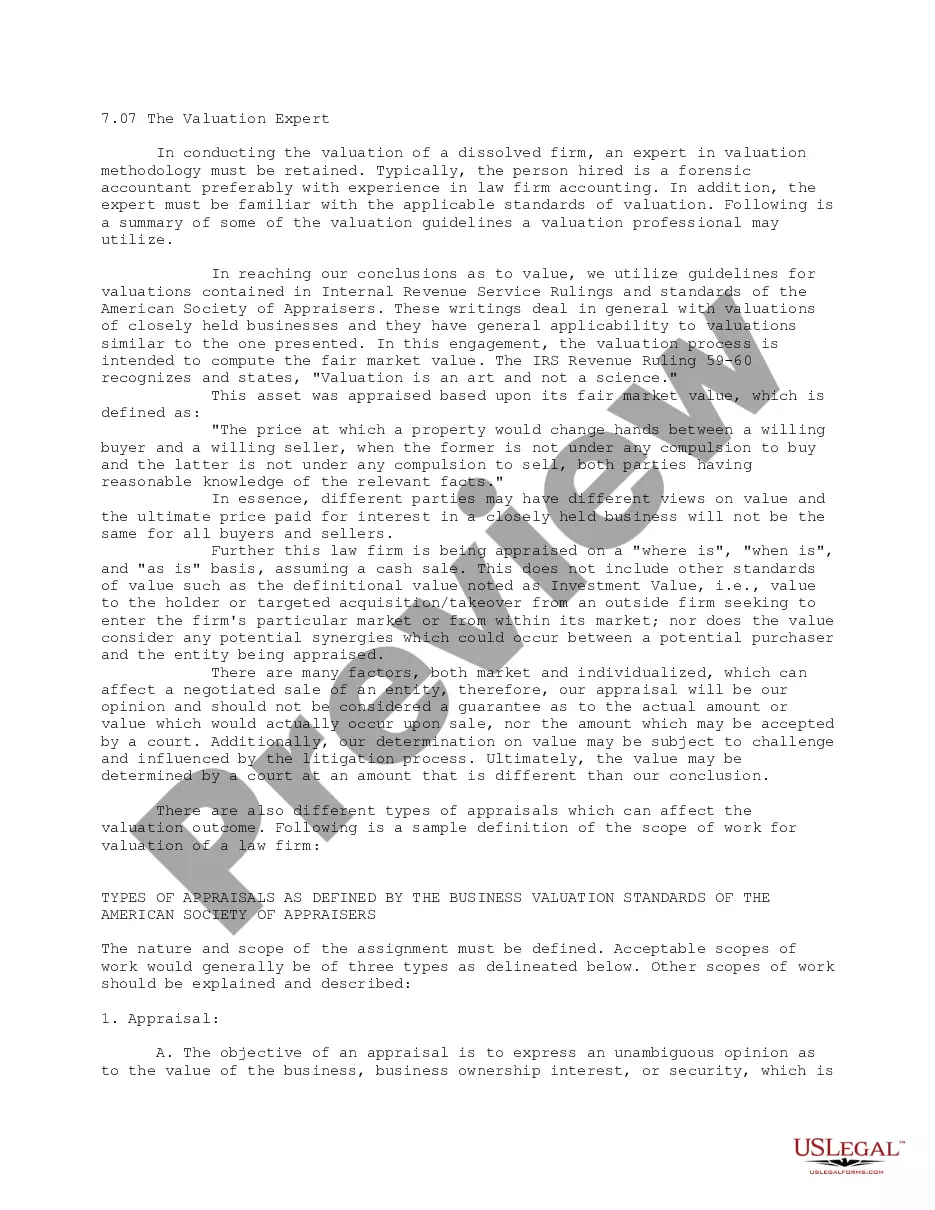
How to fill out Photo Or Artwork Release?
Dealing with legal documentation and processes can be a lengthy addition to your entire day.
Copyright Release Form For Artwork and similar documents often necessitate that you hunt for them and master how to fill them out proficiently.
As a result, if you are managing financial, legal, or personal affairs, utilizing a comprehensive and user-friendly online library of forms readily available will be extremely beneficial.
US Legal Forms is the premier online platform for legal templates, providing over 85,000 state-specific forms and a multitude of tools to help you complete your documentation effortlessly.
Is it your first experience with US Legal Forms? Register and create a free account in just a few minutes to gain access to the form library and Copyright Release Form For Artwork. Then, follow these steps to finalize your form.
- Browse through the assortment of relevant documents accessible to you with just a single click.
- US Legal Forms grants you access to state- and county-specific forms that can be downloaded anytime.
- Protect your document management processes with a high-quality service that enables you to compile any form in minutes without any additional or concealed fees.
- Just Log In to your account, locate Copyright Release Form For Artwork, and download it instantly via the My documents tab.
- You can also retrieve previously downloaded forms.
Form popularity
FAQ
To file a copyright for your artwork, begin by completing a Copyright Release Form for Artwork. This form allows you to transfer rights or grant permission for others to use your art. Visit the US Legal Forms platform to access a reliable template tailored for your needs. Once completed, submit the form to the U.S. Copyright Office, ensuring your artistic creation is protected under copyright law.
An artwork release allows a filmmaker the use of a specific work of art, or reproductions of that art, while protecting the owner's rights. This includes the terms of how the artwork will be used, and payment for its use.
When writing a form, it is important to include the most important terms, such as consent to use the material, limitations on use, compensation, and a waiver of liability. Anyone intending to use someone else's image, likeness, or property in a specific context should obtain it; in some cases, they are required by law.
The following are some of the sections or clauses that should be included in any artwork release form you sign: The artwork. ... The rights being granted. ... The time period during which the rights are granted. ... Compensation for the rights granted.
To register your work with the Copyright Office, you must submit an application, the appropriate filing fee, and a copy of the work to be registered. The general rule is that a separate application for registration should be submitted for each work together with the a separate filing fee and deposit copy.
For example, if you design a lamp with a sculpture in its base, the sculpture can be copyrighted, but the utilitarian aspects of the lamp cannot. If you buy a piece of artwork, you will own the art, but you will not own the copyright to it unless the artist has specifically transferred the copyright to you.