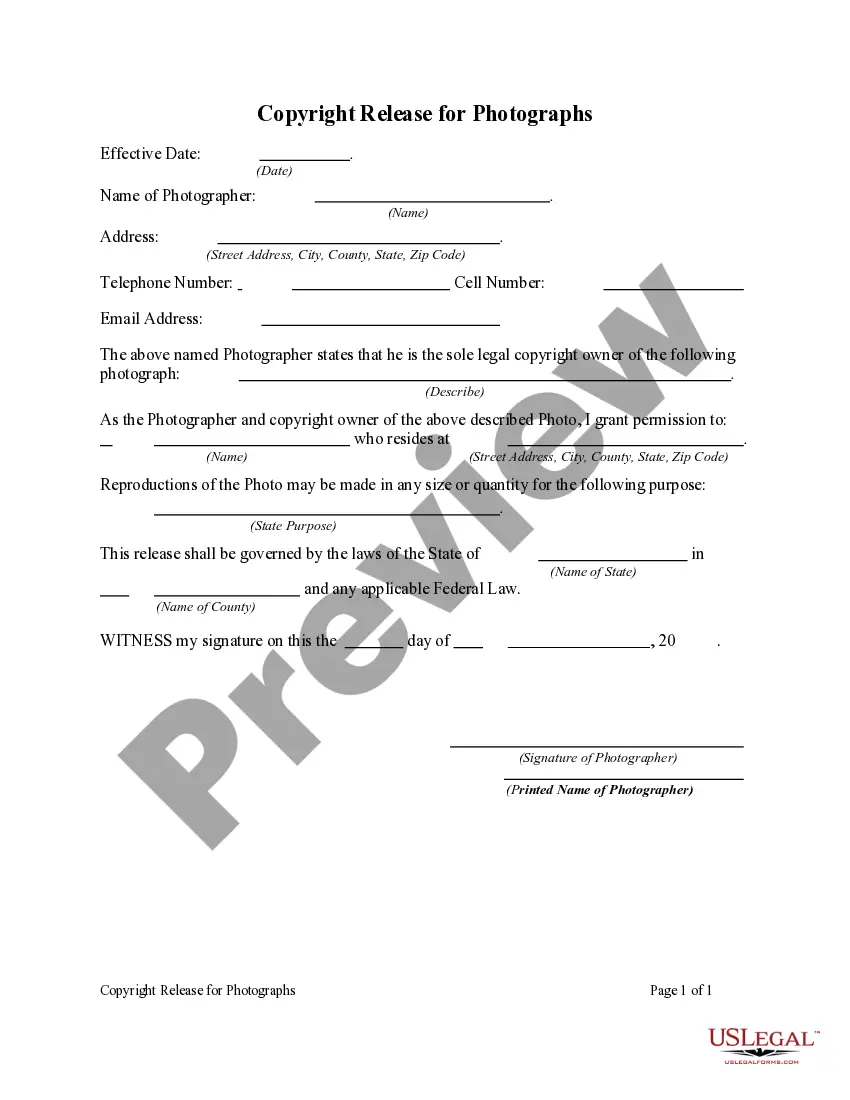
Copyright For Photographs
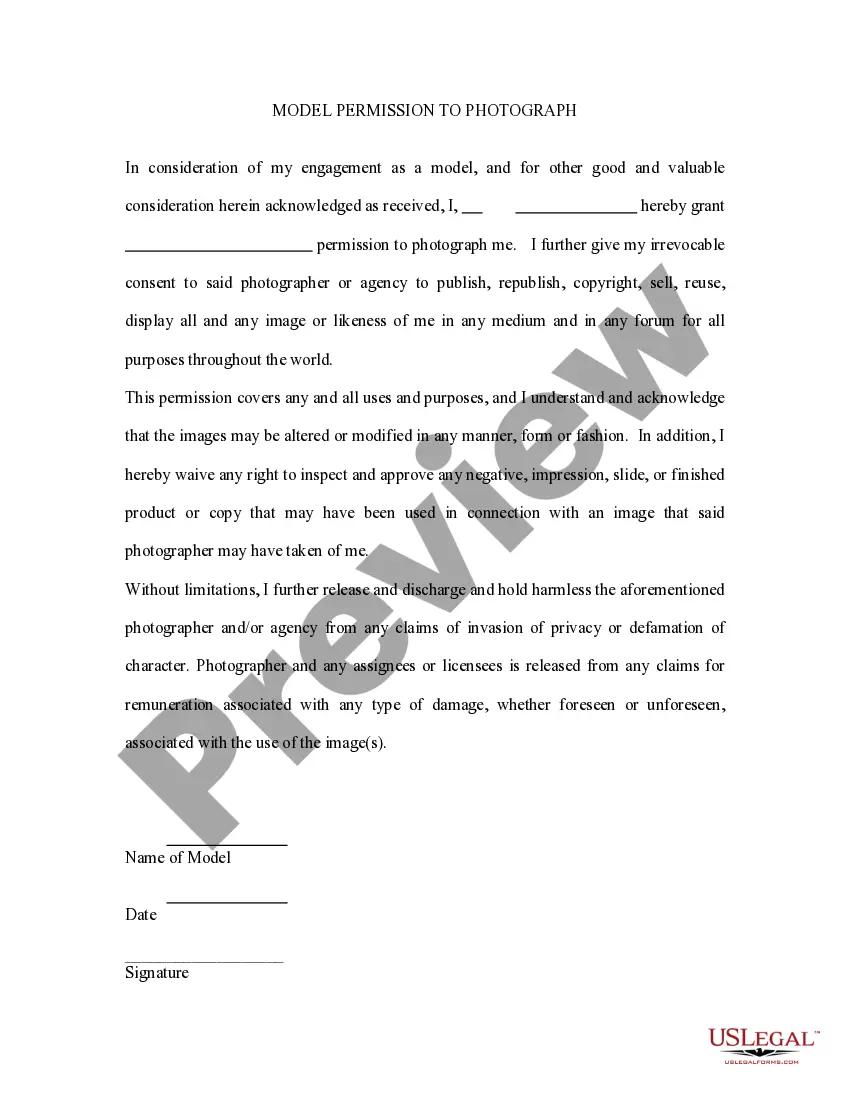
Description
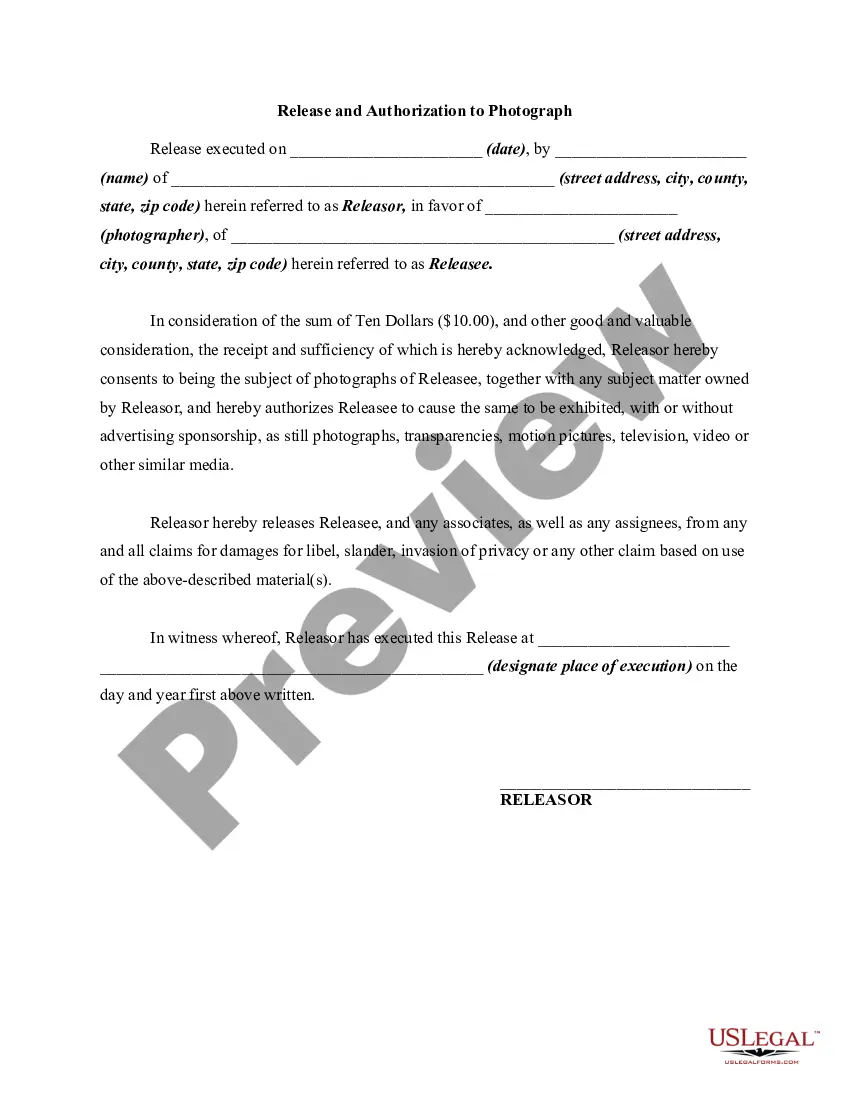
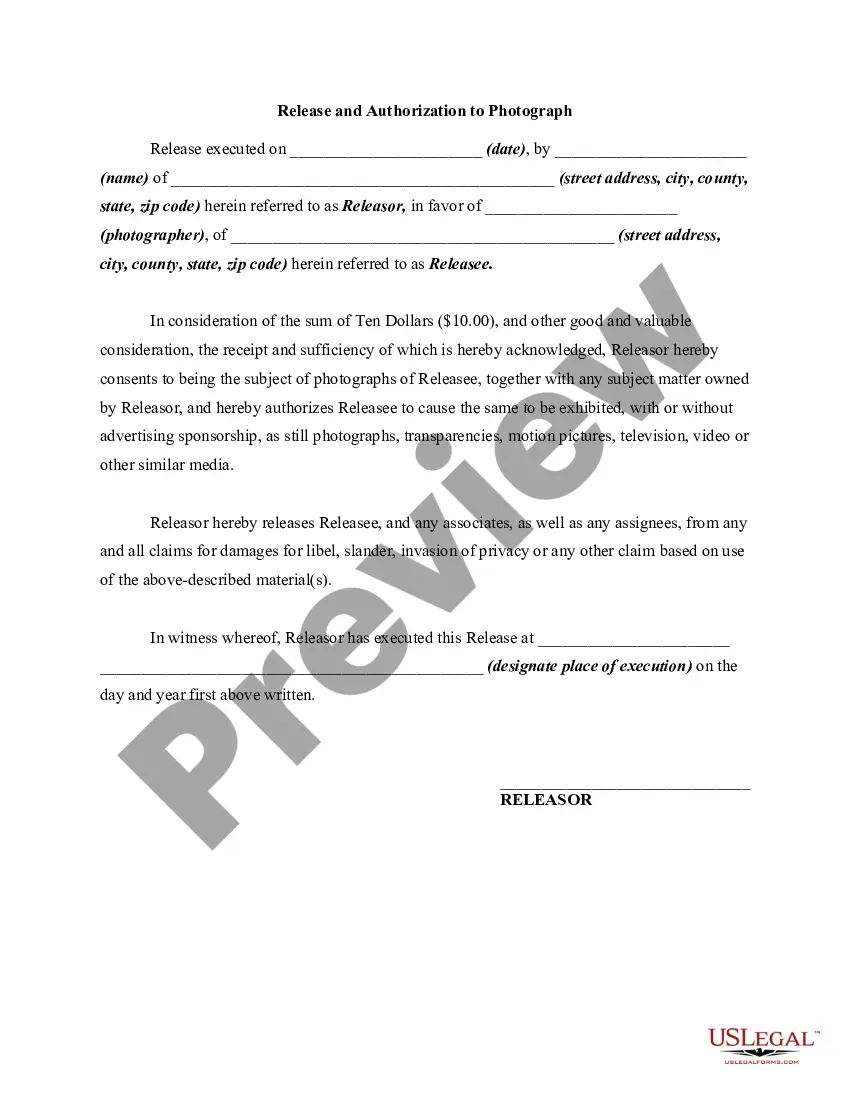
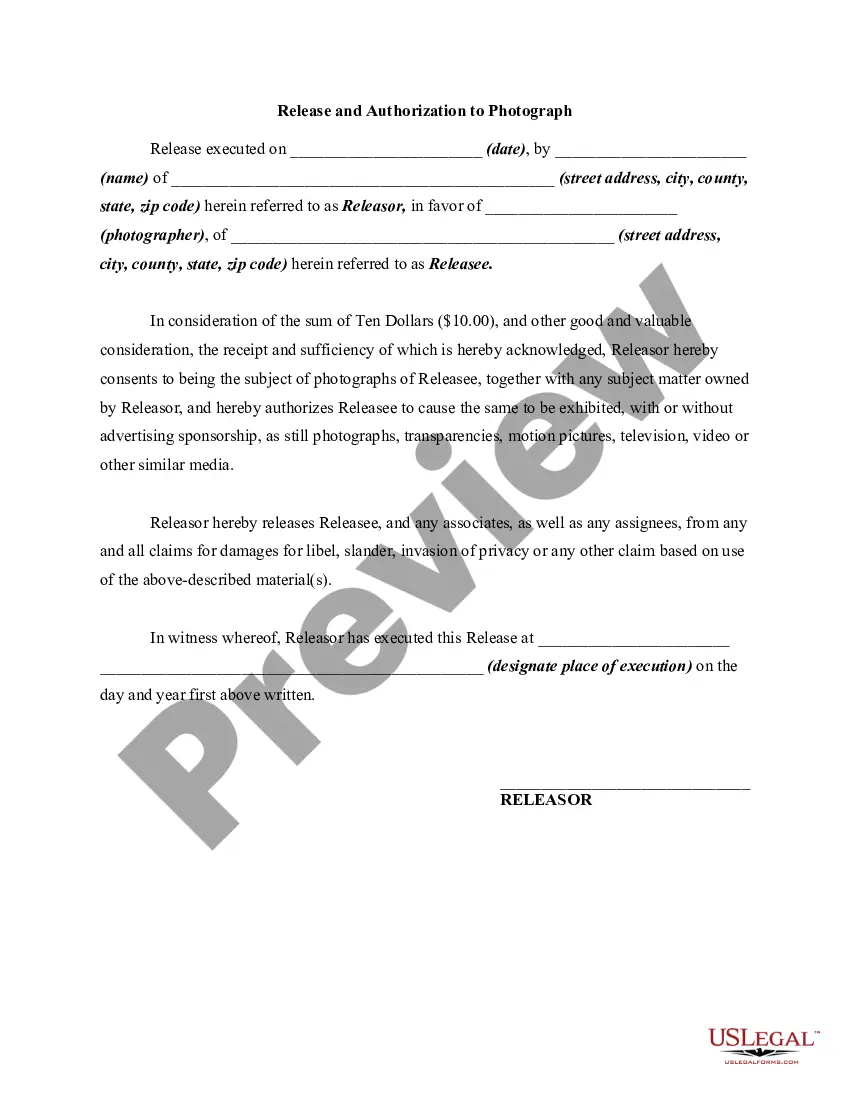
Get your form ready online
Our built-in tools help you complete, sign, share, and store your documents in one place.
Make edits, fill in missing information, and update formatting in US Legal Forms—just like you would in MS Word.
Download a copy, print it, send it by email, or mail it via USPS—whatever works best for your next step.
Sign and collect signatures with our SignNow integration. Send to multiple recipients, set reminders, and more. Go Premium to unlock E-Sign.
If this form requires notarization, complete it online through a secure video call—no need to meet a notary in person or wait for an appointment.
We protect your documents and personal data by following strict security and privacy standards.

Make edits, fill in missing information, and update formatting in US Legal Forms—just like you would in MS Word.

Download a copy, print it, send it by email, or mail it via USPS—whatever works best for your next step.

Sign and collect signatures with our SignNow integration. Send to multiple recipients, set reminders, and more. Go Premium to unlock E-Sign.

If this form requires notarization, complete it online through a secure video call—no need to meet a notary in person or wait for an appointment.

We protect your documents and personal data by following strict security and privacy standards.
Looking for another form?

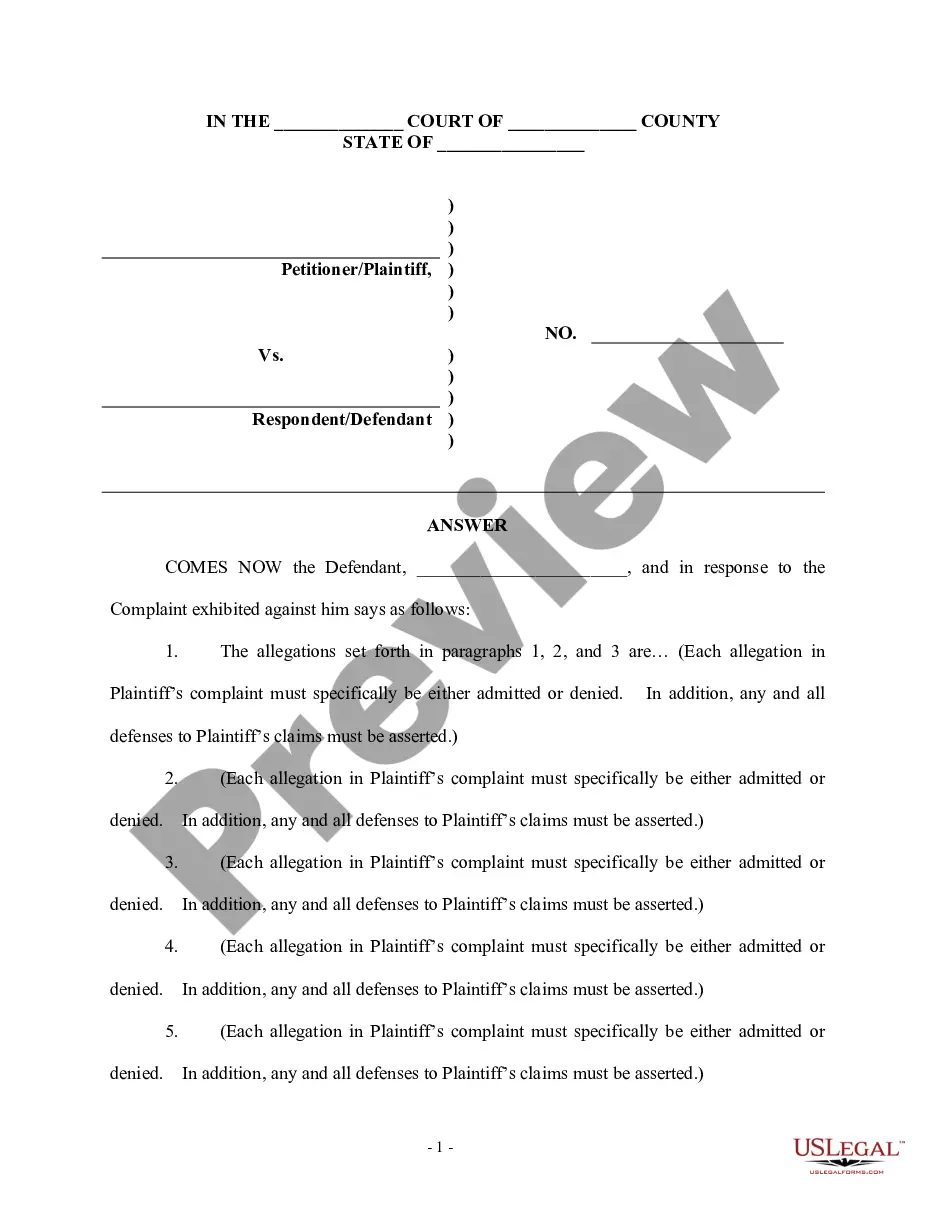


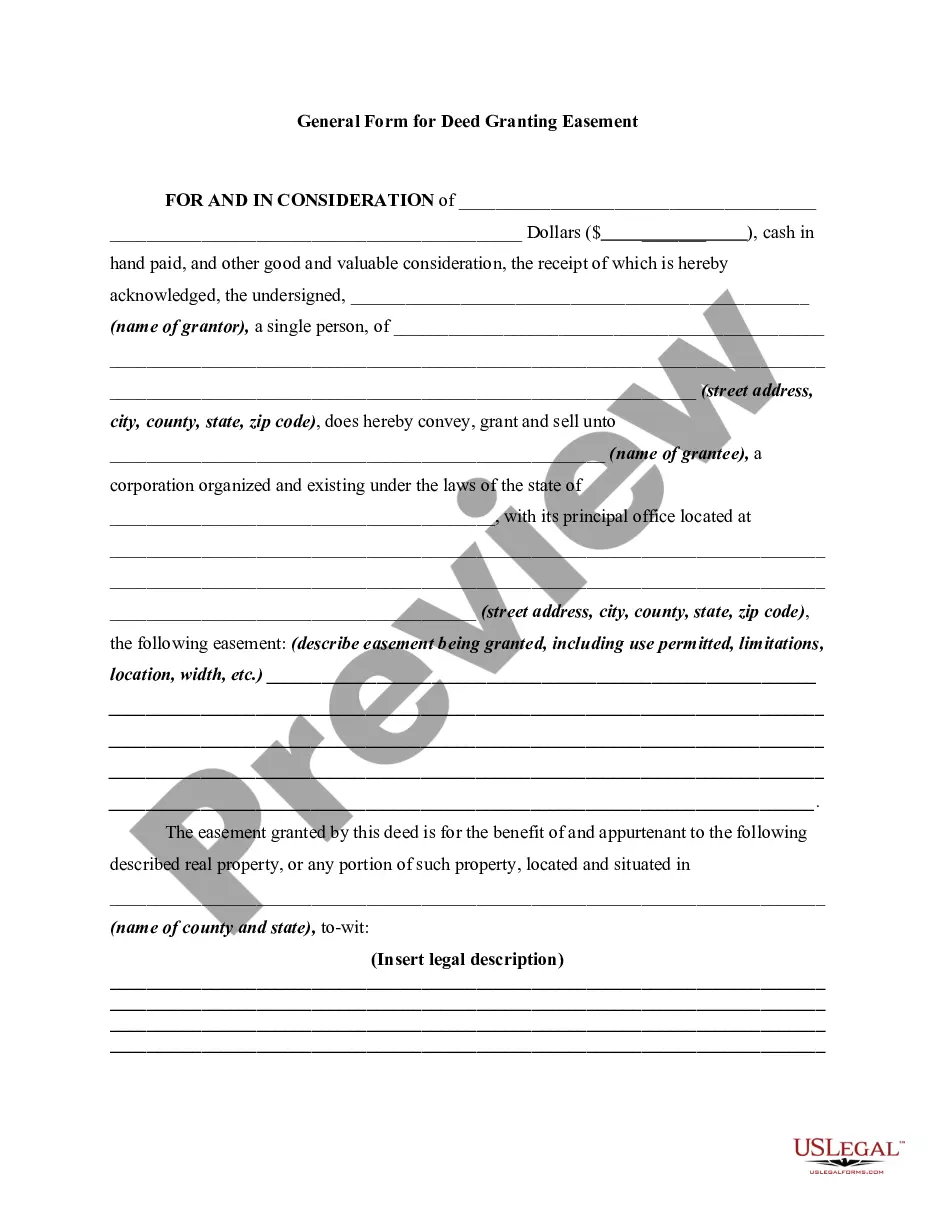
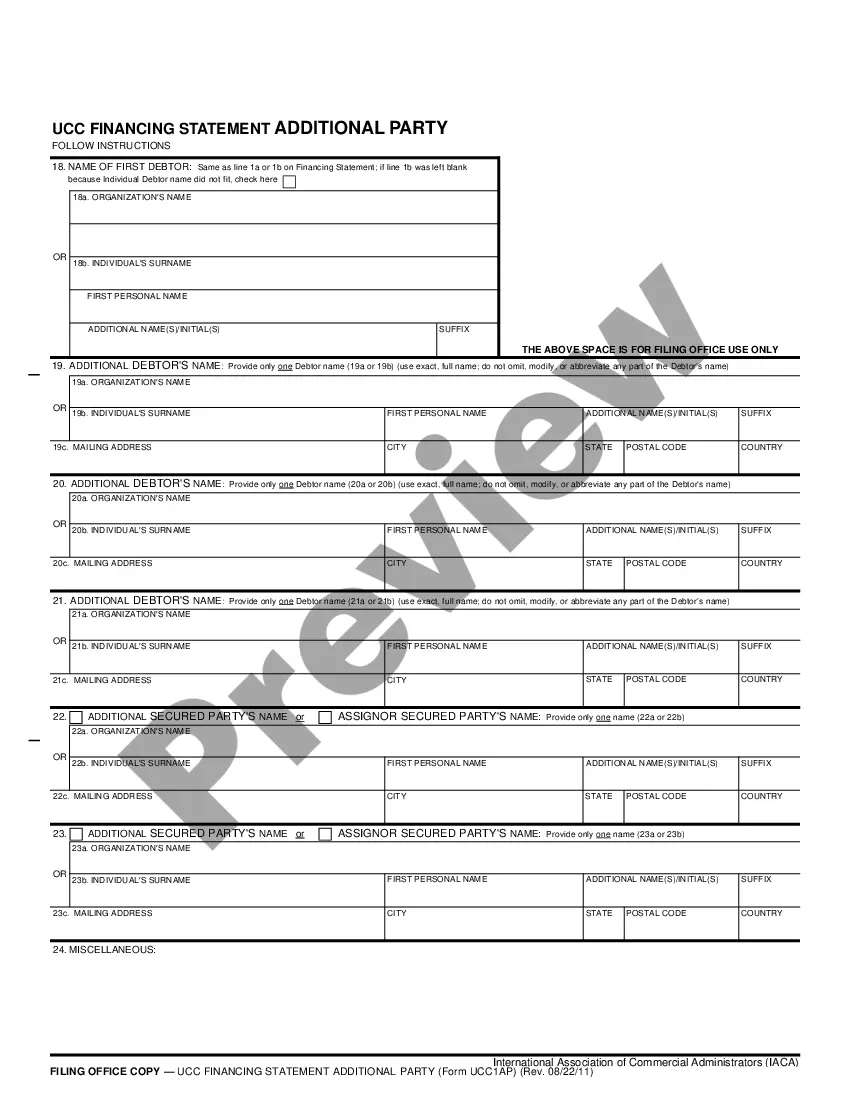



How to fill out Copyright Release For Photographs?
There's no longer any reason to squander time searching for legal paperwork to meet your local state obligations.
US Legal Forms has collected all of them in one location and made their access easier.
Our website provides over 85k templates for any business and personal legal scenarios classified by state and usage area.
Easily prepare official documents under federal and state laws with our library. Experience US Legal Forms today to organize your paperwork!
- All forms are properly crafted and verified for authenticity, ensuring your receipt of an up-to-date Copyright For Photographs.
- If you are acquainted with our platform and already possess an account, it is essential to confirm your subscription is active before retrieving any templates.
- Log In to your account, select the document, and click Download.
- You can also revisit all obtained documents at any time by navigating to the My documents tab in your profile.
- If you have never utilized our platform before, the process will require a few additional steps to finish.
- Here’s how new users can find the Copyright For Photographs in our catalog.
- Examine the page content closely to ensure it contains the sample you require.
- To do so, use the form description and preview options if available.
Form popularity
FAQ
Yes, you should definitely put copyright on your photos. By asserting your copyright for photographs, you safeguard your creative work against unauthorized use and reproduction. Reasonably implementing copyright registration not only secures your rights but also enhances your ability to defend those rights legally. UsLegalForms can aid you in understanding the importance of copyright and assist with the registration process.
You can copyright your photographs by documenting them and maintaining a record of your creation process. While registration is not required for copyright protection, registering your work with the U.S. Copyright Office offers significant benefits. UsLegalForms provides valuable resources that guide you through the registration process, ensuring your copyright for photographs is strong and secure.
To put copyright on your photographs, you must create an original work and express it in a tangible form. Typically, when you capture a photo, you automatically gain copyright for that image. However, you can enhance your protection by registering your copyright with the U.S. Copyright Office. This registration provides legal advantages, particularly if someone infringes on your copyright for photographs.
To get a copyright for photographs, you must create original images that are fixed in a tangible medium, like digital files or prints. Once you have your photos, you should register them with the U.S. Copyright Office for additional legal protection. This registration helps establish a public record of your copyright and provides you with legal advantages in case of infringement. You can easily navigate this process on the UsLegalForms platform, which offers resources and templates to help you secure copyright for your photographs.
Writing copyright on a photo involves placing the © symbol followed by your name and the year it was taken. For example, you can write © Your Name 2023 at the bottom of the image or in the file metadata. This act reinforces your claim to the work and is an important step to protect your rights as a photographer.
To give copyright credit to a photo, clearly mention the photographer's name and the copyright details. For instance, you might write 'Photo by Your Name © 2023' beneath the image. This acknowledgment is crucial for respecting copyright for photographs and honoring the creator's contribution.
A copyright disclaimer for a photo should be concise and straightforward. Include a statement like 'Copyright © Your Name 2023. All rights reserved.' This statement informs viewers that the photo is protected under copyright law, affirming your rights as the creator.
To add a copyright symbol to a picture, you can use image editing software. Simply insert the © symbol along with your name and the date in a corner of the image. This practice emphasizes your ownership of the photograph and deters unauthorized use.
To write copyright on a photo, you should include the © symbol followed by your name and the year of creation. For example, © Your Name 2023. This notation asserts your rights as the copyright holder and helps protect your work, ensuring others know whom to credit for the photograph.
You do not need to formally register copyright for your photos, as they are automatically protected upon creation. However, registering your copyright can provide additional legal benefits in case of infringement. Utilizing services like USLegalForms can help you understand the process and advantages of securing your copyright for photographs.