Hold Harmless Letter For Banks
Description
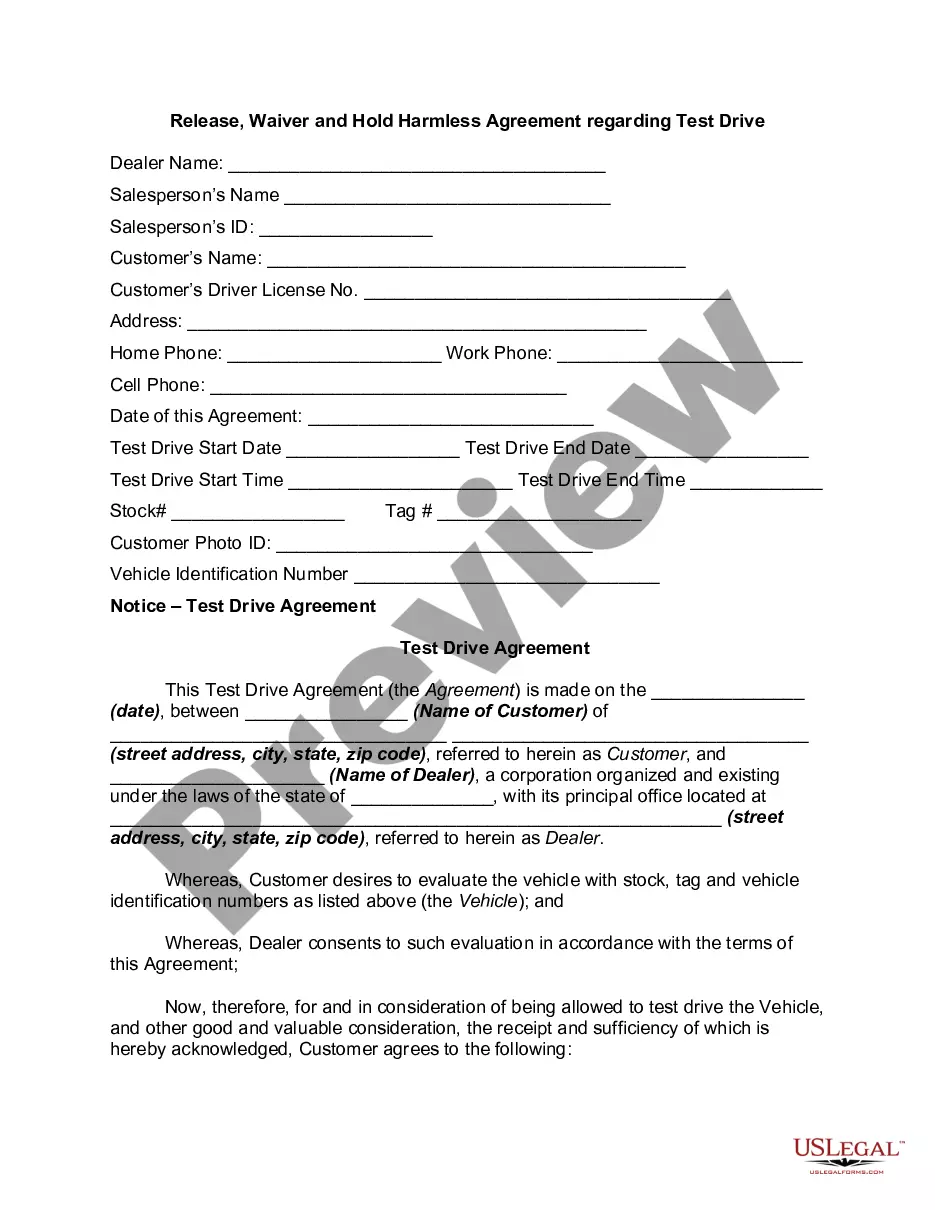
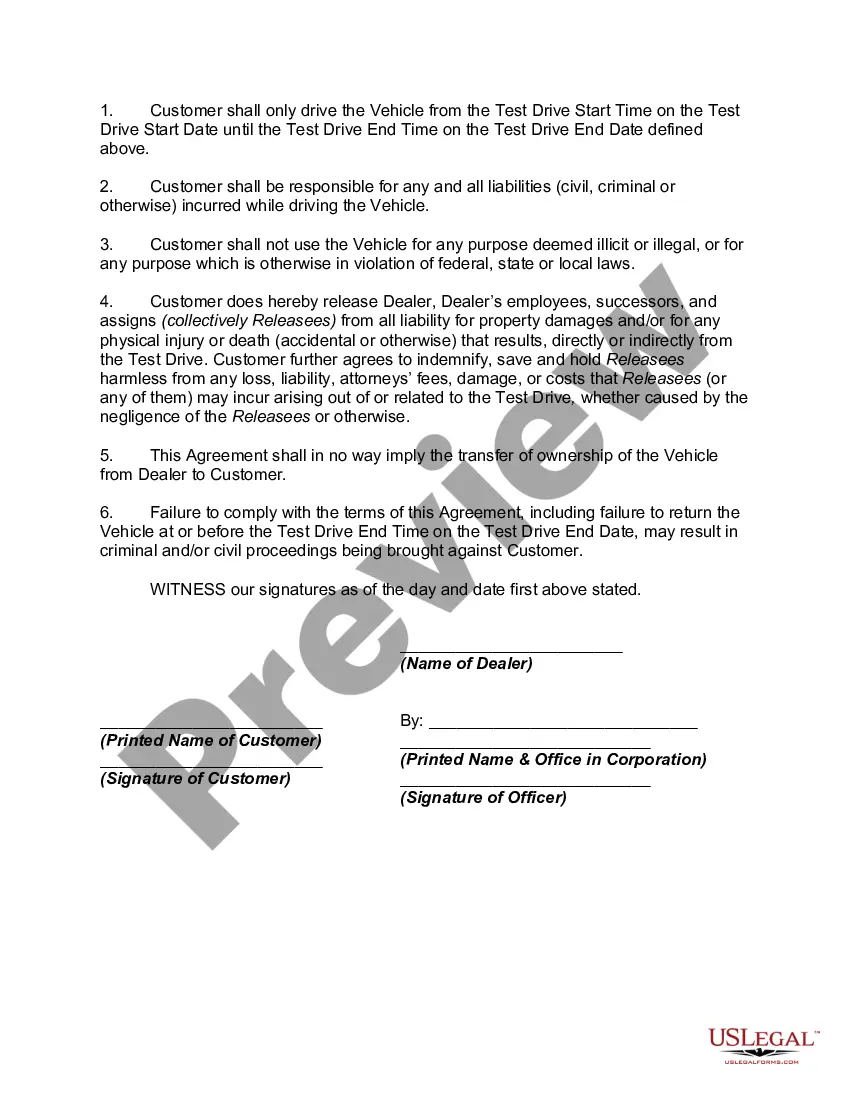
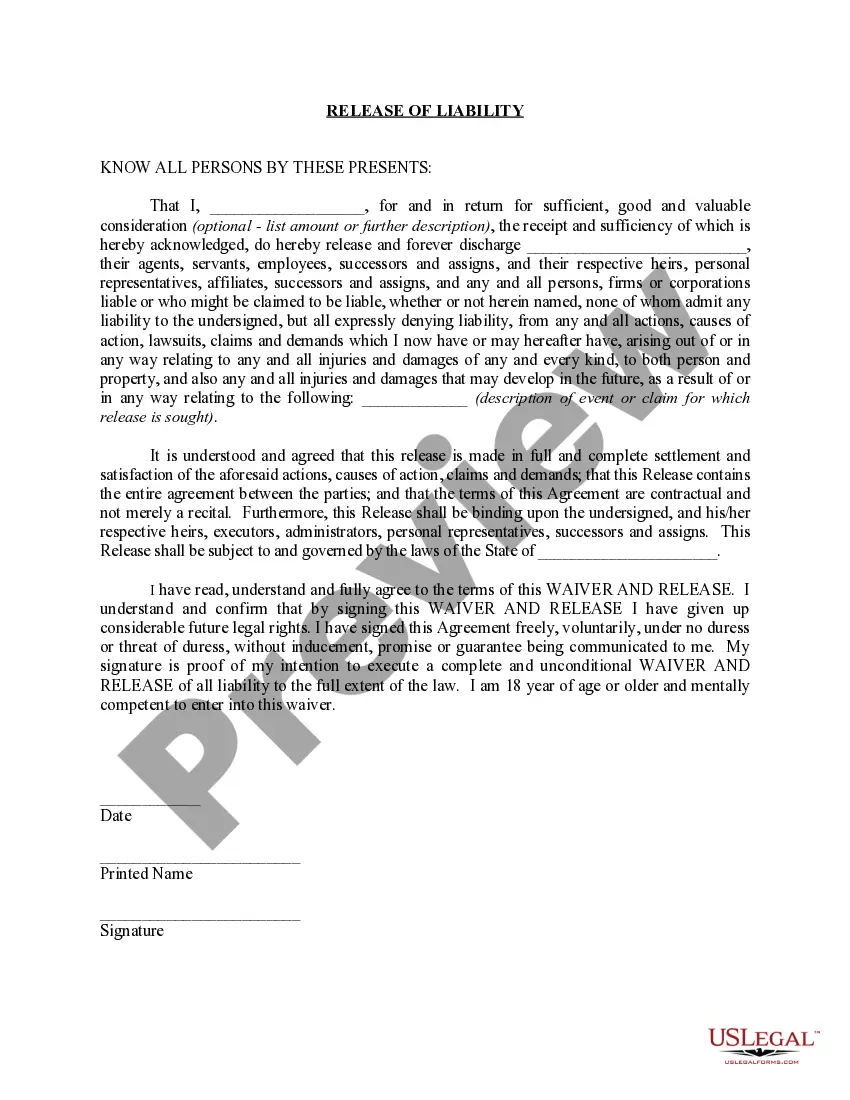
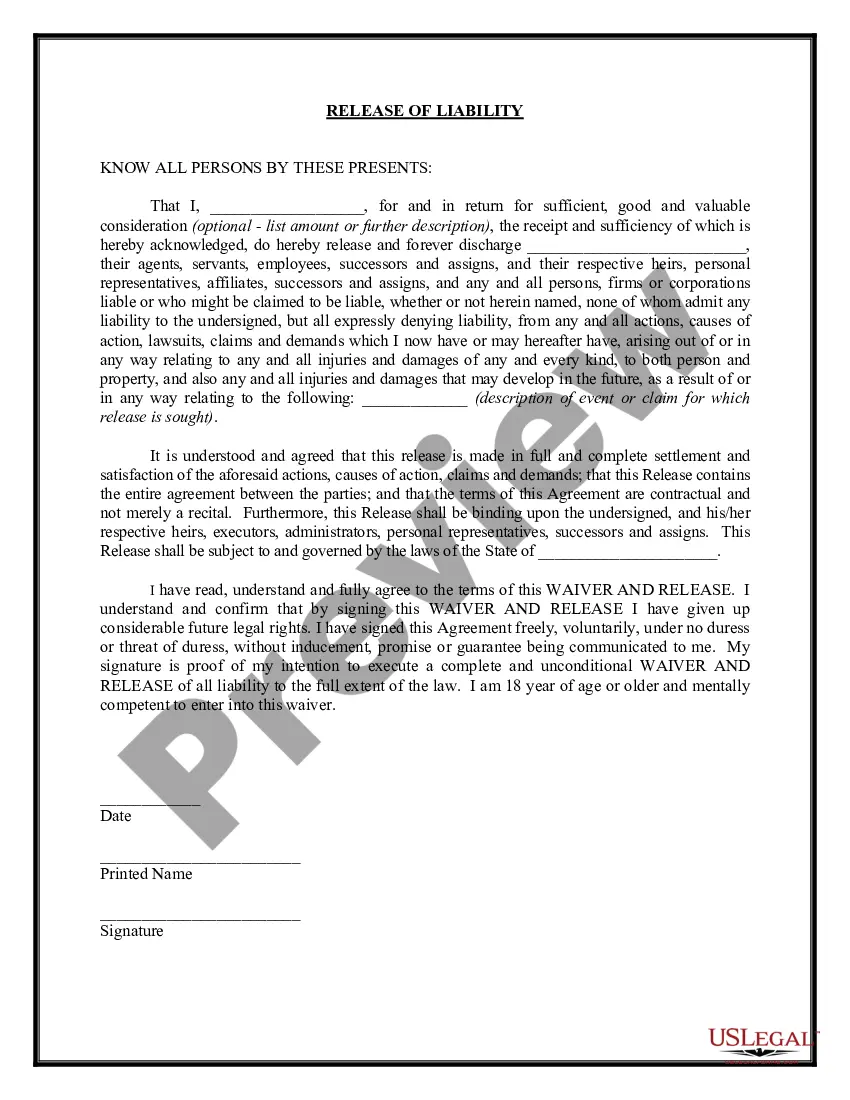
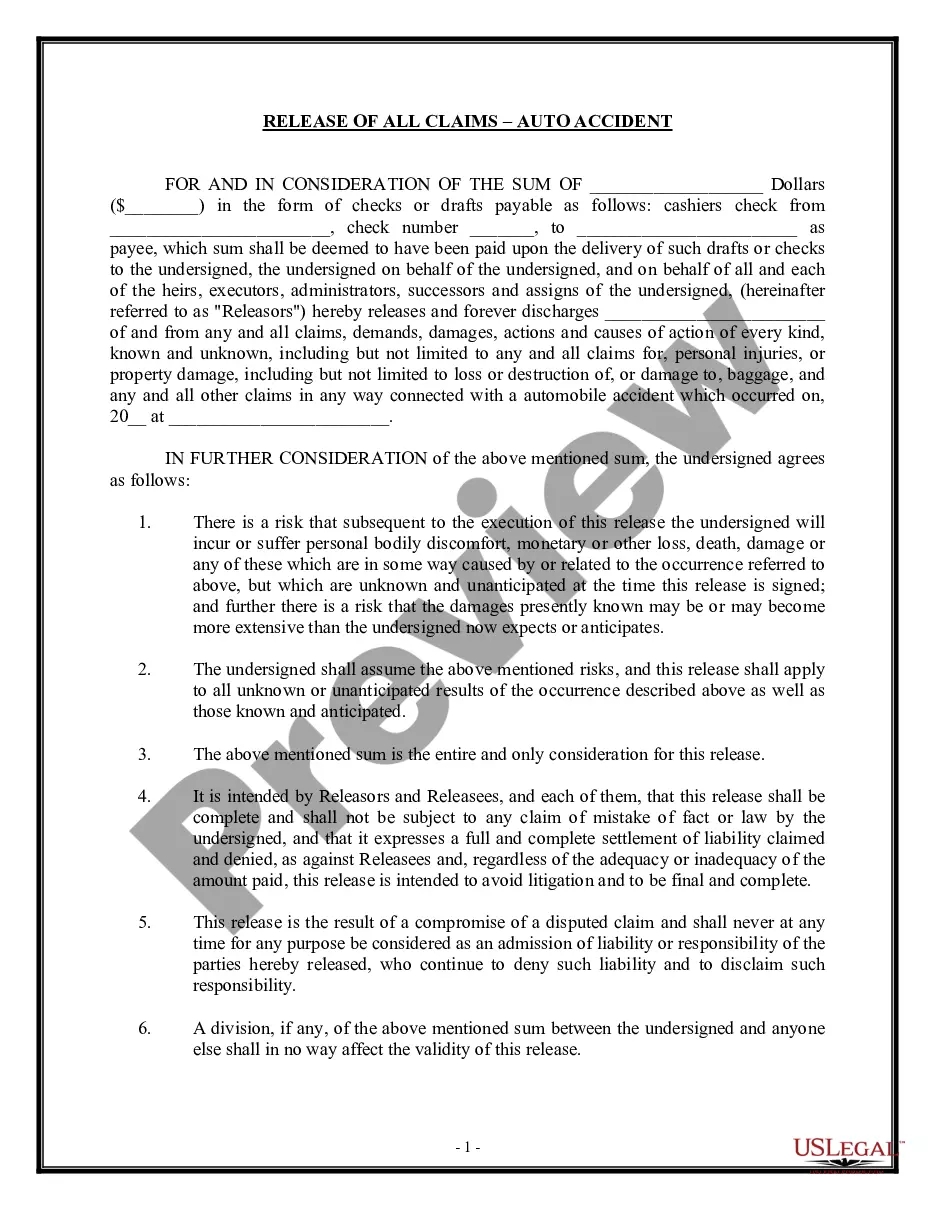
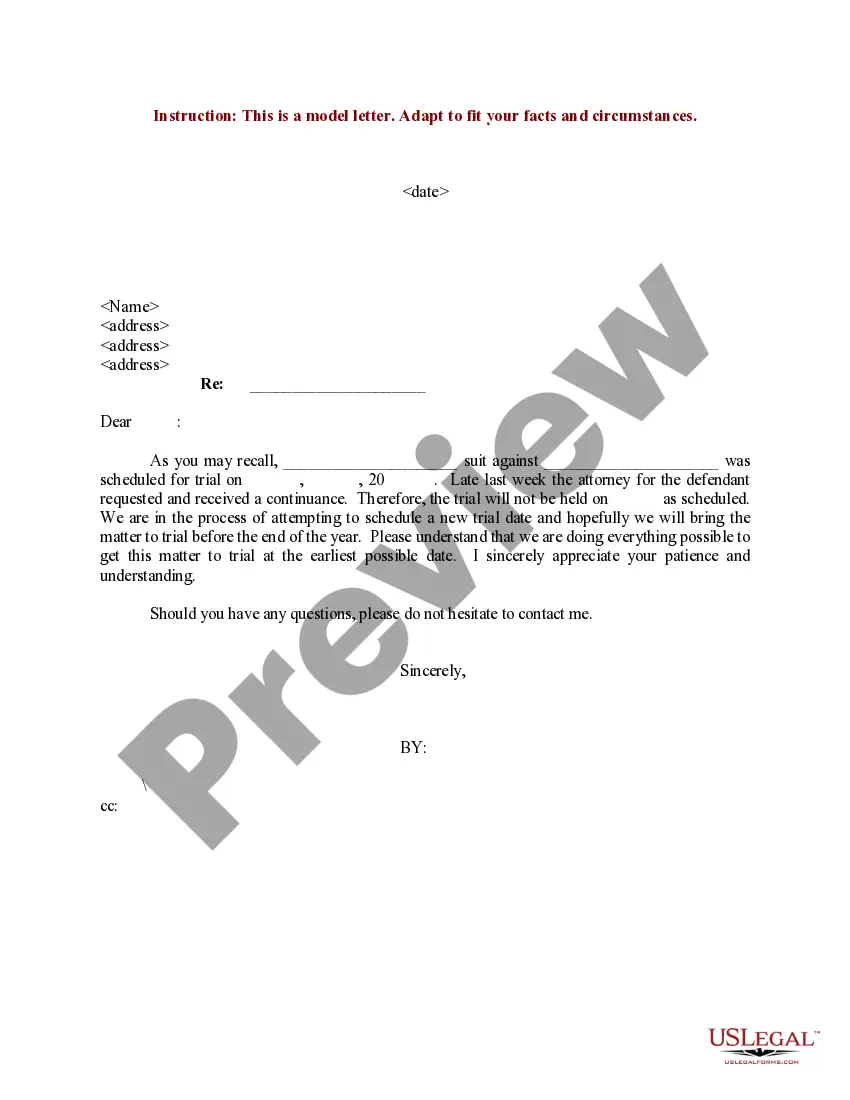
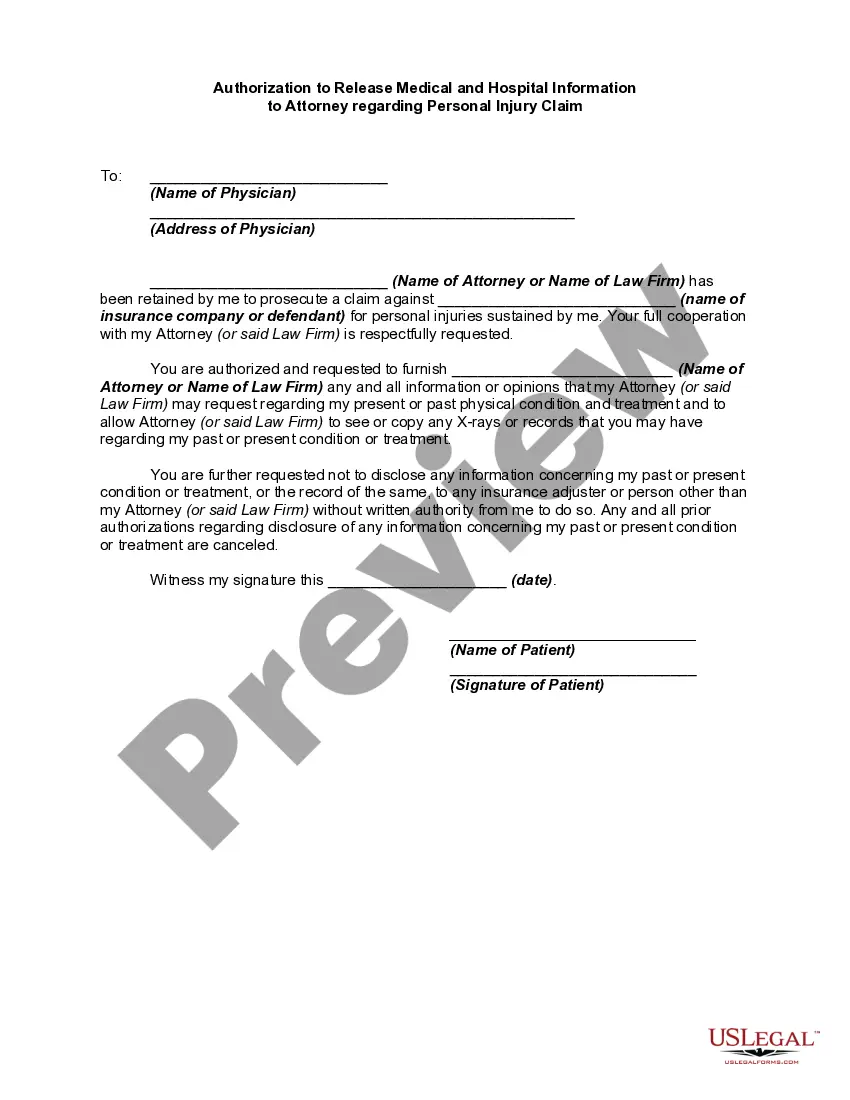

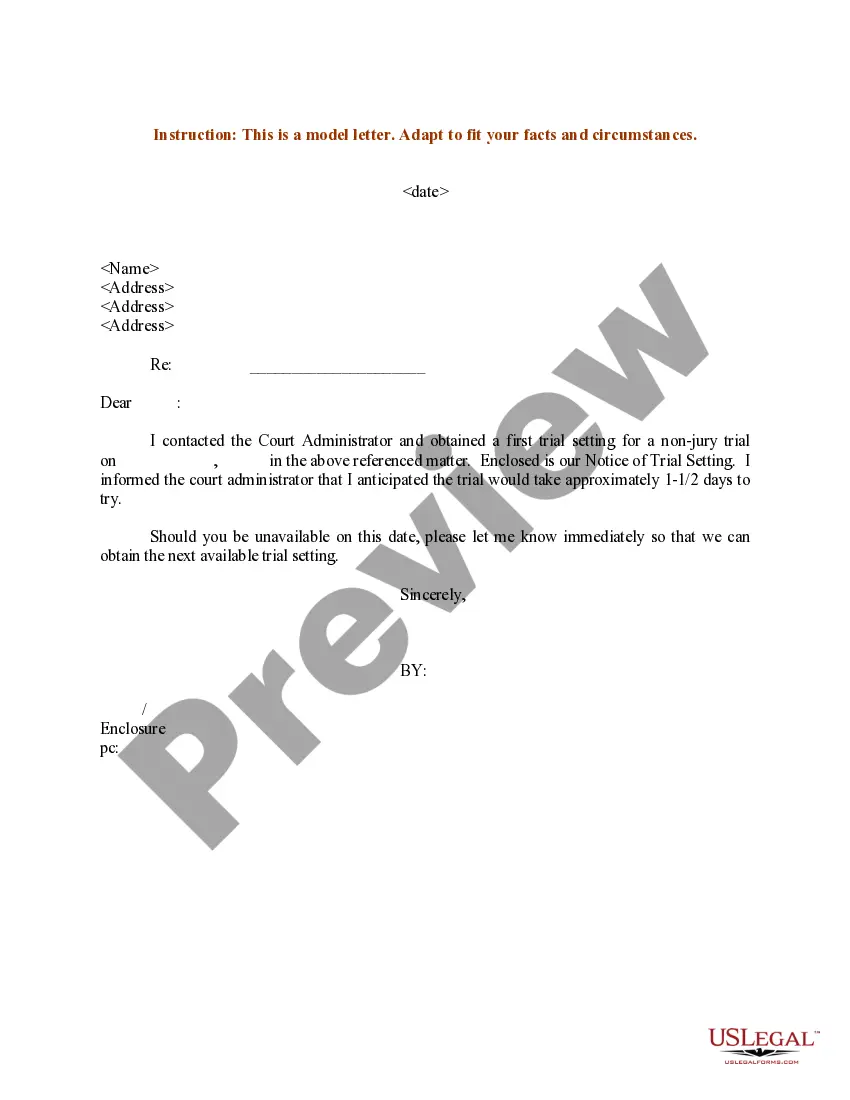

How to fill out Release, Waiver And Hold Harmless Agreement Regarding Test Drive?
Dealing with legal documents and processes can be a lengthy addition to the day.
Hold Harmless Letter For Banks and similar forms usually necessitate you to search for them and comprehend how to fill them out accurately.
Consequently, whether you are managing financial, legal, or personal issues, possessing a comprehensive and accessible online repository of forms when needed will greatly assist.
US Legal Forms is the top online platform for legal templates, featuring over 85,000 state-specific forms and a variety of tools to help you finish your documents swiftly.
Are you using US Legal Forms for the first time? Sign up and set up your account within a few minutes, and you’ll gain access to the form library and Hold Harmless Letter For Banks. Then, follow these steps to complete your form: Ensure you have located the correct form using the Review function and examining the form description. Select Buy Now when ready, and pick the monthly subscription plan that suits your needs. Choose Download then fill out, eSign, and print the document. US Legal Forms has twenty-five years of experience helping users manage their legal paperwork. Find the form you need today and simplify any process without difficulty.
- Explore the collection of relevant documents available to you with just one click.
- US Legal Forms provides state- and county-specific forms accessible at any time for download.
- Protect your document management procedures with a high-quality service that enables you to assemble any form in minutes without extra or concealed fees.
- Simply Log In to your account, find Hold Harmless Letter For Banks, and download it right away from the My documents section.
- You can also access previously saved forms.
Form popularity
FAQ
The following chart summarizes Tennessee legal age laws. It provides additional links to related resources. Under §1-3-105(1), the age of majority is 18.
Filing for Child Custody in Tennessee: 5 Steps Step 1: Determine your court. Either you or the other parent must have lived in Tennessee for at least six months before you can begin a case. ... Step 2: Complete your paperwork. ... Step 3: Finalize your forms. ... Step 4: Hand in your paperwork. ... Step 5: Service.
To become a child's legal guardian, the court must first establish that a guardian is needed and that appointing you would be in the best interest of the child. That requires a legal process that begins with filing a petition in the appropriate court.
Legal guardianship means a court grants someone other than a biological parent the right to care for a minor. Custody (most often) generally describes a parent caring for his or her own child. Guardianship does not always grant custody or definitively mean a biological parent's custody is revoked.
When appointed as the guardian over property, the guardian/conservator is permitted to make decisions related to the estate and financial matters. When appointed as guardian over the person and property or plenary guardianship, the guardian/conservator is permitted to make all health care and financial decisions.
A permanent guardian is appointed by the court with the legal responsibility to care for and supervise the child. The guardian has physical, and legal custody of the child while keeping the birth parents' legal rights intact.
How does Guardianship differ from a Power of Attorney? Unlike a power of attorney, where the grantor retains authority to make decisions on his or her own behalf, a guardianship authorizes the guardian to make all decisions for the person over which it is granted exclusive even of that person.
A Tennessee Guardian of Minor Power of Attorney Form is a limited legal document utilized by the parent(s) or guardian(s) only to be used upon an event that is specified: for example, an extended hospital stay, serious illness, temporary loss of employment, etc.