Unlawful Detainer Term Forms Broward County Florida
Description

Get your form ready online
Our built-in tools help you complete, sign, share, and store your documents in one place.
Make edits, fill in missing information, and update formatting in US Legal Forms—just like you would in MS Word.
Download a copy, print it, send it by email, or mail it via USPS—whatever works best for your next step.
Sign and collect signatures with our SignNow integration. Send to multiple recipients, set reminders, and more. Go Premium to unlock E-Sign.
If this form requires notarization, complete it online through a secure video call—no need to meet a notary in person or wait for an appointment.
We protect your documents and personal data by following strict security and privacy standards.

Make edits, fill in missing information, and update formatting in US Legal Forms—just like you would in MS Word.

Download a copy, print it, send it by email, or mail it via USPS—whatever works best for your next step.

Sign and collect signatures with our SignNow integration. Send to multiple recipients, set reminders, and more. Go Premium to unlock E-Sign.

If this form requires notarization, complete it online through a secure video call—no need to meet a notary in person or wait for an appointment.

We protect your documents and personal data by following strict security and privacy standards.
Looking for another form?
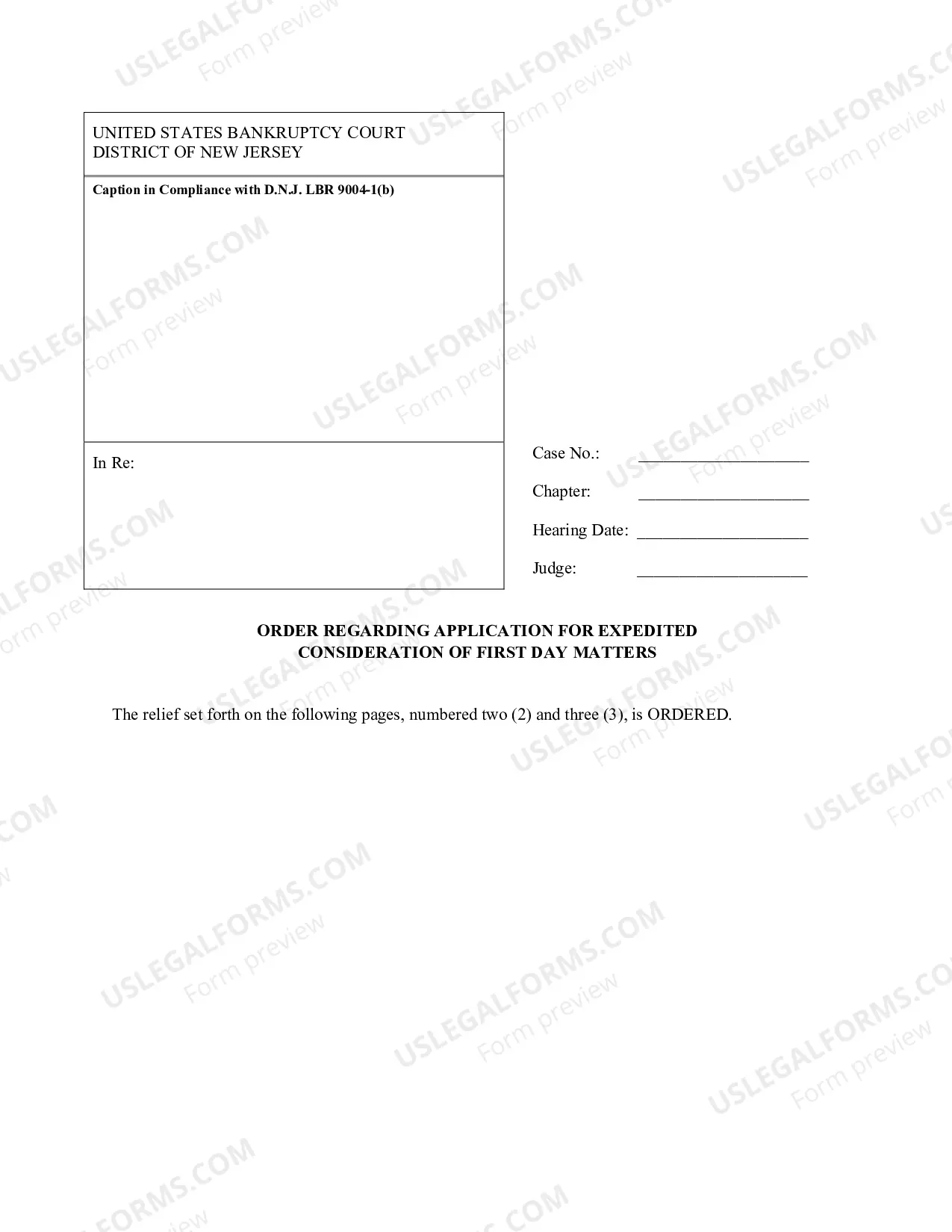
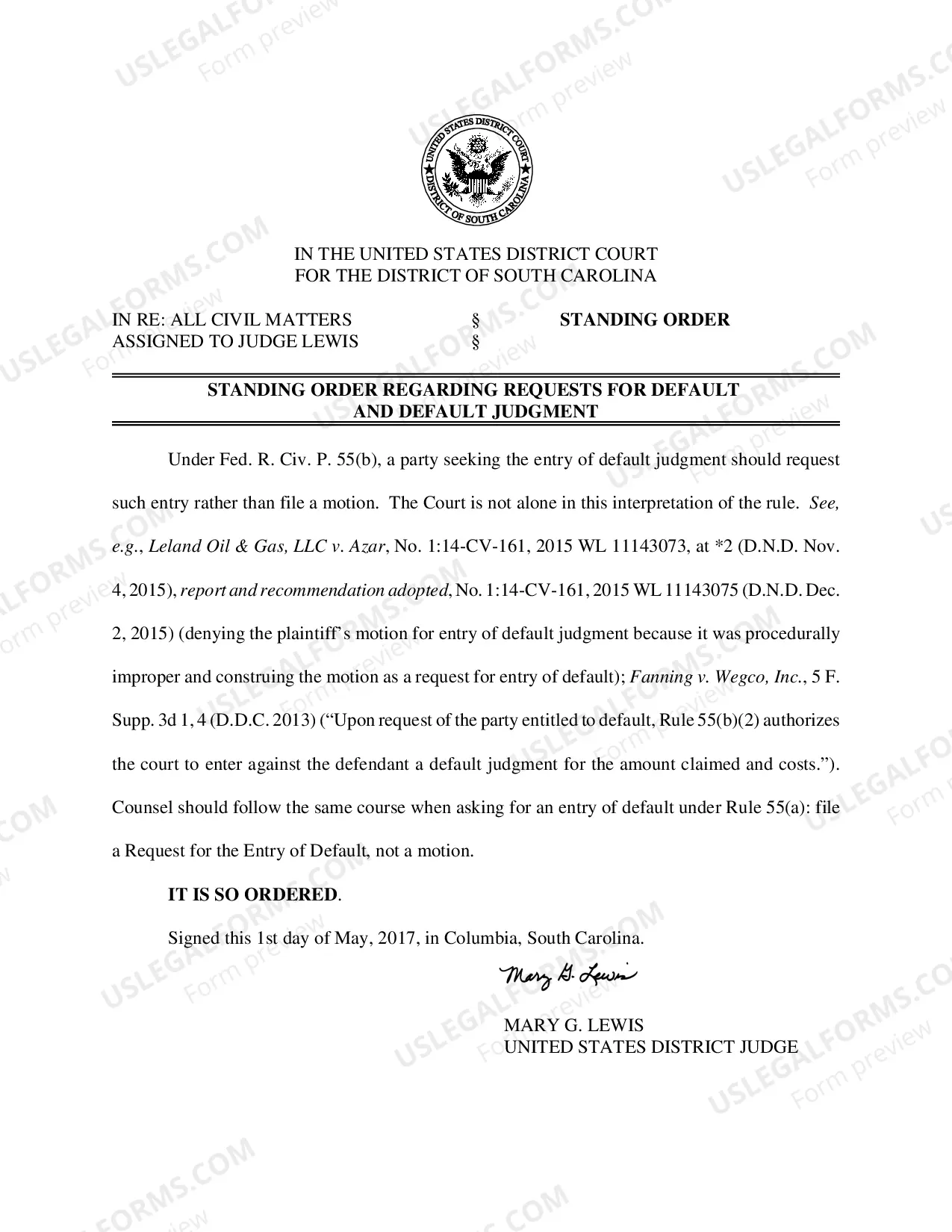
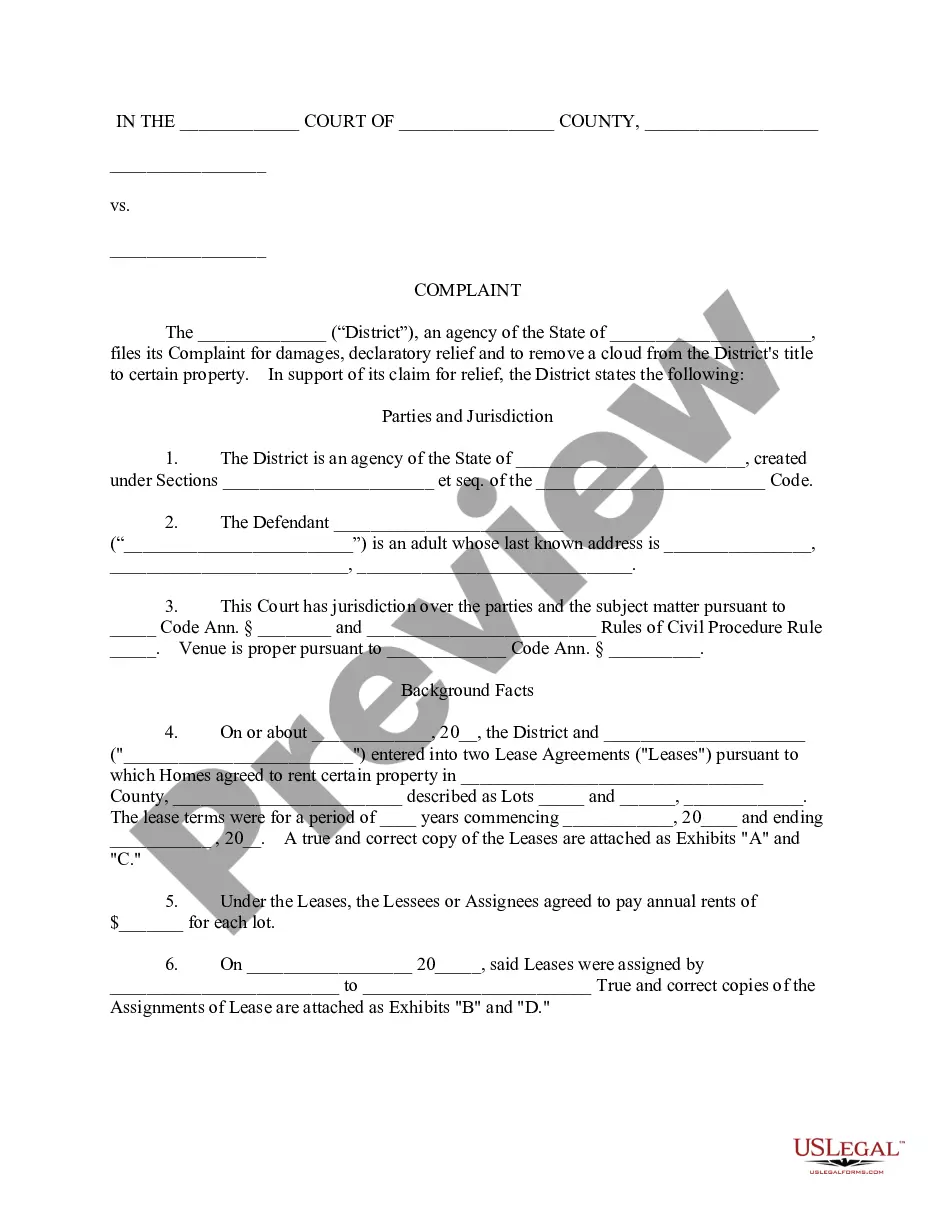
How to fill out Complaint For Unlawful Detainer - Tenant Holding Over After Expiration Of Term?
Utilizing legal document examples that adhere to federal and state regulations is crucial, and the web provides countless selections to choose from.
However, why spend valuable time searching for the right Unlawful Detainer Term Forms Broward County Florida example online when the US Legal Forms digital library already consolidates such templates in one location.
US Legal Forms is the largest online legal repository housing more than 85,000 fillable templates crafted by lawyers for various business and personal scenarios. The documents are easy to navigate, categorized by state and intended use.
All documents found through US Legal Forms are reusable. To re-download and complete previously saved forms, access the My documents section in your profile. Take advantage of the most comprehensive and user-friendly legal document service!
- Our experts stay updated with legislative modifications, ensuring your documents are always current and compliant when you acquire a Unlawful Detainer Term Forms Broward County Florida from our site.
- Acquiring a Unlawful Detainer Term Forms Broward County Florida is swift and straightforward for both existing and new users.
- If you have an account with an active subscription, Log In to download the document sample you need in the correct format.
- For newcomers to our website, follow the instructions below.
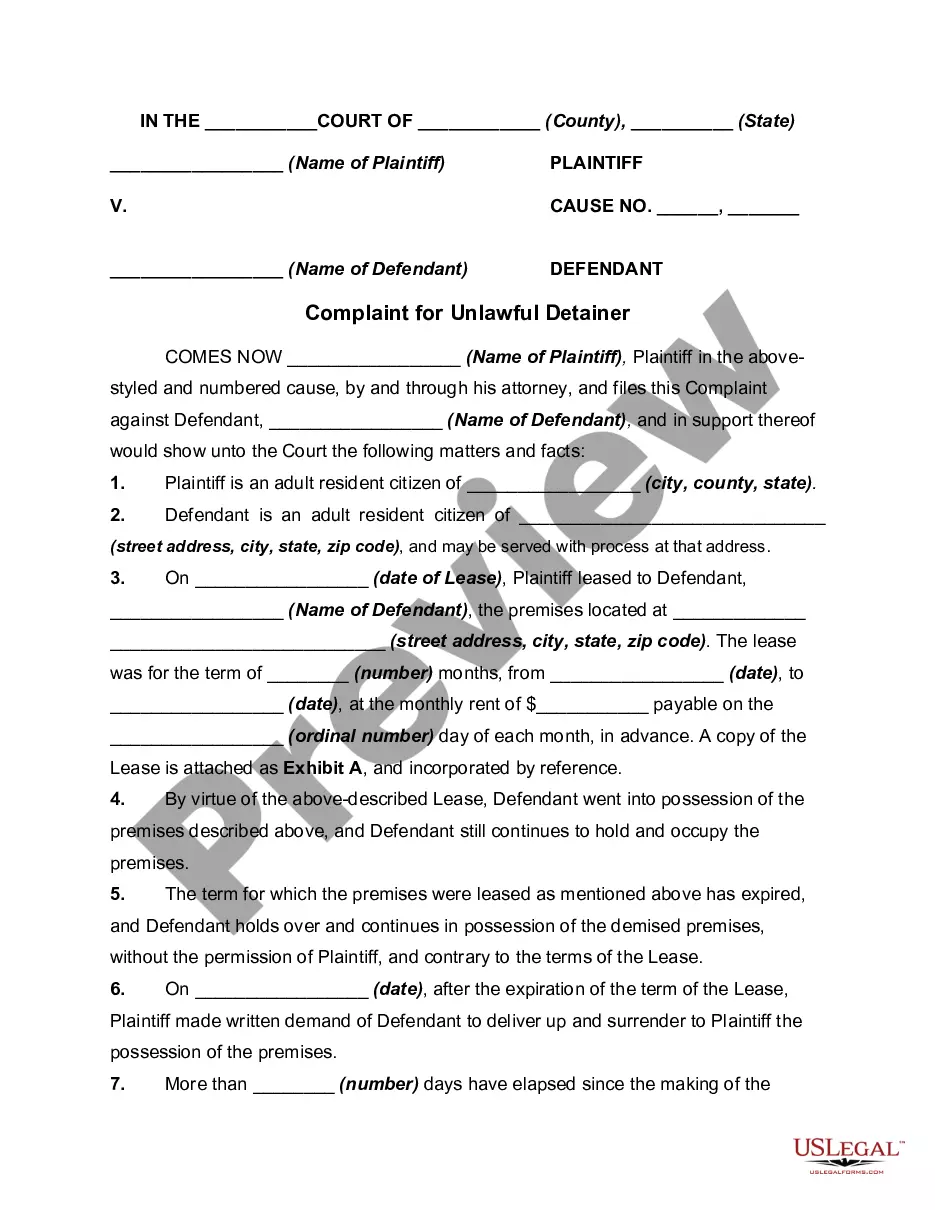
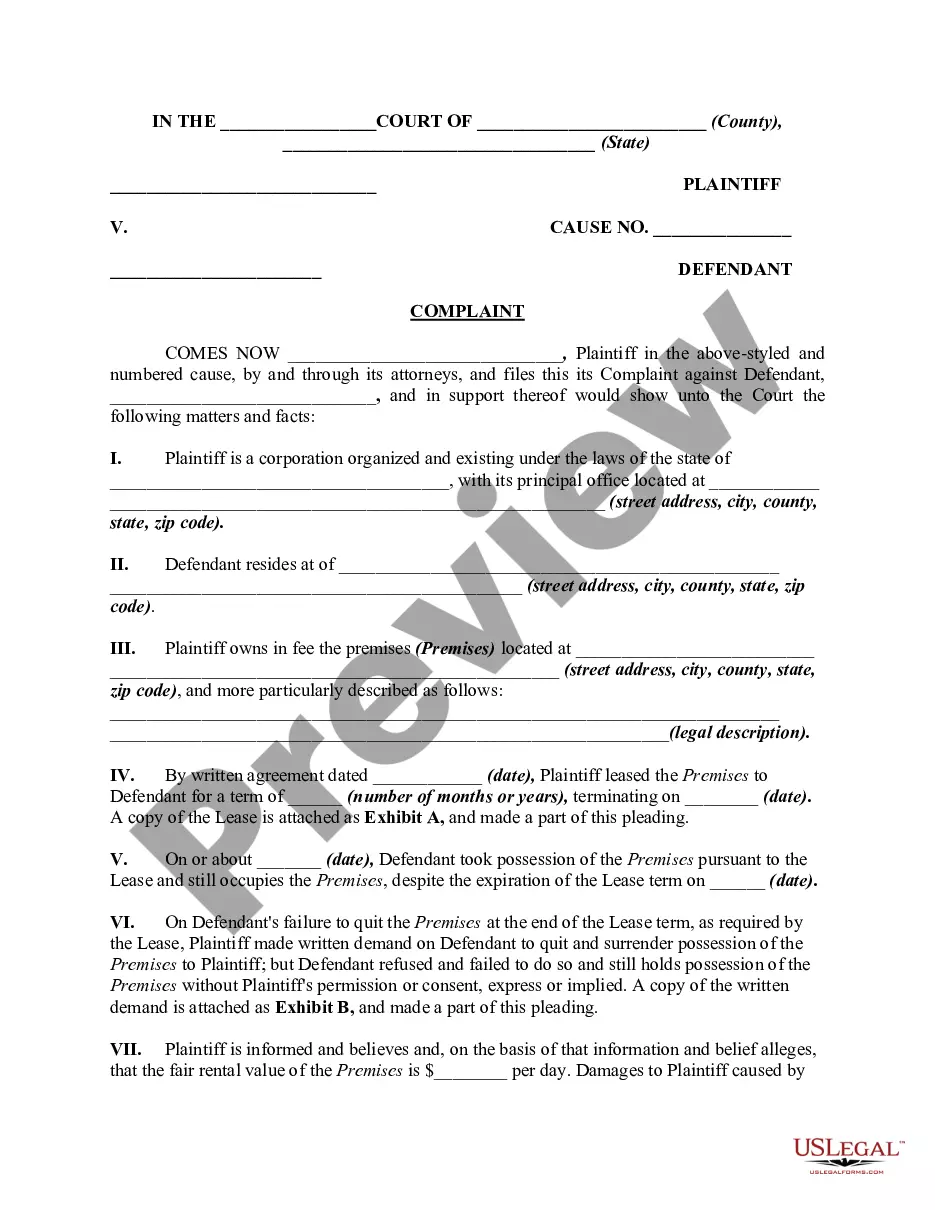
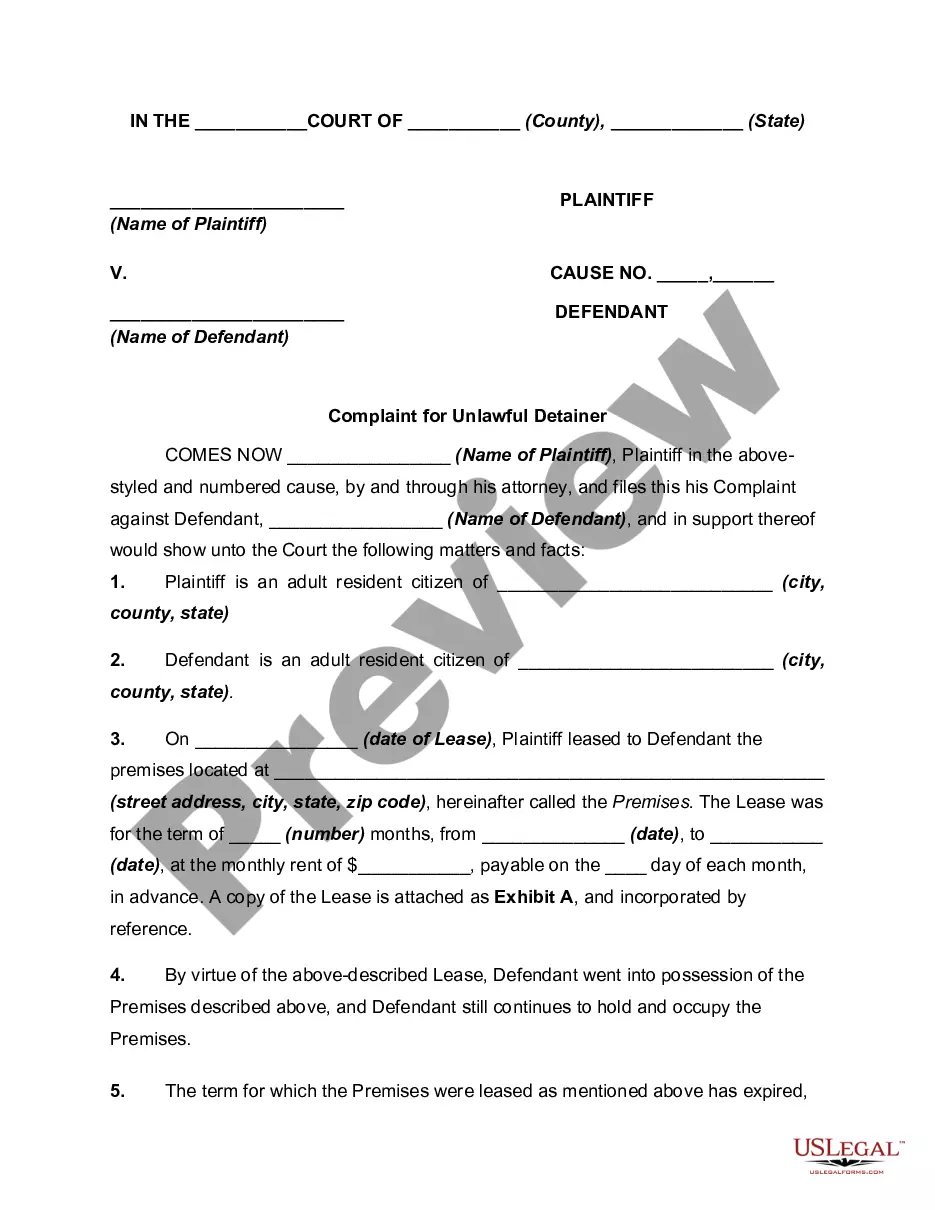
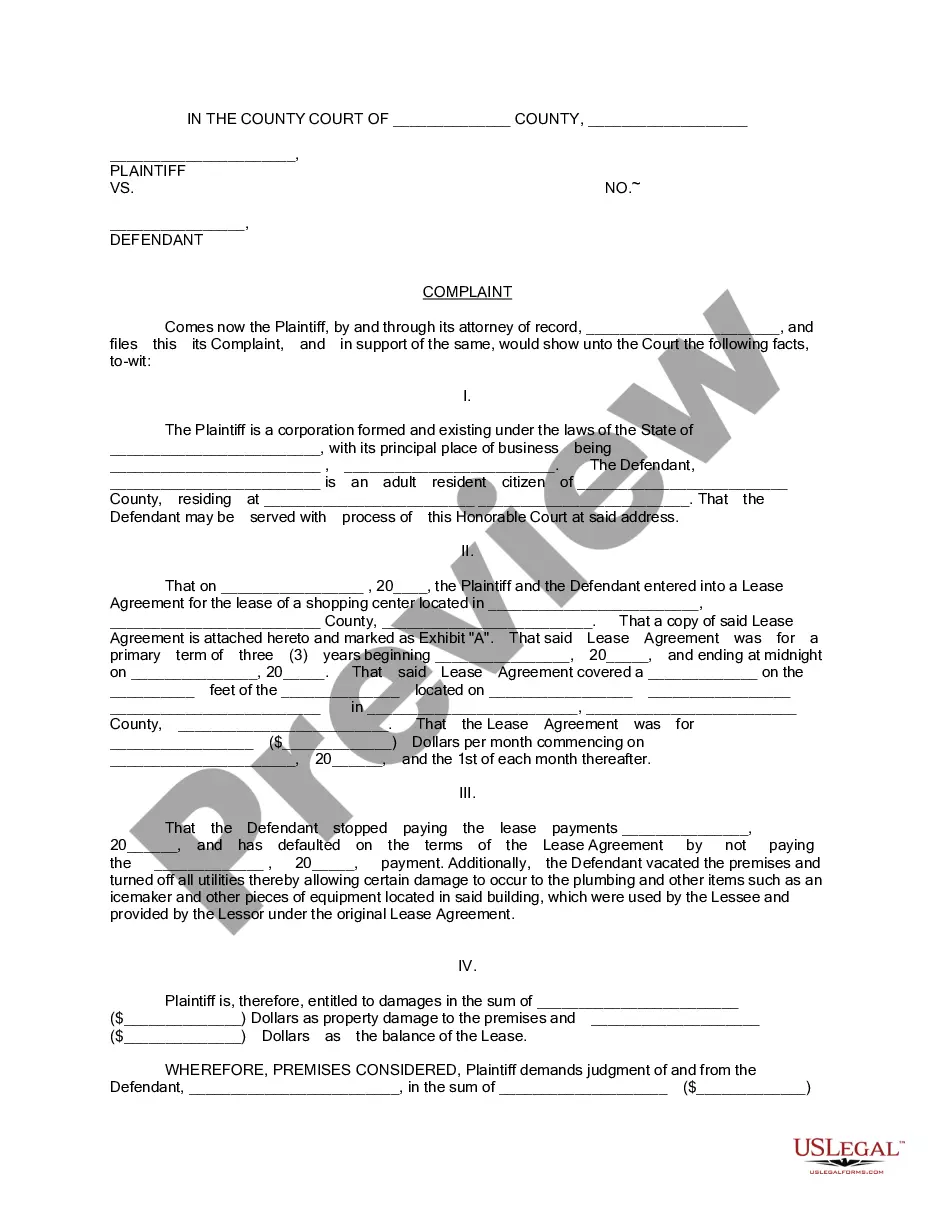
- Examine the template using the Preview feature or through the text outline to confirm it aligns with your requirements.
Form popularity
FAQ
Initial Filing Fees Filing TypeCostTenant eviction with no damages (Non-Monetary)$185Tenant eviction with damages up to $15,000$300Tenant eviction with damages more than $15,000, up to $30,000$400Tenant eviction with Distress for Rent writ$270
Step by Step Instructions STEP 1 - Write a letter asking the person(s) you are trying to remove to leave the home and give it to the person(s) ... STEP 2 - Complete the forms to start the case. ... STEP 3 - Complaint. ... STEP 4 - Make copies. ... STEP 5 - Mailing. ... STEP 6- Filing your case. ... STEP 7 - Notifying the other party (Defendant)
1) You are trying to remove someone from your home, and 2) You have a legal right to reside in your home (You are the owner or the legal tenant), and 3) The person you are trying to remove does not have a legal right to reside in your home (they are not an owner or a legal tenant), and 4) There is no agreement for rent ...
It is similar to an eviction proceeding except that in an Unlawful Detainer case, there is no landlord/tenant relationship between parties, i.e., there is no agreement to pay rent, either verbal or in writing.
File an unlawful detainer lawsuit. The lawsuit must be filed in county court, in the county where the property is located. You must attach proof of ownership or rightful possession of the property to the complaint, such as a deed, and state how you acquired ownership of the property, or a lease..