Petition For Probate
Description
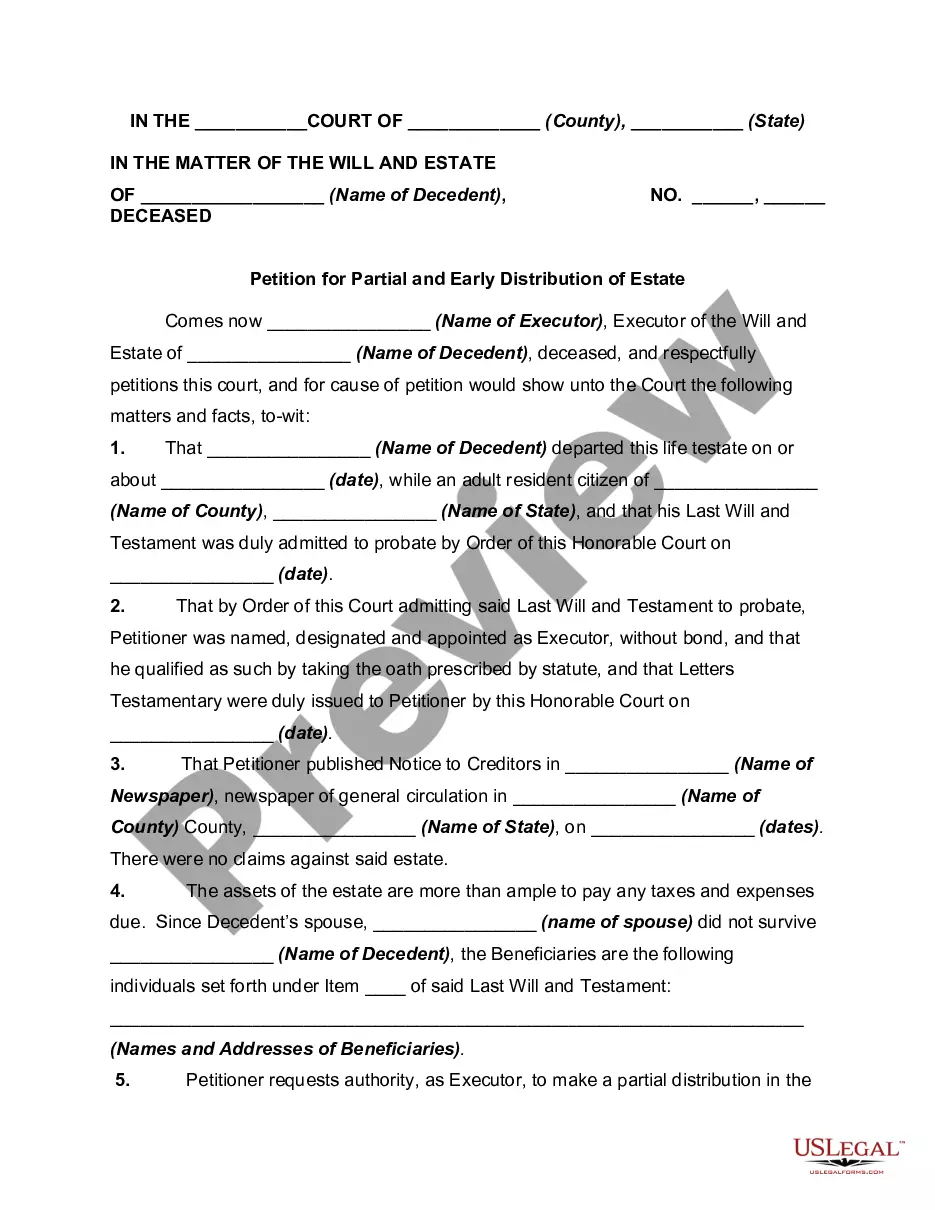
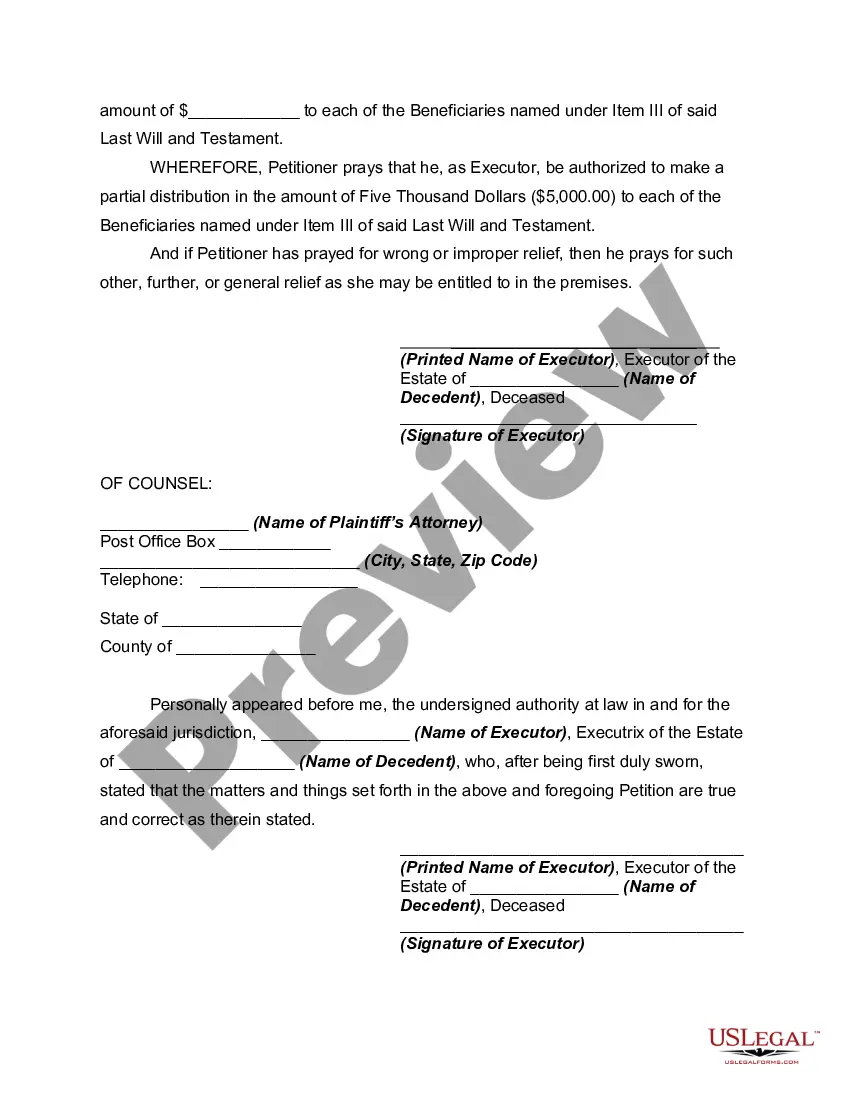
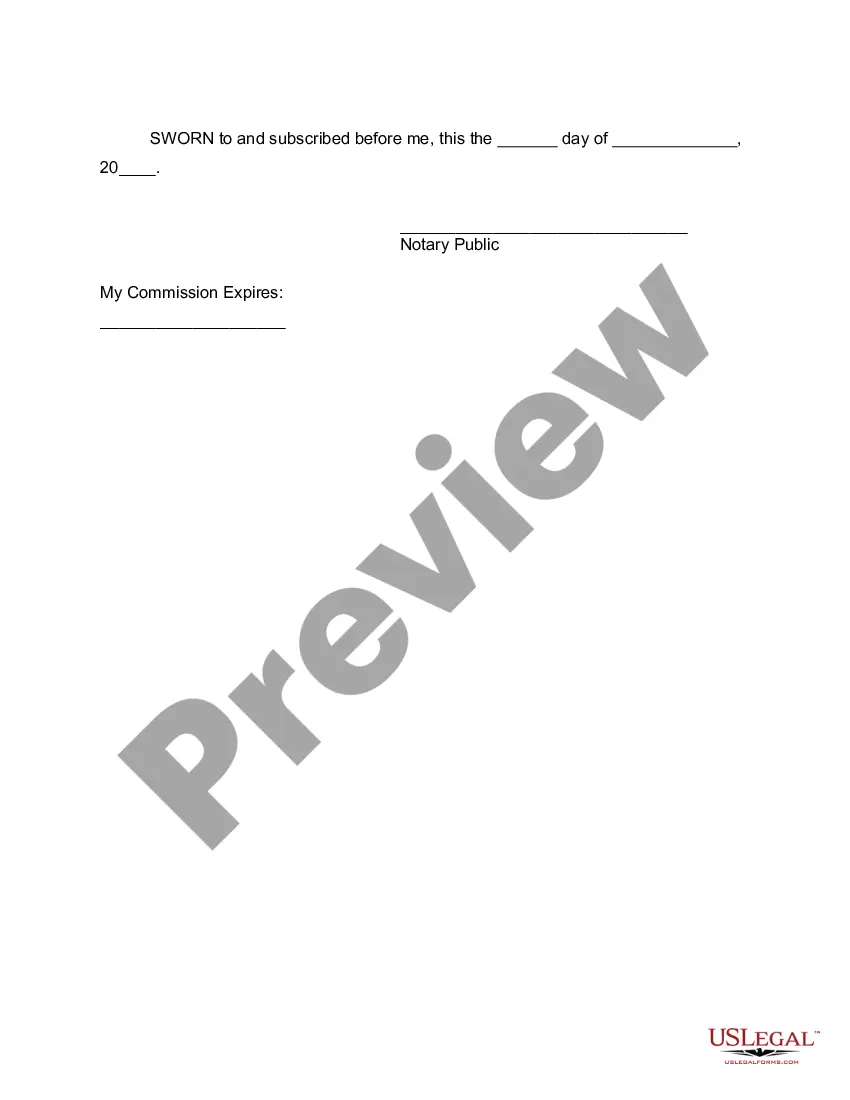
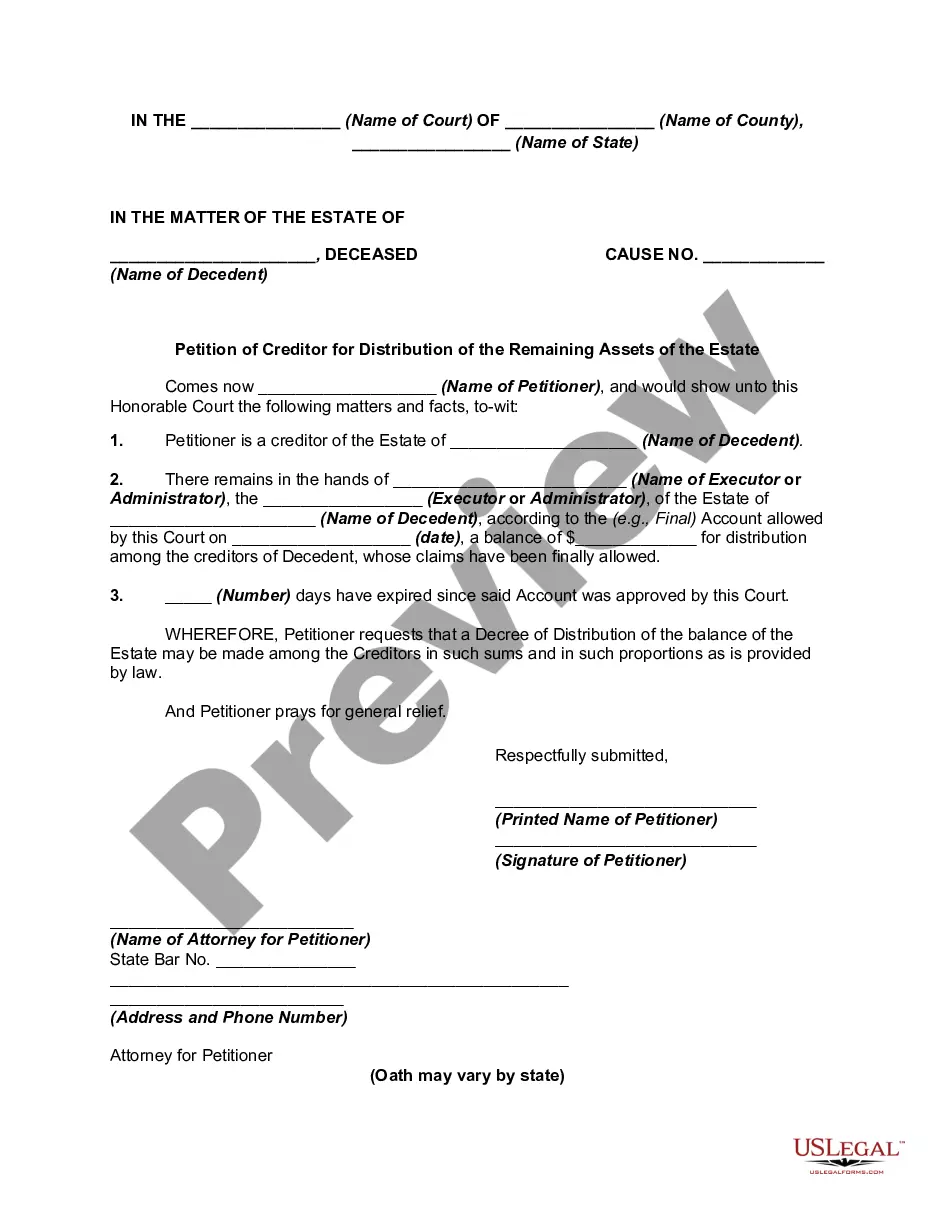
Get your form ready online
Our built-in tools help you complete, sign, share, and store your documents in one place.
Make edits, fill in missing information, and update formatting in US Legal Forms—just like you would in MS Word.
Download a copy, print it, send it by email, or mail it via USPS—whatever works best for your next step.
Sign and collect signatures with our SignNow integration. Send to multiple recipients, set reminders, and more. Go Premium to unlock E-Sign.
If this form requires notarization, complete it online through a secure video call—no need to meet a notary in person or wait for an appointment.
We protect your documents and personal data by following strict security and privacy standards.

Make edits, fill in missing information, and update formatting in US Legal Forms—just like you would in MS Word.

Download a copy, print it, send it by email, or mail it via USPS—whatever works best for your next step.

Sign and collect signatures with our SignNow integration. Send to multiple recipients, set reminders, and more. Go Premium to unlock E-Sign.

If this form requires notarization, complete it online through a secure video call—no need to meet a notary in person or wait for an appointment.

We protect your documents and personal data by following strict security and privacy standards.
Looking for another form?



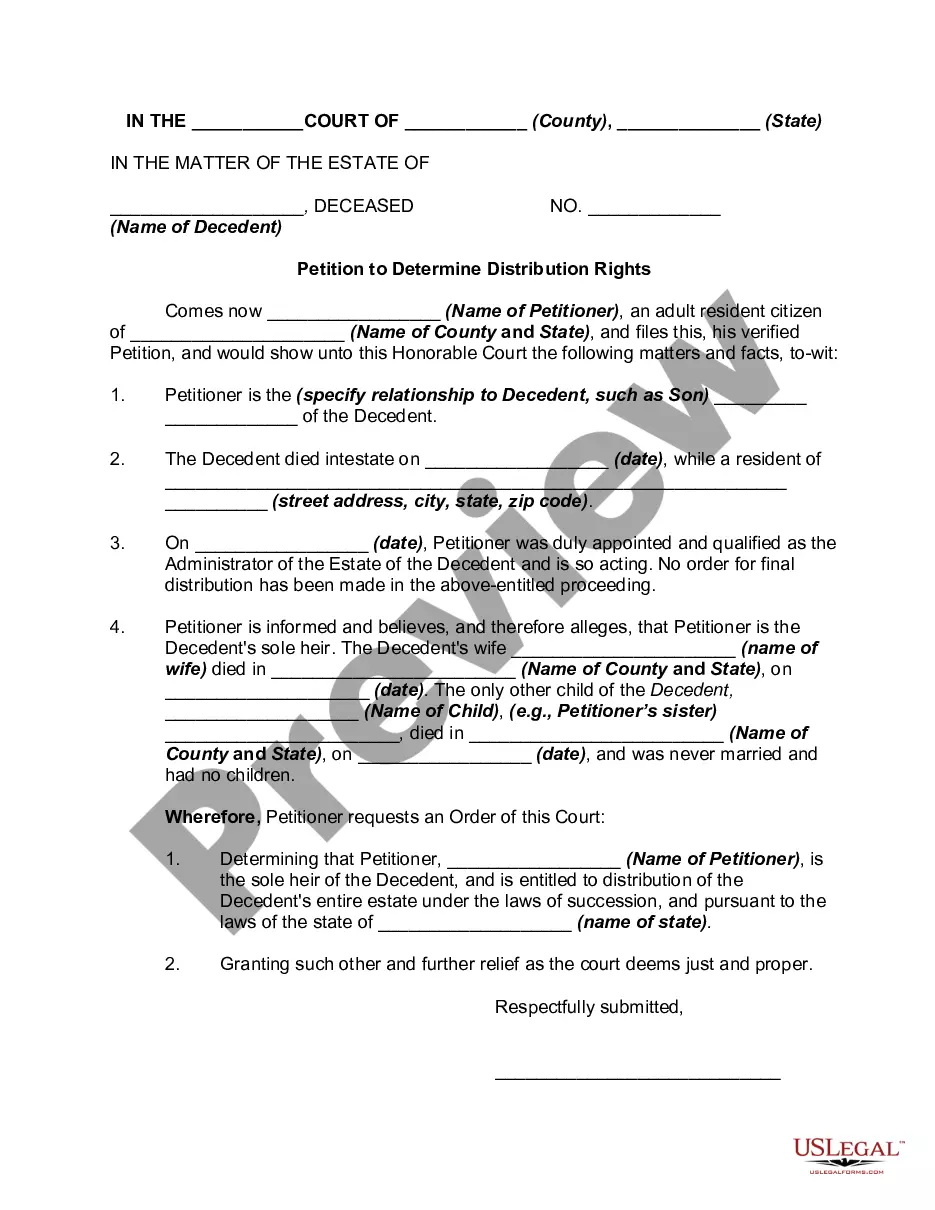
How to fill out Petition For Partial And Early Distribution Of Estate?
- If you are already a user, log in to your account and select the 'Download' button for your template. Ensure your subscription remains active. If it's expired, renew it according to your payment options.
- If you're a new user, start by reviewing the Preview mode and ensuring the form matches your local jurisdictional needs.
- If you need a different form, use the Search tab to find the right document that fits your requirements.
- Once you find the appropriate form, proceed to purchase it by clicking the Buy Now button. Create your account to access the extensive library.
- Complete your payment by entering your credit card details or using PayPal to finalize your subscription.
- Download the form to your device and refer back to it anytime via the My Forms section of your profile.
US Legal Forms empowers individuals and legal professionals by providing a massive collection of over 85,000 customizable legal forms and packages. This ensures that you find the correct documents needed for your specific situation.
With access to premium experts for assistance with form completion, you can be confident in submitting accurate and legally sound paperwork. Don't hesitate to start your journey with US Legal Forms today!
Form popularity
FAQ
A petition for probate is a legal document submitted to the court to start the probate process. It officially requests the court to validate a deceased person's will and appoint an executor to oversee the estate's distribution. This petition typically includes necessary documents such as the will and a death certificate. Understanding how to properly complete a petition for probate is crucial, and US Legal Forms can provide the assistance you need to simplify this task.
If there is no will, you generally need to file for probate within five years after the person's death in most states. However, each state has specific laws regarding the timeline for filing a petition for probate. Delaying this process can complicate matters and potentially lead to problems for heirs. It's advisable to consult legal resources or platforms like US Legal Forms to ensure compliance with your state’s regulations.
The probate process in Mississippi typically starts by filing the will with the court along with a petition for probate. Once the court validates the will, an executor is appointed to handle the estate's affairs. The executor must notify creditors, settle debts, and distribute assets according to the will. Utilizing resources such as US Legal Forms can assist you in navigating this process effectively.
The probate process can be lengthy and costly, which often adds stress for families. Additionally, it typically becomes a matter of public record, potentially exposing sensitive family matters to prying eyes. As a result, some individuals may choose to avoid probate altogether through estate planning. However, when probate is necessary, utilizing a petition for probate can help streamline the process.
In Tennessee, the process of probating a will begins by filing a petition for probate with the appropriate probate court. You must include the original will and provide a list of the deceased's assets. The court will then validate the will, appoint an executor, and oversee the administration of the estate. Utilizing resources like uslegalforms can help you navigate this process smoothly to ensure compliance with state regulations.
A common example of non-probate property is an asset held in a living trust. Other examples include joint bank accounts and life insurance policies that list beneficiaries. This type of property does not undergo probate, allowing for quicker distribution to your heirs. Familiarizing yourself with these examples can prove advantageous when preparing your estate.
Assets like jointly owned property, certain bank accounts, and vehicles with transfer-on-death designations do not typically go through probate. These assets can be transferred directly to the designated beneficiaries, making the process smoother. Understanding these elements helps you plan better, ensuring a more seamless experience when filing a petition for probate.
Creating a living trust is one of the most effective methods to avoid probate. By transferring ownership of your assets to the trust, you retain control during your lifetime, while bypassing probate upon your death. This approach not only simplifies the estate settlement process, but also keeps your affairs private. Consider consulting with uslegalforms for detailed templates on establishing a trust.
Certain assets bypass probate, including those held in joint tenancy, assets in a living trust, and life insurance policies with named beneficiaries. Retirement accounts, such as IRAs and 401(k)s, also typically pass outside of probate. Knowing these distinctions can simplify estate planning and avoid unnecessary complications with a petition for probate.
Generally, assets owned solely by the deceased at the time of death pass through probate. This includes real estate, bank accounts, and personal property not designated to beneficiaries. Understanding which assets fall under probate helps in planning the estate more effectively. A petition for probate is necessary to begin this legal process.