Unlawful Detainer Forms Pinellas County Florida
Description
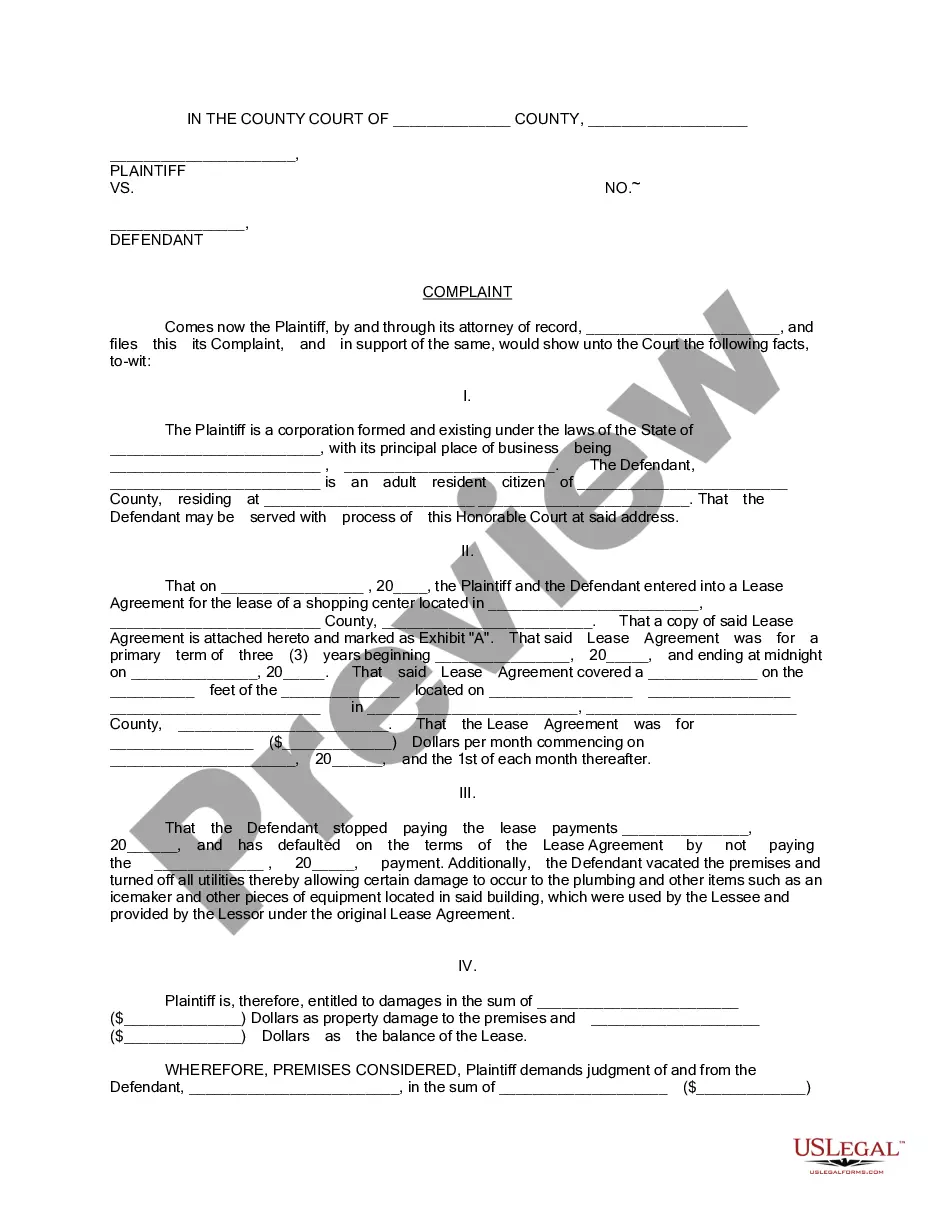
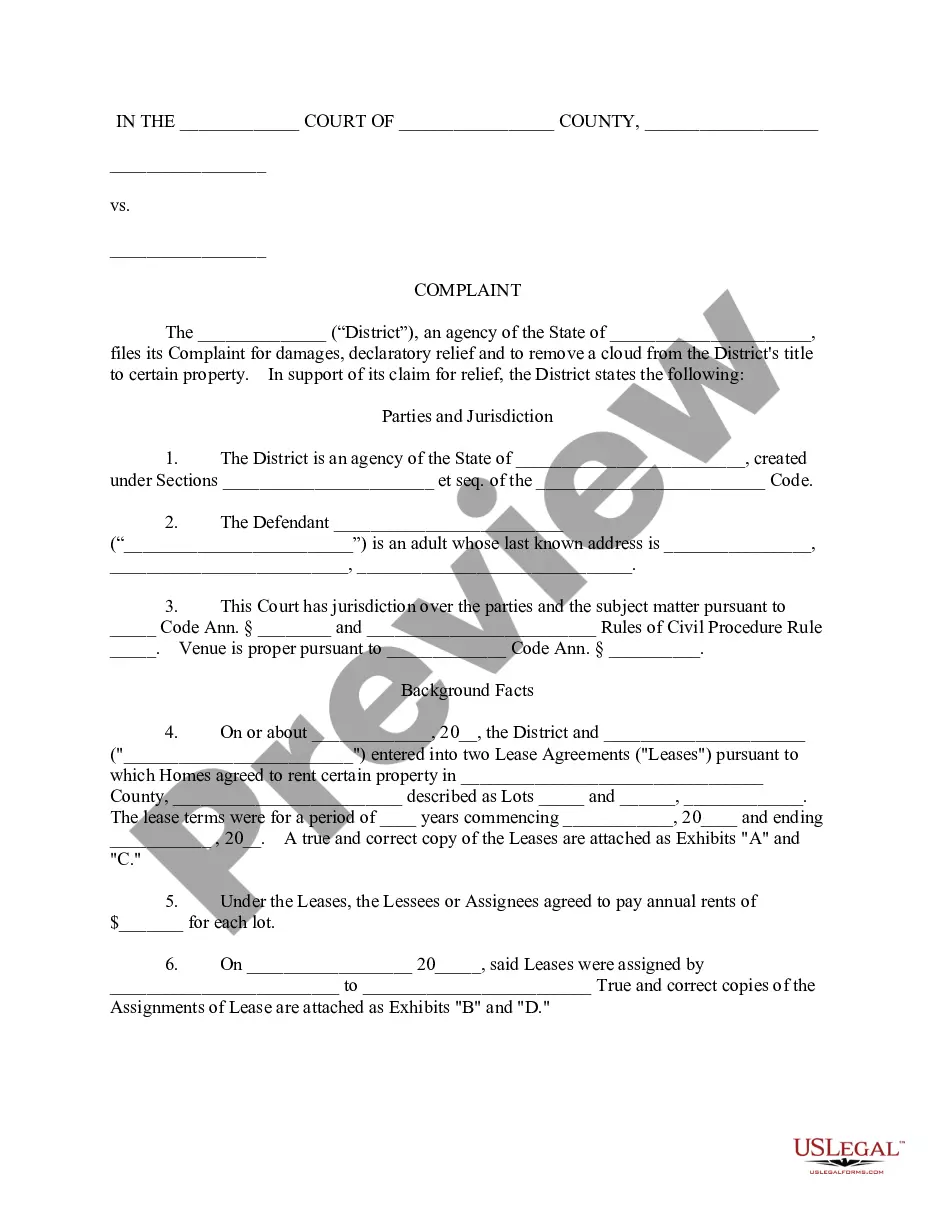
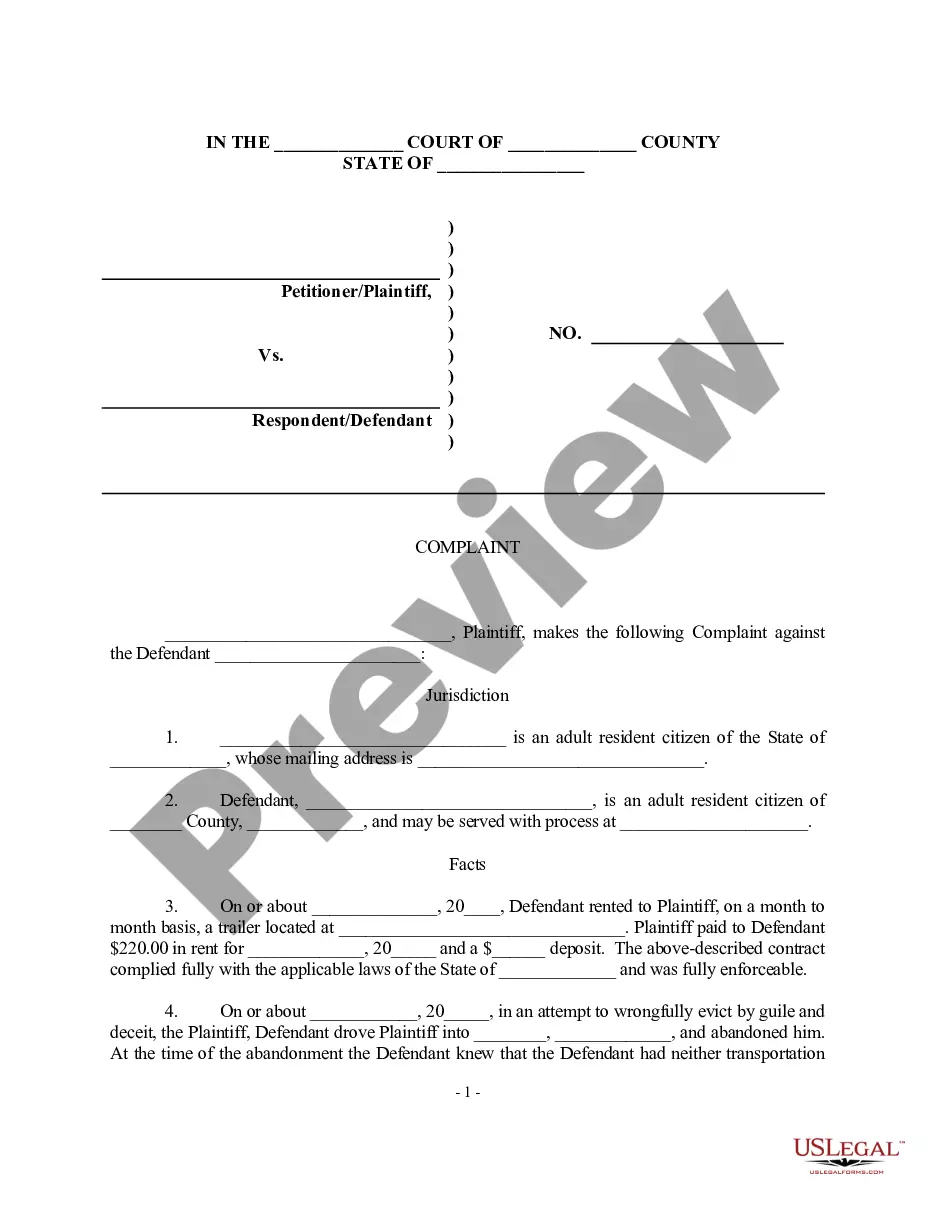
Get your form ready online
Our built-in tools help you complete, sign, share, and store your documents in one place.
Make edits, fill in missing information, and update formatting in US Legal Forms—just like you would in MS Word.
Download a copy, print it, send it by email, or mail it via USPS—whatever works best for your next step.
Sign and collect signatures with our SignNow integration. Send to multiple recipients, set reminders, and more. Go Premium to unlock E-Sign.
If this form requires notarization, complete it online through a secure video call—no need to meet a notary in person or wait for an appointment.
We protect your documents and personal data by following strict security and privacy standards.

Make edits, fill in missing information, and update formatting in US Legal Forms—just like you would in MS Word.

Download a copy, print it, send it by email, or mail it via USPS—whatever works best for your next step.

Sign and collect signatures with our SignNow integration. Send to multiple recipients, set reminders, and more. Go Premium to unlock E-Sign.

If this form requires notarization, complete it online through a secure video call—no need to meet a notary in person or wait for an appointment.

We protect your documents and personal data by following strict security and privacy standards.
Looking for another form?
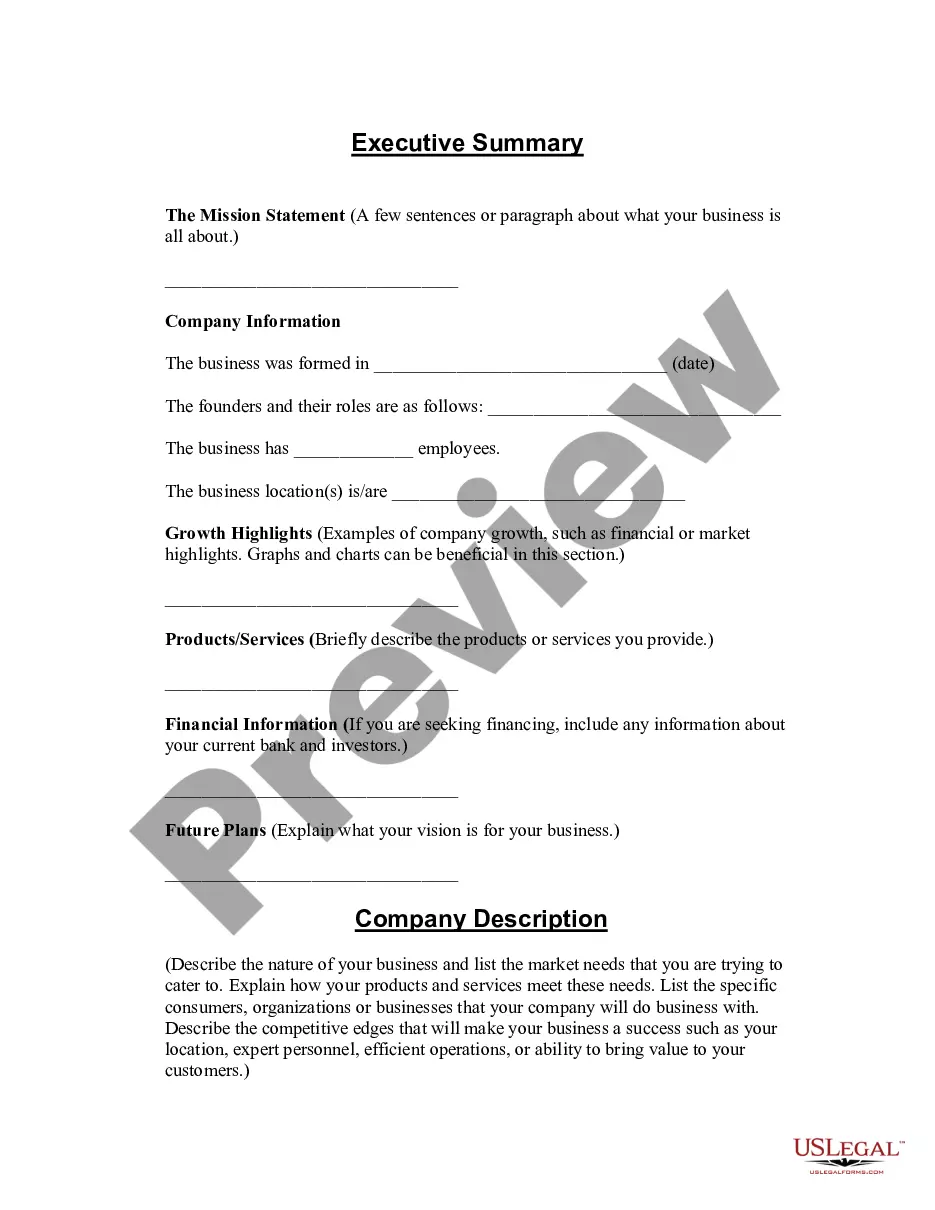
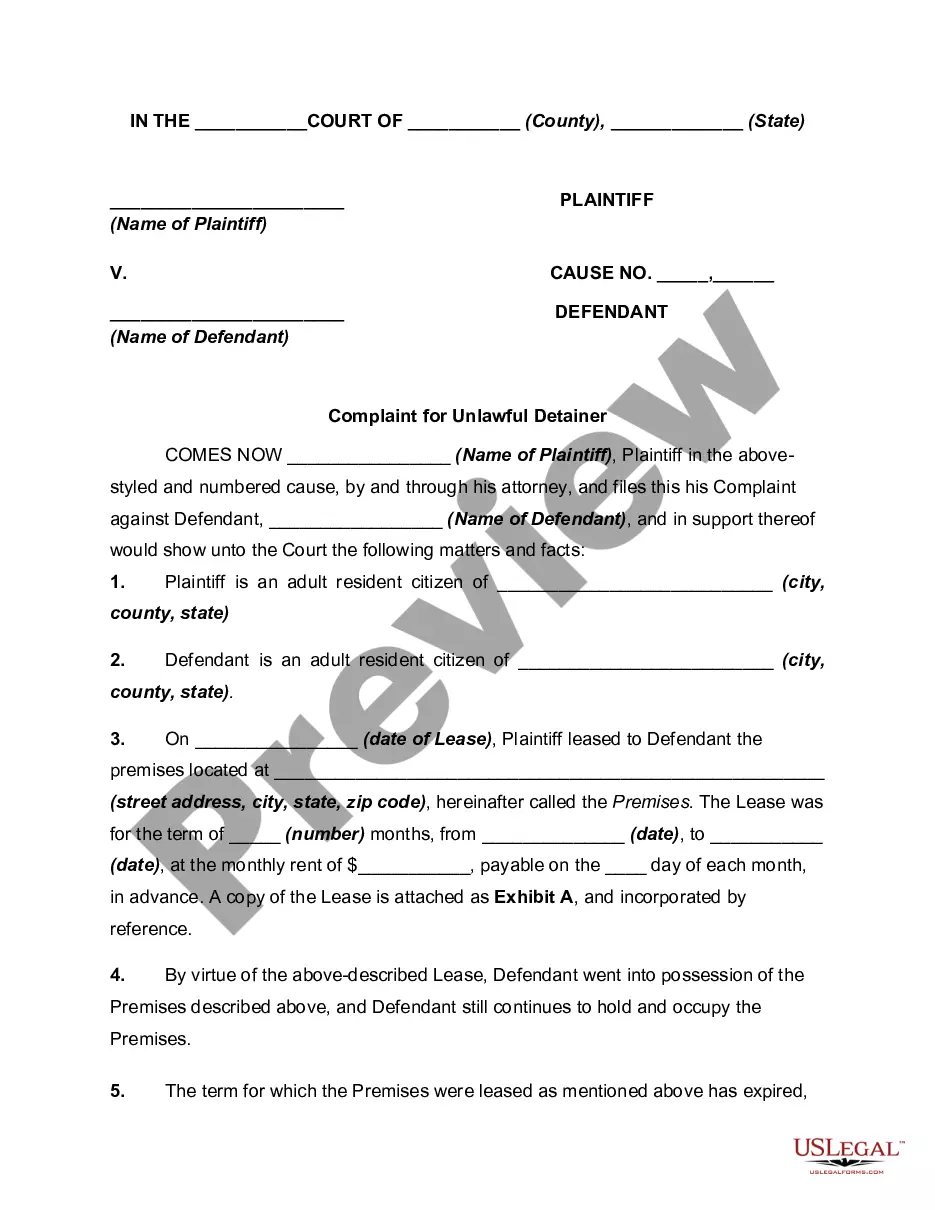
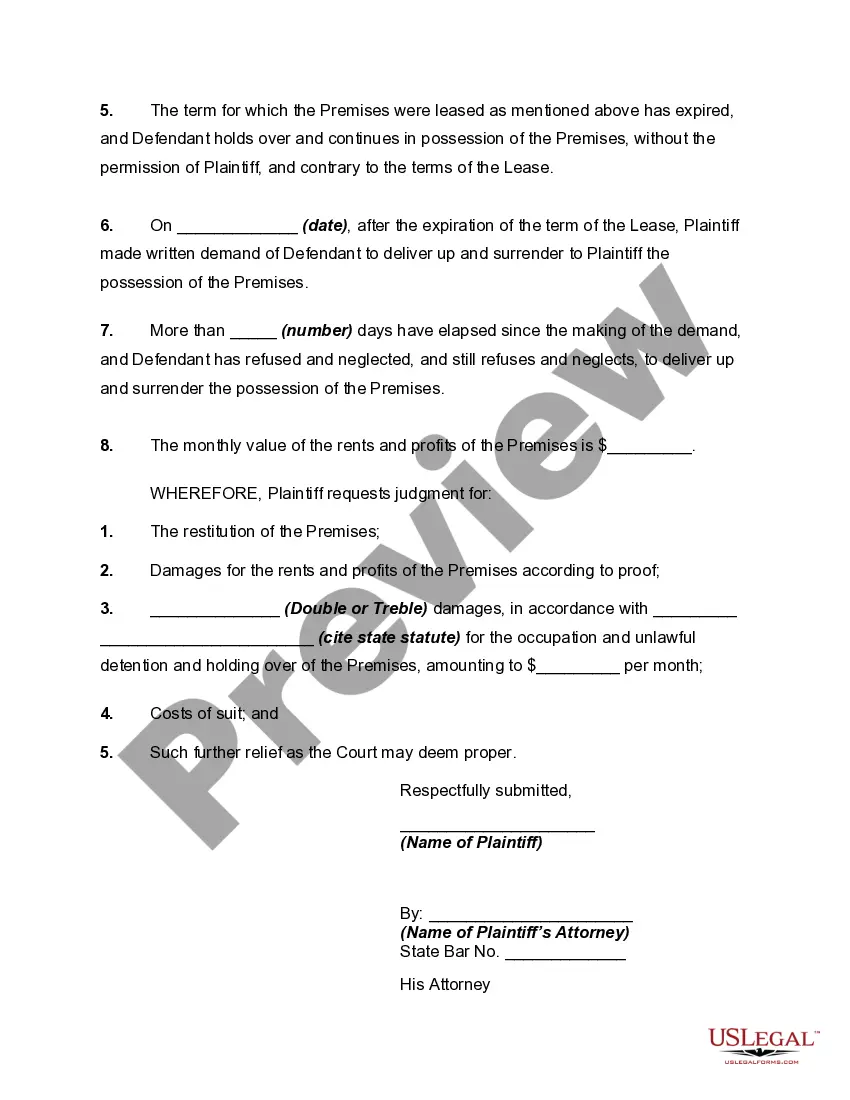
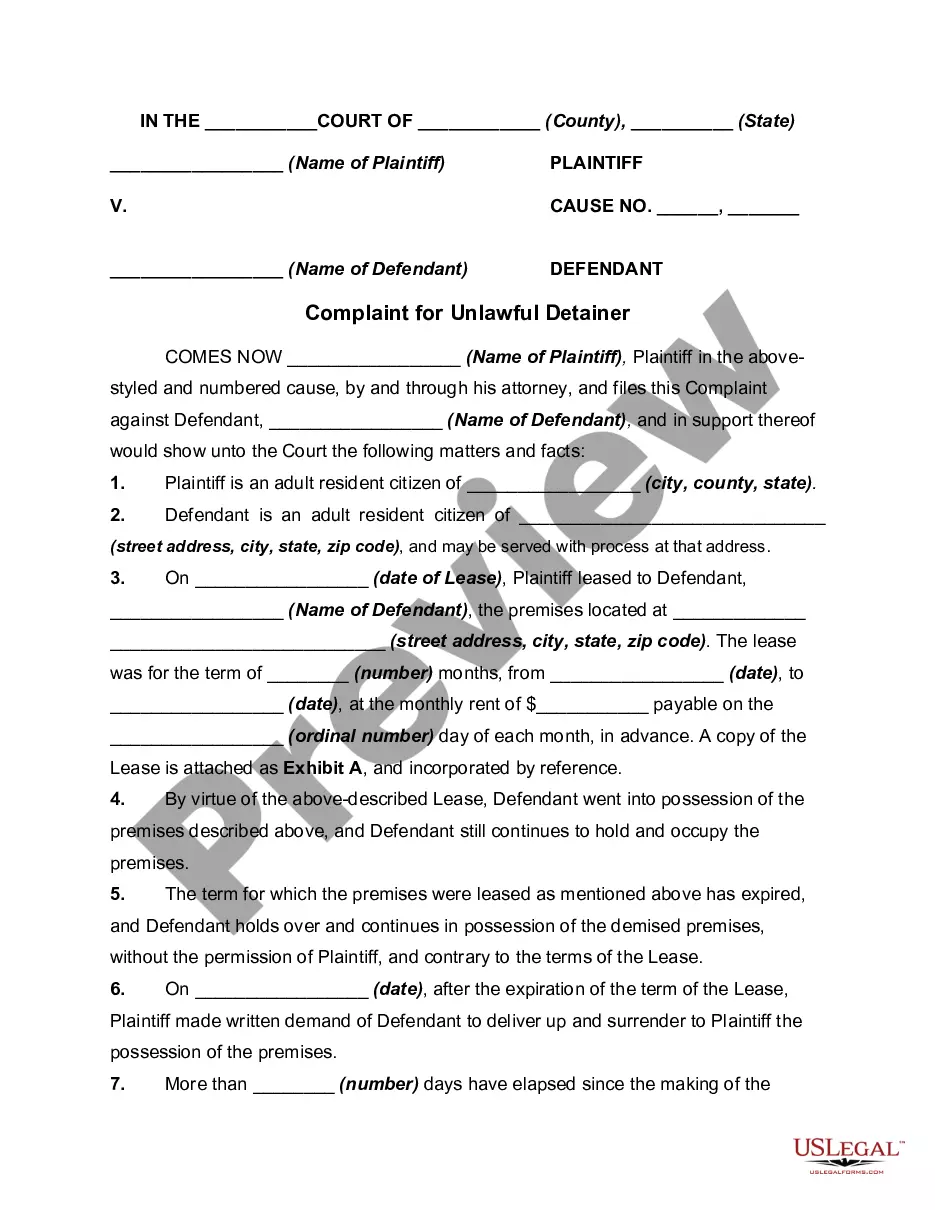
How to fill out Complaint For Unlawful Detainer - Residential Tenant Holding Over After Expiration Of Term?
Managing legal documents can be exasperating, even for seasoned professionals.
When you're looking for Unlawful Detainer Forms in Pinellas County, Florida, and lack the time to search for the correct and current version, the tasks can become overwhelming.
US Legal Forms caters to any requirements you may have, from personal to corporate paperwork, all in one location.
Take advantage of sophisticated tools to complete and manage the Unlawful Detainer Forms in Pinellas County, Florida.
Here are the steps to follow after obtaining the form you need: Confirm that this is the correct form by previewing it and reviewing its details.
- Access a repository of articles, guides, tutorials, and resources pertinent to your situation and needs.
- Conserve time and effort searching for the documents you require, and use US Legal Forms’ advanced search and Review feature to locate Unlawful Detainer Forms in Pinellas County, Florida, and obtain it.
- If you have a subscription, Log In to your US Legal Forms account to search for and retrieve the form.
- Check your My documents tab to view the documents you have previously downloaded and manage your folders as you see fit.
- If you are using US Legal Forms for the first time, create a complimentary account to gain unlimited access to all the library's benefits.
- A comprehensive online form repository can be a significant advantage for anyone aiming to handle these matters effectively.
- US Legal Forms is a leader in online legal documentation, featuring over 85,000 region-specific legal forms accessible at any time.
- With US Legal Forms, you can access state- or county-specific legal and business forms.
Form popularity
FAQ
military affidavit in Pinellas County serves as a legal declaration that a tenant is not in active military service. This affidavit is an important document used during the eviction process, particularly for unlawful detainer actions. By including a nonmilitary affidavit with your unlawful detainer forms Pinellas County Florida, you can streamline the legal process, ensuring compliance with the Servicemembers Civil Relief Act. This transparency can assist in maintaining fair legal practices during evictions.
Note that the Grantor may legally prepare his or her own deed, but only an attorney licensed in the State of New Jersey can prepare a deed for someone else.
In New Jersey you need to include the grantor (seller) name, the grantee (buyer) name and address, the consideration paid for the property, current tax lot information, and an acknowledgment by a notary public.
Deed transfers can be confusing, and many individuals wishing to transfer or purchase property might be able to learn enough to handle the process without a legal professional. However, a deed transfer attorney in New Jersey can limit the amount of stress and uncertainty associated with the process.
Deeds: A copy of a recorded deed can be obtained from the Tax Assessor's office or through the Morris County Clerk's office public search link here.
In New Jersey, the deed must be in English, identify the seller/buyer (grantor/grantee), name the person that prepared the deed, state the consideration (amount paid) for the transfer, contain a legal description of the property (a survey), include the signature of the grantor and be signed before a notary.
Understanding Realty Transfer Fees This means that the seller must pay 1% of the sales price upon recording the deed. The RTF is usually collected at the real estate closing by the legal representatives or title insurance agents responsible for recording the deed at the county registry offices.
In New Jersey, the deed must be in English, identify the seller/buyer (grantor/grantee), name the person that prepared the deed, state the consideration (amount paid) for the transfer, contain a legal description of the property (a survey), include the signature of the grantor and be signed before a notary.
For the most part, the deeds are recorded fairly promptly, but take six to ten weeks to get back a recorded deed from the clerk's office, so be patient.