Complaint For Unlawful Detainer Florida
Description
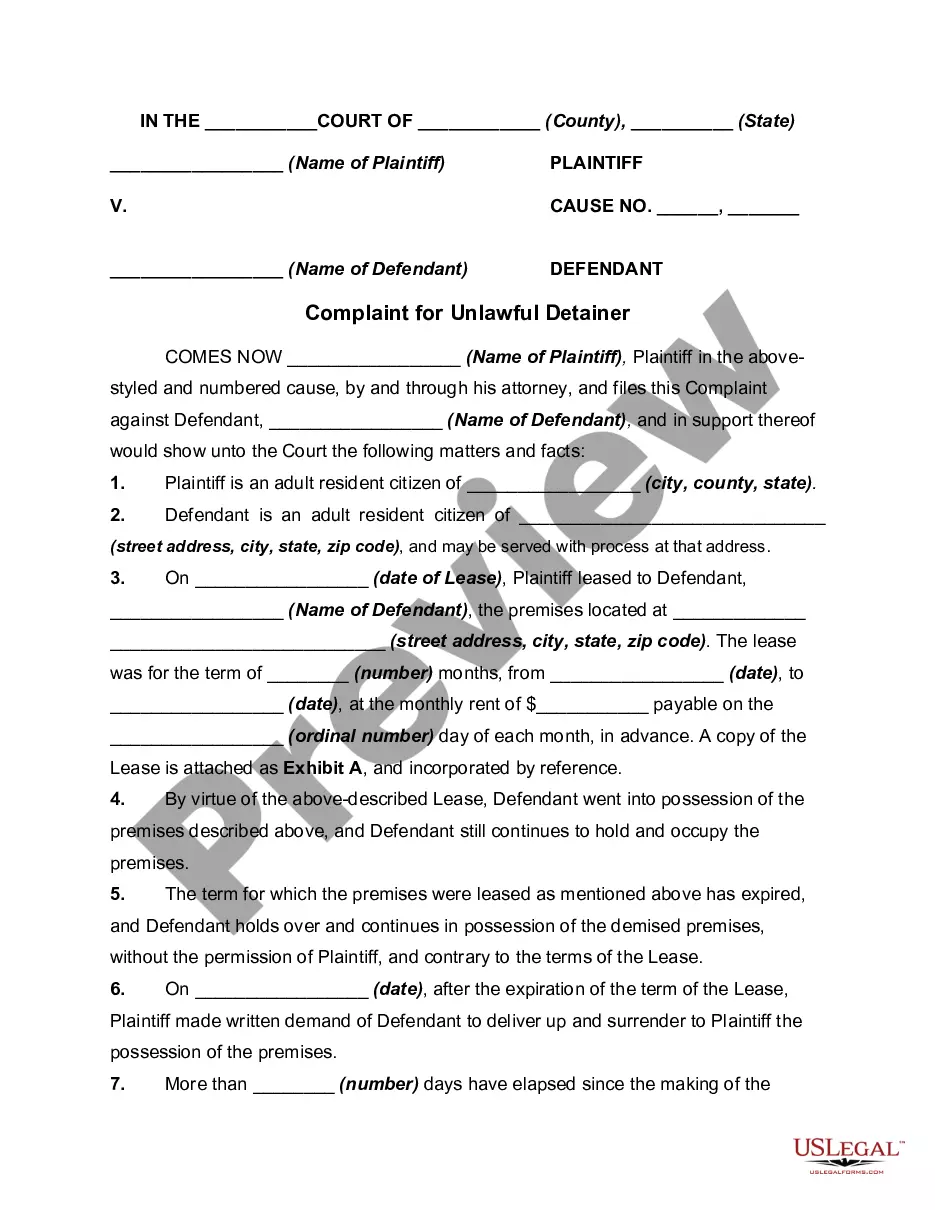

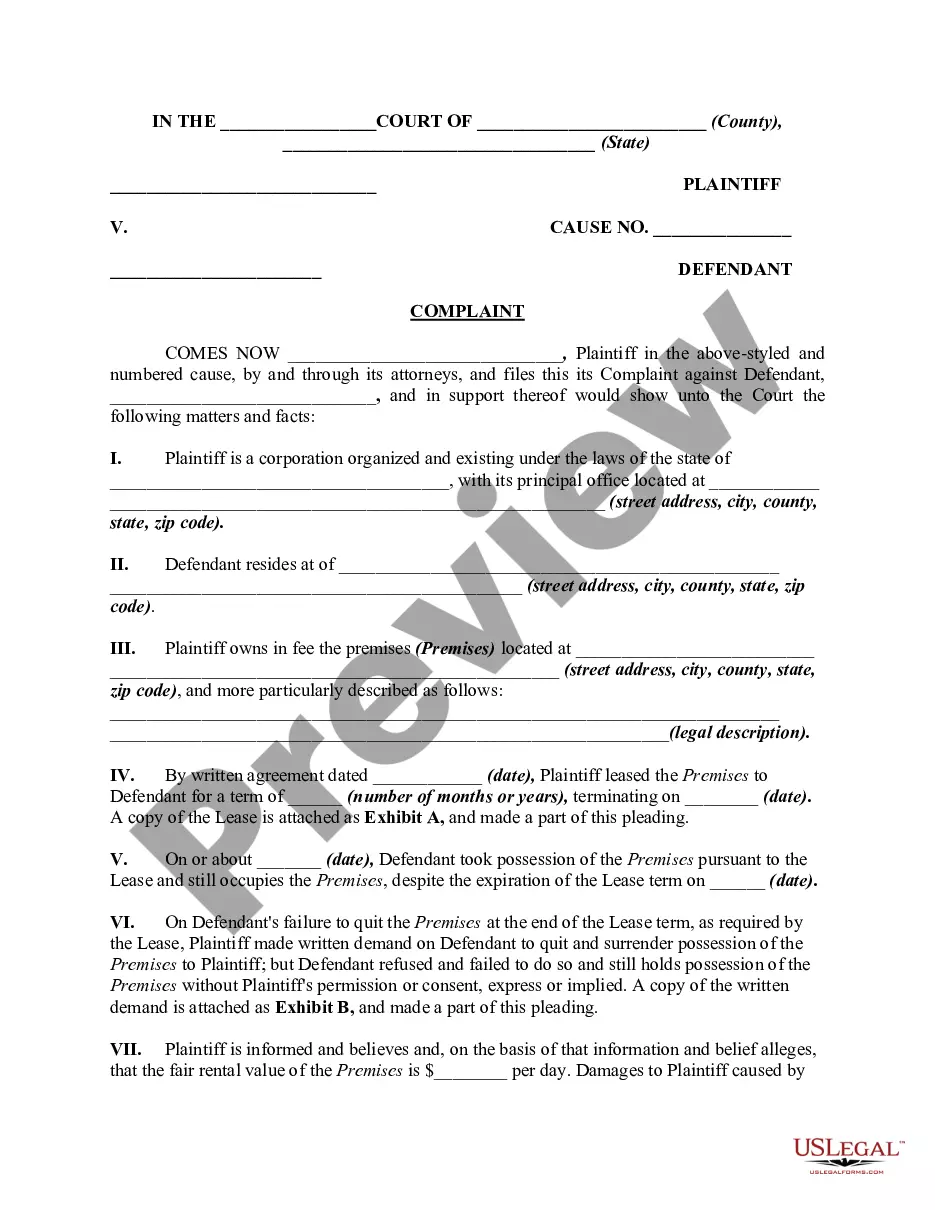
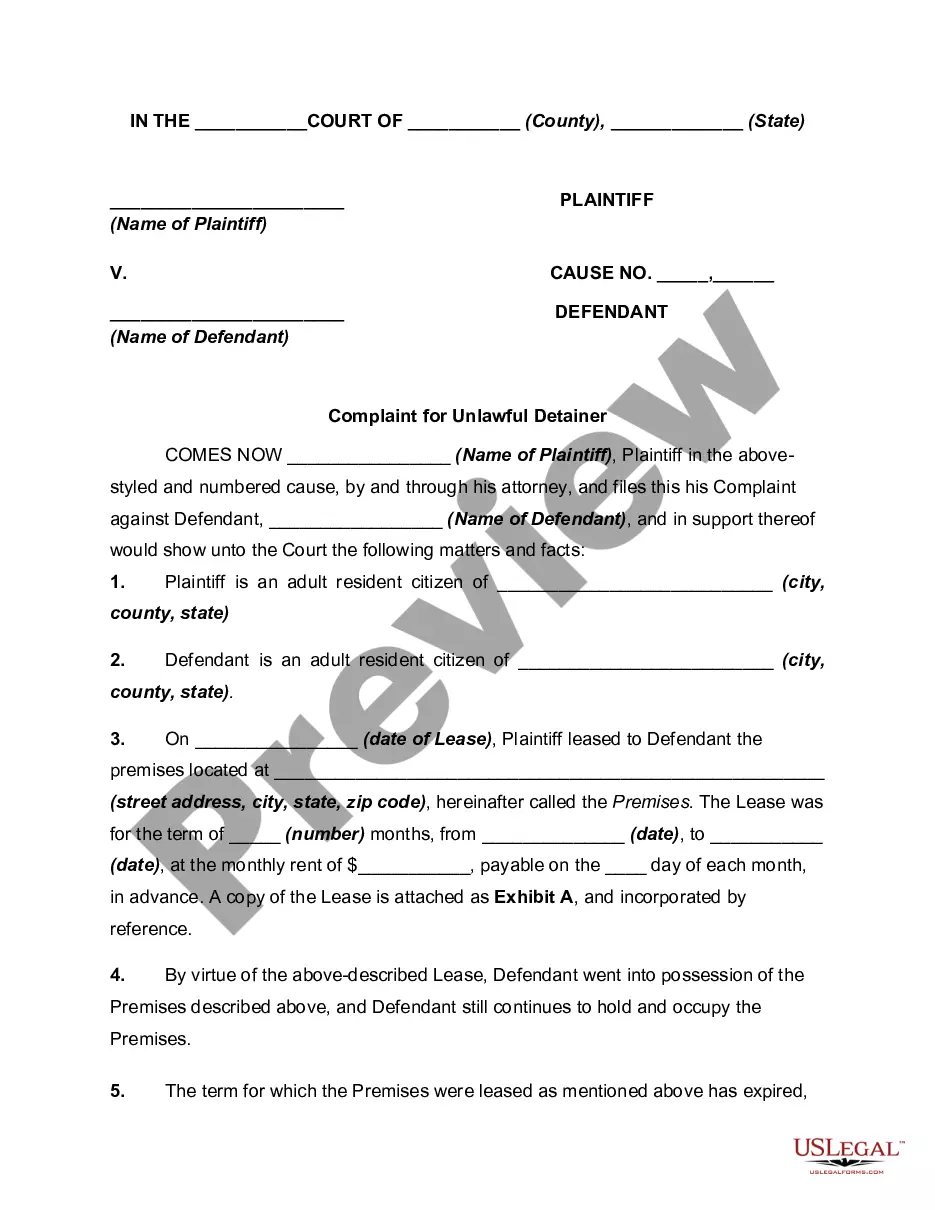
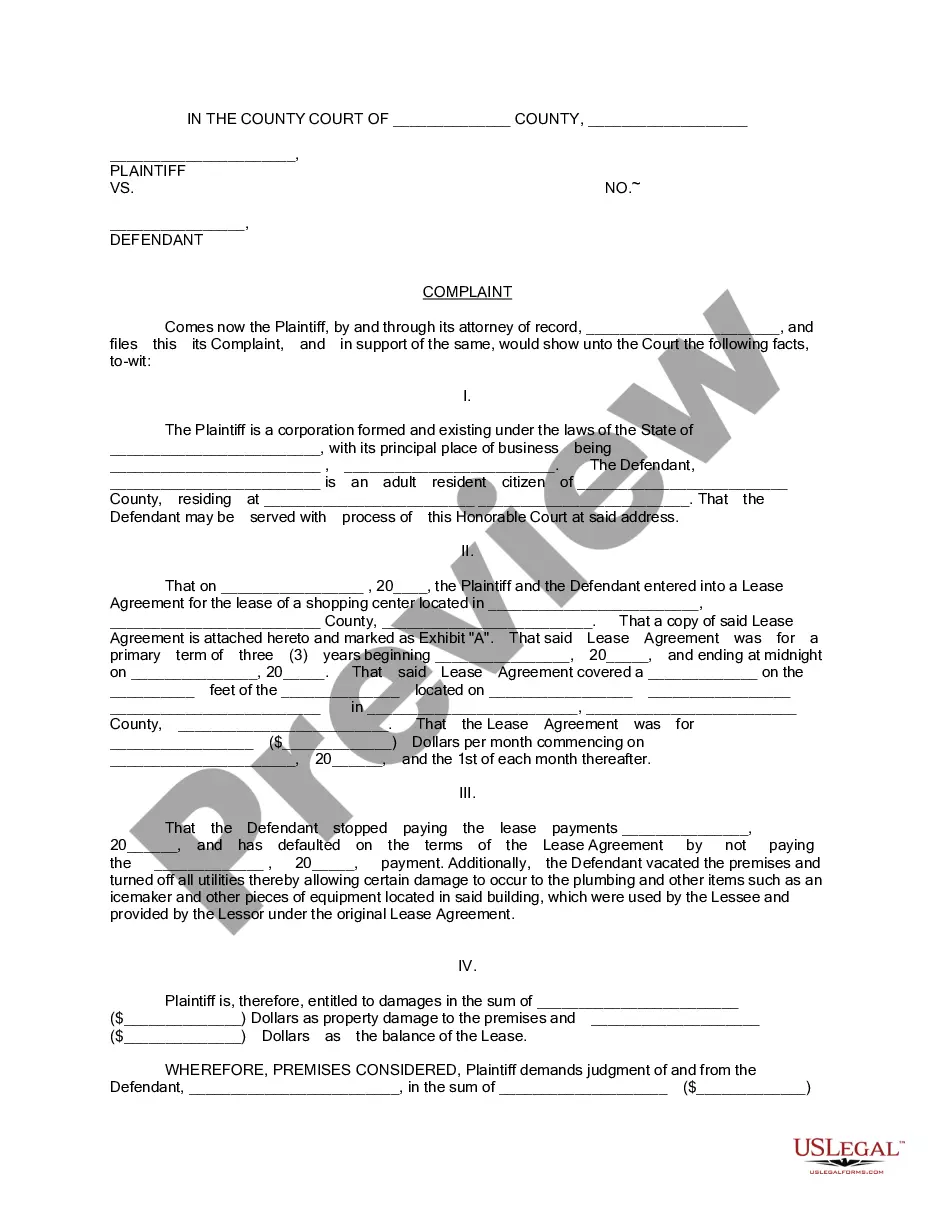
Get your form ready online
Our built-in tools help you complete, sign, share, and store your documents in one place.
Make edits, fill in missing information, and update formatting in US Legal Forms—just like you would in MS Word.
Download a copy, print it, send it by email, or mail it via USPS—whatever works best for your next step.
Sign and collect signatures with our SignNow integration. Send to multiple recipients, set reminders, and more. Go Premium to unlock E-Sign.
If this form requires notarization, complete it online through a secure video call—no need to meet a notary in person or wait for an appointment.
We protect your documents and personal data by following strict security and privacy standards.

Make edits, fill in missing information, and update formatting in US Legal Forms—just like you would in MS Word.

Download a copy, print it, send it by email, or mail it via USPS—whatever works best for your next step.

Sign and collect signatures with our SignNow integration. Send to multiple recipients, set reminders, and more. Go Premium to unlock E-Sign.

If this form requires notarization, complete it online through a secure video call—no need to meet a notary in person or wait for an appointment.

We protect your documents and personal data by following strict security and privacy standards.
Looking for another form?
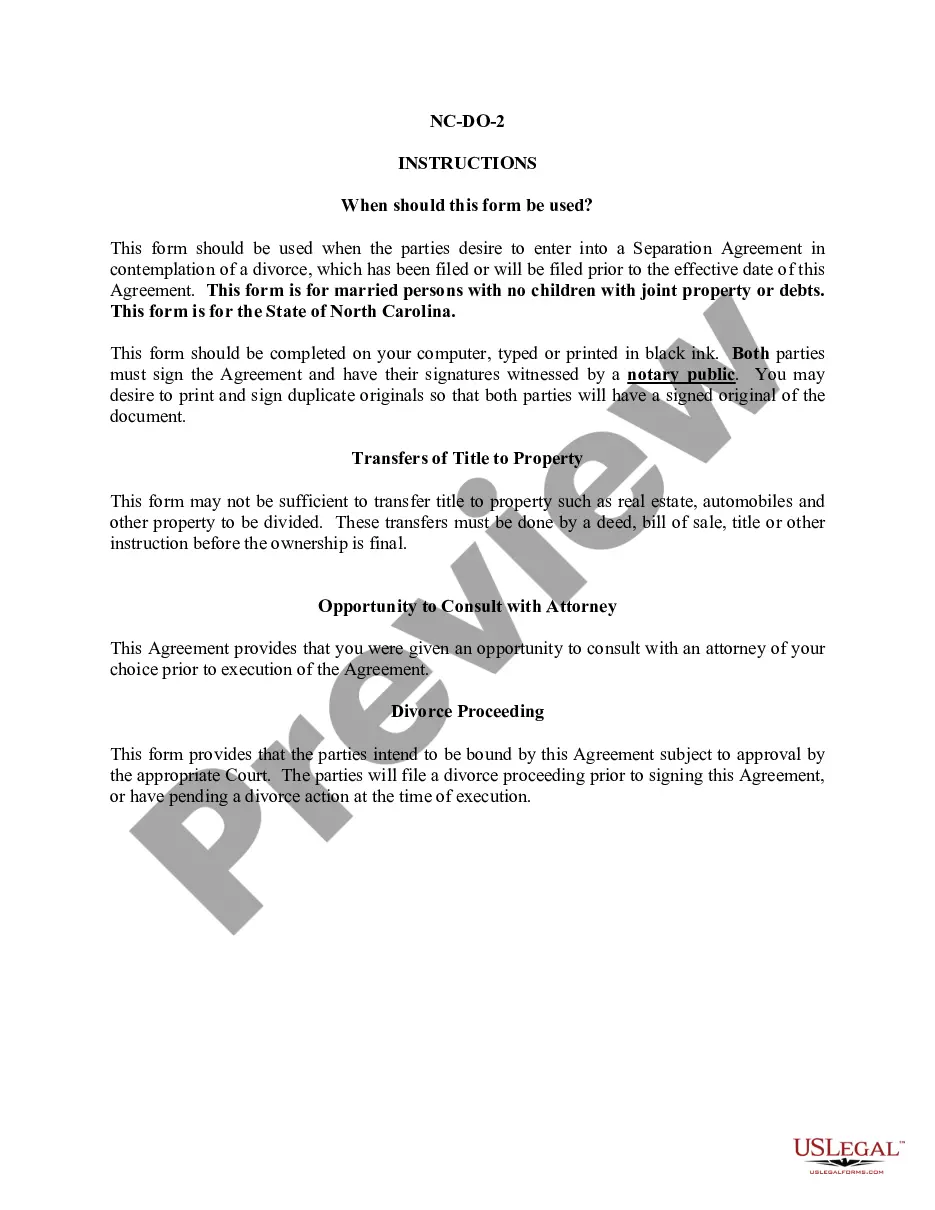

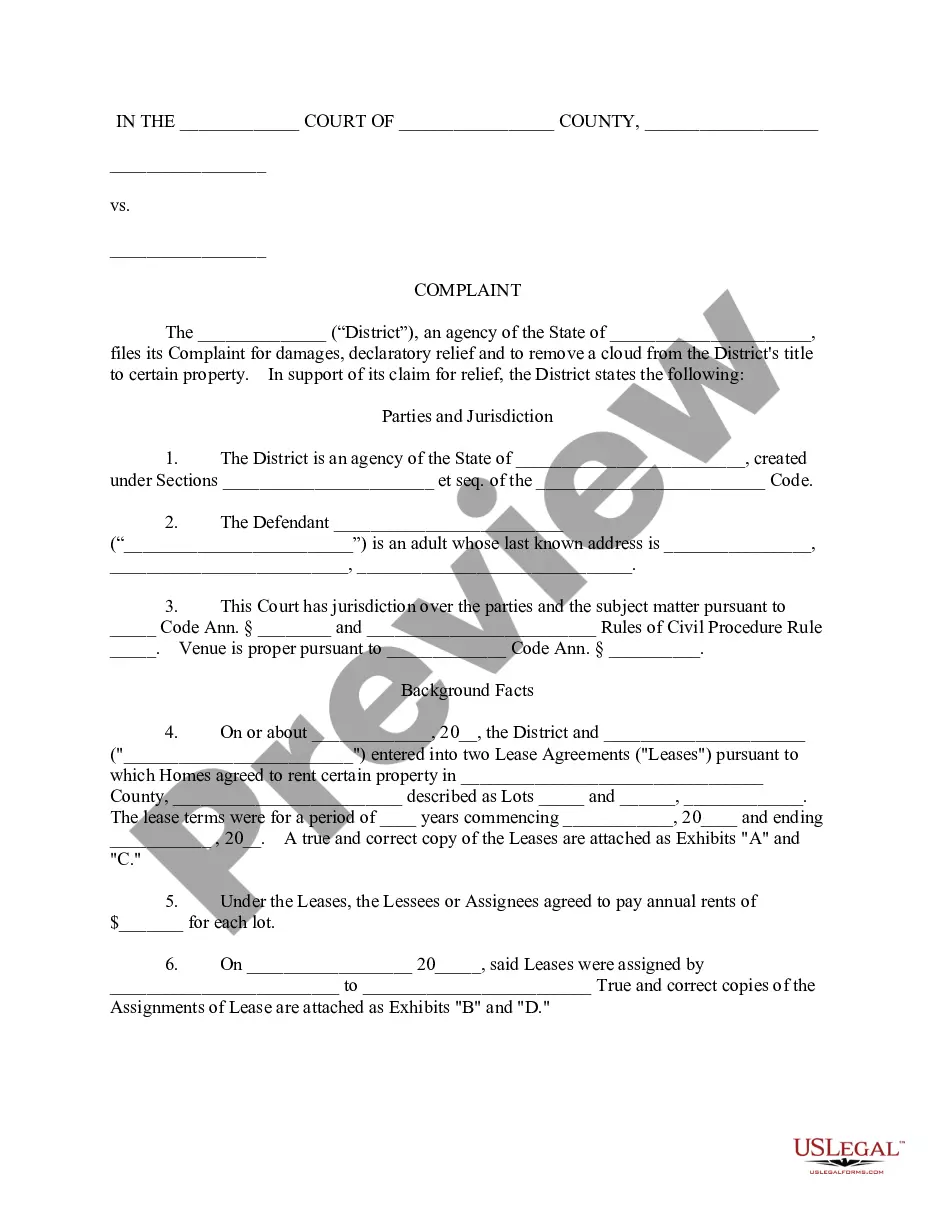
How to fill out Complaint For Unlawful Detainer - Tenant Holding Over After Expiration Of Term?
Finding a reliable source for the latest and appropriate legal documents is a significant part of dealing with bureaucracy.
Identifying the correct legal forms requires accuracy and careful consideration, which is why it is essential to source your Complaint For Unlawful Detainer Florida exclusively from trustworthy providers, such as US Legal Forms. An incorrect form can waste your time and prolong your current predicament. With US Legal Forms, you can focus on your situation with minimal concern. You can view and understand all the particulars regarding the document’s applicability and significance for your case, as well as for your specific state or county.
Eliminate the stress that comes with your legal paperwork. Browse the comprehensive US Legal Forms library to locate legal documents, assess their applicability to your circumstances, and download them instantly.
- Utilize the library navigation or the search bar to find your document.
- Check the form’s description to confirm it meets the criteria of your state and county.
- Preview the form, if available, to ensure it matches your needs.
- If the Complaint For Unlawful Detainer Florida does not meet your requirements, return to the search to locate the appropriate document.
- If you are confident in the form’s relevance, proceed to download it.
- As a registered user, click Log in to verify your identity and access your selected templates in My documents.
- If you do not yet have an account, click Buy now to purchase the template.
- Select the pricing option that aligns with your needs.
- Continue to the registration process to complete your transaction.
- Finalize your purchase by choosing a payment method (credit card or PayPal).
- Select the file format for downloading Complaint For Unlawful Detainer Florida.
- Once you obtain the form on your device, you can modify it with the editor or print it for manual completion.
Form popularity
FAQ
Once both sides have presented their evidence, the judge will make a decision. If the Judge signs a Judgement for Possession, the Clerk can issue the Writ of Possession. The Sheriff's office charges a fee to execute the Writ of Possession and remove the Defendant.
How long does an unlawful detainer take in Florida? The minimum amount of time for your unlawful detainer case to be resolved is approximately 4 weeks and likely will take longer. For that rare timeframe to occur, everything must be in the plaintiff's favor and the court must act swiftly.
(4) ?Unlawful detention? means possessing real property, even if the possession is temporary or applies only to a portion of the real property, without the consent of a person entitled to possession of the real property or after the withdrawal of consent by such person.
The lawsuit must be filed in county court, in the county where the property is located. You must attach proof of ownership or rightful possession of the property to the complaint, such as a deed, and state how you acquired ownership of the property, or a lease..
1) You are trying to remove someone from your home, and 2) You have a legal right to reside in your home (You are the owner or the legal tenant), and 3) The person you are trying to remove does not have a legal right to reside in your home (they are not an owner or a legal tenant), and 4) There is no agreement for rent ...