Forcible Detainer Form For Tenant
Description
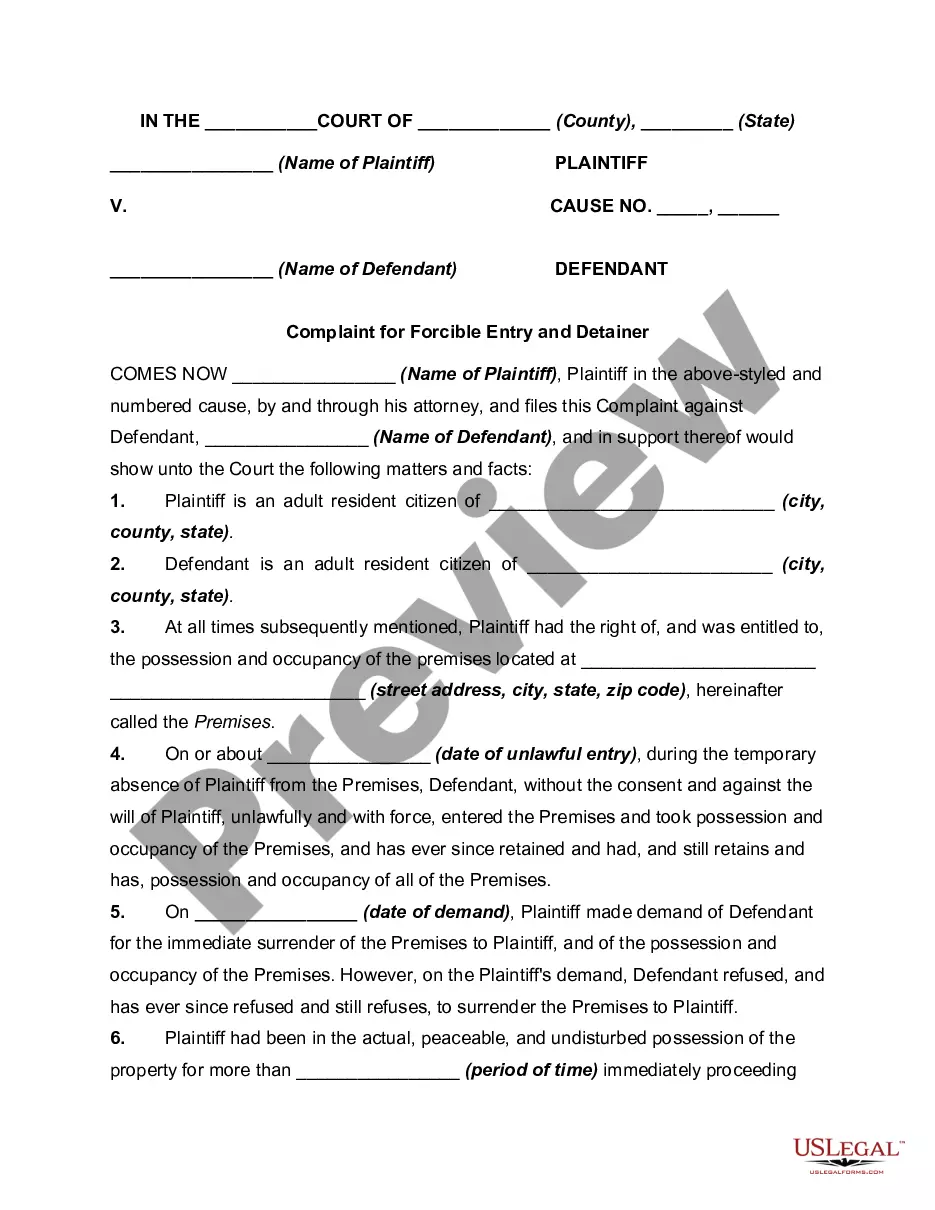
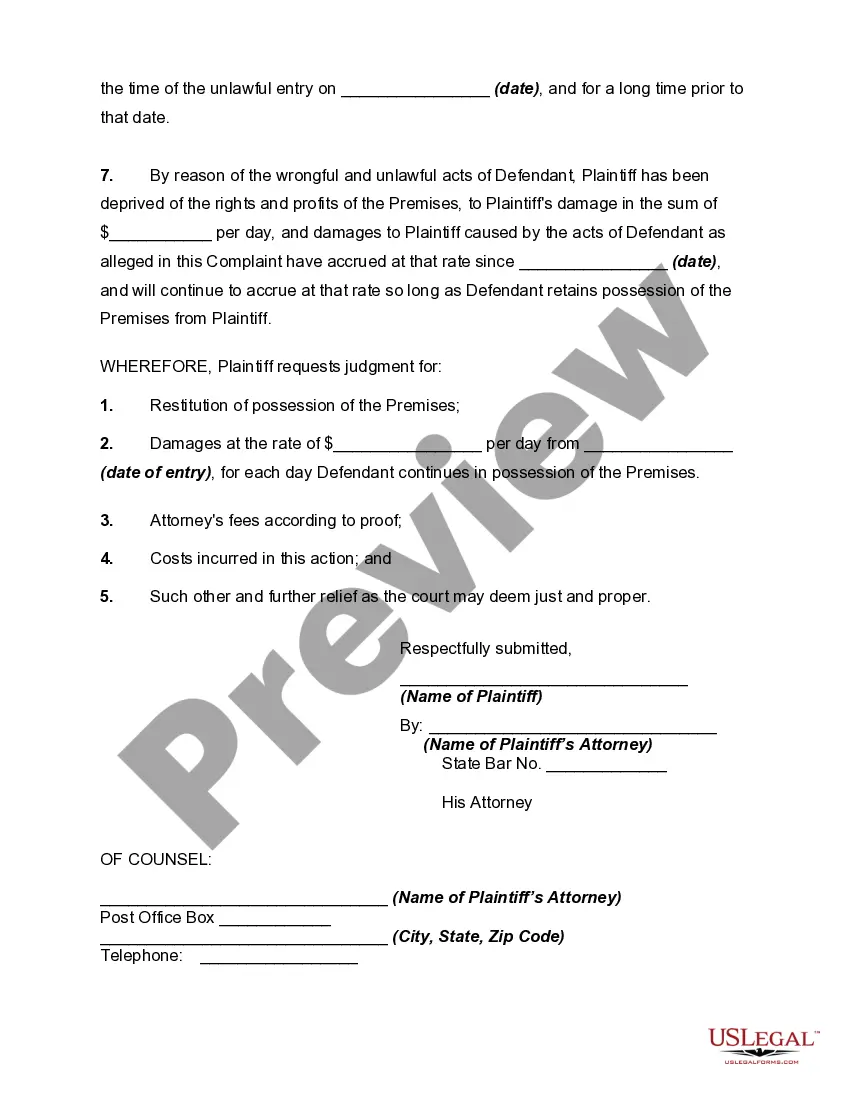
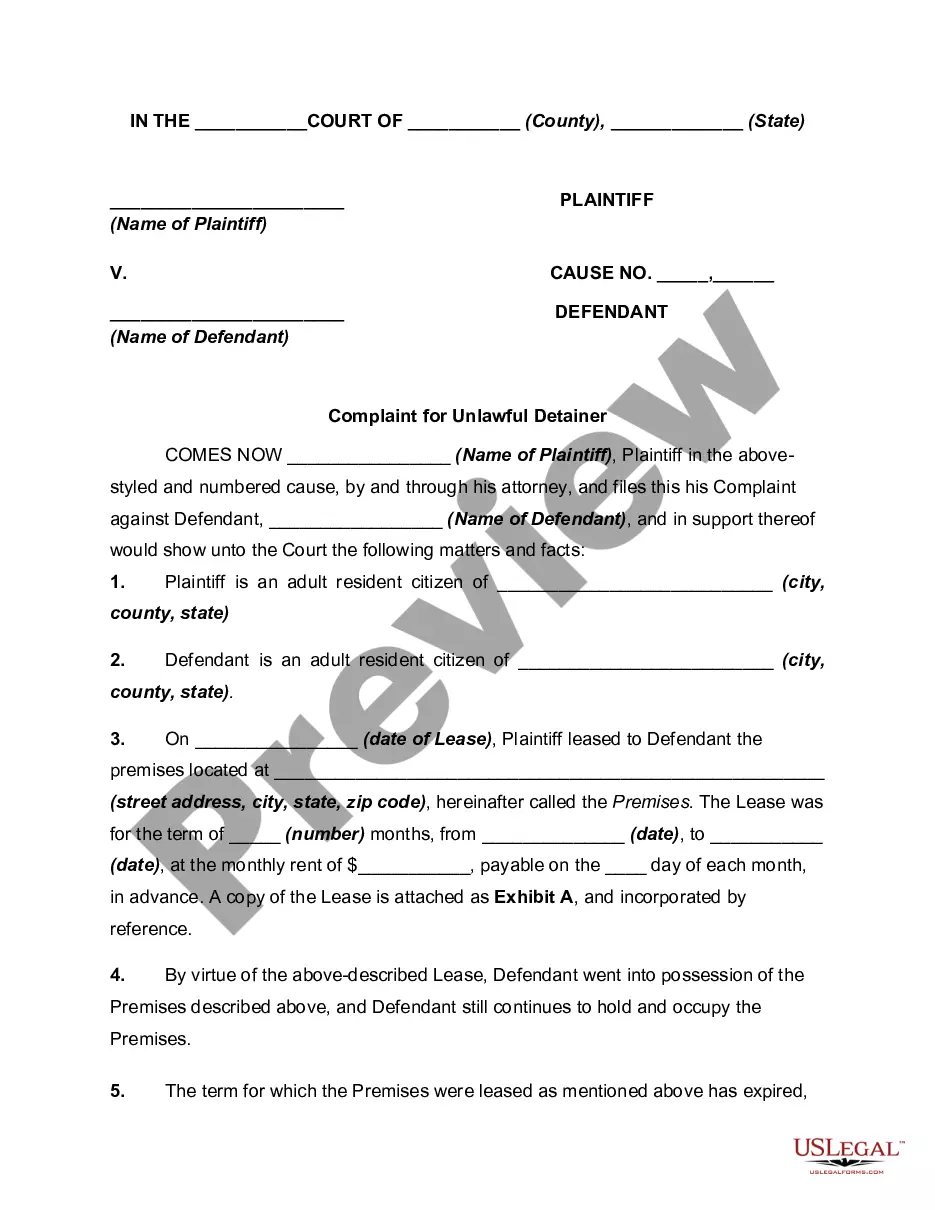
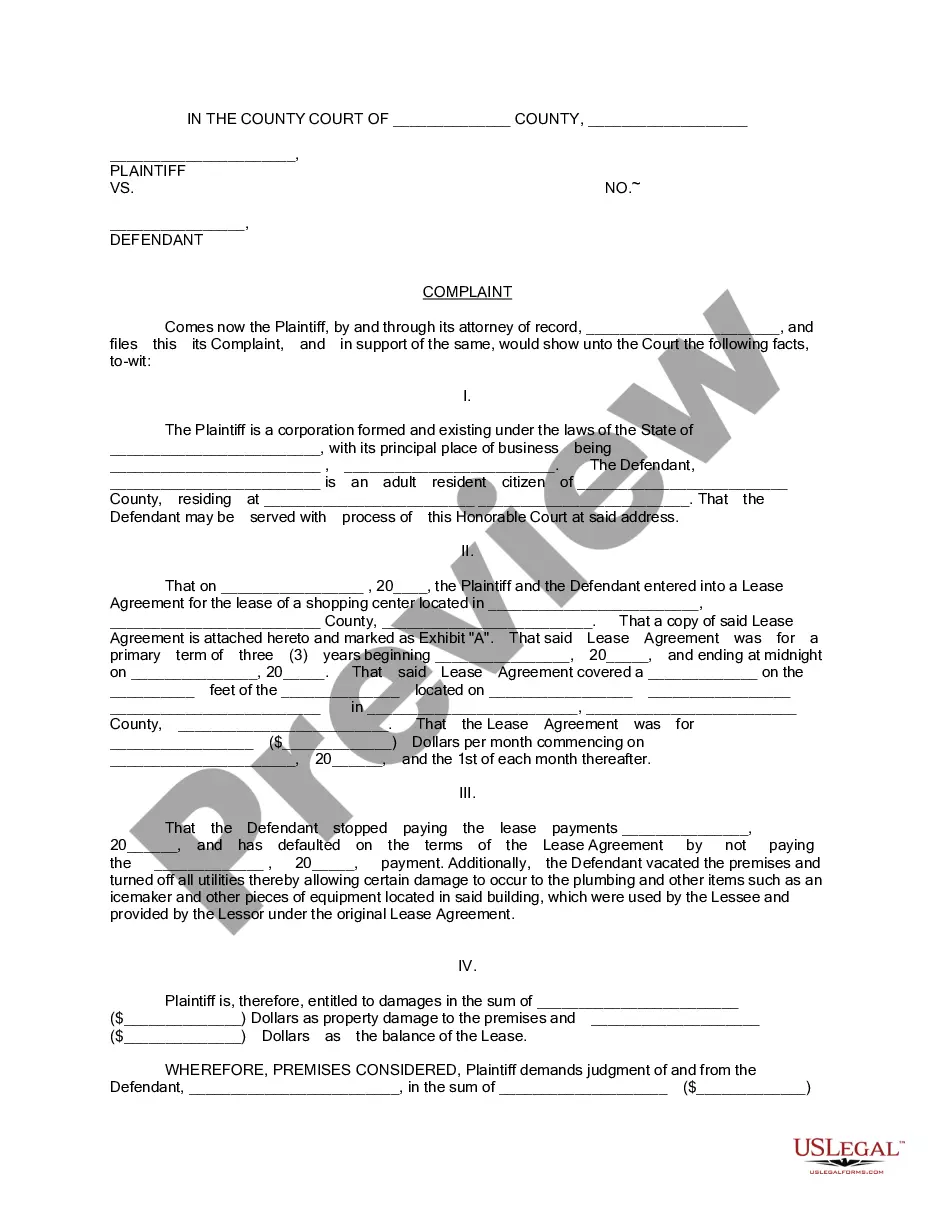
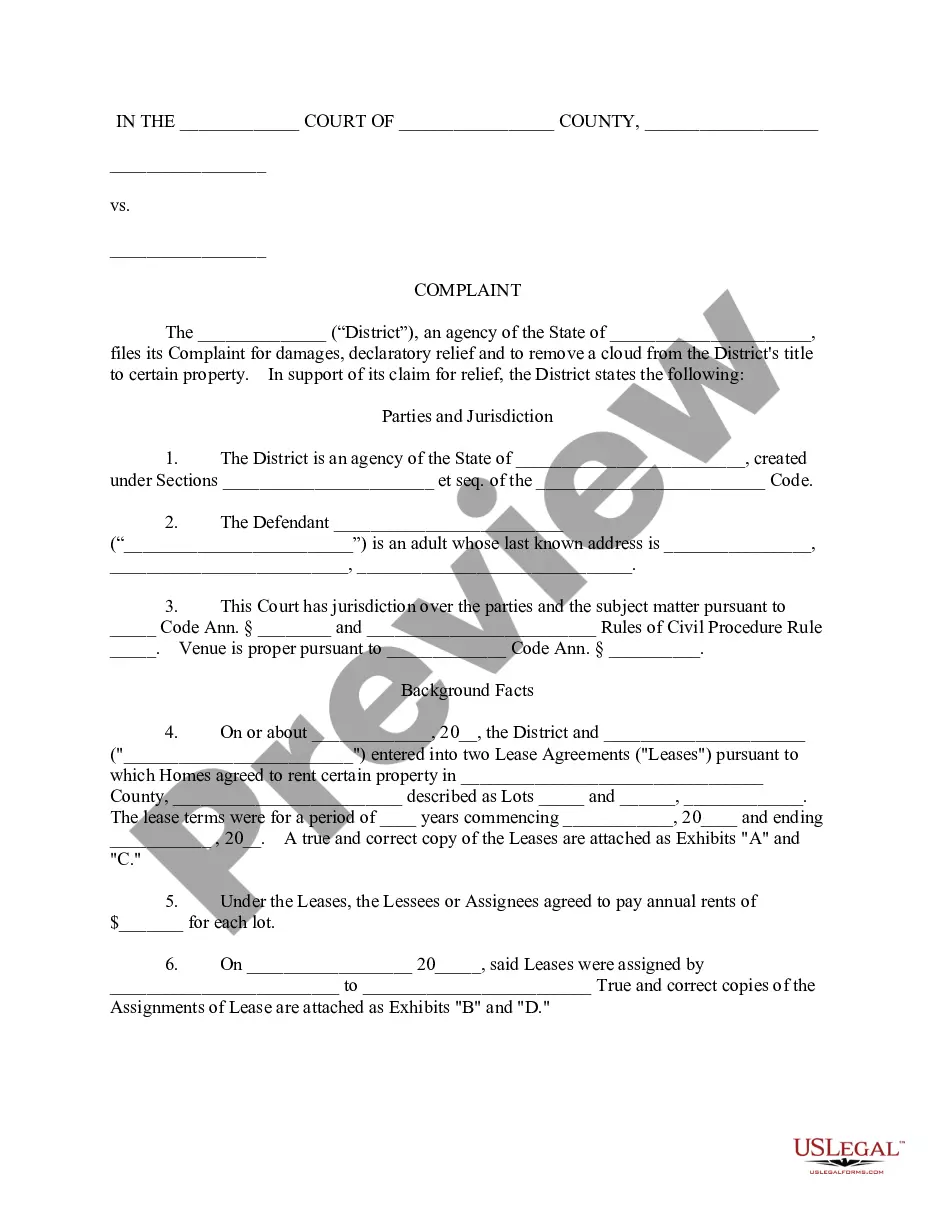

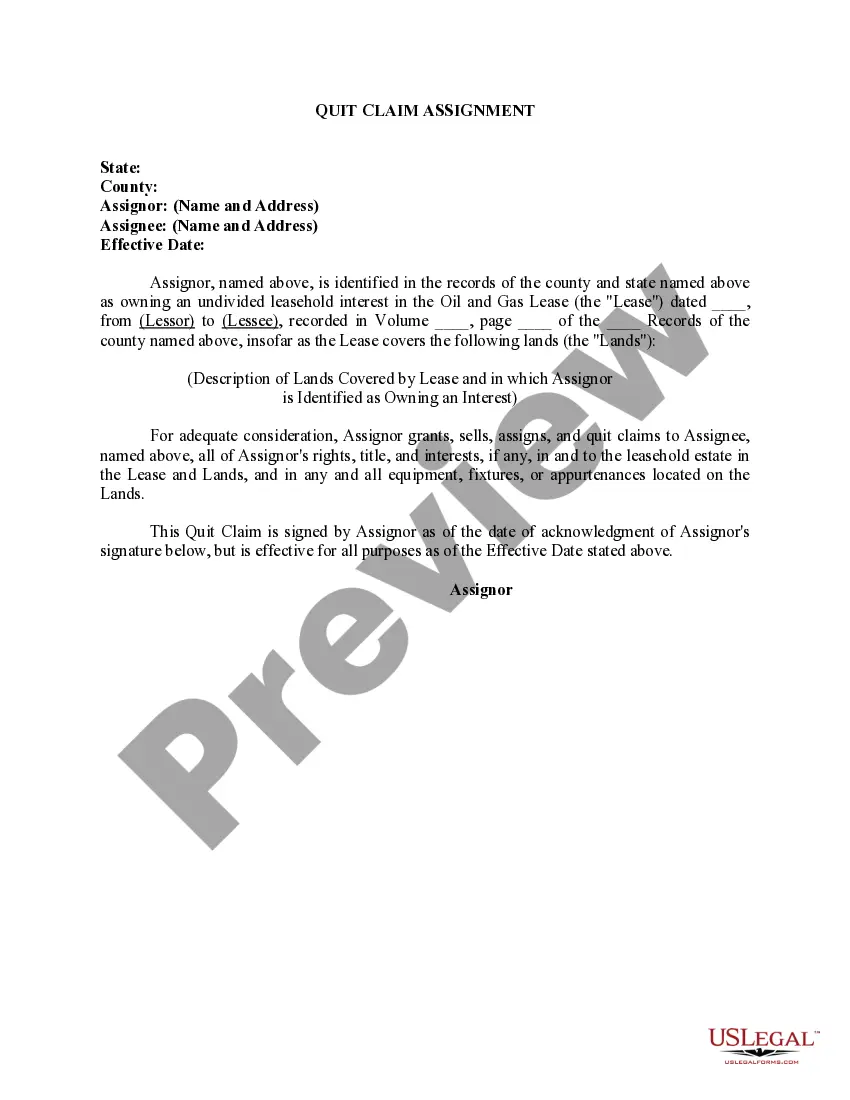
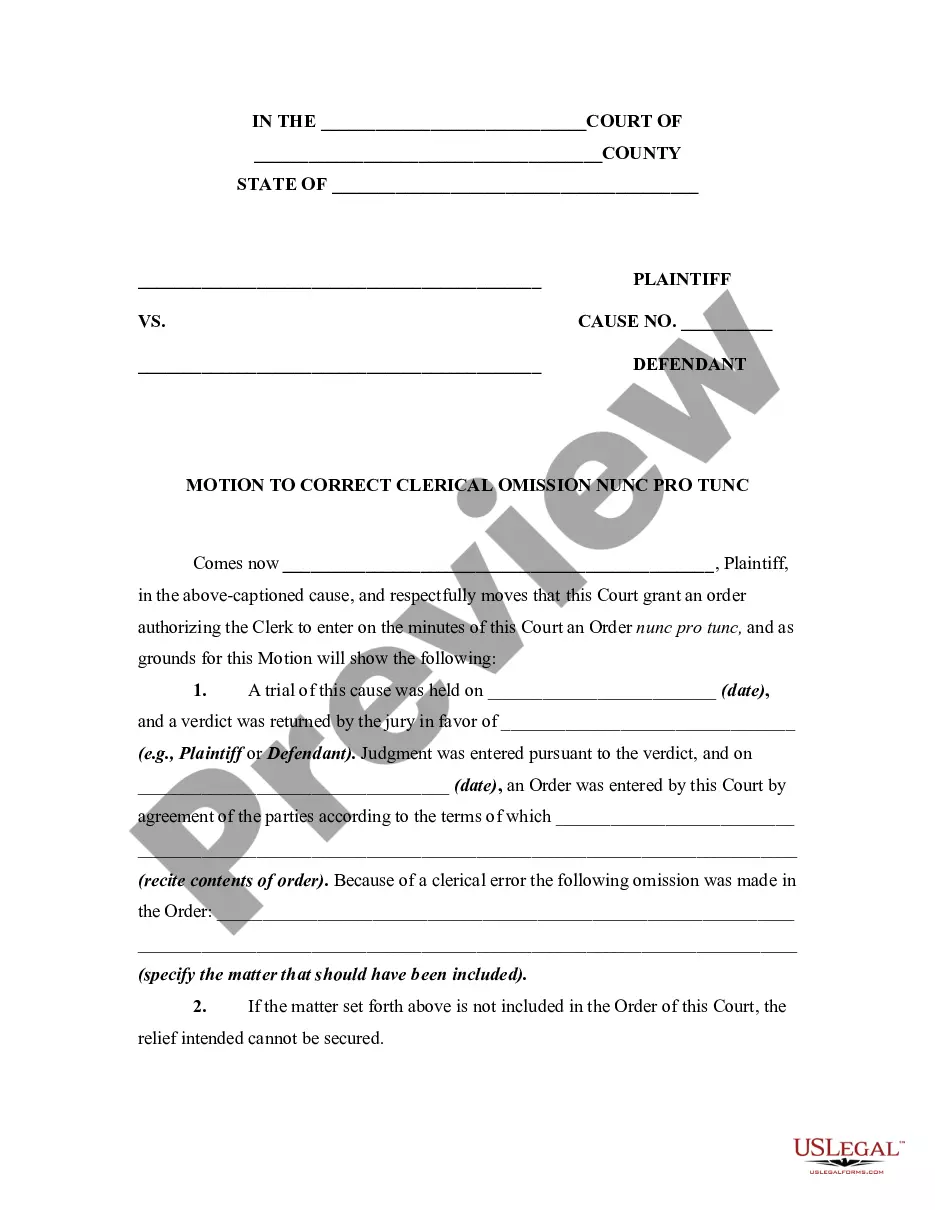
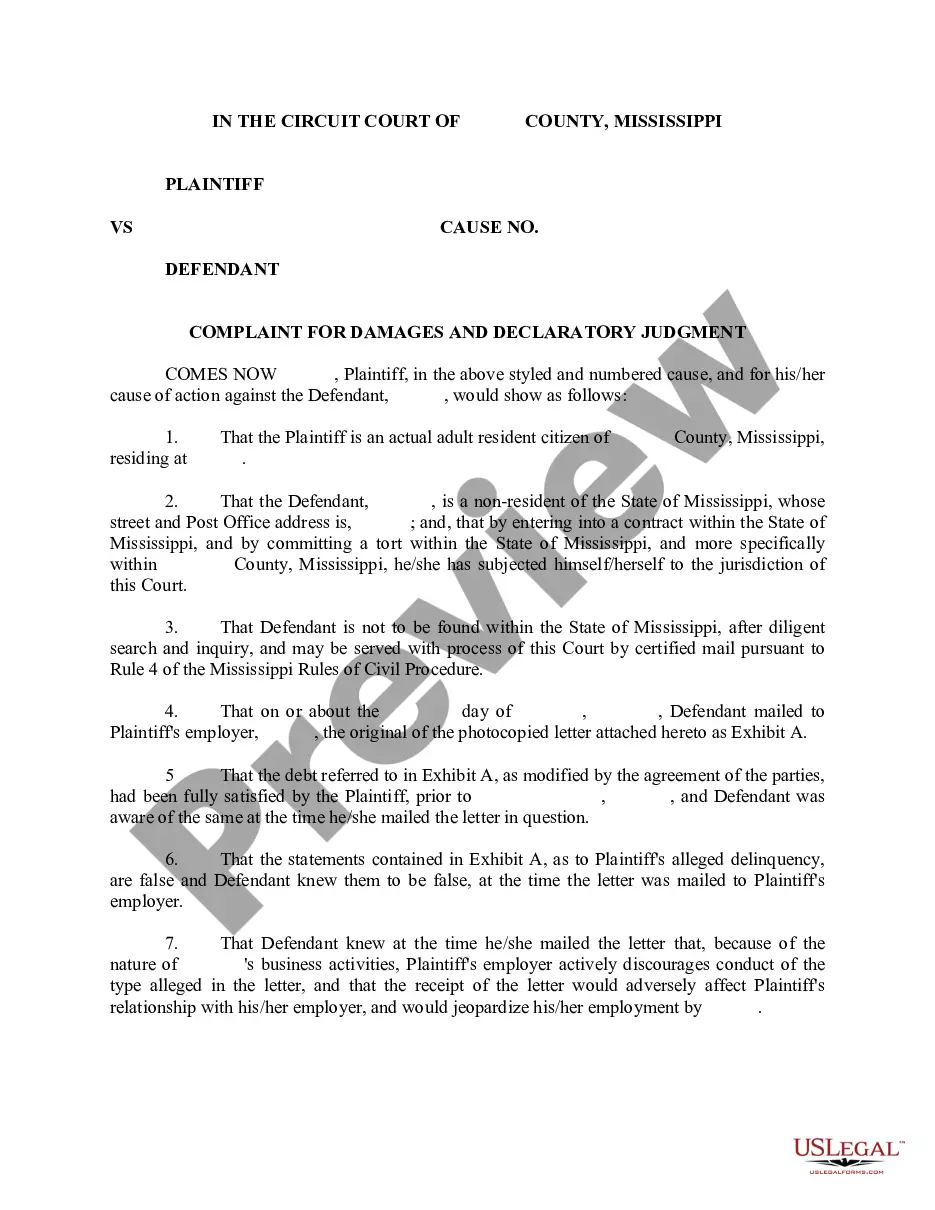
How to fill out Complaint For Forcible Entry And Detainer - Defendant Refuses To Surrender Premises On Demand?
Legal administration can be perplexing, even for experienced professionals.
When you are looking for a Forcible Detainer Form For Tenant and don’t have the opportunity to dedicate to finding the correct and updated version, the procedures can be stressful.
US Legal Forms addresses any needs you might have, from personal to corporate documentation, all in one place.
Employ sophisticated tools to complete and oversee your Forcible Detainer Form For Tenant.
Here are the steps to follow after obtaining the form you need: Confirm this is the correct form by previewing it and reviewing its details. Ensure that the template is approved in your state or county. Select Buy Now when you are prepared. Choose a monthly subscription plan. Find the format you prefer, and Download, fill out, eSign, print, and send your document. Enjoy the US Legal Forms online library, backed by 25 years of experience and trustworthiness. Streamline your routine document management into a straightforward and user-friendly process today.
- Access a repository of articles, guides, and manuals relevant to your situation and needs.
- Save time and effort searching for the documents you require, and utilize US Legal Forms’ advanced search and Preview feature to find Forcible Detainer Form For Tenant and obtain it.
- If you have a monthly subscription, Log In to your US Legal Forms account, look for the form, and acquire it.
- Check your My documents section to see the documents you have previously saved and to organize your folders as needed.
- If it is your first experience with US Legal Forms, create an account and gain unlimited access to all the advantages of the repository.
- A robust online form repository can be transformative for anyone aiming to handle these circumstances effectively.
- US Legal Forms is a leading provider of digital legal forms, with over 85,000 state-specific legal documents available to you at any time.
- With US Legal Forms, you can access state- or county-specific legal and business forms.
Form popularity
FAQ
Request/Counter-Request to Set Case for Trial?Unlawful Detainer (UD-150) Ask for a trial date in an eviction case when the tenant filed an Answer (form UD-105). Get form UD-150. Effective: January 1, 2005. View UD-150 Request/Counter-Request to Set Case for Trial?Unlawful Detainer form.
What is the Cost of Filing an Eviction Process in Oklahoma Type of Eviction ClaimFiling FeeIllegal Activity$85 plus service chargeObligation for less than $5000$58 plus service chargeObligation of more than $5000$209.14 plus service chargeUncontested Residential eviction$247.85 plus service charge2 more rows
Respond to the eviction case by filing a written response with the court very quickly. This means you're going to participate in the lawsuit and fight the eviction. Talk with your landlord and try to come up with an agreement where you can stay in your home.
Tell the court and the landlord your responses to the Complaint and things you want to ask for as a tenant in an eviction case. Get form UD-105.
Forcible detainer is the statutory procedure which enables a landlord to recover possession of rental premises from a ten- ant. ' While this action in Kentucky has evolved from an Eng- lish criminal proceeding, it is not a common law action.