Pretrial Diversion In Texas
Description
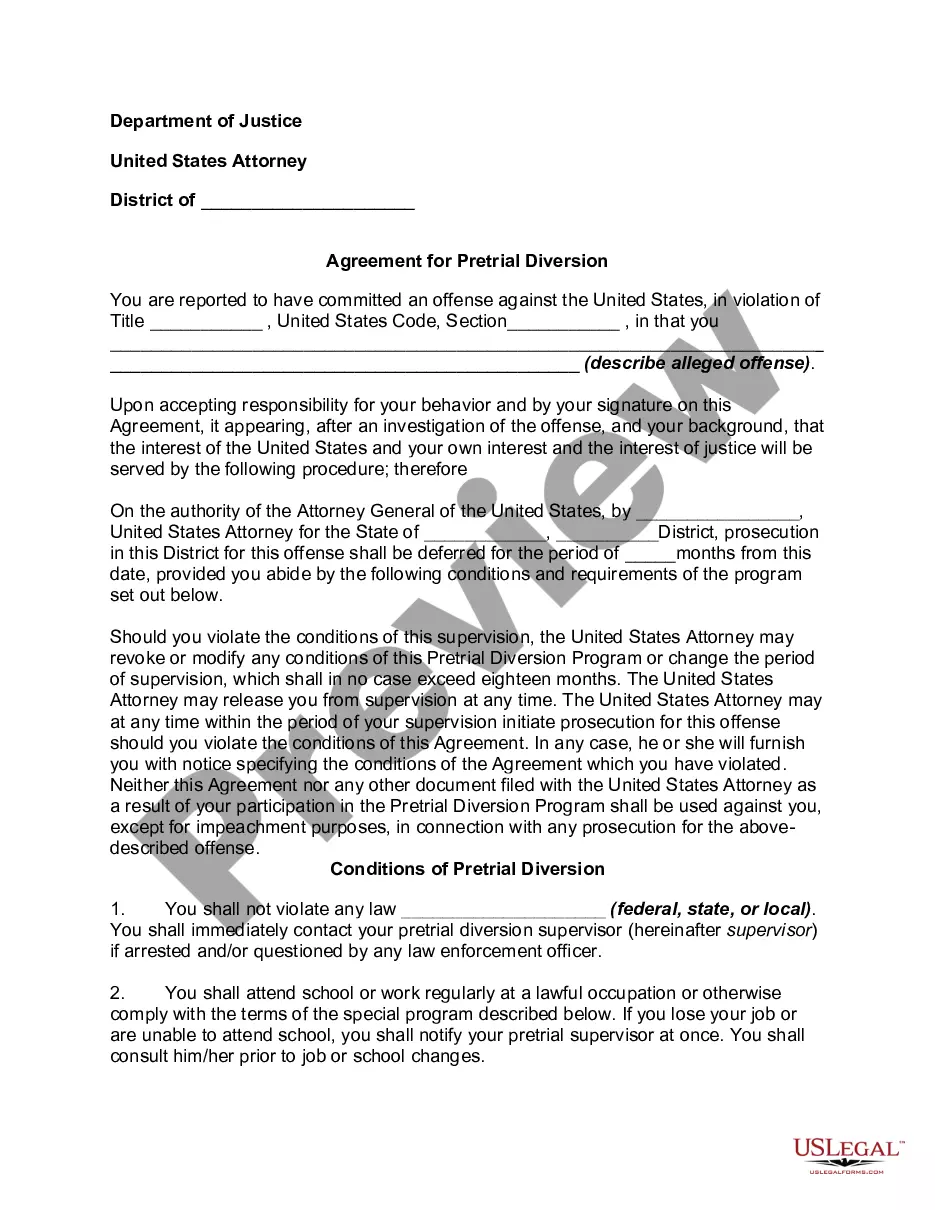
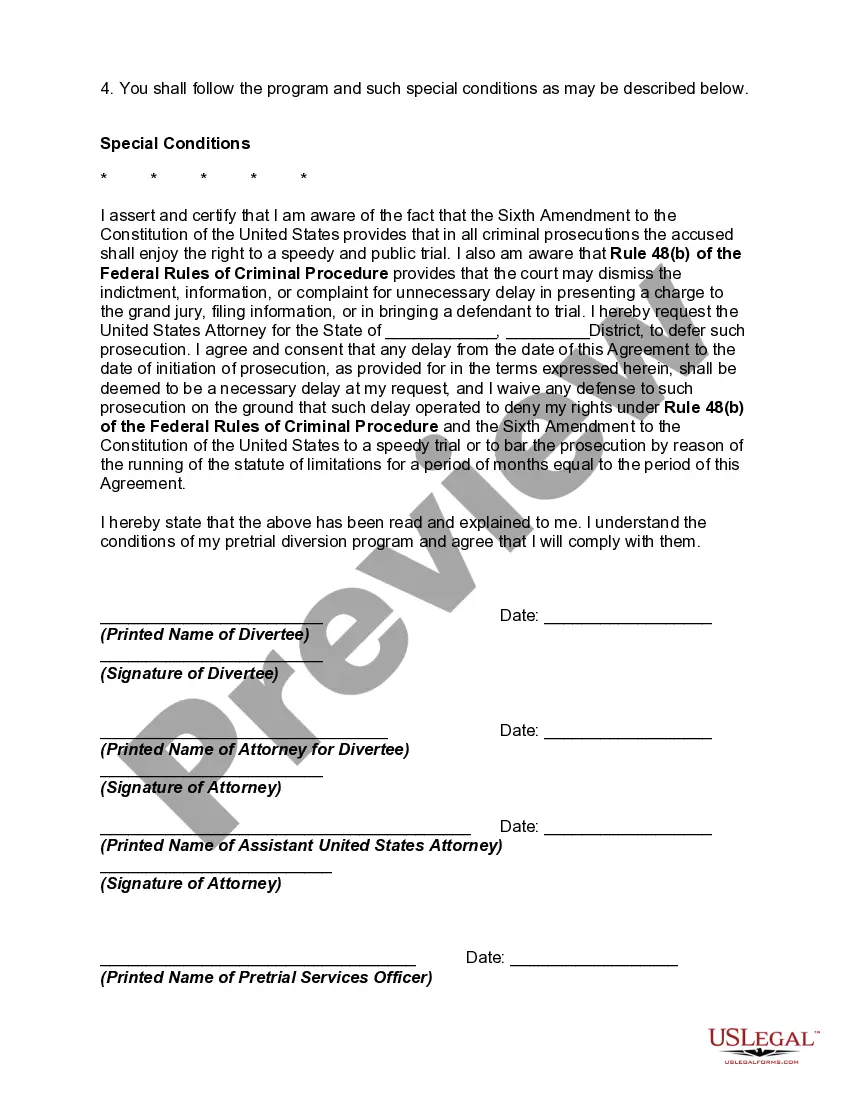
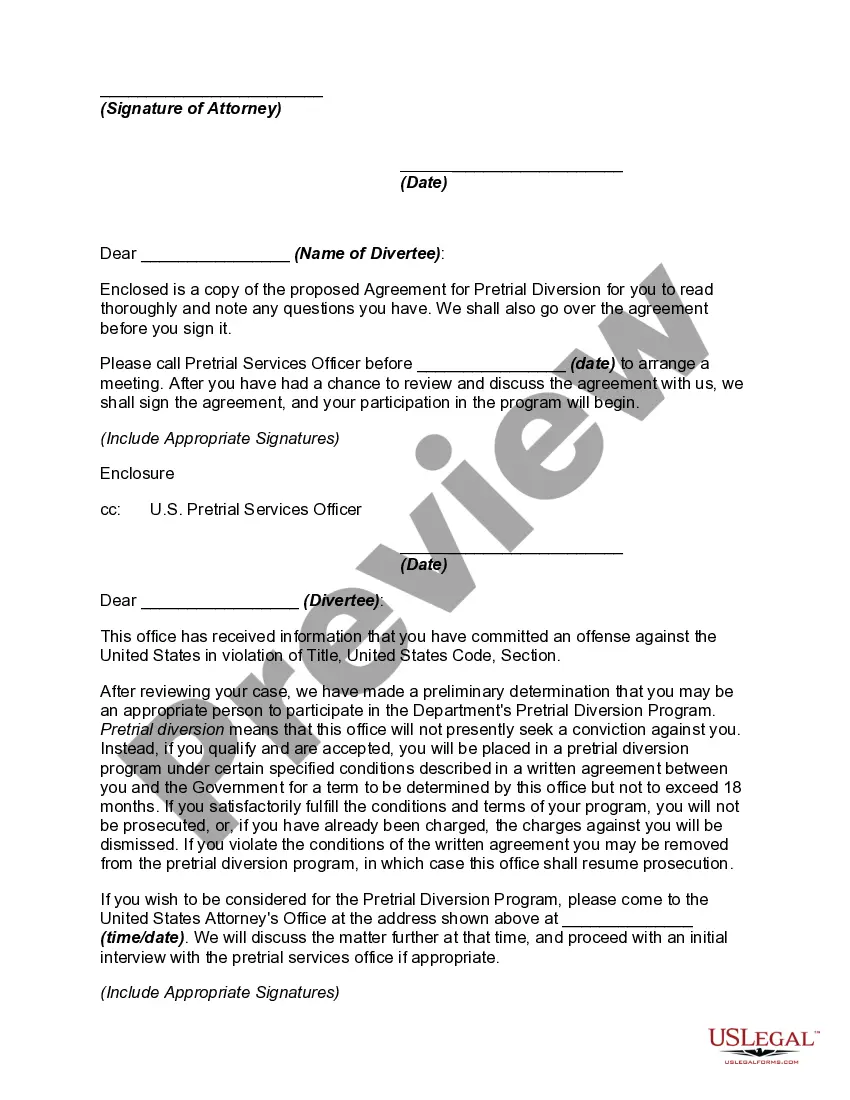
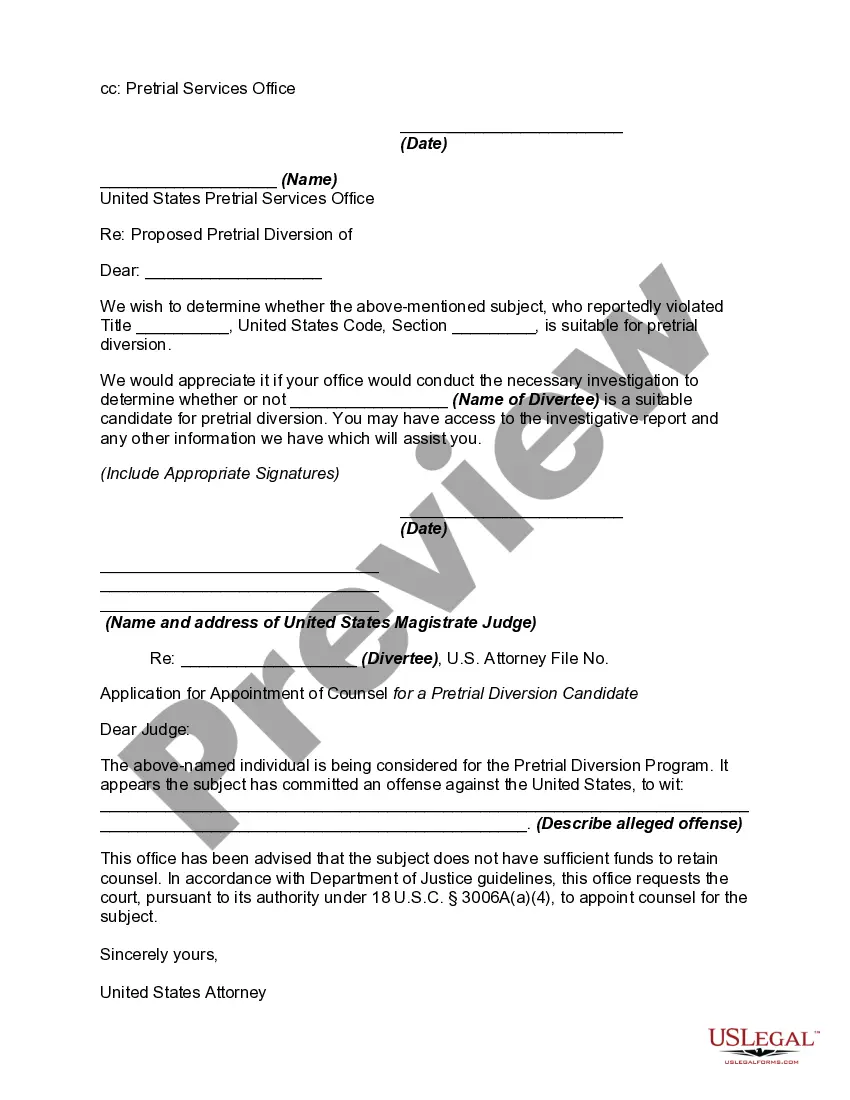

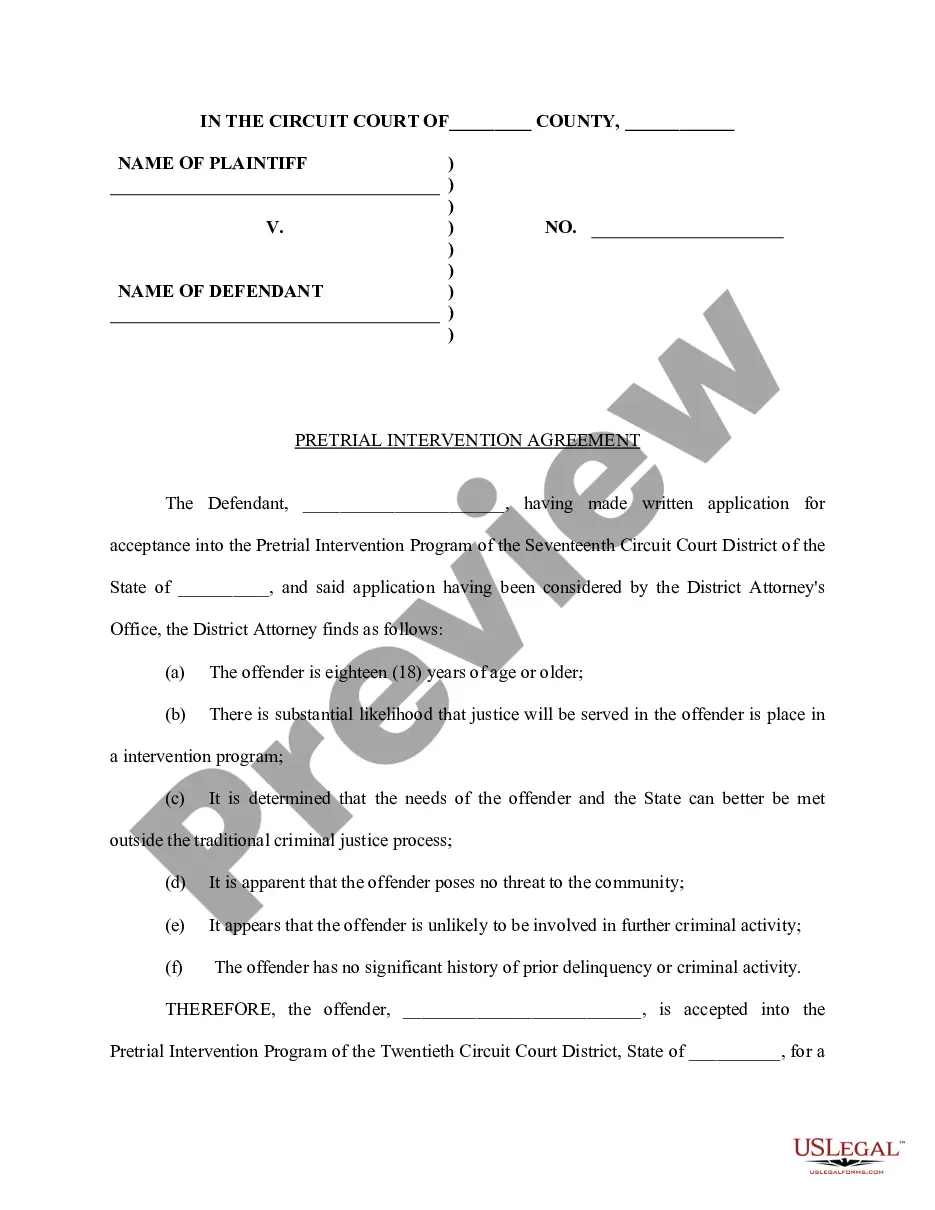
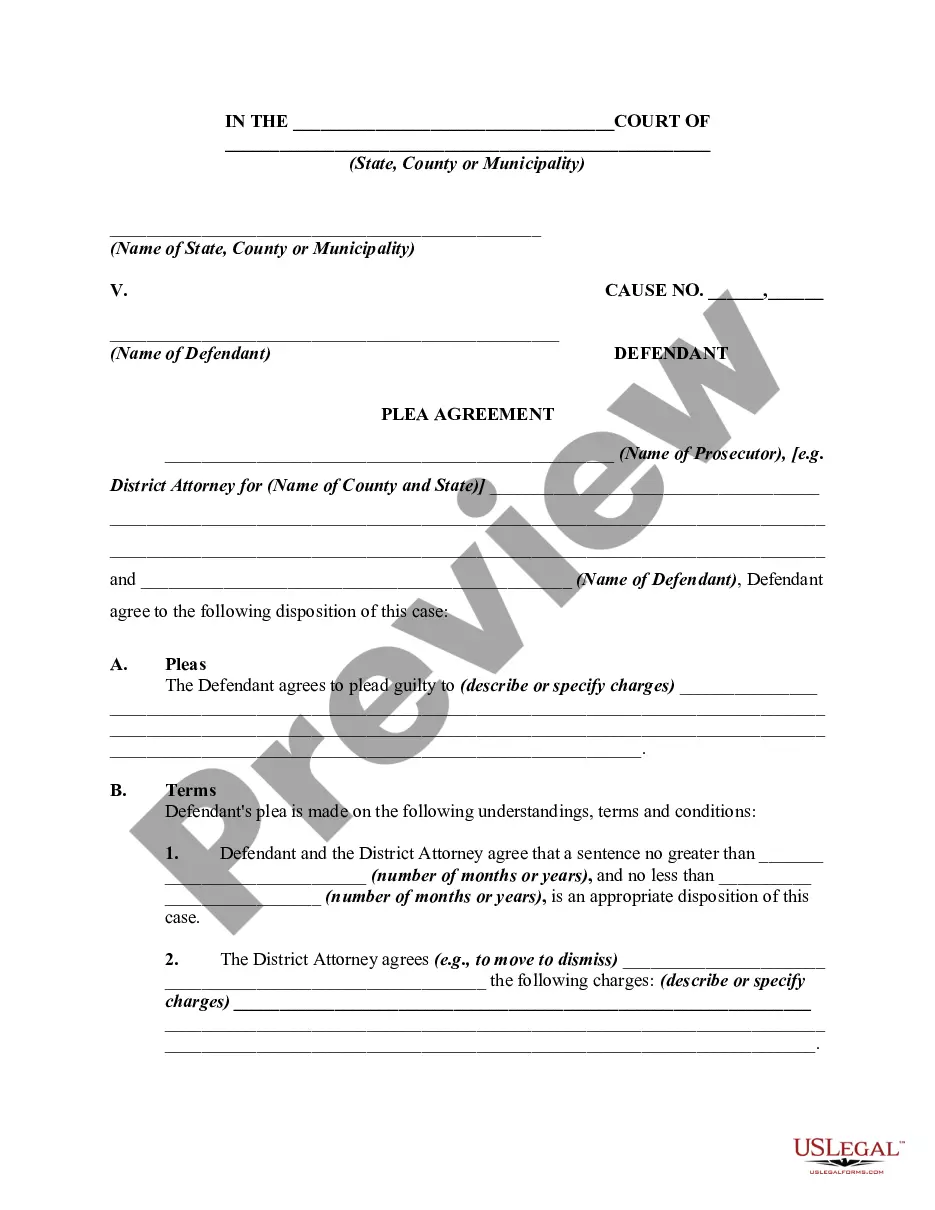

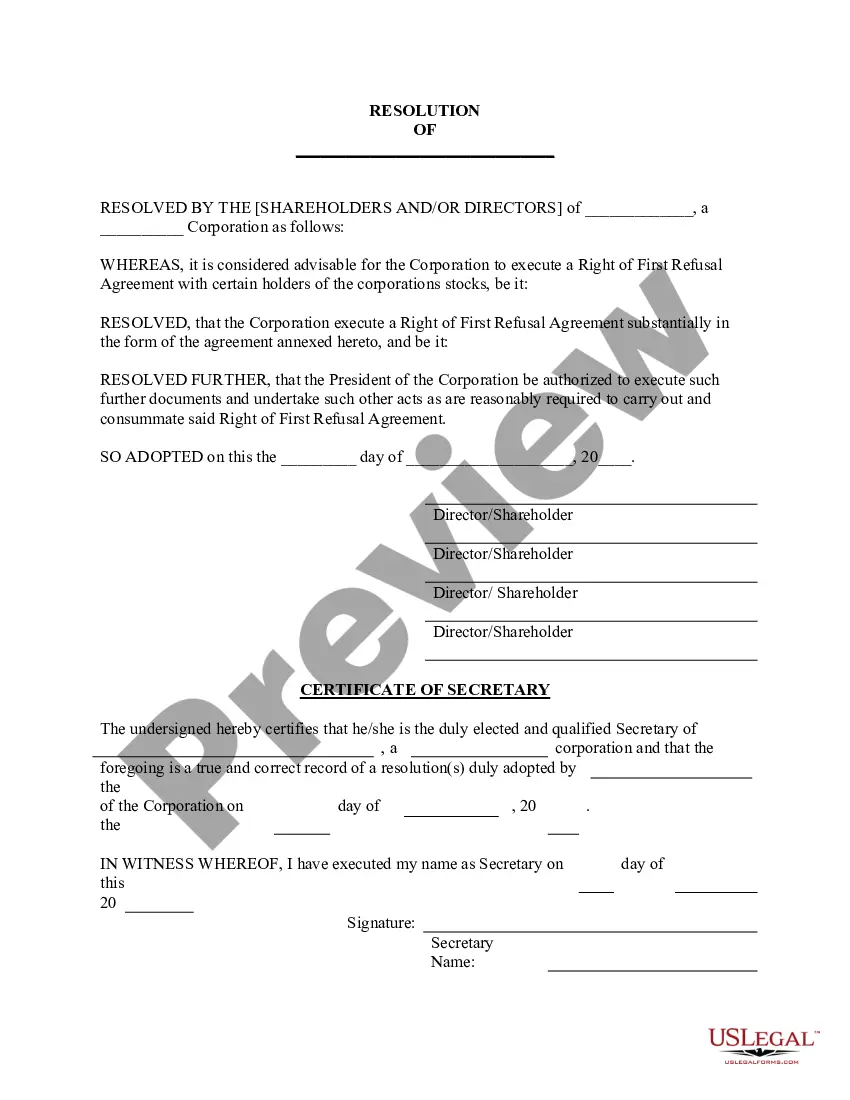
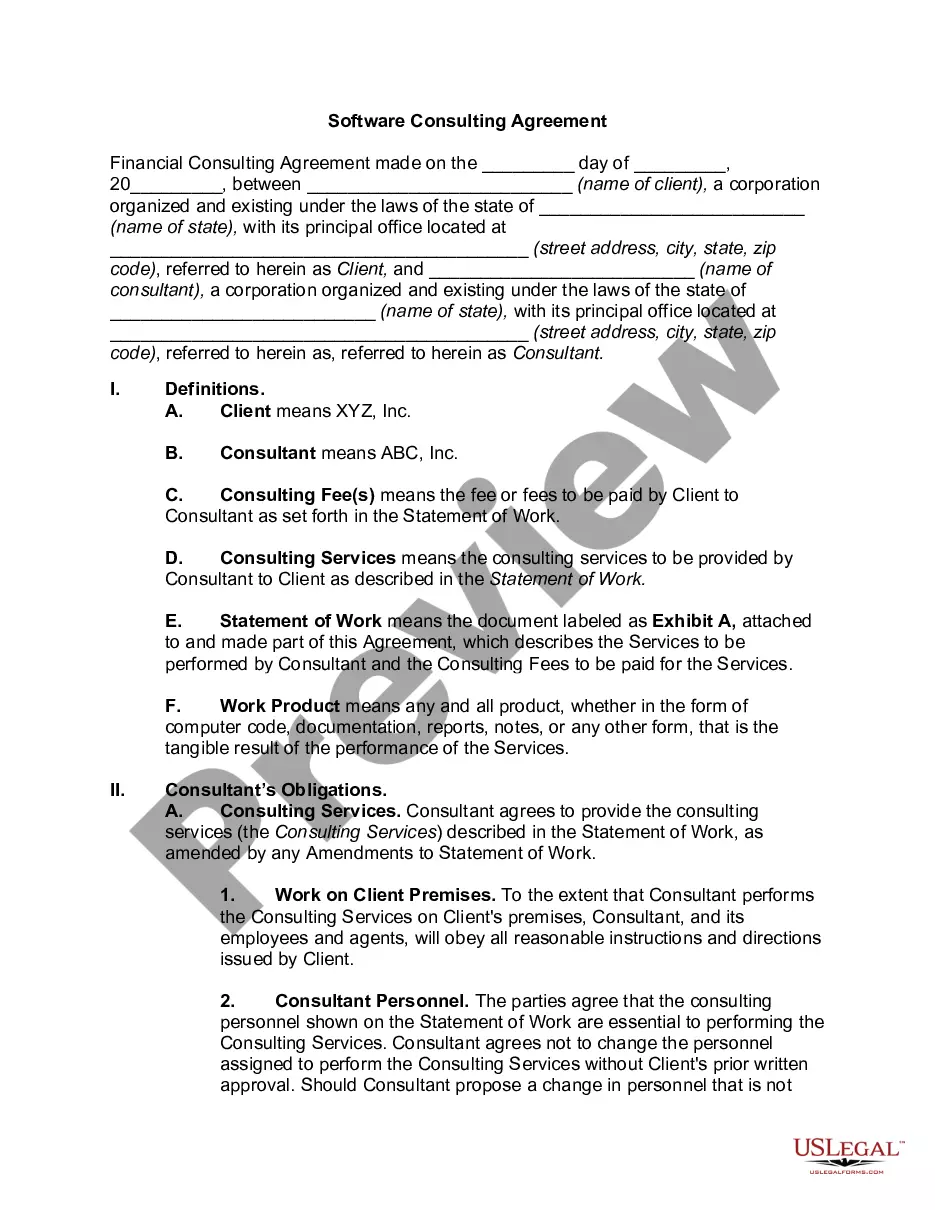
How to fill out Agreement For Pretrial Diversion?
It’s clear that you cannot become a legal expert instantly, nor can you learn how to swiftly create Pretrial Diversion In Texas without possessing a unique skill set.
Drafting legal documents is a labor-intensive task that necessitates specific training and expertise.
So why not delegate the preparation of the Pretrial Diversion In Texas to the experts.
You can regain access to your documents from the My documents section whenever you wish.
If you are already a client, simply Log In, and find and download the template from the same section.
- Locate the document you require by utilizing the search feature at the top of the page.
- Review it (if this option is available) and examine the accompanying description to ascertain if Pretrial Diversion In Texas is what you need.
- Restart your search if you are looking for another template.
- Create a free account and choose a subscription plan to buy the template.
- Click Buy now. Once the payment is processed, you can obtain the Pretrial Diversion In Texas, complete it, print it, and send or mail it to the appropriate individuals or organizations.
Form popularity
FAQ
Individuals facing their first offense or minor charges are most likely to be offered pretrial diversion in Texas. Prosecutors consider factors such as the nature of the crime, the person's criminal history, and their willingness to participate in rehabilitation efforts. If you seek guidance, platforms like US Legal Forms can provide helpful resources to navigate this process effectively. Ultimately, this option strives to promote rehabilitation and reduce recidivism.
Pretrial diversion in Texas allows eligible individuals to avoid a criminal record by completing a designated program instead of going through a formal trial. Typically, this program includes counseling, education, or community service, depending on the nature of the offense. If you fulfill the program's requirements, your charges may be dismissed. It's a valuable option that helps reduce court congestion and provides second chances.
Eligibility for pretrial diversion in Texas generally depends on various factors, including the type of offense and your criminal history. Non-violent first-time offenders usually stand a better chance of qualifying. It’s essential to consult with a legal professional who understands Texas law and can help assess your specific situation. Using resources like USLegalForms can also facilitate the process by providing necessary documentation and guidance.
Typically, offenders charged with non-violent offenses are most likely to be considered for pretrial diversion or deferred adjudication in Texas. Factors such as a lack of previous convictions and showing remorse can also influence the likelihood of diversion. Additionally, first-time offenders often have better chances of being placed in such programs. If you’re uncertain about your eligibility, consulting with an attorney can provide clarity.
The primary advantage of pretrial diversion in Texas is the opportunity to avoid a criminal conviction. Successfully completing the program can lead to charges being dismissed, which helps maintain your record. This option can help you move forward without the implications of a permanent criminal record, making it easier to pursue employment and educational opportunities. Considering the benefits, many individuals find diversion appealing.
While pretrial diversion in Texas offers many benefits, there are some disadvantages to consider. One significant drawback is that entering a diversion program may still involve certain conditions, such as community service or counseling, which can be demanding. Additionally, if you fail to meet the program requirements, you might face severe penalties, including criminal charges being reinstated. It’s crucial to weigh these factors when considering diversion.
To request pretrial diversion in Texas, you should communicate with your attorney who can present the request to the judge. During this process, your attorney will outline the eligibility requirements and the circumstances of your case. Usually, the judge will consider factors such as the nature of the offense and your prior criminal history before making a decision. It's essential to have legal guidance to navigate this procedure effectively.
The pretrial diversion program in Texas offers a way for eligible individuals to resolve criminal charges without a formal conviction. This program allows participants to complete specific requirements, such as community service or counseling, resulting in the dismissal of their charges upon successful completion. Engaging in pretrial diversion in Texas can help individuals avoid a criminal record, making it easier for them to move forward in their lives. US Legal Forms can assist you in navigating the pretrial diversion process with the necessary forms and resources.
The duration of pretrial diversion in Texas can vary but typically lasts between six months to a year. This timeframe allows sufficient opportunity for participants to meet the program's requirements, such as attending counseling sessions or completing community service. Staying engaged throughout this period is crucial for successful completion and dismissal of charges. By utilizing resources like US Legal Forms, individuals can navigate the process efficiently.
Pretrial diversion in Texas typically begins with eligibility screening by the prosecutor's office. If accepted, participants enter a program that includes counseling and community service while avoiding a criminal conviction. Successful completion leads to charges being dismissed, reducing the long-term impact on one’s record. This process underscores the state's commitment to rehabilitation rather than punishment.