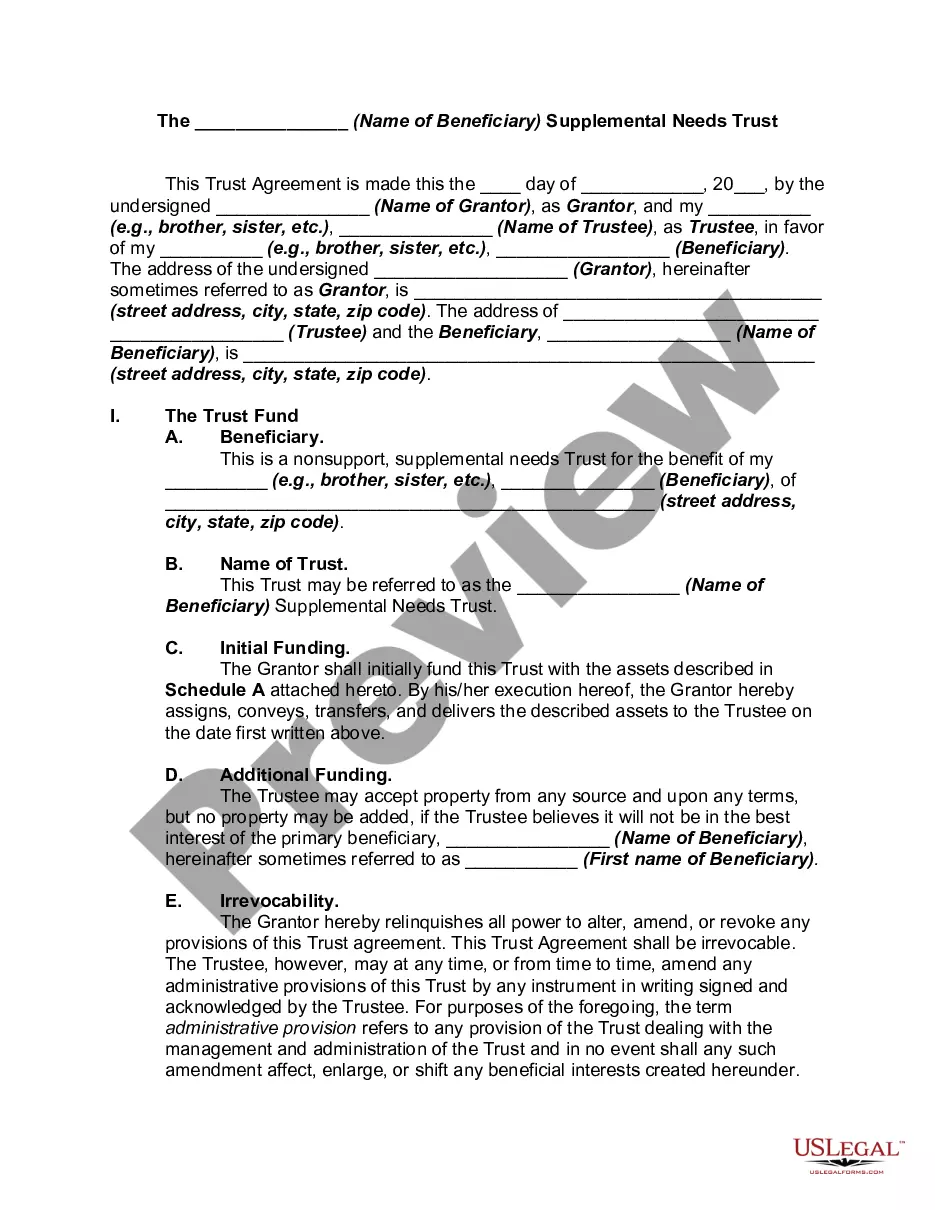
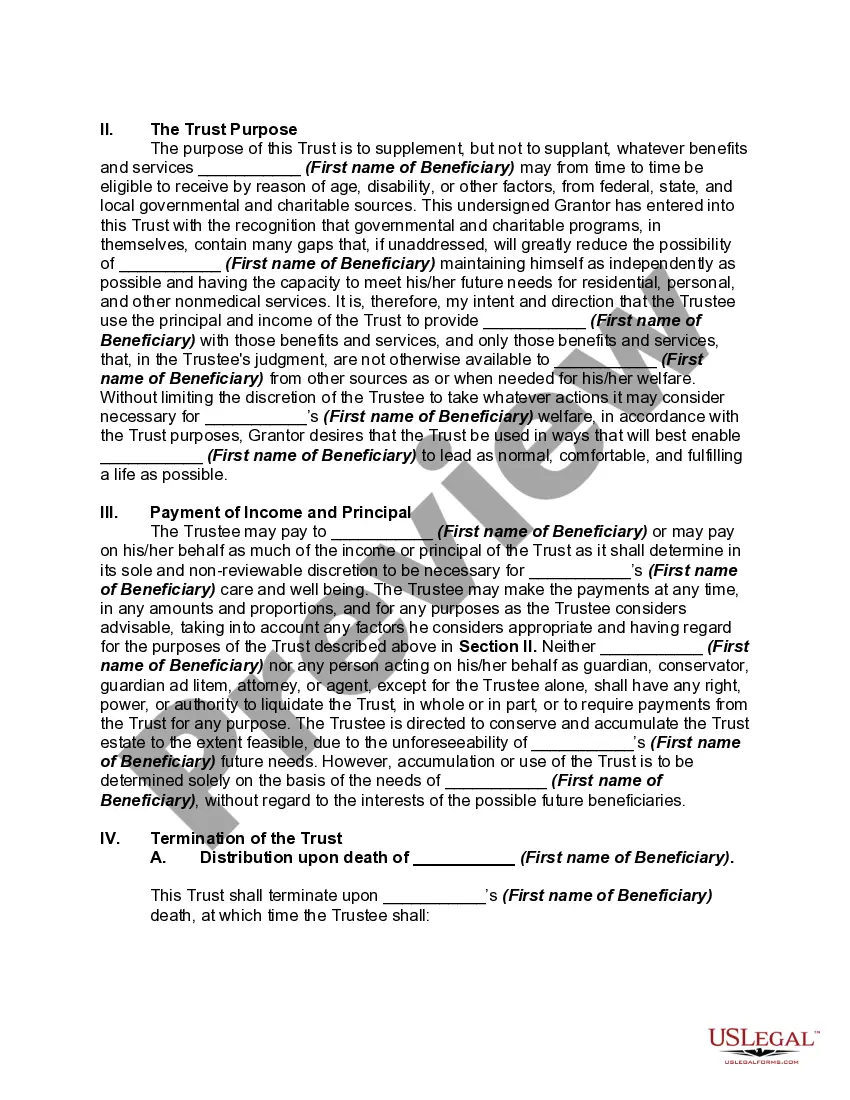
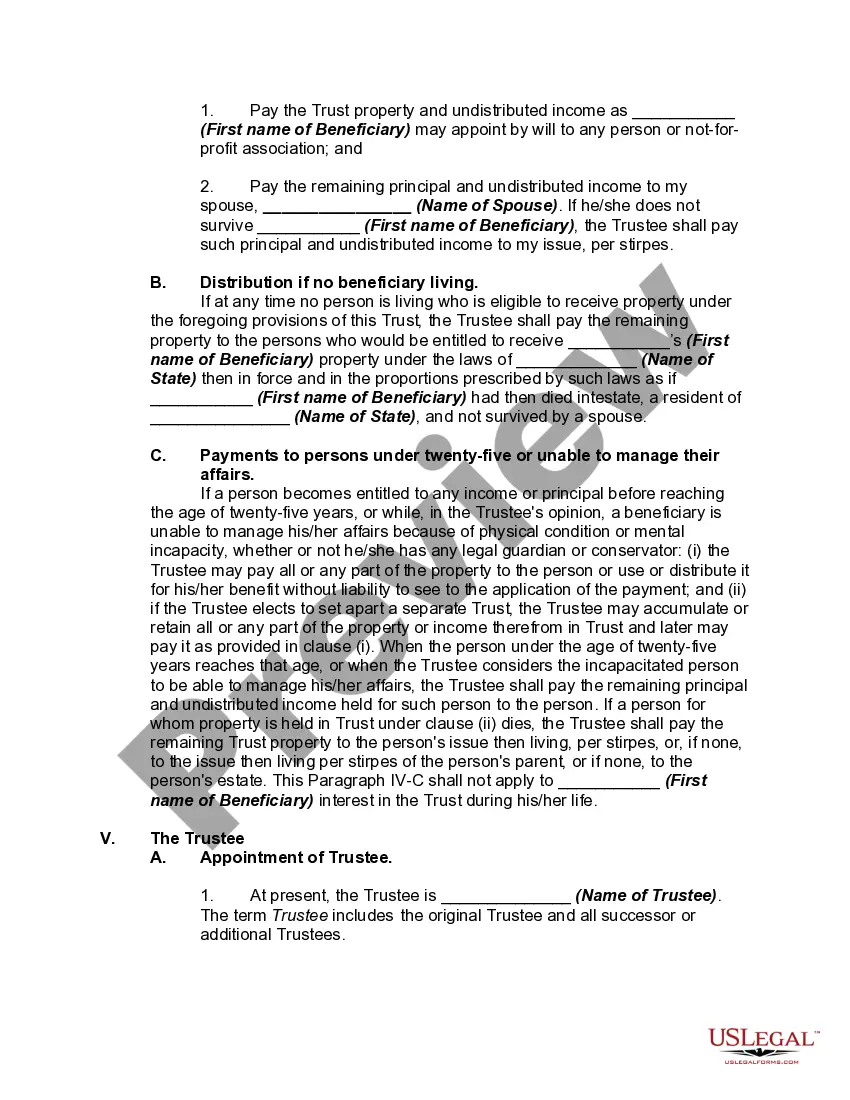
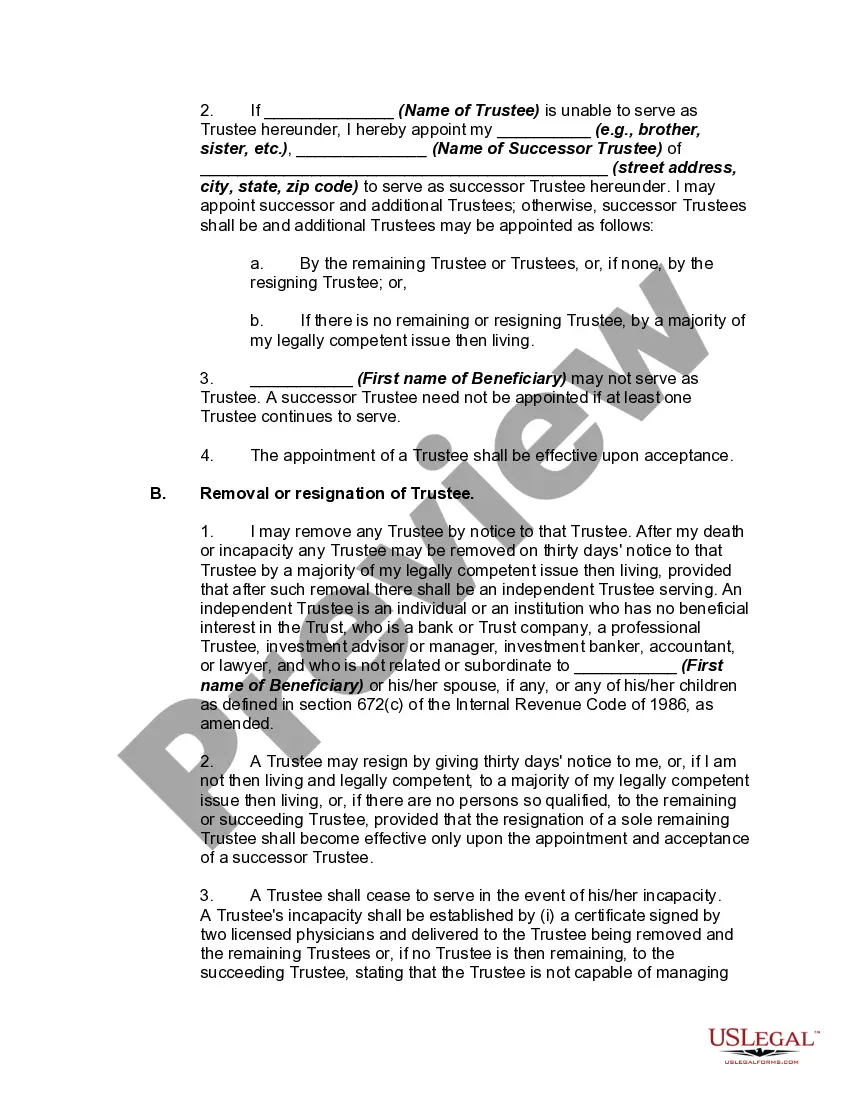
Will With Special Needs Trust
Description



Get your form ready online
Our built-in tools help you complete, sign, share, and store your documents in one place.
Make edits, fill in missing information, and update formatting in US Legal Forms—just like you would in MS Word.
Download a copy, print it, send it by email, or mail it via USPS—whatever works best for your next step.
Sign and collect signatures with our SignNow integration. Send to multiple recipients, set reminders, and more. Go Premium to unlock E-Sign.
If this form requires notarization, complete it online through a secure video call—no need to meet a notary in person or wait for an appointment.
We protect your documents and personal data by following strict security and privacy standards.

Make edits, fill in missing information, and update formatting in US Legal Forms—just like you would in MS Word.

Download a copy, print it, send it by email, or mail it via USPS—whatever works best for your next step.

Sign and collect signatures with our SignNow integration. Send to multiple recipients, set reminders, and more. Go Premium to unlock E-Sign.

If this form requires notarization, complete it online through a secure video call—no need to meet a notary in person or wait for an appointment.

We protect your documents and personal data by following strict security and privacy standards.
Looking for another form?


How to fill out Supplemental Needs Trust For Third Party - Disabled Beneficiary?
Whether for corporate reasons or for personal issues, everyone must confront legal matters eventually in their lifetime.
Completing legal documents requires meticulous attention, starting with selecting the appropriate form template.
With a comprehensive US Legal Forms catalog available, you won’t need to waste time searching for the right template online. Leverage the library’s user-friendly navigation to locate the appropriate form for any situation.
- Acquire the template you require by utilizing the search box or catalog browsing.
- Review the document’s description to ensure it aligns with your situation, jurisdiction, and area.
- Select the document’s preview to examine it.
- If it is not the correct record, return to the search option to find the Will With Special Needs Trust template you require.
- Obtain the file if it fulfills your needs.
- If you have a US Legal Forms profile, click Log in to access previously stored documents in My documents.
- If you haven't created an account yet, you can acquire the form by clicking Buy now.
- Select the appropriate pricing option.
- Fill out the profile registration form.
- Choose your payment method: use a credit card or PayPal account.
- Select the file format you desire and download the Will With Special Needs Trust.
- Once saved, you will be able to fill out the document using editing software or print it and complete it by hand.
Form popularity
FAQ
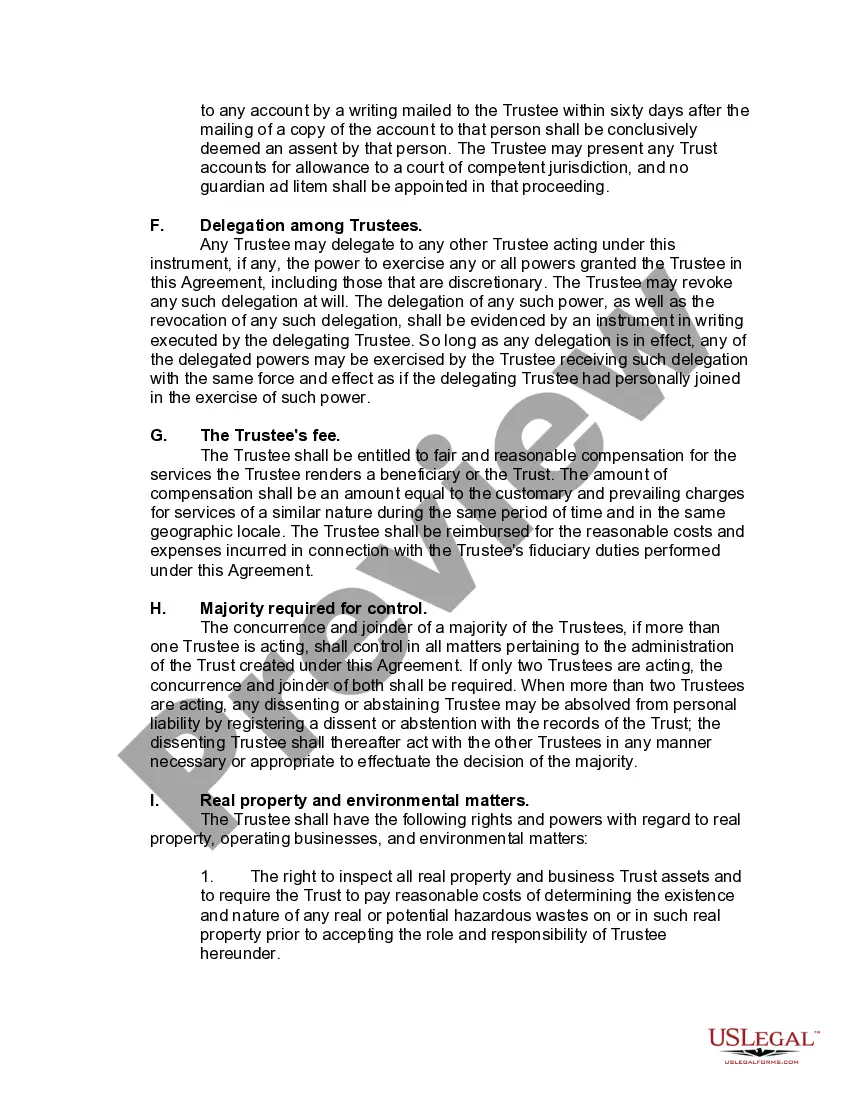
A spendthrift trust is a trust designed so that the beneficiary is unable to sell or give away her equitable interest in the trust property. The trustee is in control of the managing the property. Thus, the beneficiary of the trust is not in control of the property and her creditors cannot reach those assets.
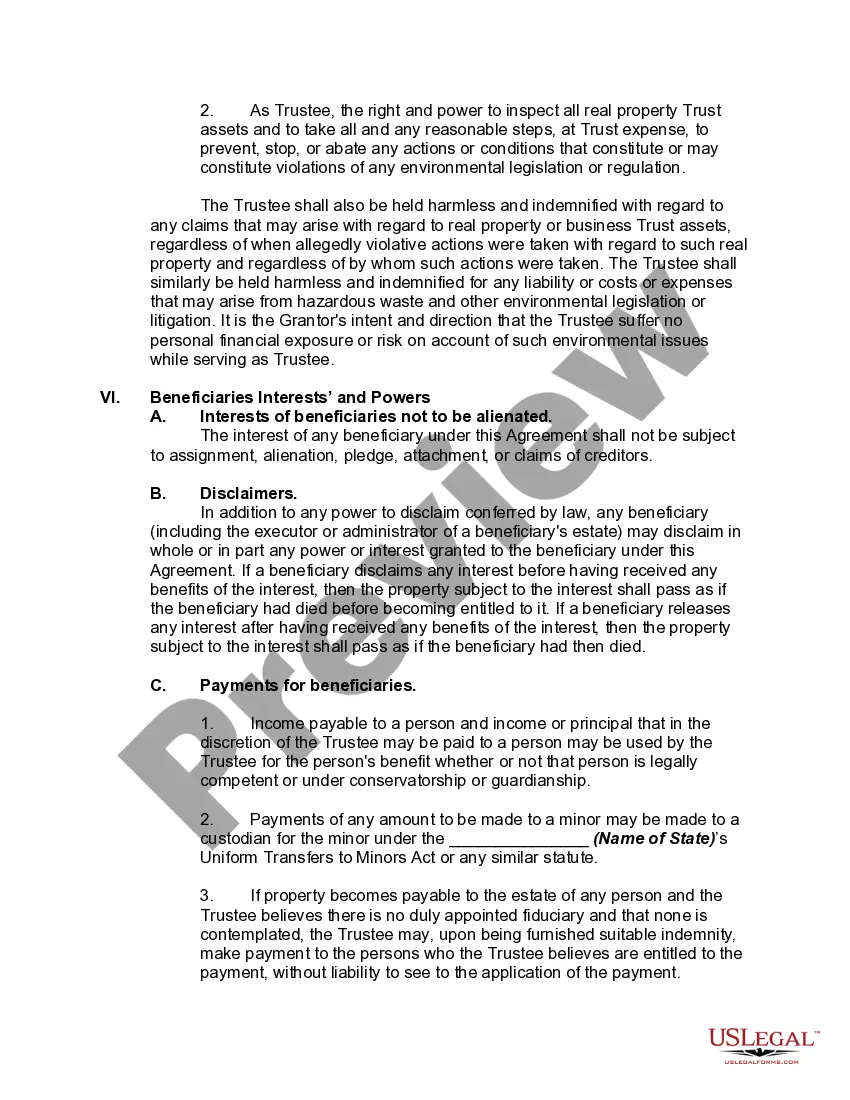
Beneficiaries can include spouses, children, and other relatives. They can also include friends, trusts, charities, and institutions.
What Is a Beneficiary of Trust? A beneficiary of trust is the individual or group of individuals for whom a trust is created. The trust creator or grantor designates beneficiaries and a trustee, who has a fiduciary duty to manage trust assets in the best interests of beneficiaries as outlined in the trust agreement.
The income beneficiary is the surviving spouse who wants you to make significant distributions to him or her and invest trust assets in his or her business. The remainder beneficiaries want less income to go the surviving spouse and do not want a risky investment to be made in the business of the income beneficiary.
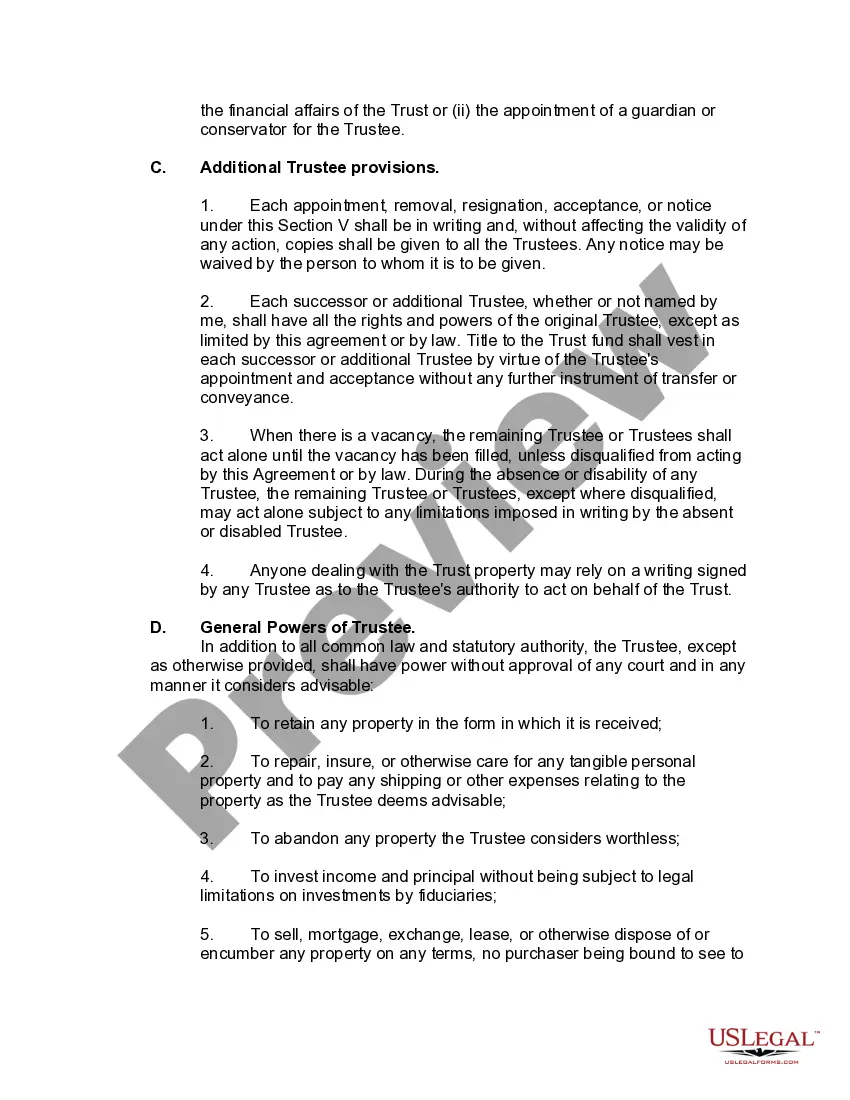
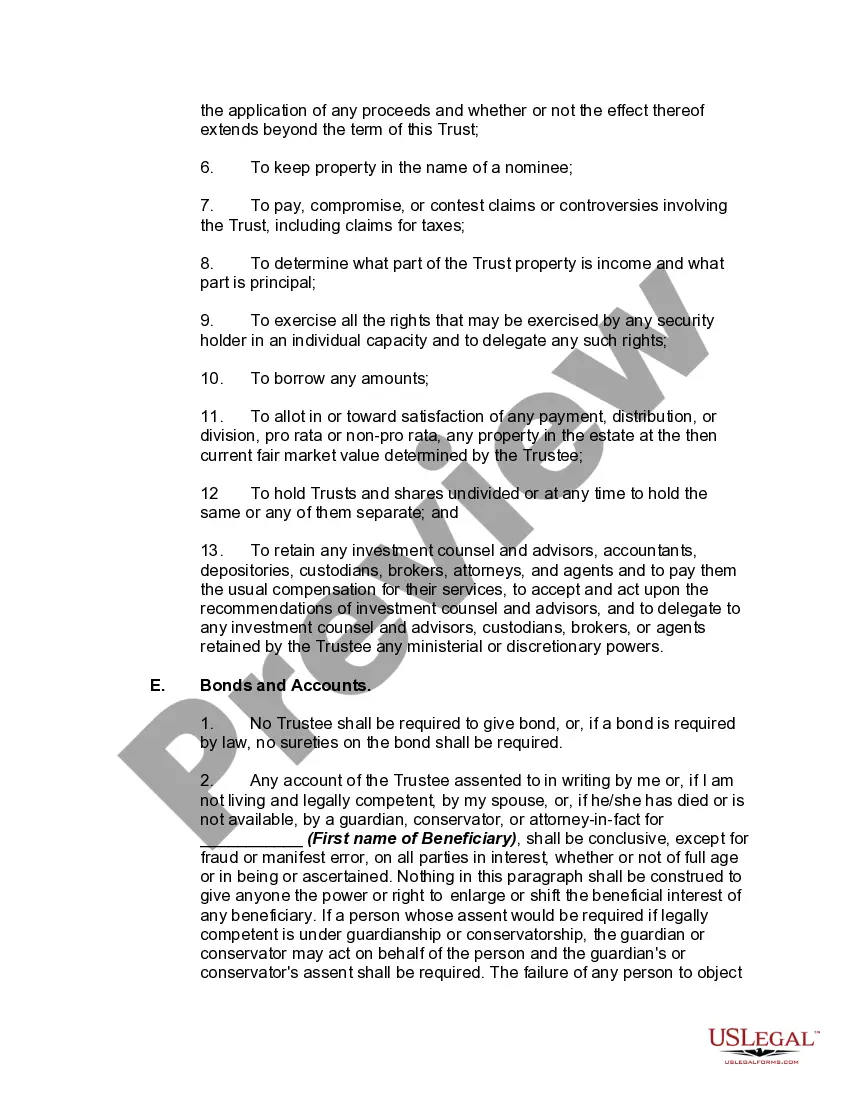
A special needs trust (SNT) is a trust that will preserve the beneficiary's eligibility for needs-based government benefits such as Medicaid and Supplemental Security Income (SSI). Because the beneficiary does not own the assets in the trust, he or she can remain eligible for benefit programs that have an asset limit.