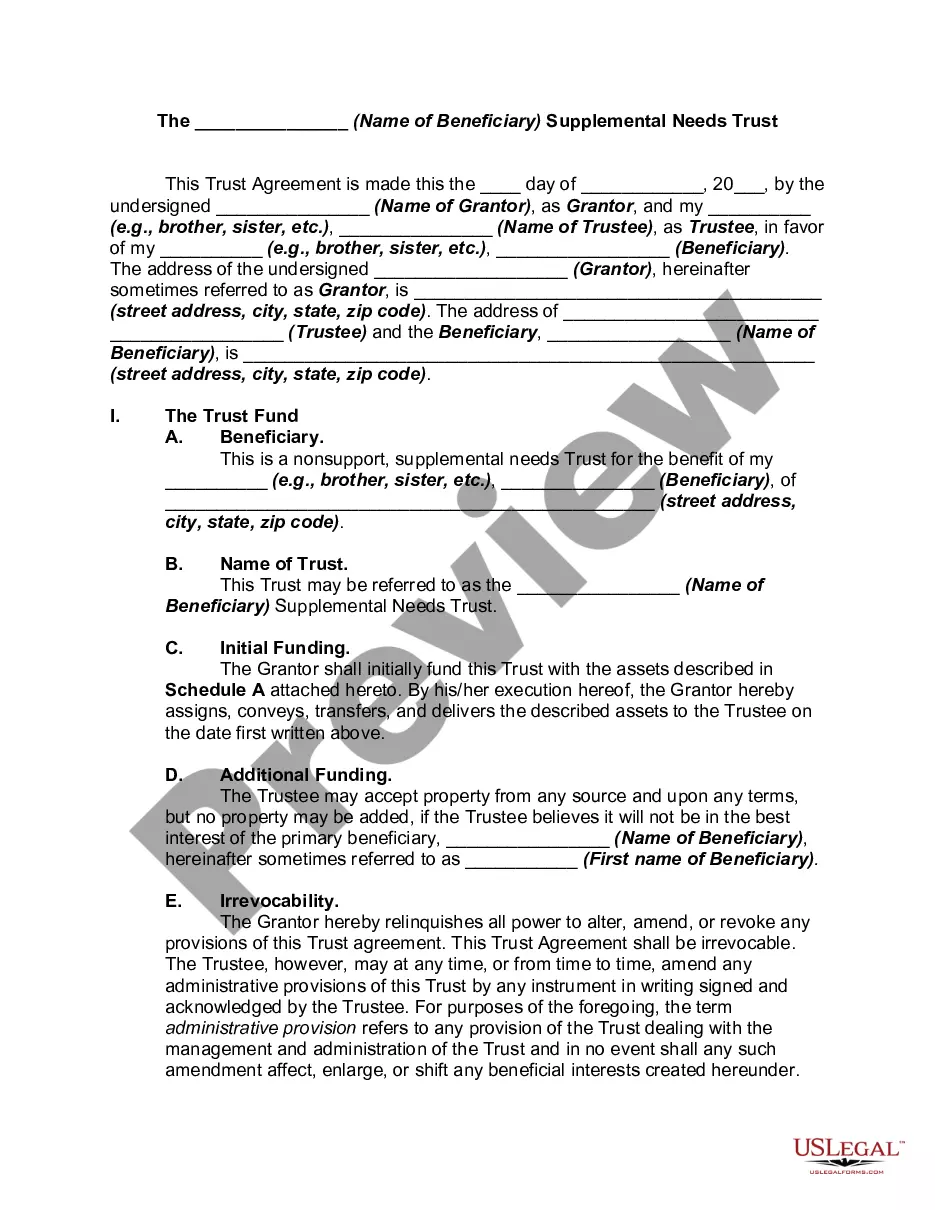
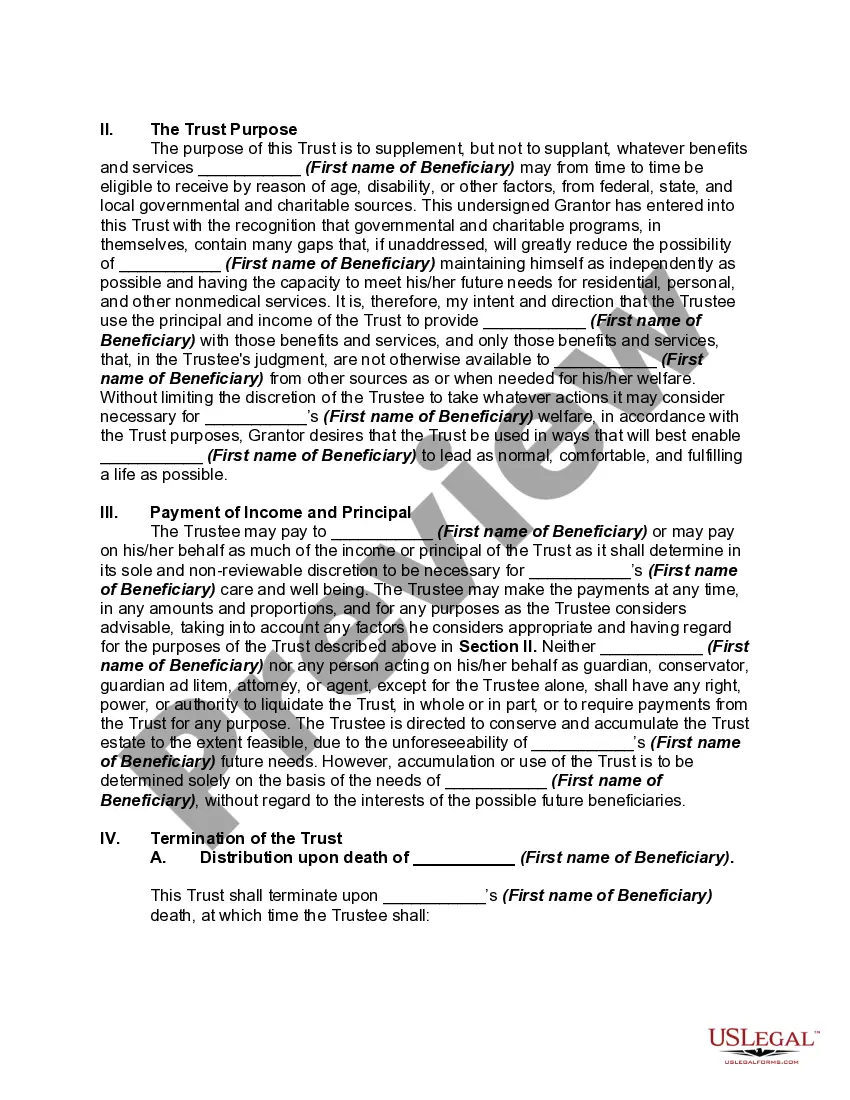
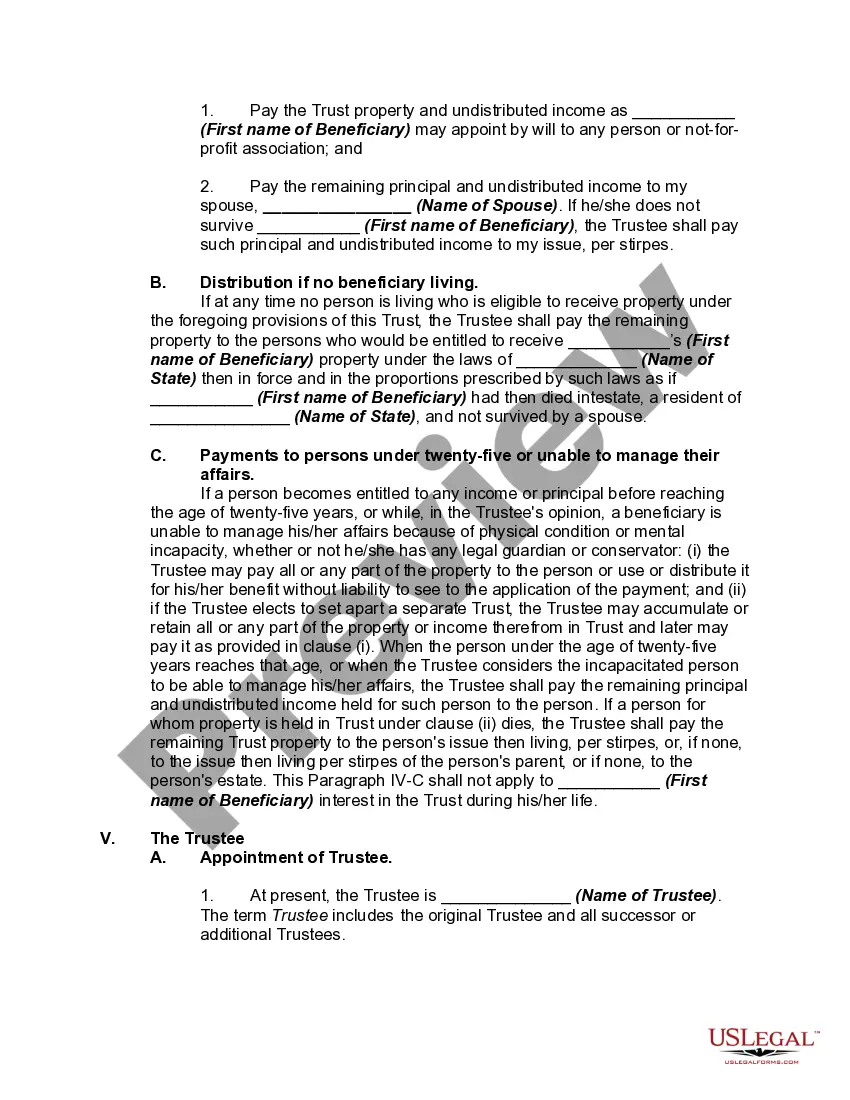
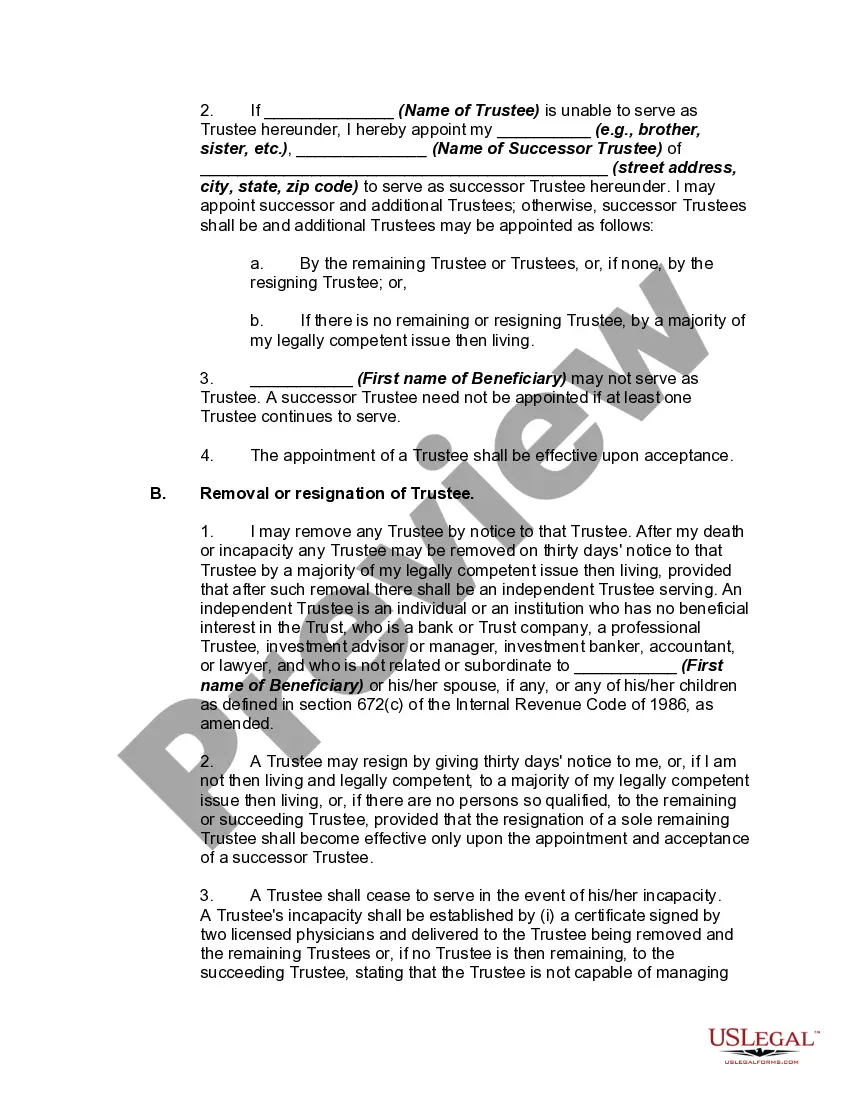
Supplemental Needs Trust Form For Texas
Description
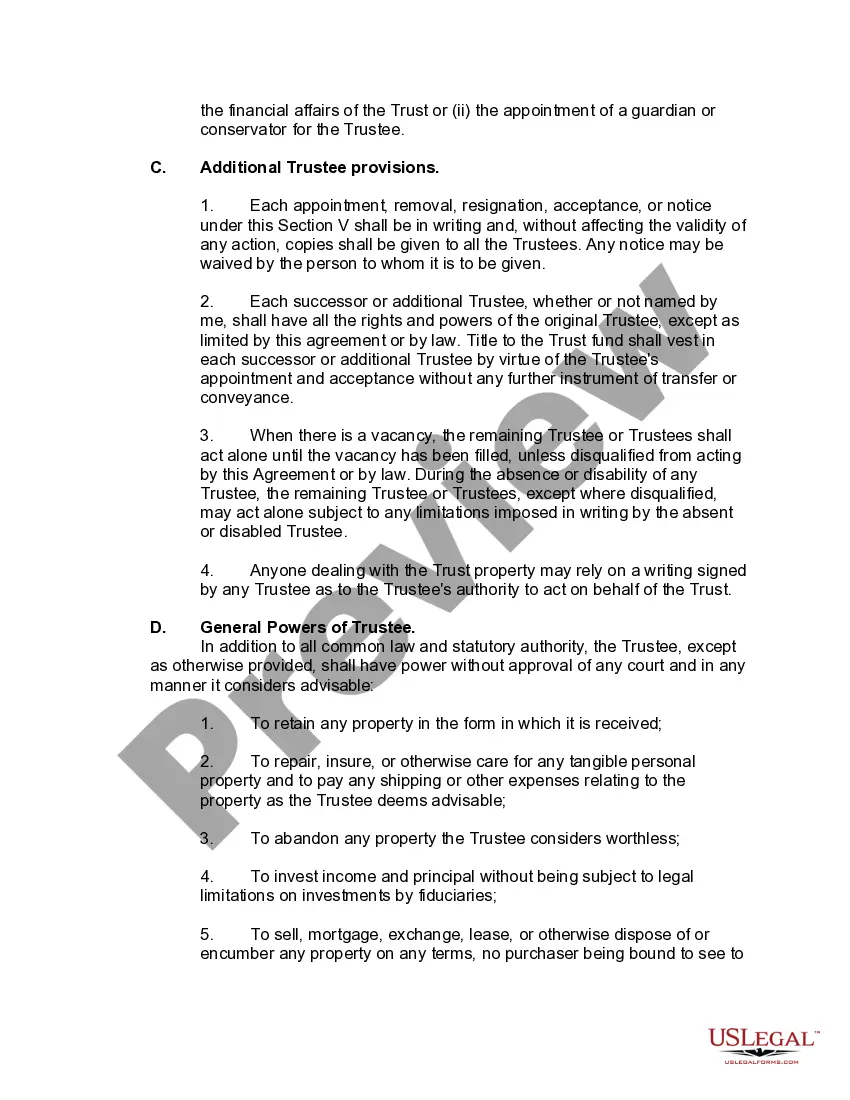
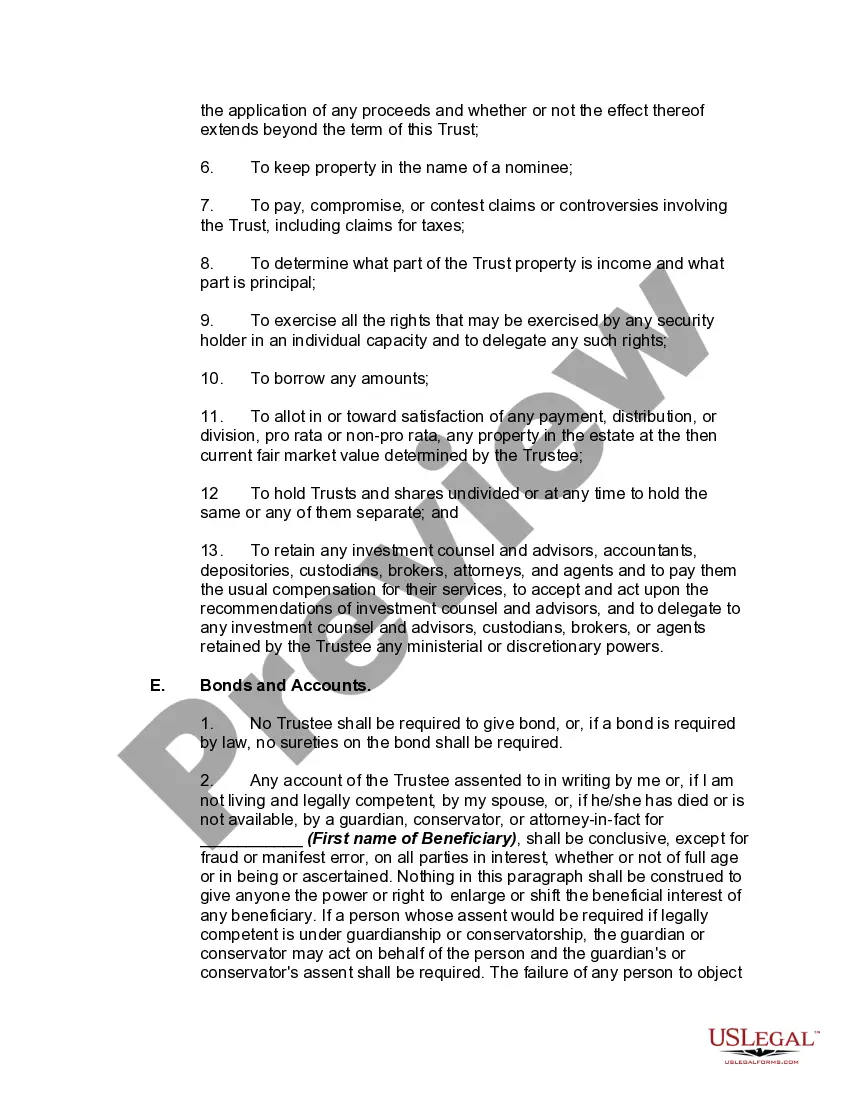
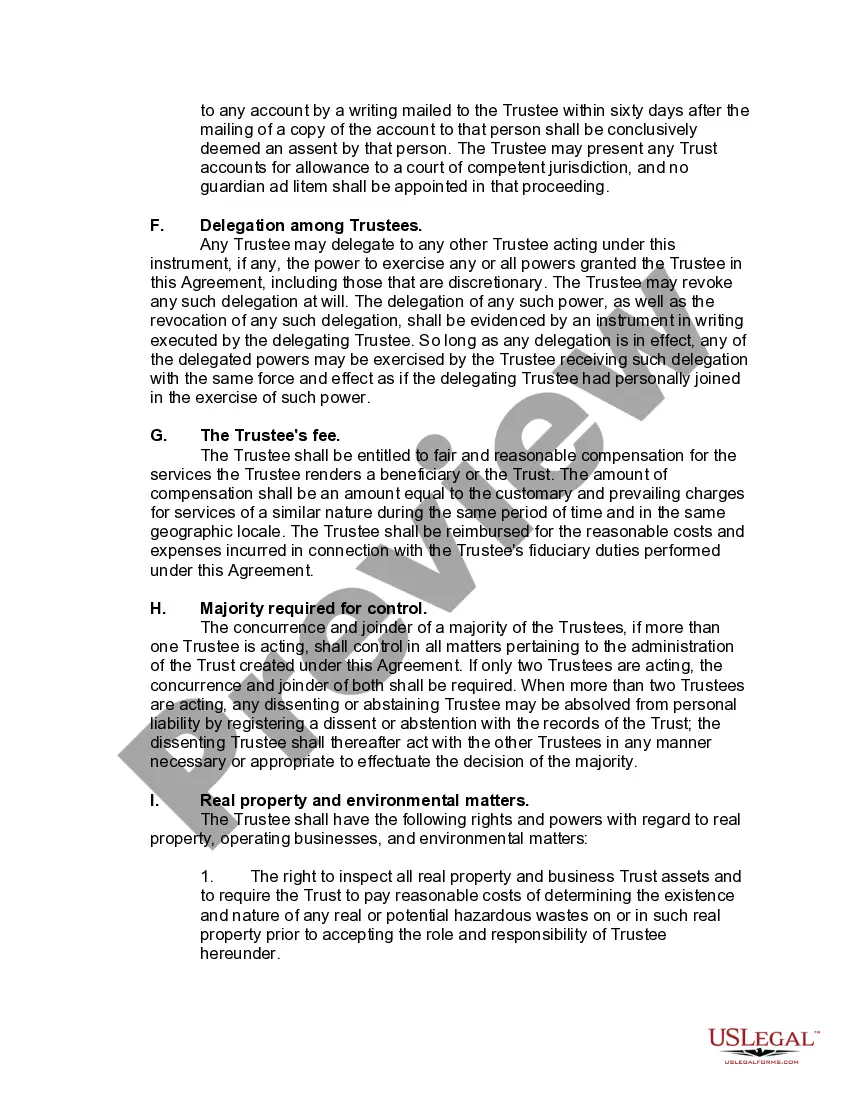
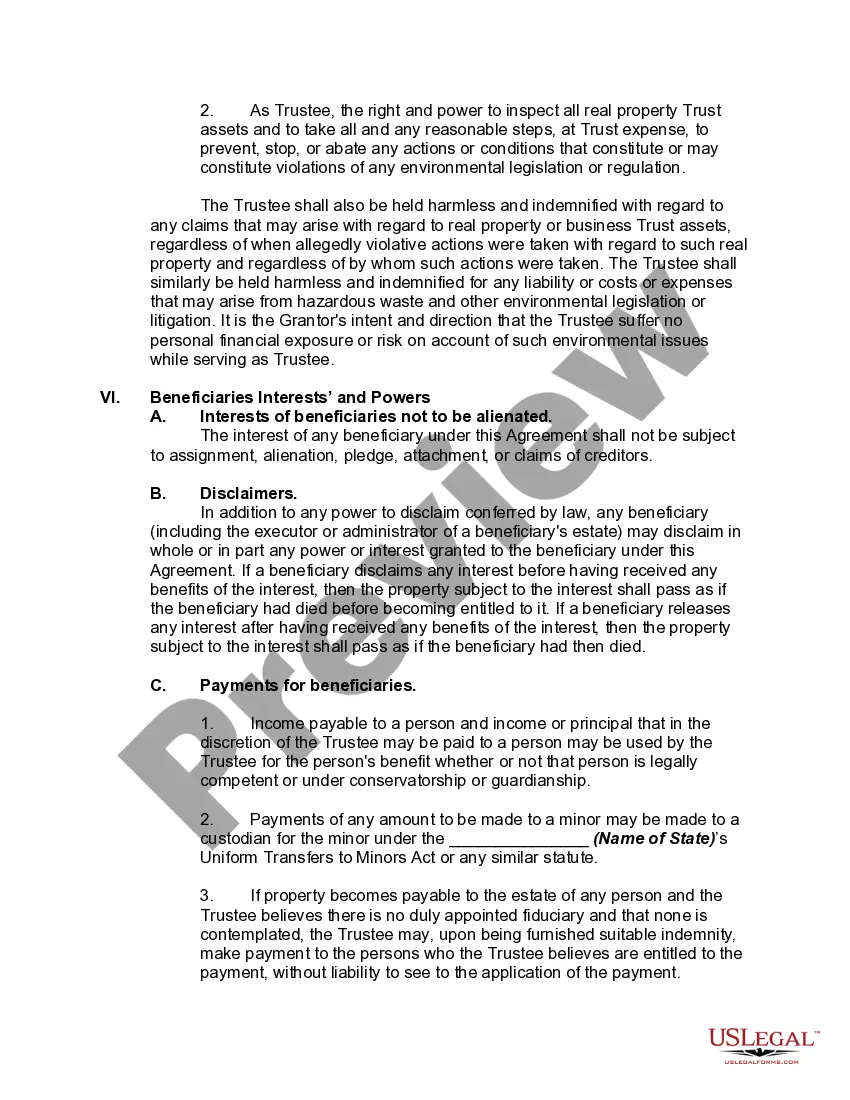
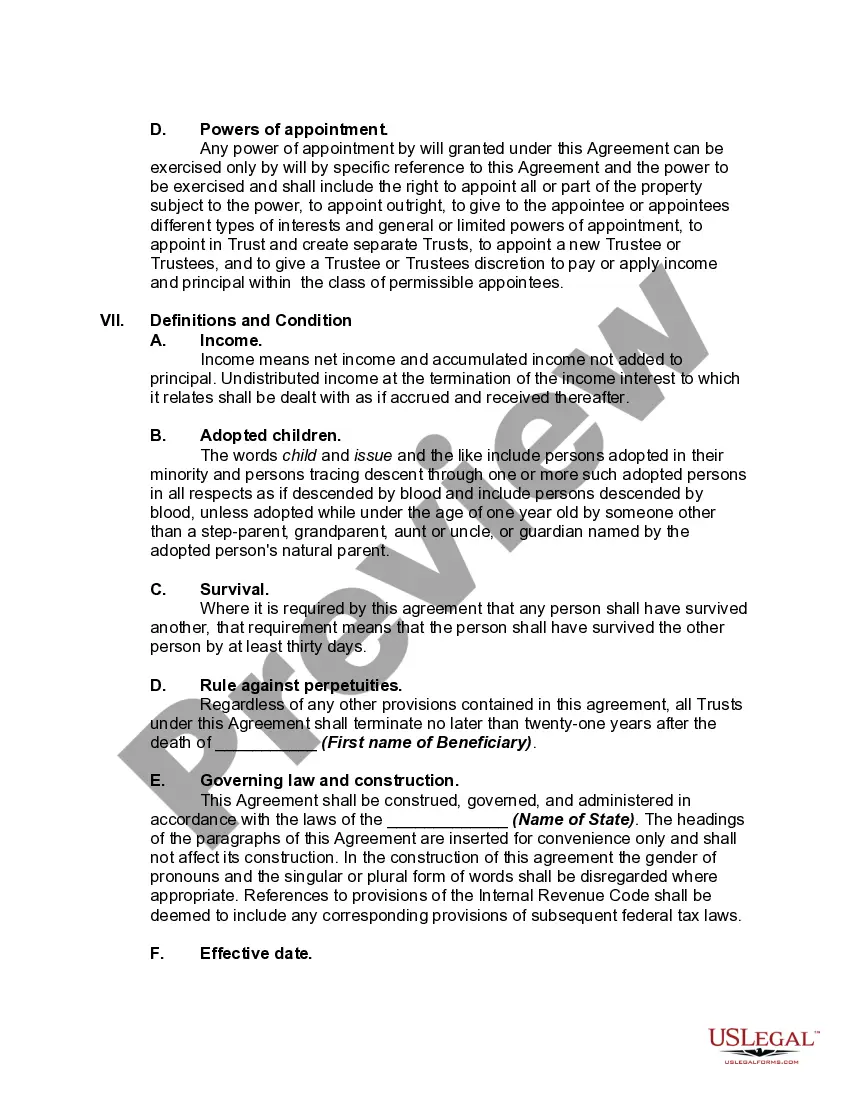
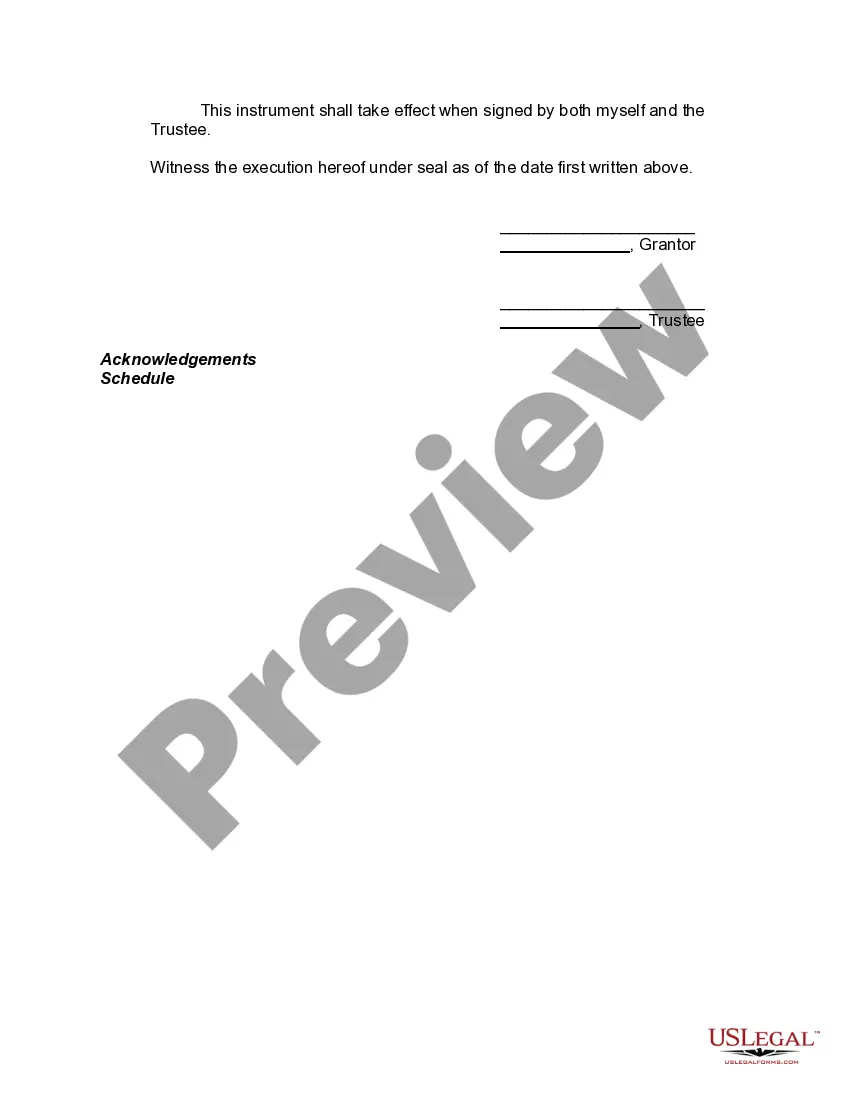

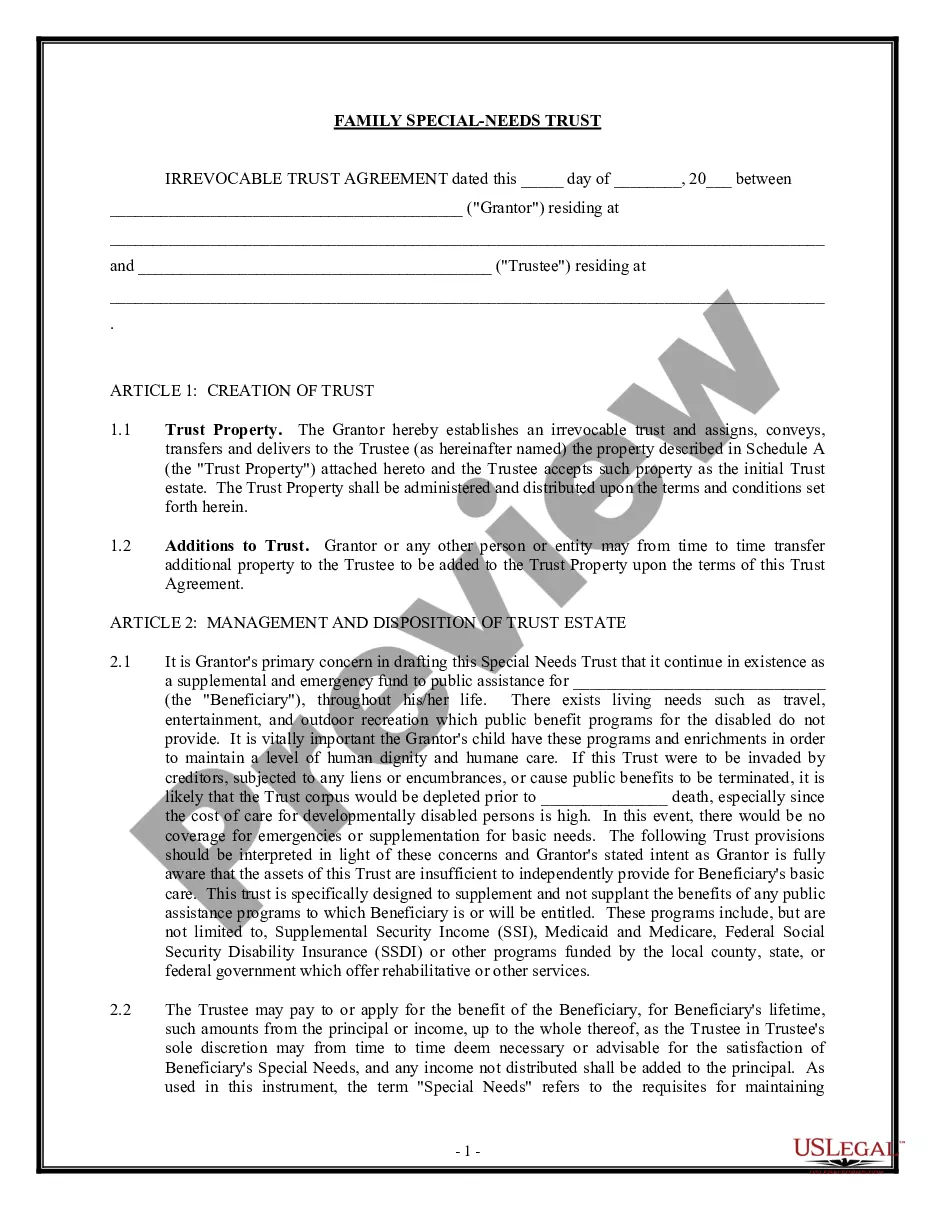
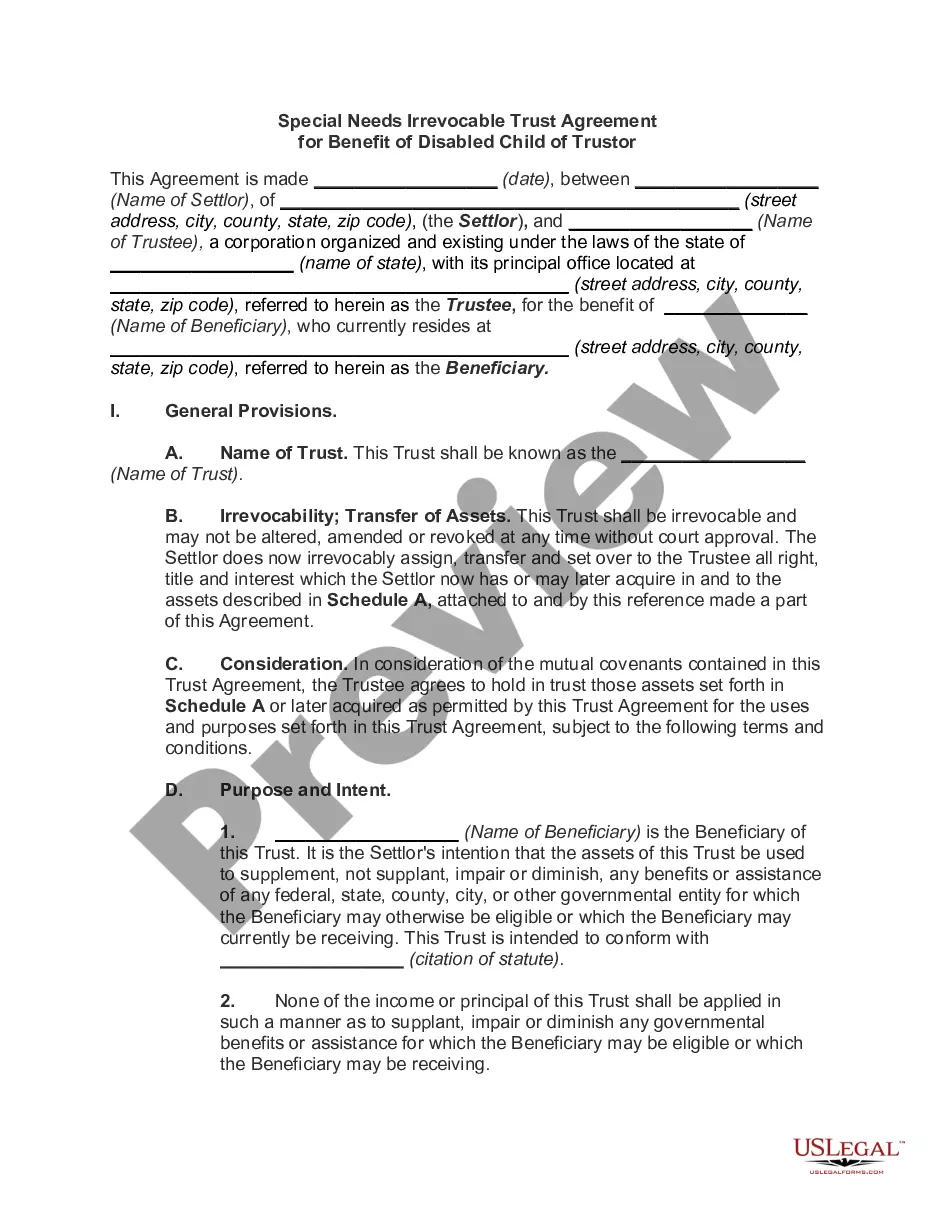
Get your form ready online
Our built-in tools help you complete, sign, share, and store your documents in one place.
Make edits, fill in missing information, and update formatting in US Legal Forms—just like you would in MS Word.
Download a copy, print it, send it by email, or mail it via USPS—whatever works best for your next step.
Sign and collect signatures with our SignNow integration. Send to multiple recipients, set reminders, and more. Go Premium to unlock E-Sign.
If this form requires notarization, complete it online through a secure video call—no need to meet a notary in person or wait for an appointment.
We protect your documents and personal data by following strict security and privacy standards.

Make edits, fill in missing information, and update formatting in US Legal Forms—just like you would in MS Word.

Download a copy, print it, send it by email, or mail it via USPS—whatever works best for your next step.

Sign and collect signatures with our SignNow integration. Send to multiple recipients, set reminders, and more. Go Premium to unlock E-Sign.

If this form requires notarization, complete it online through a secure video call—no need to meet a notary in person or wait for an appointment.

We protect your documents and personal data by following strict security and privacy standards.
Looking for another form?








How to fill out Supplemental Needs Trust For Third Party - Disabled Beneficiary?
Whether for commercial reasons or personal issues, everyone encounters legal matters at some point in their lives.
Filling out legal documents requires meticulous care, starting with selecting the appropriate template.
With a comprehensive US Legal Forms catalog available, you do not need to waste time searching for the right template online. Utilize the library’s straightforward navigation to locate the suitable template for any circumstance.
- Locate the template you need by using the search bar or browsing the catalog.
- Review the form’s description to make sure it corresponds with your needs, state, and area.
- Click on the form’s preview to inspect it.
- If it is not the correct document, return to the search tool to find the appropriate Supplemental Needs Trust Form For Texas sample you need.
- Obtain the template if it satisfies your requirements.
- If you possess a US Legal Forms account, simply click Log in to access previously saved documents in My documents.
- If you do not have an account yet, you can download the form by clicking Buy now.
- Choose the right pricing option.
- Fill out the profile registration form.
- Select your payment method: credit card or PayPal.
- Pick the file format you prefer and download the Supplemental Needs Trust Form For Texas.
- Once downloaded, you can fill out the form using editing software or print it and complete it by hand.
Form popularity
FAQ
The plaintiff must file and serve any written reply to the defendant's order to show cause opposition by . The reply papers must be filed with the Clerk of the Superior Court in the county listed above and a copy of the reply papers must be sent directly to the chambers of Judge .
Examples of issues that may be raised in an Order to Show Cause are: emergency custody, termination of visitation or temporary prevention of relocation of a child outside New Jersey boundaries. Non-payment of spousal support, if a family is facing immediate eviction, may be an issue for an Order to Show Cause.
Whoever wants the change must file papers at the Court, and ask for a hearing or conference. The law says that whoever wants the change has to prove that there are major changes in their money situation that they can't control, and that the changes are going to last for a long time.
Proposed Form of Order - A proposed order is a form that the judge can use to either grant or deny the relief sought in the motion. Every motion must be accompanied by a proposed form of order. Return date - The return date is the date on which the court will consider the motion.
The court may enter a consent judgment or order without the signatures of all counsel of record and parties pro se who have filed a responsive pleading or who have otherwise entered an appearance in the action, provided the form of judgment or order contains the recital that all parties have in fact consented to the ...
The Application/Cross Application to Modify a Court Order is a written request in which you ask the court to change or enforce an existing court order. The court will change an order only if important facts or circumstances have changed from the time the order was issued.
The five-day rule: An evidence deadline This rule regards the timeline for submitting written evidence to the ALJ for the hearing. It sets a deadline for such evidence. Under it, evidence generally has to be given to the ALJ by five business days before the scheduled hearing's date.
Special Civil Part trials and most Family matters will be in person. Effective March 1, 2023, initial hearings for involuntary civil commitments will also be in person. Routine conferences and motions will continue to be virtual.