Supplemental Needs Trust For The Future
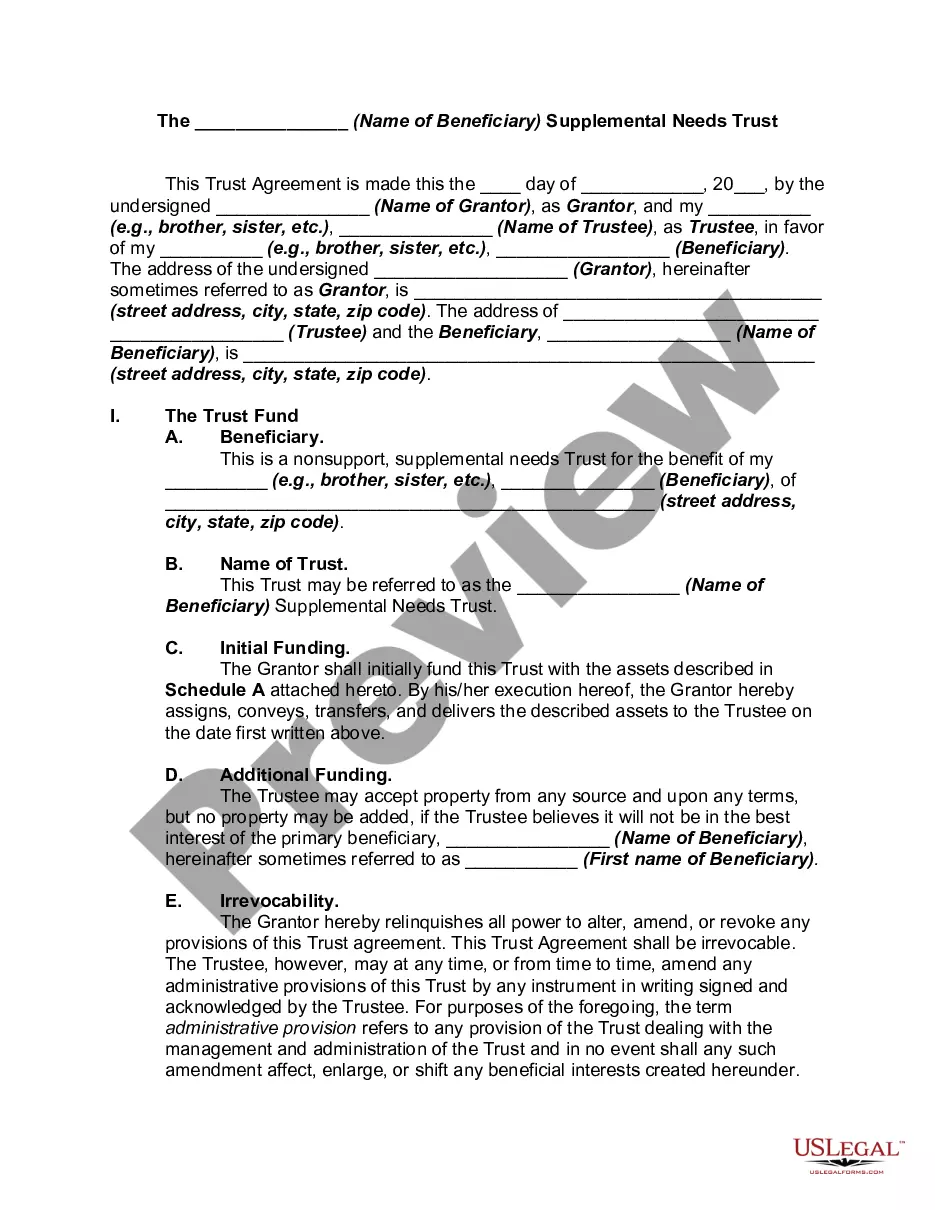
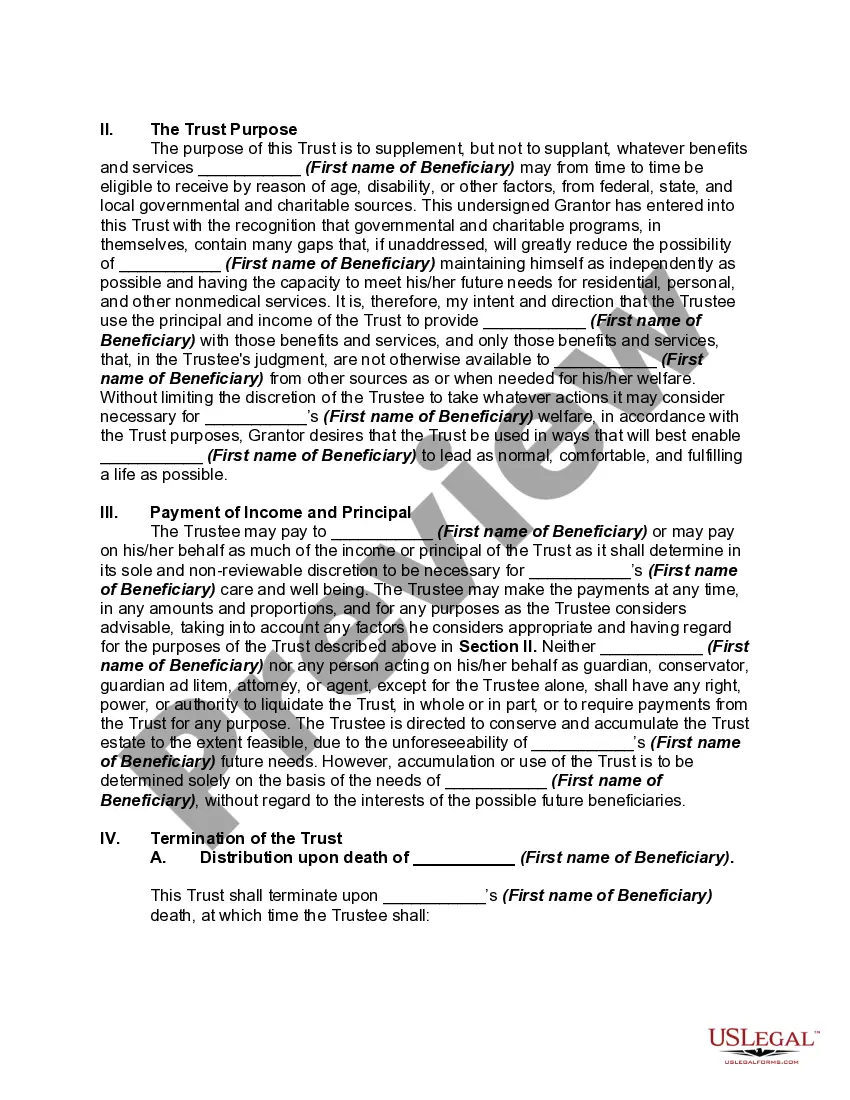
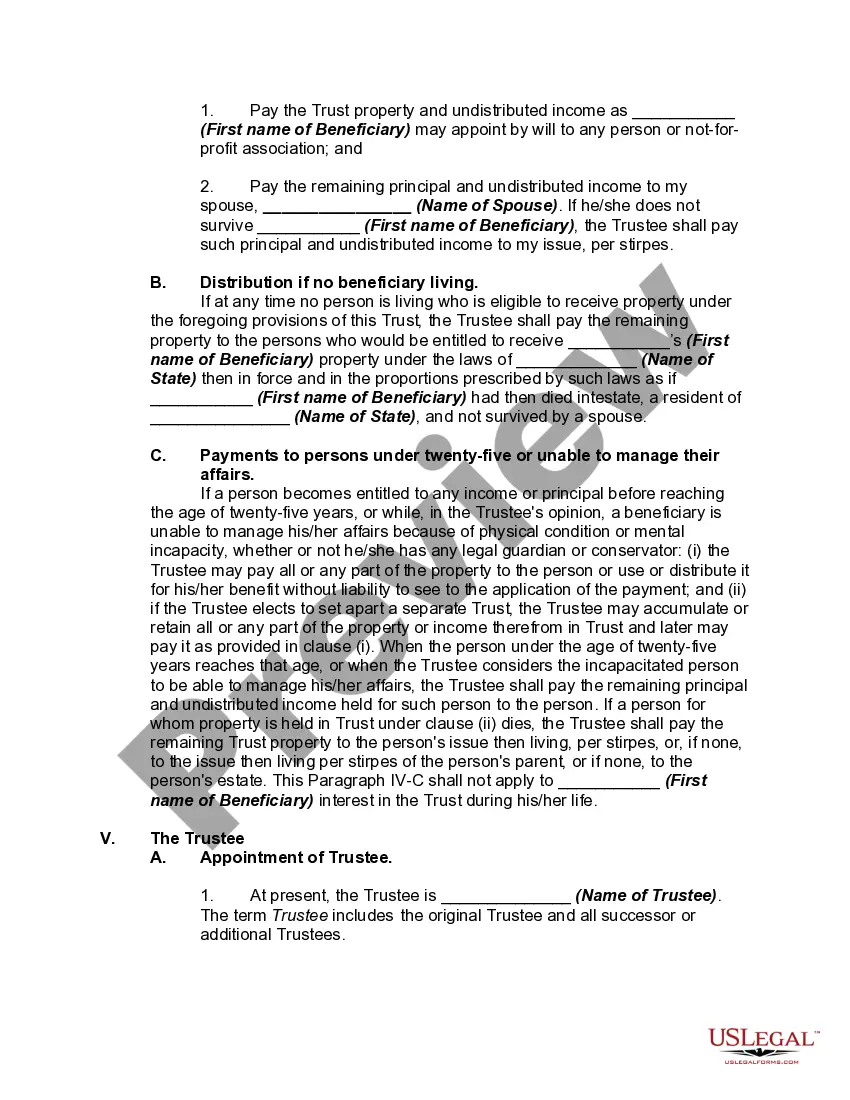
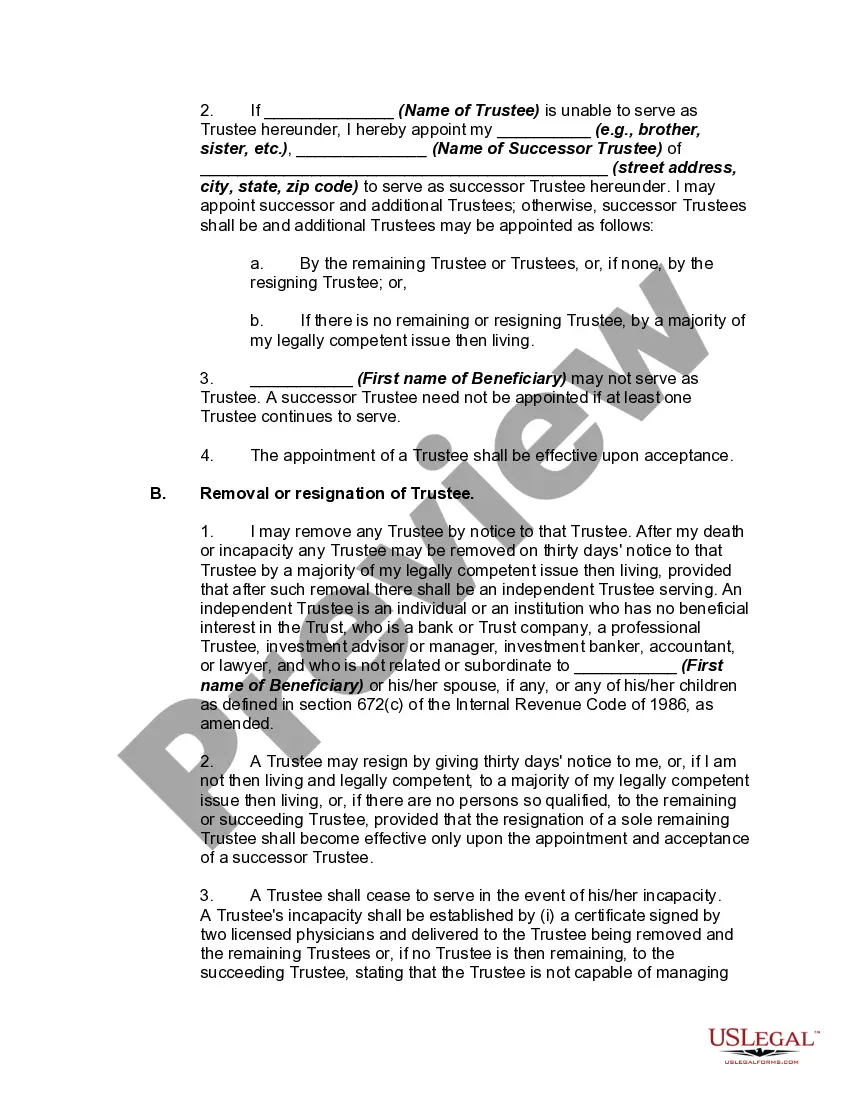
Description
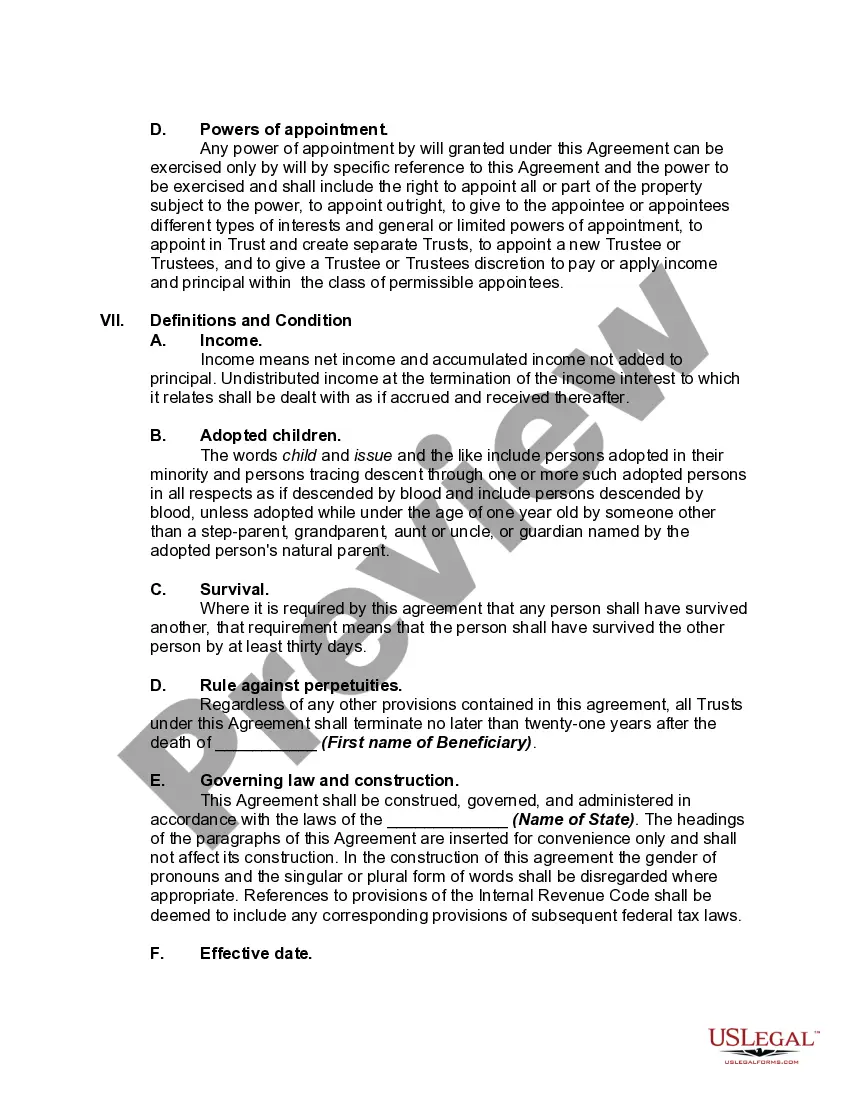
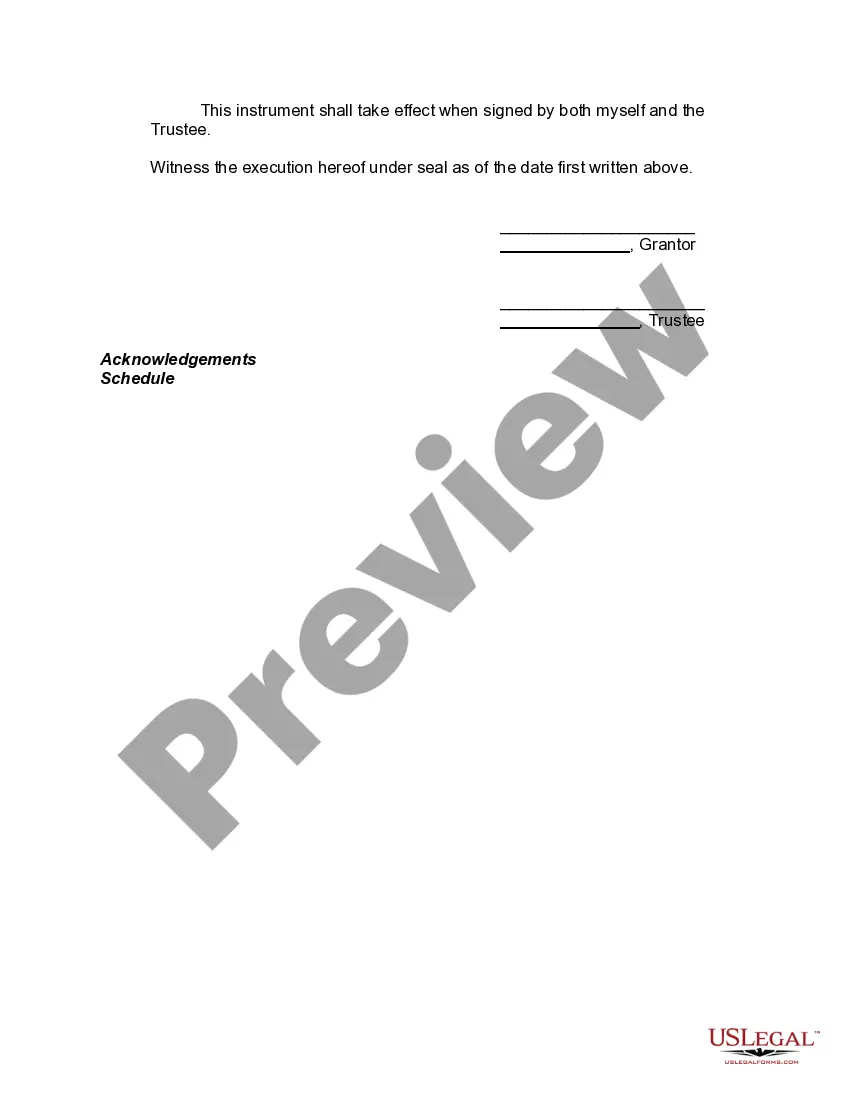

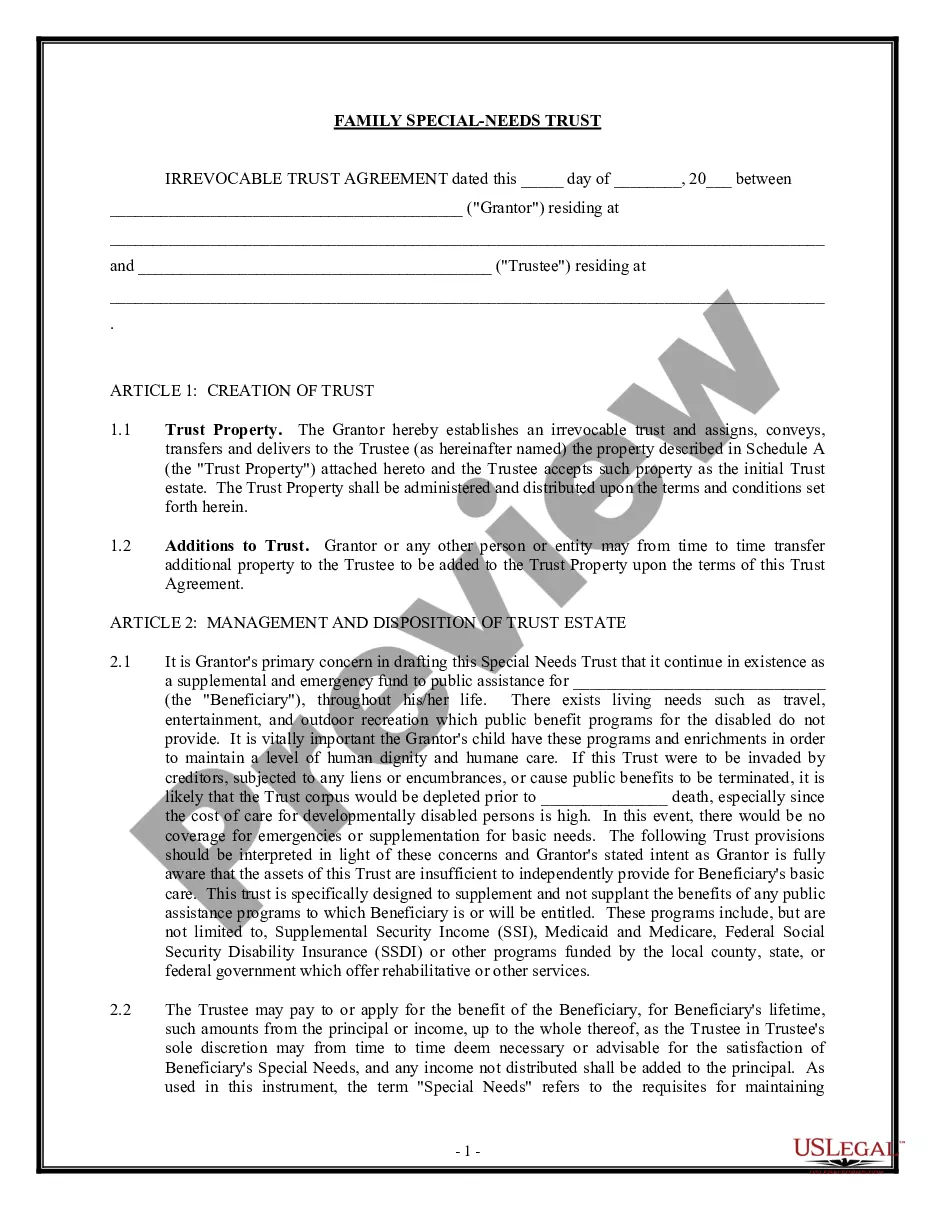
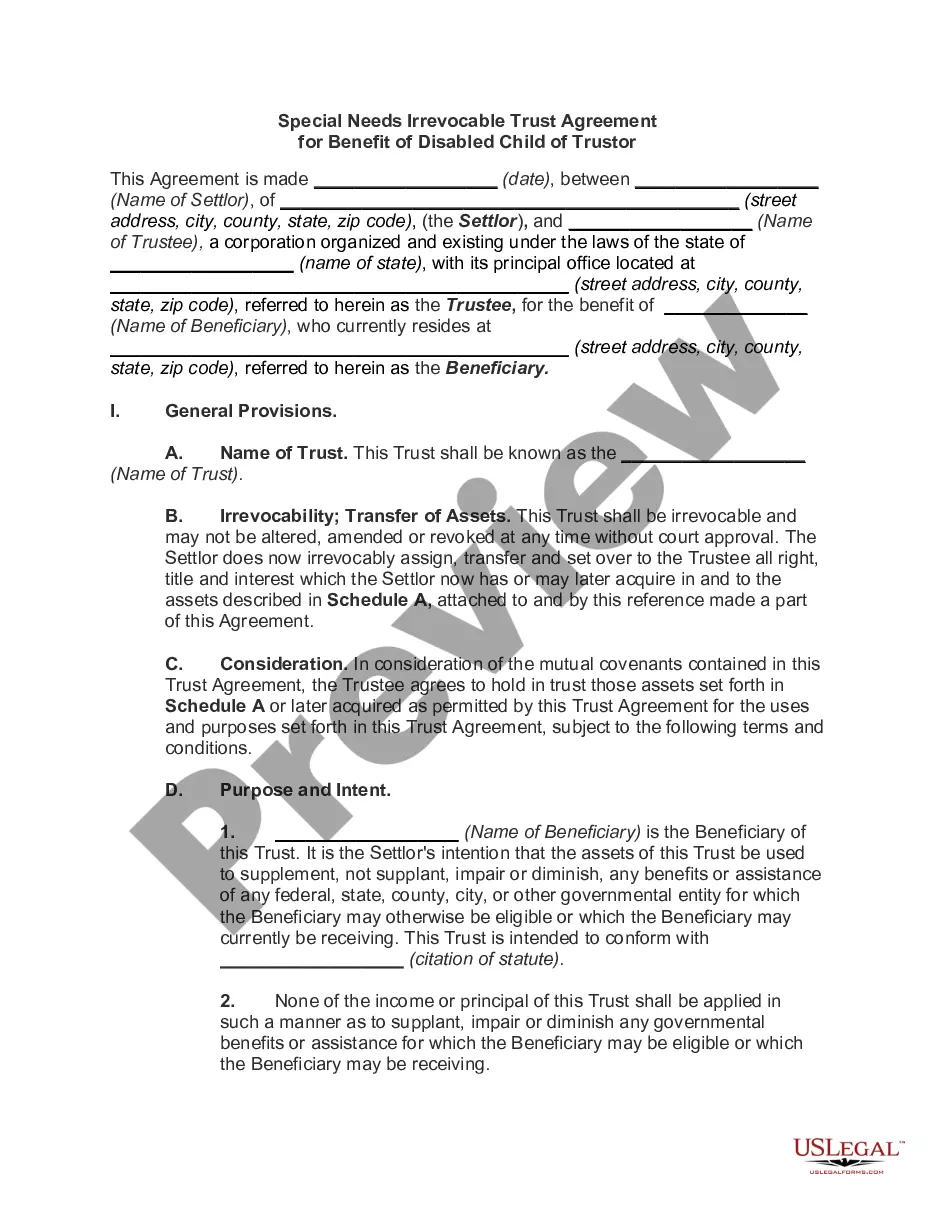
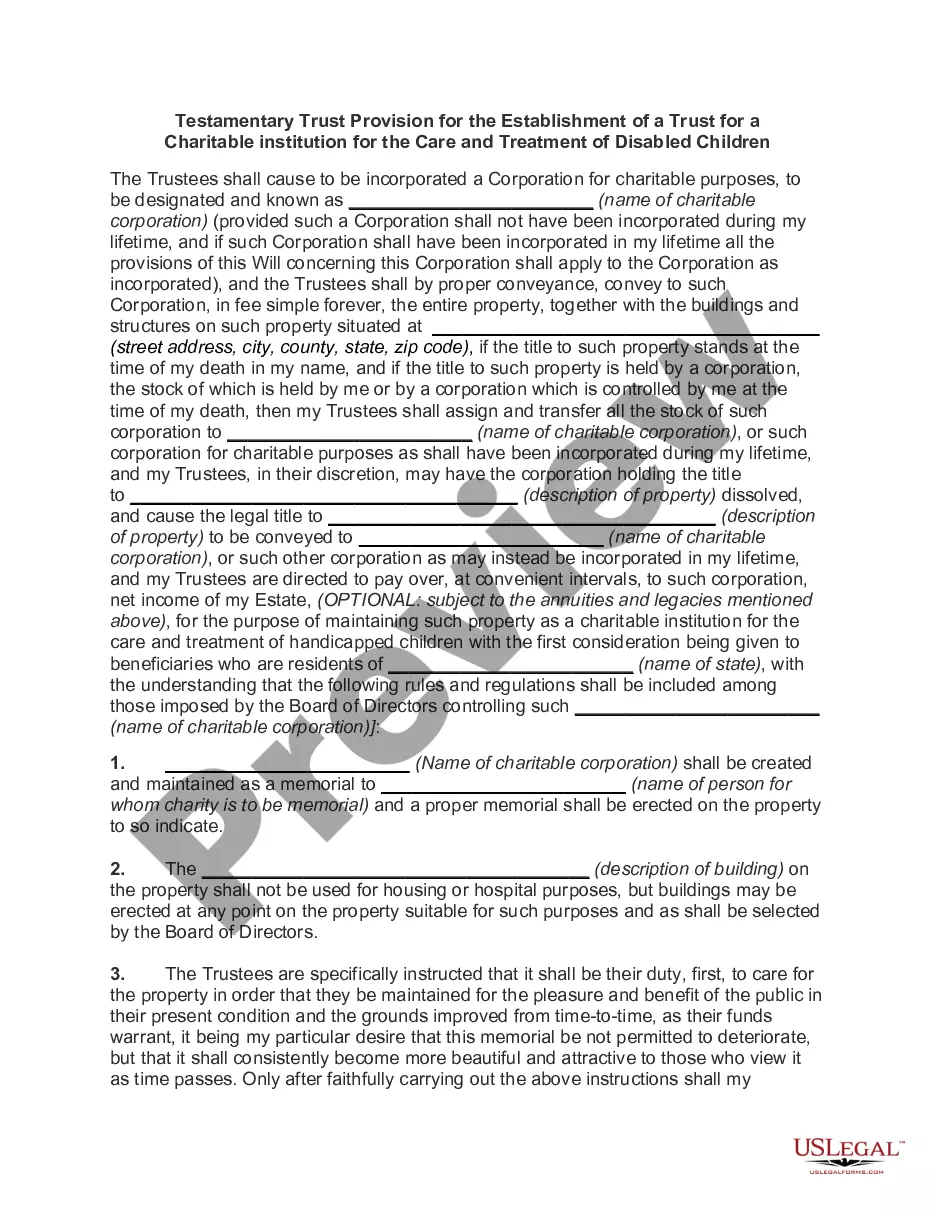
Get your form ready online
Our built-in tools help you complete, sign, share, and store your documents in one place.
Make edits, fill in missing information, and update formatting in US Legal Forms—just like you would in MS Word.
Download a copy, print it, send it by email, or mail it via USPS—whatever works best for your next step.
Sign and collect signatures with our SignNow integration. Send to multiple recipients, set reminders, and more. Go Premium to unlock E-Sign.
If this form requires notarization, complete it online through a secure video call—no need to meet a notary in person or wait for an appointment.
We protect your documents and personal data by following strict security and privacy standards.

Make edits, fill in missing information, and update formatting in US Legal Forms—just like you would in MS Word.

Download a copy, print it, send it by email, or mail it via USPS—whatever works best for your next step.

Sign and collect signatures with our SignNow integration. Send to multiple recipients, set reminders, and more. Go Premium to unlock E-Sign.

If this form requires notarization, complete it online through a secure video call—no need to meet a notary in person or wait for an appointment.

We protect your documents and personal data by following strict security and privacy standards.
Looking for another form?
How to fill out Supplemental Needs Trust For Third Party - Disabled Beneficiary?
- If you're a returning user, log in to your account and directly download the required form template by clicking the Download button. Ensure your subscription is active; if it has expired, renew it according to your chosen plan.
- For first-time users, start by exploring the Preview mode and reviewing the form descriptions to select the one that meets your specific needs and complies with local jurisdiction requirements.
- If you can't find the right document, utilize the Search tab above to discover additional options. Confirm the form fits your criteria before proceeding.
- Purchase your chosen document by clicking the Buy Now button and selecting your preferred subscription plan. You’ll need to create an account to access the full library.
- Complete your purchase by entering your payment information via credit card or PayPal for subscription access.
- After payment, download the form to your device for completion and easy access later in the My Forms section of your profile.
Using US Legal Forms provides individuals and attorneys with a powerful tool to efficiently navigate legal documentation. With over 85,000 forms available, their vast library ensures that you have access to the specific documents you need.
Start your journey to securing a brighter financial future today. Sign up for US Legal Forms and gain instant access to expertly crafted legal documents tailored to your needs.
Form popularity
FAQ
The owner or grantor of a supplemental needs trust is typically the individual who establishes the trust for the benefit of the named beneficiaries. This person retains control over the trust's assets during their lifetime. If you are considering setting up a supplemental needs trust for the future, you’ll find that platforms like uslegalforms can provide essential resources to guide you through the process seamlessly.
A supplemental needs trust offers several advantages, including the ability to provide financial support for beneficiaries without jeopardizing their eligibility for government benefits. This trust allows individuals to receive supplemental funds for enhancements in quality of life, which can be crucial for those with disabilities. By prioritizing your loved one's welfare, a supplemental needs trust for the future ensures they receive the care and support they need.
The taxation of a supplemental needs trust can vary based on its structure and the income it generates. Generally, the trust may be subject to income taxes on any earnings it produces, while distributions to beneficiaries might have tax implications as well. It is crucial to consult with a tax professional to understand how a supplemental needs trust for the future aligns with your overall financial strategy.
The primary difference between a supplemental needs trust and a pooled trust lies in their structure and funding. A supplemental needs trust for the future is typically established for an individual, allowing personalized management of funds. In contrast, a pooled trust pools resources from multiple beneficiaries, helping lower administrative costs while maintaining compliance with legal requirements. This makes pooled trusts a practical option for families seeking to make the most of their resources.
While some people use the terms interchangeably, there can be subtle differences between a supplemental needs trust and a special needs trust. A supplemental needs trust for the future is specifically aimed at supplementing benefits without disqualifying the beneficiary from assistance programs. In contrast, a special needs trust may encompass a wider range of financial support mechanisms. It’s best to clarify these distinctions with a knowledgeable attorney.
Yes, a supplemental needs trust for the future is often considered synonymous with a special needs trust. Both are designed to benefit individuals with disabilities while preserving their eligibility for government benefits. The key point is that these trusts can help enhance the quality of life for beneficiaries without compromising their access to essential services. Understanding the nuances can guide you in making timely decisions.
Establishing a supplemental needs trust for the future involves several key steps. First, consult with an attorney who specializes in trusts and estate planning to understand the specifics required for your state's laws. Next, you will need to draft the trust document, outlining how the funds will be managed and used for the beneficiary’s benefit. Finally, fund the trust with the appropriate assets to ensure it serves its purpose effectively.
Despite its benefits, a supplemental needs trust has some disadvantages that should be considered. These may include the legal complexity of establishing and maintaining the trust, along with ongoing management costs. Understanding the nuances can help you make informed decisions. Using a platform like USLegalForms can guide you through the process of creating a supplemental needs trust for the future that aligns with your goals.
When a beneficiary of a supplemental needs trust dies, the trust typically remains intact unless it specifies otherwise. The terms can outline how remaining assets are distributed, often favoring other family members or charitable organizations. Therefore, crafting a supplemental needs trust for the future is essential to ensure proper outcome and management even after the beneficiary's passing.
One disadvantage of a special needs trust is that it can be complex to set up and administer, which may lead to misunderstandings or mismanagement. Additionally, if not properly structured, it could unintentionally affect the beneficiary's eligibility for crucial government assistance. When considering a supplemental needs trust for the future, working with professionals ensures that your trust is set up to maximize benefits while minimizing risks.