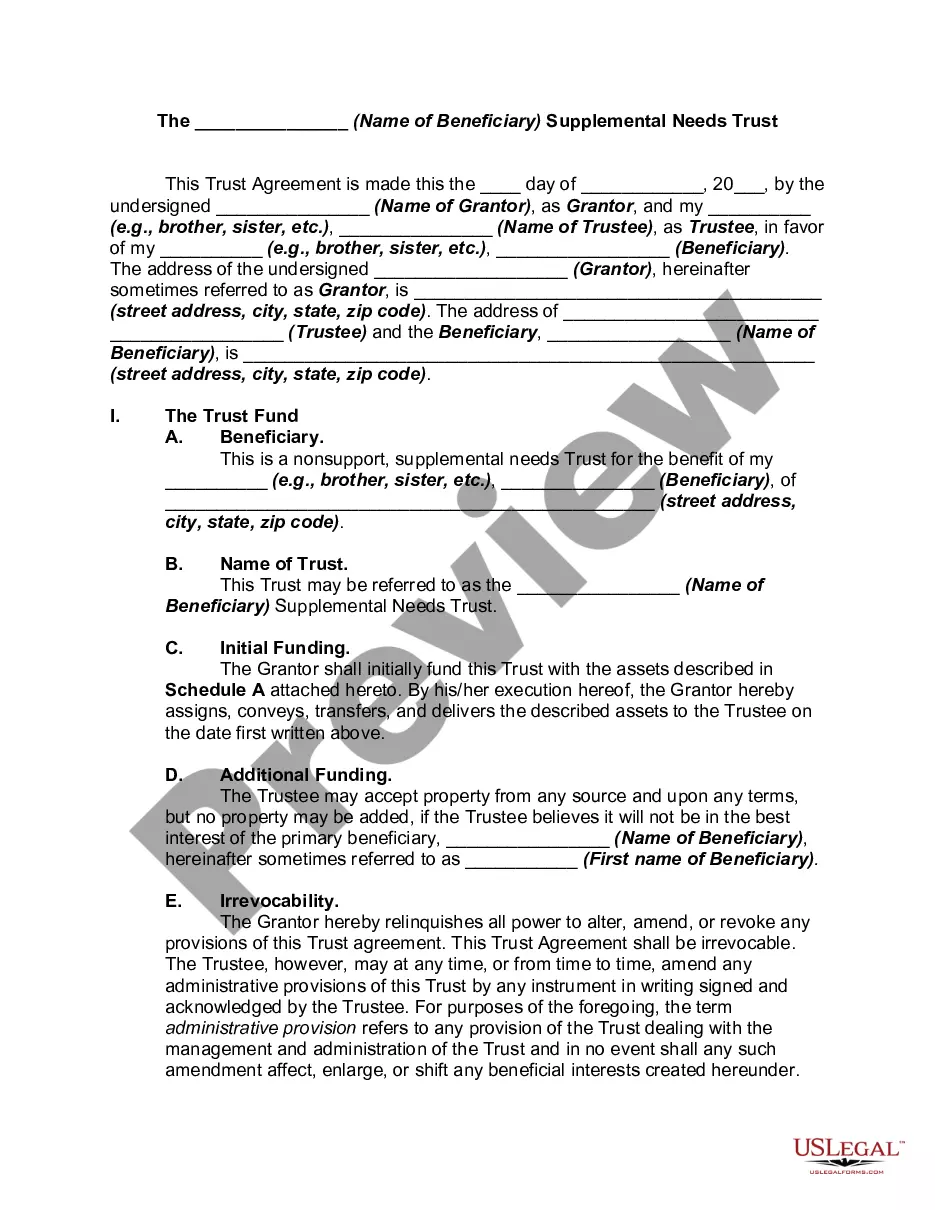
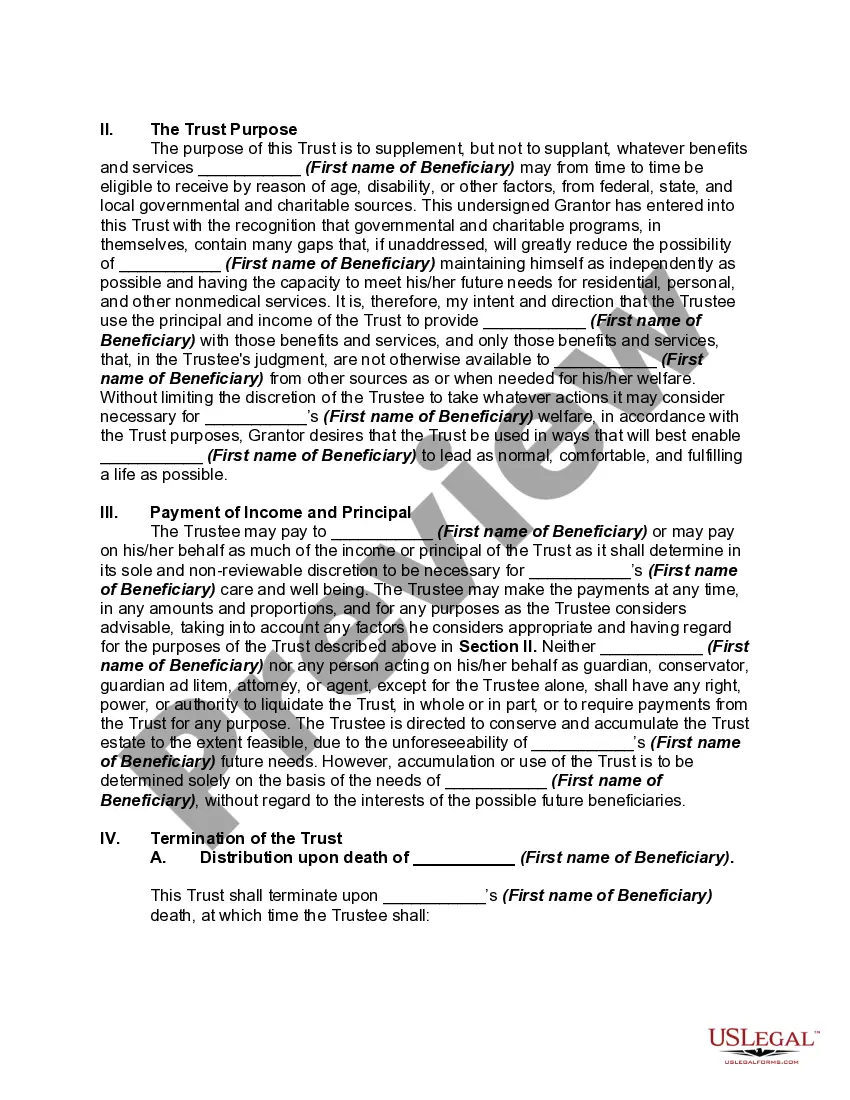
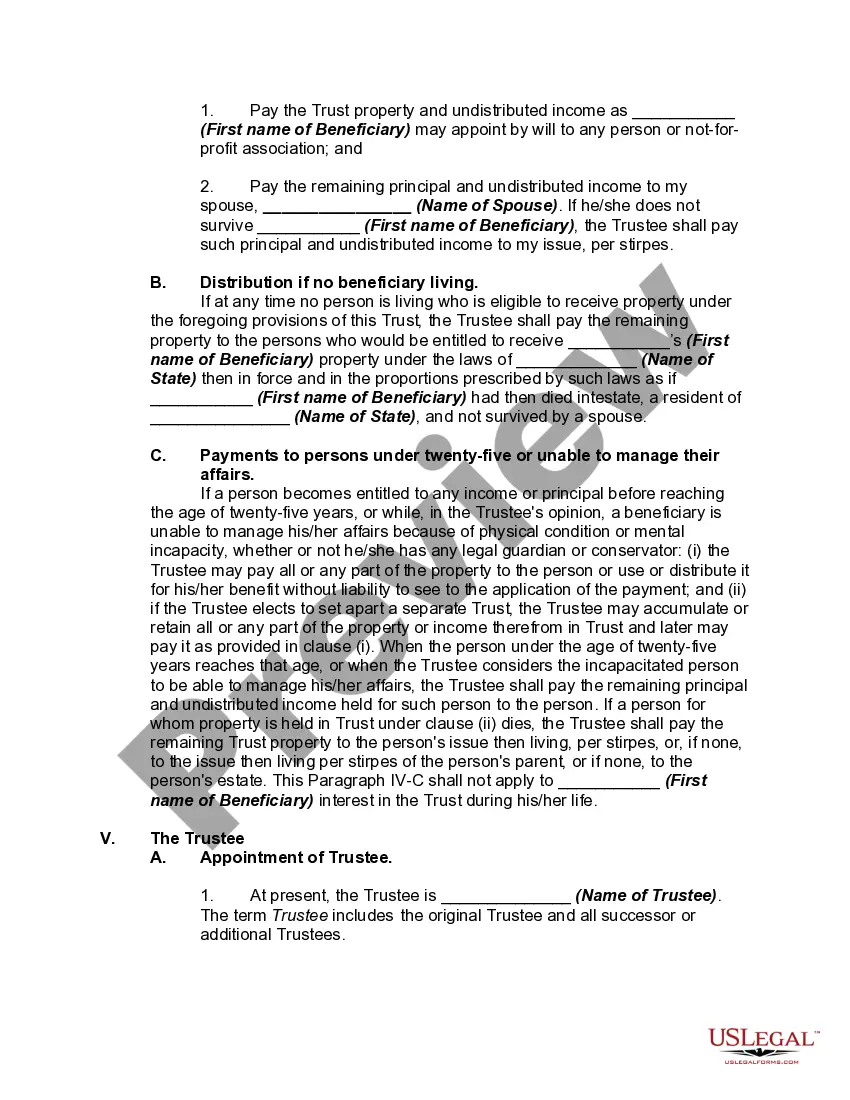
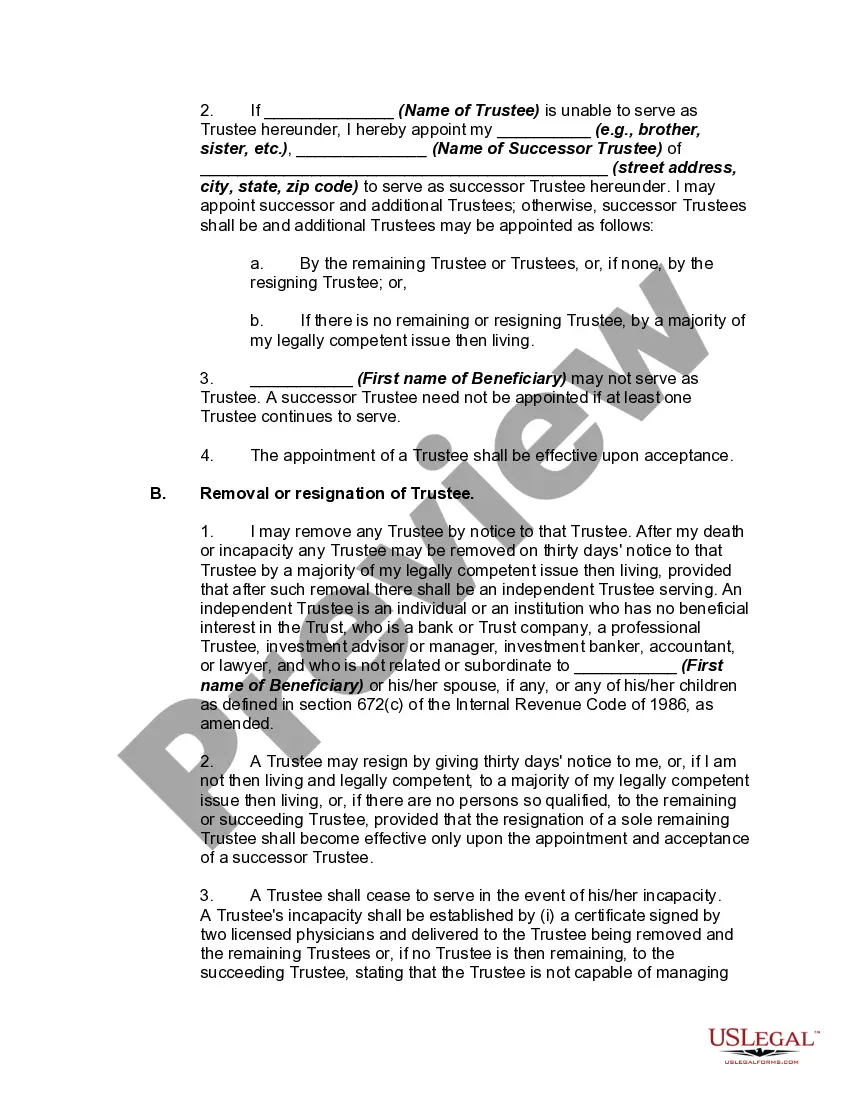
Supplemental Needs Trust For Spouse
Description
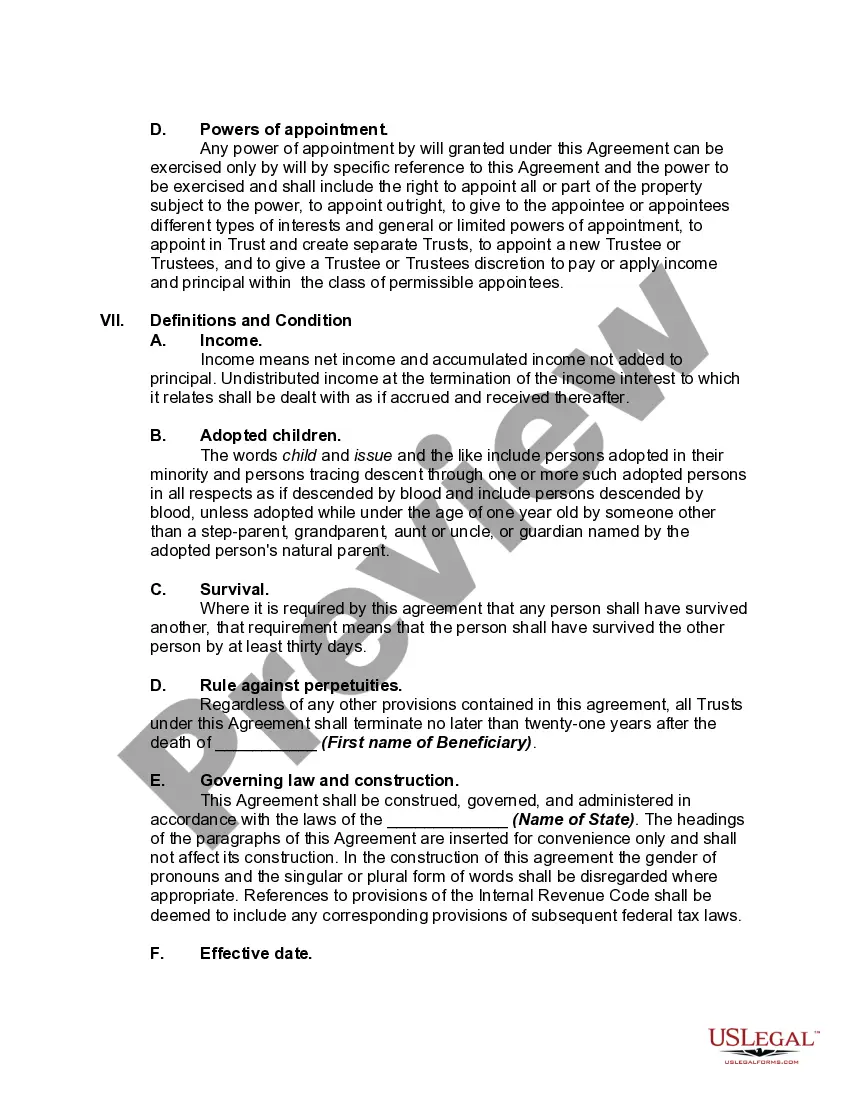

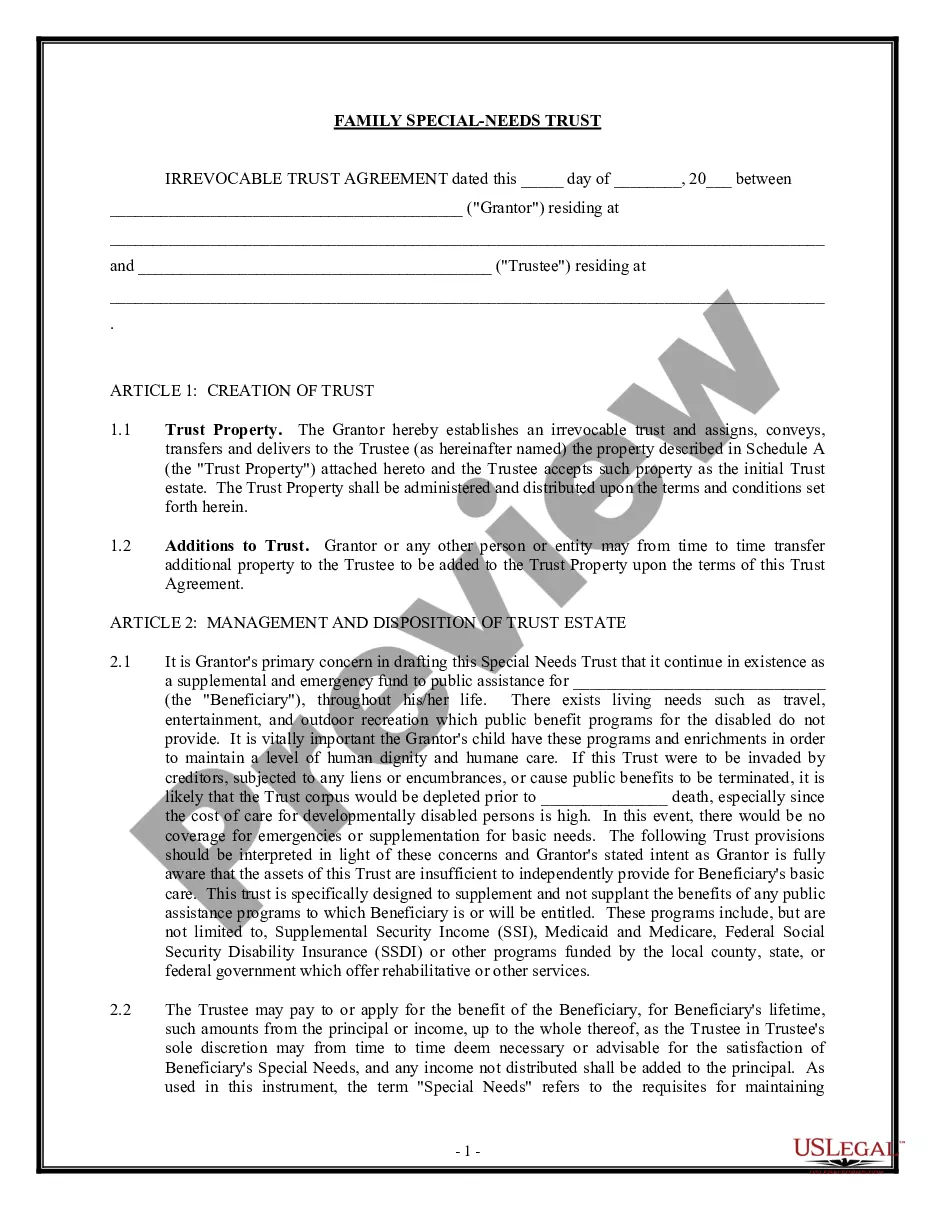

Get your form ready online
Our built-in tools help you complete, sign, share, and store your documents in one place.
Make edits, fill in missing information, and update formatting in US Legal Forms—just like you would in MS Word.
Download a copy, print it, send it by email, or mail it via USPS—whatever works best for your next step.
Sign and collect signatures with our SignNow integration. Send to multiple recipients, set reminders, and more. Go Premium to unlock E-Sign.
If this form requires notarization, complete it online through a secure video call—no need to meet a notary in person or wait for an appointment.
We protect your documents and personal data by following strict security and privacy standards.

Make edits, fill in missing information, and update formatting in US Legal Forms—just like you would in MS Word.

Download a copy, print it, send it by email, or mail it via USPS—whatever works best for your next step.

Sign and collect signatures with our SignNow integration. Send to multiple recipients, set reminders, and more. Go Premium to unlock E-Sign.

If this form requires notarization, complete it online through a secure video call—no need to meet a notary in person or wait for an appointment.

We protect your documents and personal data by following strict security and privacy standards.
Looking for another form?




How to fill out Supplemental Needs Trust For Third Party - Disabled Beneficiary?
- Log in to your US Legal Forms account if you are a returning user; ensure your subscription is active.
- For new users, visit the US Legal Forms website and check the template preview for the supplemental needs trust that fits your requirements.
- If needed, use the search function to find alternative templates that meet jurisdictional needs.
- Select your desired document and click on the 'Buy Now' button. Choose a subscription plan that works for you, and create an account if you haven't already.
- Complete the purchase by entering your payment information, using either a credit card or PayPal.
- Download your completed form directly to your device and access it anytime from the 'My Forms' section of your account.
By leveraging US Legal Forms, you gain access to a robust library and legal expertise for crafting your documents accurately.
Ready to secure your spouse's future? Start by creating your supplemental needs trust with US Legal Forms today!
Form popularity
FAQ
A trust for the benefit of a spouse allows you to allocate assets specifically to support your partner's financial well-being. This type of trust can be structured to provide for your spouse during their lifetime, while also preserving assets for future generations. Utilizing a supplemental needs trust for spouse can enhance financial security, particularly if your partner has special needs, ensuring they receive consistent support.
A special needs trust and a supplemental needs trust serve similar purposes, but they are not identical. A supplemental needs trust focuses on improving the quality of life for individuals with disabilities without affecting their eligibility for government benefits. When discussing a supplemental needs trust for spouse, it specifically caters to the unique financial needs of your partner, ensuring they receive essential support while maintaining benefits.
The owner of the trust is the trust itself, a legal arrangement designed to benefit the named beneficiary, in this case, your spouse. While the grantor creates the trust and the trustee manages it, the assets within the trust are held separately from the owner's personal assets. This separation helps maintain eligibility for government benefits.
To establish a supplemental needs trust for spouse, begin by consulting with a qualified attorney experienced in estate planning and special needs law. The attorney will help draft the trust document, defining the terms and responsibilities of the trustee. Utilizing platforms like USLegalForms can simplify the process, offering customizable templates and guidance.
One downside of a special needs trust is its limitations on how funds can be used, which may restrict the beneficiary's financial flexibility. A supplemental needs trust for spouse can sometimes offer broader investment options and allowable expenses. Understanding these constraints ensures that you choose the best trust type for your spouse's situation.
The owner of a supplemental needs trust for spouse is usually the trust itself, meaning it is a legal entity created to manage assets on behalf of the beneficiary. While the grantor sets it up, the trustee manages the trust assets according to its terms. This arrangement allows for proper oversight without the assets being considered part of the spouse's personal estate.
The grantor of a supplemental needs trust for spouse is typically the individual who establishes the trust, often a family member or the spouse themselves. This person contributes assets to the trust and sets its terms, guiding the funds' use for the benefit of the spouse. It’s a critical role in helping to ensure financial protection.
Both trusts aim to benefit individuals with disabilities, but they serve different purposes. A supplemental needs trust for spouse focuses on enhancing the quality of life without jeopardizing government assistance, while a special needs trust is often more restricted in use and may affect eligibility. Understanding these differences is essential for selecting the right trust.
A supplemental needs trust for spouse protects assets while ensuring your spouse continues to receive government benefits. This type of trust holds funds that can only be used for specific supplementary needs, enhancing their quality of life without affecting eligibility for benefits like Medicaid. The trust owner oversees how the funds are used, creating a layer of financial security.
To qualify for a supplemental needs trust, individuals must generally have a disability that affects their ability to earn a living and manage their finances. This can include a wide range of physical or mental conditions. If you believe a spouse might benefit from this kind of trust, reviewing their specific needs can help you ensure compliance and safeguard valuable resources.