Special Needs Trust Taxation Without A Lawyer
Description
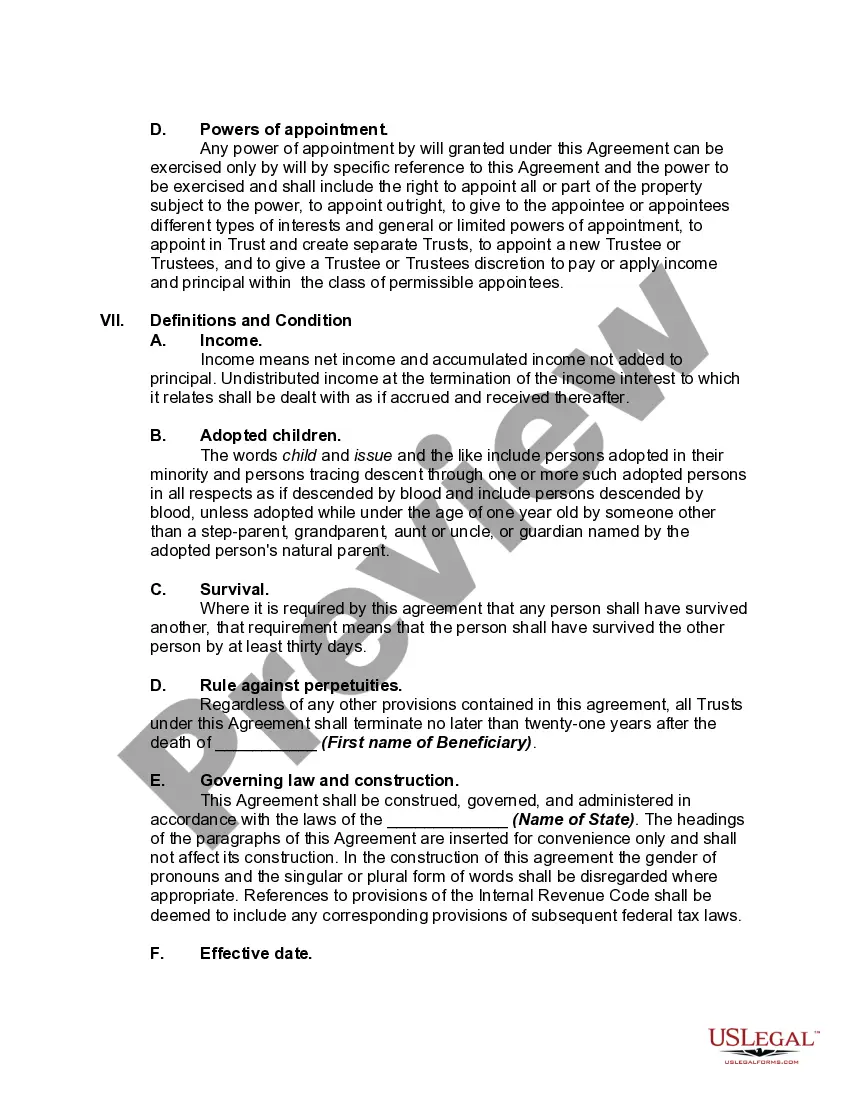



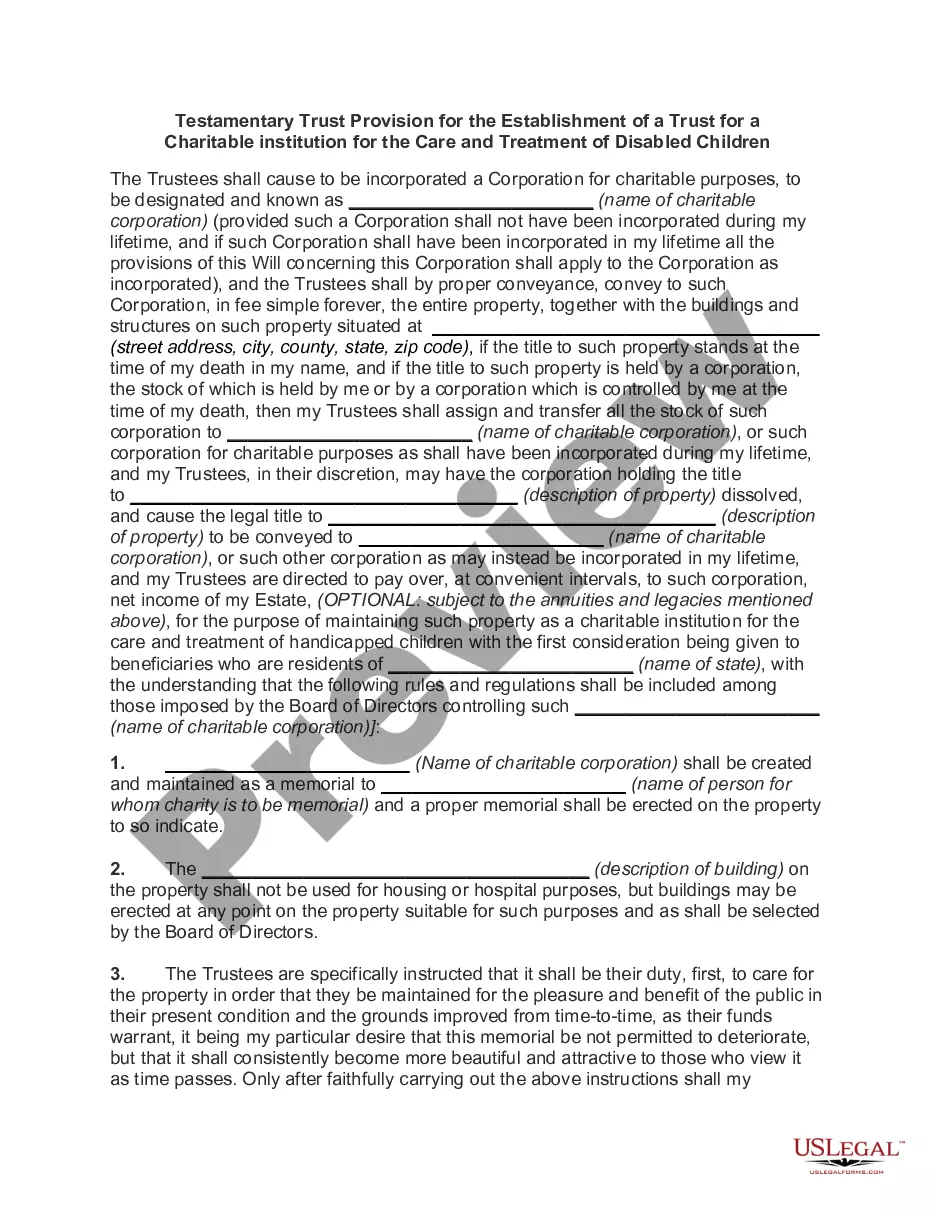
Get your form ready online
Our built-in tools help you complete, sign, share, and store your documents in one place.
Make edits, fill in missing information, and update formatting in US Legal Forms—just like you would in MS Word.
Download a copy, print it, send it by email, or mail it via USPS—whatever works best for your next step.
Sign and collect signatures with our SignNow integration. Send to multiple recipients, set reminders, and more. Go Premium to unlock E-Sign.
If this form requires notarization, complete it online through a secure video call—no need to meet a notary in person or wait for an appointment.
We protect your documents and personal data by following strict security and privacy standards.

Make edits, fill in missing information, and update formatting in US Legal Forms—just like you would in MS Word.

Download a copy, print it, send it by email, or mail it via USPS—whatever works best for your next step.

Sign and collect signatures with our SignNow integration. Send to multiple recipients, set reminders, and more. Go Premium to unlock E-Sign.

If this form requires notarization, complete it online through a secure video call—no need to meet a notary in person or wait for an appointment.

We protect your documents and personal data by following strict security and privacy standards.
Looking for another form?

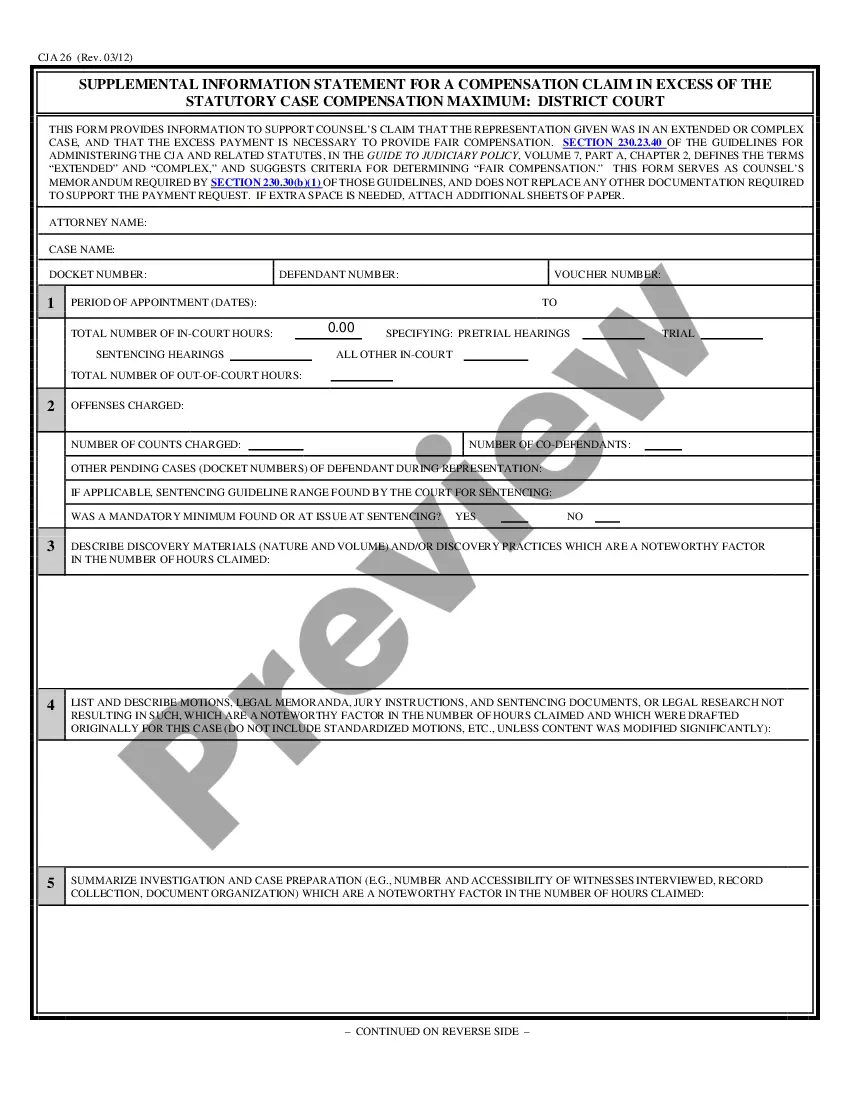




How to fill out Supplemental Needs Trust For Third Party - Disabled Beneficiary?
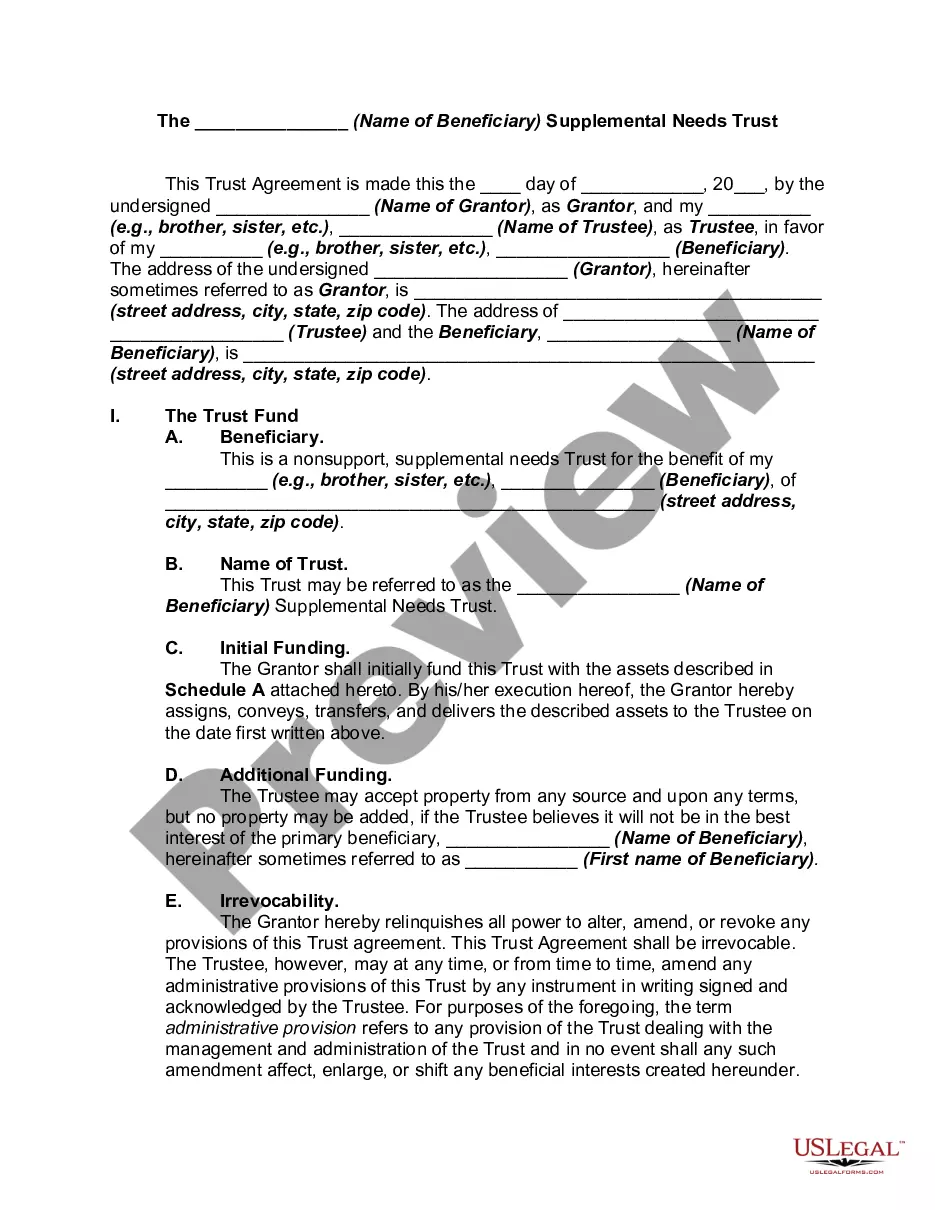
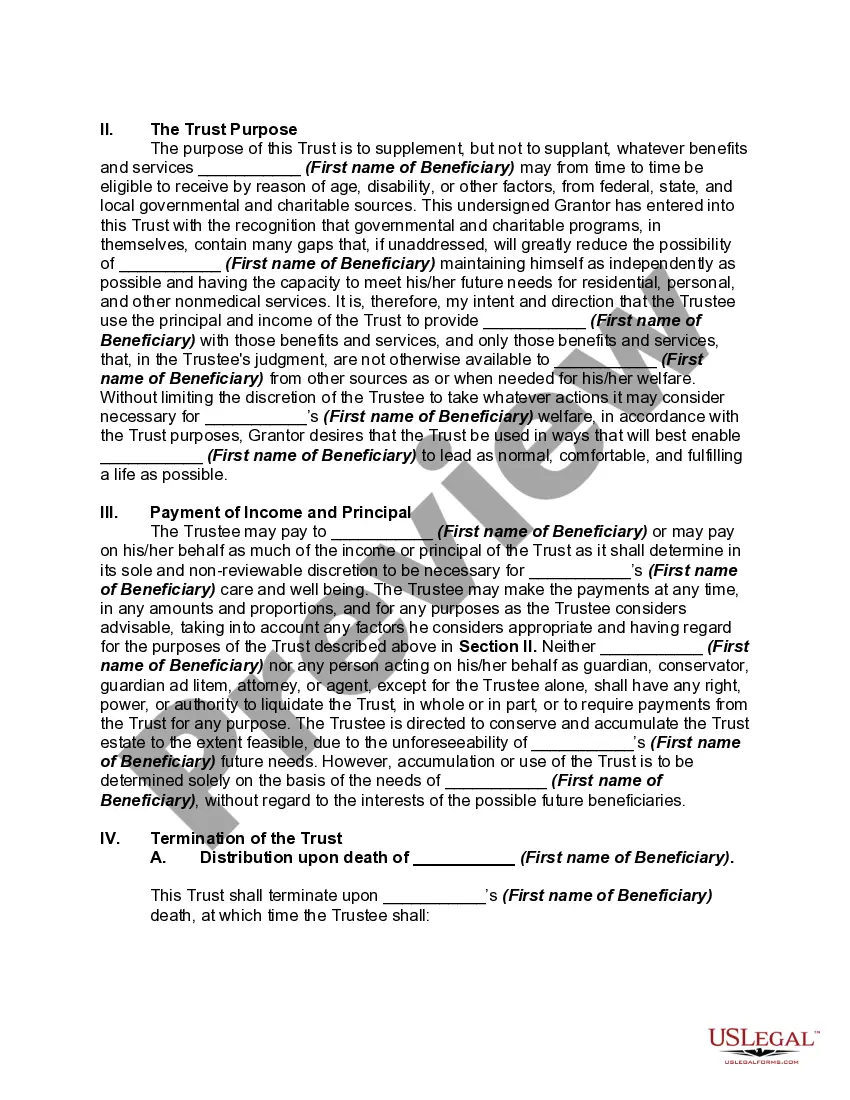
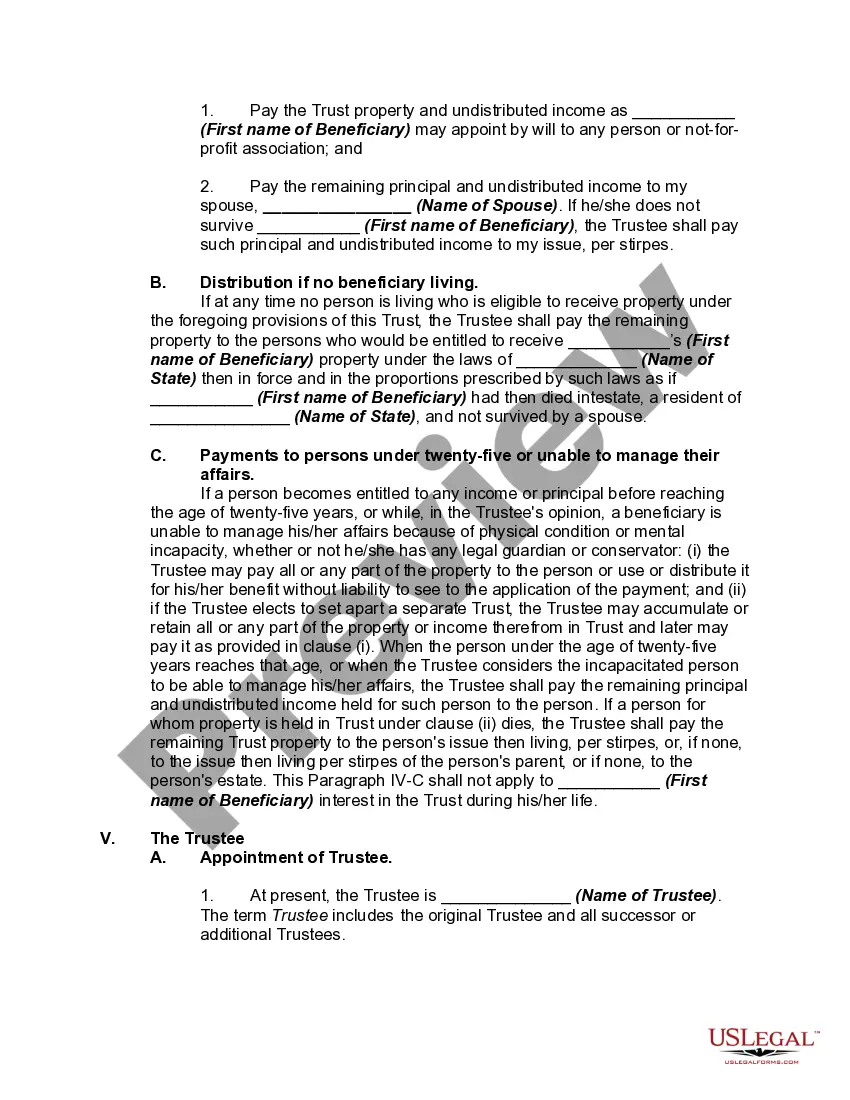
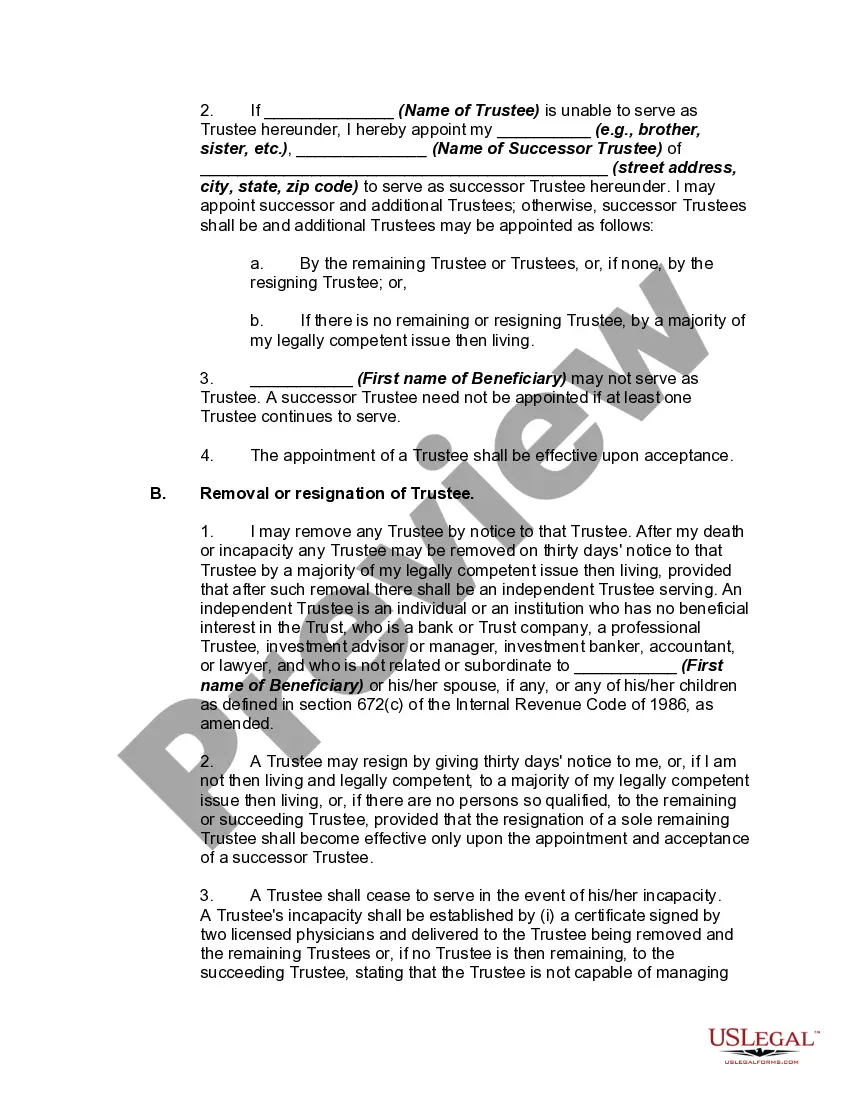
The Special Needs Trust Taxation Without A Lawyer showcased on this page is a versatile official template composed by expert attorneys in accordance with federal and local regulations.
For over 25 years, US Legal Forms has offered individuals, businesses, and legal practitioners access to more than 85,000 authenticated, state-specific documents for any personal and professional scenario. It’s the fastest, simplest, and most trustworthy means to acquire the paperwork you require, as the service promises the utmost level of data security and anti-malware safeguards.
Subscribe to US Legal Forms to have authenticated legal templates for all of life's circumstances available at your convenience.
- Search for the document you require and review it.
- Sign up and create an account.
- Obtain the editable template.
- Complete and endorse the document.
- Download your files again.
Form popularity
FAQ
Taxation of Trusts To the extent that the income of the trust is not covered by an exemption, the income will be taxed in a manner similar to an Association of Persons (AoP). Hence, for an income of up to Rs. 2.5 lakh rupees, there will be no need to pay tax.
Income retained by the trust will be taxed to the trust. Practically, with most smaller trusts, there's no real difference in the tax treatment of the two types of trusts, since they use all their annual income for the benefit of the individual with special needs.
It is important to remember that the SNT cannot deduct expenses like rent and food. Deductions can be for medical care, custodial care, support services, and similar care not provided by public benefits programs.
First-Party or Self-Funded Special Needs Trusts Any income earned on the funds invested in the first-party trust is always taxable to the beneficiary in the year it is earned, regardless of when or if it is distributed to the beneficiary.
In these circumstances, the Form 1041 is very simple to complete. The trustee will check the box on Form 1041 indicating that the trust is a grantor trust and provide some general information about the trust (name, address, tax identification number, and the date the trust was established).