Special Needs Trust Requirements With Medicaid
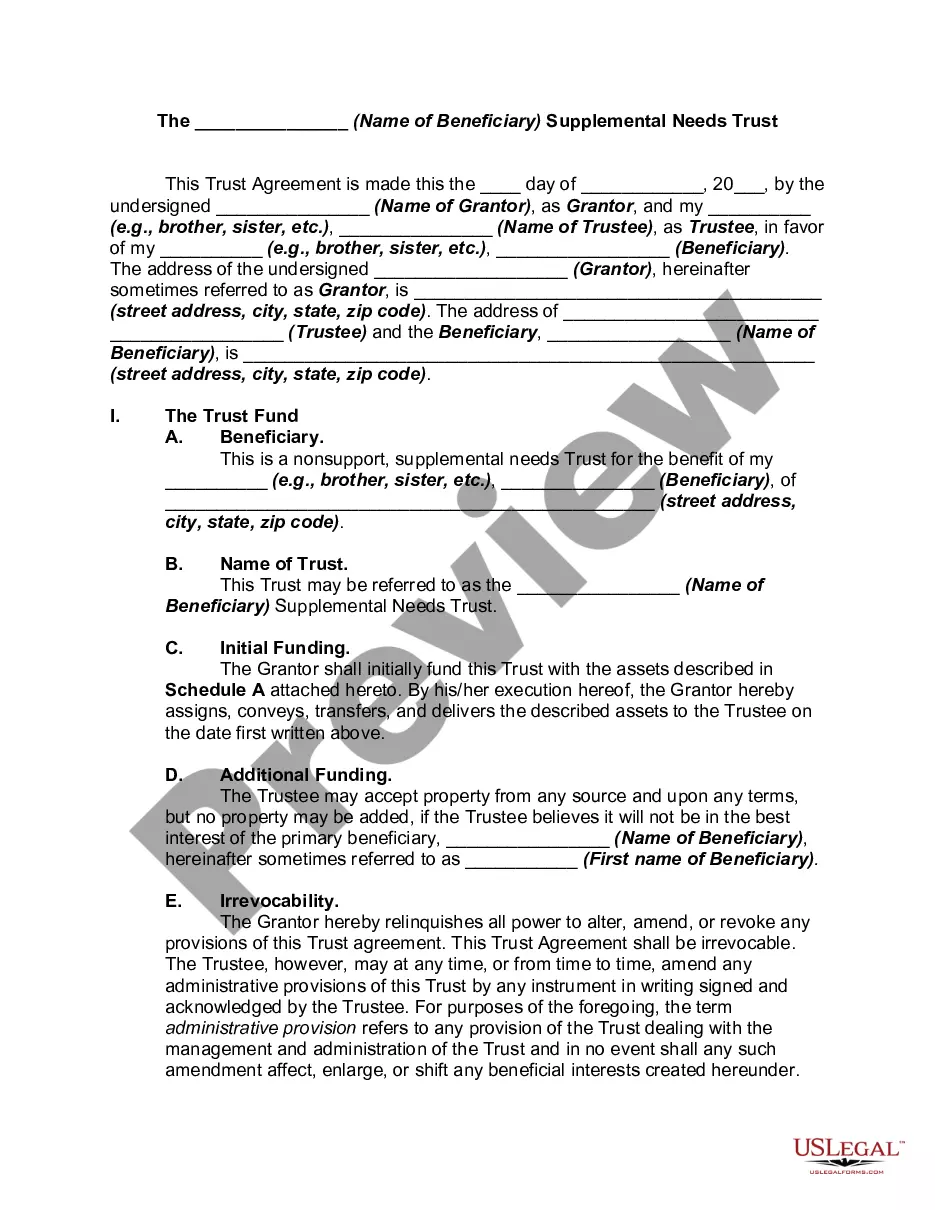
Description
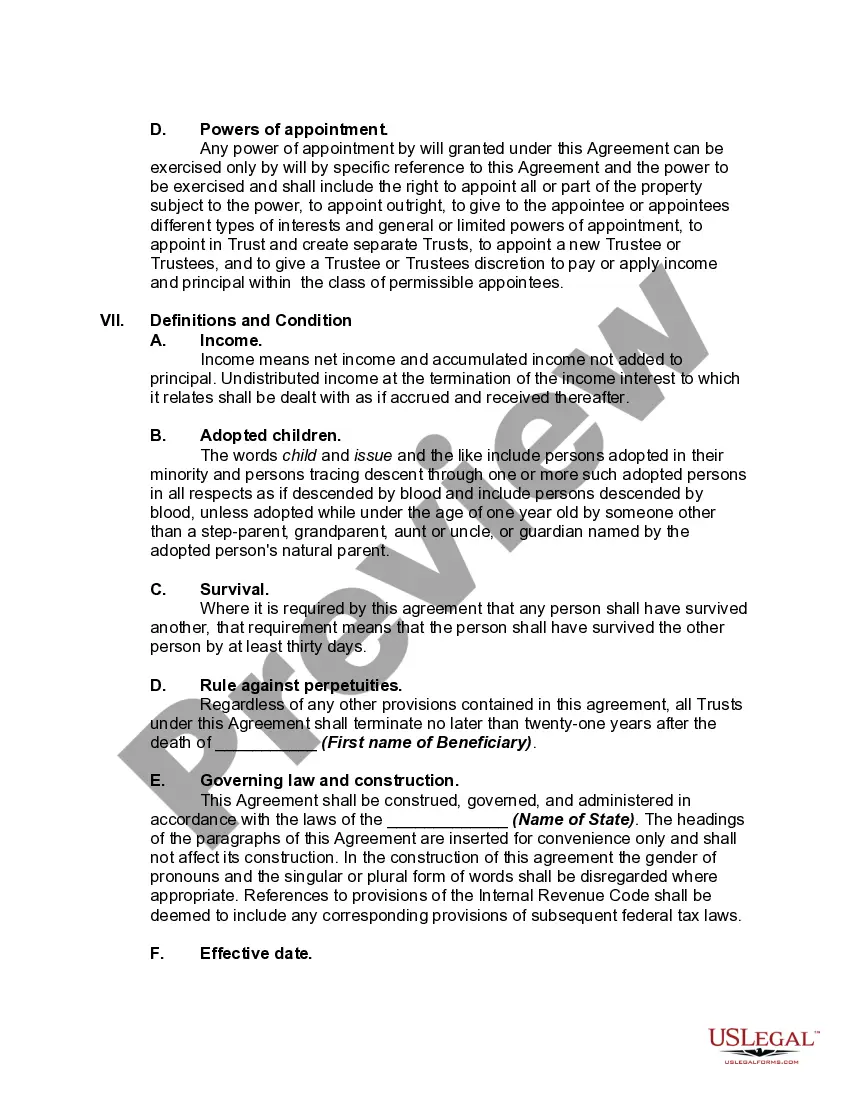

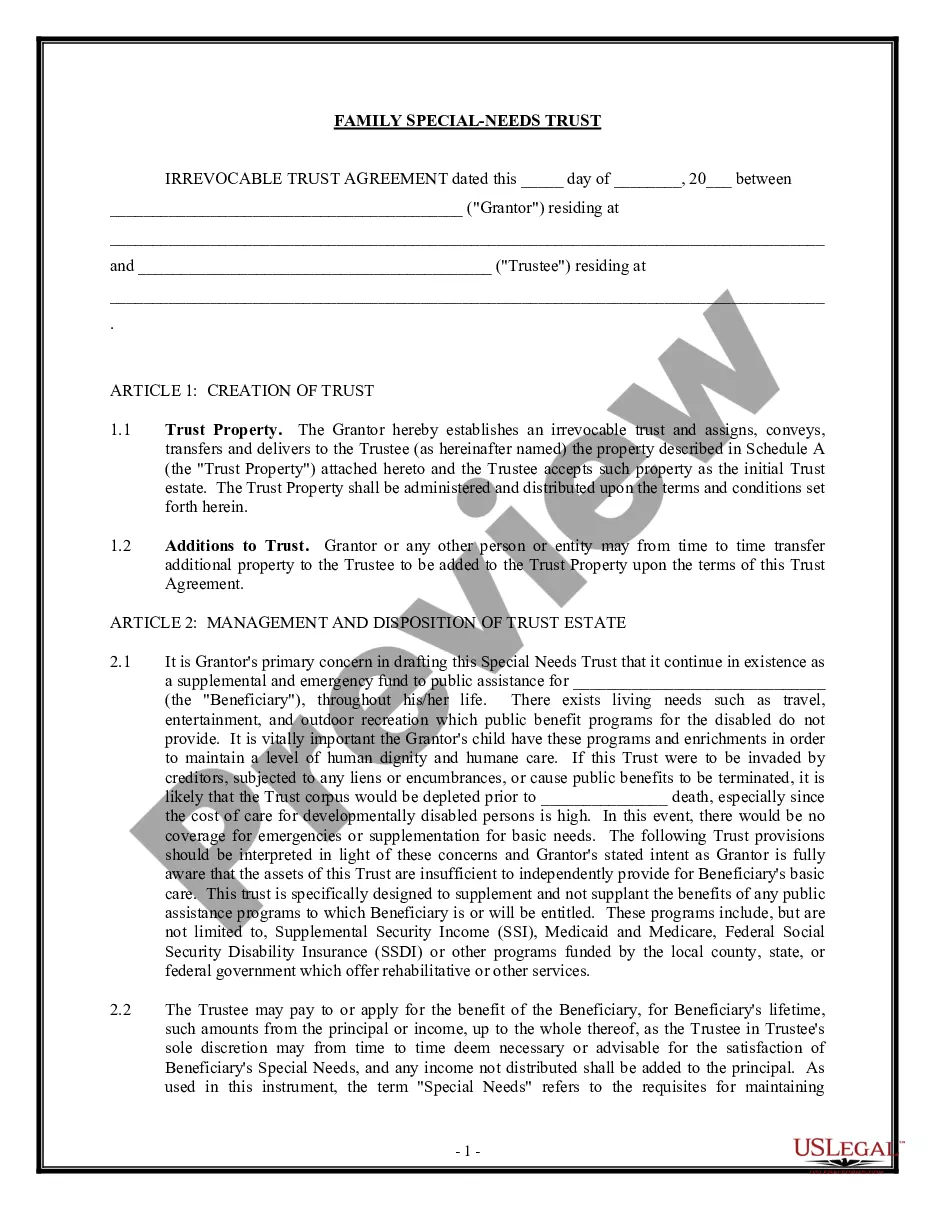
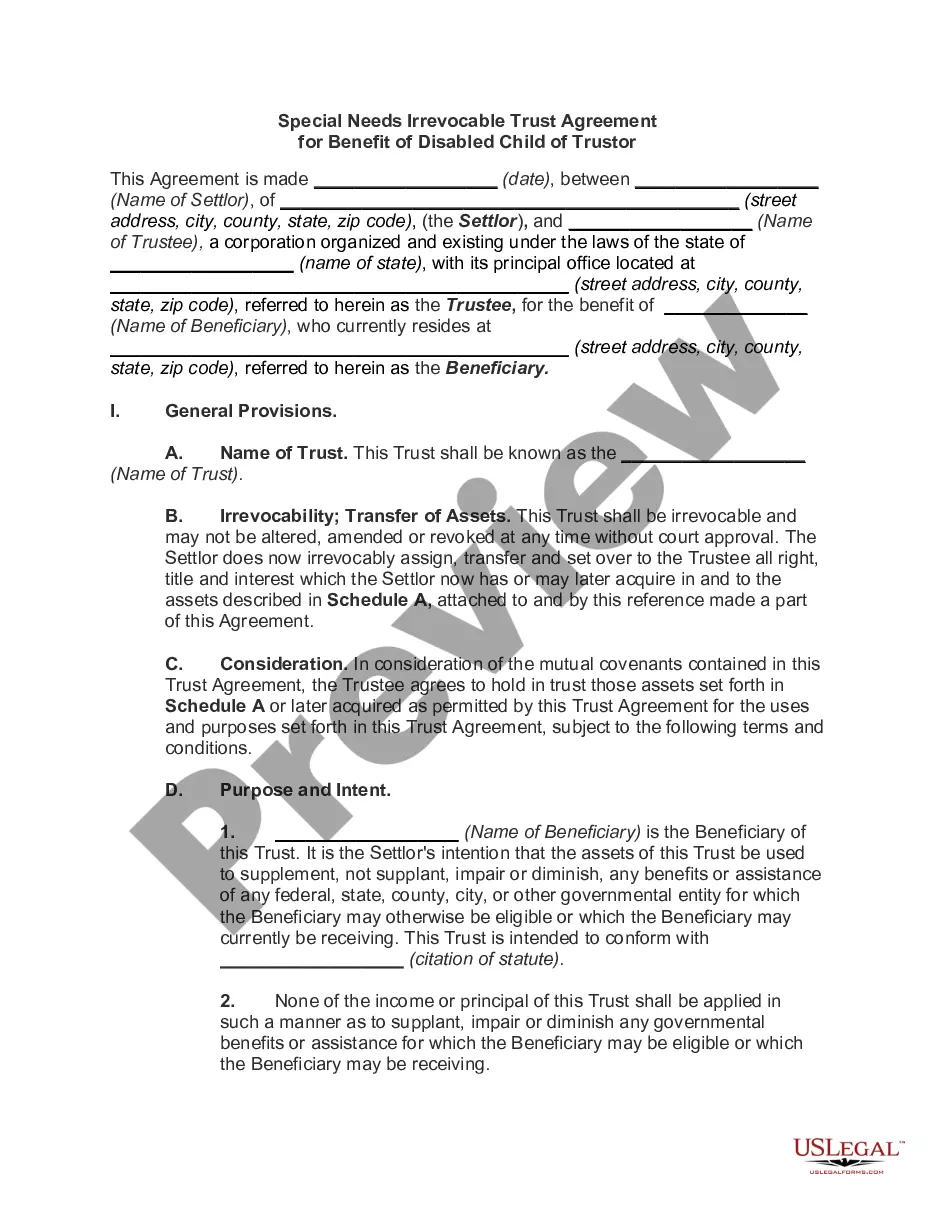
Get your form ready online
Our built-in tools help you complete, sign, share, and store your documents in one place.
Make edits, fill in missing information, and update formatting in US Legal Forms—just like you would in MS Word.
Download a copy, print it, send it by email, or mail it via USPS—whatever works best for your next step.
Sign and collect signatures with our SignNow integration. Send to multiple recipients, set reminders, and more. Go Premium to unlock E-Sign.
If this form requires notarization, complete it online through a secure video call—no need to meet a notary in person or wait for an appointment.
We protect your documents and personal data by following strict security and privacy standards.

Make edits, fill in missing information, and update formatting in US Legal Forms—just like you would in MS Word.

Download a copy, print it, send it by email, or mail it via USPS—whatever works best for your next step.

Sign and collect signatures with our SignNow integration. Send to multiple recipients, set reminders, and more. Go Premium to unlock E-Sign.

If this form requires notarization, complete it online through a secure video call—no need to meet a notary in person or wait for an appointment.

We protect your documents and personal data by following strict security and privacy standards.
Looking for another form?








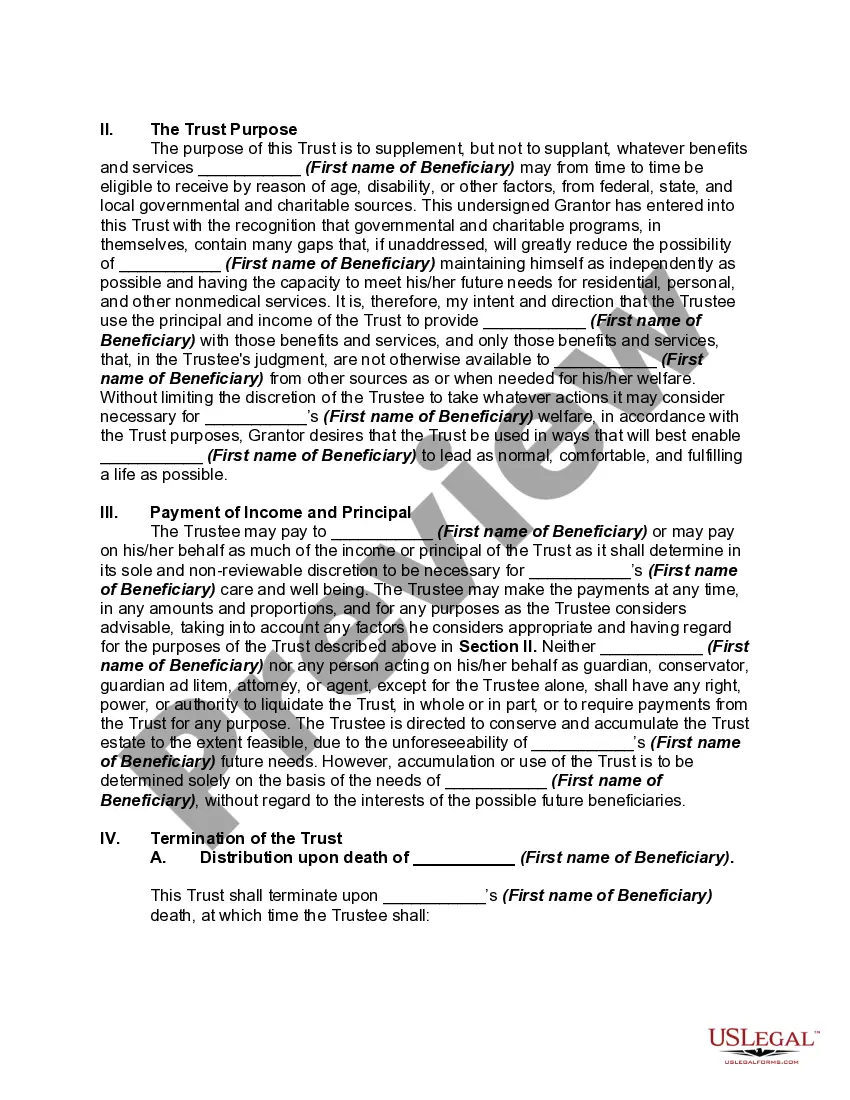
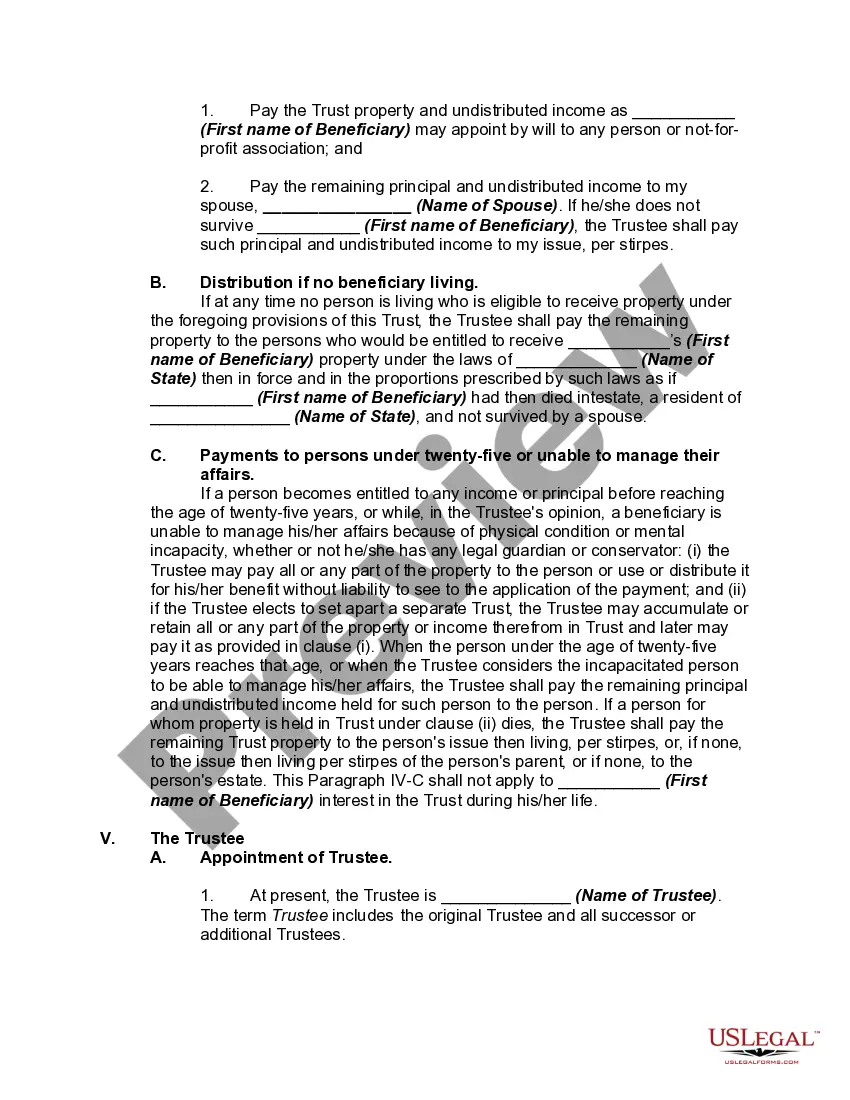
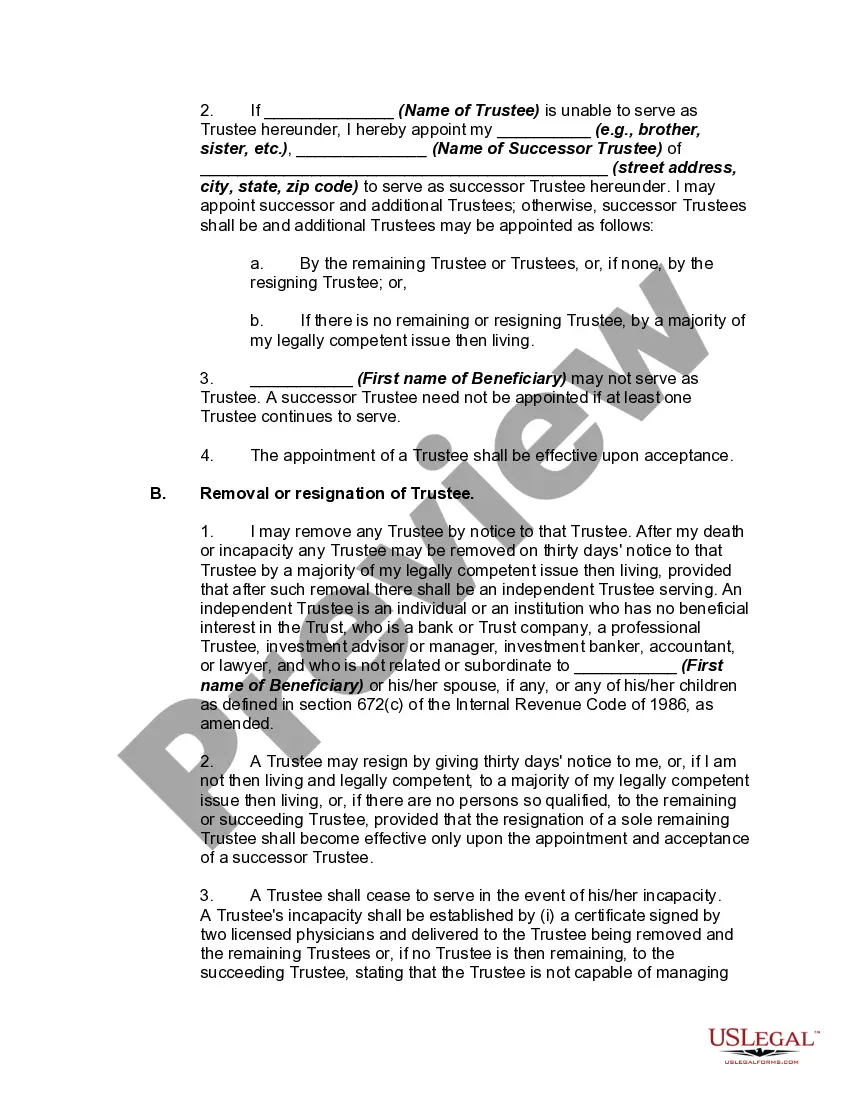
How to fill out Supplemental Needs Trust For Third Party - Disabled Beneficiary?
The Special Needs Trust Criteria With Medicaid you observe on this page is a versatile official template crafted by expert attorneys in accordance with federal and state regulations.
For over 25 years, US Legal Forms has offered individuals, companies, and lawyers more than 85,000 verified, state-specific documents for any commercial and personal situation. It’s the quickest, easiest, and most reliable method to acquire the paperwork you require, as the service assures bank-level data protection and anti-malware safeguards.
Choose the format you prefer for your Special Needs Trust Criteria With Medicaid (PDF, DOCX, RTF) and save the sample on your device.
- Search for the document you require and review it.
- Browse the file you looked for and preview it or read the form description to confirm it meets your needs. If it doesn’t, utilize the search function to find the correct one. Click Buy Now once you have found the template you want.
- Subscribe and Log In.
- Select the pricing plan that works for you and create an account. Use PayPal or a credit card for a swift payment. If you already possess an account, Log In and verify your subscription to continue.
- Obtain the fillable template.
Form popularity
FAQ
In a Revocable Trust or ?Living Trust?, Medi-CAL and/or other Creditors CAN count or take assets as they are YOUR ASSETS! A lien can be placed on a home or bank accounts owned by a Revocable Trust for your debts.
Cons of Special Needs Trusts The trust must be maintained, and yearly management costs can be high. Depending on who manages the fund, there may be a minimum amount required to set up the trust. It may be financially difficult for the settlor to actually establish the trust, depending upon their circumstances.
A Trust that does not require distribution of all its income by the terms of the trust agreement is called a ?Complex? Trust, and is allowed an exemption of $100. A ?Qualified Disability Trust? or ?QDT? is allowed the same exemption as an individual under IRS Code §642(b)(2)(C).
A qualified disability trust (QDisT) is a type of trust that qualifies for tax exemptions and applies to most trusts set up for someone with special needs. Normally, you must pay income tax on the income you receive from trusts, and that requirement formerly included special needs trusts.
The trustee works in very close contact with the beneficiary and/or their caregiver to manage the trust and its financial distributions to pay for these things. The main takeaway regarding distribution of SNT funds is this: The beneficiary never sees the money directly, but the money is used to pay for their needs.