Special Needs Disability
Description
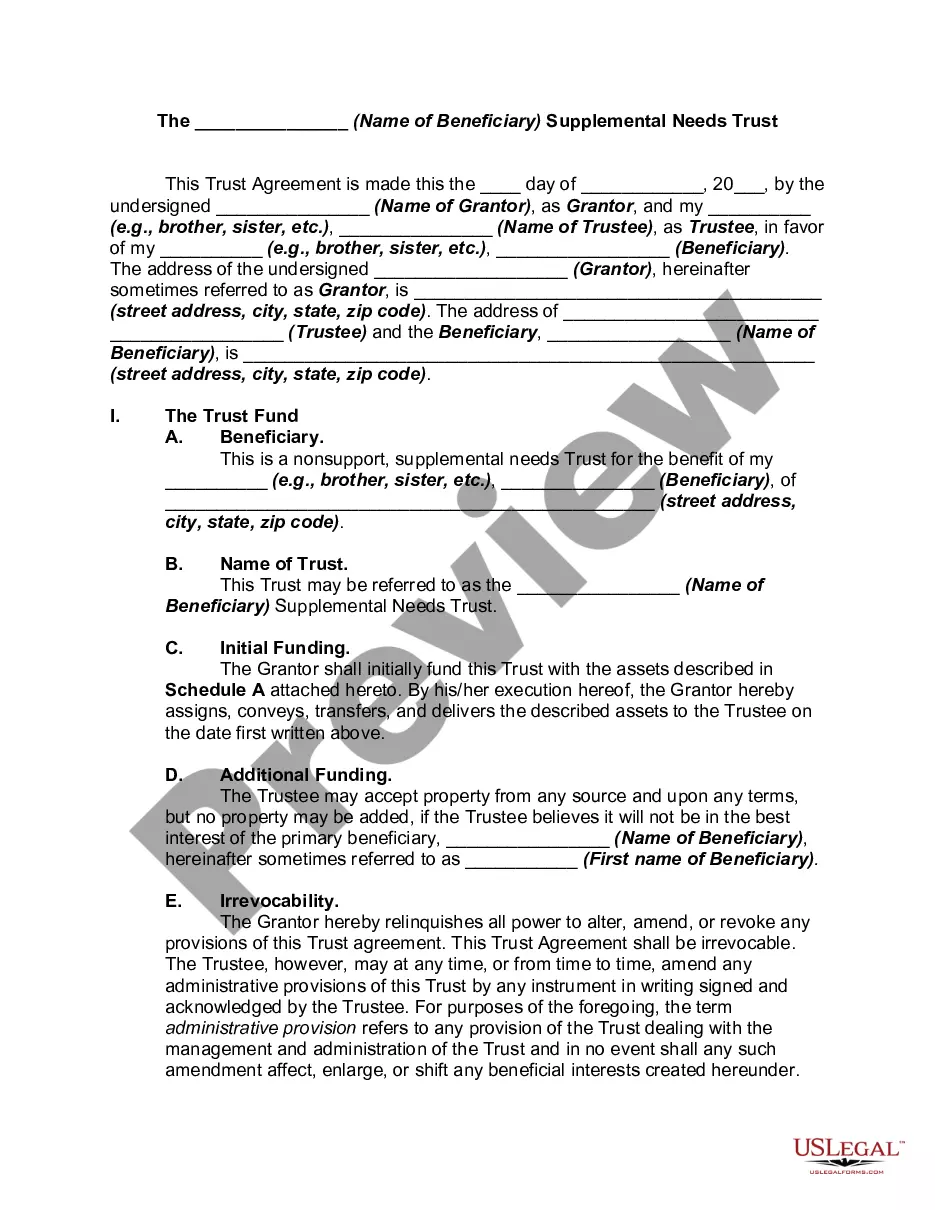
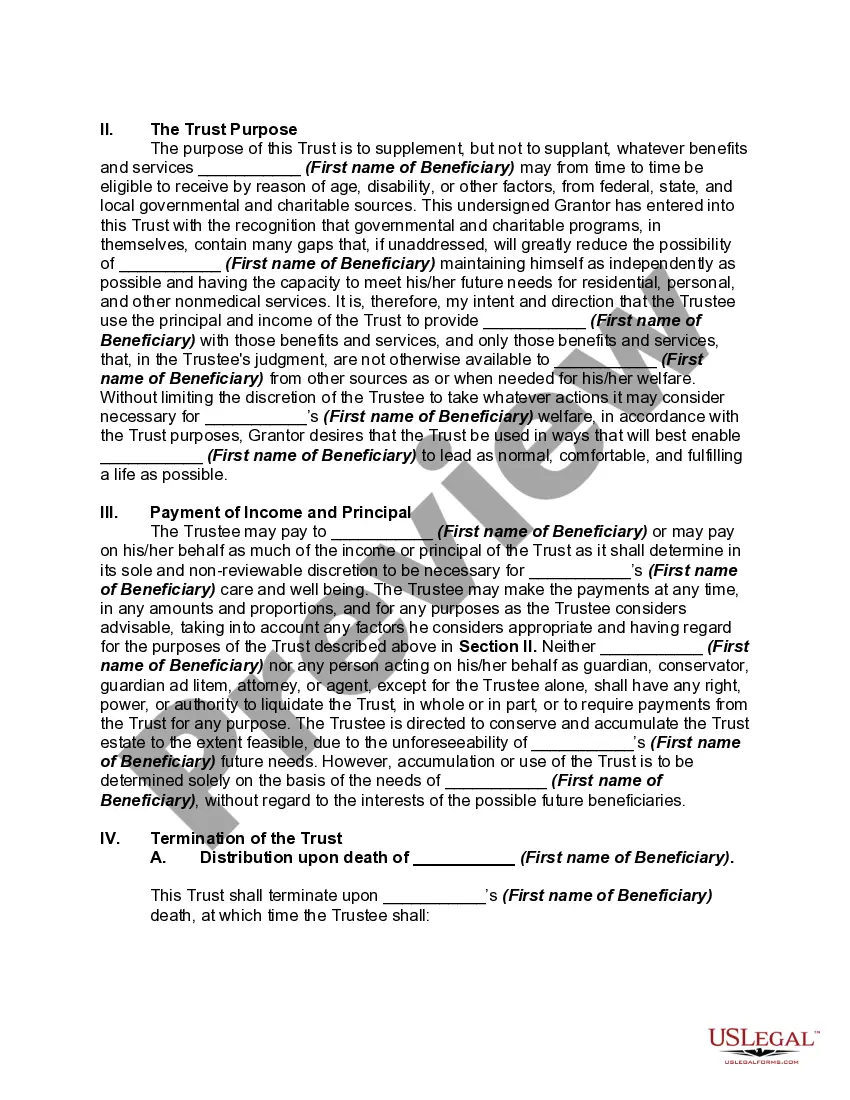
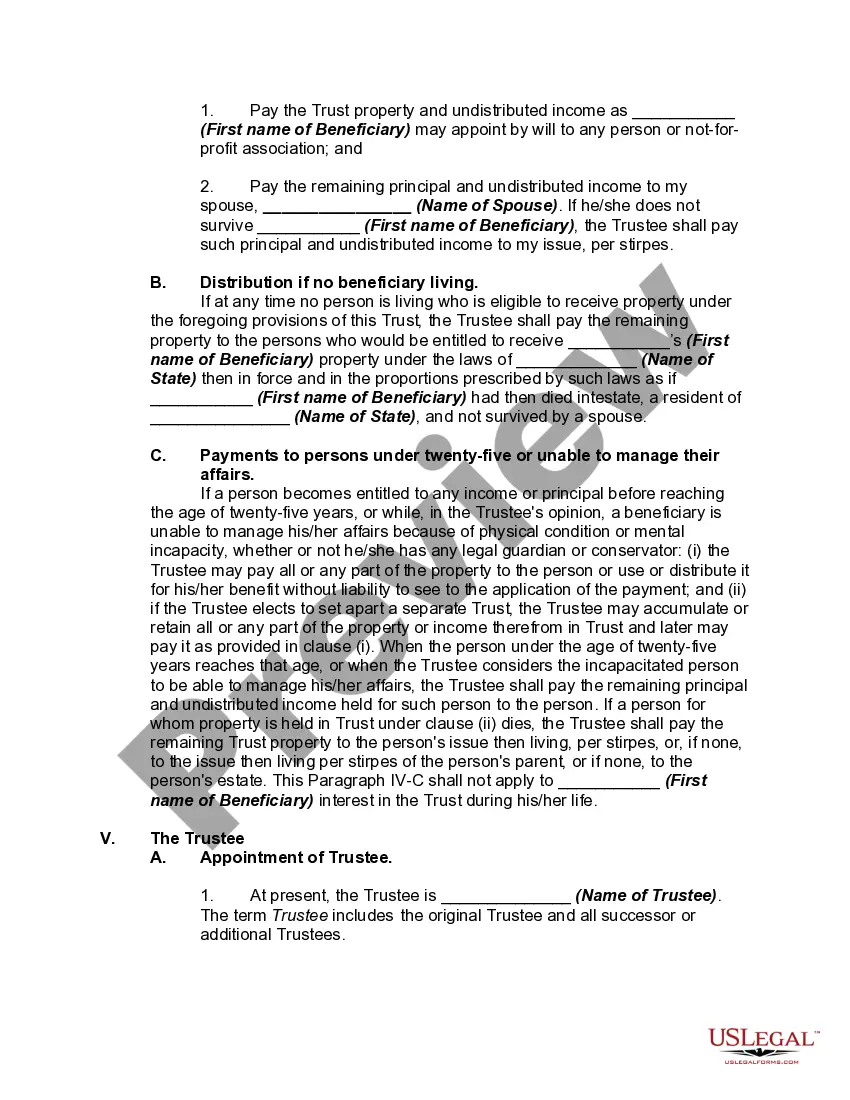
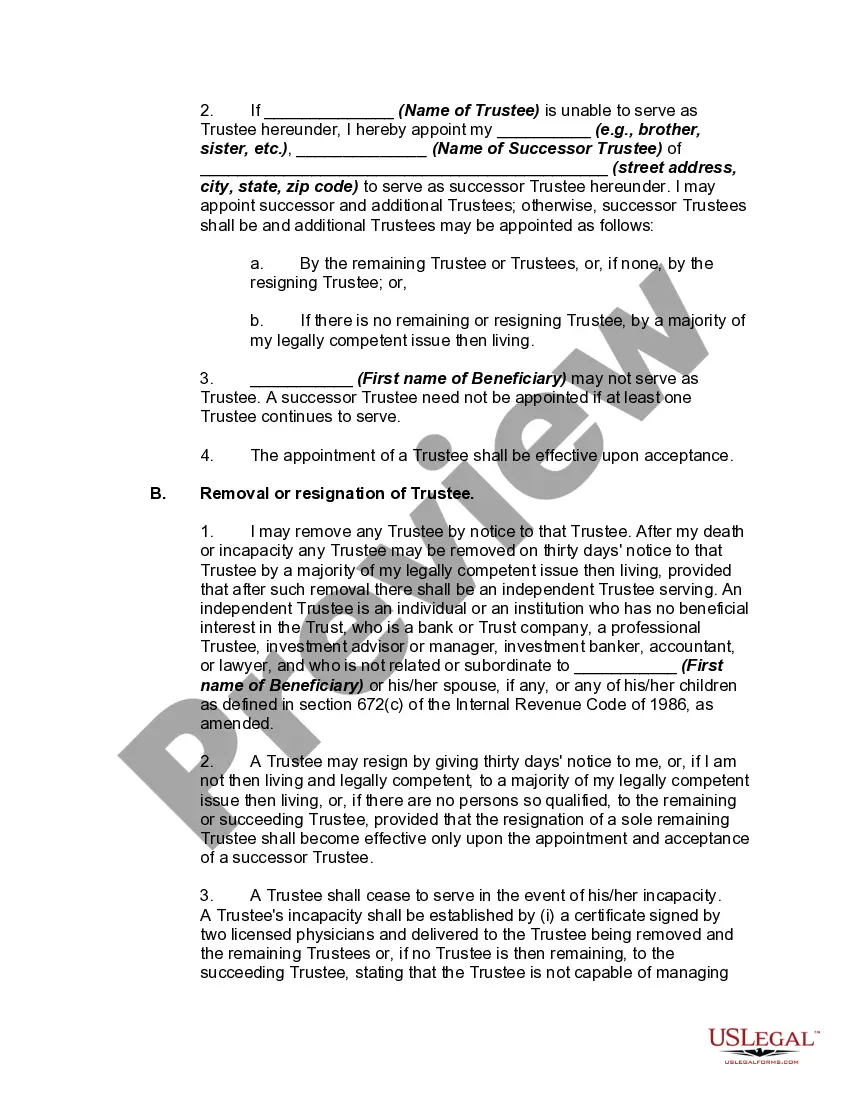

Get your form ready online
Our built-in tools help you complete, sign, share, and store your documents in one place.
Make edits, fill in missing information, and update formatting in US Legal Forms—just like you would in MS Word.
Download a copy, print it, send it by email, or mail it via USPS—whatever works best for your next step.
Sign and collect signatures with our SignNow integration. Send to multiple recipients, set reminders, and more. Go Premium to unlock E-Sign.
If this form requires notarization, complete it online through a secure video call—no need to meet a notary in person or wait for an appointment.
We protect your documents and personal data by following strict security and privacy standards.

Make edits, fill in missing information, and update formatting in US Legal Forms—just like you would in MS Word.

Download a copy, print it, send it by email, or mail it via USPS—whatever works best for your next step.

Sign and collect signatures with our SignNow integration. Send to multiple recipients, set reminders, and more. Go Premium to unlock E-Sign.

If this form requires notarization, complete it online through a secure video call—no need to meet a notary in person or wait for an appointment.

We protect your documents and personal data by following strict security and privacy standards.
Looking for another form?







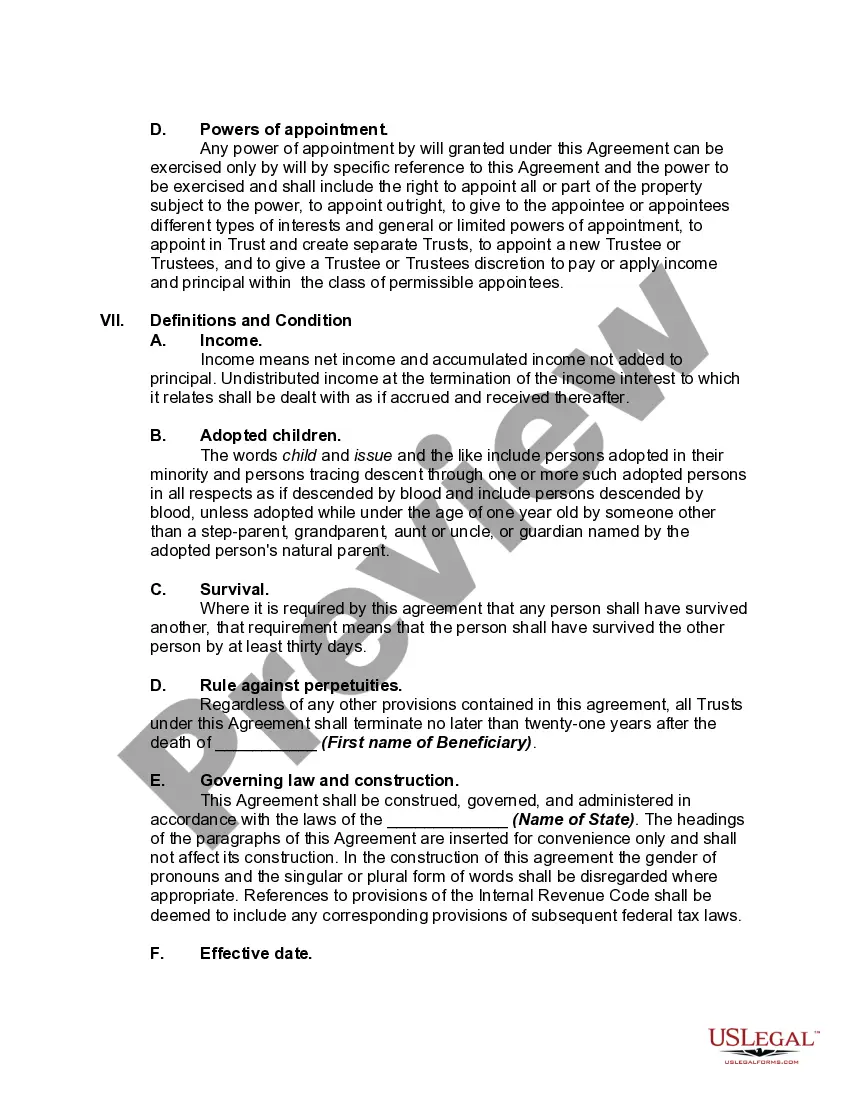
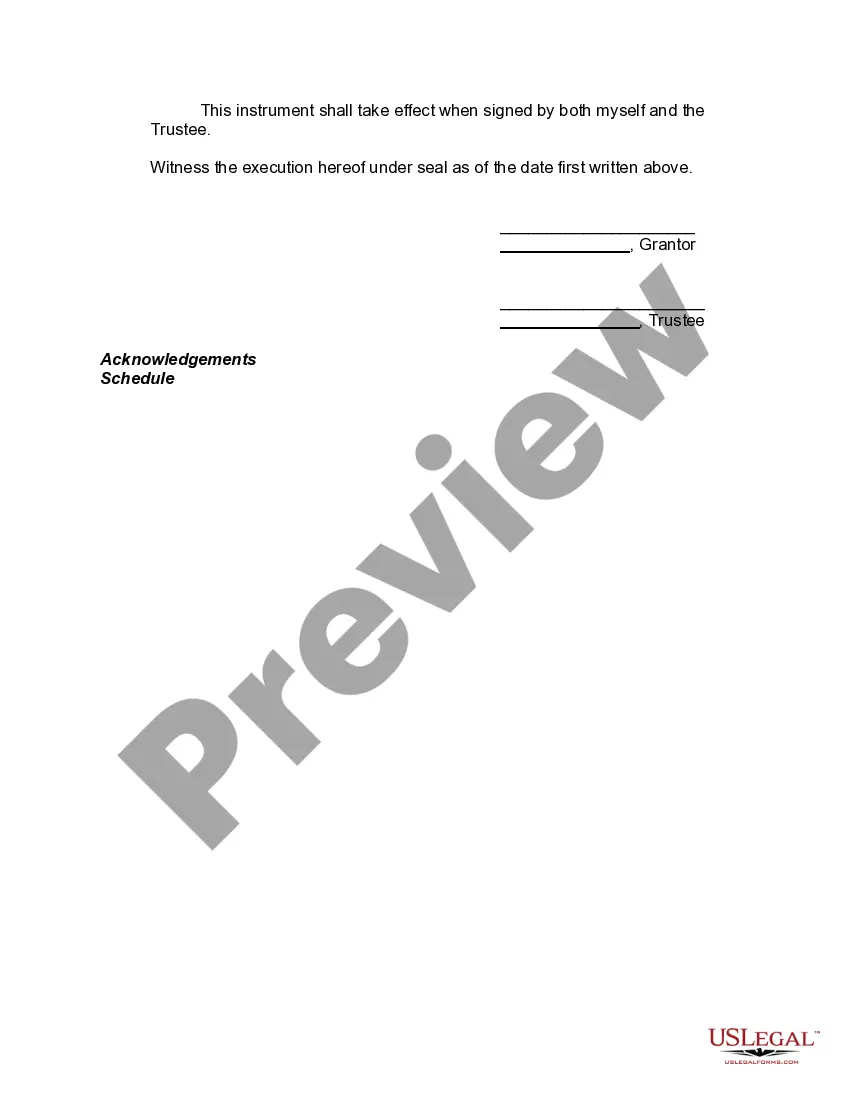
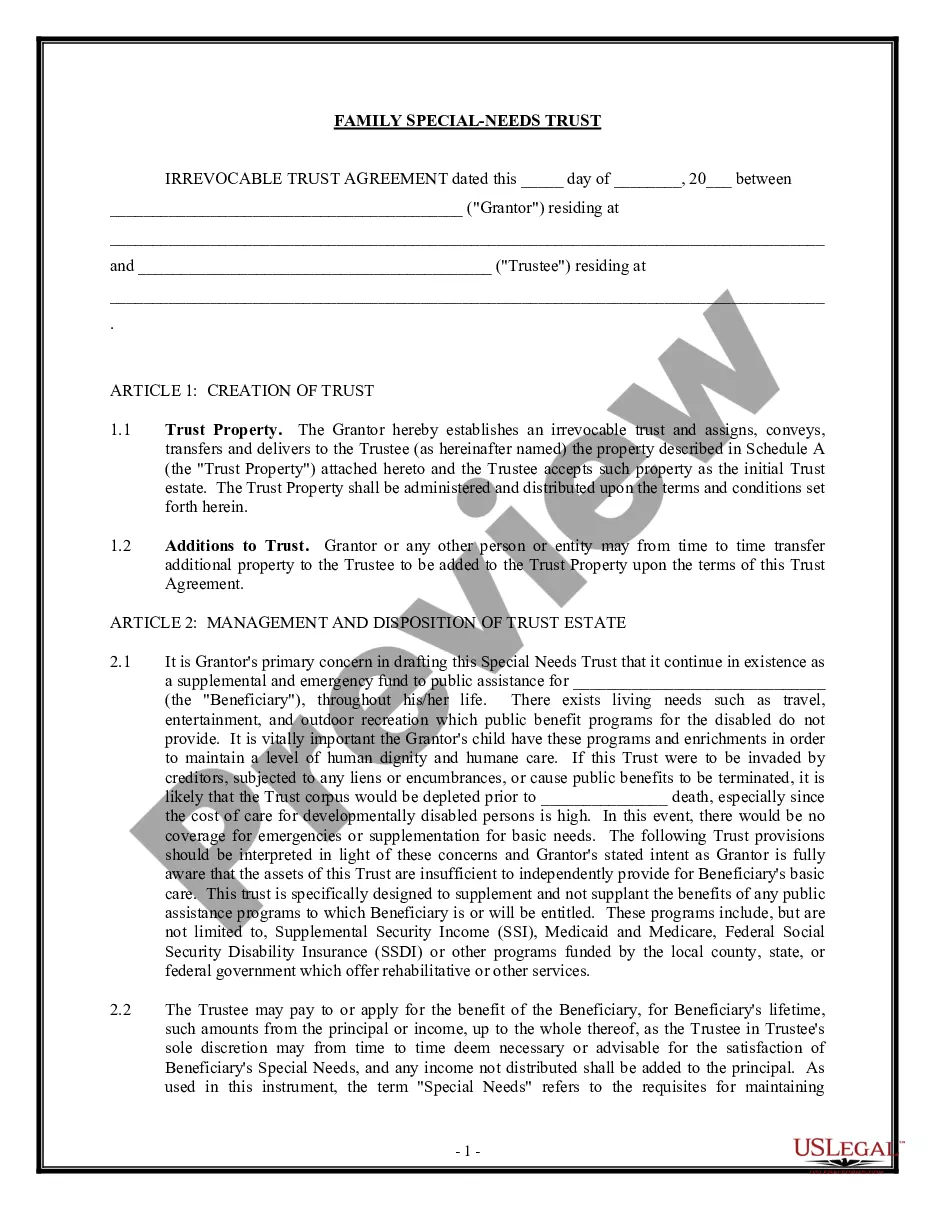
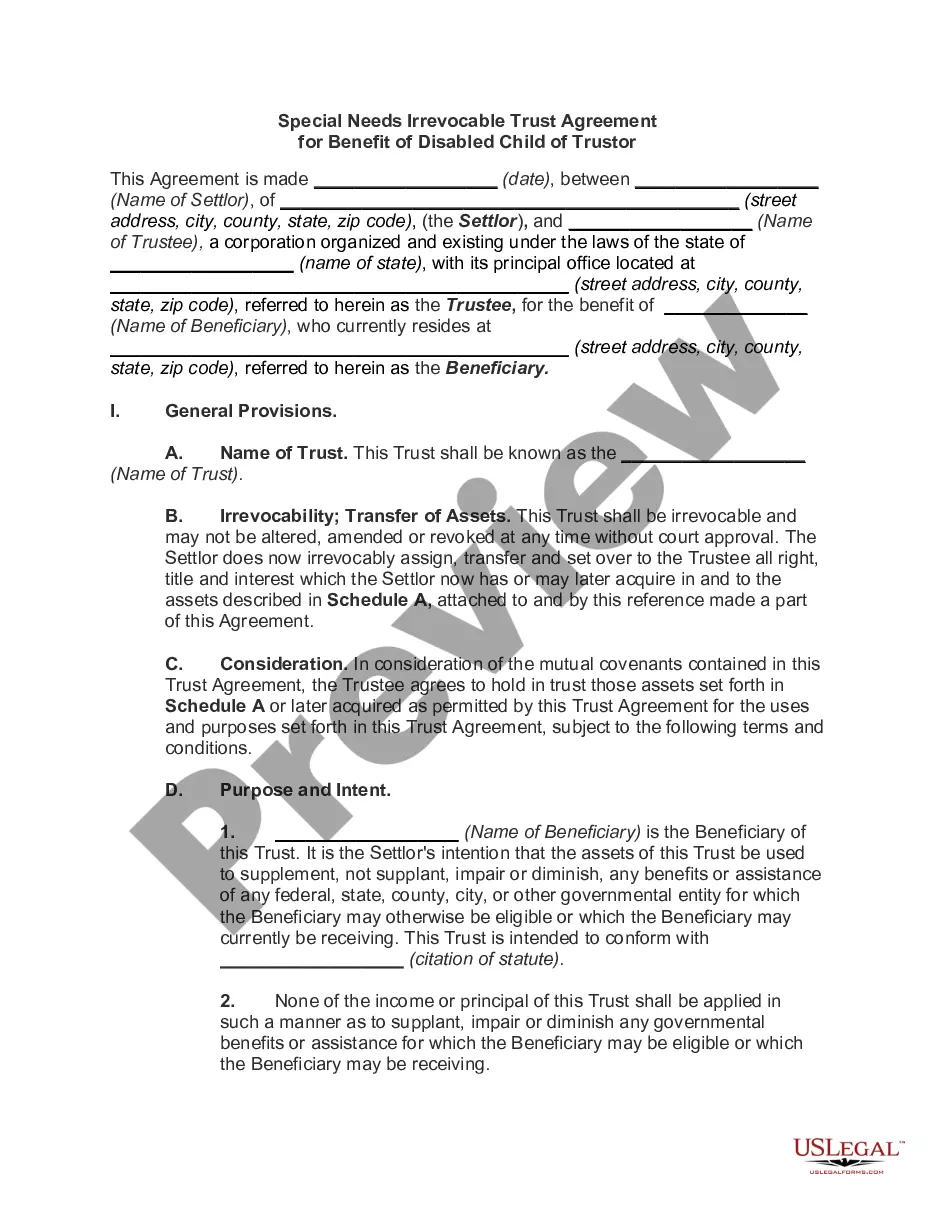
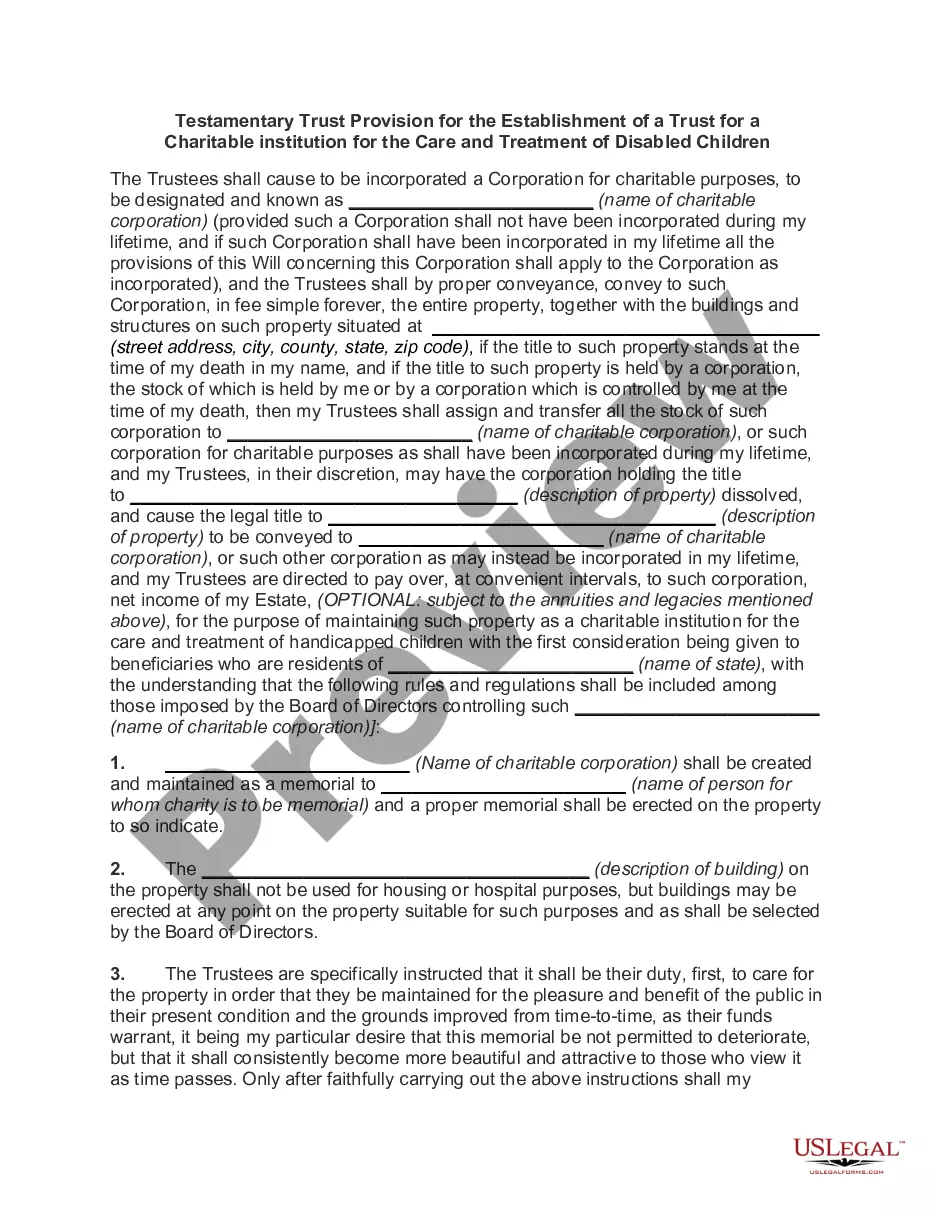
How to fill out Supplemental Needs Trust For Third Party - Disabled Beneficiary?
- If you are an existing user, log in to your account and check the status of your subscription; ensure it is active. If it requires renewal, follow your payment plan to update it.
- If you are new to our service, start by previewing available forms and their descriptions to find the one that best fits your needs for special needs disability.
- Use the Search feature if you need to explore alternative templates to ensure compliance with your local requirements.
- After selecting the correct document, click 'Buy Now' and choose your desired subscription plan, creating an account for full access to our resources.
- Enter your payment details through credit card or PayPal to finalize your purchase.
- Once completed, download the form to your device, and you can access it anytime in the My Forms section of your profile.
US Legal Forms stands out with its extensive collection of over 85,000 easy-to-fill forms, giving users more choices than other services. Access to premium experts ensures your documents are completed accurately and adhere to legal standards.
Ready to simplify your legal needs? Visit US Legal Forms today and experience the ease of obtaining your special needs disability documentation.
Form popularity
FAQ
Question 10 on the disability function report typically focuses on assessing how your special needs disability affects your ability to perform specific activities. This includes questions about your capacity for tasks like walking, standing, and concentrating. Providing comprehensive, truthful answers in this section is essential, as it helps the reviewing authority understand your limitations better. If you're unsure about details, consider seeking support from platforms like US Legal Forms, which offers resources to guide you.
While 'special needs' is a widely accepted term, it is essential to consider context. Many experts recommend using 'individuals with disabilities' as a more inclusive and respectful alternative. This phrasing acknowledges the person first and their special needs disability as part of their identity, promoting dignity in discussions surrounding disabilities.
The choice between using 'disability' and 'special needs' depends on the context and audience. 'Disability' is direct and precise, while 'special needs' often conveys a more comprehensive understanding of an individual's requirements. Both terms emphasize the importance of appropriate care and resources. It's beneficial to be aware of your audience when navigating this terminology in discussions around special needs disability.
Yes, special needs are often viewed under the umbrella of disability. While all individuals with special needs typically have some form of disability, the term allows for a broader understanding and approach to their care. This classification aids in securing services and benefits specifically designed for those with special needs disabilities. It's crucial to be informed about these distinctions when seeking assistance.
The three core types of special needs are medical needs, educational needs, and developmental needs. Medical needs might include chronic conditions like diabetes or epilepsy, while educational needs can involve learning disabilities that affect academic performance. Developmental needs often address cognitive, emotional, or physical challenges. Recognizing these types helps in navigating the landscape of special needs disability effectively.
Yes, being classified as special needs often implies that an individual has a disability. Nevertheless, the term 'special needs' encompasses a wider range of conditions that might not always fit traditional definitions of disability. This classification helps create tailored support systems for individuals, ensuring they receive the necessary resources. Understanding your rights and available services can empower families dealing with special needs disabilities.
Disability refers to a physical or mental impairment that substantially limits one or more major life activities. In contrast, special needs encompasses a broader range of challenges, including medical, educational, or developmental requirements. Essentially, while all individuals with special needs may experience disabilities, not all disabilities are classified under special needs. Recognizing this distinction can help in accessing appropriate support and resources.
Not every condition is classified as a disability. Generally, conditions that do not significantly limit daily activities or hinder social participation are not considered disabilities. For example, mild allergies or temporary illnesses typically fall outside the definition of disability. Understanding which conditions qualify can help clarify the scope of special needs disability.
The term 'special needs disability' covers a range of conditions that can affect a person's ability to perform daily activities. These include physical disabilities, intellectual disabilities, and mental health conditions. To determine eligibility for specific programs or benefits, documentation and assessment by qualified professionals are essential. If you need guidance on navigating this process, consider using USLegalForms, which provides resources and forms to help you understand your rights and options.
On your disability application for special needs disability, avoid vague statements and overly positive descriptions of your condition. Phrases that imply you are functioning well despite your disability can raise doubts. Instead, focus on honest and comprehensive explanations of your challenges. Clear communication will aid in presenting a strong application.