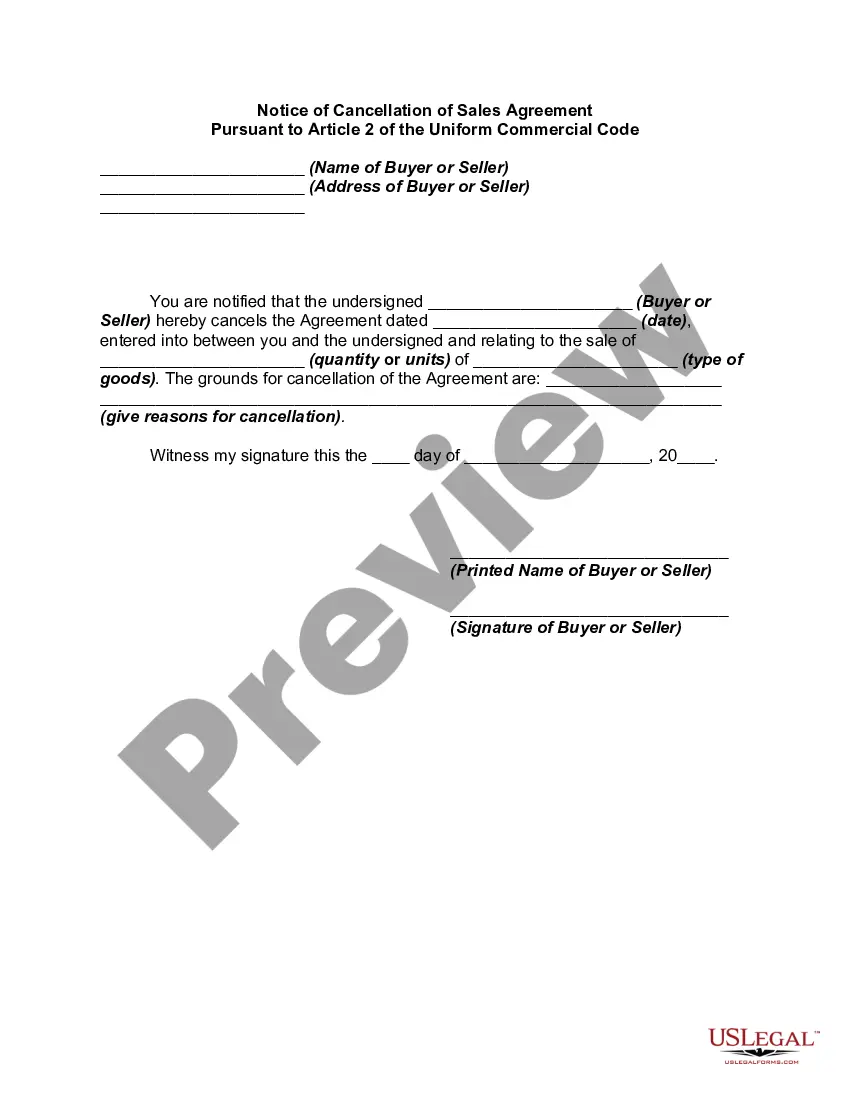
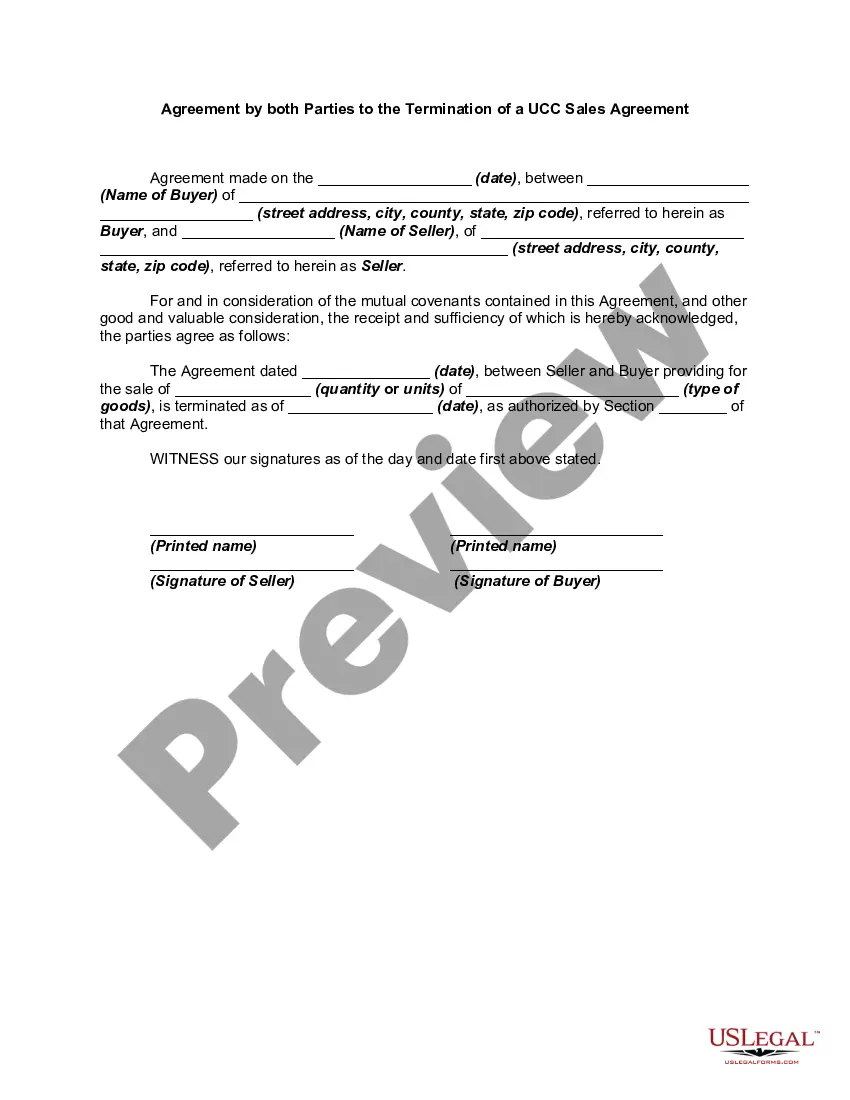
Uniform Commercial Code Ucc Article 2 Governs Contracts For The Sale Of
Description
Get your form ready online
Our built-in tools help you complete, sign, share, and store your documents in one place.
Make edits, fill in missing information, and update formatting in US Legal Forms—just like you would in MS Word.
Download a copy, print it, send it by email, or mail it via USPS—whatever works best for your next step.
Sign and collect signatures with our SignNow integration. Send to multiple recipients, set reminders, and more. Go Premium to unlock E-Sign.
If this form requires notarization, complete it online through a secure video call—no need to meet a notary in person or wait for an appointment.
We protect your documents and personal data by following strict security and privacy standards.

Make edits, fill in missing information, and update formatting in US Legal Forms—just like you would in MS Word.

Download a copy, print it, send it by email, or mail it via USPS—whatever works best for your next step.

Sign and collect signatures with our SignNow integration. Send to multiple recipients, set reminders, and more. Go Premium to unlock E-Sign.

If this form requires notarization, complete it online through a secure video call—no need to meet a notary in person or wait for an appointment.

We protect your documents and personal data by following strict security and privacy standards.
Looking for another form?








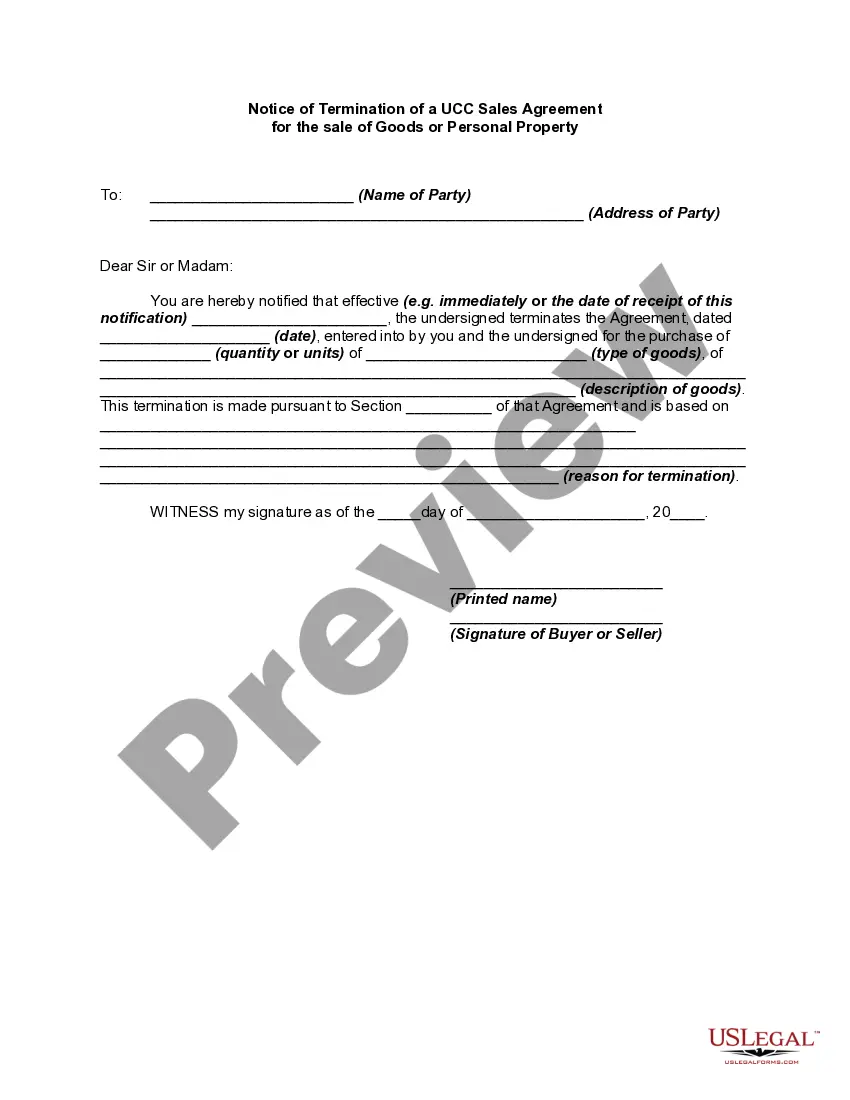
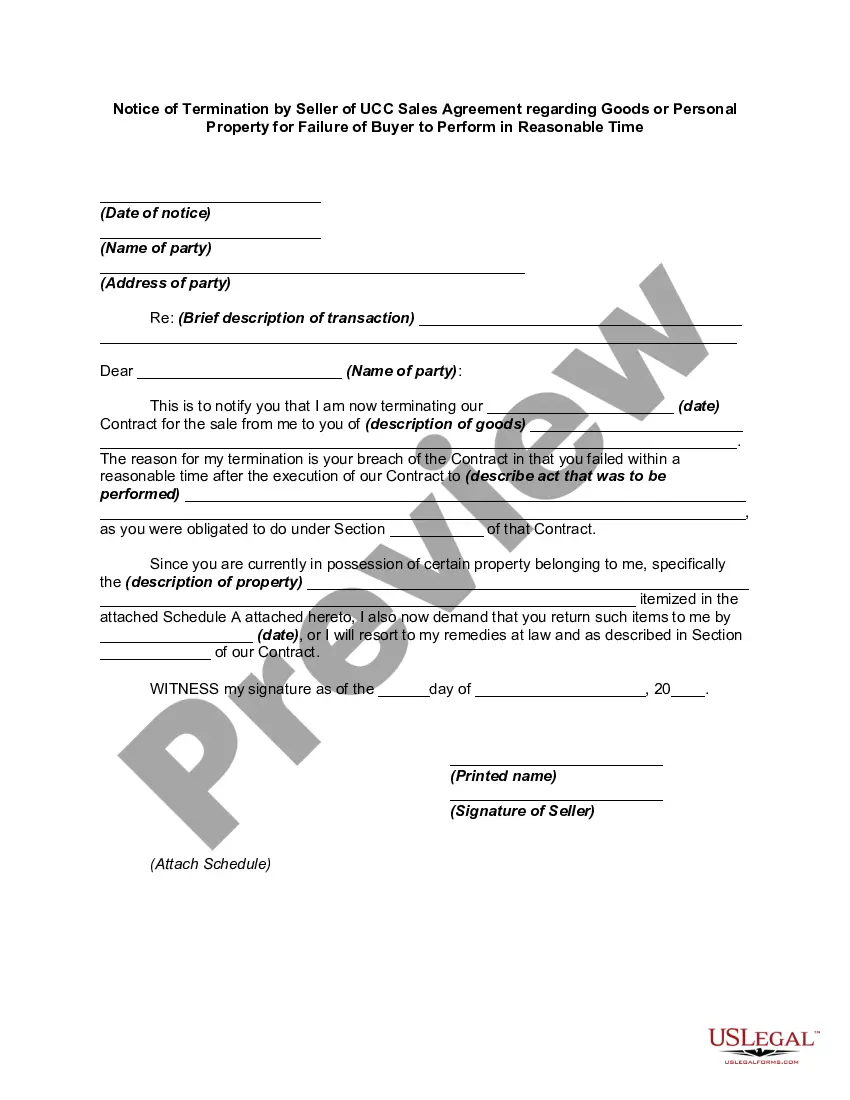
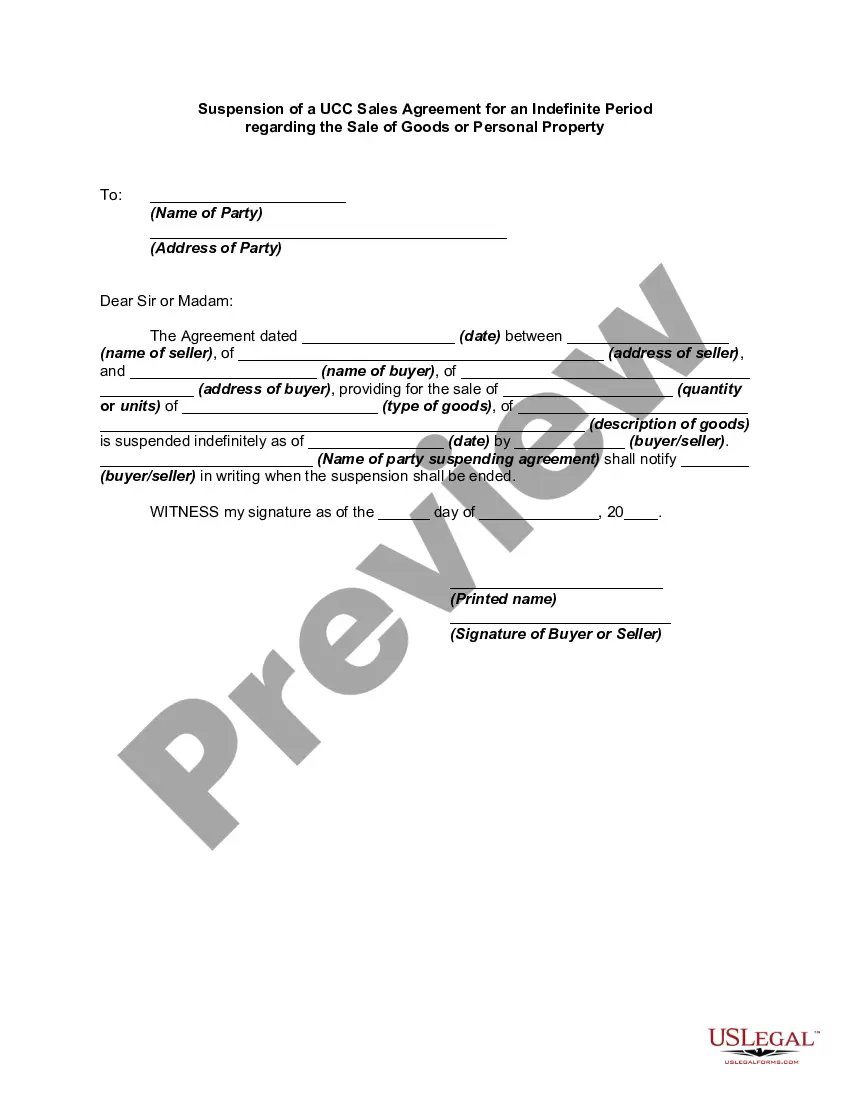
How to fill out Notice Of Cancellation Of Sales Agreement Pursuant To Article 2 Of The Uniform Commercial Code?
- Ensure you have an active subscription to access and download forms. If you're a returning user, simply log in to your account.
- Familiarize yourself with the form details and preview mode to confirm its alignment with your specific needs and local legal requirements.
- If necessary, utilize the Search feature to find additional templates that may better suit your requirements.
- Select your document by clicking the Buy Now button and choose the subscription plan that fits your needs—registration is required.
- Complete your purchase by entering your payment information via credit card or PayPal.
- Download the chosen form and save it to your device. You can access it later in the My Forms section of your account.
In conclusion, US Legal Forms simplifies the legal documentation process with a robust collection of templates and expert assistance. Users can easily navigate through forms tailored to various legal needs, ensuring legal compliance without unnecessary hassle.
Start your journey today by visiting US Legal Forms and take advantage of their extensive resources!
Form popularity
FAQ
Article 2 of the UCC governs contracts that pertain to the sale of goods and establishes a legal framework for such transactions. These rules encompass various elements including how contracts are created, the obligations of the parties involved, and what happens in case of breach. Knowing the governing rules allows you to ensure that your sales agreements are compliant and enforceable. For further understanding, consider utilizing resources from USLegalForms to help you draft appropriate contracts.
Uniform Commercial Code UCC Article 2 governs all matters relating to the sale of goods. It includes provisions for contract formation, performance, warranties, and remedies in case of disputes. By becoming familiar with these regulations, you can create strong, enforceable contracts that protect your interests and minimize liability. This knowledge is vital for anyone engaged in sales, regardless of the industry.
Article 2 of the UCC specifically governs contracts for the sale of goods, outlining the rights and responsibilities of both buyers and sellers. It provides guidelines on how contracts should be formed and fulfilled, including terms related to delivery, payment, and quality of goods. Understanding these regulations allows you to create agreements that are clear and legally enforceable. As a result, you can safeguard your business dealings more effectively.
Sales involving goods, as defined by the Uniform Commercial Code UCC Article 2, are included under its jurisdiction. For example, a transaction for purchasing kitchenware from a retail outlet qualifies as a sale covered by Article 2. Recognizing these sales helps you navigate legal requirements and protect your interests. Complying with Article 2 also minimizes risks associated with disputes.
Contracts that involve the sale of goods are governed by Uniform Commercial Code UCC Article 2. Examples include agreements for the sale of products like cars, computers, and appliances. These contracts outline the terms and conditions that both parties must adhere to, ensuring clarity and legal protection. Knowing which contracts fall under Article 2 is vital for anyone engaging in sales transactions.
Article 2 of the UCC covers the sale of goods, including contracts for buying and selling items that are movable at the time of sale. It includes rules on the formation of contracts, performance obligations, and remedies for breach. Knowing what is covered by Article 2 helps you negotiate contracts more effectively and ensures compliance with applicable laws. With this understanding, you can conduct business confidently.
Article 2 of the Uniform Commercial Code governs transactions involving the sale of goods, which encompasses a wide range of products. This includes both wholesale and retail sales to consumers or businesses. Understanding what transactions fall under this article will help you manage your contracts effectively and avoid pitfalls in sales agreements.
To form a contract under the UCC, you need an offer, acceptance, and consideration. The UCC allows for flexibility in negotiations, which means that not all terms must be settled before a contract is considered valid. Clear communication and documentation are essential, and using platforms like USLegalForms can streamline this process by providing templates that meet UCC standards.
The Uniform Commercial Code UCC Article 2 governs contracts for the sale of goods, which includes any moveable tangible items. Essentially, if you are selling or buying physical products, this article likely applies. It's crucial to know the details of such contracts to ensure compliance and protection for both buyers and sellers.
Article 2 of the Uniform Commercial Code (UCC) governs various sales of goods, specifically relating to the sale contracts for tangible personal property. This includes items like electronics, clothing, and vehicles. However, it does not cover sales of real estate or services. Understanding these specifics can help you navigate your transactions effectively.