Debtors Creditors Format
Description
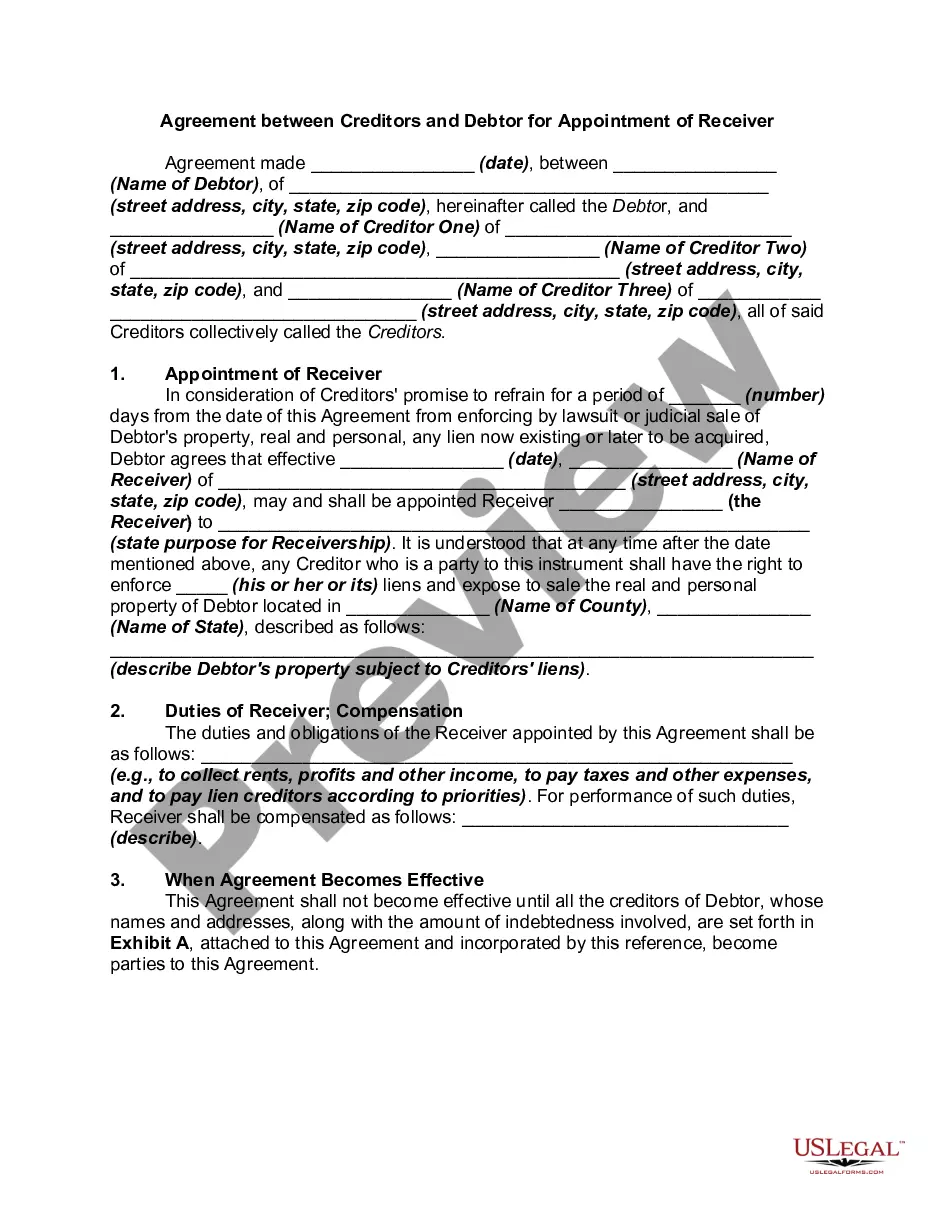
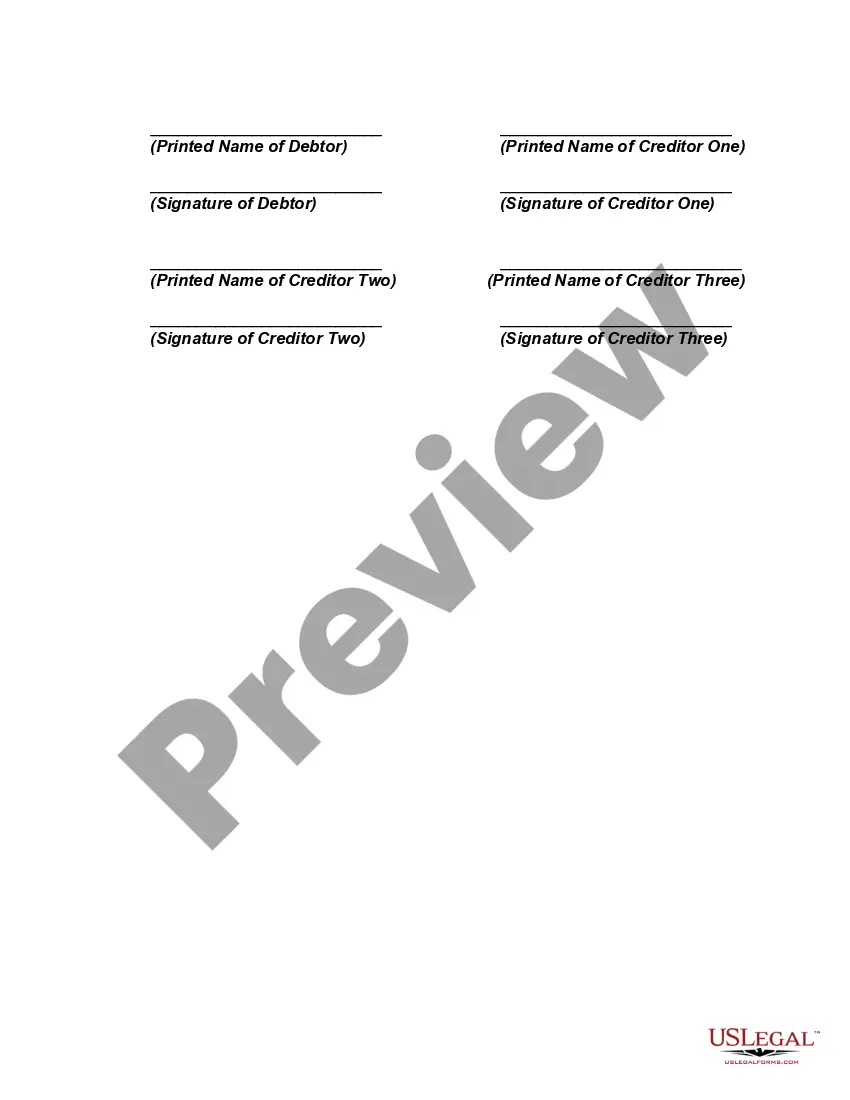
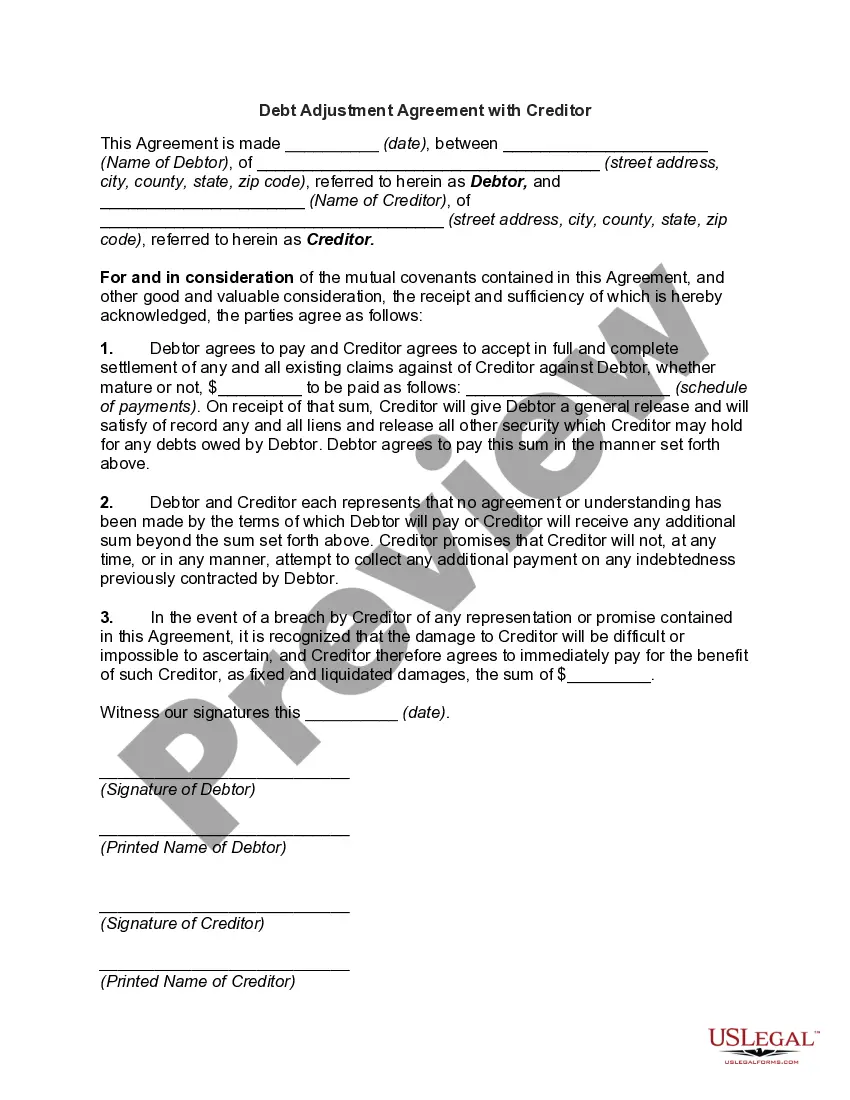
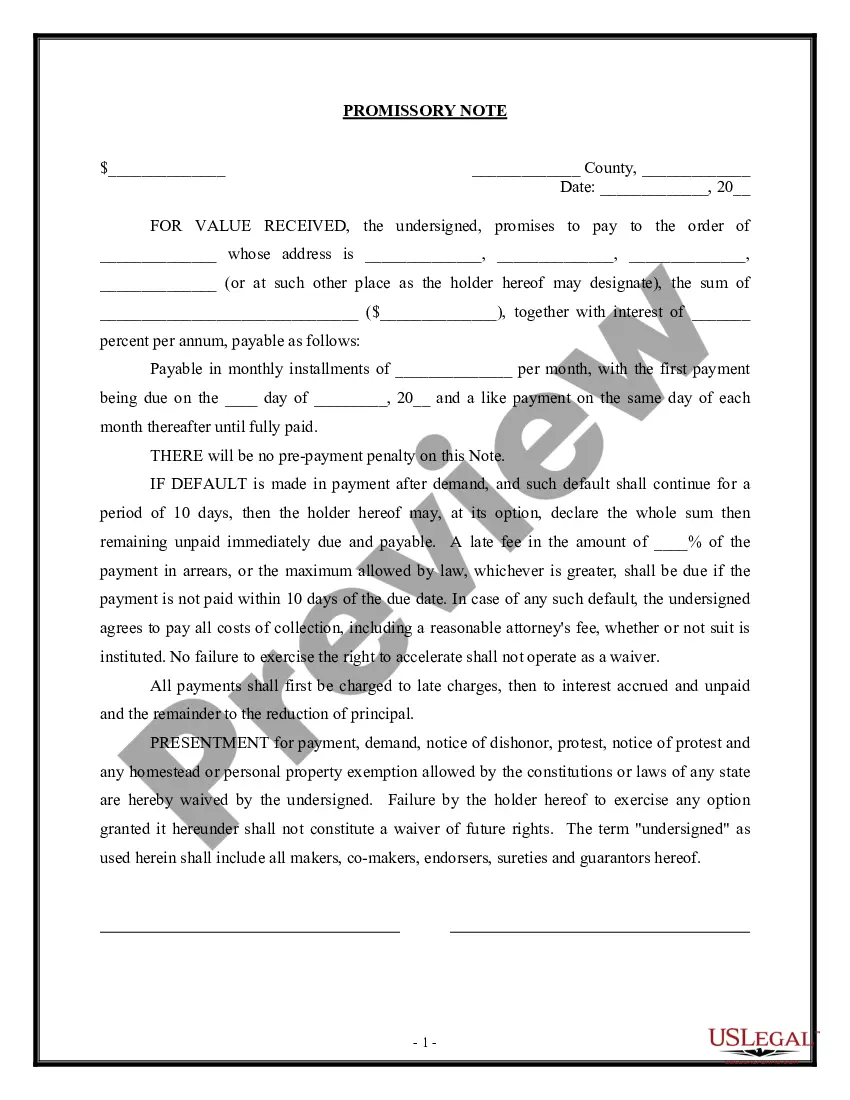
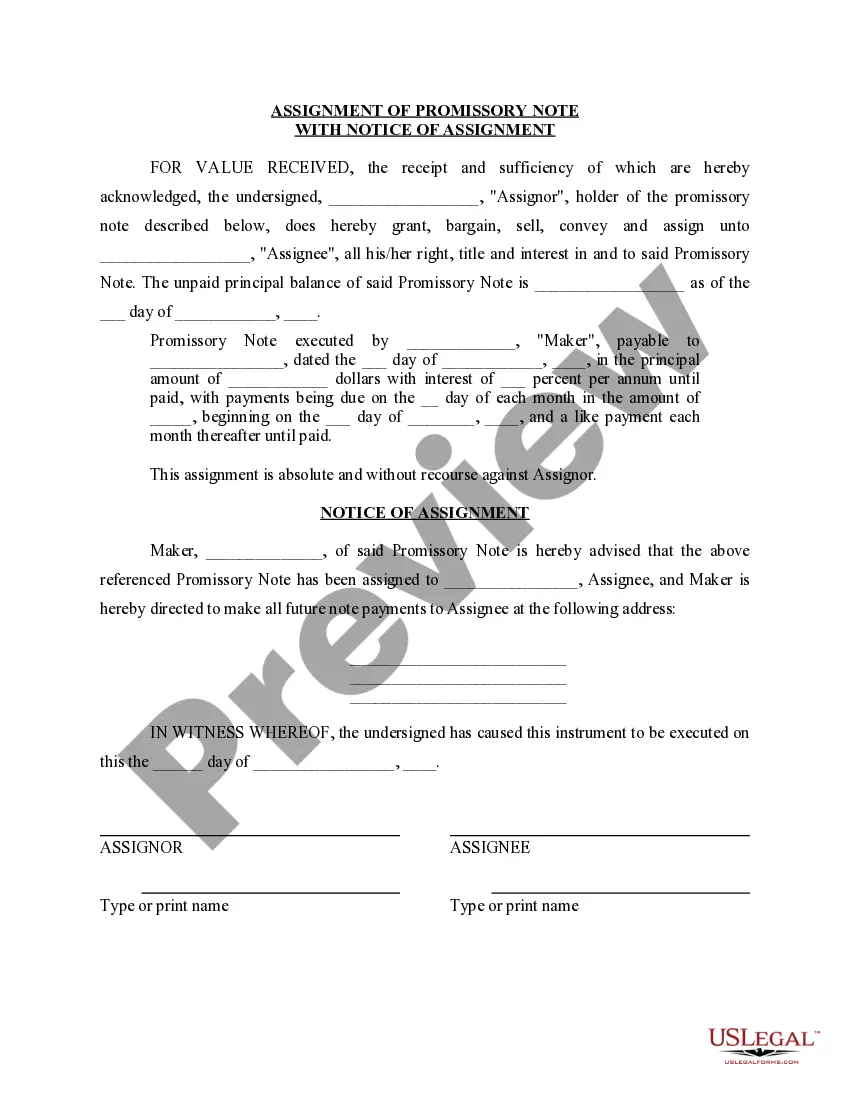
How to fill out Agreement Between Creditors And Debtor For Appointment Of Receiver?
Handling legal documents can be daunting, even for seasoned experts.
When you seek a Debtors Creditors Format but lack the time to dedicate to finding the right and updated version, the tasks can be taxing.
US Legal Forms accommodates any requirements you may have, from personal to corporate documents, all in one location.
Utilize advanced tools to complete and manage your Debtors Creditors Format.
After acquiring the form you need, follow these steps: Validate that it is the correct form by previewing it and reviewing its details. Ensure that the template is recognized in your state or county. Click Buy Now when you're ready. Choose a subscription plan. Select the file format you prefer, and Download, complete, sign, print, and send your documents. Enjoy the US Legal Forms online directory, backed by 25 years of experience and dependability. Transform your routine document management into a seamless and user-friendly process today.
- Access a knowledge base of articles, guides, and resources pertinent to your circumstances and requirements.
- Save effort and time in searching for the documents you need, utilizing US Legal Forms’ sophisticated search and Preview feature to find Debtors Creditors Format and obtain it.
- If you hold a membership, Log In to your US Legal Forms account, look for the form, and obtain it.
- Visit the My documents section to review the documents you've previously saved, as well as to organize your folders as needed.
- If this is your initial experience with US Legal Forms, create a complimentary account to enjoy unlimited access to all the platform's features.
- A robust online form directory can be transformative for anyone looking to manage these issues effectively.
- US Legal Forms is a frontrunner in online legal documents, boasting more than 85,000 state-specific legal forms available whenever you need them.
- With US Legal Forms, you can access various state- or locality-specific legal and business forms.
Form popularity
FAQ
You can prepare a List of Creditors by creating one using a computer and word?processing software. After completing the List of Creditors, you then submit the List of Creditors to the Court as a . txt file on electronic media (such as a CD, DVD, or flash / thumb drive).
Customers who do not pay for products or services upfront, for example, are debtors to your business, which serves as the creditor in this scenario. Similarly, you are in debt to your suppliers if they have provided you with goods which you are yet to pay for in full.
'Debtor' refers not only to a goods and services client but also to someone who borrowed money from a bank or lender. For example, if you take a loan to buy your house, then you are a debtor in the sense of borrower, while the bank holding your mortgage is considered to be the creditor.
The debtor is the party that owes the money (debt), while the creditor is the party that loaned the money. For example, if Jay loans Reva $100, Reva is the debtor and Jay is the creditor. One way to remember this is that the debtor is the party that owes the debt.
Debtors are shown under 'Accounts receivable' as a current asset, and creditors come under 'Accounts payable' as a current liability.