Harassment At Work
Description



Get your form ready online
Our built-in tools help you complete, sign, share, and store your documents in one place.
Make edits, fill in missing information, and update formatting in US Legal Forms—just like you would in MS Word.
Download a copy, print it, send it by email, or mail it via USPS—whatever works best for your next step.
Sign and collect signatures with our SignNow integration. Send to multiple recipients, set reminders, and more. Go Premium to unlock E-Sign.
If this form requires notarization, complete it online through a secure video call—no need to meet a notary in person or wait for an appointment.
We protect your documents and personal data by following strict security and privacy standards.

Make edits, fill in missing information, and update formatting in US Legal Forms—just like you would in MS Word.

Download a copy, print it, send it by email, or mail it via USPS—whatever works best for your next step.

Sign and collect signatures with our SignNow integration. Send to multiple recipients, set reminders, and more. Go Premium to unlock E-Sign.

If this form requires notarization, complete it online through a secure video call—no need to meet a notary in person or wait for an appointment.

We protect your documents and personal data by following strict security and privacy standards.
Looking for another form?
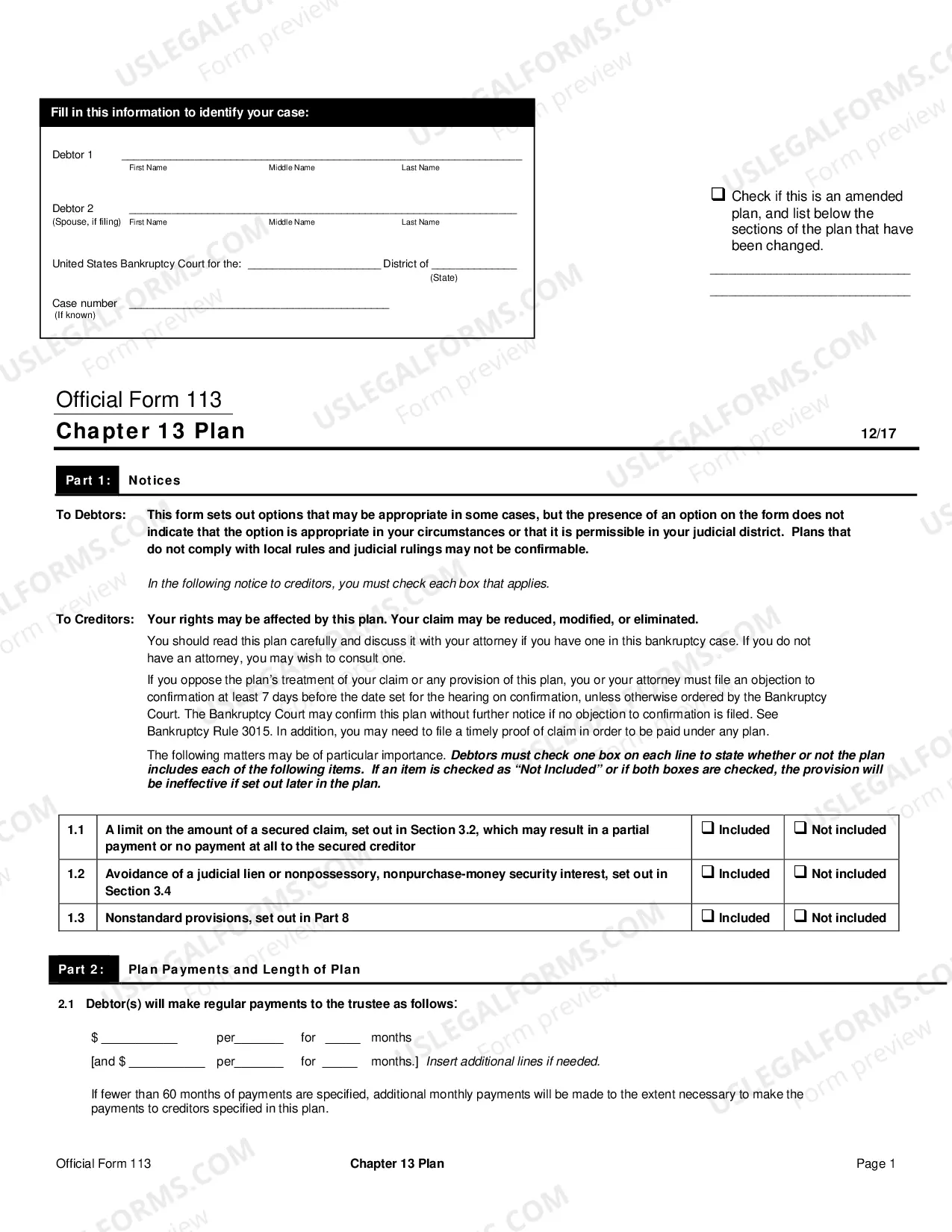
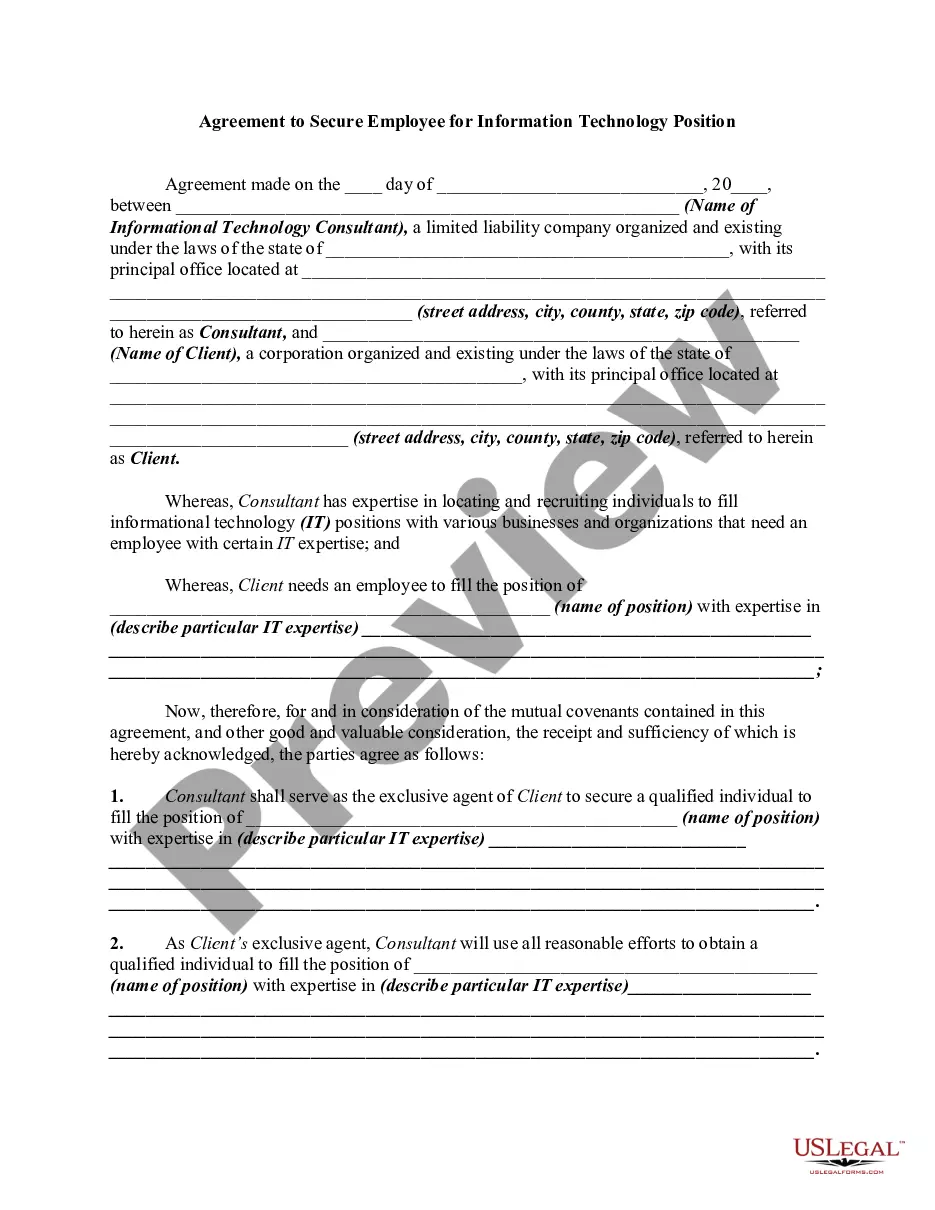
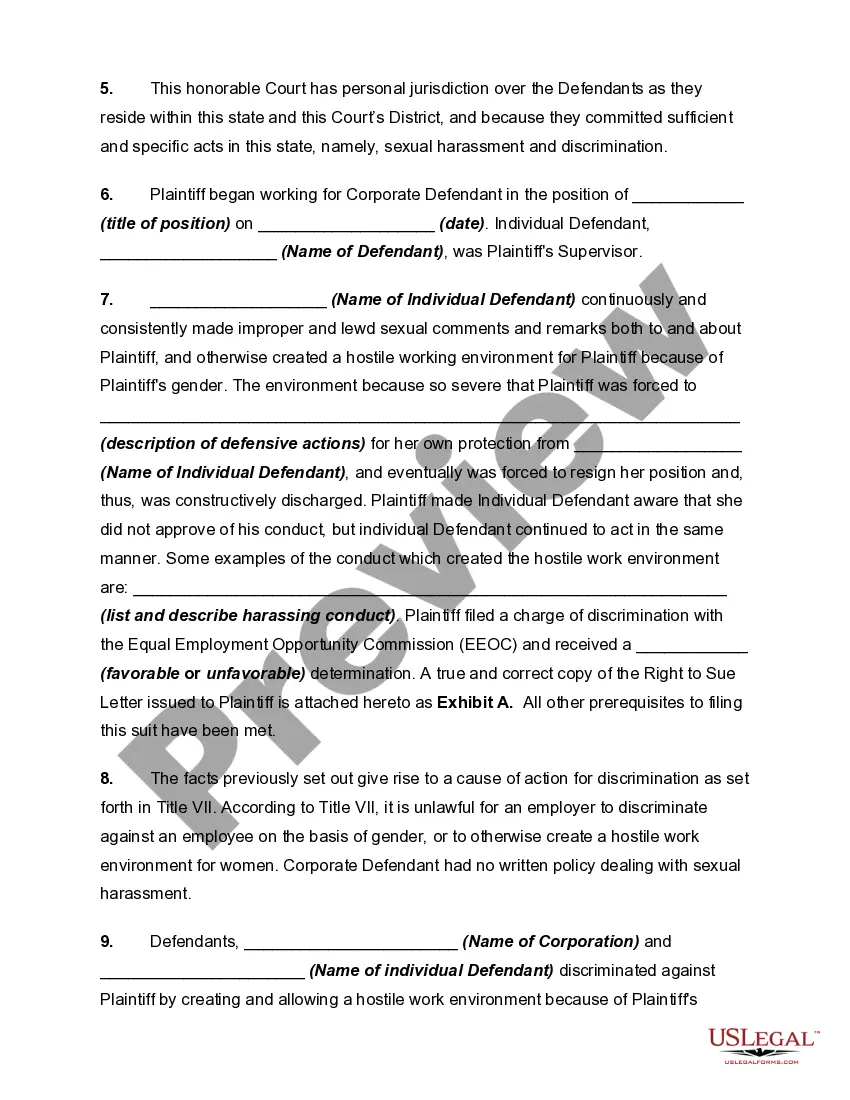
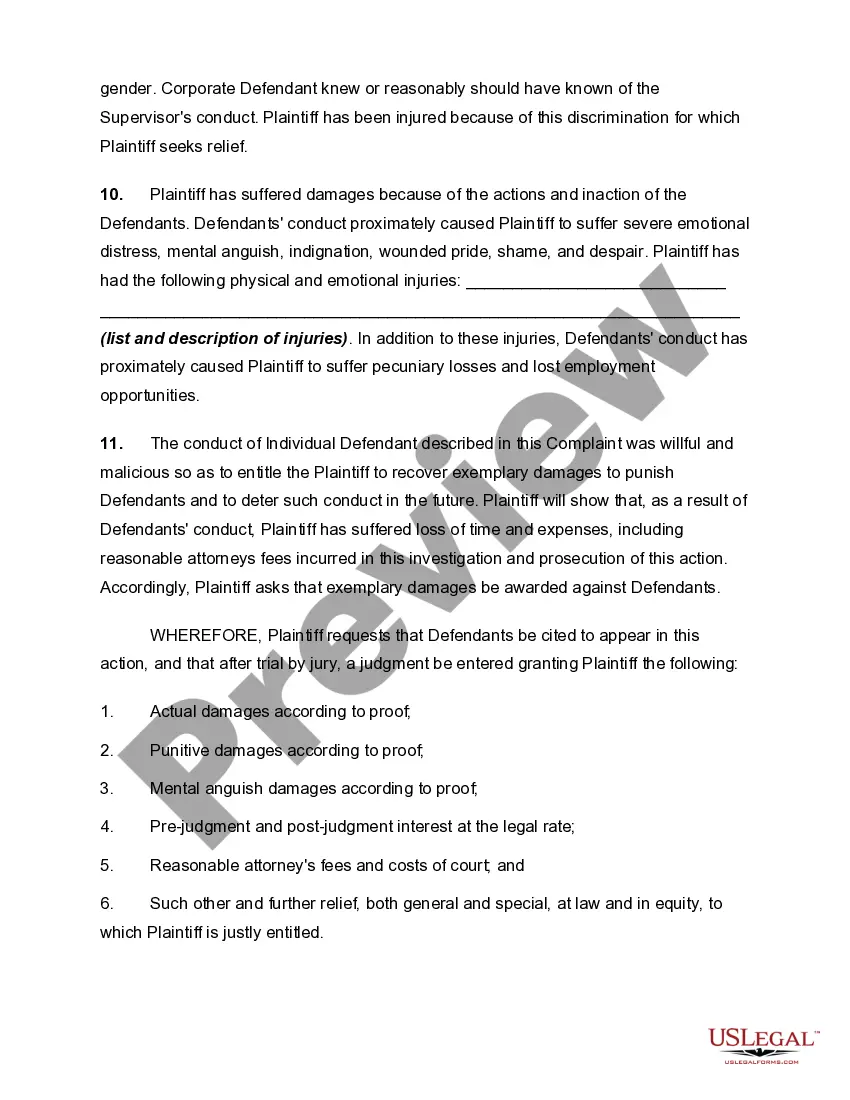
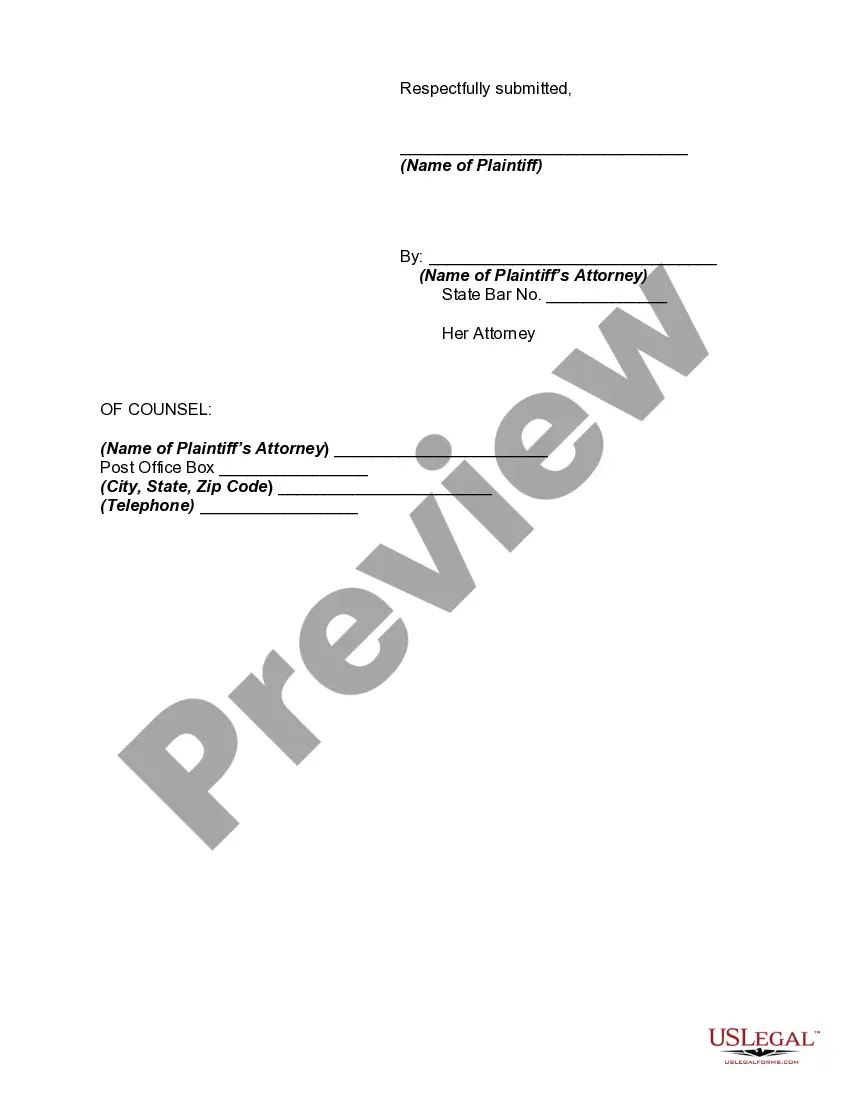
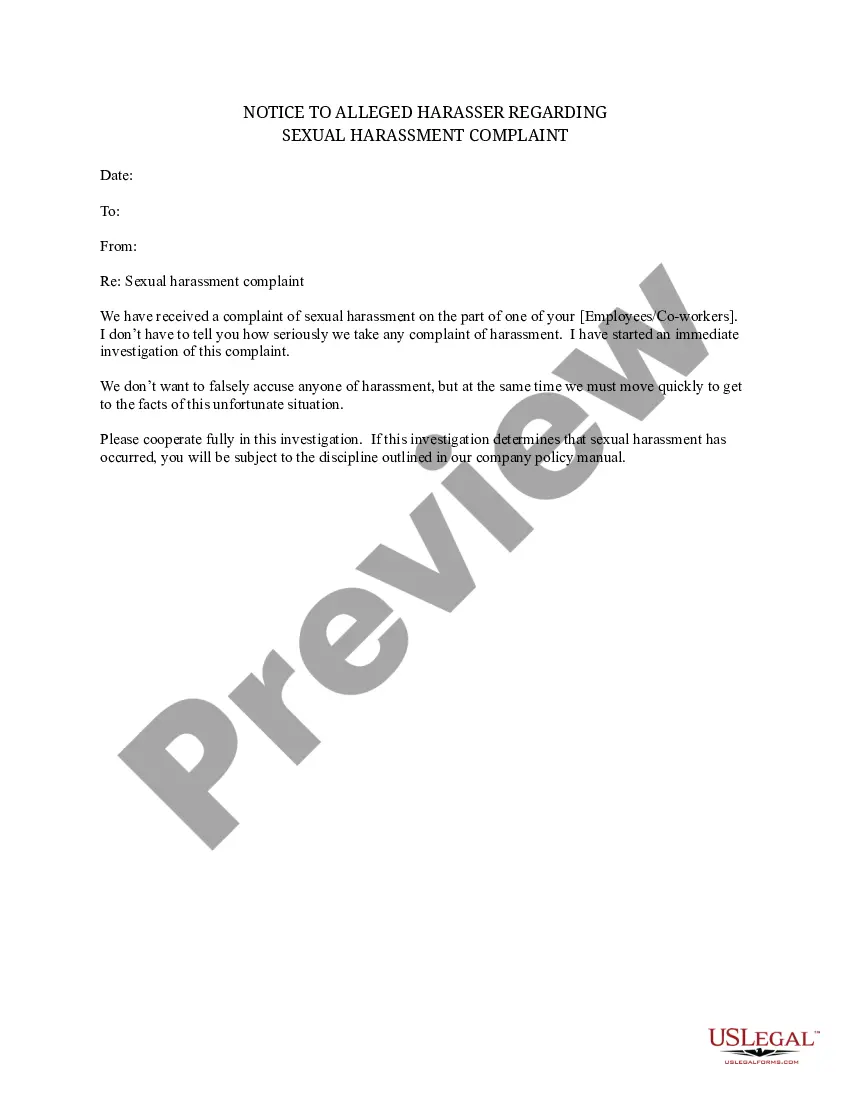
How to fill out Complaint For Discrimination In Employment Based On Sex - Sexual Harassment And A Hostile Work Environment?
Acquiring legal templates that adhere to federal and state legislation is an essential endeavor, and the internet provides a plethora of alternatives to select from.
However, what is the purpose of expending time searching for the suitable Harassment At Work example online if the US Legal Forms online repository has already amassed such templates in a single location.
US Legal Forms is the most comprehensive online legal directory with over 85,000 fillable templates crafted by attorneys for any business and personal situation.
Utilize the most extensive and user-friendly legal documentation service!
- They are effortless to navigate, with all documents categorized by state and intended use.
- Our experts stay informed about legislative changes, ensuring that your form is always current and compliant when obtaining a Harassment At Work from our site.
- Acquiring a Harassment At Work is swift and straightforward for both existing and new users.
- If you already possess an account with a valid subscription, Log In and store the document example you require in the appropriate format.
- If you are visiting our site for the first time, follow the steps below.
Form popularity
FAQ
Harassment at work can take many forms, such as verbal abuse, unwanted physical contact, or inappropriate comments. It may also include offensive jokes, sharing offensive materials, or making threats. If you experience or witness such behavior, it's crucial to document it and report it to your employer. Using resources like US Legal Forms can guide you through creating necessary documentation and understanding your rights regarding harassment at work.
Actual notice of harassment occurs when your employer is aware of harassment at work. An example that does not constitute actual notice is when a coworker makes a comment to you privately without informing management. It is essential for your employer to be informed about any incidents so they can take appropriate action to prevent further harassment at work.
If you experience harassment at work, take action as soon as possible. Document each incident, noting dates, times, and details. Speak to your supervisor or human resources department to report the harassment. Your company should have policies in place to address harassment at work, and you have the right to a safe work environment.
Harassment is a form of discrimination. It includes any unwanted physical or verbal behaviour that offends or humiliates you. Generally, harassment is a behaviour that persists over time. Serious one-time incidents can also sometimes be considered harassment.
Examples of Verbal, Visual, and Physical Harassment We will discuss the three main types of harassment: verbal, visual, and physical.
Courts must look at the totality of the circumstances to determine whether an environment is "hostile" or "abusive" and should consider the following nonexclusive list of factors: (1) the frequency of the discriminatory conduct; (2) its severity; (3) whether it is physically threatening or humiliating, or a mere ...
Harassment, sexual harassment, discrimination, victimization, violence and many other kinds of offensive or inappropriate behavior qualify as unwelcome conduct. All of them will create a hostile work environment if they're happening consistently or purposefully, or in the case of a single incident, if they're severe.
Offensive conduct may include, but is not limited to, offensive jokes, slurs, epithets or name calling, physical assaults or threats, intimidation, ridicule or mockery, insults or put-downs, offensive objects or pictures, and interference with work performance.